Film review

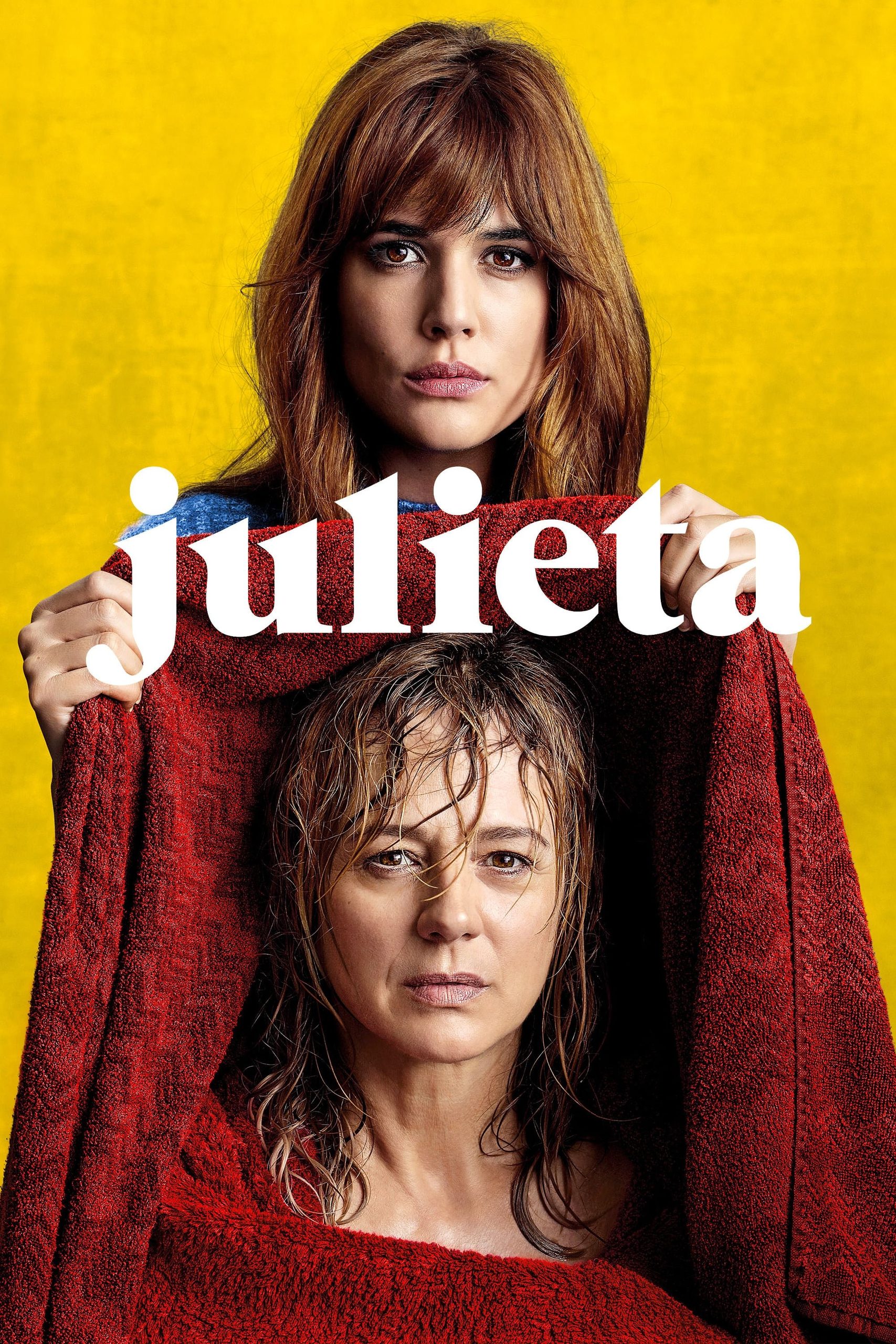
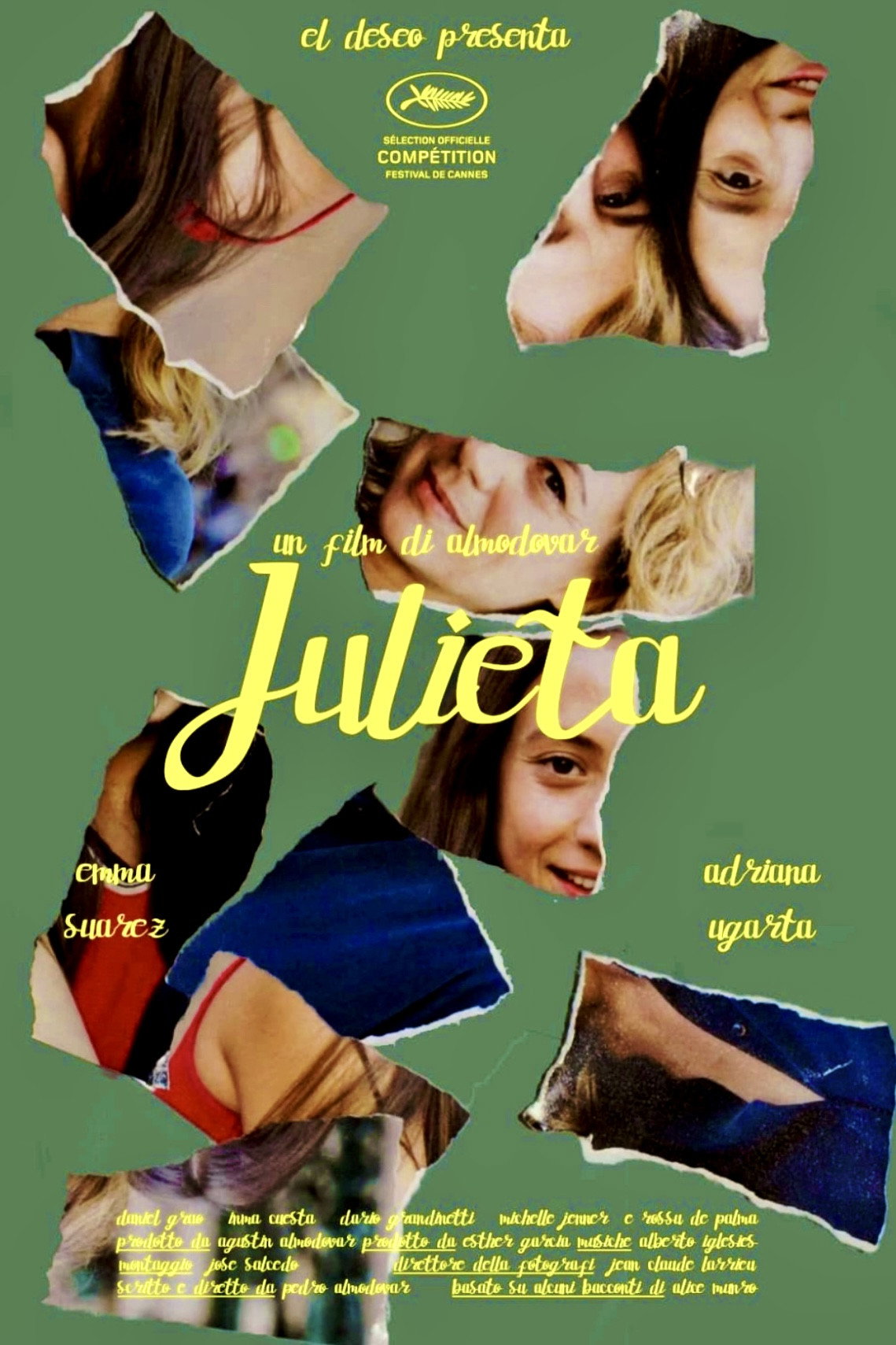
Julieta

2016 · Directed by Pedro Almodóvar · 1h 38m · MPA R

In a sentenceTwo actresses, one woman, and more guilt than either should have to carry

DramaRomance

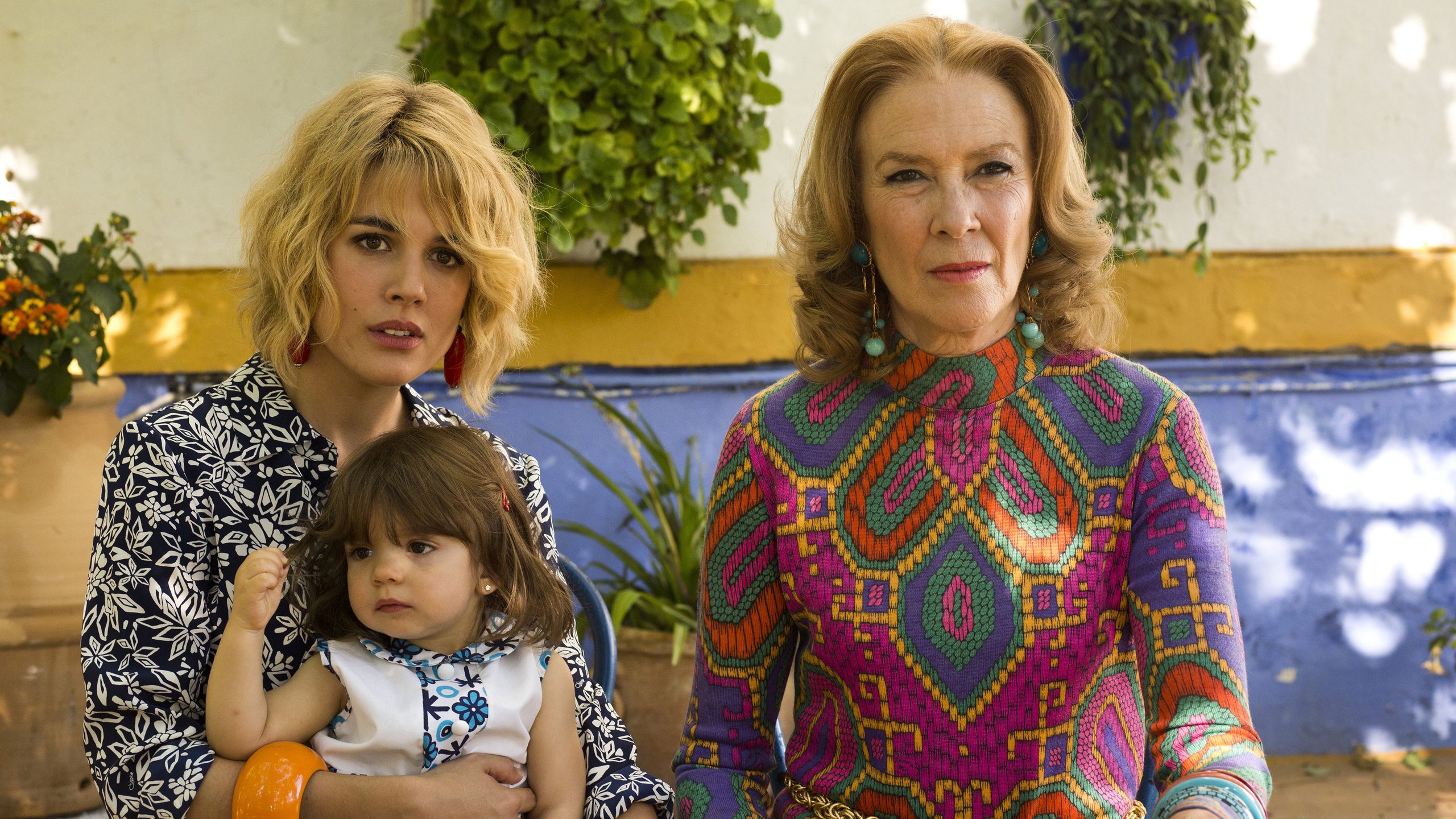
Julieta Arcos (Emma Suárez) looks back over her life, trying to make sense of the grief and guilt surrounding her relationship with her daughter. Memories introduce her younger self (Adriana Ugarte) and Xoan Feijóo (Daniel Grao). Julieta is both a mother, to Antía Feijoo (Priscilla Delgado), and a daughter, to Sara (Susi Sánchez), with each generation caught up in the lives of the others. Her account circles around loss and abandonment, and around the question of how much responsibility she can bear for another person’s choices.

Plays from YouTube when you press play; nothing loads from them until then.

Fi1m review

Pedro Almodóvar’s Julieta is a moving, carefully controlled drama of maternal grief, carried by Emma Suárez and Adriana Ugarte. Its reluctance to explain people sometimes frustrates, but the performances give us reason to stay.

Julieta is a moving melodrama whose restraint mostly earns our patience. Pedro Almodóvar is interested in how a woman lives with guilt when remembering the past brings little relief, and he gives that question room to trouble us. The colours are bright, but the story offers few distractions from her unhappiness. This is concentrated filmmaking, and although its guarded characters occasionally make the drama feel remote, the two actresses sharing the central role keep us involved.

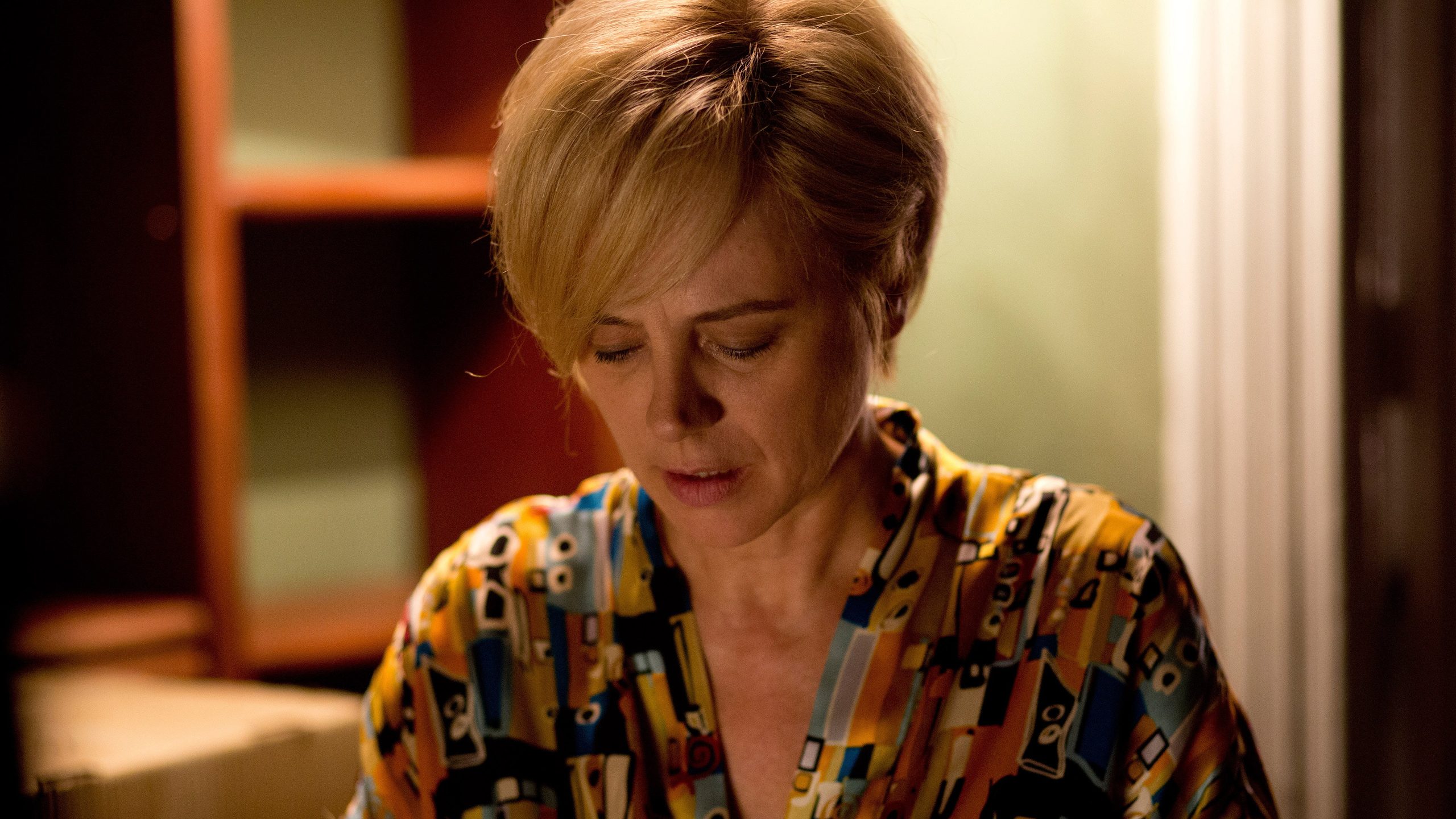
Emma Suárez plays Julieta Arcos, with Adriana Ugarte as her younger self, and the casting makes the passage of time felt without demanding a running explanation. Each actress suggests someone who has difficulty measuring her own share of responsibility. We were moved by Emma Suárez’s stillness: she makes speaking about the past look like an effort Julieta can barely afford. Adriana Ugarte keeps the younger woman from seeming merely an illustration of what went wrong. The differences between the performances are allowed to remain.

Jean-Claude Larrieu’s cinematography makes particularly forceful use of red, a colour that keeps drawing attention even when the acting is subdued. It gives the images an energy the characters cannot always summon. Antxón Gómez’s production design is equally assertive, making the surroundings worth studying without quite letting them take over. There are moments when the finish seems too immaculate for the distress being described, but the brightness also prevents grief from becoming a succession of dutifully grey images.

José Salcedo’s editing has the more difficult job of keeping the flashbacks intelligible while allowing recollection to feel incomplete. For the most part, the shifts in time sharpen our interest in Julieta without making the chronology difficult to follow. Alberto Iglesias’s score introduces an unease closer to a thriller, encouraging us to expect trouble even when little is happening. It works because the music supplies tension without requiring the performances to grow louder, although it can raise expectations of an explanation the screenplay is reluctant to provide.

That reluctance is the chief weakness in Pedro Almodóvar’s screenplay. We can accept that people hurt one another for reasons they struggle to explain, but at times the film makes their behaviour so difficult to read that our sympathy has little to work with. Julieta’s guilt receives careful attention; the motives of those around her receive less. The central performance sometimes has to persuade us of things a conversation might have helped us understand.

Melodrama usually gives its characters an opportunity to say the thing they have been suppressing. This one spends longer considering why they cannot speak, a decision that suits the subject even when it slows the film. The concentration on family, memory and abandonment leaves little space for comic relief. We miss that release occasionally, though a livelier treatment would also risk making Julieta’s pain easier to dismiss.

At 98 minutes, the film does not need to hurry, and its patience is often justified by the attention paid to its leading women. Both performances reward the time spent watching them, even when the writing gives us less help than we need. The film asks for concentration without making a great ceremony of its seriousness. See it when there is time afterwards for a conversation that may not begin straight away.


Critical consensus AI synthesised

71
Positive
17
Mixed
3
Negative
2

Most critics welcome Julieta as a moving, unusually restrained Almodóvar melodrama, with praise centred on its treatment of grief, guilt and abandonment. The performances of Emma Suárez and Adriana Ugarte as Julieta draw particular admiration, alongside the vivid colour, expressive production design and score. Supporters find that the gradual unfolding of memories gives the drama an emotional force that builds quietly, while the adaptation of Alice Munro’s stories brings a concentrated attention to loneliness and family estrangement.

The disagreement concerns how much feeling that restraint allows through. Several otherwise favourable reviews find the film uneven or short on momentum; others miss the director’s humour and energy. The spread is wide despite the positive majority. The Hollywood Reporter finds the storytelling fragmentary and the characters’ motives unconvincing, while Slant argues that the emphasis on objects and symbols keeps Julieta from becoming a fully realised person.

The Guardian
28 August 2016 · ★★★★★ · Mark Kermode
100

Almodóvar’s tender melodrama is his best in a decade, a sumptuous and heartbreaking study of the viral nature of guilt, the mystery of memory and the often unendurable power of love. The critic singles out the superb score and the dual performances of Emma Suárez and Adriana Ugarte as Julieta.

Read the full review →
Evening Standard
26 August 2016 · David Sexton
90*

The critic hails it as a spectacular return to form and astonishingly rich and bold in its staging, physicality, colour and direct tragedy, an extremely moving blend of Almodóvar’s female-centric vision with Alice Munro’s themes of loss. It notes the austere, concentrated tragic story with few diversions yet remains intensely rewarding.

Read the full review →
Film Comment
festival review · Eugene Hernandez
85*

A profound and moving study of family, guilt, and growing old that ranks among Almodóvar’s best recent films. The dispatch highlights the director’s focus on loneliness, the passage of time, and a dark turn in his work adapted from Alice Munro stories.

Read the full review →
Empire
22 August 2016 · Anna Smith
80*

The critic calls it a slick, stylish melodrama with an involving story and cracking cast, closer in spirit to All About My Mother than Almodóvar’s more frenetic earlier works. It highlights the strong characters, simple storytelling, visual brightness, bursts of humour, and Adriana Ugarte as a real find in the lead.

Read the full review →
Little White Lies
25 August 2016 · 3/4/5 · David Jenkins
80

Almodóvar returns to his very best with a beautiful, quietly devastating portrait of a broken woman, marking a welcome return to neo-melodrama peaks after less successful recent films. The critic singles out the film's intimate, muted style and intricate form, including symbolic visuals and score, for delivering cumulative emotional power that only fully registers at the end.

Read the full review →
Time Out
21 August 2016 · ★★★★ · Dave Calhoun
80

Almodóvar returns to female-focused filmmaking with a sombre, ravishing study of grief, guilt and burden that is more buttoned-up than his earlier melodramas but ultimately extremely moving. The critic singles out the gradual piecing together of the story through flashbacks and the exquisite craft, including use of blood red and the score, for its cumulative power.

Read the full review →

Cast

Awards

International Submission to the Academy Awards, 2017

Nominated
International Submission to the Academy Awards

European Film Award for Best Actress, 2016

Nominated
European Film Award for Best Actress

European Film Award for Best Director, 2016

Nominated
European Film Award for Best Director

European Film Award for Best Film, 2016

Nominated
European Film Award for Best Film

European Film Award – People's Choice Award for Best European Film, 2016

Nominated
European Film Award – People's Choice Award for Best European Film

San Diego International Film Festival, 2016

Won
San Diego International Film Festival

If you liked this, try…

Autumn Sonata poster

Autumn Sonata

1978 · A mother and daughter struggle to say what years of resentment have concealed.

Secrets & Lies poster88

Secrets & Lies

1996 · Another family reckoning, with more humour and equally close attention to its women.

Still Walking poster

Still Walking

2008 · Family grief emerges through ordinary conversation, with no need for grand declarations.

A Separation poster93

A Separation

2011 · Guilt and competing loyalties complicate every judgement about a family coming apart.

The Quiet Girl poster

The Quiet Girl

2022 · For another patient drama that lets unspoken feeling accumulate between adults and children.