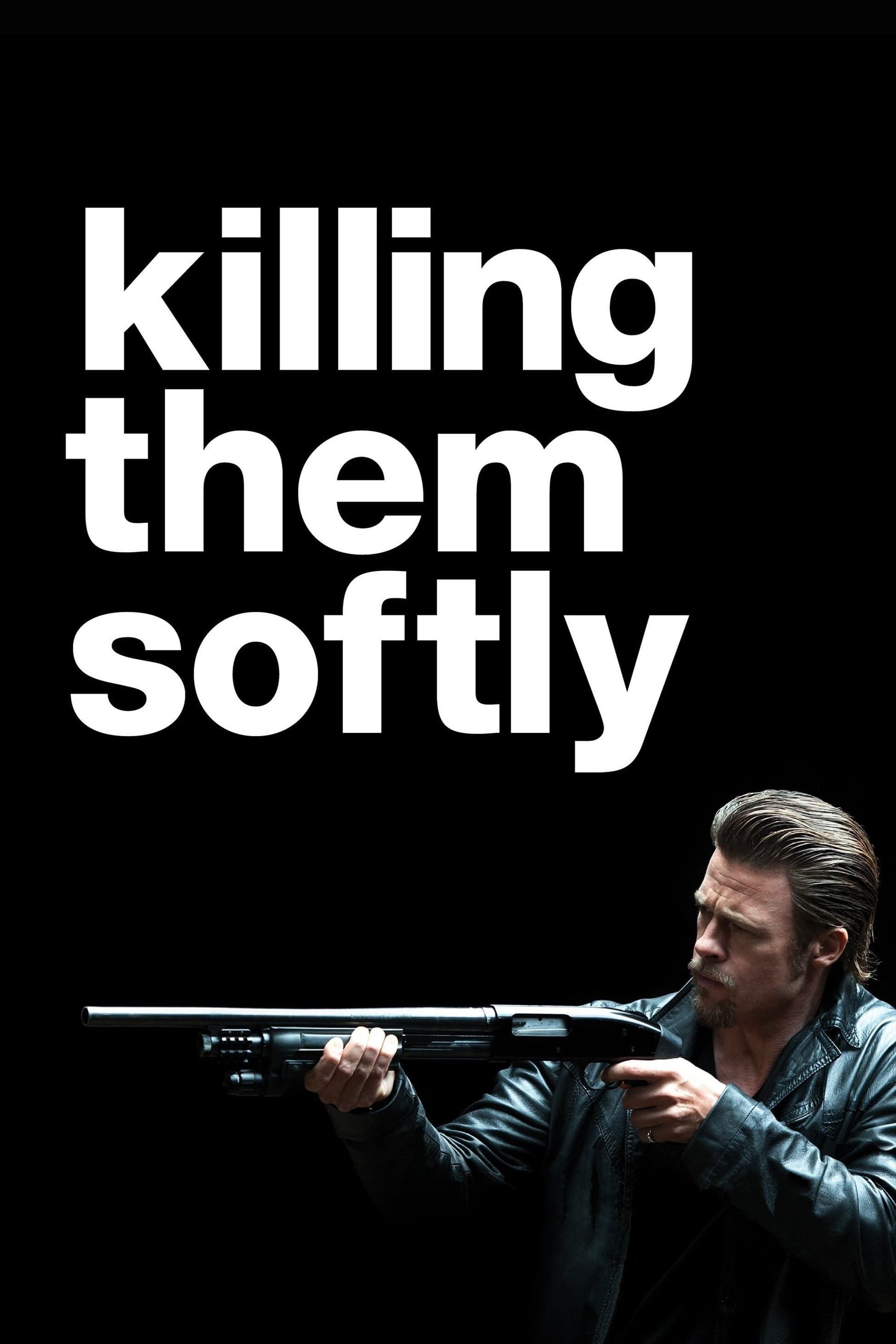
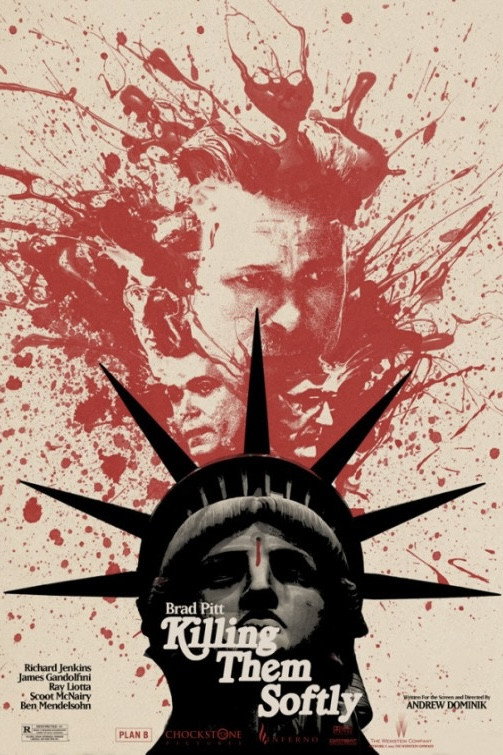
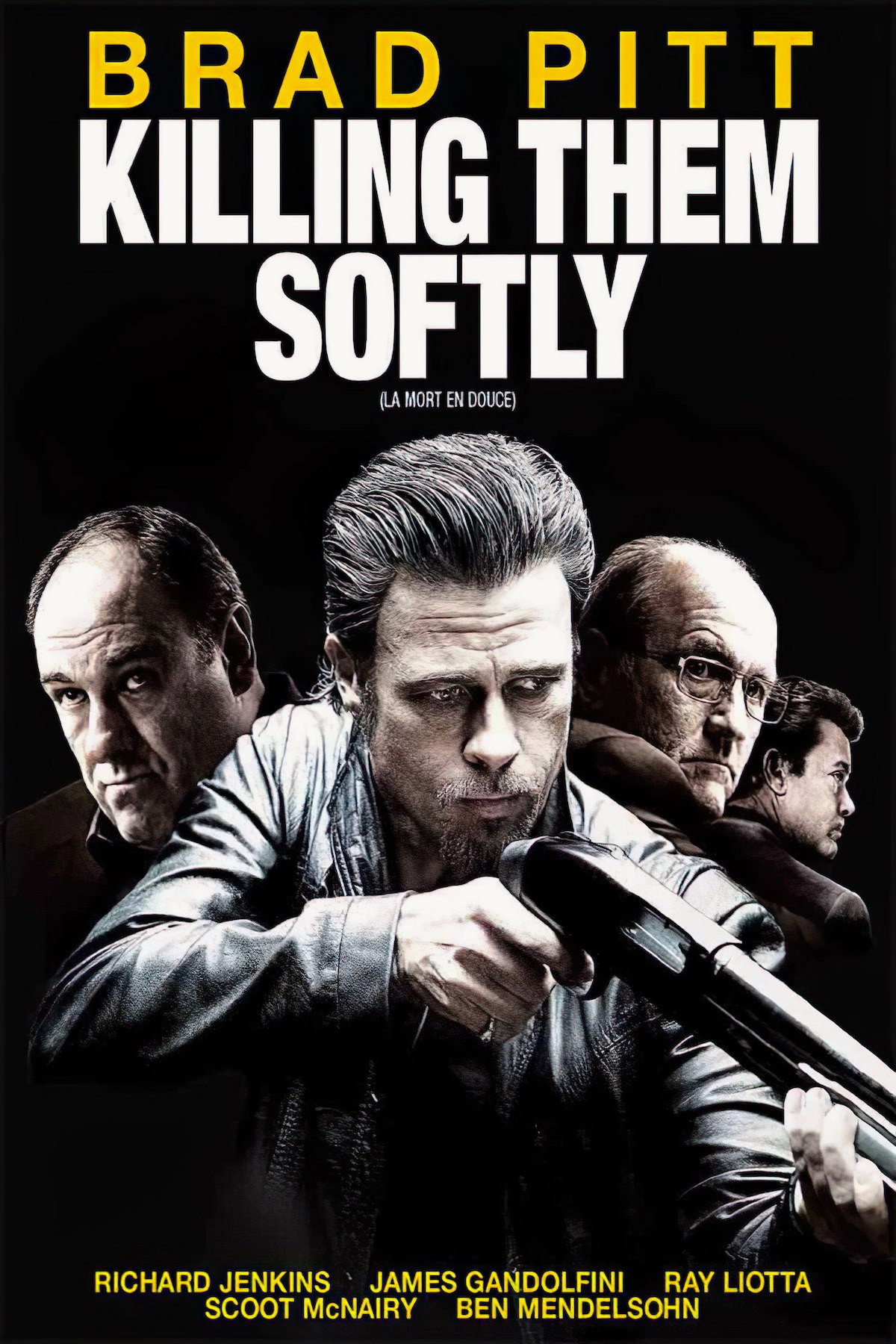
Andrew Dominik’s hitman film is nastily funny in its parked cars and hotel rooms, and James Gandolfini is superb. But every television in it is tuned to the financial crisis, and the film keeps cutting away to make a point its characters have already made.
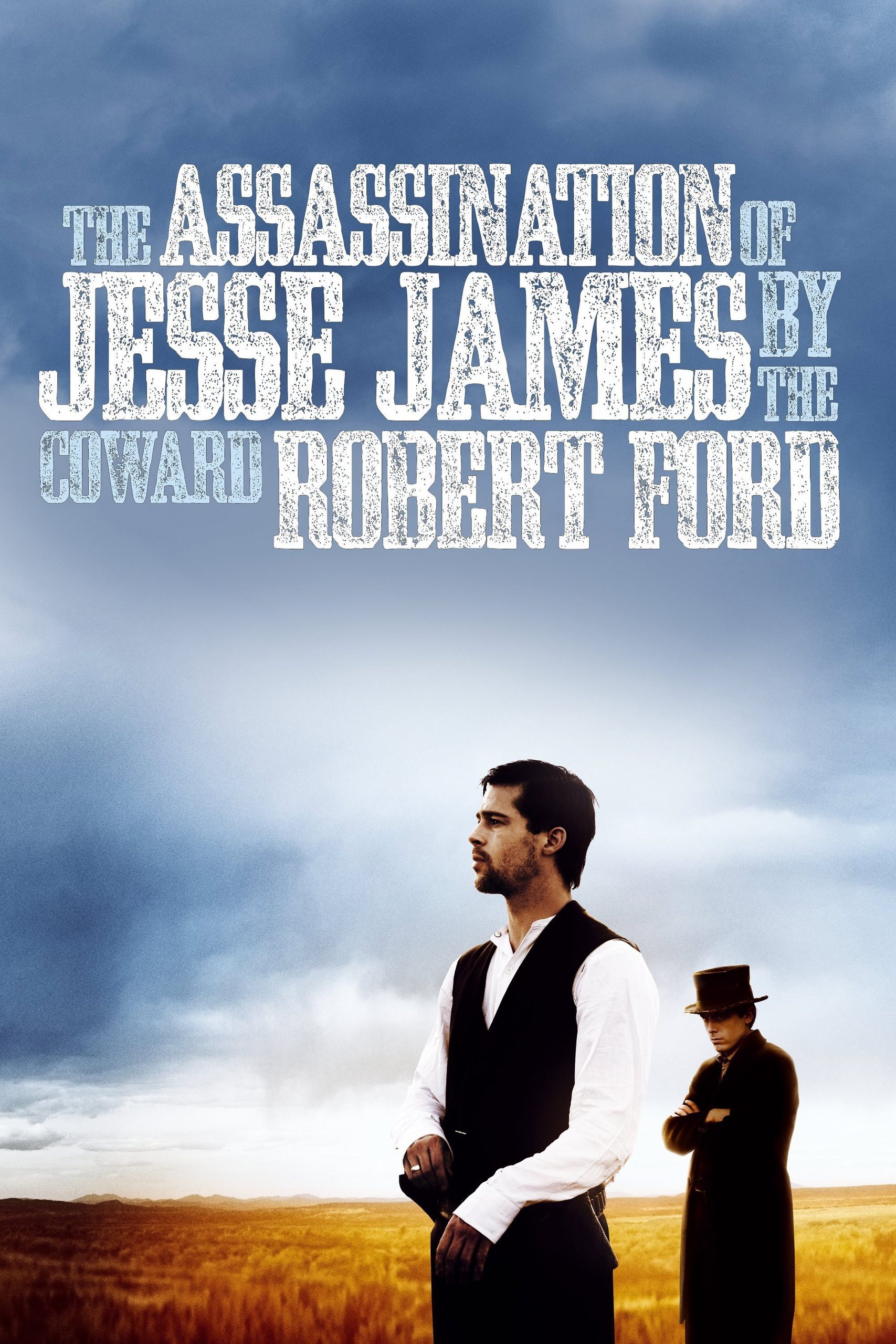
Andrew Dominik’s second film with Brad Pitt, after The Assassination of Jesse James by the Coward Robert Ford (2007), is a small, grubby crime story from a George V. Higgins novel, moved to the autumn of 2008 and set in a city the film never names. Two low-rent crooks rob a card game under mob protection. The mob sends for Jackie Cogan (Pitt) to find out who did it and make an example of them. That is the whole plot. The rest is talk, a handful of killings and a great deal of television news.
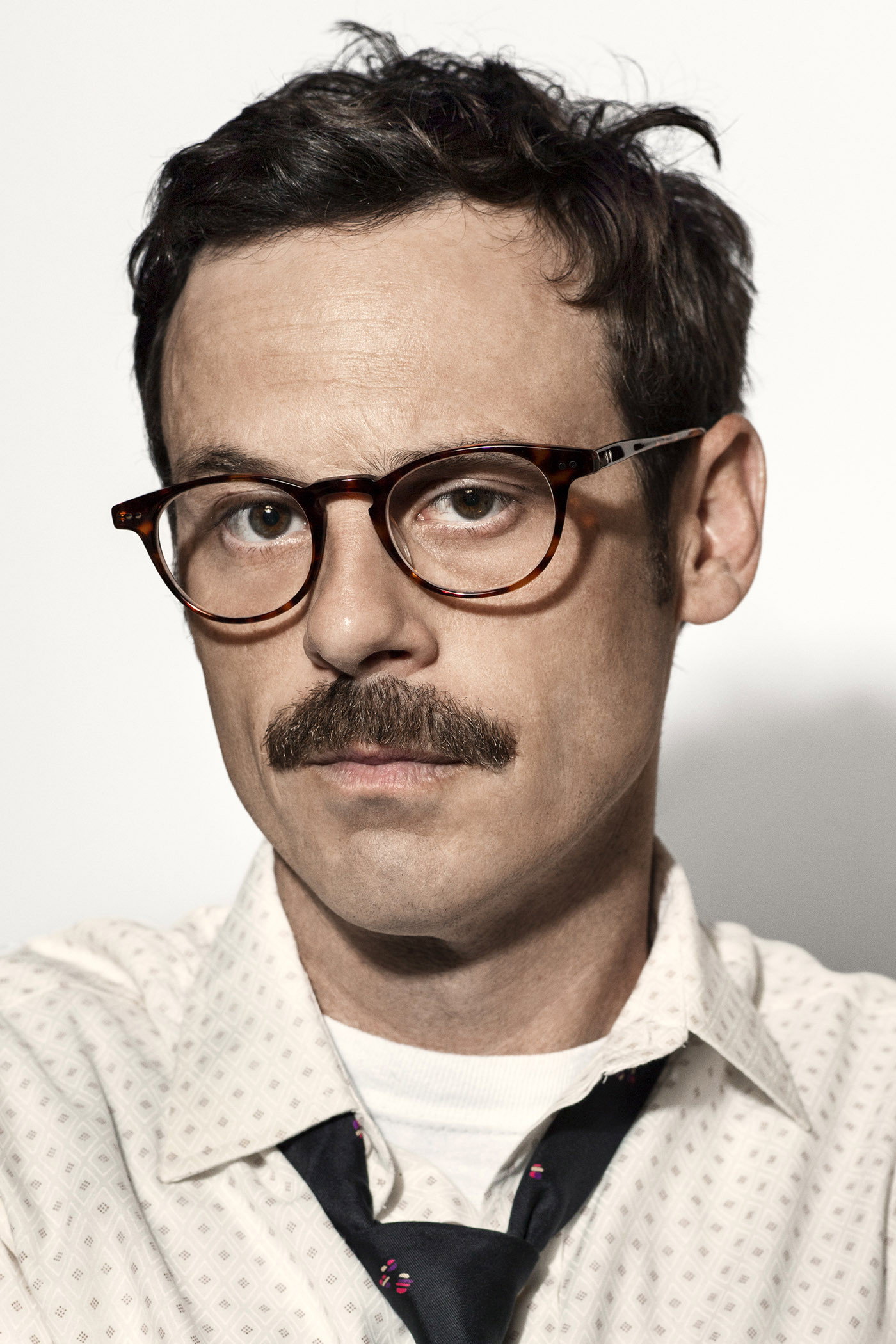
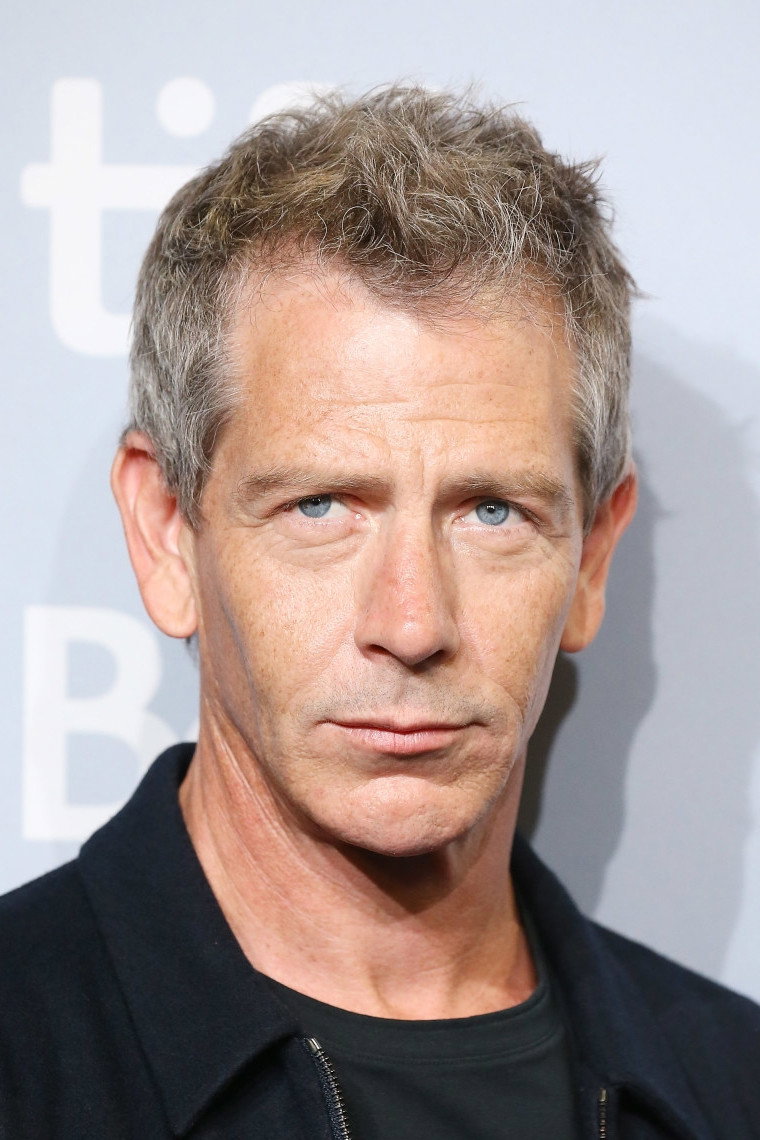
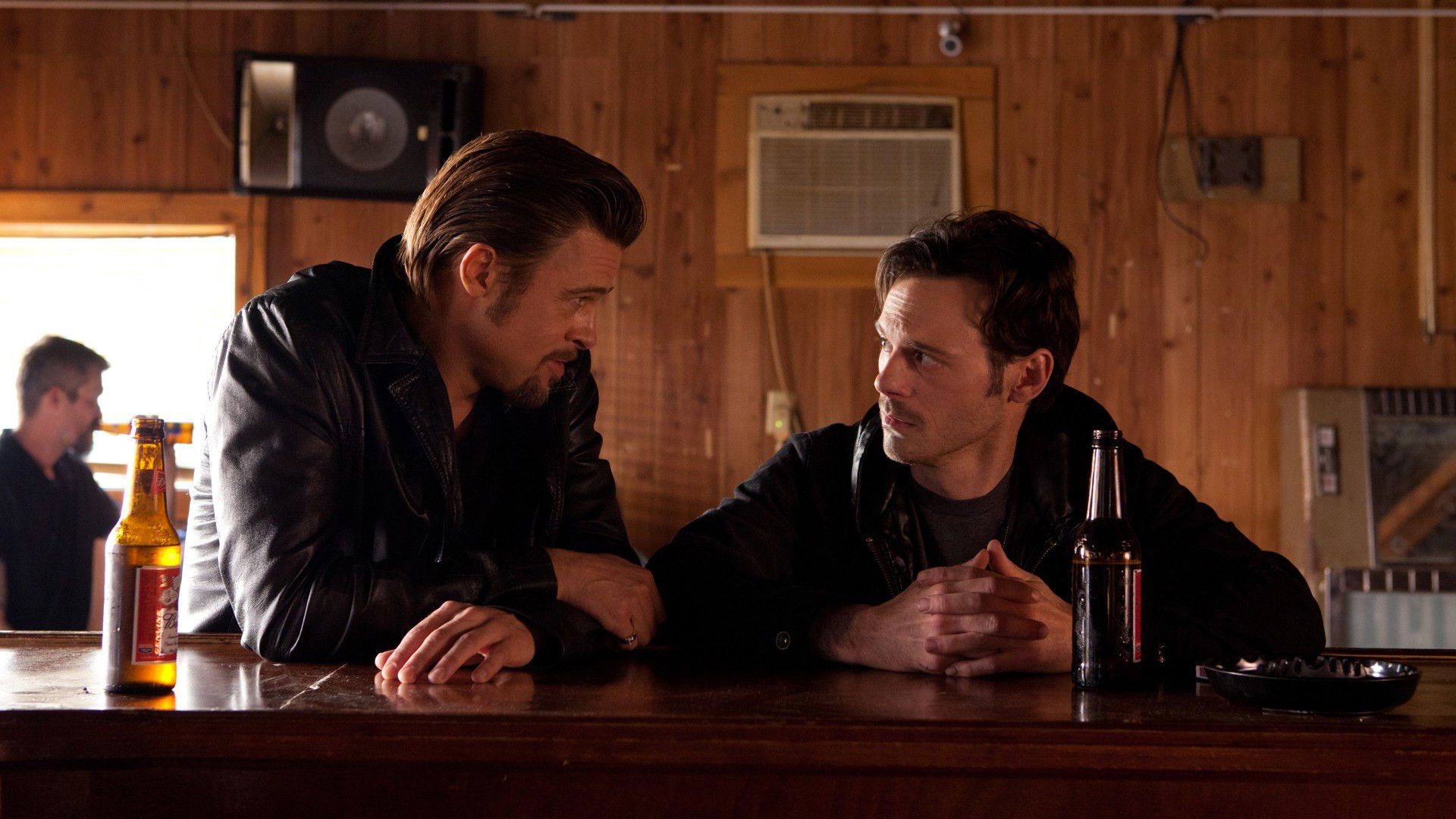
The talk is the best of it, and so is the robbery. Frankie (Scoot McNairy) and Russell (Ben Mendelsohn) walk into Markie Trattman’s game in rubber gloves and stocking masks, with no plan for what happens if anyone says no. Greig Fraser shoots it close and dim, faces lit by the table lamp, and Brian A. Kates cuts it slowly, so that we sit through every second of two frightened men trying to sound like professionals. We were more tense than we have been at far bigger heists, because the only real danger is that one of them will panic.
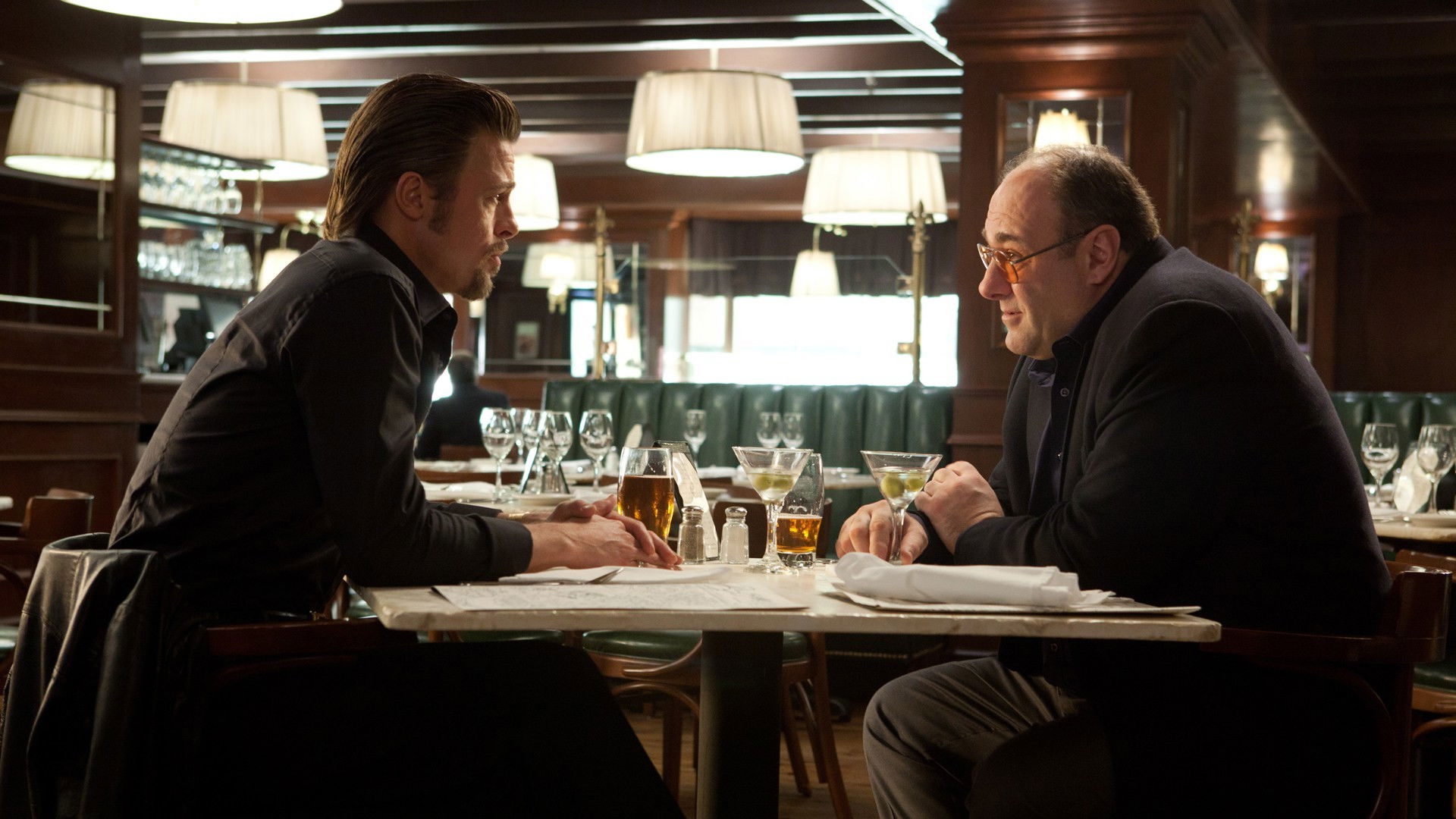
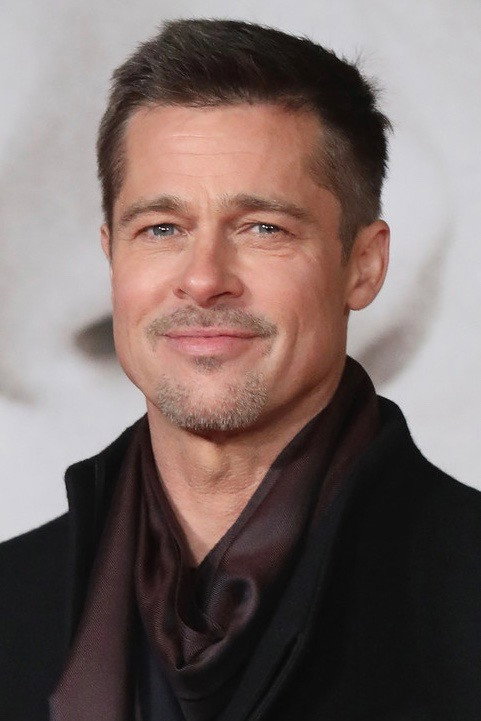
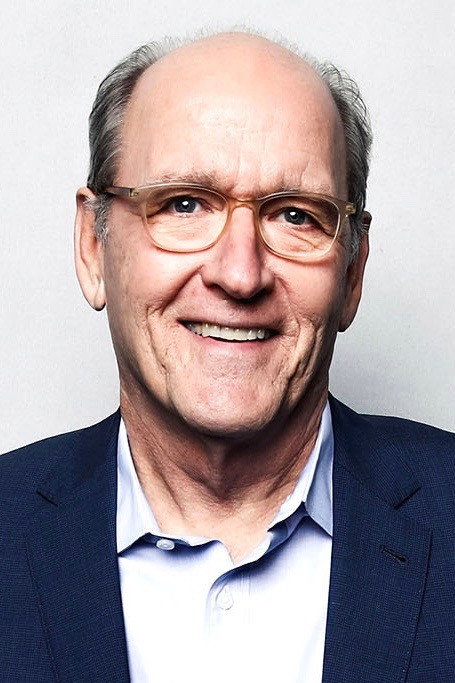
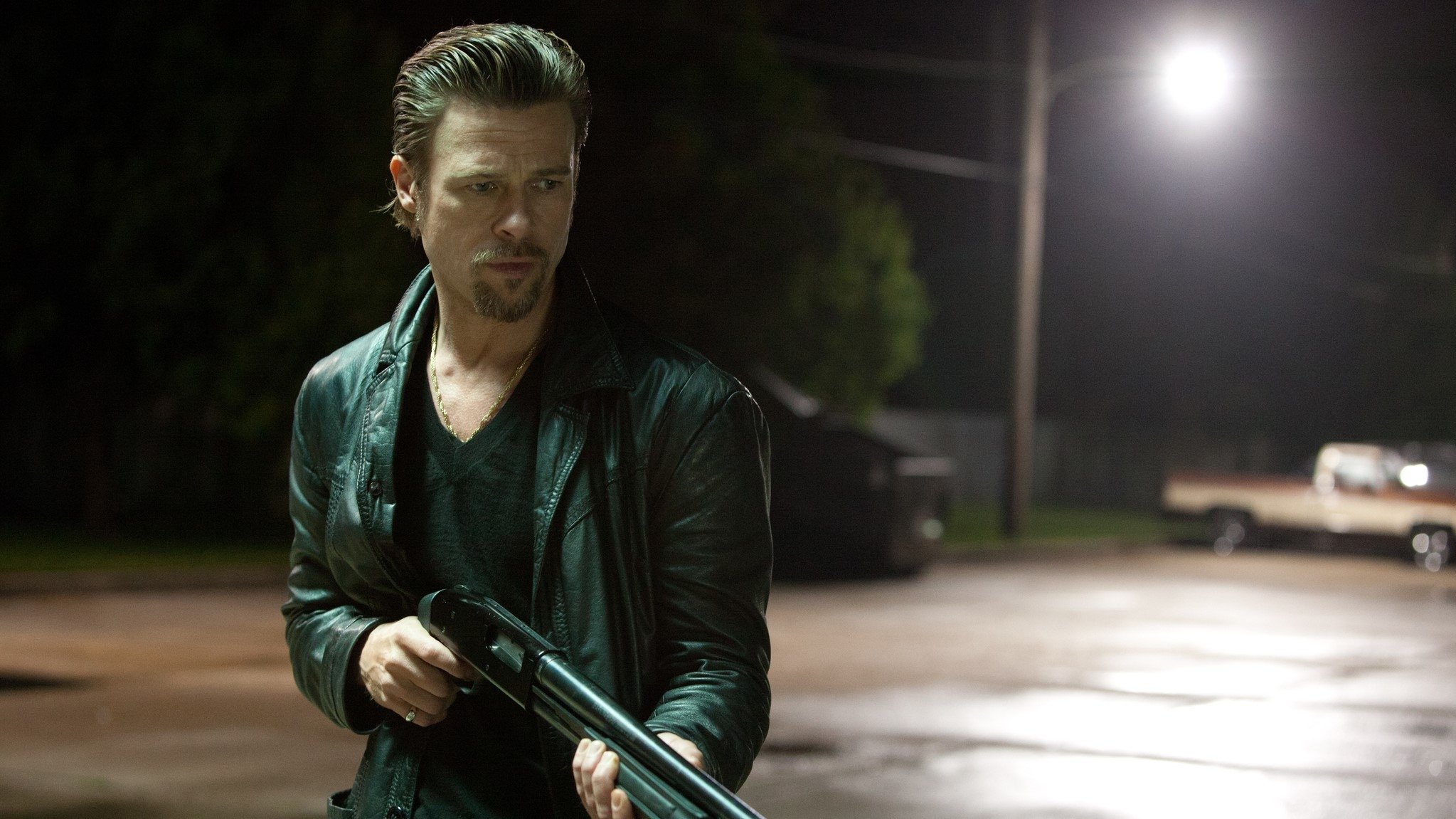
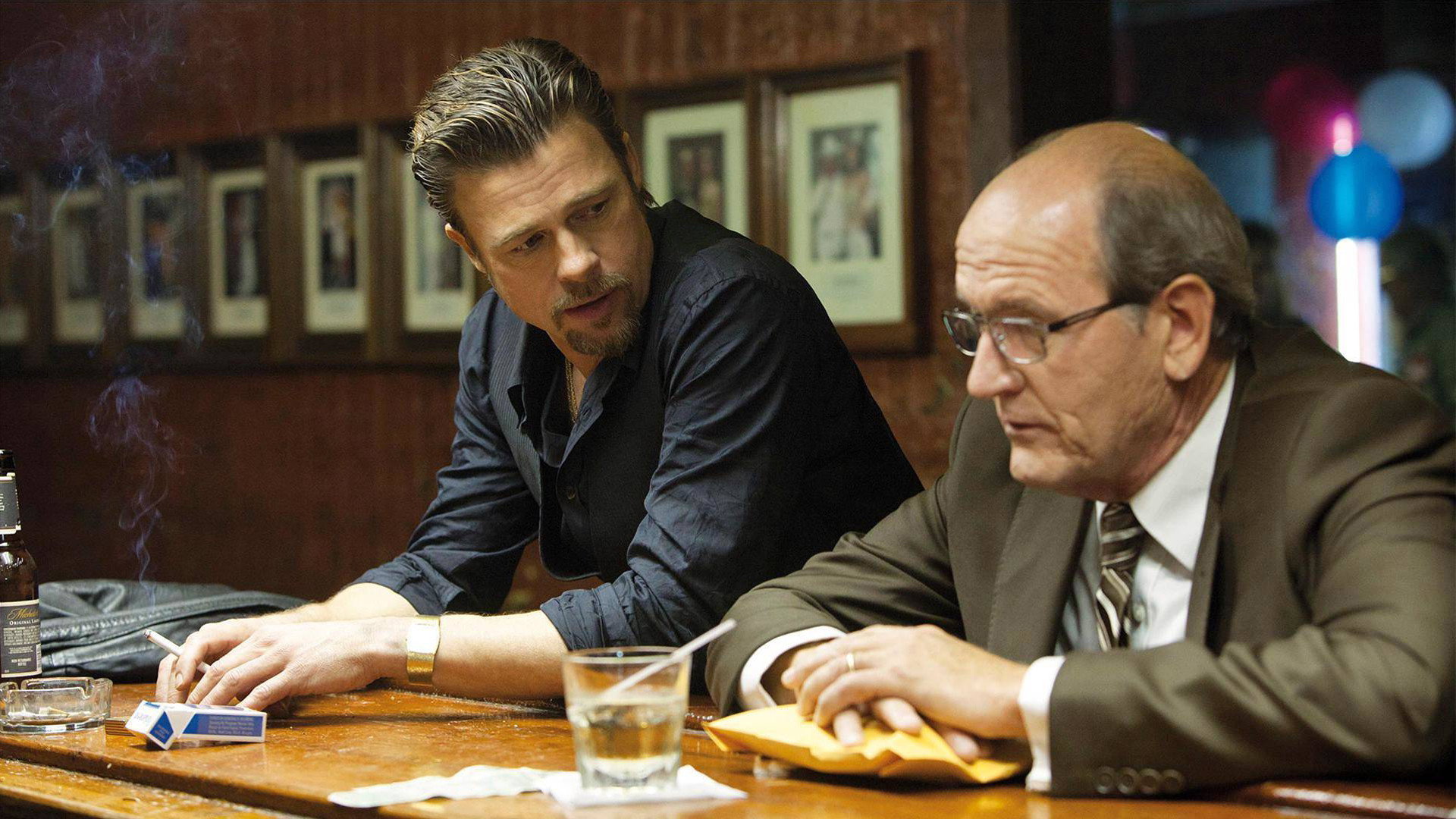
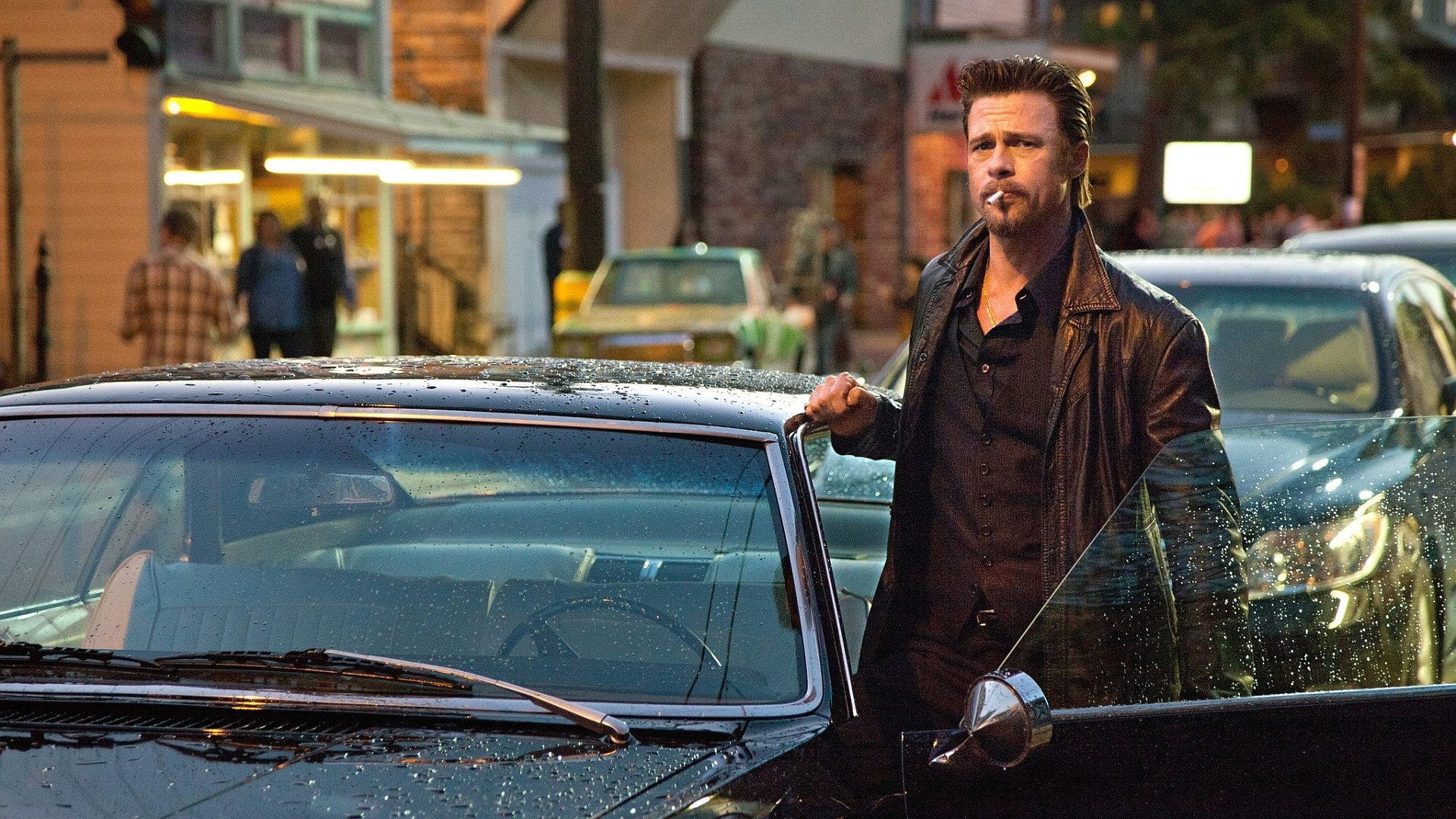
Pitt plays Cogan low and quiet. He arrives in a car, listens more than he speaks, and explains to the Driver (Richard Jenkins), the lawyer who carries messages from the men upstairs, that he prefers to kill from a distance, because up close people cry and beg. Jenkins plays every one of his scenes in the front seat of a parked car, fussing about expenses, and the two of them are the funniest thing Dominik has written. Fraser gives the city rain, sodium streetlight and motel corridors the colour of nicotine, and Patricia Norris, credited for both production design and costume, puts everyone in clothes that have been slept in.
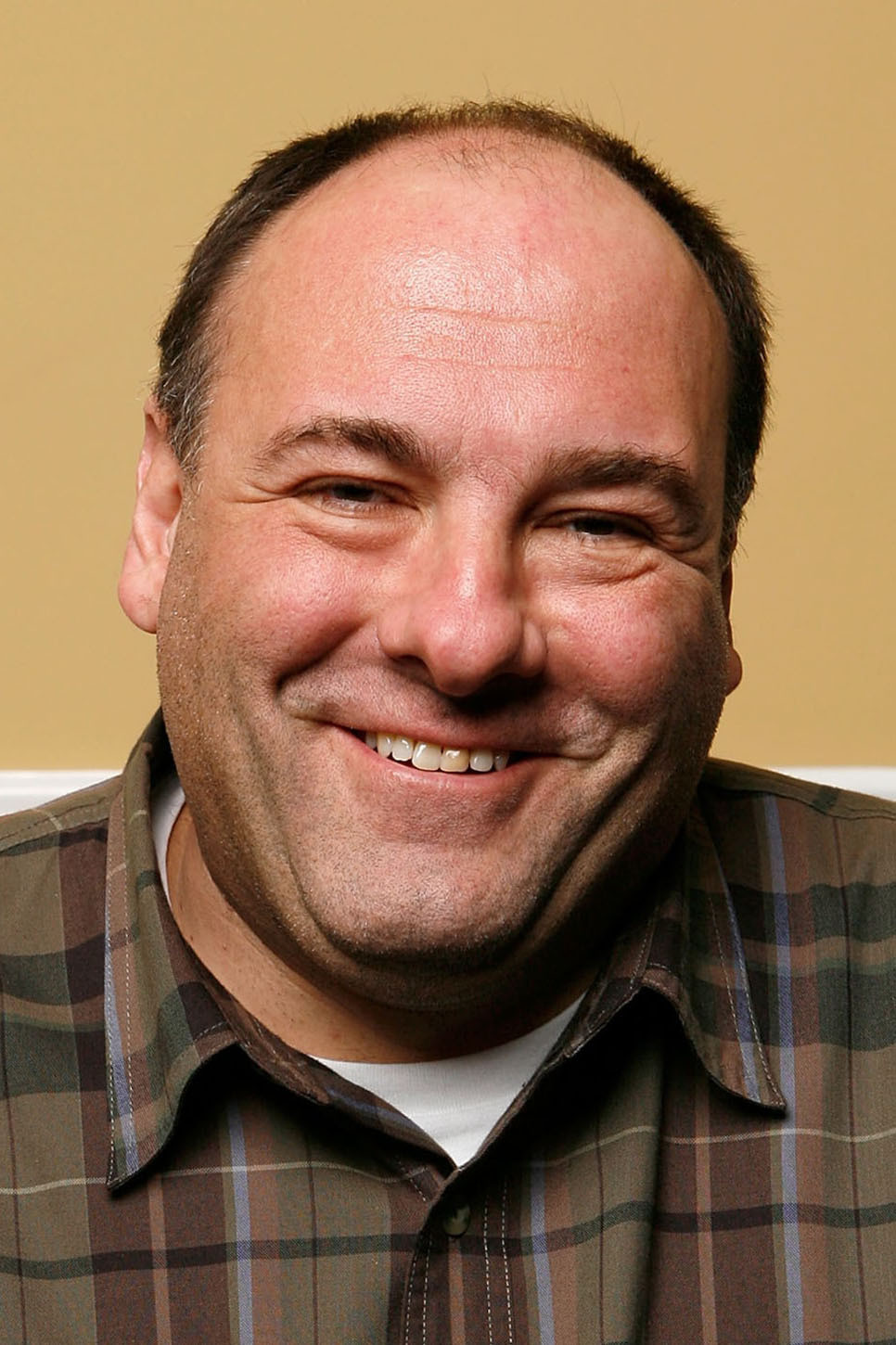
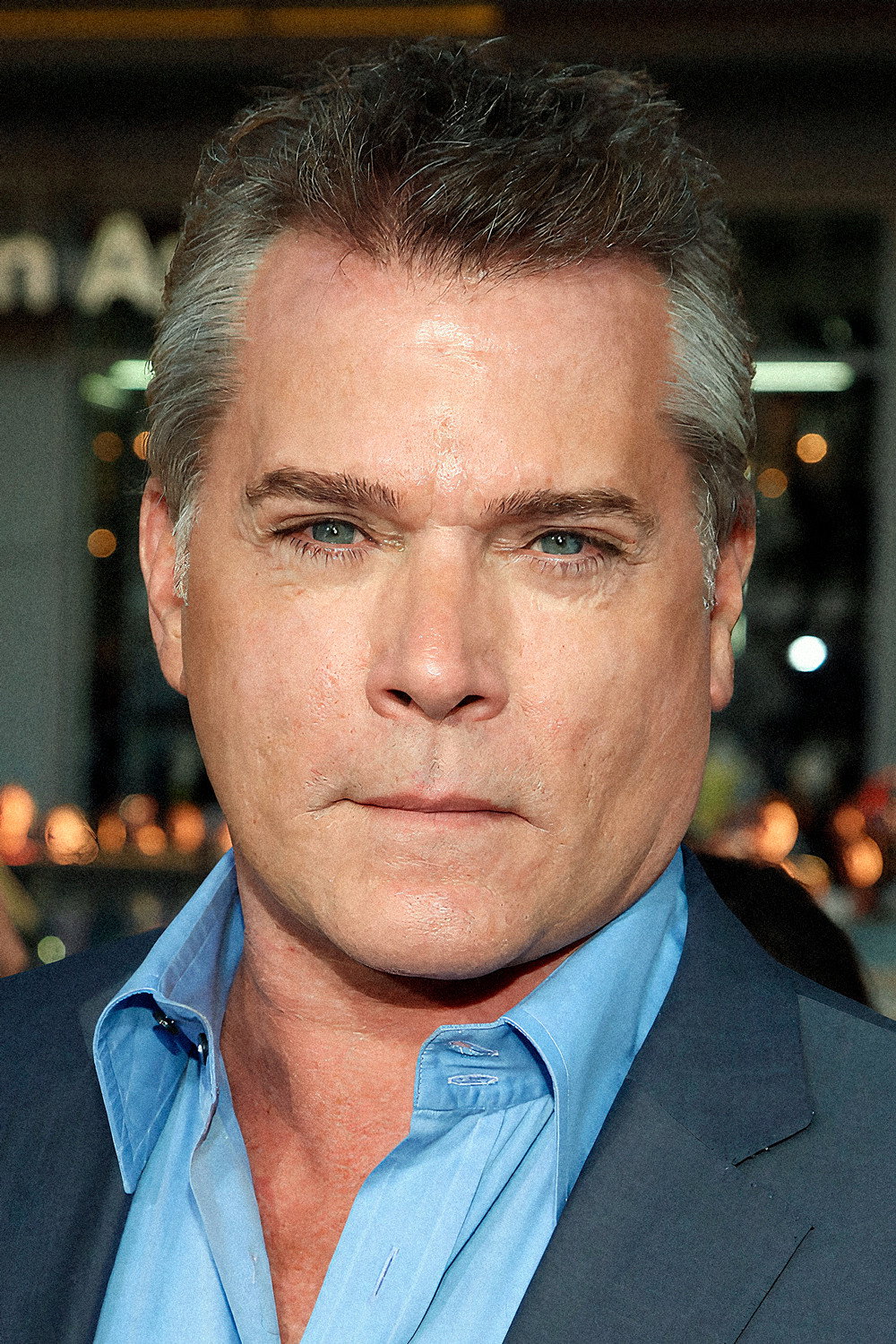
James Gandolfini arrives around the midpoint as Mickey, a second hitman brought in from New York, and the film is never better than when he is on screen. Mickey drinks from the moment he wakes and talks about his wife with a self-pity that turns without warning into grief. There is a hotel room scene in which he tells Cogan about a prison sentence and a marriage, and it moved us more than we expected a film this cold to manage; Gandolfini plays a man who knows he is finished and would like one more drink before anyone says so. Mendelsohn matches him in a lower key, all sweat and bad teeth, and Kates cuts Russell’s heroin scene as a drift of dissolves so that the dialogue arrives from under water. Ray Liotta’s Markie spends the film paying for a joke that was funny once.
The killings are what critics have argued about. One is a shooting in the rain, filmed in extreme slow motion, with glass hanging in the air and a soft old love song underneath, and it is as carefully made as anything here. It is also the moment Dominik stops trusting the material. Higgins wrote men who die stupidly and fast; the slow motion makes it beautiful, and beautiful is the wrong word for what is happening to the man in the car. A beating earlier on is shot the same way, every punch given its own frame, and by the end of it we were flinching and faintly resentful at being asked to admire the lighting.
Then there is the news. Every television in every bar and every car radio carries the bank bailout and the 2008 election, and the film cuts to them whenever a point needs underlining. The point is that the mob is a business, the country is a business, and both are run by men who cannot be seen to lose. The film makes it in the first ten minutes. It then makes it again roughly every quarter of an hour, and by the last reel we were irritated, because the people in the cars had already said everything the speeches say, and said it with better jokes.
Jesse James was long and patient and let us find its meaning ourselves. This one is short and does not trust us to get there unaided. It is still worth an evening if you like your gangsters small, your dialogue nasty and your violence sudden, and Gandolfini alone repays the ticket. It runs 97 minutes, carries an 18 certificate earned twice over in the first half hour, and opened in UK cinemas on 20 September 2012.