Andrew Dominik’s western is absorbing and often uncomfortable, with Casey Affleck and Brad Pitt making hero worship hard to watch. The pace needs patience, and some scenes repeat the point, but the performances repay the attention.
Andrew Dominik’s The Assassination of Jesse James by the Coward Robert Ford is a fine western about the misery of wanting a famous man to notice you. Adapting Ron Hansen’s novel, Dominik gives that wish time to become uncomfortable, and occasionally gives it more time than it needs. At 160 minutes, the film makes a substantial demand on an evening. We recommend it, though its close attention to these men includes stretches when they tell us little we have not already understood.
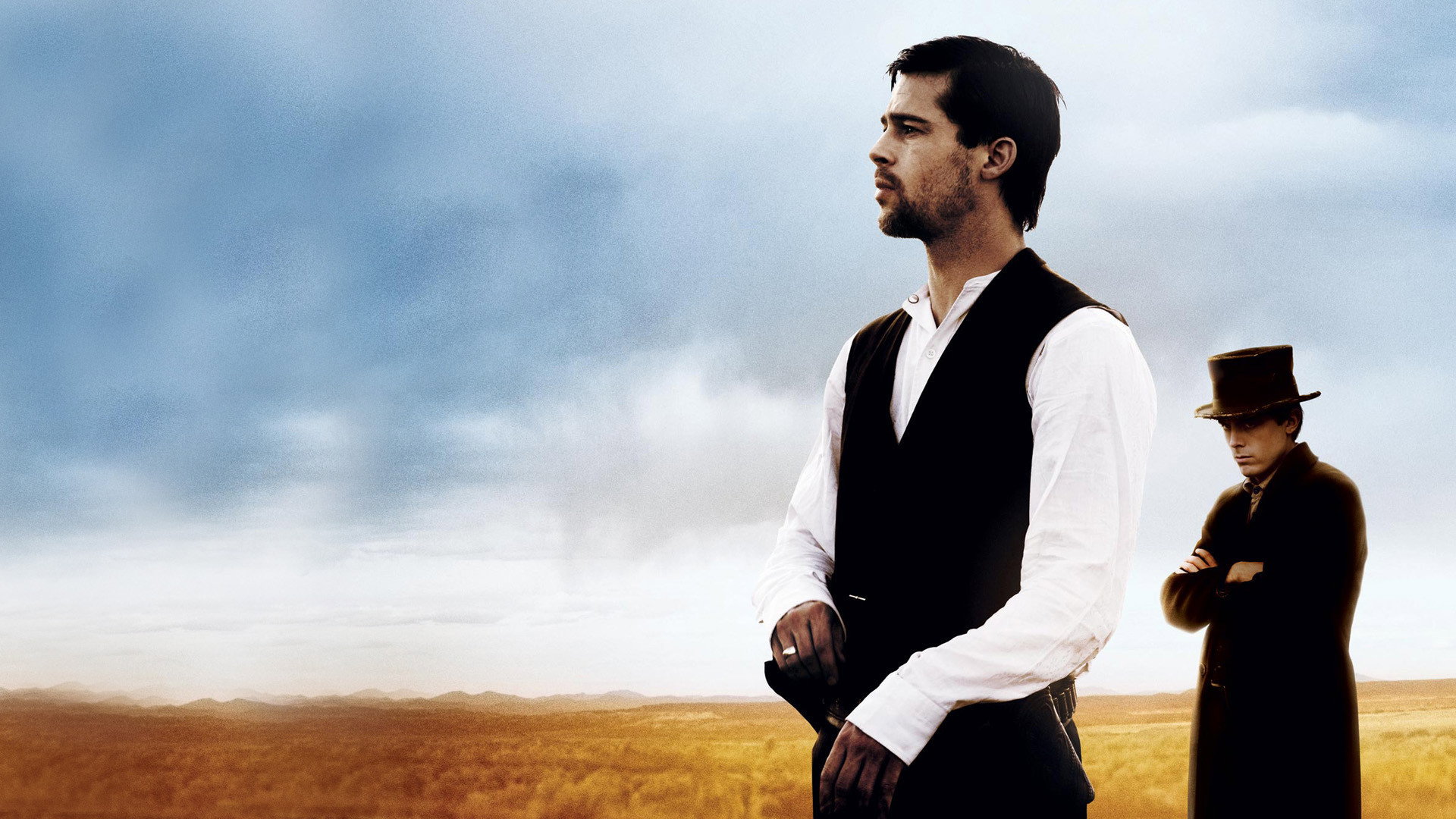
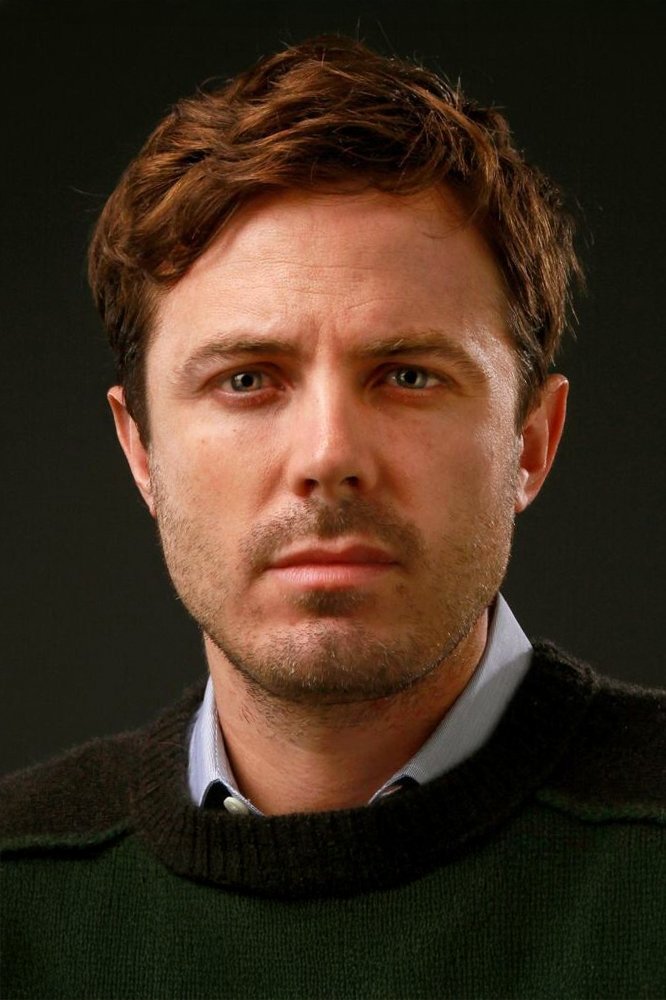
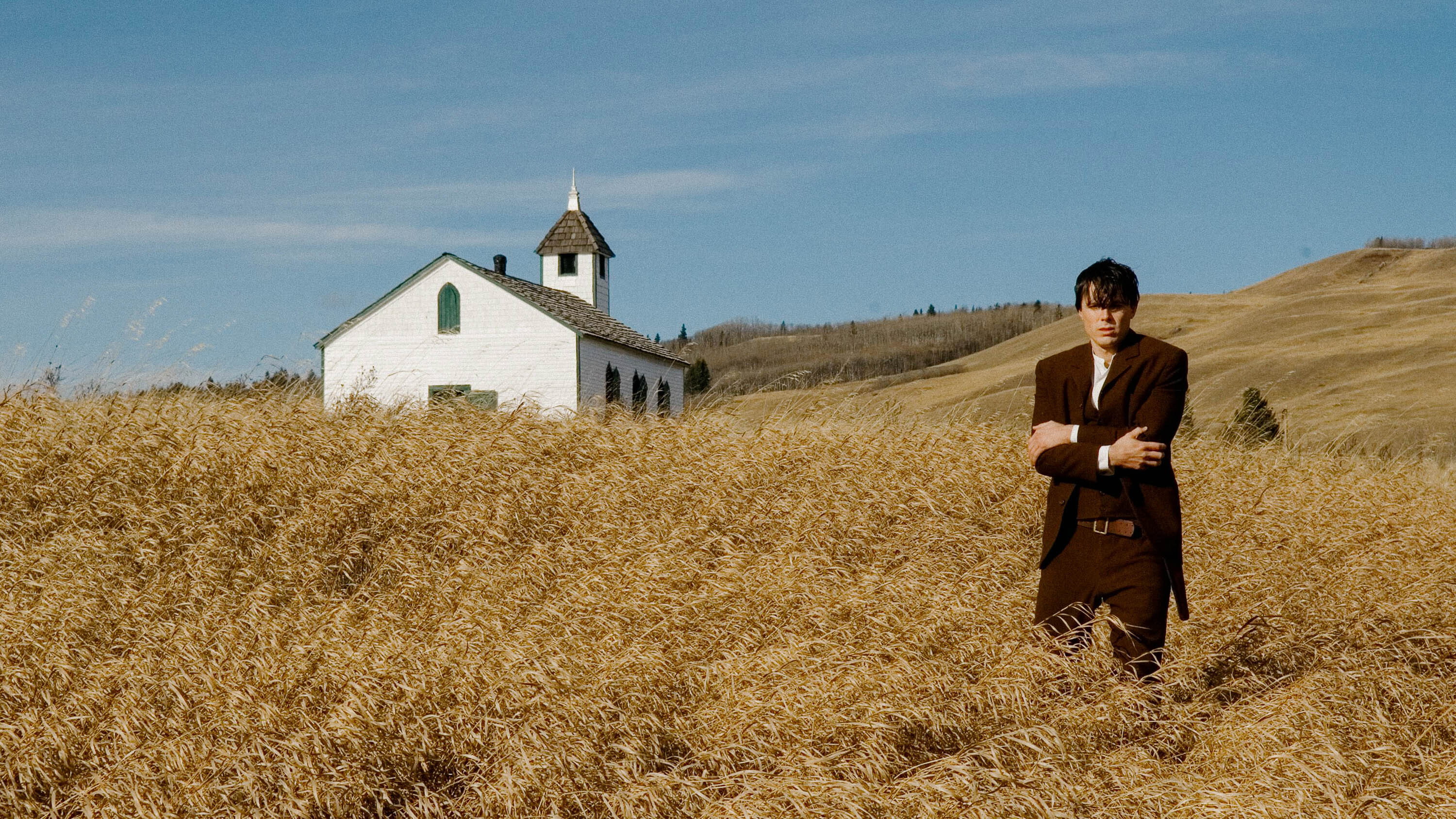
Casey Affleck’s Robert Ford is the reason to accept that demand. His admiration for Jesse James is so bound up with his wish to matter that even their ordinary exchanges seem dangerous: James can withhold the attention Ford needs. We felt painfully embarrassed for Ford, because Affleck makes his appetite for approval impossible to overlook. The performance allows us to recognise something familiar in that need without making Ford easy company, and it gives the film a discomfort that no amount of gunfire could supply.
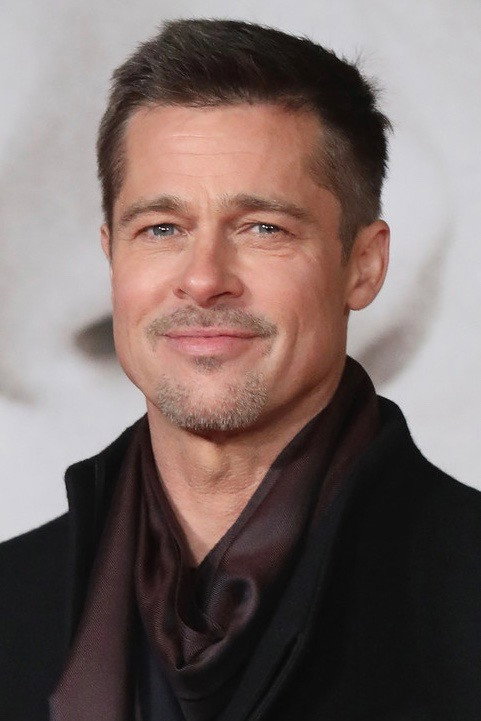
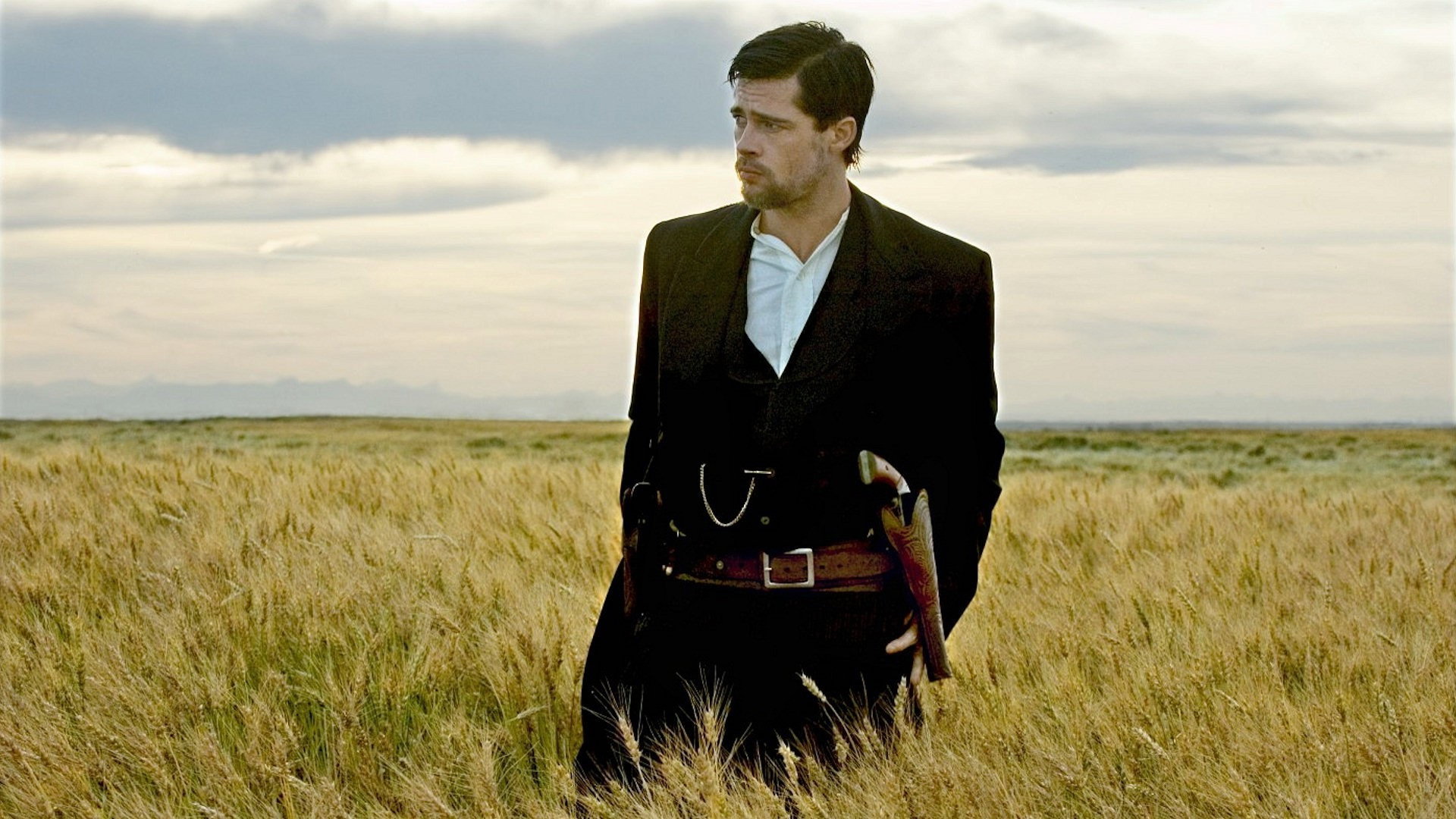
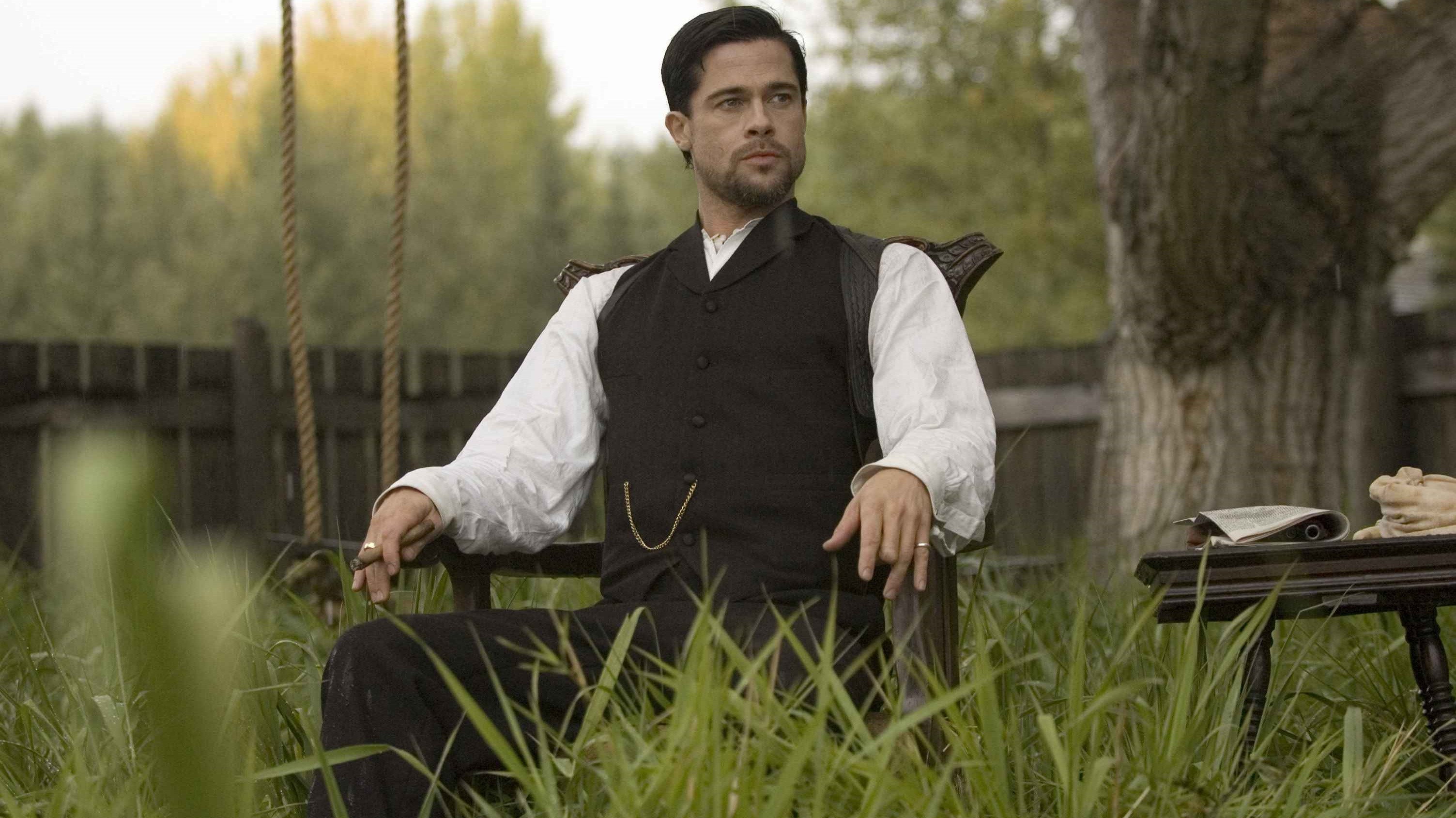
Brad Pitt understands how much power James has simply by being the person Ford wants to watch. His Jesse can hold our interest without earning our affection, and Pitt makes the paranoia and ruthlessness difficult to excuse as the burdens of fame. The uneasy dependence between the two gives the dialogue its tension, even when the words themselves are unremarkable. Dominik is alert to the cruelty of unequal admiration, especially when Ford’s need for recognition becomes another reason to deny it.
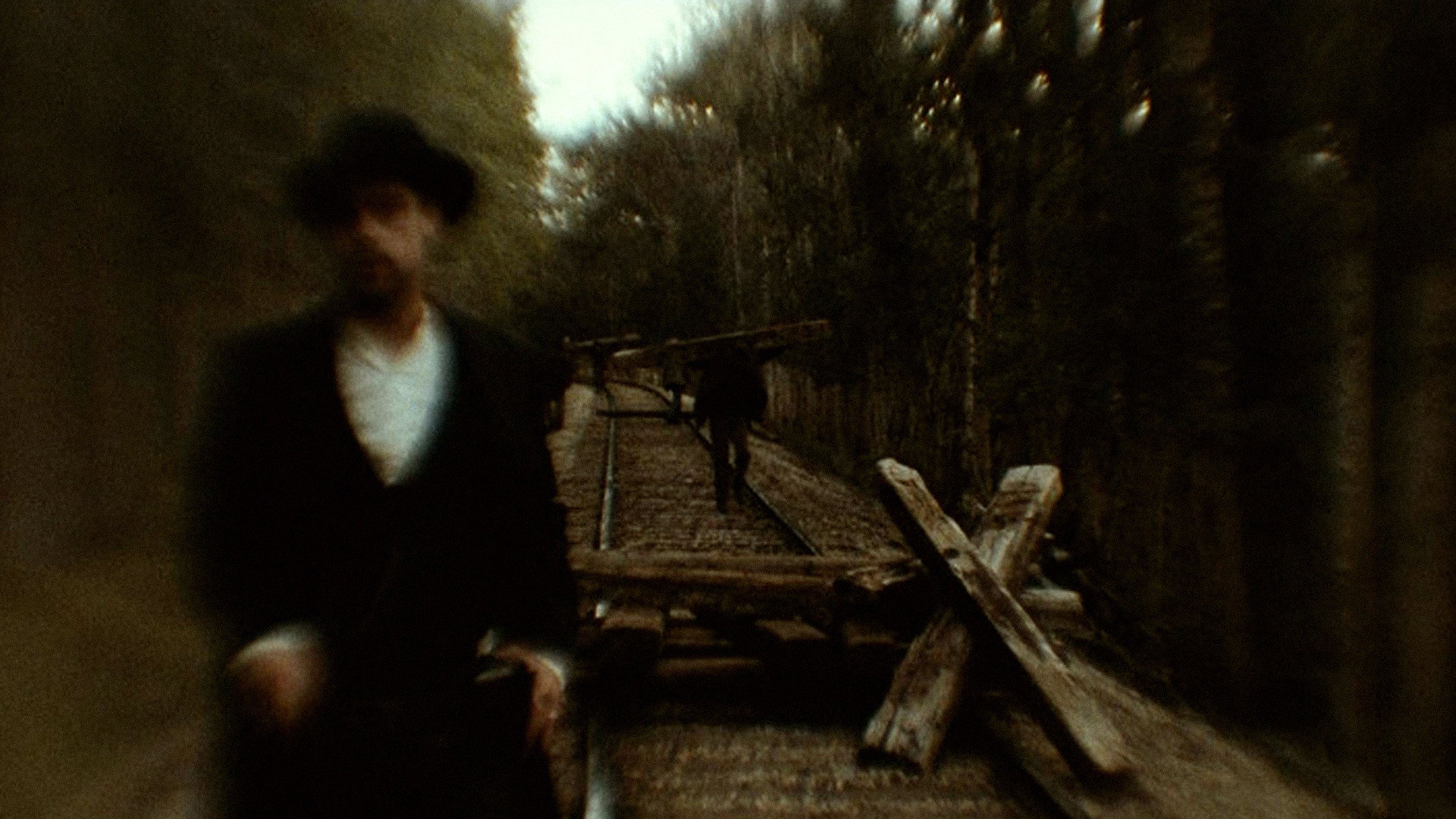
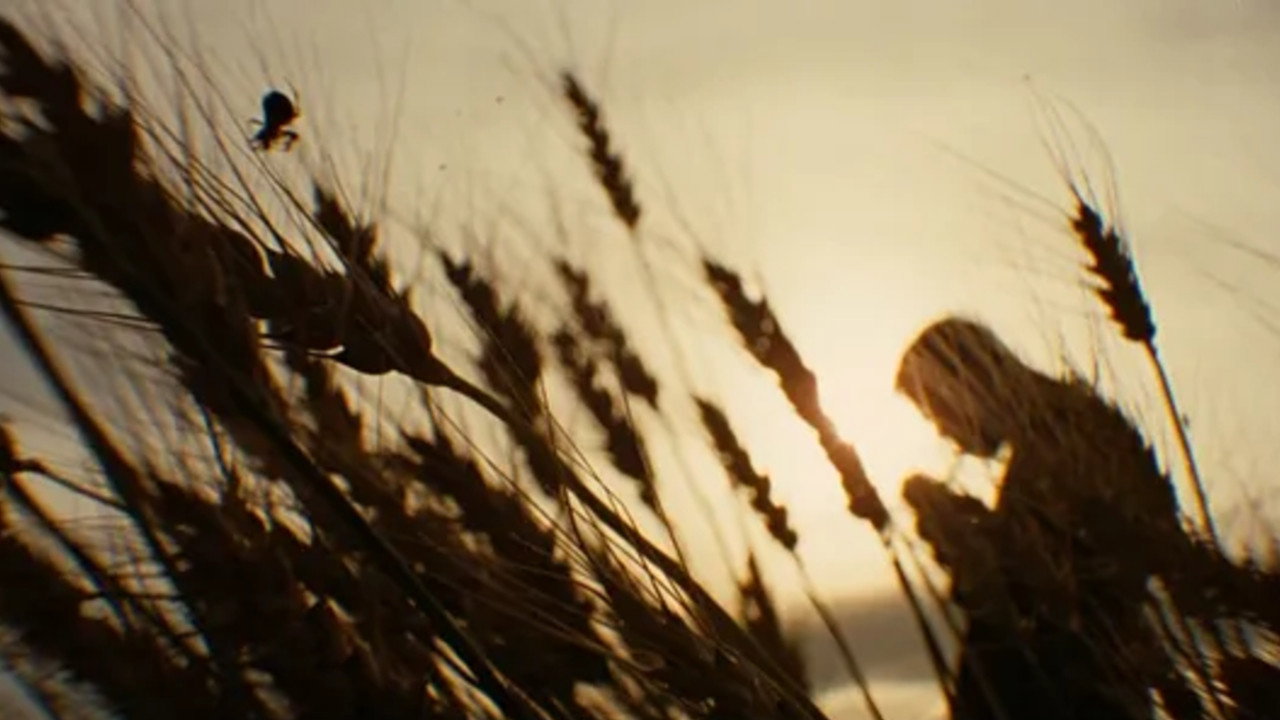
Roger Deakins’s landscape photography invites us to enjoy looking at this world, which is an uncomfortable pleasure given James’s ruthlessness. The softness of the images can make the outlaw legend seductive even when Pitt is making the man difficult to like. Patricia Norris and Richard Hoover give the period settings enough detail to sustain the long looks Dominik takes at them. Norris also designs the costumes, and their restraint helps to keep the people credible within these carefully composed images.
The editing by Curtiss Clayton and Dylan Tichenor trusts long takes and permits exchanges to become awkward. That patience is often justified, but there are repetitions which tell us again that Ford is obsessed and James dangerous. Nick Cave and Warren Ellis’s mournful score gives the waiting a sadness that keeps Ford’s need for approval from seeming merely ridiculous. The narration is less reliable, too often explaining feelings the actors have already made clear.
There is a worthwhile risk in making a western depend so heavily on men watching and misreading each other. Dominik accepts that risk, and the lead performances supply enough tension to carry us through the slack passages, though the hushed dialogue occasionally makes us work harder than we should. The film’s fascination with fame is convincing because Ford’s need to be noticed remains so recognisably ordinary. Give it an evening when there is time to settle, and no expectation of a brisk succession of shoot-outs.