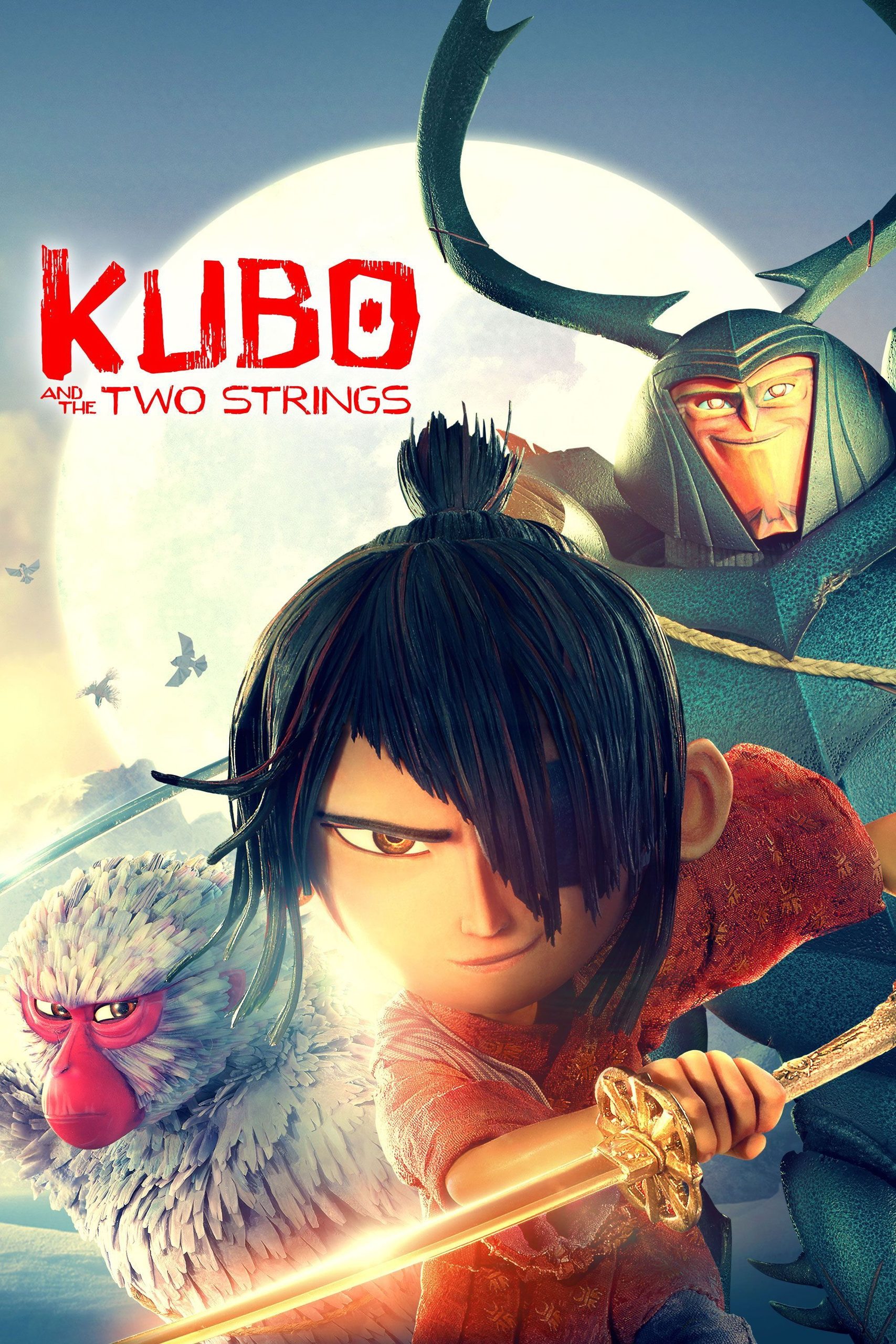
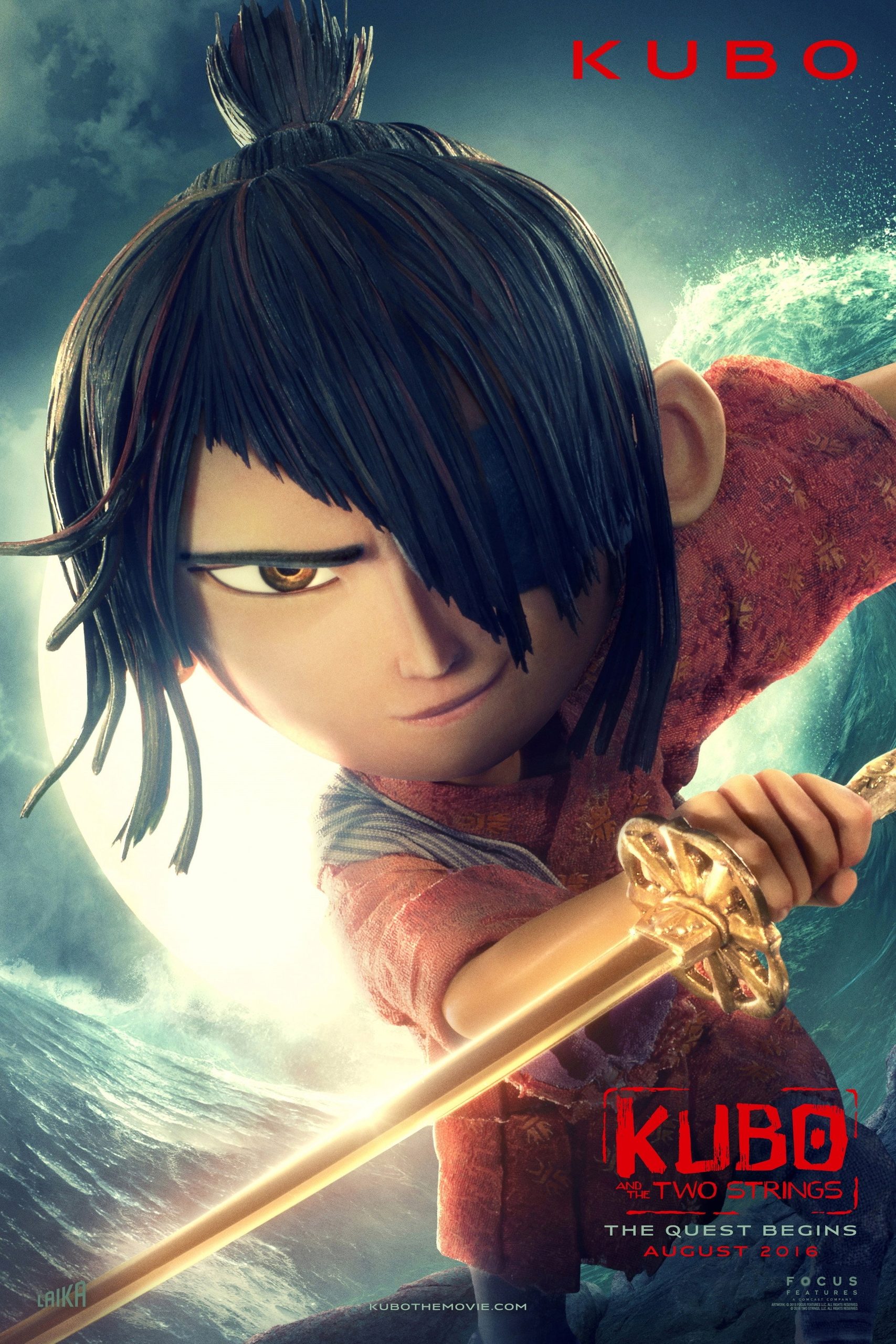
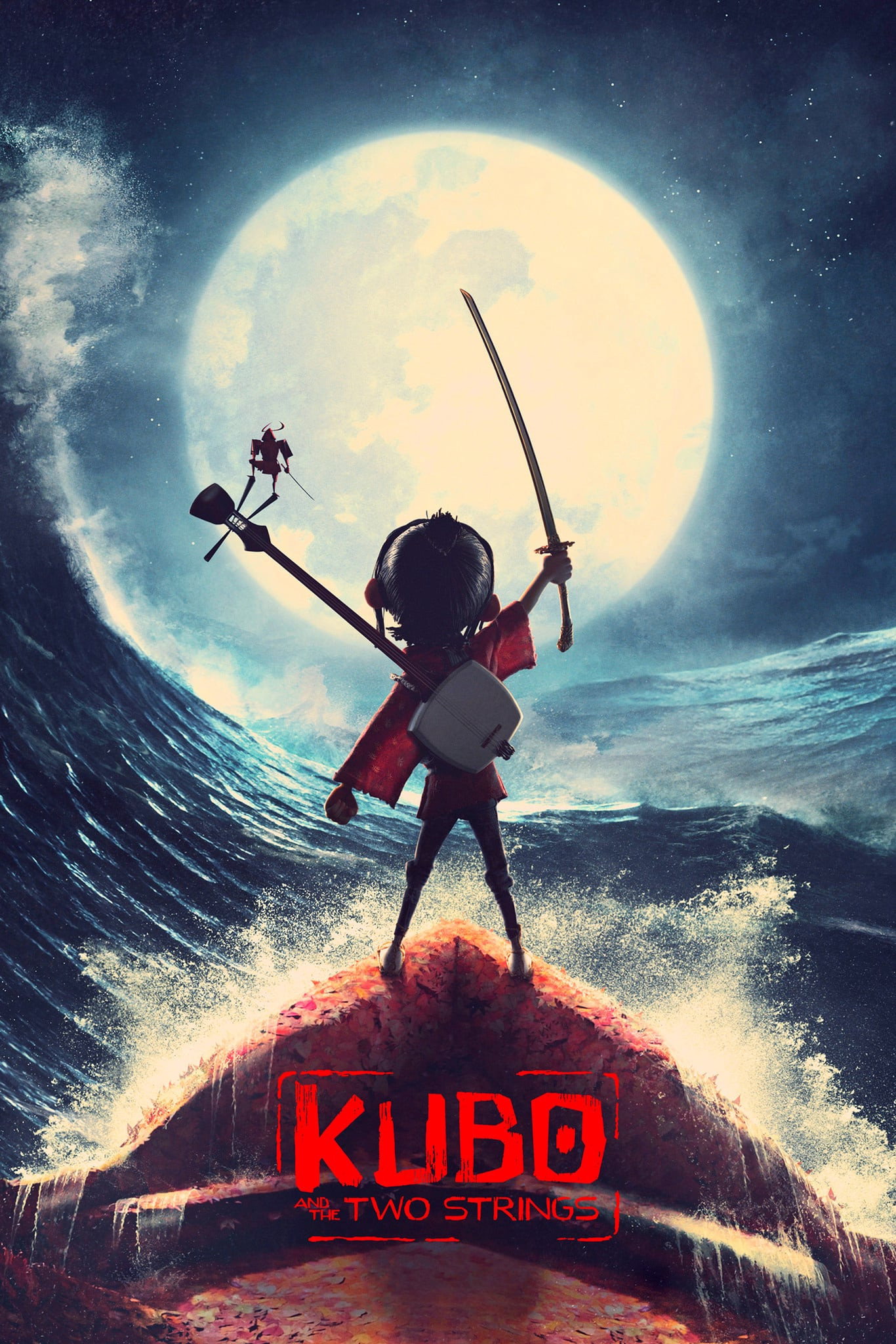
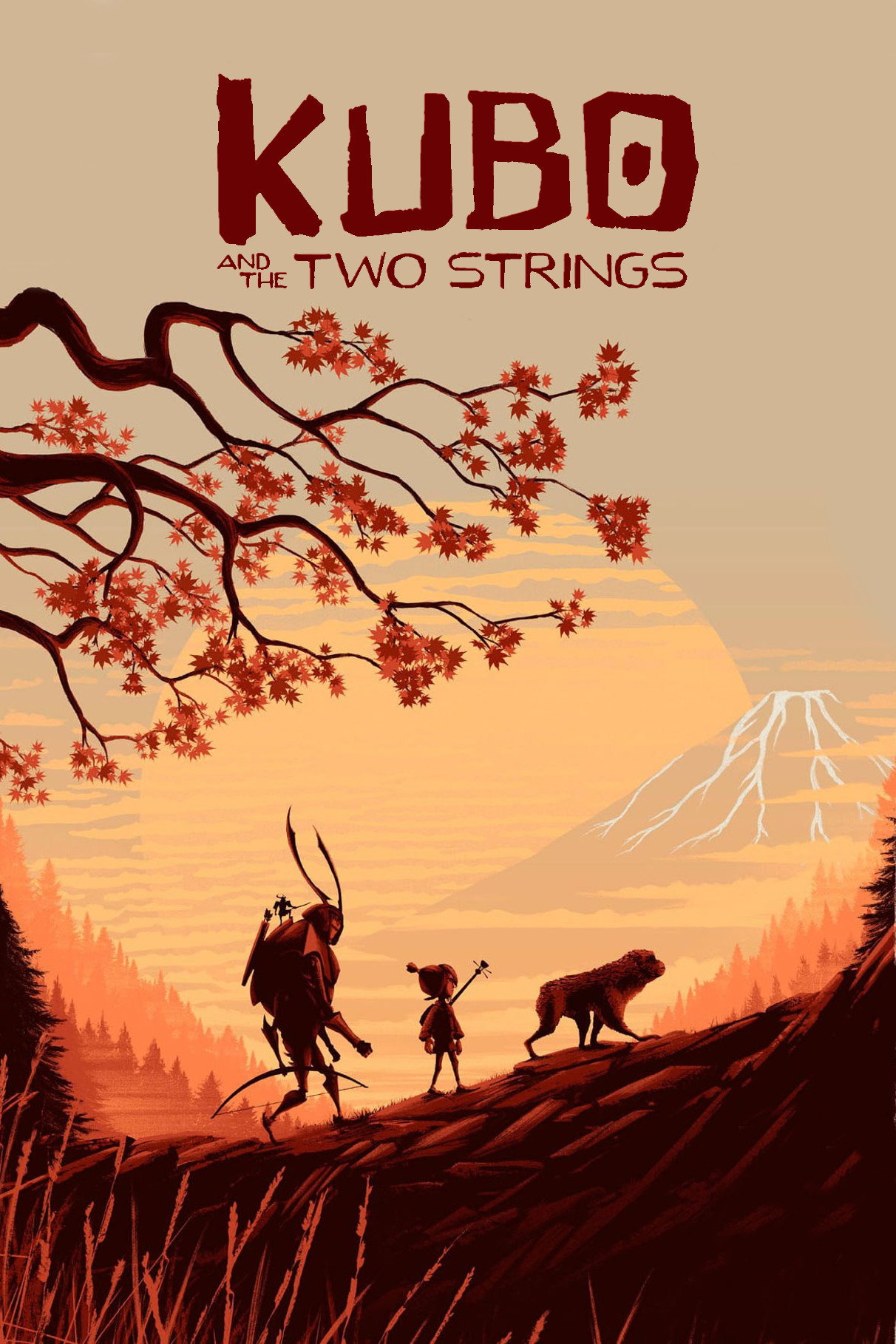
Travis Knight’s animated adventure is moving, frightening and unusually thoughtful about loss. We recommend it warmly, despite some laboured jokes and a quest that becomes harder to follow than it needs to be.
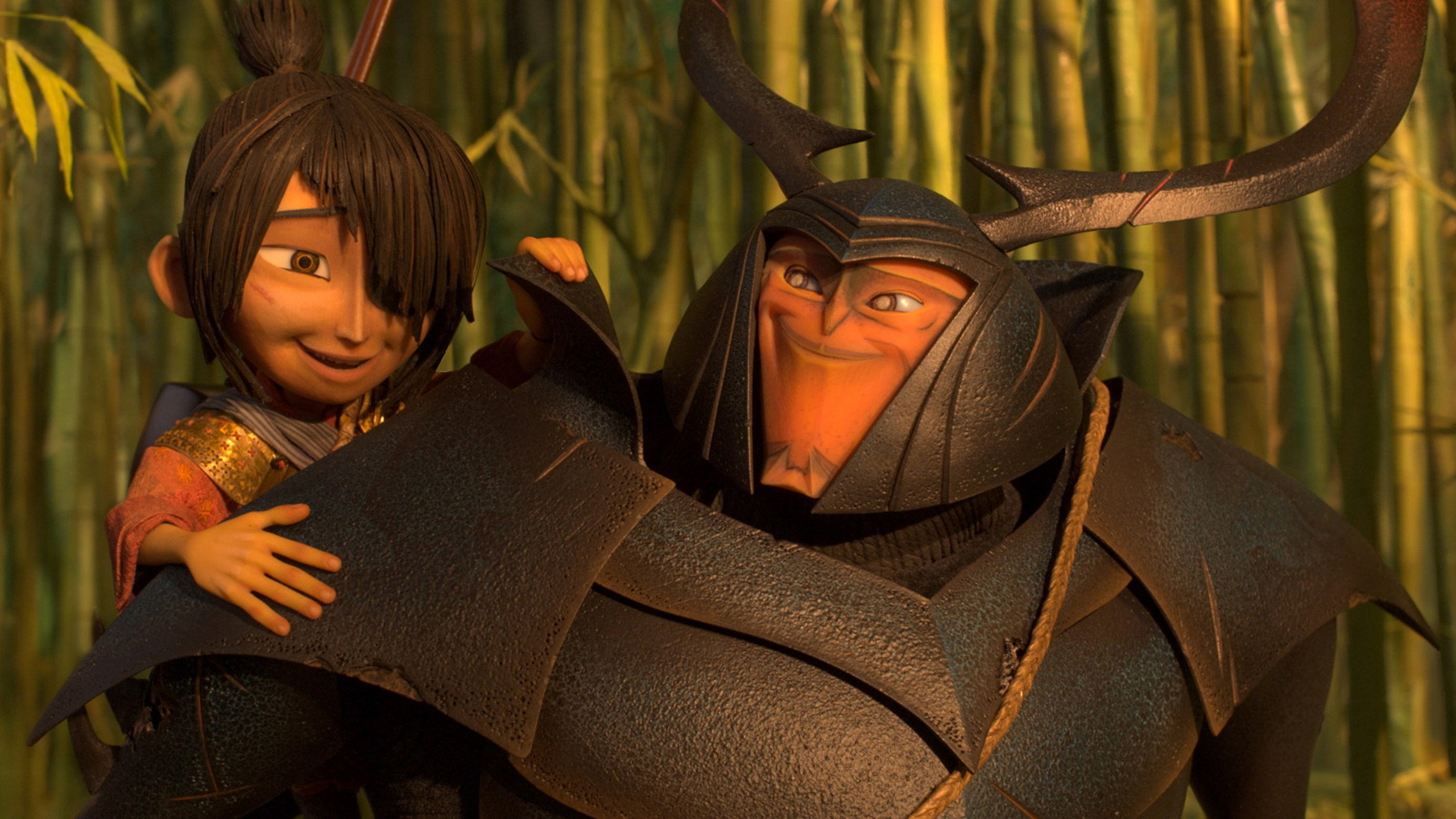
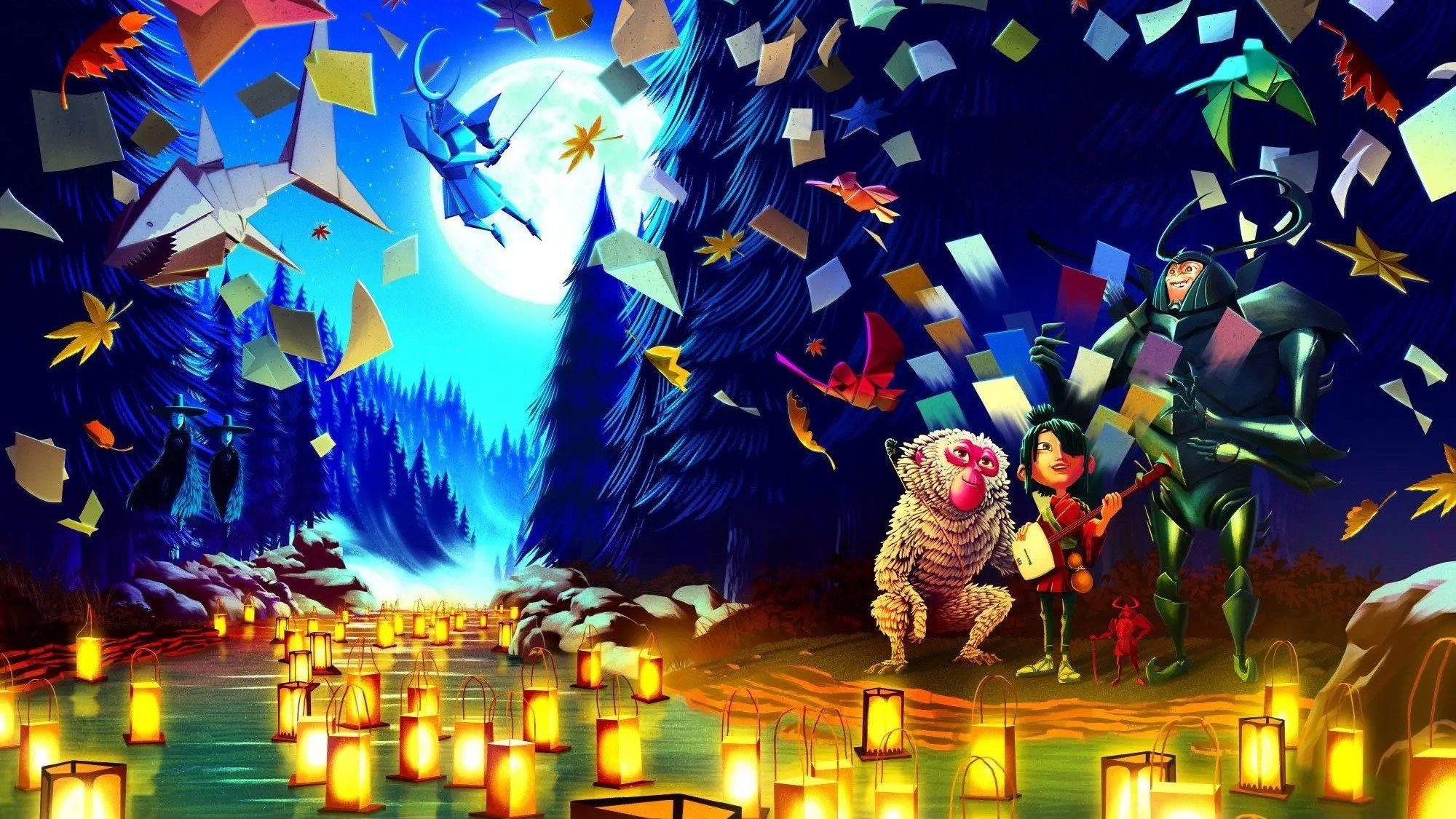
Travis Knight’s Kubo and the Two Strings trusts children to sit with sadness for longer than family adventures usually allow. It is a fine film, occasionally muddled in its quest but attentive to the boy at its centre and to the pleasure of making things move. Kubo’s magical origami gives the talk about storytelling something concrete to show us. Paper becomes a cast of performers, with folds and edges that remain worth looking at even when the action grows busy.
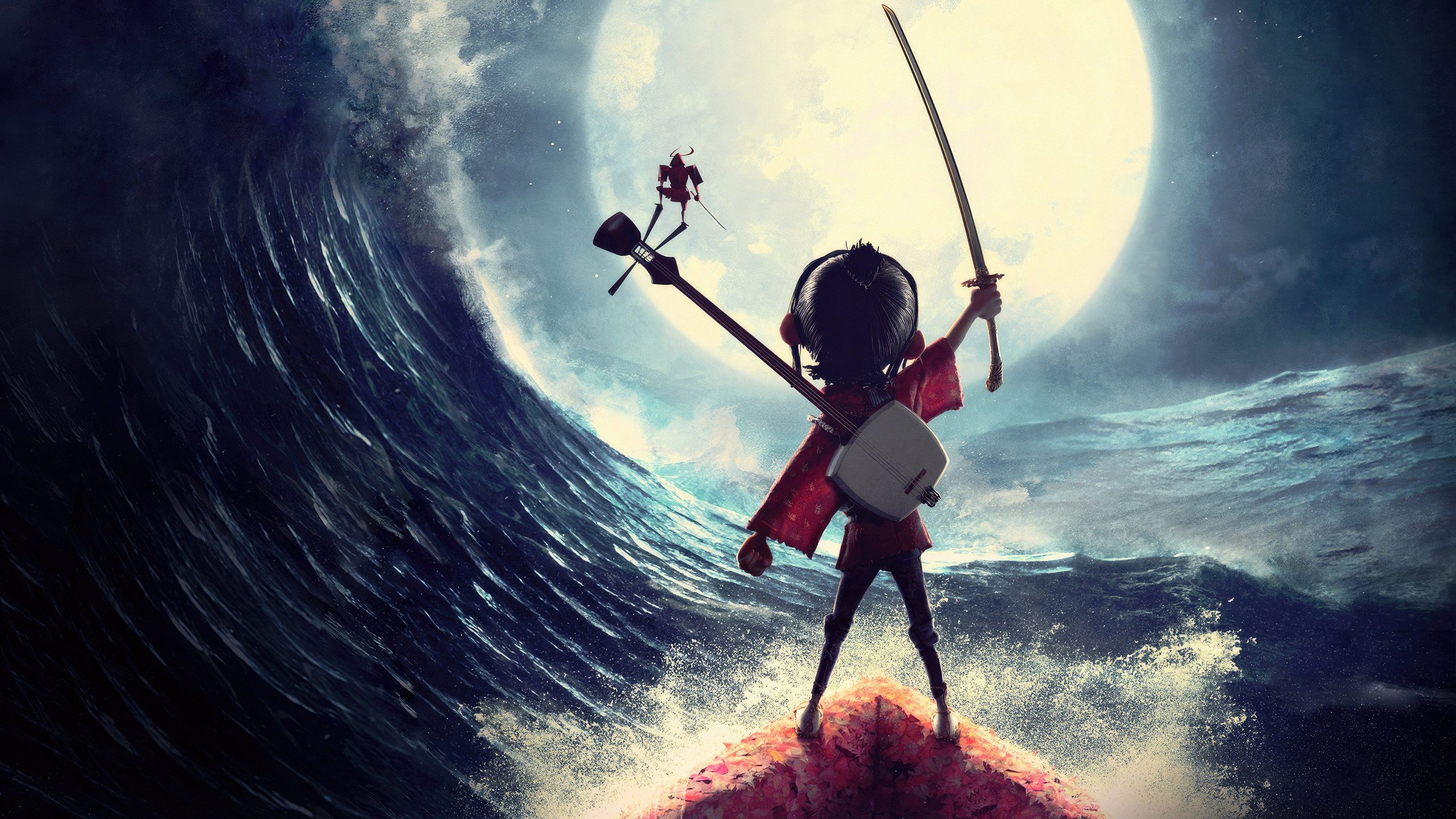
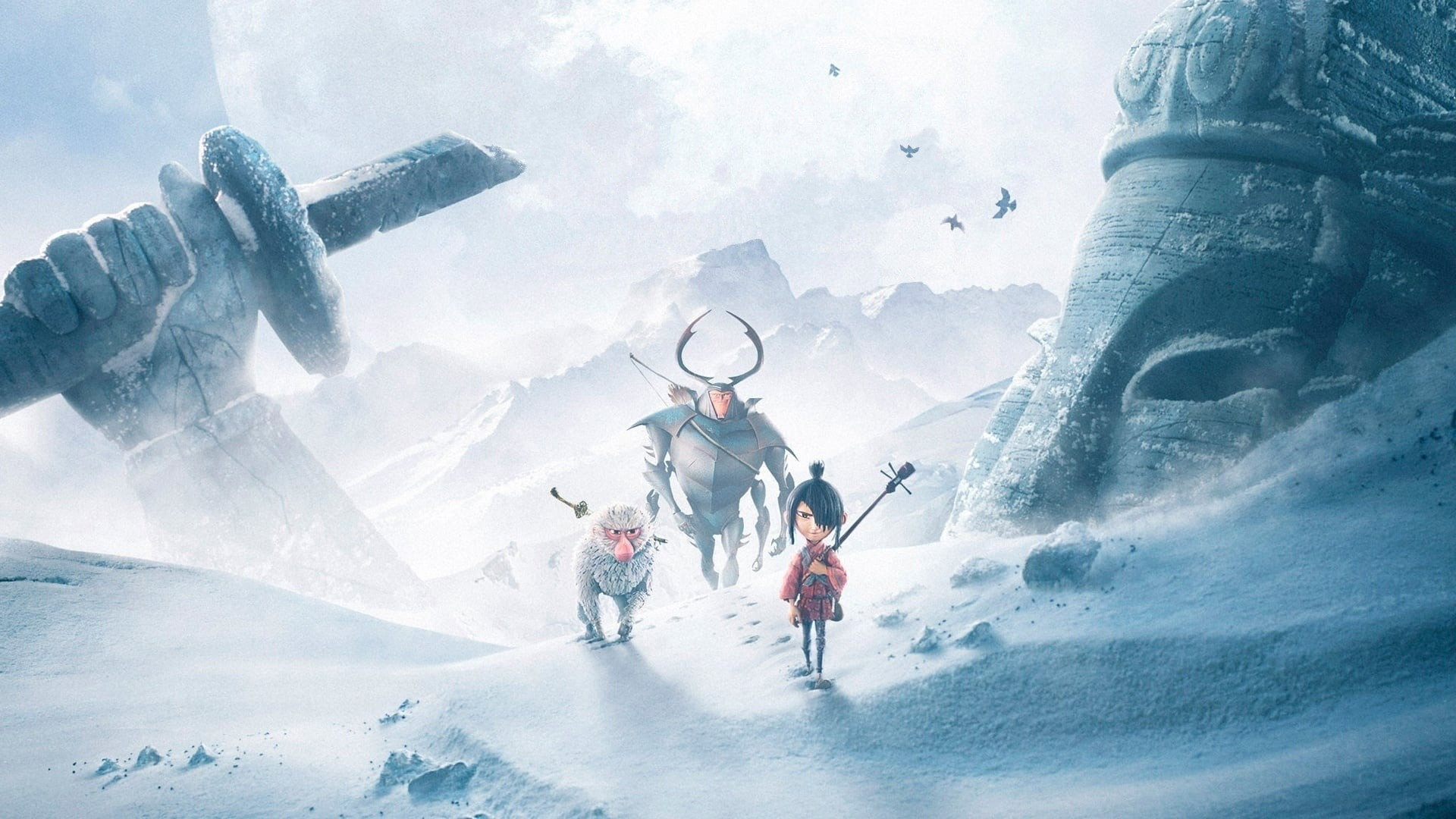
Cinematographer Frank Passingham makes the seas feel large enough to overwhelm the figures without letting the landscapes become anonymous scenery. There is a useful sense of weight here, even when the animation moves with a fluidity that makes the labour easy to forget. Production designers Nelson Lowry and Daniel R. Casey give the Japanese setting shapes and surfaces that reward attention. The creatures have the strangeness a fantasy adventure needs, and the paper belongs to the same convincing physical world.
The movement of Kubo’s hair is a small example of how carefully the animation has been considered. Stop-motion and computer imagery work together without polishing away every trace of the materials. We were moved by the origami storytelling. The paper’s fragility makes the film’s concern with preserving memories feel immediate, and the care given to each figure matters as much as its movement. The animation gives those small objects time to matter.
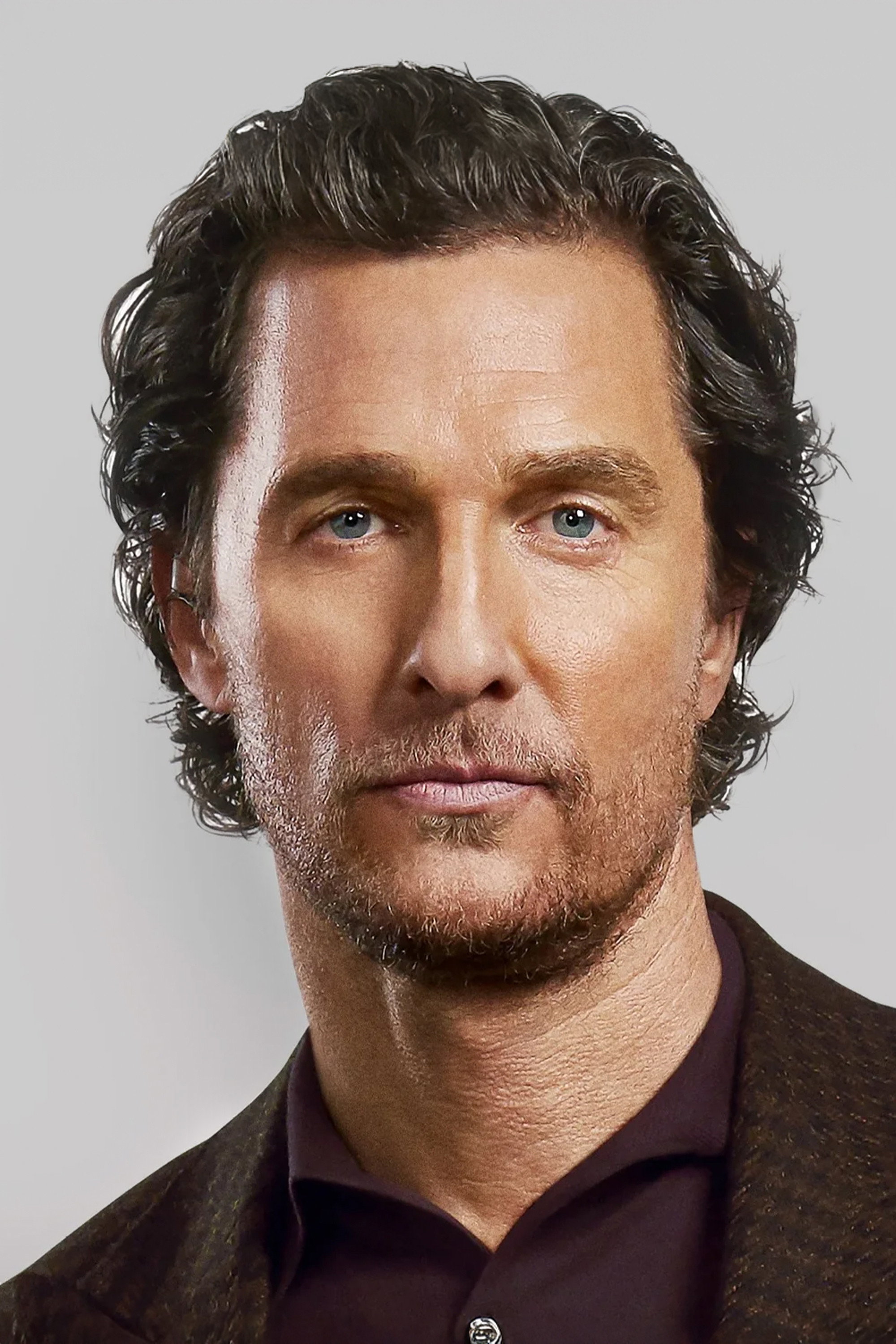
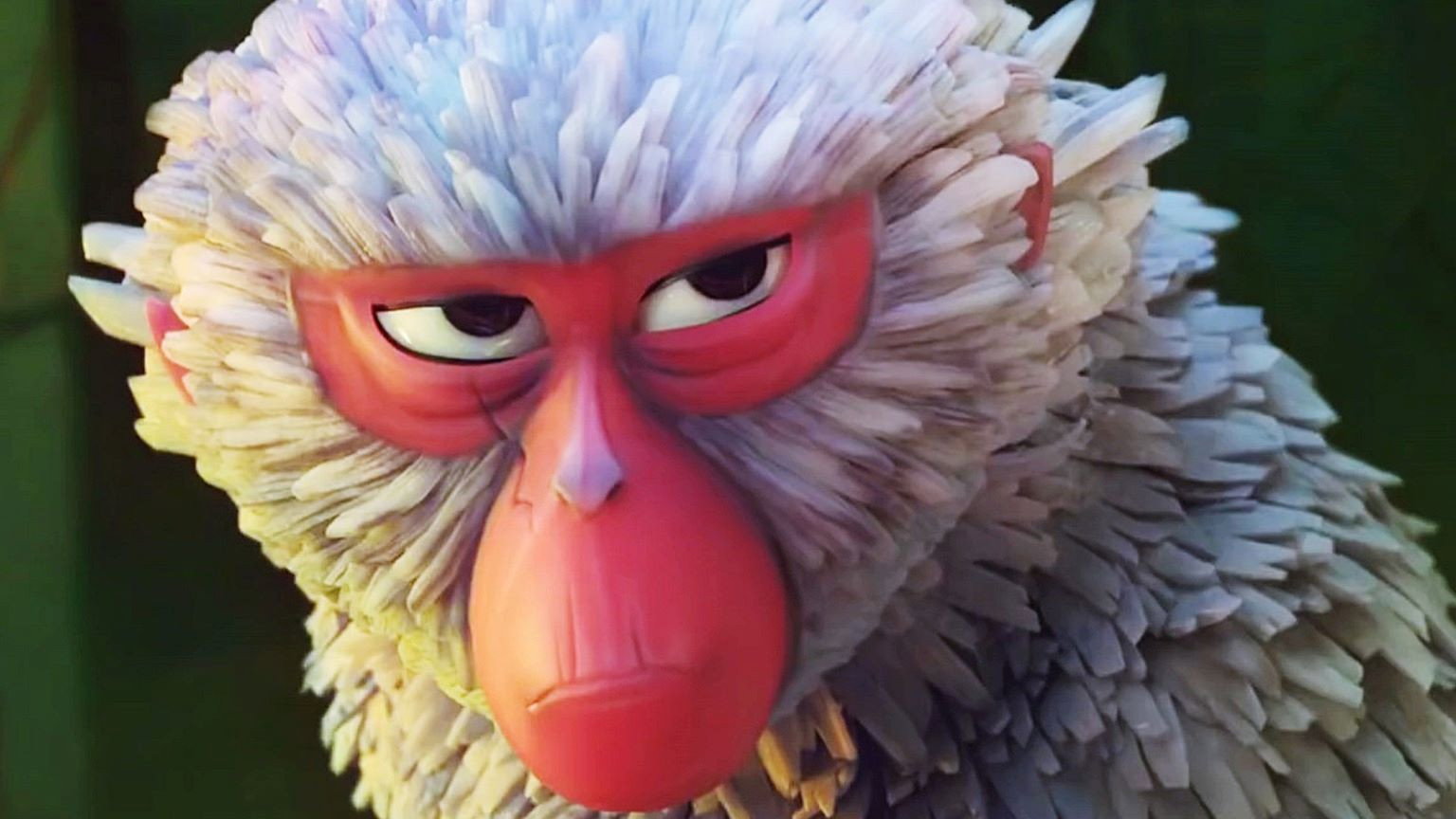
Art Parkinson gives Kubo enough uncertainty to keep him from becoming a small lecturer on the importance of stories. Charlize Theron’s Monkey has the firmness the adventure needs, while Matthew McConaughey gives Beetle a welcome looseness. The contrasting voices keep the companions distinct even when the writing settles for familiar exchanges. Some of the humour feels inserted because a family film is expected to provide a joke at regular intervals. Those moments briefly reduce characters who are more interesting when allowed to take their circumstances seriously.
Christopher Murrie’s editing gives the action room to register, so the ingenuity does not disappear into a blur of movement. Dario Marianelli’s score helps the changes from comedy to danger feel like parts of the same adventure, even when the jokes themselves are awkward. At 102 minutes, the film has enough time for both spectacle and quieter feeling. Its slower patches come when the writing insists on explaining what the images have already made clear.
Screenwriters Marc Haimes and Chris Butler are less convincing at organising the mythology than at making room for grief. As the quest gathers complications, its rules become harder to follow, and repeated emphasis on the value of stories starts to sound instructive. A little less explanation of the themes would leave more room for the characters. Yet the film allows loss to remain a difficulty that affection cannot simply remove. That gives the adventure a seriousness which survives the untidy plotting.
Within family animation, this earns its place through patience and a willingness to frighten without laughing the fear away at once. The PG certificate is worth taking seriously, particularly for children unsettled by strange creatures. Adults may find the insistence on memory and family more affecting than expected. Choose it when a cheerful distraction is not quite what the evening calls for.