Jean-Pierre Melville makes a gripping thriller out of a killer’s guarded behaviour and the police effort to catch him. Alain Delon holds our attention, though the people around him deserve more of it.
Le Samouraï is a gripping crime thriller, although its fascination with its killer sometimes leaves the other people short of attention. Jean-Pierre Melville puts a professional criminal under pressure and watches how little of that pressure he will show. This gives the police pursuit an extra source of suspense: we keep looking for a feeling that Jef Costello cannot conceal. The film asks for close attention and makes that attention worthwhile.
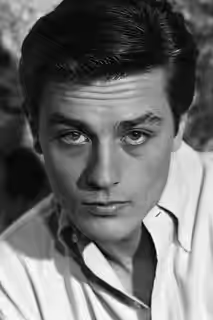
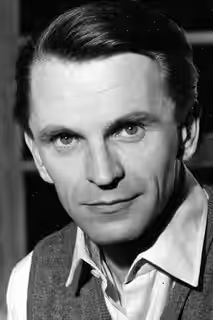
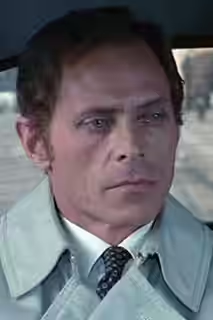
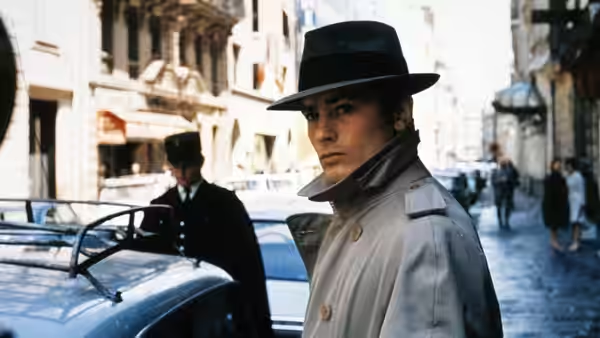
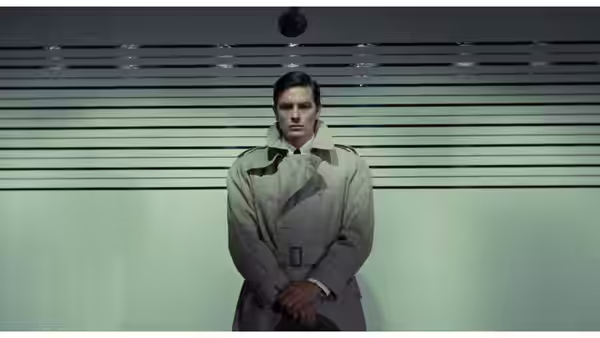
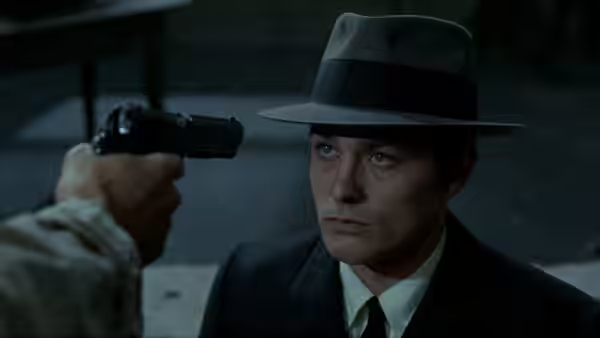
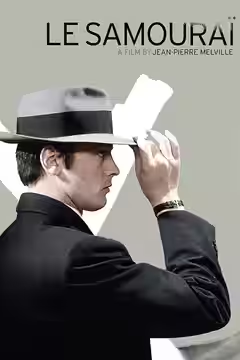
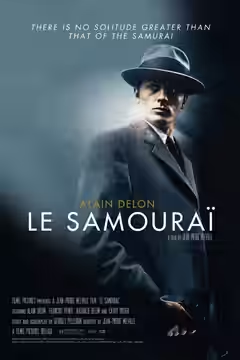
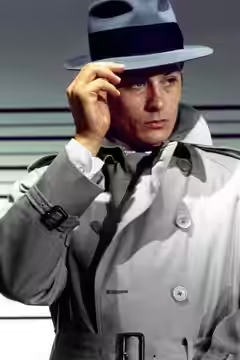
Alain Delon is the reason this works. His precision makes Jef’s reserve feel like something he has to maintain, so the apparent lack of expression becomes absorbing. We felt unexpectedly sorry for Jef, because that guarded face makes the effort of staying composed look exhausting. The sympathy makes the pursuit more anxious to watch, even though there is no reason to approve of the man’s profession.
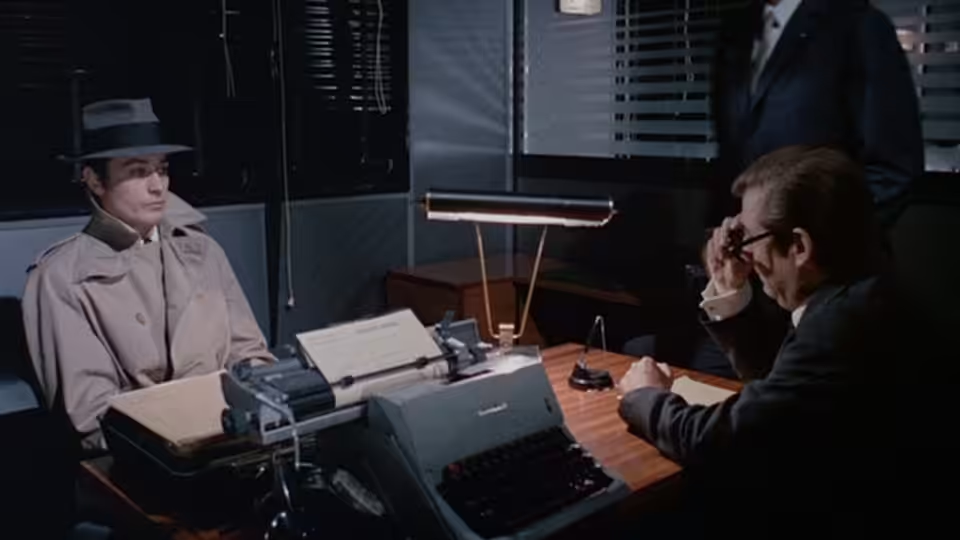
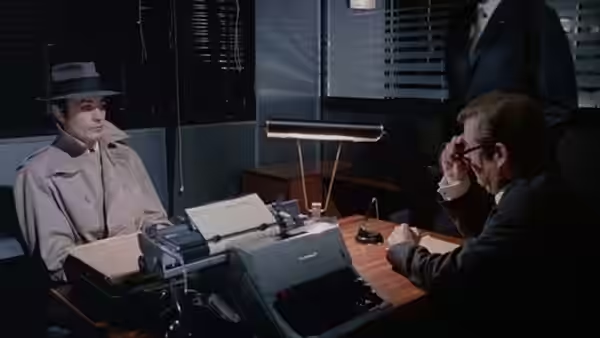
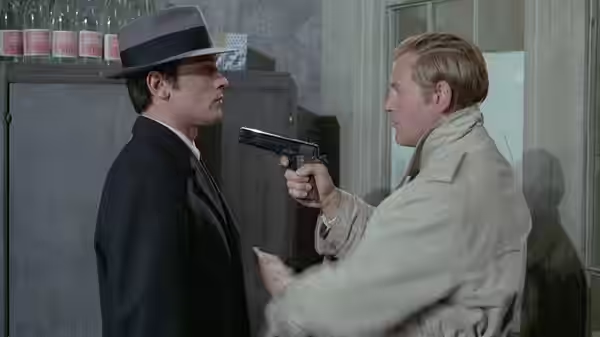
Henri Decaë’s cinematography gives the blacks and greys enough variation to hold our interest without relying on brighter colour. Faces remain the things we look at most closely, which suits a film so dependent on what its leading actor declines to show. François de Lamothe’s production design is similarly spare, keeping our attention from wandering to the surroundings. The images never become drab; we find ourselves looking harder at shades we might otherwise scarcely distinguish.
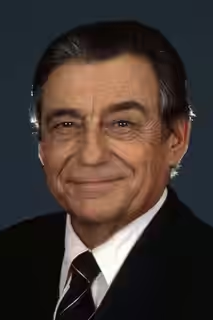
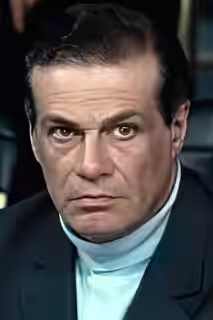
Editors Yolande Maurette and Monique Bonnot give us time to study Jef without letting the police pursuit lose its urgency. We are interested in how he handles being hunted, so the question of whether he escapes need not carry every scene. François Périer’s Superintendant gives the pursuit a human opponent, an important consideration when the lead is so withdrawn. The suspense grows from watching people closely, and the cutting gives their behaviour enough time to register.
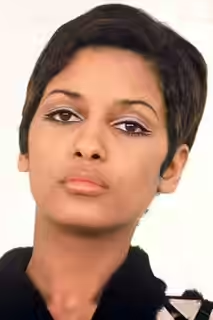
The screenplay, credited to Georges Pellegrin and Jean-Pierre Melville, is less satisfying when our attention moves away from Jef. Jane Lagrange and Valérie interest us, but Nathalie Delon and Cathy Rosier leave us wishing the film were more curious about them. We would like to know these people beyond their place in the killer’s story. The reluctance to explain him is compelling; extending that treatment to the supporting characters sometimes makes them seem underwritten.
François de Roubaix’s music is well judged, supporting the unease without making Jef seem more approachable. The gangster conventions are familiar enough, and the film’s individuality comes from the care given to staging and performance. That can sound like faint praise for a thriller, until we remember how often frantic cutting and emphatic acting make one less rewarding to follow. There is pleasure here in being allowed to look, listen and decide what we think.
At 105 minutes, it asks for patience without requiring a whole evening of it. We would welcome more life beyond Jef, but we would not want Alain Delon’s performance made easier or more demonstrative. Anyone looking for a talkative criminal who explains himself should look elsewhere. Watch it when there is nothing else competing for attention.