Luc Besson’s crime thriller is gripping and unusually tender, with Jean Reno and Natalie Portman making its unlikely central bond matter. Its treatment of a child inside all that violence is harder to accept.
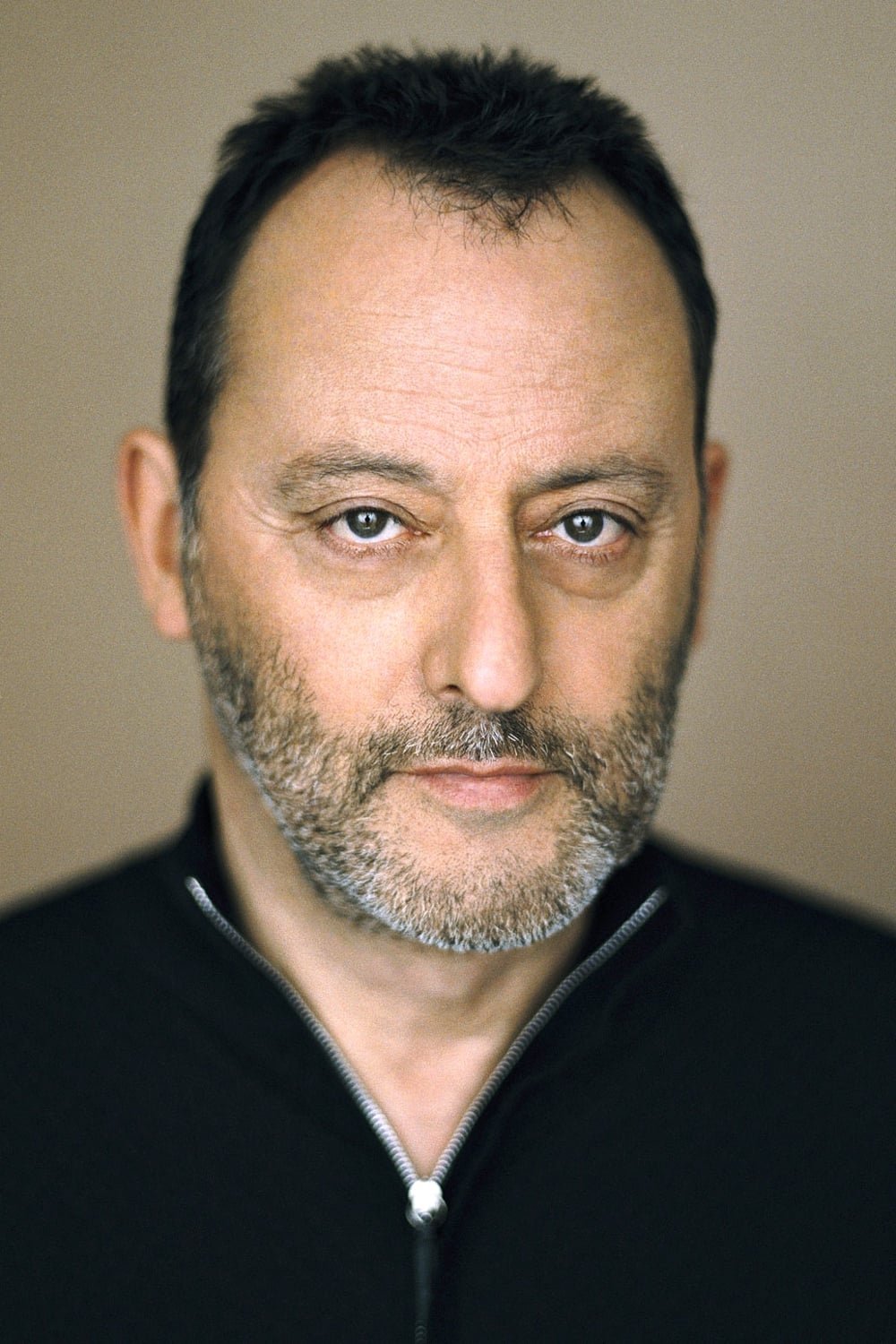
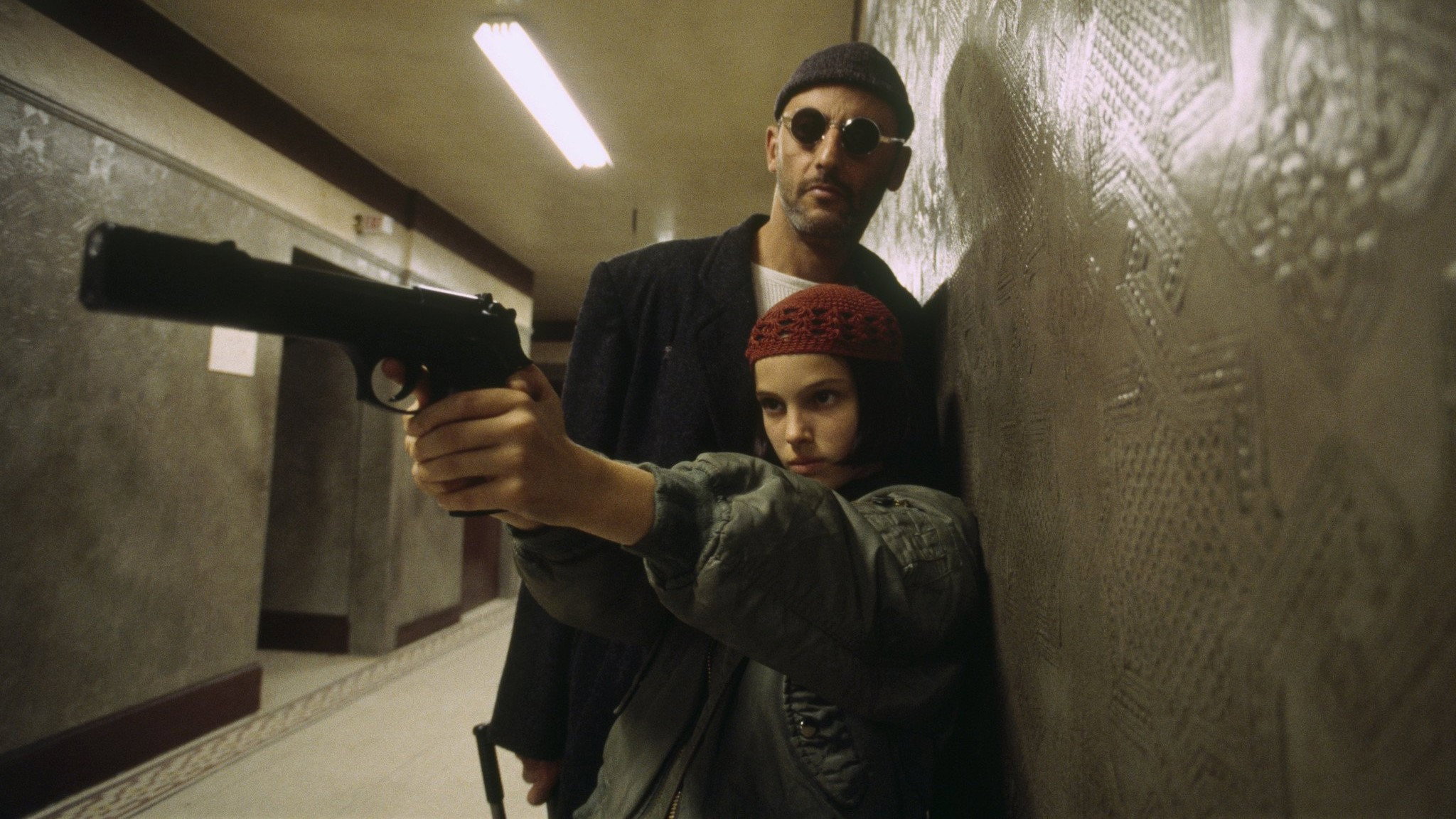
Luc Besson gives Léon: The Professional an awkward task: make us care about a professional killer by letting him care for a child. It succeeds often enough to be a good crime thriller, though the treatment of that child is a substantial reservation. The killing and the tenderness are both presented with confidence. Besson expects our affection for the man to make his occupation less troubling, and the film gets considerable help from Jean Reno.
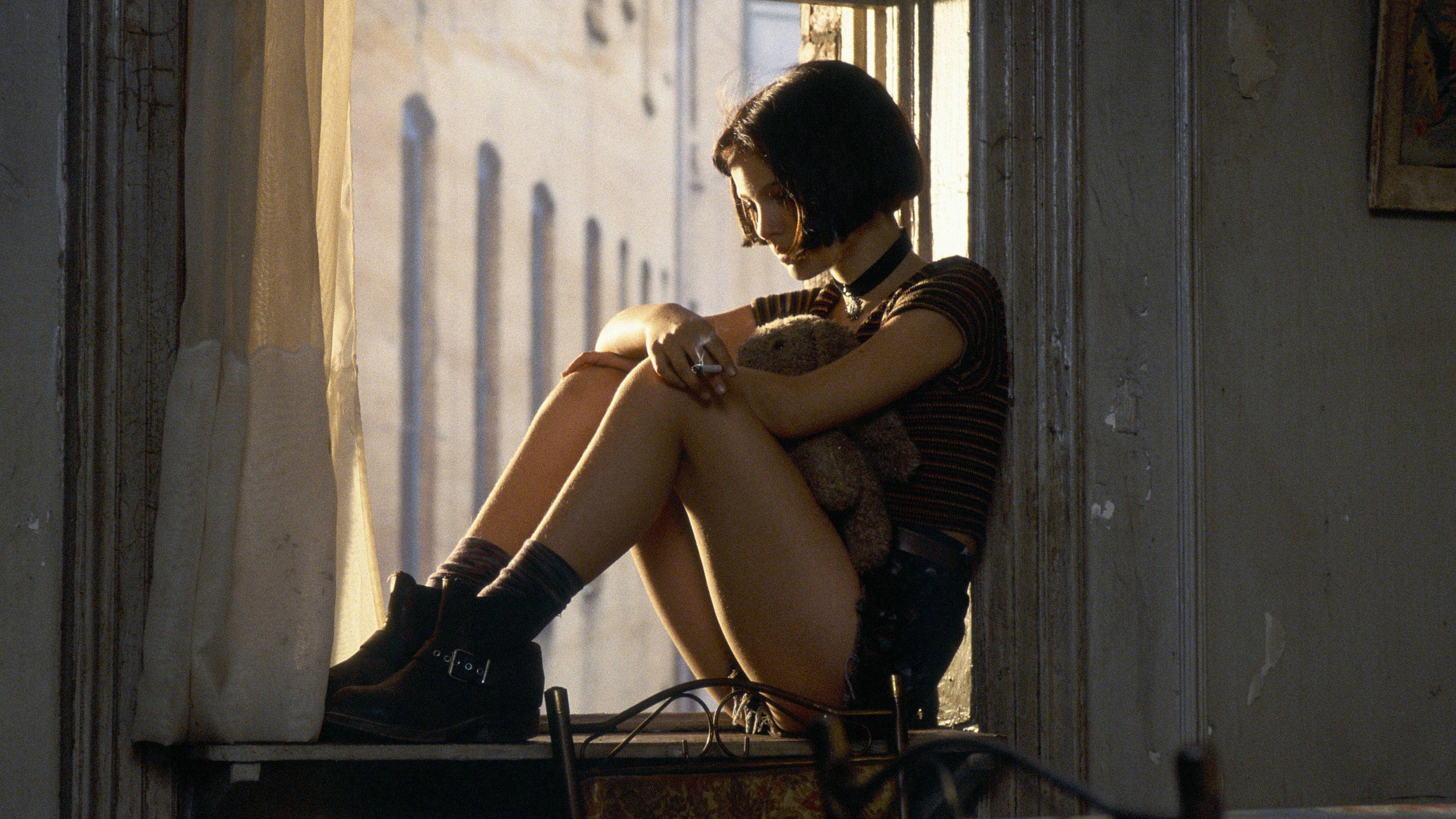
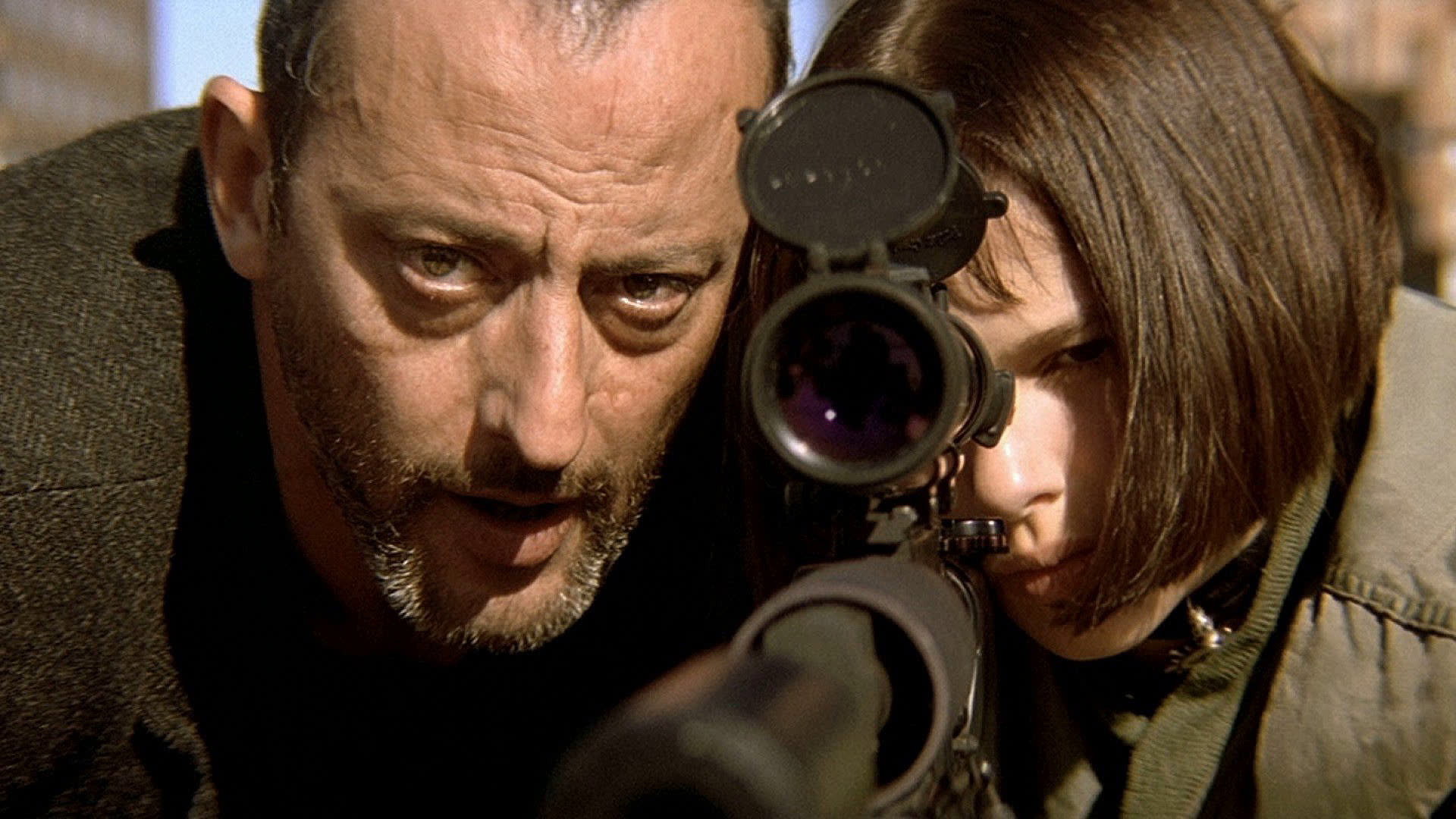
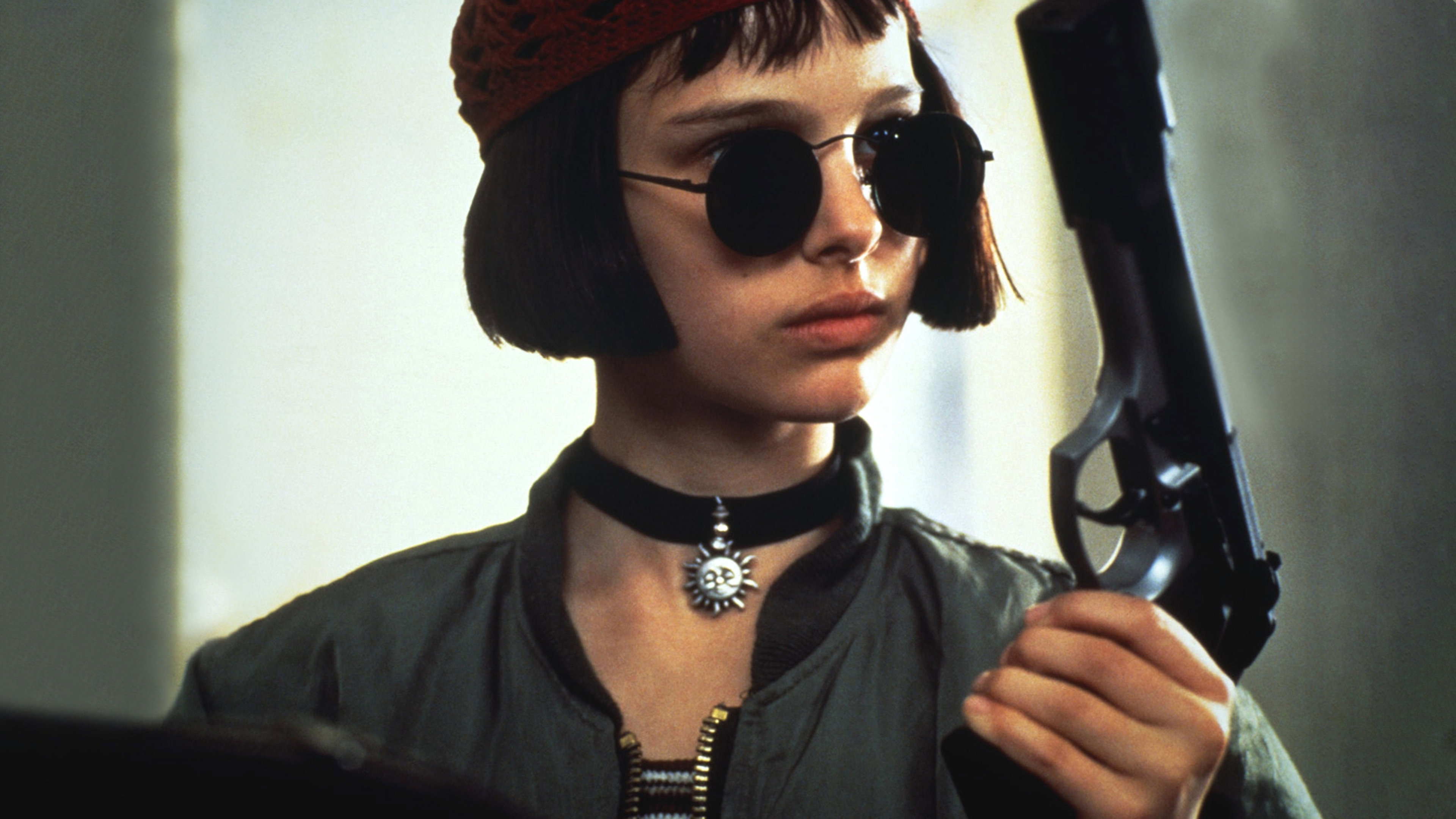
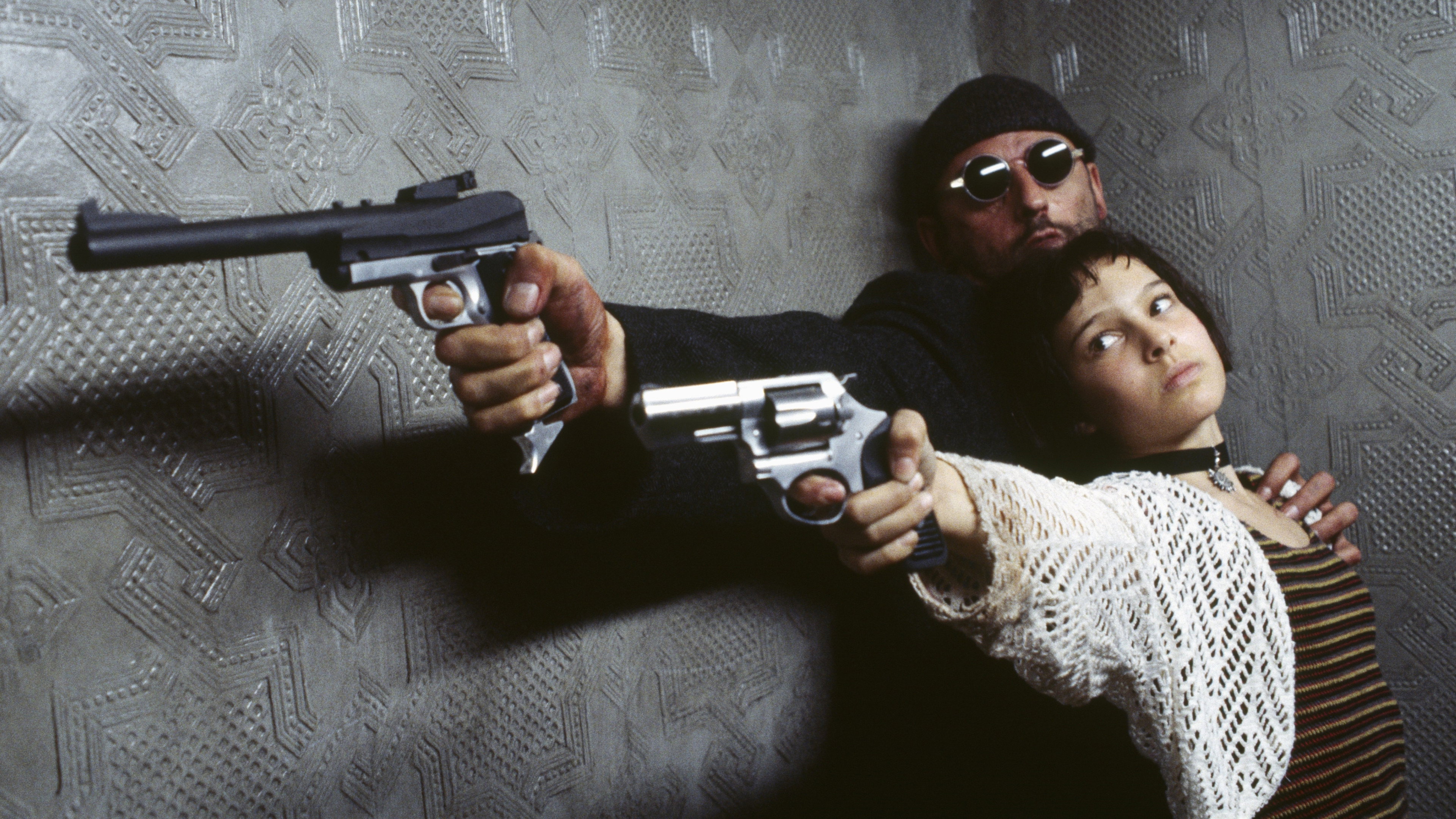
Jean Reno’s Léon and Natalie Portman’s Mathilda give that calculation some human credibility. We were moved by Léon’s decision to take the orphan in, because Reno makes his care seem something he has to learn. Portman gives Mathilda enough self-possession to hold her own beside him, without making her vulnerability disappear. The relationship works because the actors allow us to believe these people need one another, even while the screenplay keeps asking us to overlook how unlikely their circumstances are.
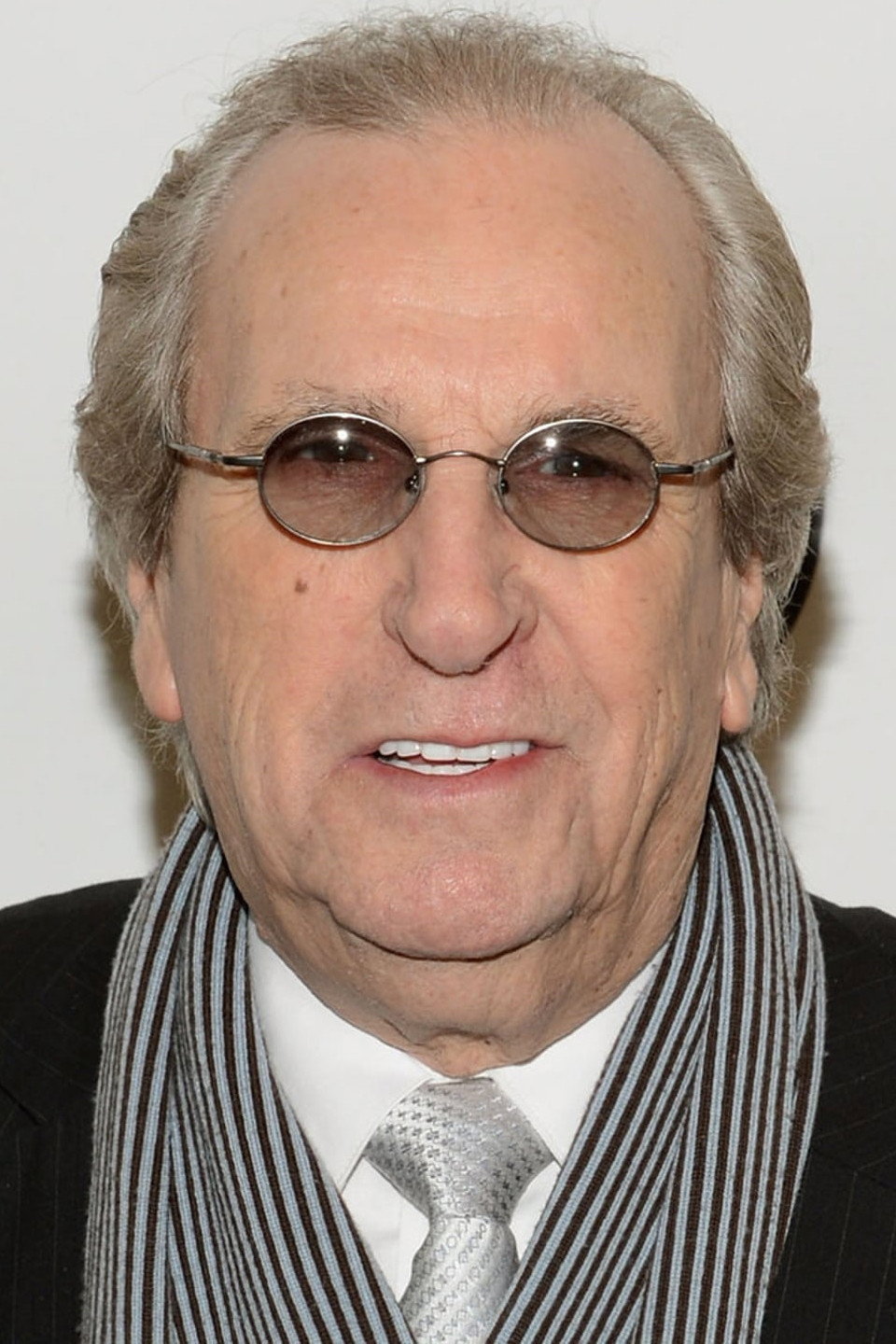
Gary Oldman, as Norman Stansfield, works at a much less restrained pitch. His performance gives the thriller an ugly excitement, and Besson allows that force to dominate whenever it arrives. The excess is entertaining, though it can make the danger seem theatrical. Reno’s reserve gives the film a necessary pause from that intensity. Oldman is effective, but we would have welcomed a little less insistence from an actor who hardly needs help to hold our attention.
Thierry Arbogast’s cinematography gives the violence a polish that makes it difficult to look away. The visual confidence carries a plot whose improbabilities might otherwise become distracting, though it also makes cruelty too easy to enjoy. Dan Weil’s production design helps the urban setting feel substantial enough to accommodate Besson’s unlikely story. That physical credibility matters when the film asks us to accept a hitman and a child sharing a life.
Sylvie Landra’s editing keeps the action moving without making the relationship seem like an interruption. That is important in a film which asks us to accept affection and brutality at such close quarters; a clumsier rhythm would make the shifts intolerable. Éric Serra’s music is less helpful when it presses the tenderness, encouraging a response the actors have already earned. Besson’s sentimentality is strongest when the whole film seems to be insisting that these two belong together.
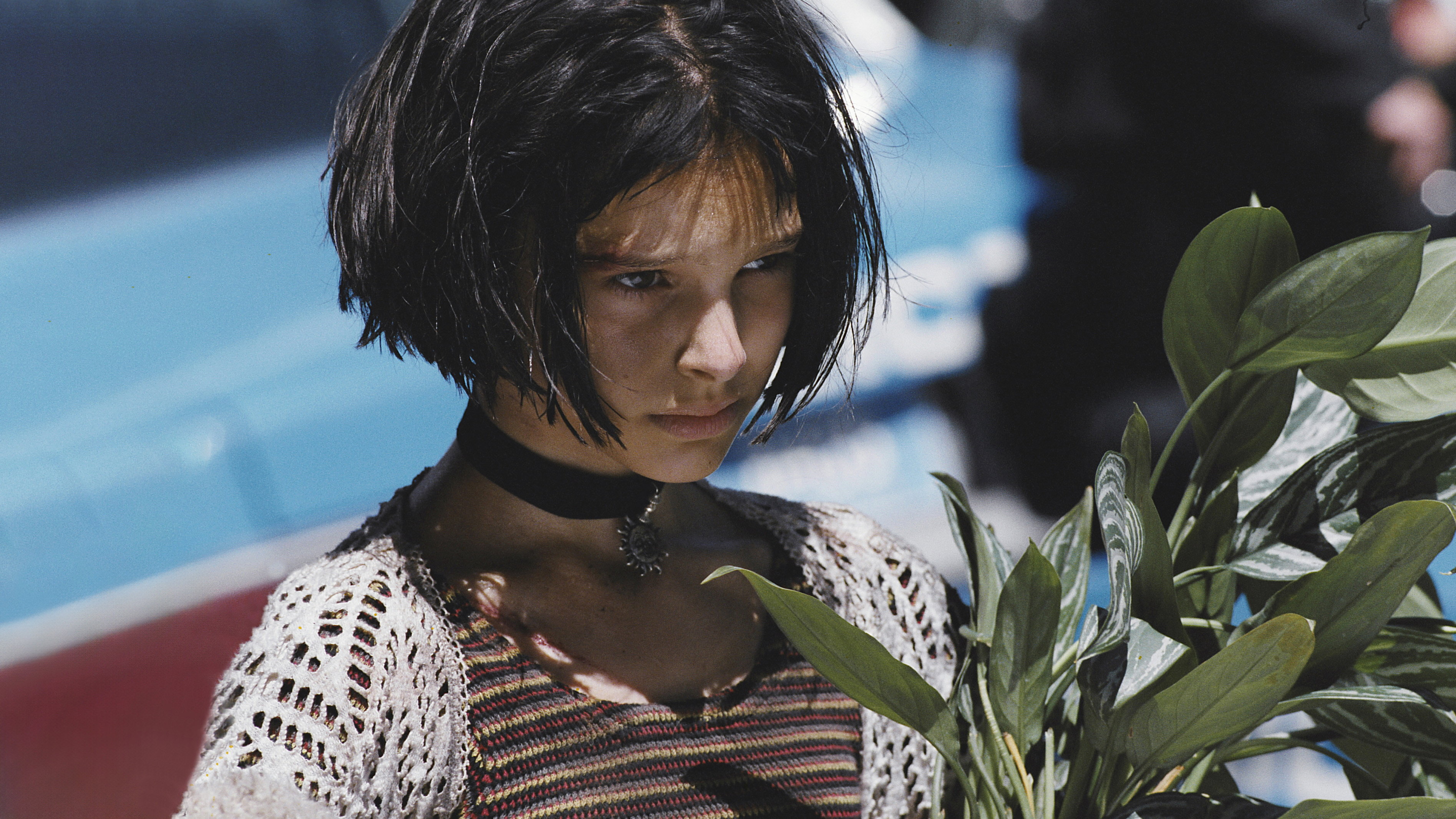
The serious difficulty is Mathilda’s age. She is twelve, and Besson’s screenplay treats her involvement with a killer as a source of intimacy and excitement without giving her vulnerability equal attention. Her self-possession is asked to excuse too much, as though confidence made her any less exposed. Portman’s assurance cannot settle that question, however persuasive she is. There are moments when the film seems pleased by its own daring where we wanted it to be more thoughtful about the girl.
The film supplies the excitement a crime thriller promises, and the actors make its quieter passages worth waiting for. At 111 minutes, it is brisk enough to carry us through much of its implausibility, with Landra keeping the action and the relationship close together. Anyone drawn to stylised crime thrillers will find plenty to enjoy here. See it for Reno and Portman, but be prepared to question what Besson wants their bond to excuse.