David Lynch’s noir thriller is unsettling enough to justify its difficult storytelling, with Bill Pullman and Patricia Arquette keeping us interested in the people. Its slow passages test the patience more than they deepen the mystery.
David Lynch’s Lost Highway is worth seeing for its unease, even when its storytelling becomes needlessly difficult. Written with Barry Gifford, it takes film noir’s fear of being deceived and makes even the business of looking feel unsafe. Surveillance ought to supply evidence; here it gives us another reason to doubt what we have seen. The film asks for patience, and for much of its 134 minutes it earns it.
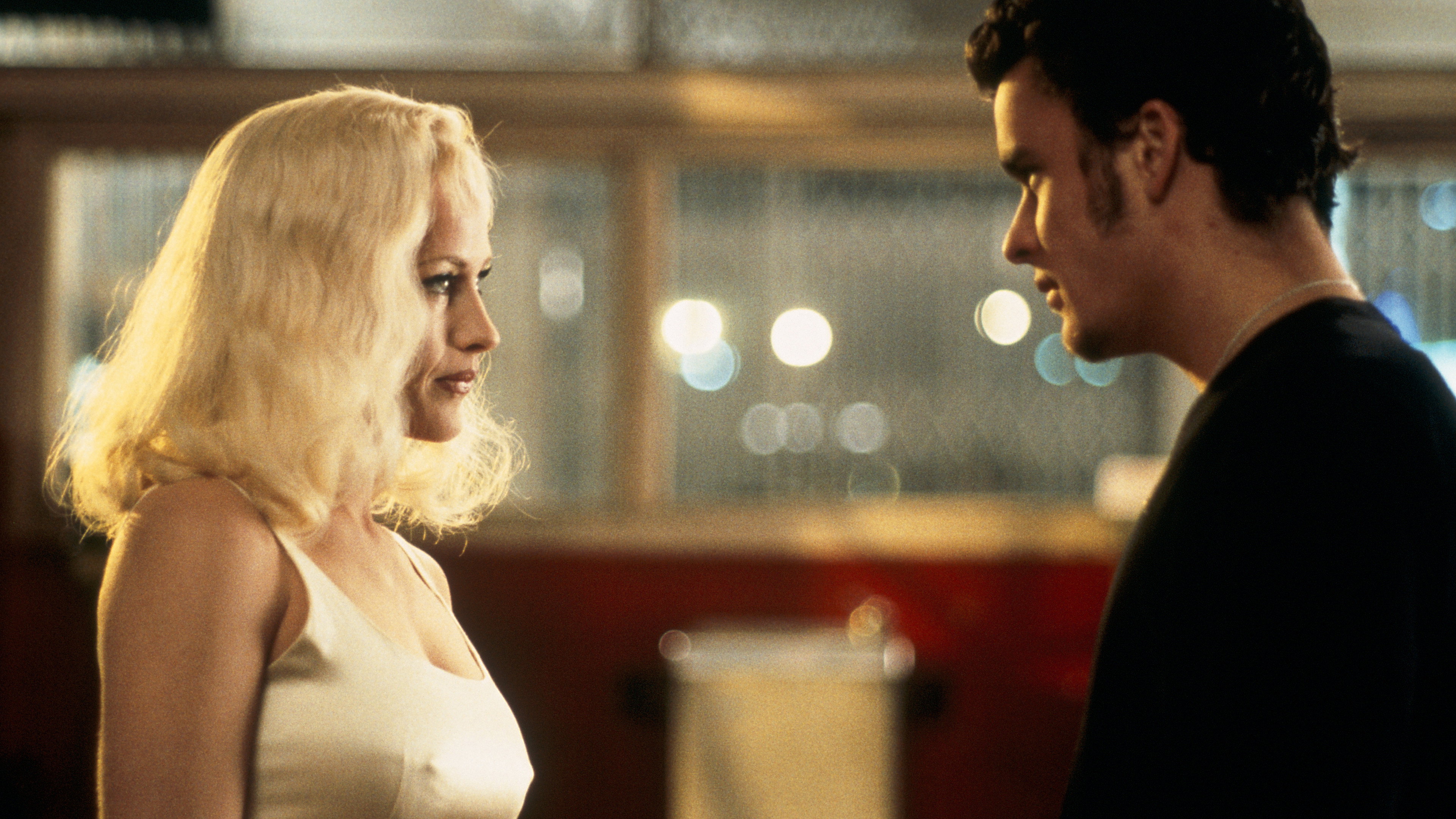
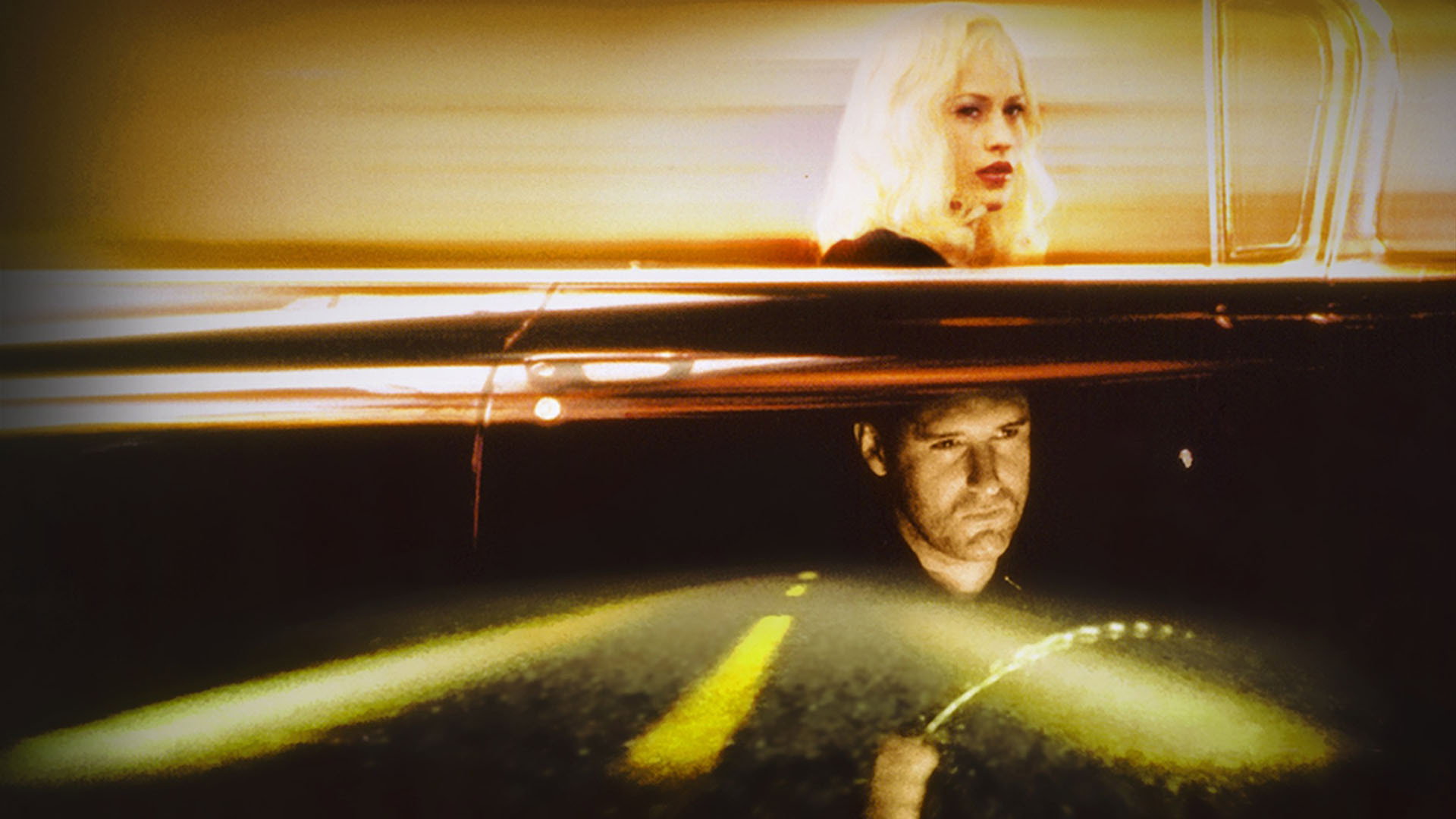
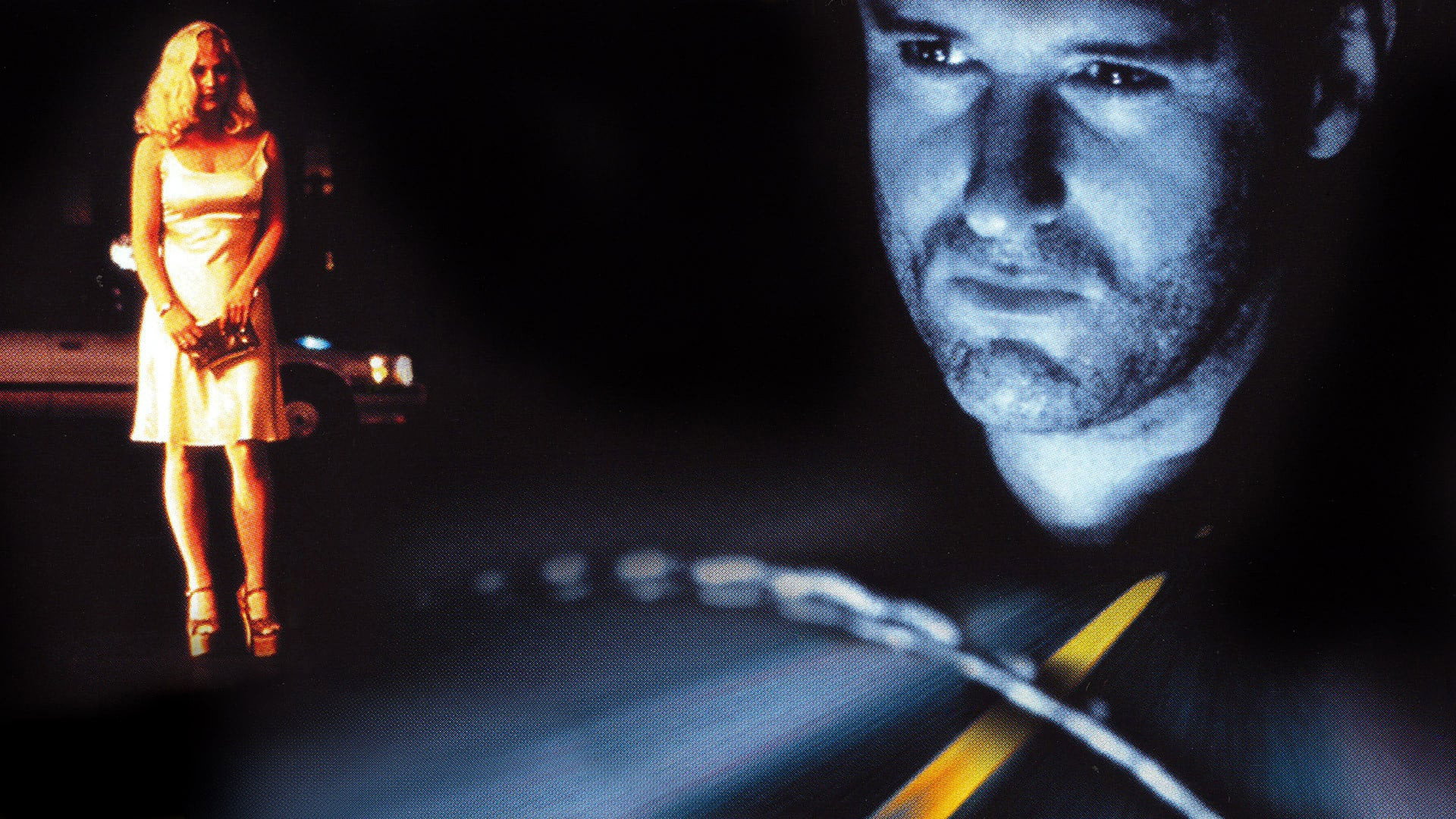
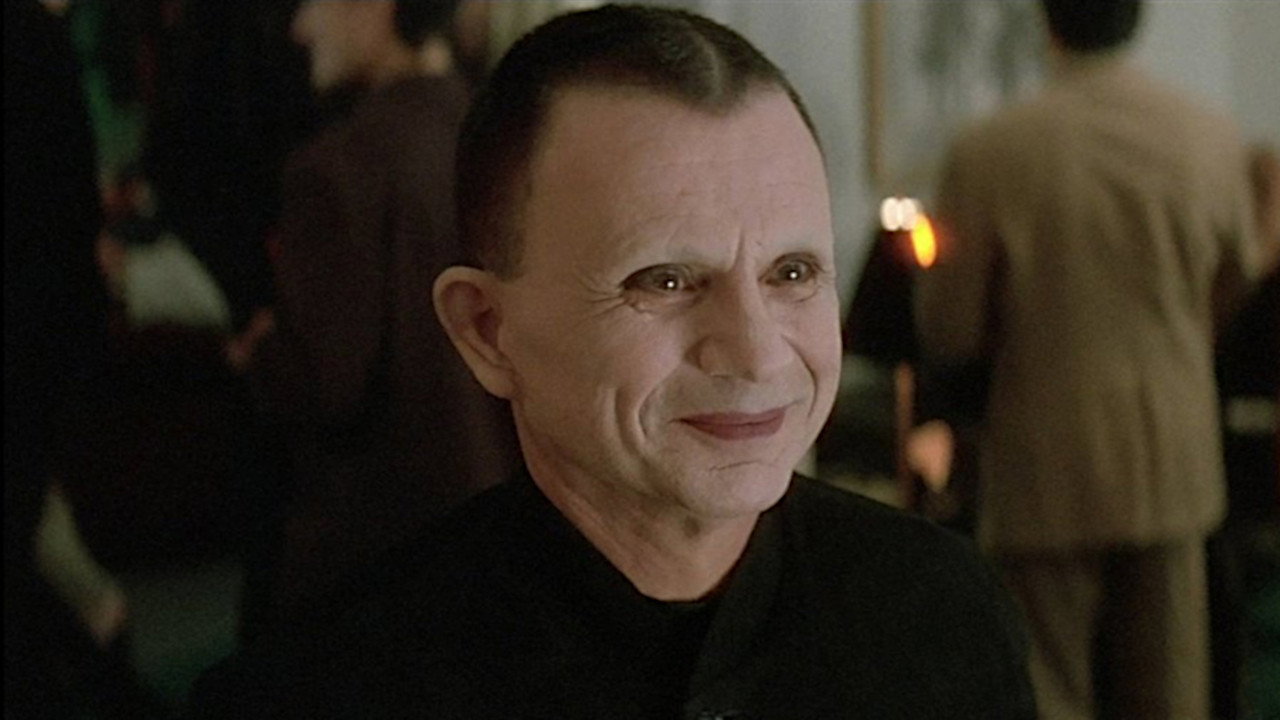
Bill Pullman’s Fred Madison is a useful person to put at the centre of this uncertainty. Pullman makes his disturbance troubling without making him impossible to care about, which matters in a film so reluctant to help us find our bearings. Patricia Arquette gives Renee Madison enough reserve to keep our attention without seeming merely to withhold information. We want to study these people, even before we can decide what to make of them.
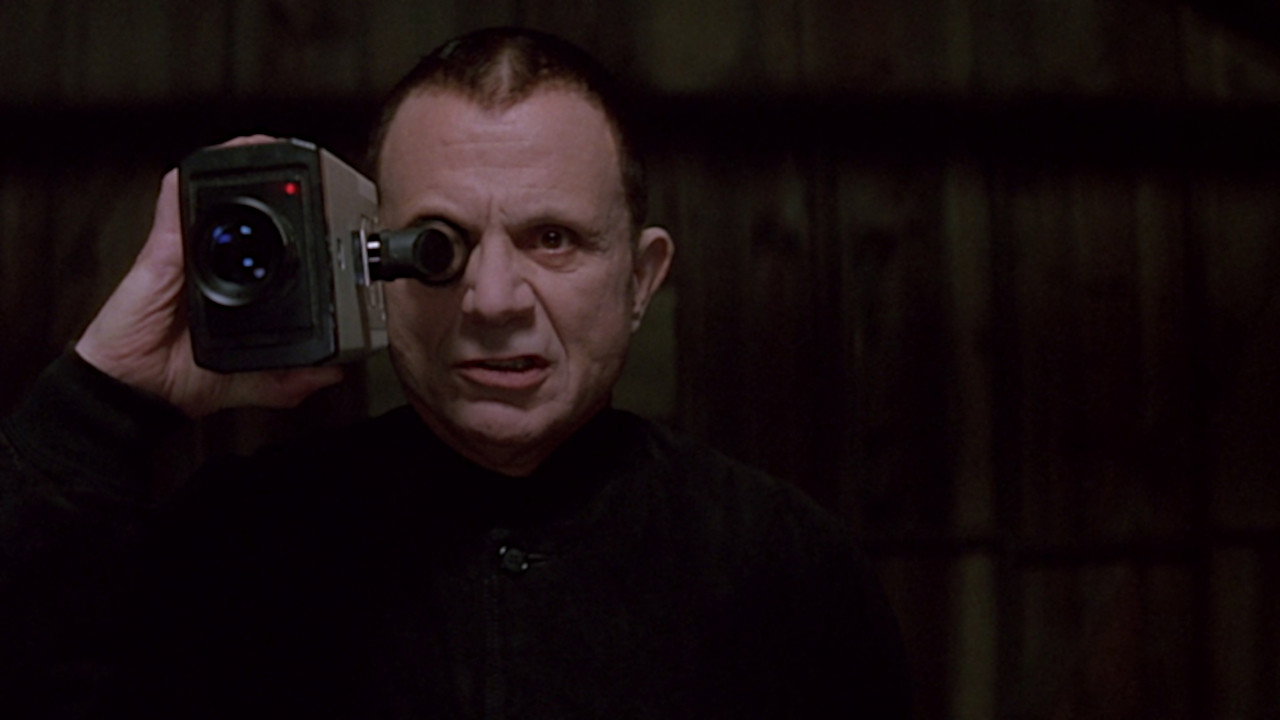
We were unnerved by the surveillance imagery, because Lynch makes the act of looking feel intrusive even when it promises an explanation. There is something unpleasant about being encouraged to study a person and then doubting our right to do it. The unease comes from being kept looking, with no promise that another look will make anything clearer. These stretches are enough to make the film work as a thriller, without requiring us to solve it.
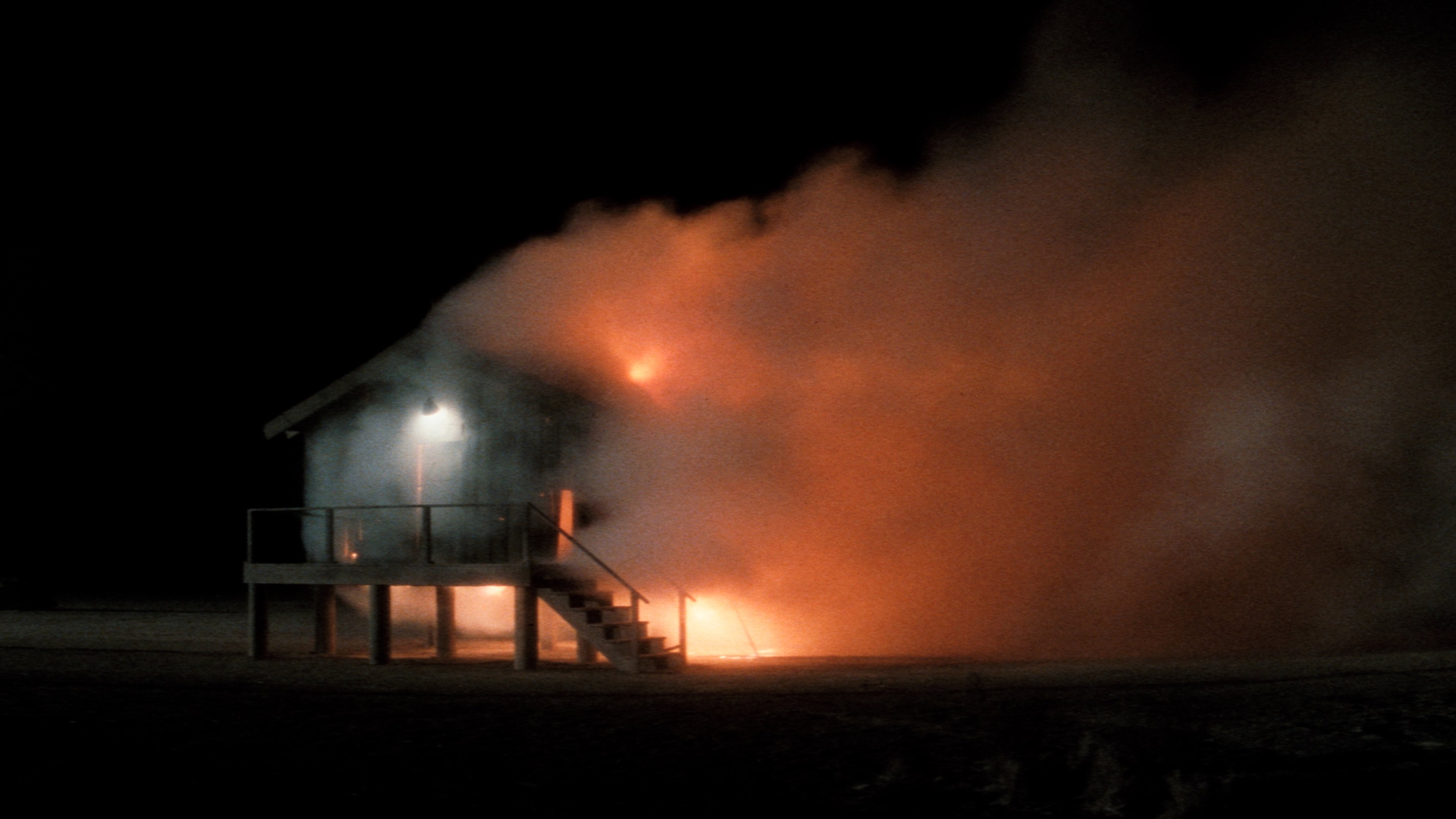
Peter Deming’s widescreen images use shadow to deny us a comfortable view. The dark areas keep drawing the eye, and searching them does not bring much reassurance. Patricia Norris’s production design gives the noir surroundings a careful finish that can make the danger feel overprepared. That becomes a problem when a scene has already made us uneasy and continues to wait, leaving plenty of time to notice how carefully everything has been arranged.
Mary Sweeney’s editing is most effective when the film moves without offering an explanation for the move. The transitions carry us along, allowing the dream logic to register before we start objecting to it. Elsewhere, the deliberate pace gives us too much time to notice how little the dialogue adds. Angelo Badalamenti’s music helps sustain the tension through these pauses, although music cannot make every prolonged exchange necessary.
Lynch and Gifford’s writing has a less reliable hold on the people. Arquette remains compelling, but some of the sexualised imagery gives her less to play than her performance deserves. The stylised dialogue can also make an exchange sound rehearsed when it needs to feel dangerous. The actors have to supply much of the feeling themselves, and the writing does not always repay the attention their performances encourage.
For a noir thriller, it spends a long time preventing us from getting a firm hold on the people or their predicament. That can be tiring, and there are passages we would gladly have seen shortened. Yet the uncertainty often makes the film frightening, particularly when we cannot trust what we are being shown. We recommend it to those who enjoy a mystery without expecting steady progress towards an answer. Do not choose it for a tired evening when finding the remote has already felt like a trial.