A laboured alien friendship smothered in product placement, with Jade Calegory providing the small amount of warmth that survives. The treatment of his wheelchair-using character is welcome; the storytelling gives us little reason to stay.
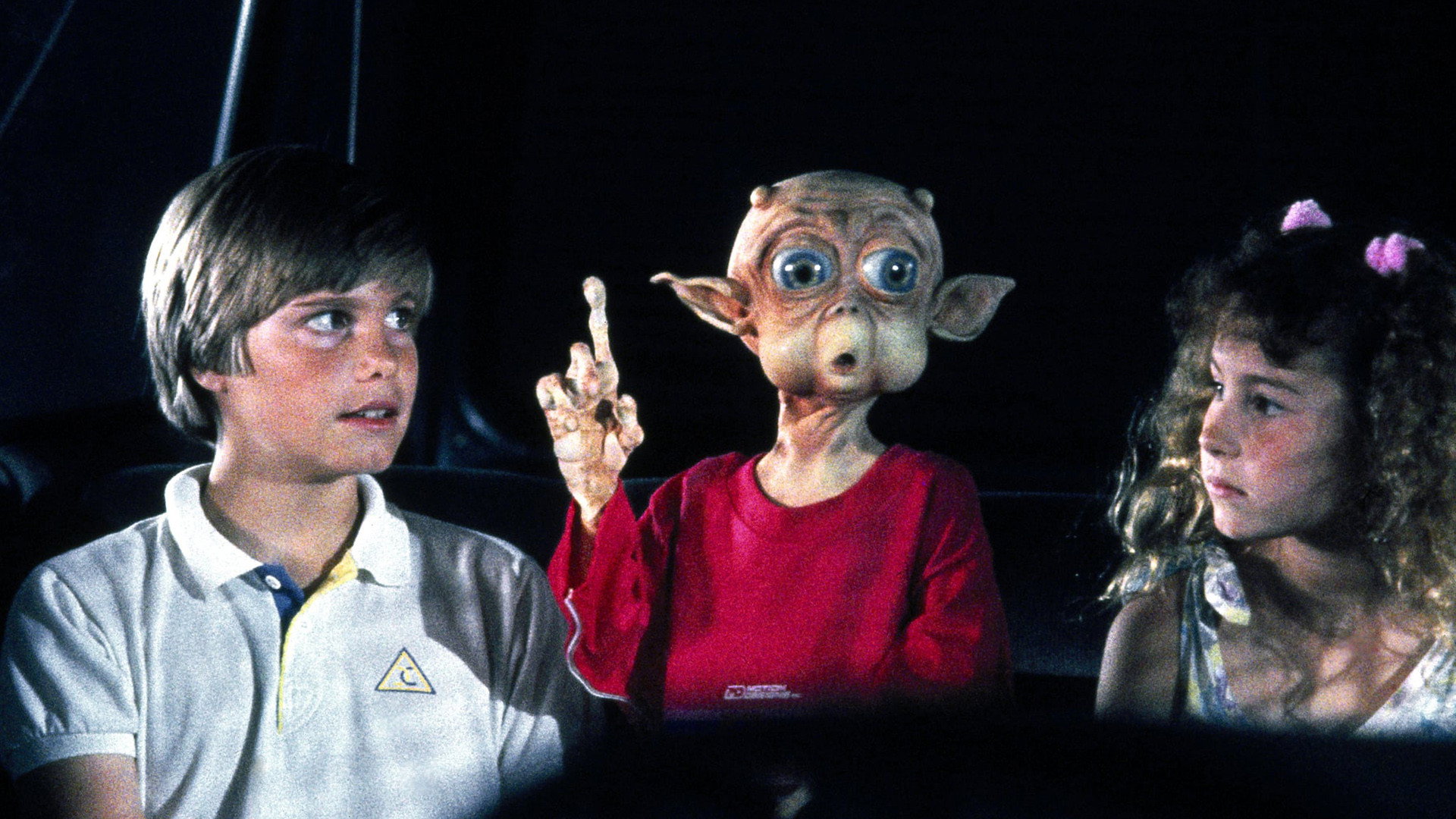
Stewart Raffill’s Mac and Me is a poor family film with a likeable child at its centre and a dispiriting amount to sell. It wants an alien’s friendship with a boy to provide wonder, mischief and reassurance, all reasonable things to want from this sort of story. Yet the attention paid to McDonald’s and Coca-Cola keeps making the friendship seem incidental. Most critics have little patience with it, and we share their chief complaint: the advertising gets in the way of caring about anyone.
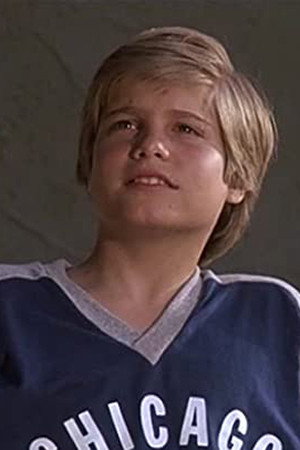
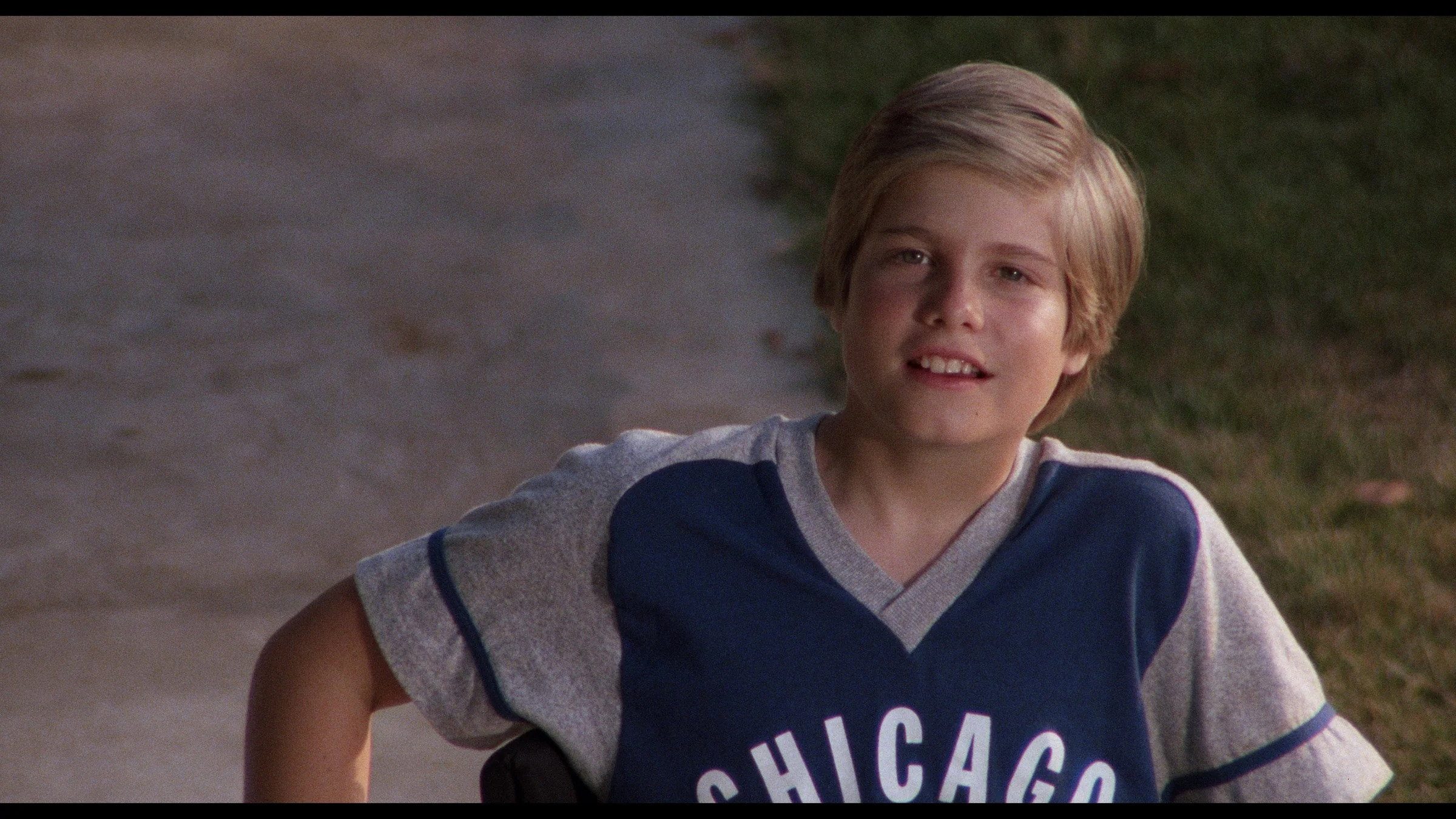
We warmed to Jade Calegory because Eric Cruise is allowed to be a child who uses a wheelchair without every appearance becoming a request for pity. He gives the friendship some credibility simply by seeming worth spending time with. This is a welcome exception to the film’s habit of pressing too hard for a response. The handling of disability is matter-of-fact, and the performance has a directness that makes the surrounding clumsiness harder to excuse.
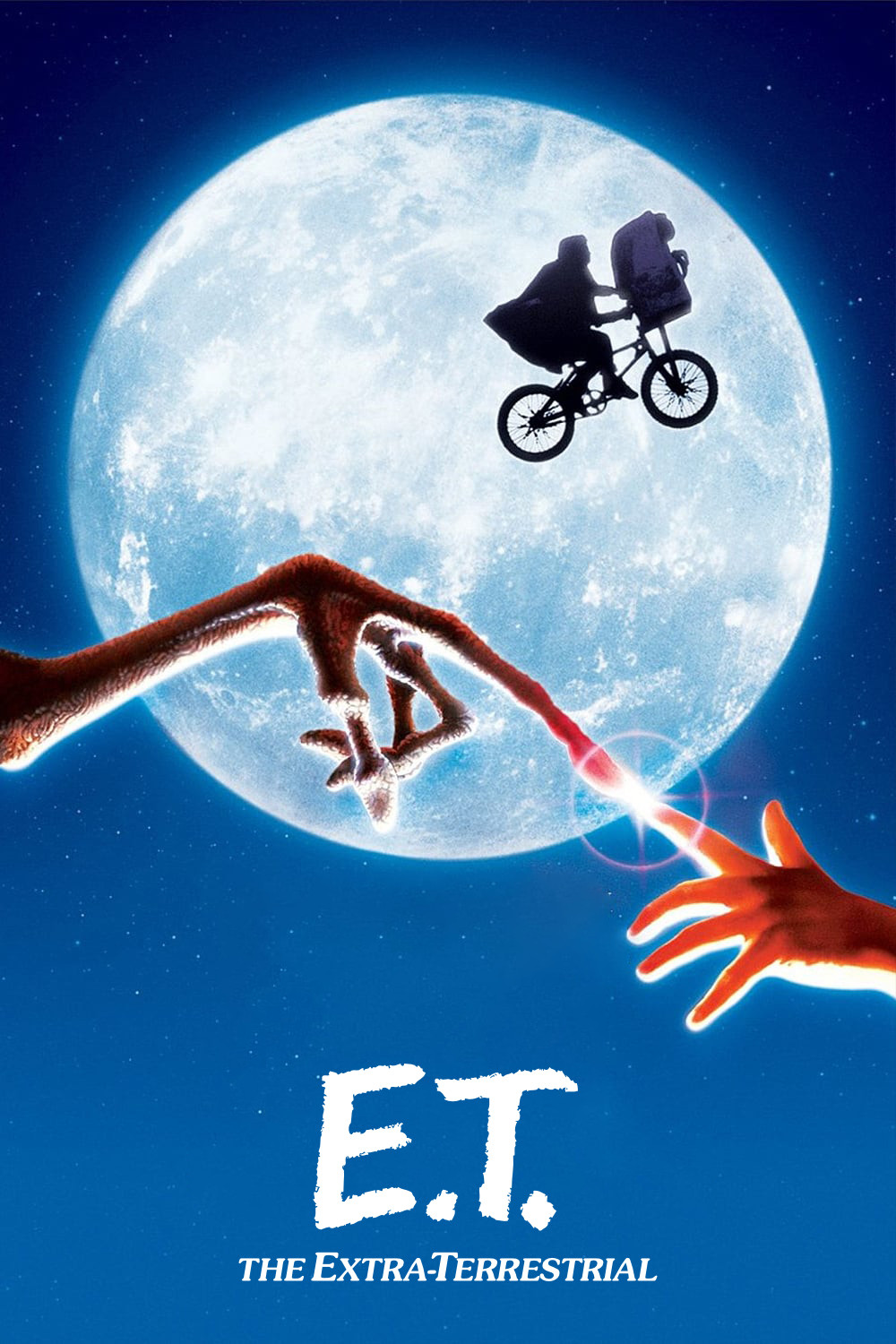
The screenplay by Stewart Raffill and Steve Feke follows the familiar family science-fiction business of a child befriending an alien. The resemblance to E.T. the Extra-Terrestrial has been much remarked upon, but familiarity alone would not sink it; plenty of children’s films earn their keep with an old story. The problem is how little curiosity the writing shows about this particular friendship. At 99 minutes, there is room to make Eric and Mac interesting company, yet their bond rarely feels worth the fuss being made around it.
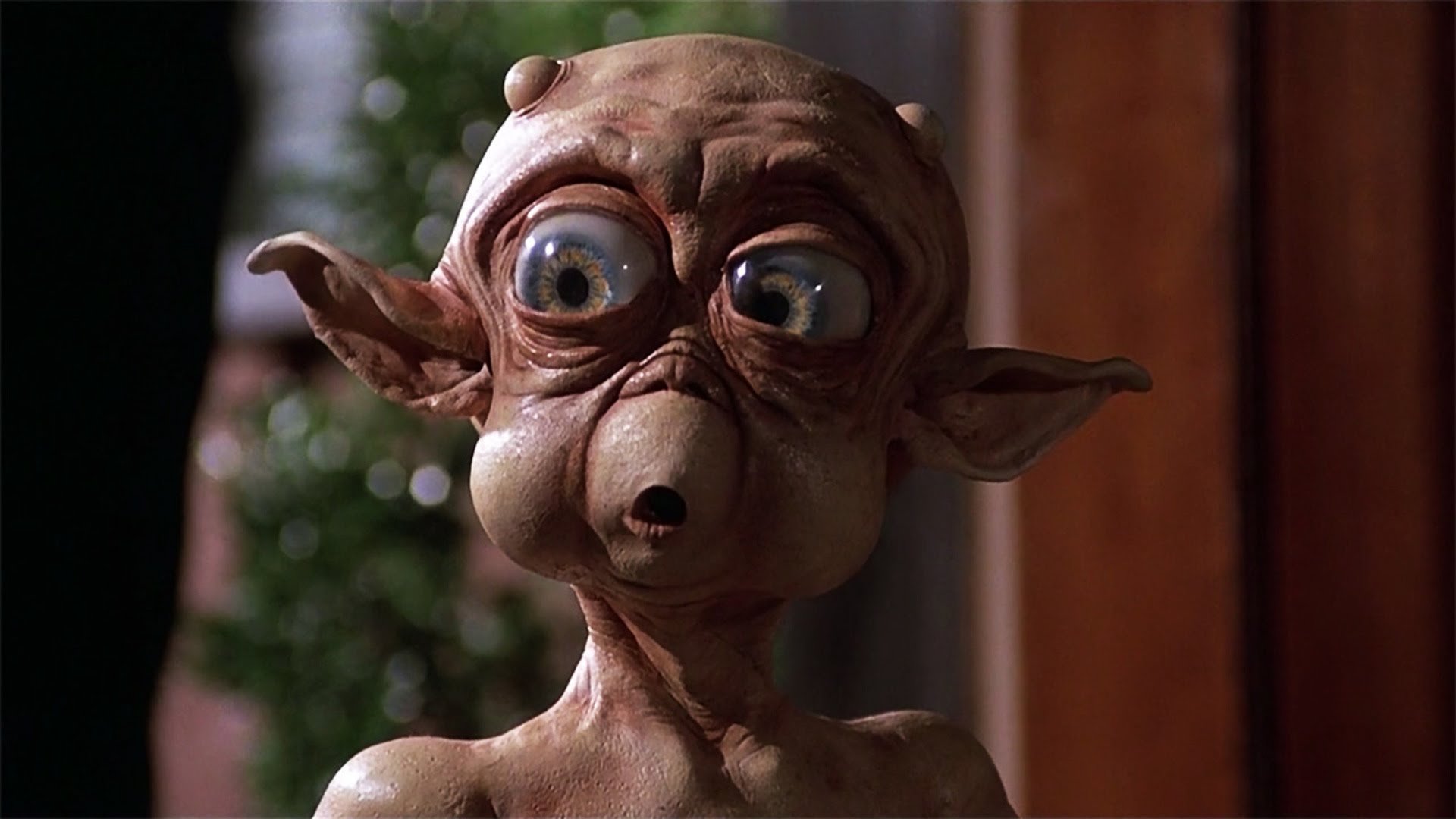
Nick McLean gives the photography some movement and energy, which helps a film so short of invention elsewhere. There is an effort to keep the action lively, even when the scenes themselves offer little to discover. W. Stewart Campbell’s production design fares less well in a picture whose most forceful visual details are recognisable commercial names. The alien’s awkward appearance and unconvincing puppetry also make affection hard work; we keep noticing the effects when the scene needs us to notice Mac.
Tom Walls’s editing does little to give the friendship momentum, and the film keeps losing our interest between bouts of activity. Alan Silvestri’s music reaches for wonder and affection, but cannot make those feelings follow from what the characters do. Neither contribution makes the boy and the alien’s company sufficiently engaging to sustain a feature. The breakdancing supplies movement, certainly, but it also exposes the difficulty: a family adventure can be busy for a long stretch without becoming involving.
We were irritated by the product placement because it repeatedly drew our attention away from the boy we had begun to like. McDonald’s, Coca-Cola and Skittles are prominent enough to make the attempts at innocent fun difficult to accept. A simple adventure needs clear stakes and people worth following, and the brands keep distracting from both. Anyone coming for accidental comedy may find the incongruity amusing, though the joke lasts longer than our amusement did. We would leave this one to collectors of particularly intrusive advertising.