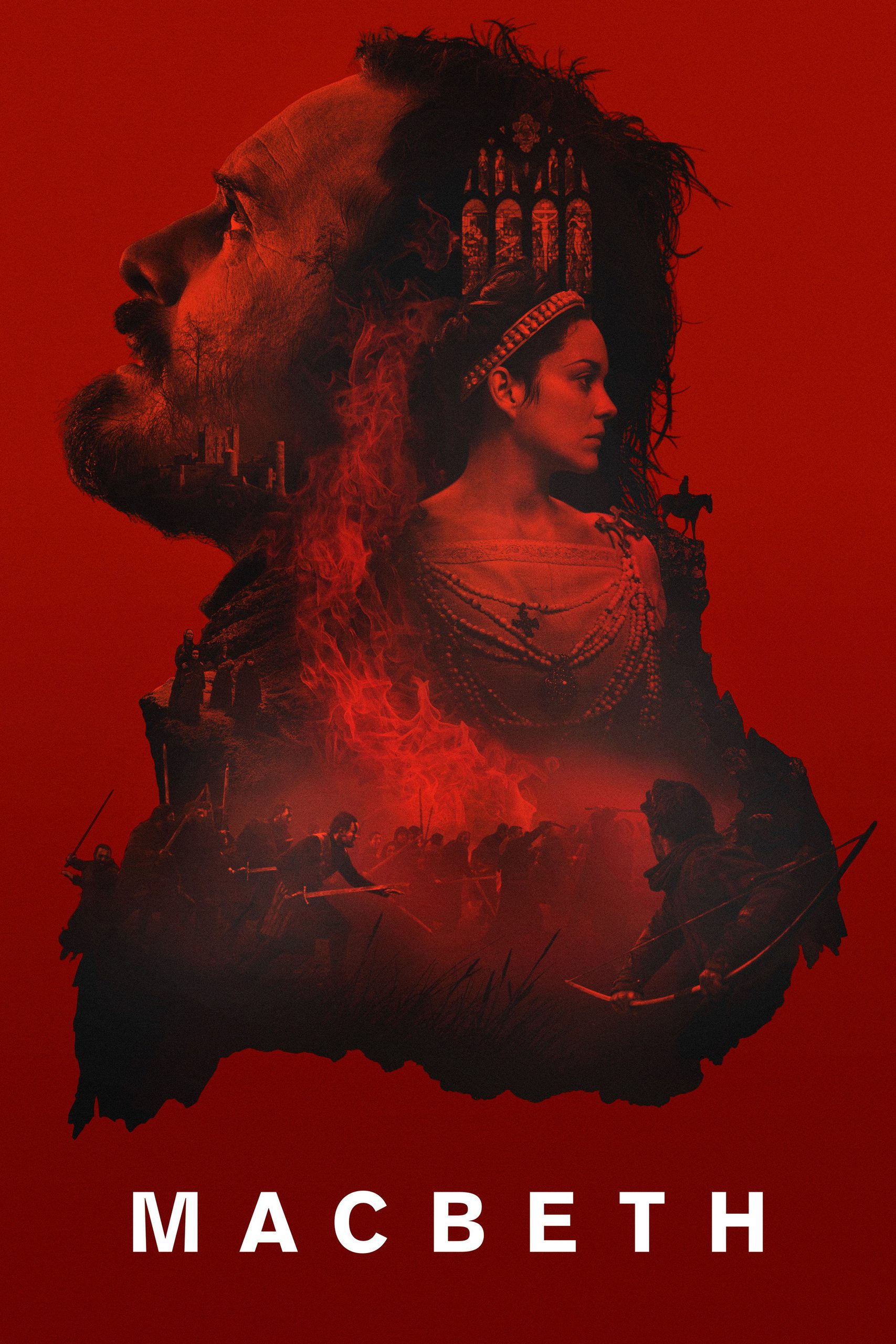
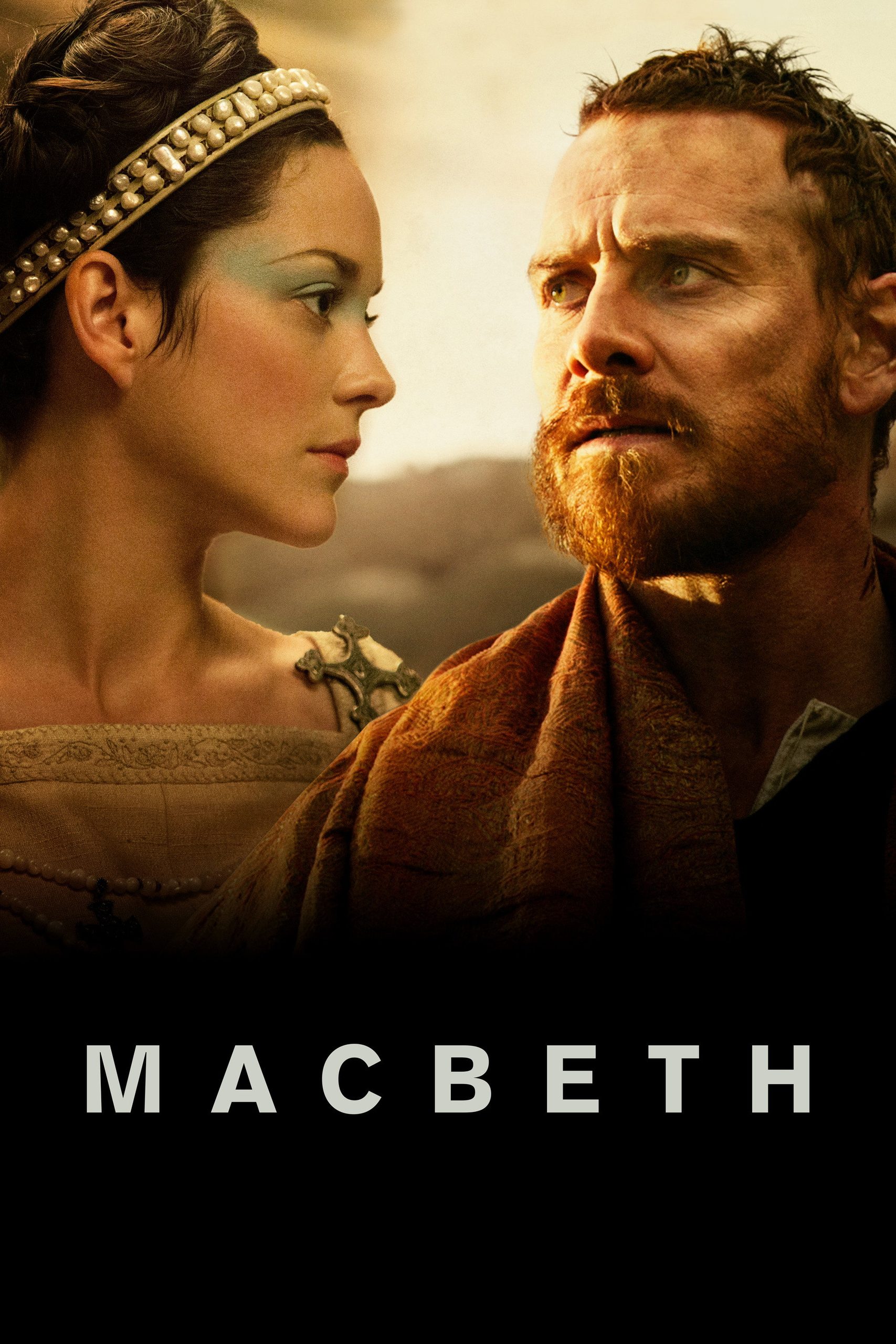
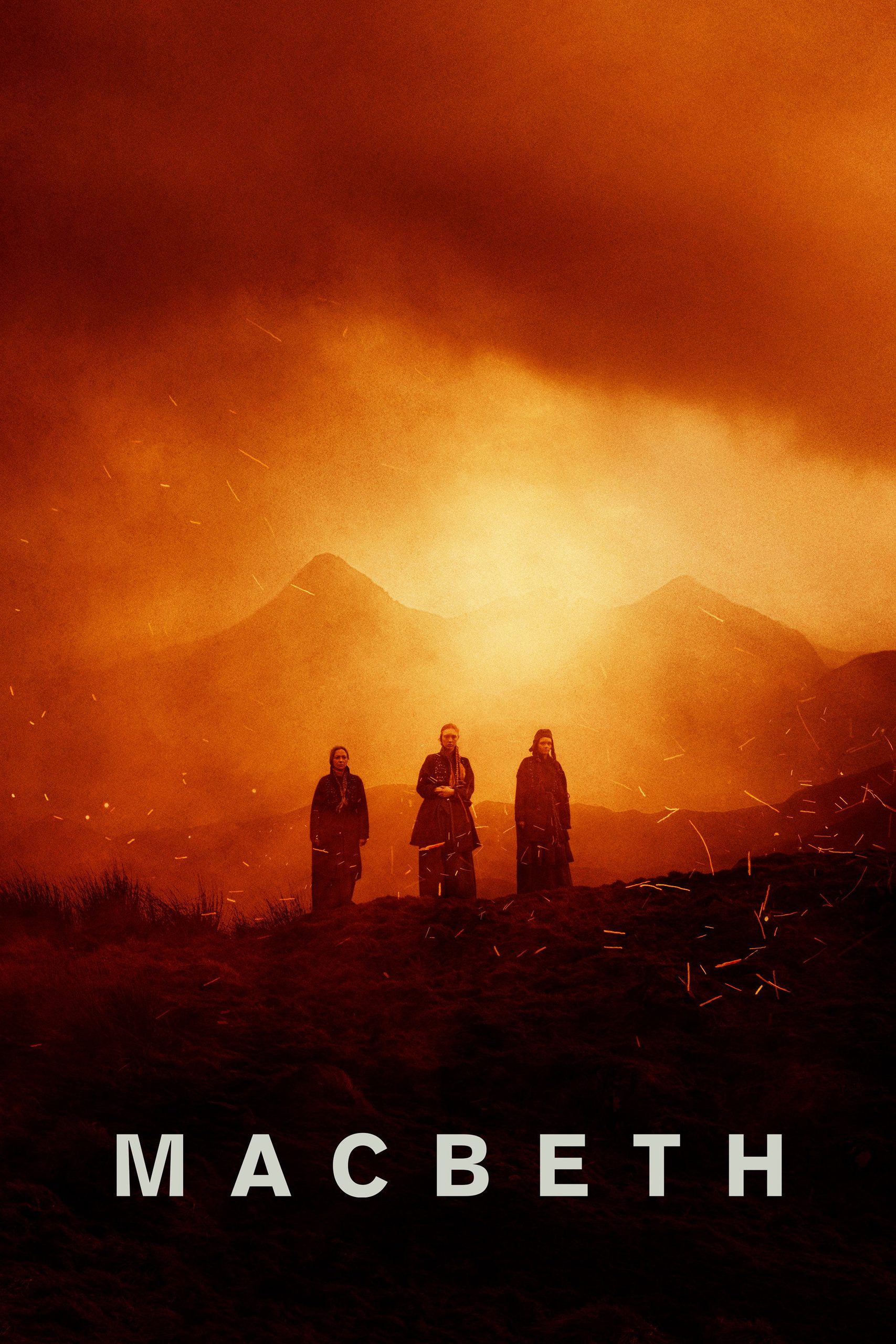
Justin Kurzel’s Macbeth is worth seeing for Michael Fassbender and Marion Cotillard, who make ambition feel painfully entangled with grief. The blood and mist can become oppressive, and the verse needs more room to breathe.
Justin Kurzel approaches Macbeth as a war film about people who have brought the fighting home. It is a forceful, uneven adaptation, worth seeing chiefly for the hurt and danger that Michael Fassbender and Marion Cotillard find in the central marriage. The opening funeral for their child makes bereavement part of the story before the pursuit of power takes hold. That choice gives the ambition a troubling human cause, though it also risks making grief explain more than it can.
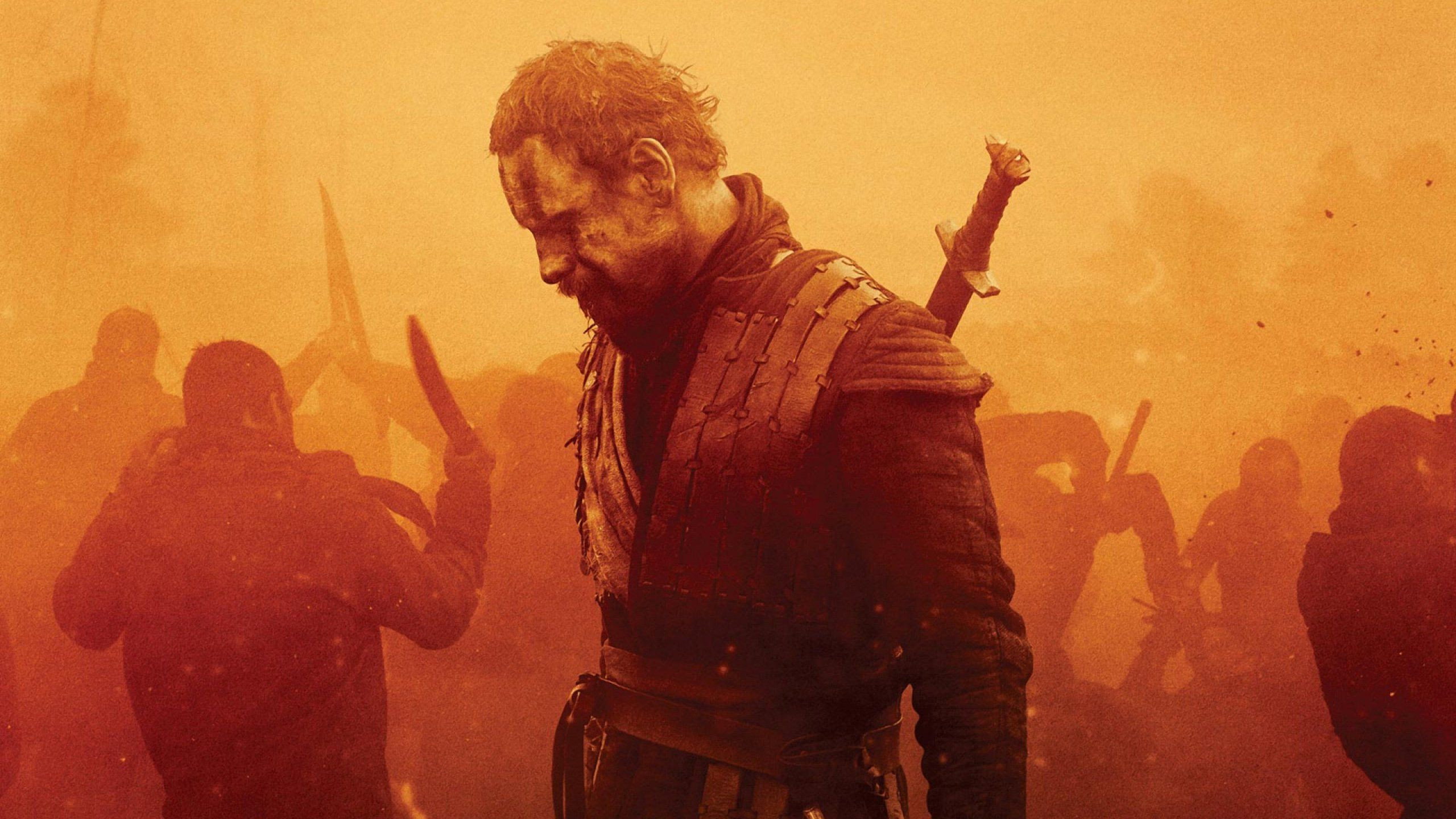
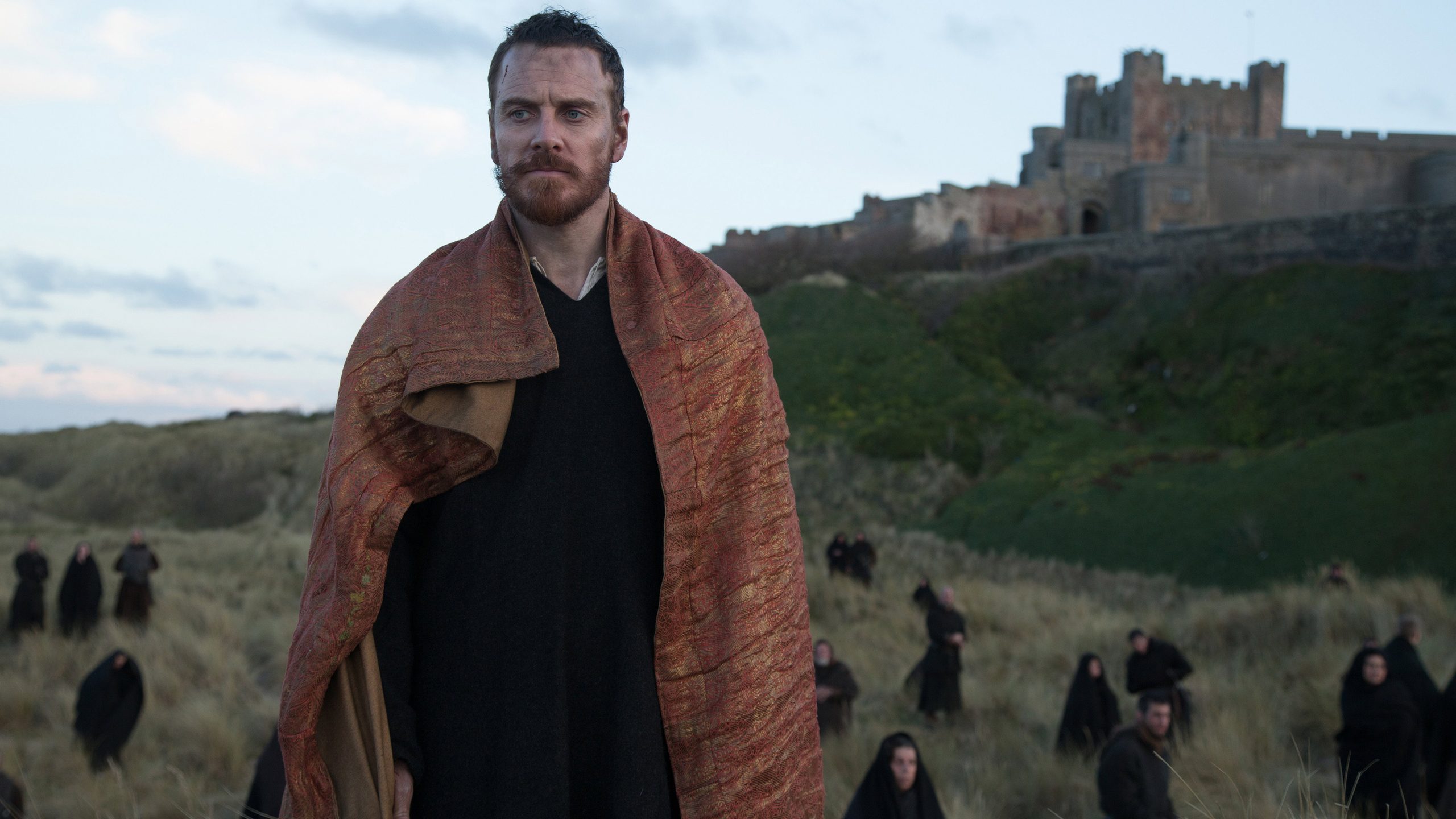
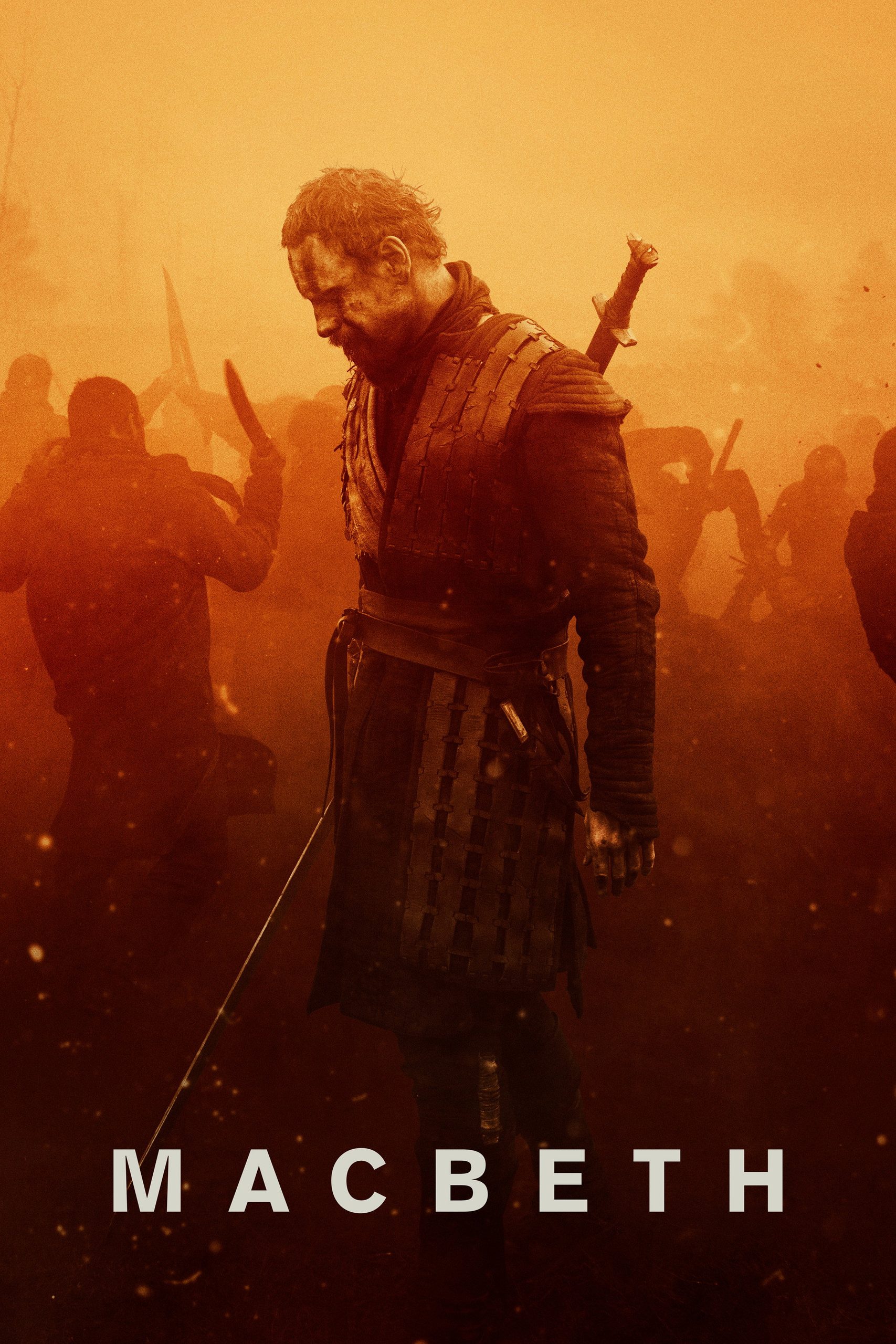
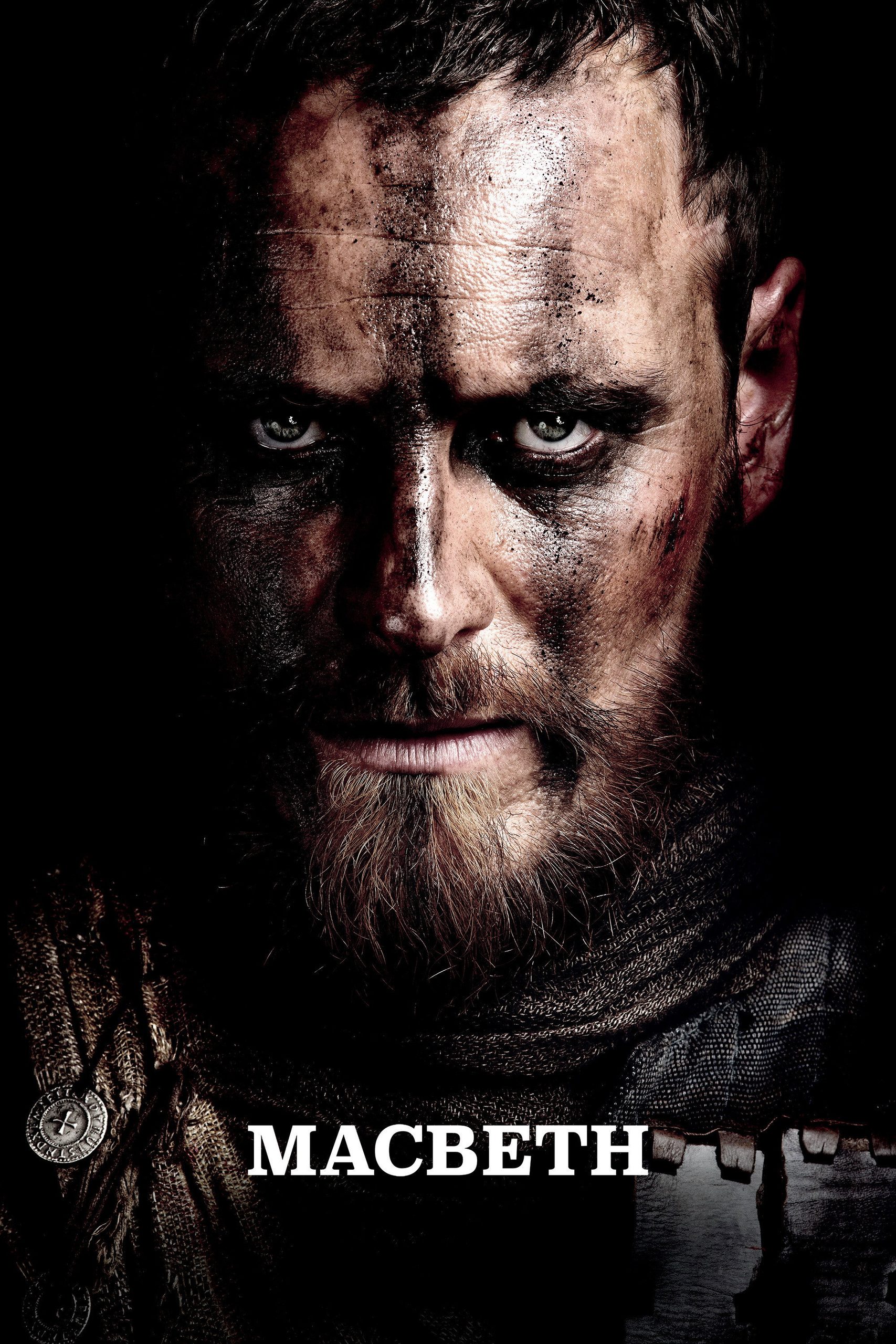
We were moved more than we expected by the child’s funeral, because the parents’ loss comes before we have had reason to judge them. Michael Fassbender plays Macbeth as a man whose body has survived combat without persuading his mind that it is over. His inwardness gives the violent passages an after-effect: even away from battle, he seems unable to settle. He makes the prospect of power feel like another danger approaching, which lends an uncomfortable urgency to his ambition.
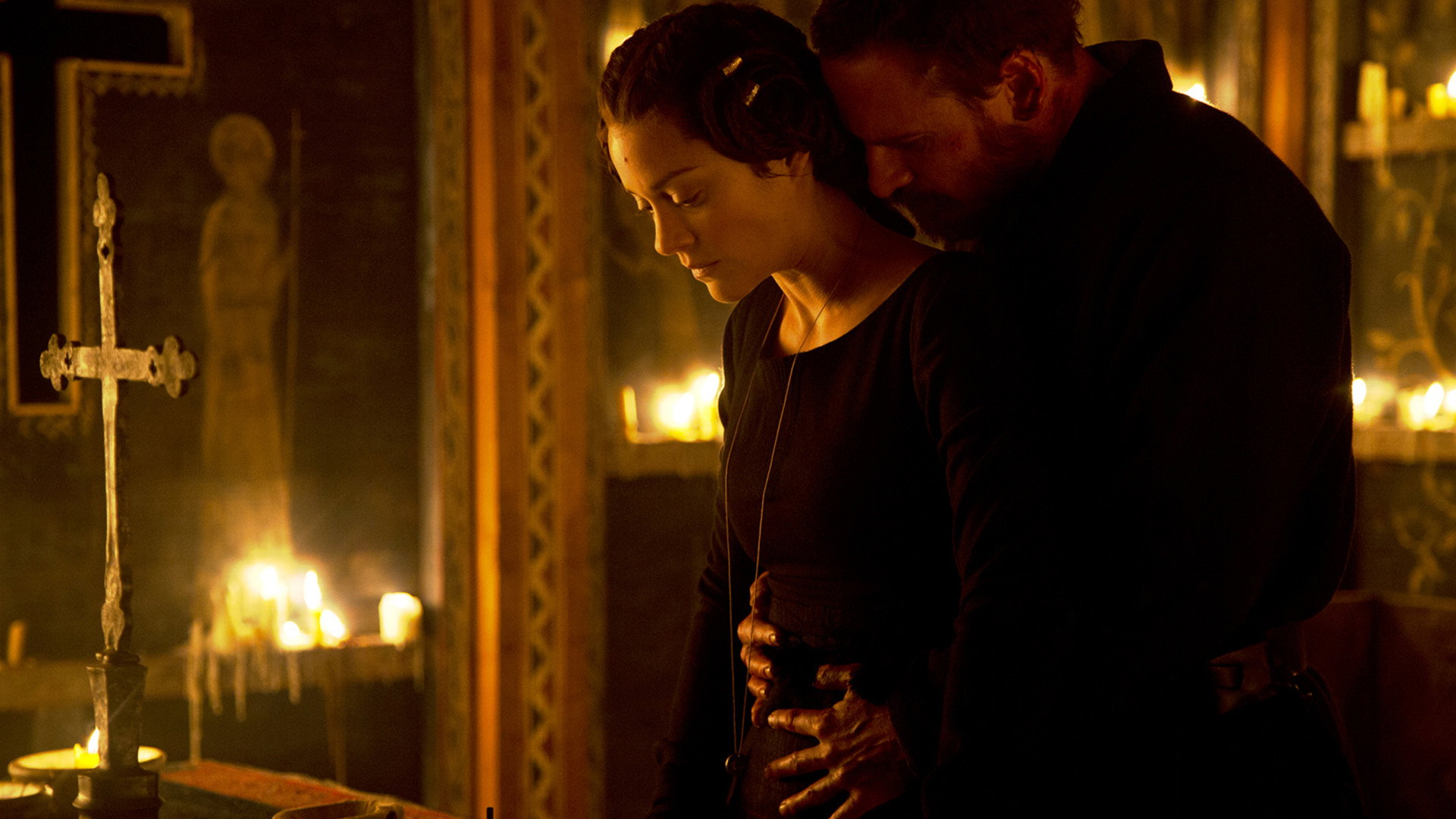
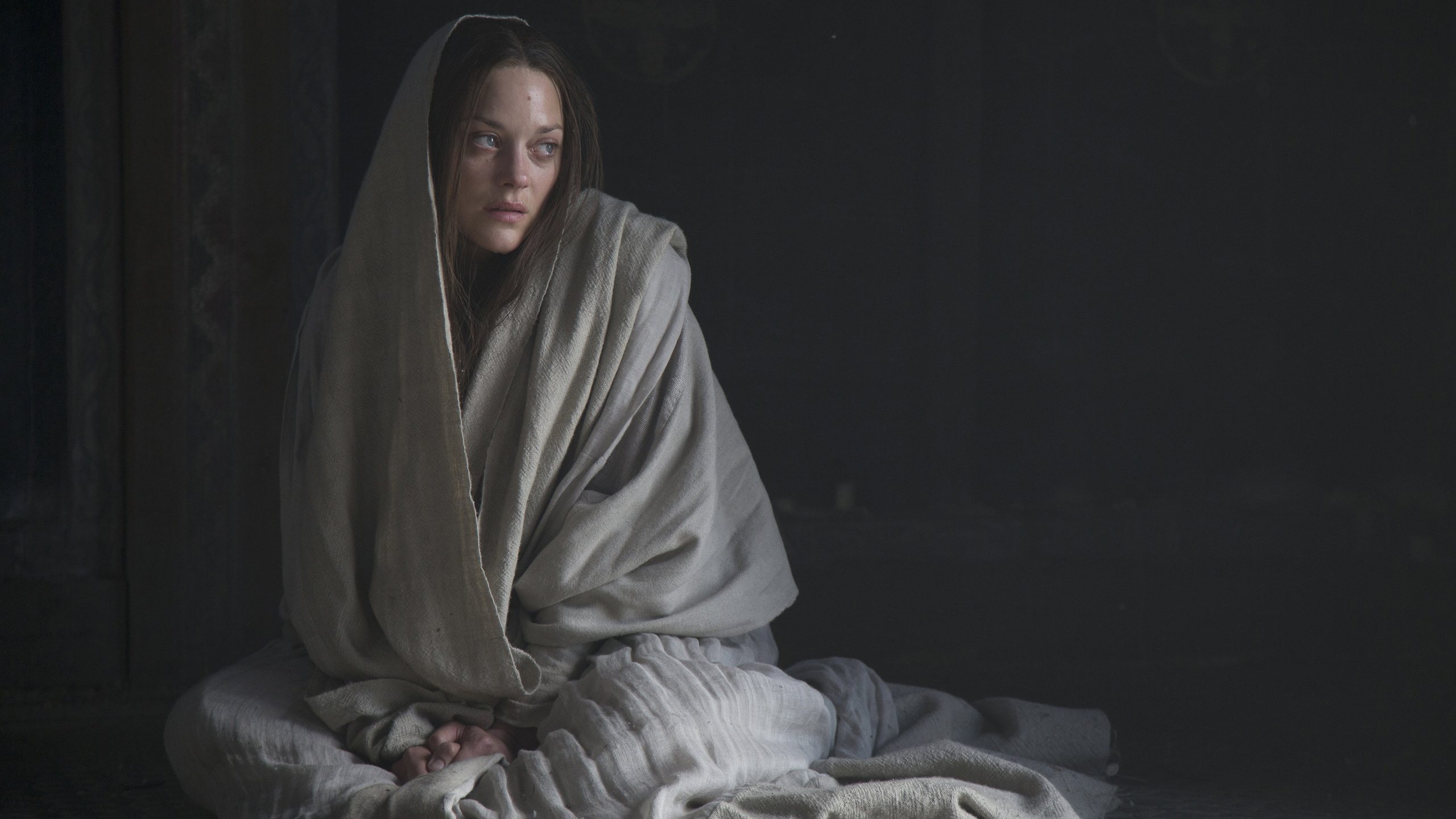
Marion Cotillard gives Lady Macbeth enough tenderness to make the marriage matter, and enough control to make it uncomfortable. Their shared bereavement helps explain why this couple might look to each other for permission to do terrible things. Yet Justin Kurzel’s emphasis on the soldier’s damaged mind leaves her with less room than this interpretation promises. Her own appetite for power sometimes gets folded too neatly into his distress, despite the care and restraint of the performance.
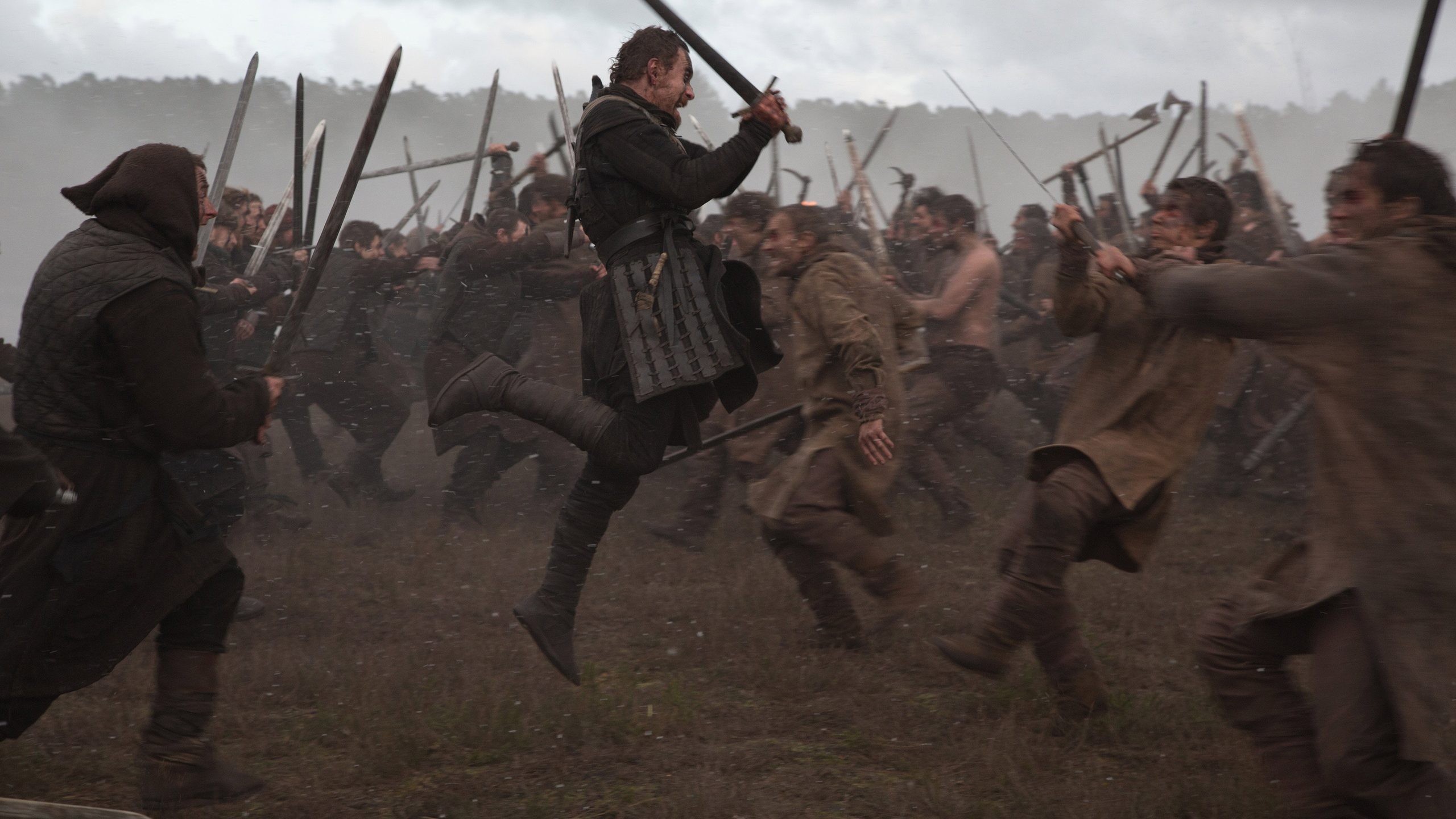
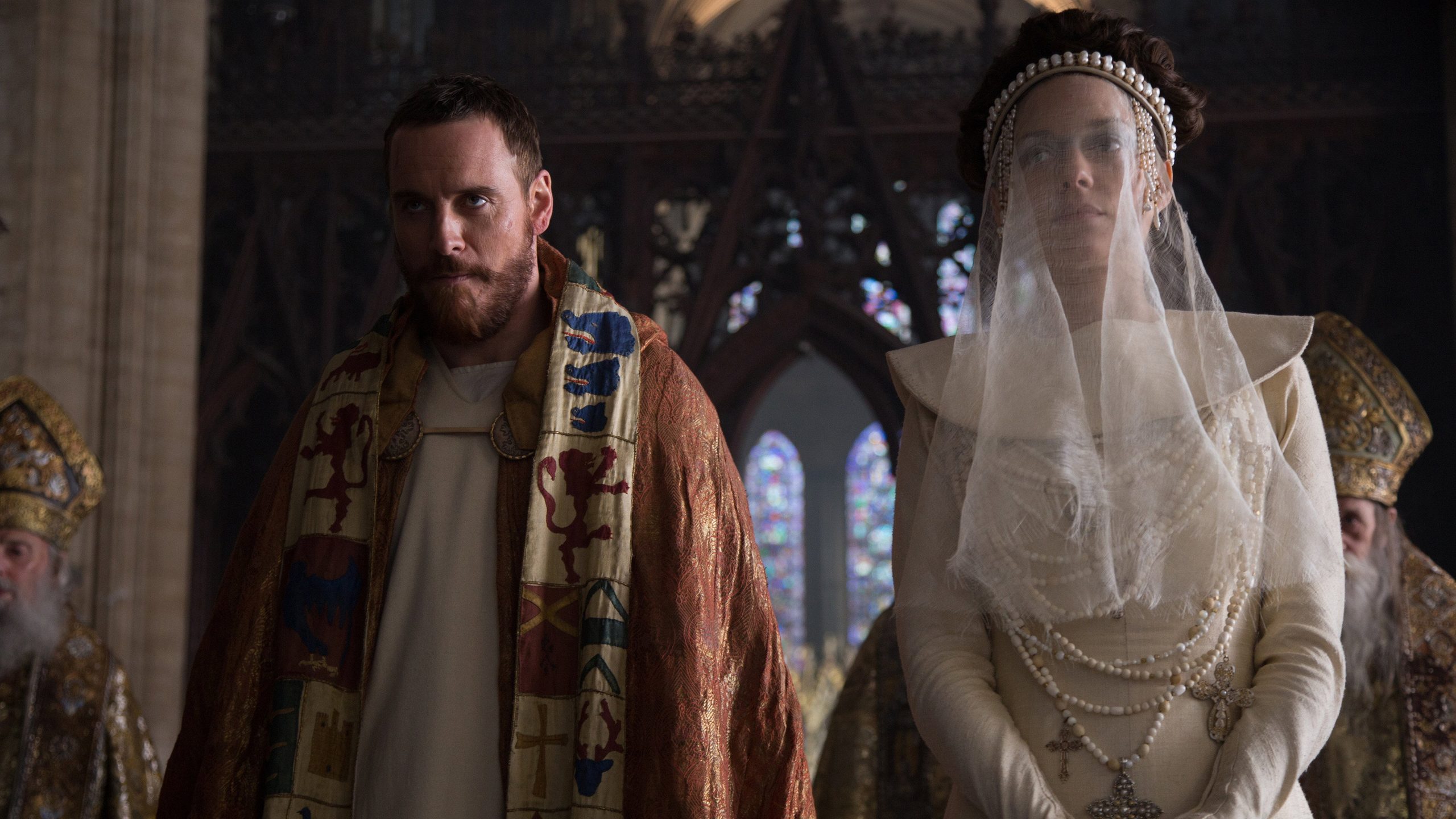
Adam Arkapaw uses mist and smoke to make the Highlands inhospitable, with faces competing for attention against the landscape. The slow-motion fighting gives us time to take in the physical damage, although the insistence on finding another arresting image can hold a scene at the same pitch for too long. Fiona Crombie’s production design fits the dirt and blood of this Scotland, offering little suggestion that power might buy much comfort. The harshness is convincing, but there are stretches when we could do with seeing something other than another reason to despair.
Chris Dickens gives the battle passages momentum, but the movement between scenes can feel abrupt. The screenplay by Michael Lesslie, Jacob Koskoff and Todd Louiso pares the play down, and some of the steps between temptation and commitment become too short. The words need time for a thought to change while we listen. Here, naturalistic delivery sometimes makes the verse sound subdued without making it feel more intimate. We can see the strain in a face while losing the reasoning that ought to make that strain interesting.
Jed Kurzel’s score helps sustain the threat of violence, and its contribution to the film’s unease is considerable. The difficulty is how seldom the music and images together let that pressure ease. The quieter exchanges are often where these performances become most involving, because the actors have less to compete with. Among screen adaptations of stage plays, this makes a persuasive case for taking the action outside, then occasionally underestimates how much can happen while two people talk.
Anyone seeking a lucid first encounter with the play should allow for some missing connections. Those willing to follow faces as closely as speeches will find plenty to hold them. Choose it for the two leads, provided you can face a child’s funeral before the fighting has even started.