Kenneth Lonergan makes grief painful, awkward and unexpectedly funny, with Casey Affleck and Lucas Hedges exact in their uneasy companionship. The second half needs a little trimming, but the film earns the attention it asks for.
Kenneth Lonergan’s Manchester by the Sea is a moving, unusually funny drama about a man who cannot make himself ready for what his family needs. Its 138 minutes demand patience, particularly in the second half, but the people are worth staying with. The writing gives them room to be impatient, disagreeable and bad at offering comfort. Grief keeps interrupting ordinary conversation, and nobody reliably knows what to say next.
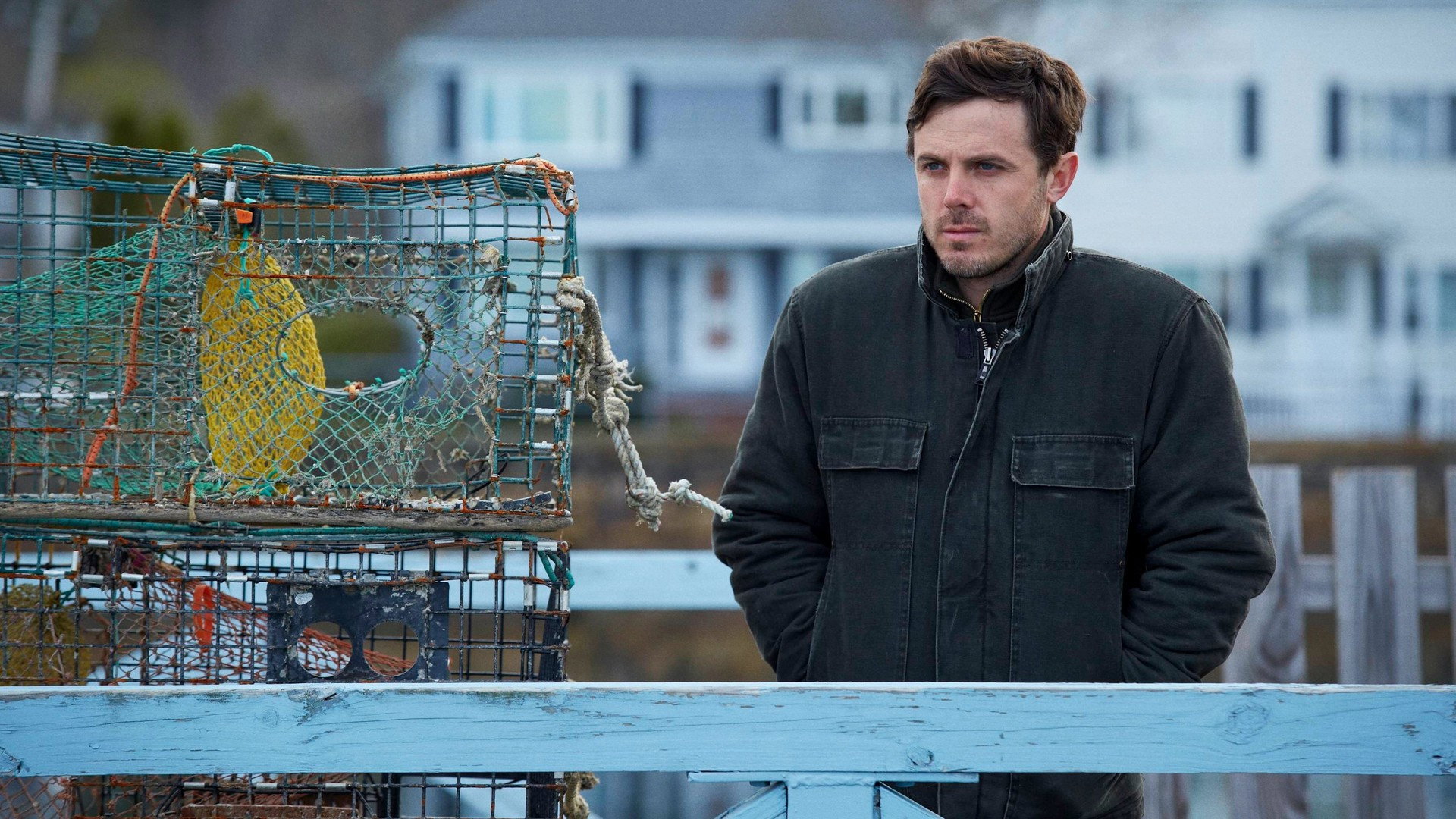
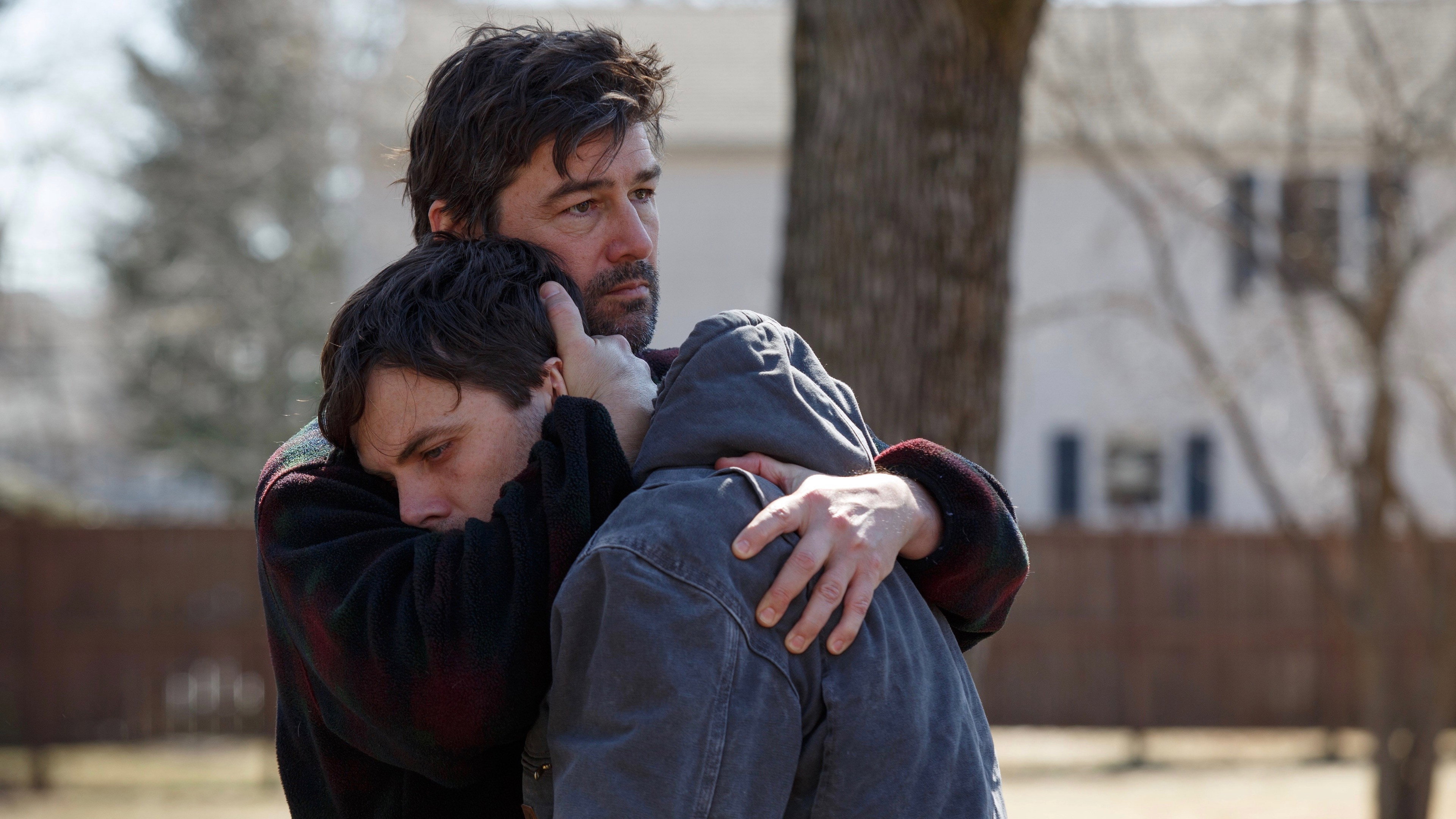
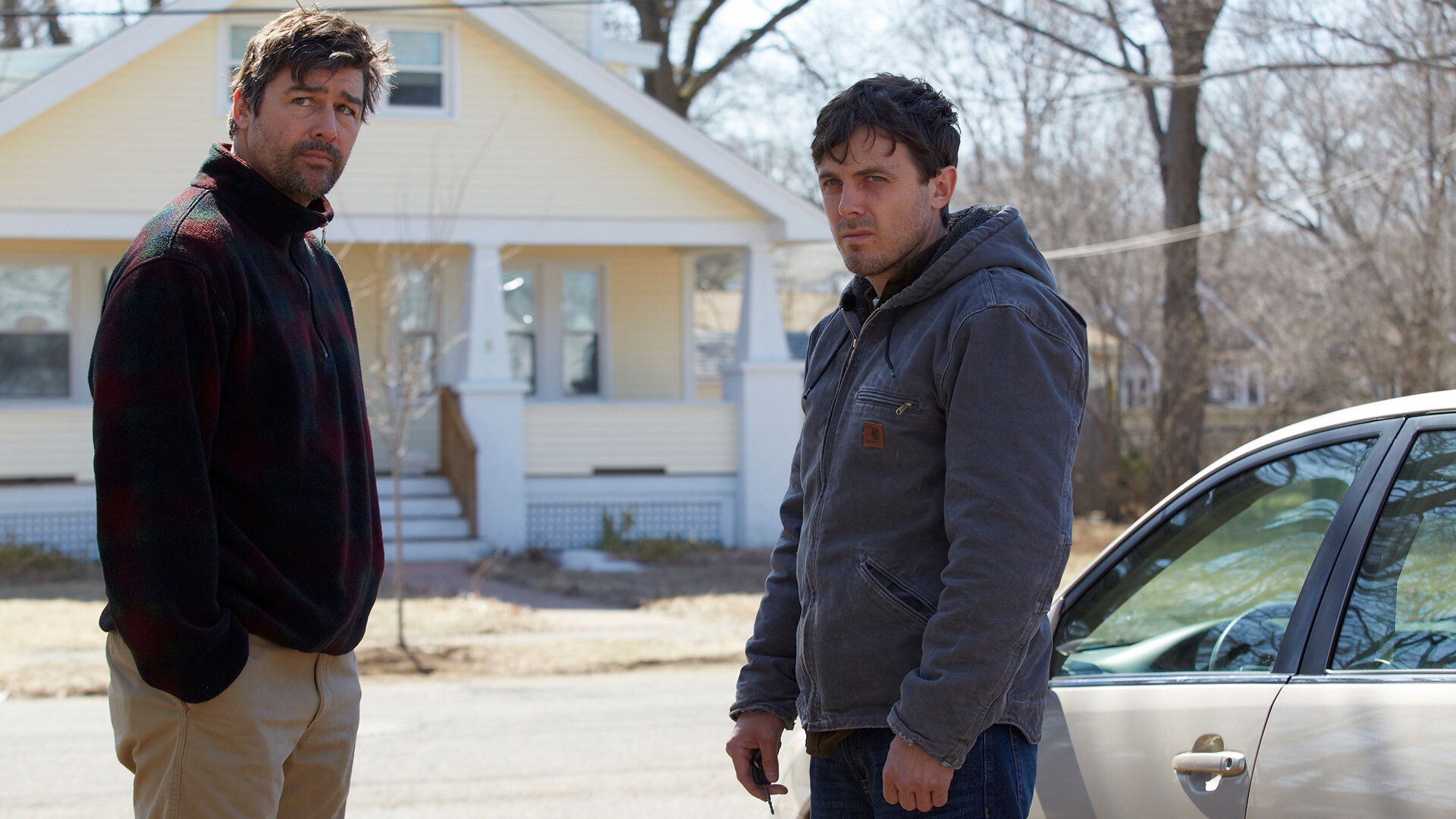
Casey Affleck plays Lee Chandler with a restraint that never becomes merely blank. The reluctance to speak makes an exchange feel like hard work, and we register the effort other people must expend to reach him. His surliness is allowed to be unpleasant. The performance moved us because he makes it possible to recognise the pain without making Lee any easier to approach.
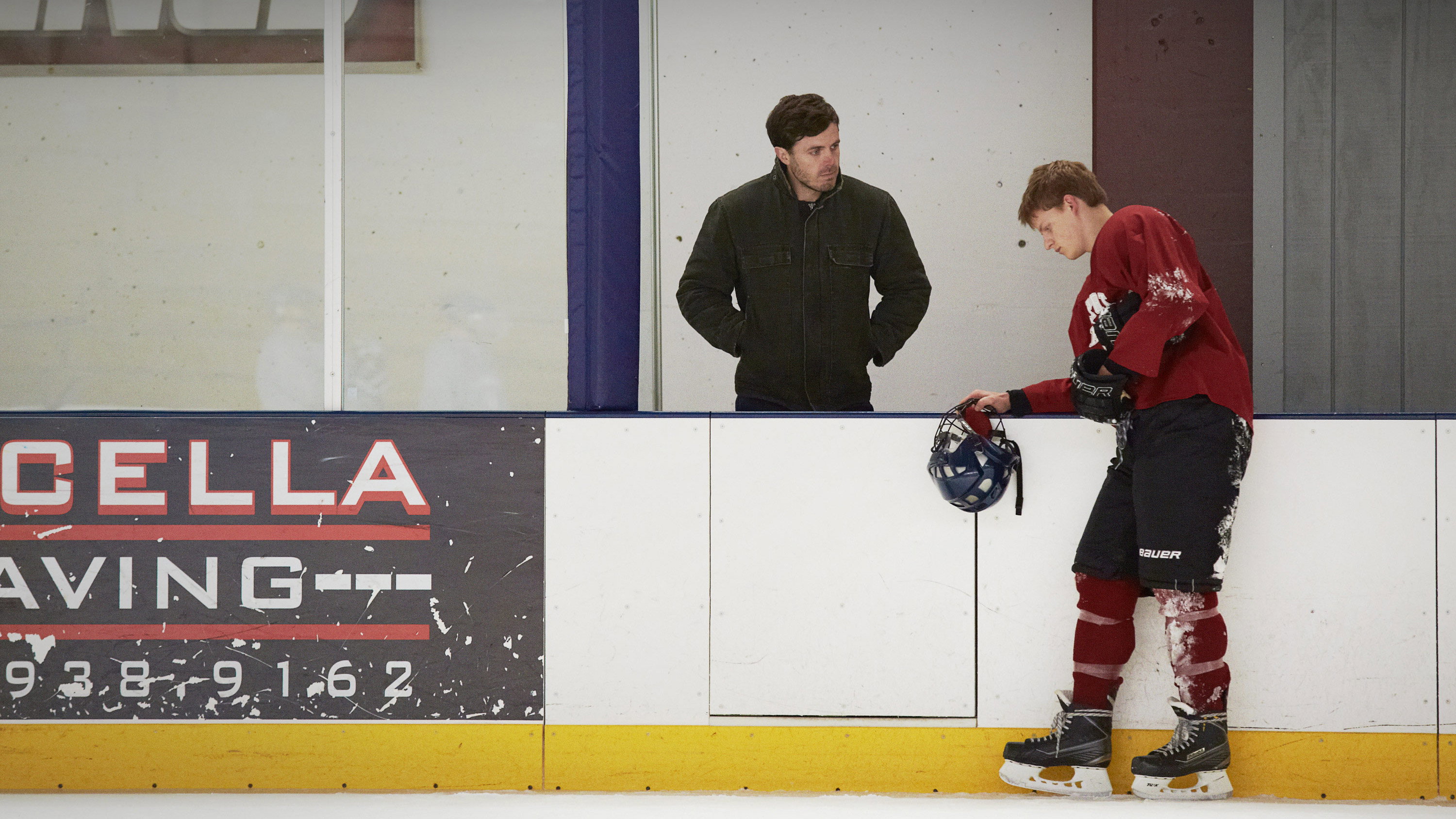
Lucas Hedges gives Patrick Chandler, Lee’s teenage nephew, enough impatience to stop the relationship becoming a solemn exercise in caring for the wounded. He has demands of his own, and the film lets those demands matter. We laughed at their testy exchanges, and were grateful for the interruption. The humour comes from the difficulty of getting through a conversation when neither person can supply what the other needs. Kenneth Lonergan’s dialogue lets the irritation remain even when we understand why both of them feel it.
Michelle Williams has less room as Randi Chandler, and that is a small frustration. Her emotional directness makes a sharp contrast with Lee’s withdrawal, giving the film a welcome change in how pain can be expressed. We wanted more time with her; the performance suggests a life beyond the scenes she is given. Even in a limited role, she makes it difficult to think only about Lee.
Jody Lee Lipes’s cinematography gives the New England setting a persuasive everyday presence. The place feels able to carry on regardless of the people we are watching, which keeps the film from becoming claustrophobic. Ruth De Jong’s production design gives ordinary objects weight in these lives without making them conspicuous. There is something reassuringly practical about the physical world around Lee, even when the people in it can do little to help.
Jennifer Lame’s editing moves through fragments of the past, letting our understanding of Lee change without handing us a neat explanation at the outset. That broken sequence of information makes the film absorbing, although the second half could lose a few stretches without hurting it. At times we have understood a difficulty well before the film is ready to leave it. Lesley Barber’s music adds to the sorrow, but the voices already carry a considerable amount of it. We are most attentive when someone struggles to finish a thought.
As a drama about family responsibility, it takes the familiar promise that caring for someone might help and subjects it to serious doubt. Kenneth Lonergan is interested in the limits of what people can do for one another, and he allows affection to coexist with exasperation. That makes the tenderness here feel earned. Choose it when there is time to listen to difficult people; save it for another evening if tonight needs to be easy.