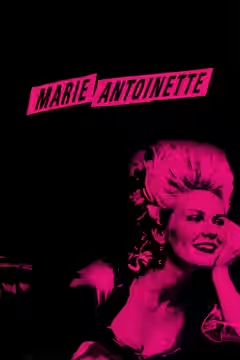
Sofia Coppola’s intimate portrait is worth seeing for Kirsten Dunst and the way clothes, rooms and modern songs convey a constrained life. The history is hurried, and Marie’s thoughts deserve more attention.
Marie Antoinette is a good film about having everything within reach except much say in your own life. Sofia Coppola concentrates on the comforts and restrictions of court life, keeping close to a woman whom other people are always assessing. We recommend it as an intimate period drama, with a warning for anyone expecting a substantial account of the politics. Those limits become frustrating, but there is enough feeling here to justify the narrow view.
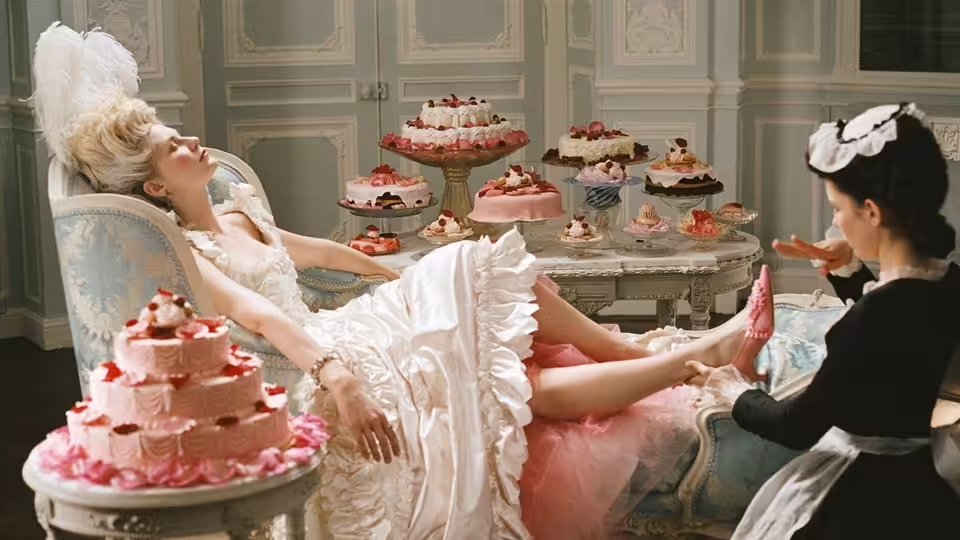
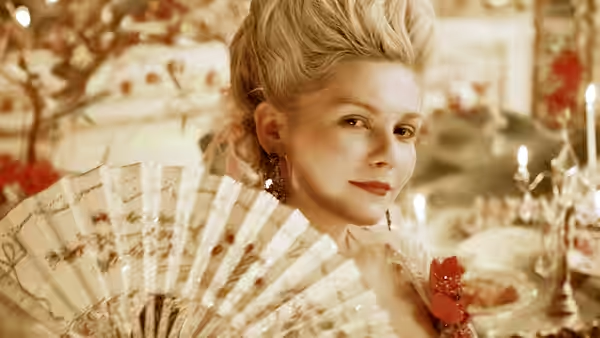
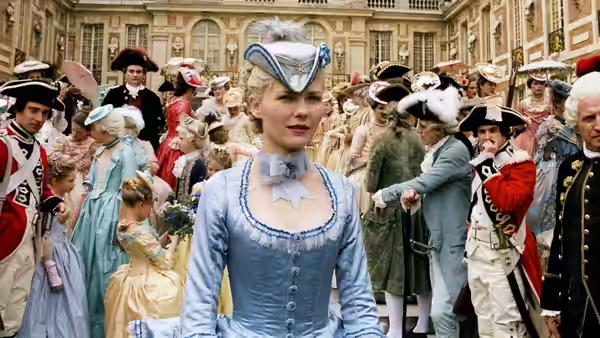
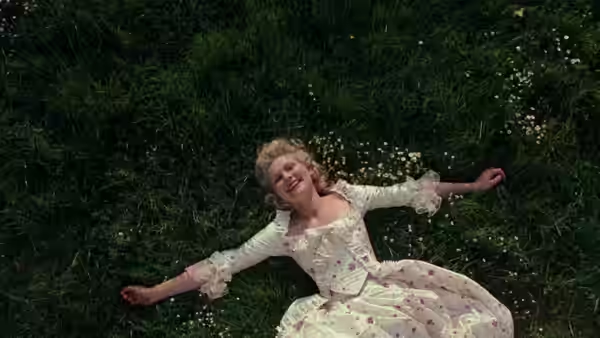
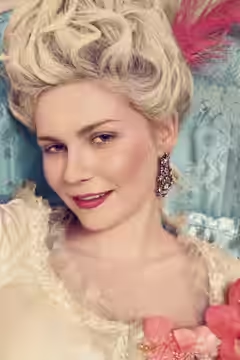
Kirsten Dunst gives Marie Antoinette a watchfulness that keeps the pleasures from looking entirely carefree. Her performance lets us see someone enjoying the advantages of her position without suggesting that enjoyment has settled every worry. We felt unexpectedly protective of her amid the costumes and confectionery, because she makes Marie seem so unsure of how she is meant to behave. That uncertainty earns our sympathy, even when the screenplay gives us less of her thinking than we would like.
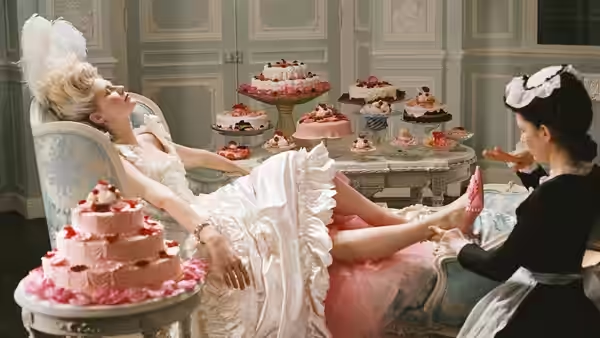
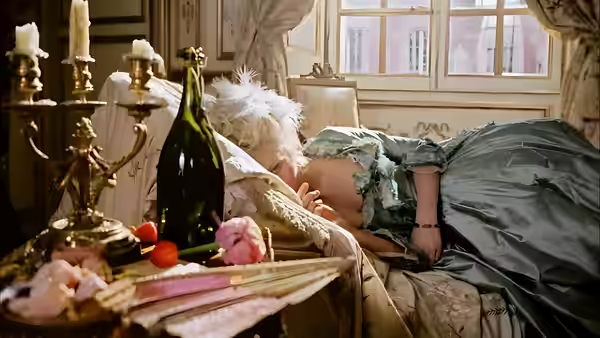
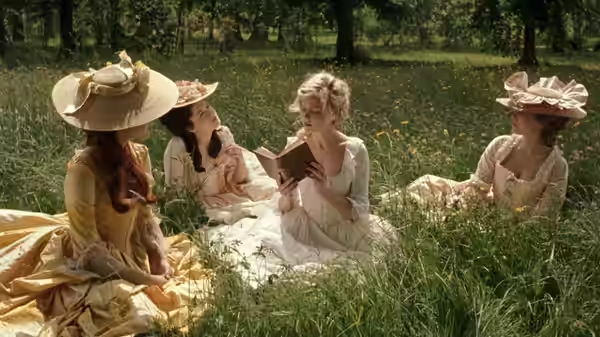
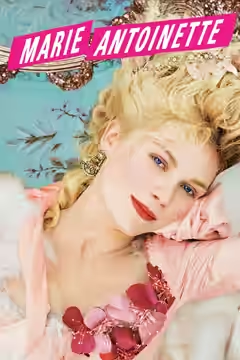
Lance Acord’s cinematography gives Versailles enough room to dwarf the person we are meant to be watching. The compositions make Marie look uncomfortable in surroundings that ought to please her. K.K. Barrett’s production design keeps the court’s abundance in view, and Milena Canonero’s costumes make the demands of display visible on the people themselves. We can enjoy the clothes while noticing how little ease they seem to allow. These departments give the director something to work with beyond attractive backgrounds.
The modern soundtrack is the choice that makes the most sense of this approach. Dustin O’Halloran’s music is restrained enough for the more private passages, while the modern songs make the pursuit of pleasure feel immediate. Sarah Flack’s editing follows those pleasures readily, although the movement from one diversion to another gradually becomes too familiar. The energy is welcome, but another burst of music cannot always make the next diversion interesting.
The difficulty is that Sofia Coppola’s screenplay does not develop Marie as fully as Kirsten Dunst’s performance encourages us to expect. Her restrictions become clear well before the film has finished showing us their effects, and the courtly diversions begin to repeat themselves. At 123 minutes, it has time to let her thinking grow more complicated. Too often, another attractive passage arrives where a sharper exchange or a difficult choice might have helped.
By the standards of the historical drama, the weak point is the world beyond Versailles. The director has chosen to stay with Marie’s limited understanding of her circumstances, which is a reasonable starting point for a portrait. But when wider events require attention, the film hurries through material that needs more explanation. We understand how sheltered Marie is without learning enough about what she is sheltered from.
Still, we would not trade Kirsten Dunst’s hesitant, pleasure-seeking Marie for a more efficient history lesson. The performance gives the film warmth, and the director allows her heroine ordinary weaknesses without making every indulgence a charge against her. There is room for that kind of attention in a period drama, even one this underwritten. Choose it for the woman trying to settle into those clothes, and accept that the explanation of France will have to come from elsewhere.