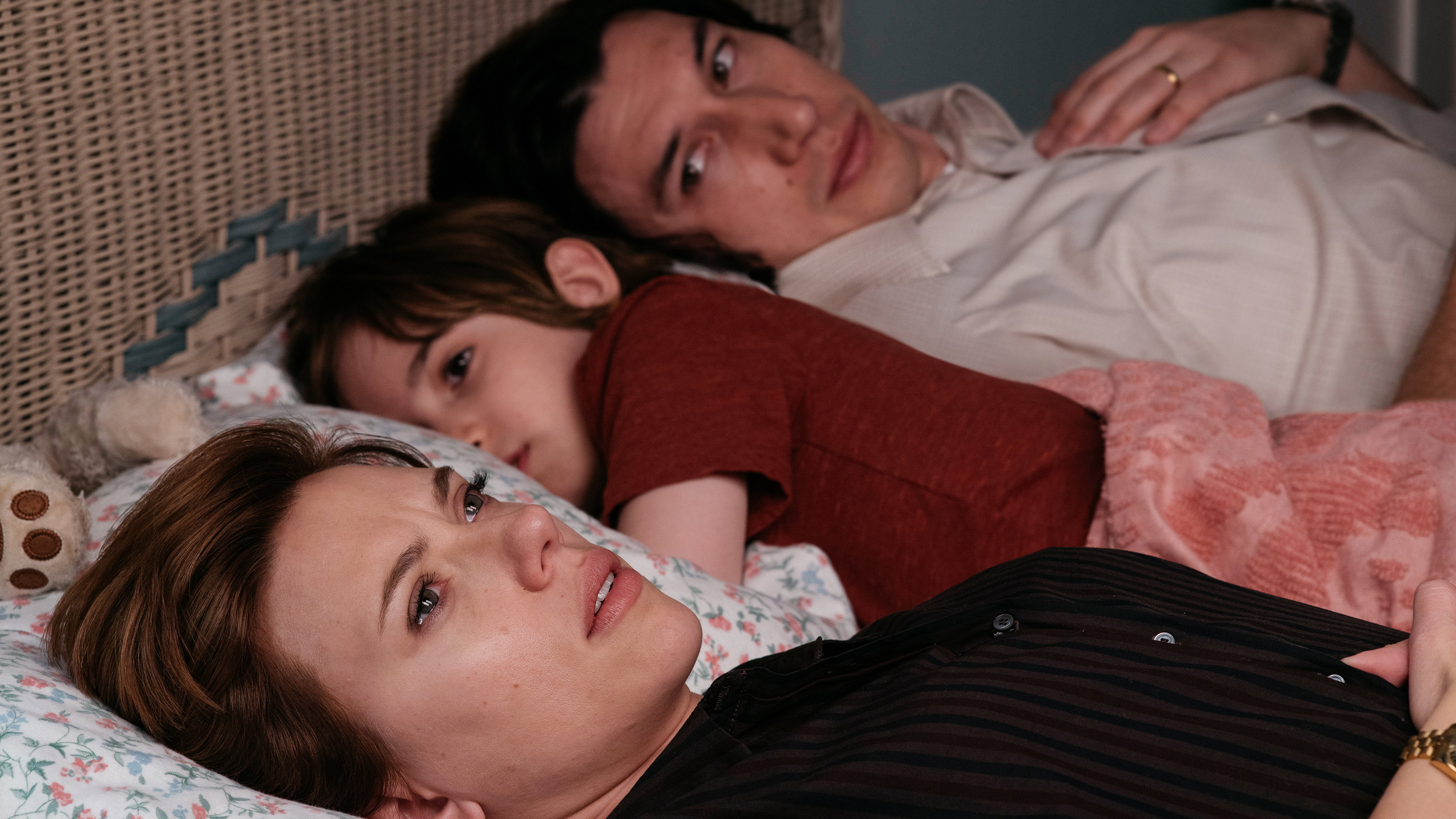
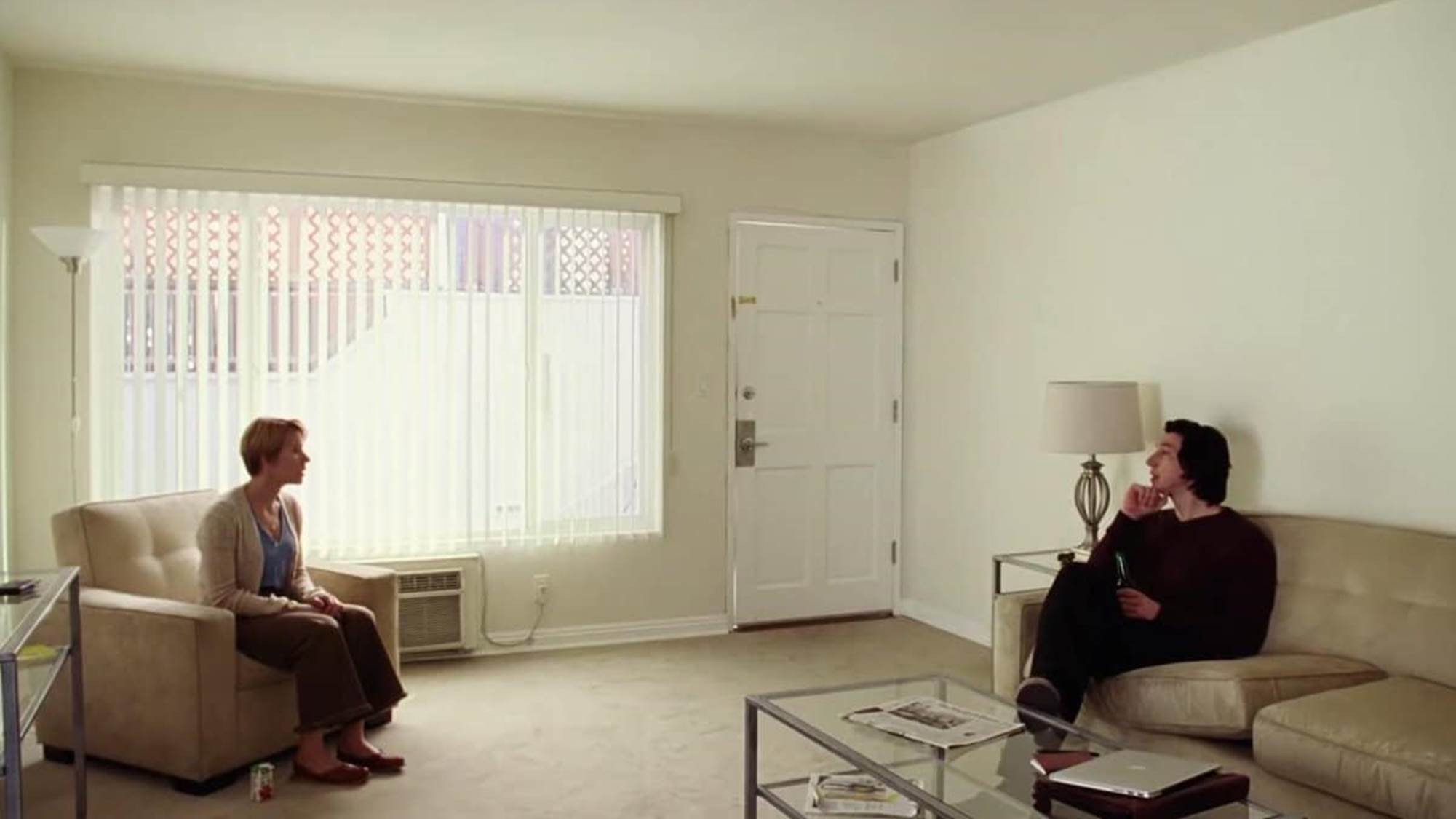
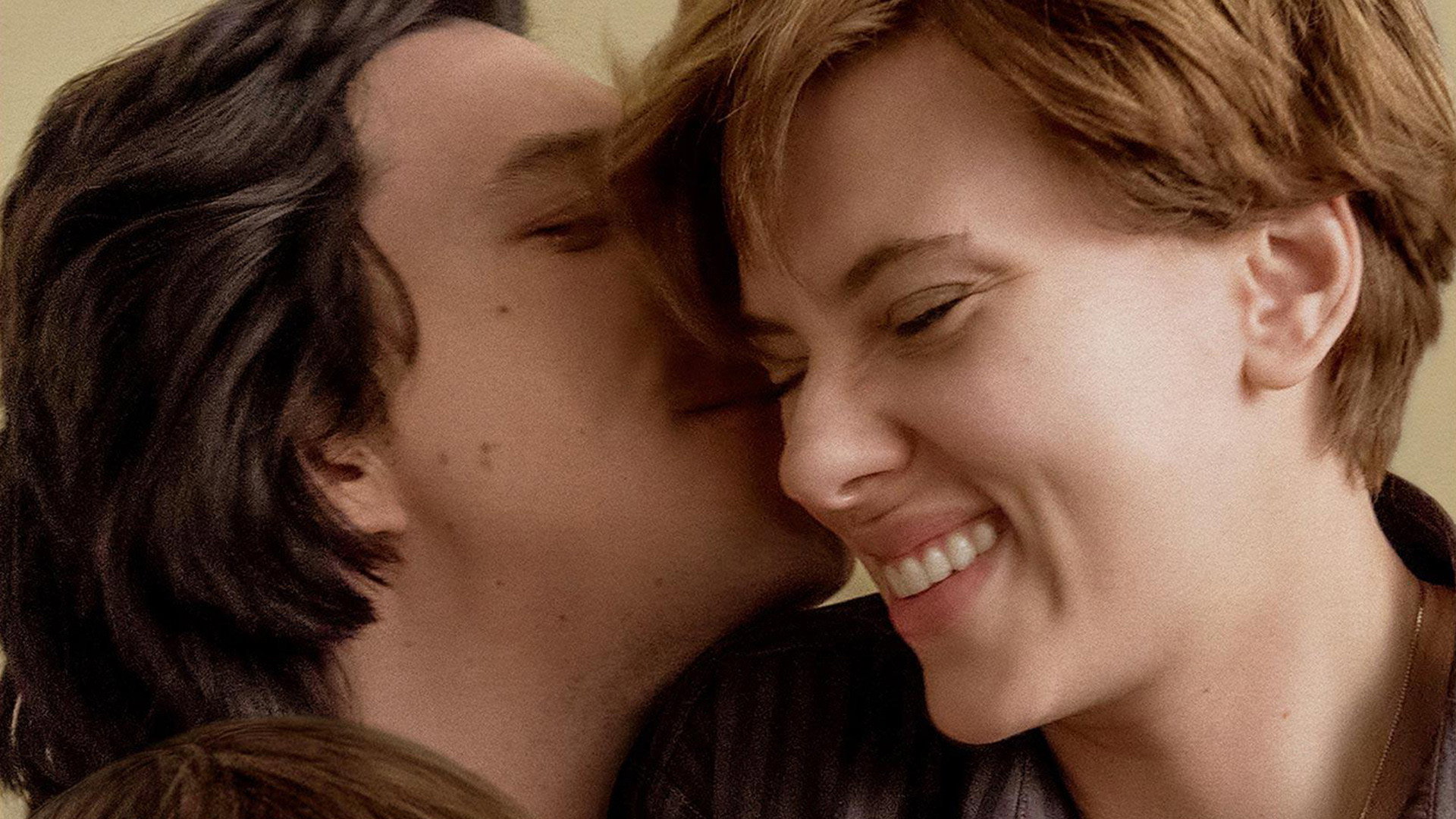
Noah Baumbach’s divorce drama earns its tears through Adam Driver and Scarlett Johansson, who make old affection persist inside new grievances. The larger arguments can feel rehearsed, but the smaller hurts are painfully convincing.
Noah Baumbach’s Marriage Story is a funny, painful divorce drama that deserves the time it asks of us. It wants to understand how two people can know each other intimately and still disagree about the life they have shared. Charlie Barber and Nicole Barber are both capable of making a reasonable case, which does little to make their separation reasonable. The writing allows affection to survive the arguments, and that is where the film gets us: neither person can simply dismiss the other as a mistake.
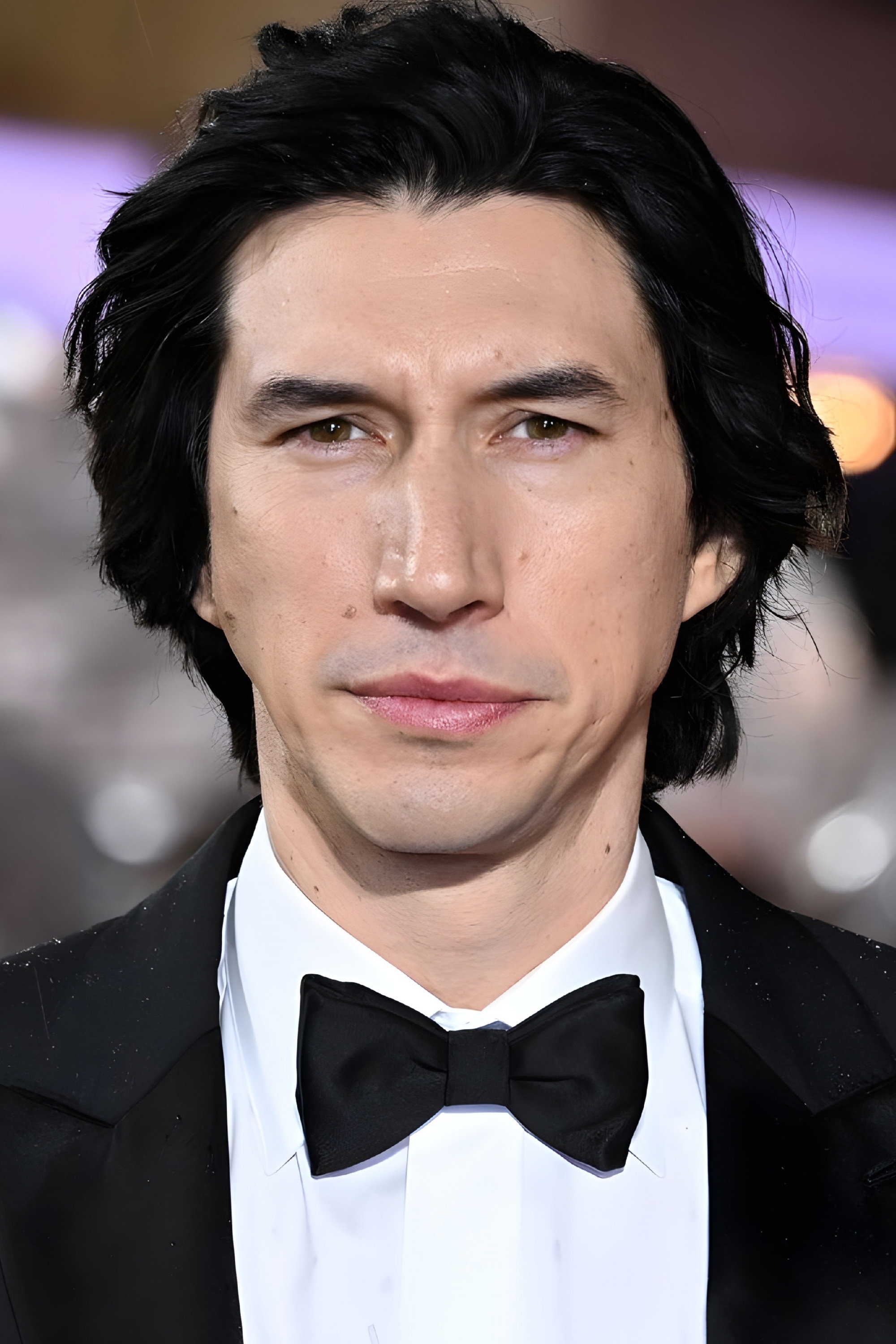
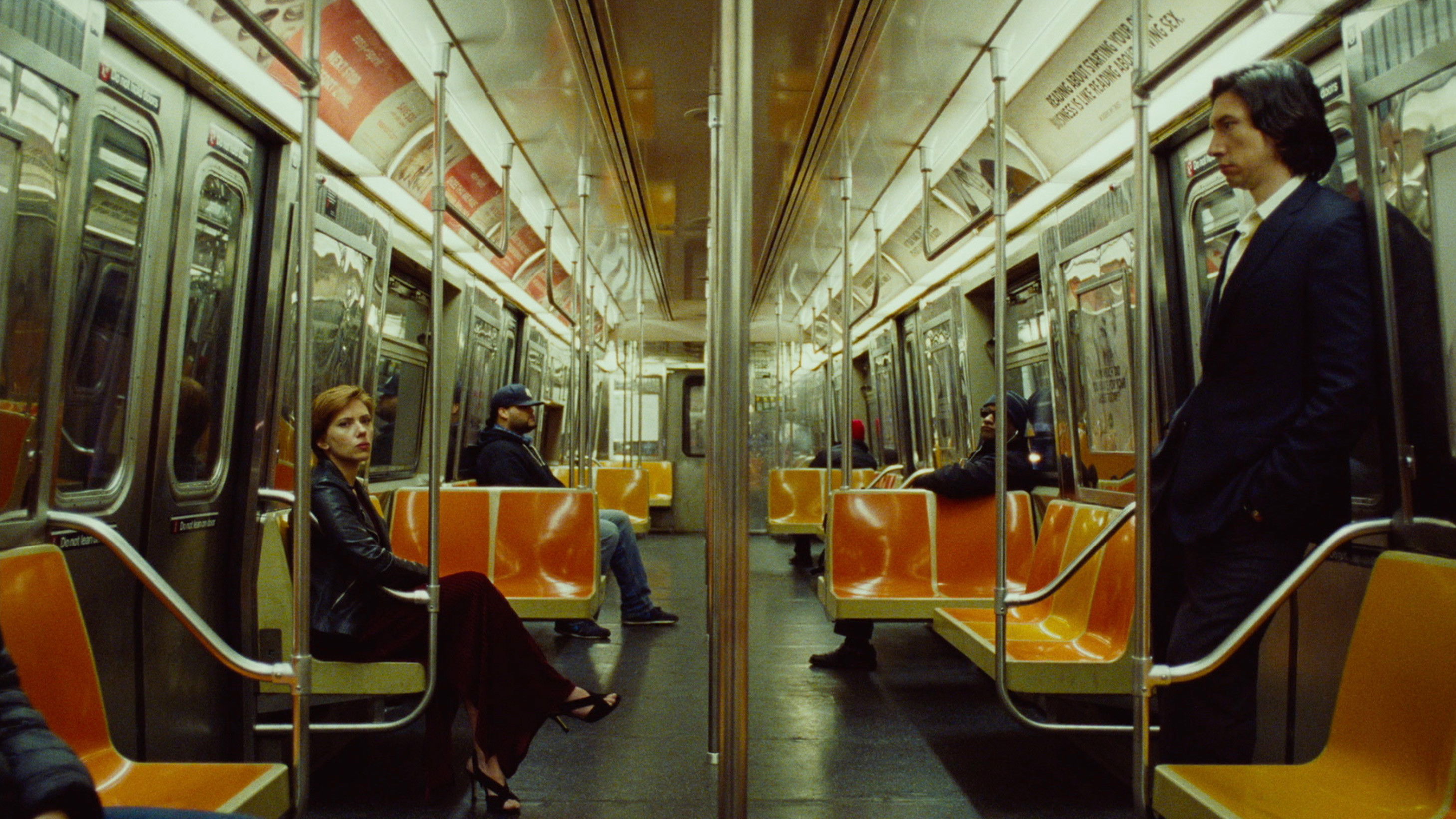
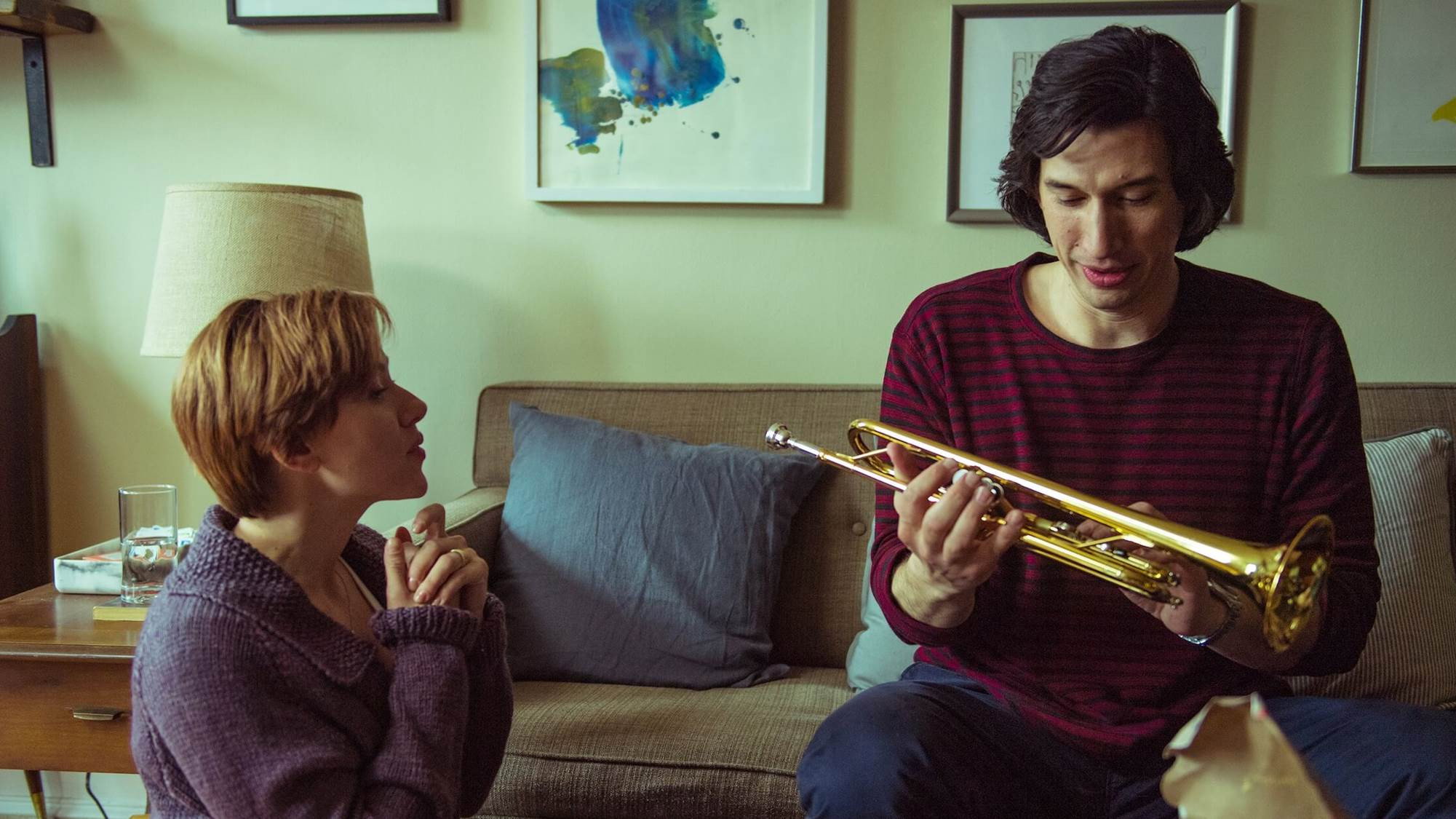
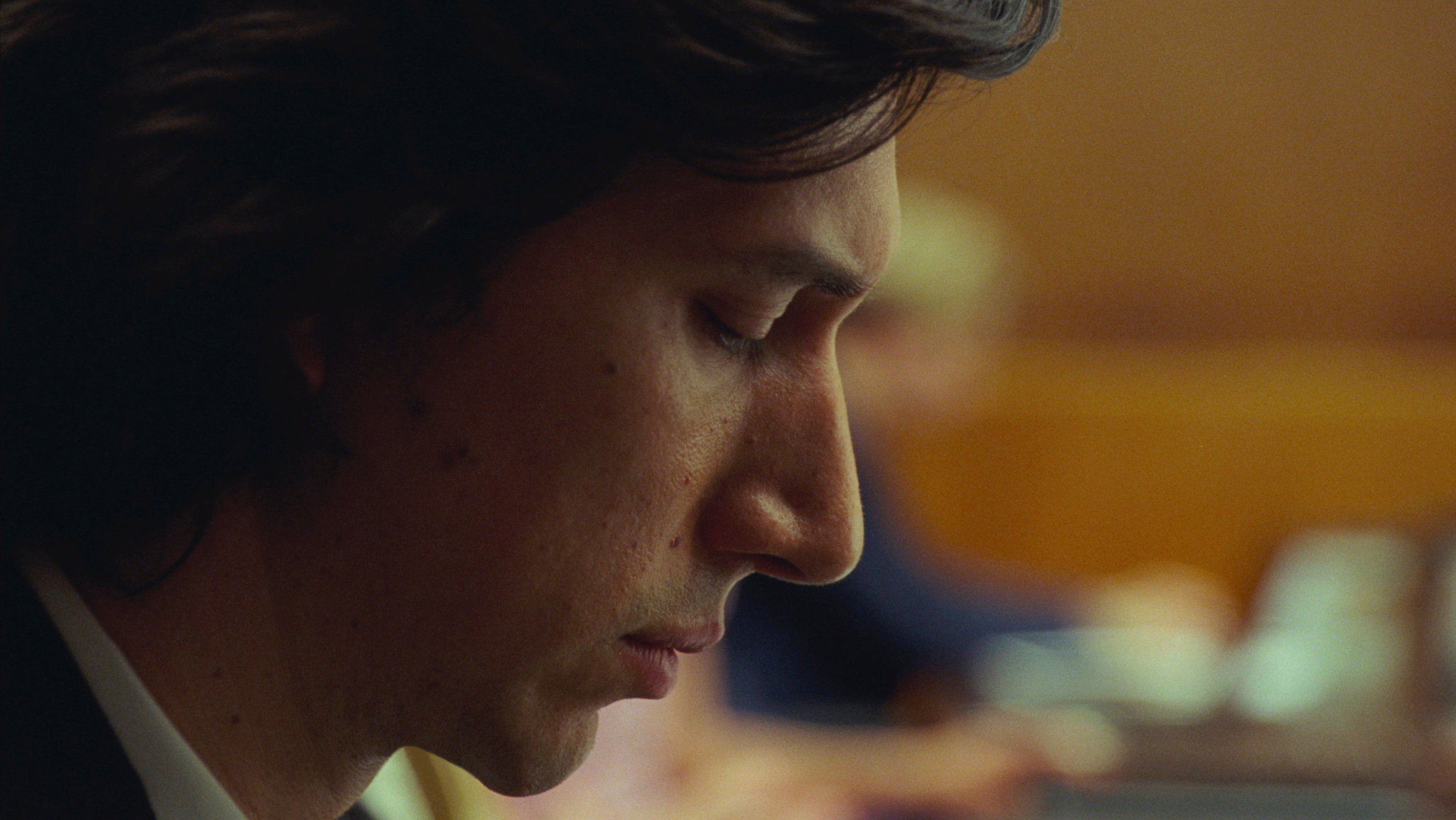
Scarlett Johansson makes Nicole’s need to be heard feel urgent without turning every grievance into a plea for our approval. There is pleasure in the performance’s impatience, and something sadder in how much explaining Nicole still has to do. Adam Driver gives Charlie the maddening assurance of someone who recognises his own distress more readily than another person’s. We were moved by the tenderness that remains audible in their disagreements, because both actors make it sound involuntary, even when their characters are trying to be unkind.
Robbie Ryan’s cinematography gives the faces enough weight that we keep watching for a reaction after the line has landed. The person listening can make a conversation uncomfortable before offering any reply. Jennifer Lame’s editing handles the shifts from comedy to distress with a sure sense of how long a moment can bear, letting the discomfort linger without labouring every pause. We laughed at the legal manoeuvring and remained worried about the people paying for it.
Jade Healy’s production design makes the domestic surroundings credible enough for us to imagine the routines these people are losing. We can believe in the ordinary days they have had together, which matters when so much attention goes to the exceptionally bad ones. Randy Newman’s music supports that sense of remembered warmth. It helps the film remain affectionate towards people who are making themselves difficult to like, without treating every disagreement as a catastrophe.
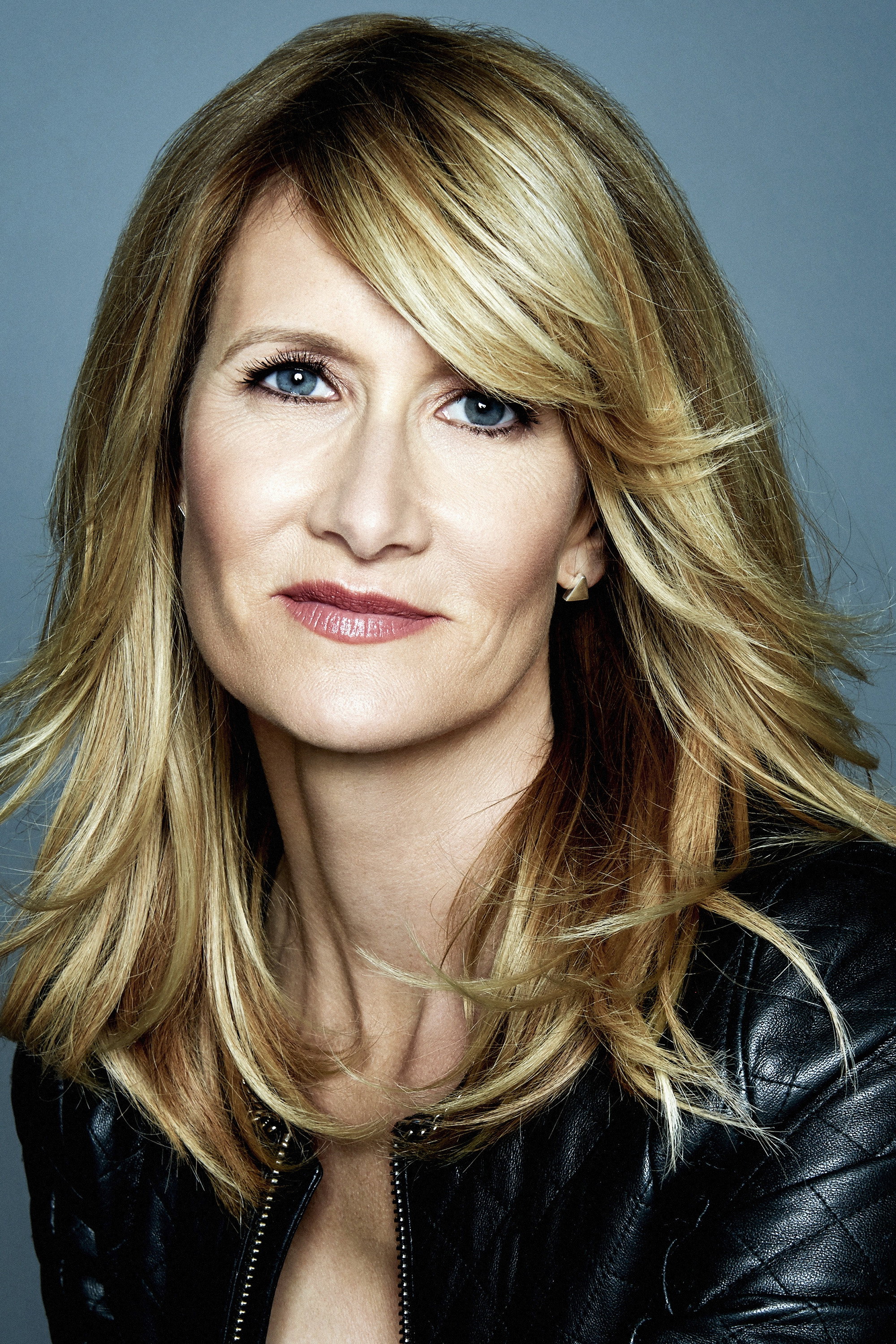
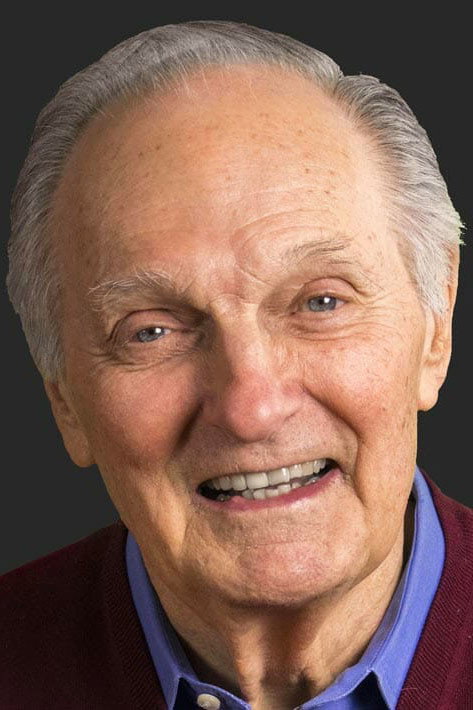
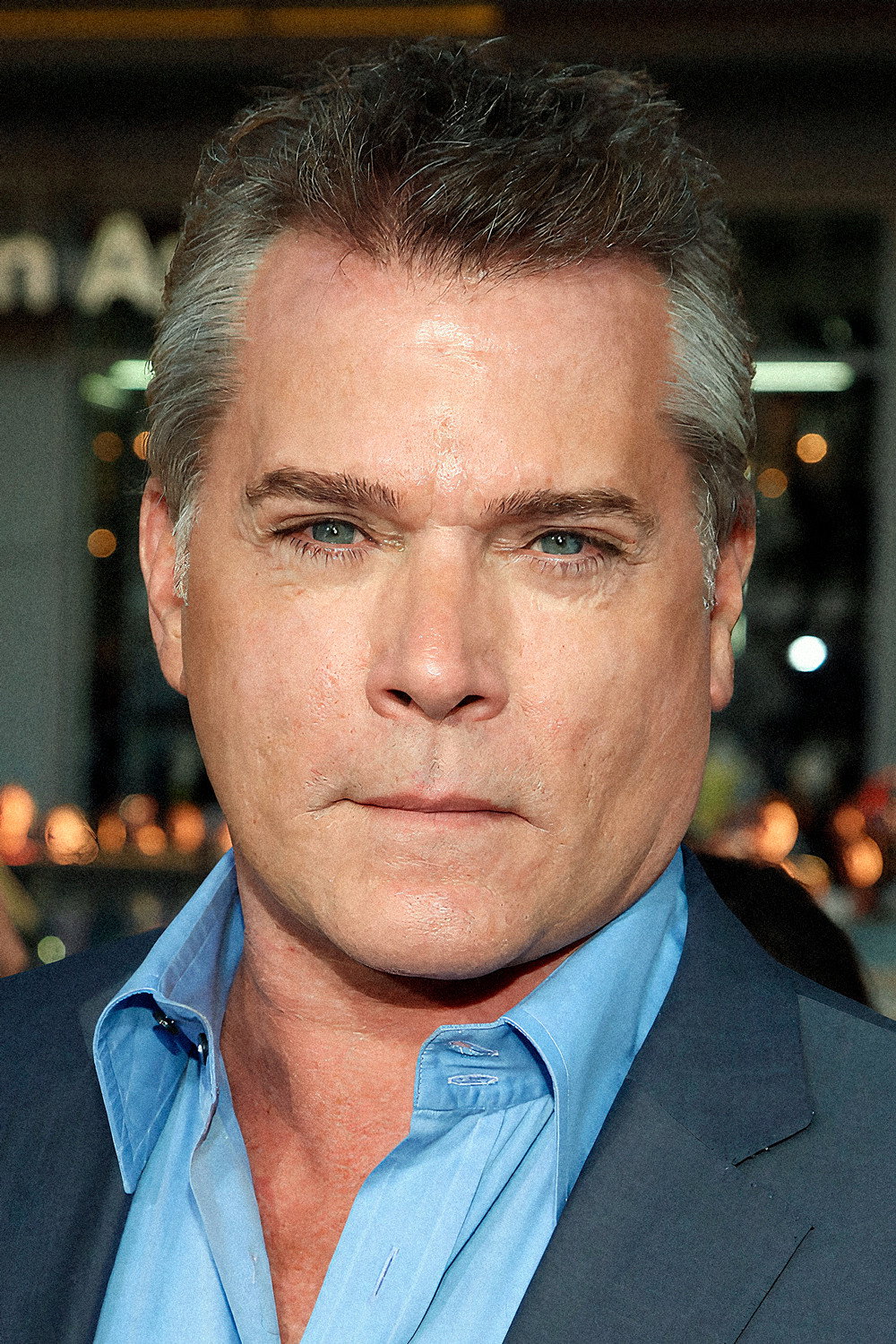
The legal comedy gives us a brief rest from hearing two people explain why the other has disappointed them. Laura Dern’s Nora Fanshaw is confidently funny without appearing to think she is in a comedy. Alan Alda brings a gentler manner, while Ray Liotta makes certainty feel like a threat. We stay alert through the procedural talk because these actors make the differences between the professionals easy to enjoy, even when their involvement gives the couple little cause for amusement.
Our reservation is that the writing sometimes prepares an argument too thoroughly. The larger confrontations have a completeness that can make distress sound rehearsed, with each accusation given its allotted space. That costs the film some of the awkwardness the lead performances otherwise supply so convincingly. We also feel Charlie receives more opportunities to be understood, although Nicole is never reduced to an obstacle in his story, and the strength of her performance makes any easy allegiance difficult.
The film keeps us interested in both spouses even when we want a particular conversation to stop. At 137 minutes, it has enough patience for contradictory feelings, and enough humour to keep the misery from wearing us down. We recommend it for the acting, with a small allowance for the script’s fondness for a well-prepared speech. Perhaps leave any outstanding household grievances until another evening.