John Goodman and Billy Crystal give this funny, tender monster comedy a friendship worth caring about. Some supporting characters need more attention, but we recommend it warmly for its wit and unforced affection.
The first good joke in Monsters, Inc. is that scaring children pays the bills. The next is that the monsters are frightened of children themselves, and Pete Docter understands how much comedy that reversal can support. This is a funny, tender family film that builds a working society around a childhood worry, with enough everyday irritation to keep the adults interested. We recommend it warmly, with a small reservation about how thinly some of the supporting characters are drawn.
Screenwriters Daniel Gerson and Andrew Stanton give the creatures a recognisable corporate life: energy has to be supplied, rules have to be followed, and fear is a resource. The recession anxiety and company protocol are useful because they make the monster world intelligible without lengthy explanations. We can grasp what a bad day at this business might feel like before anything particularly extraordinary happens. Some of the workplace jokes will mean more to adults, but the central absurdity is simple enough to need no explanation.
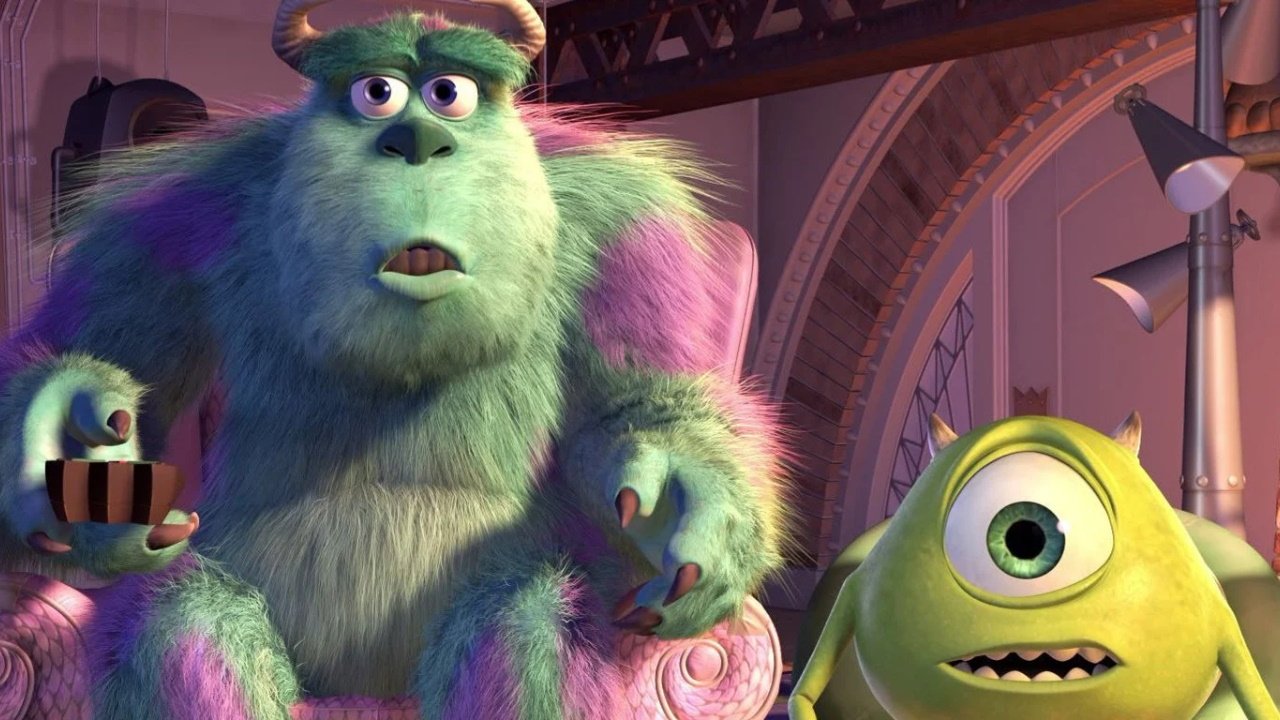
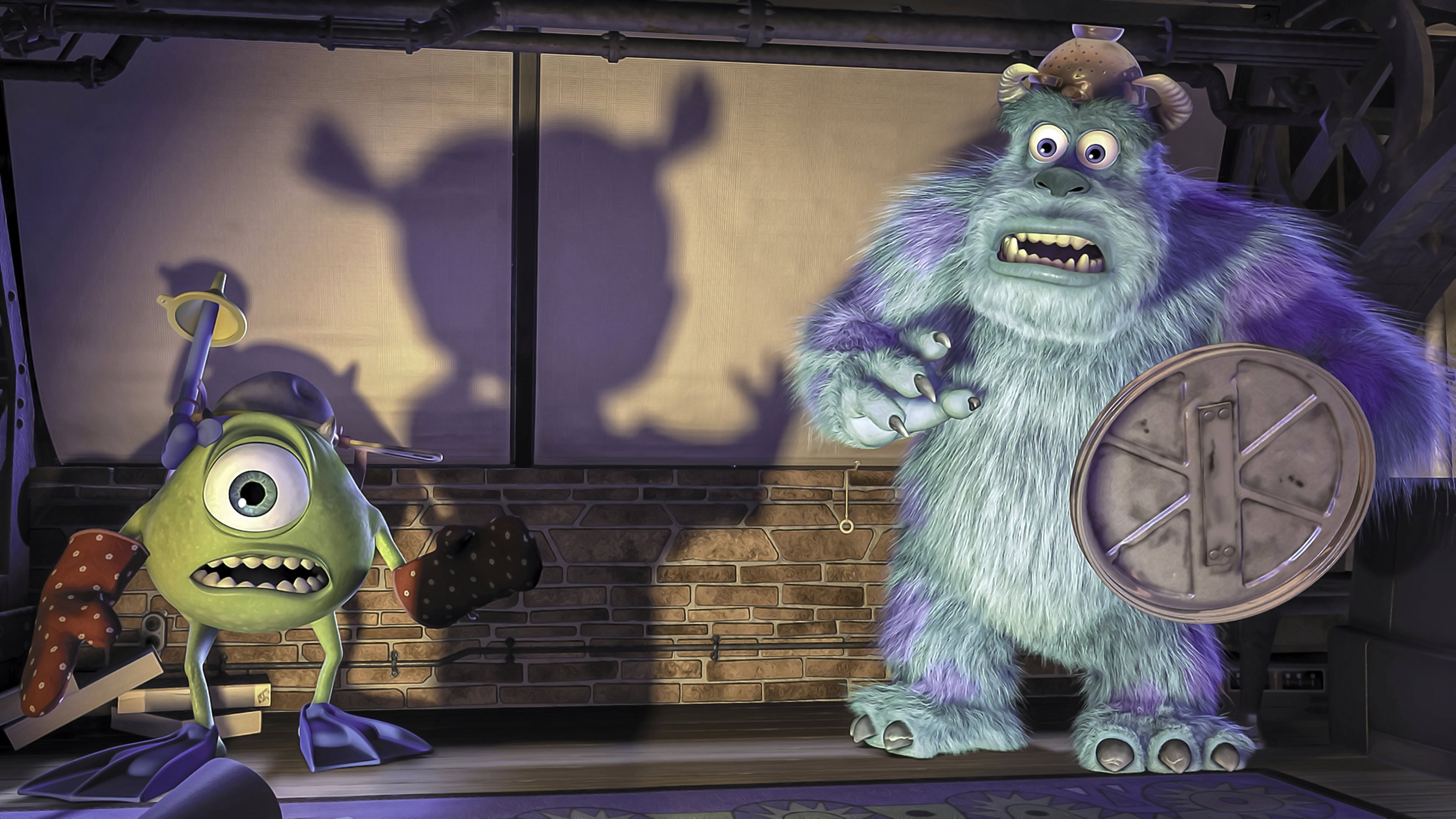
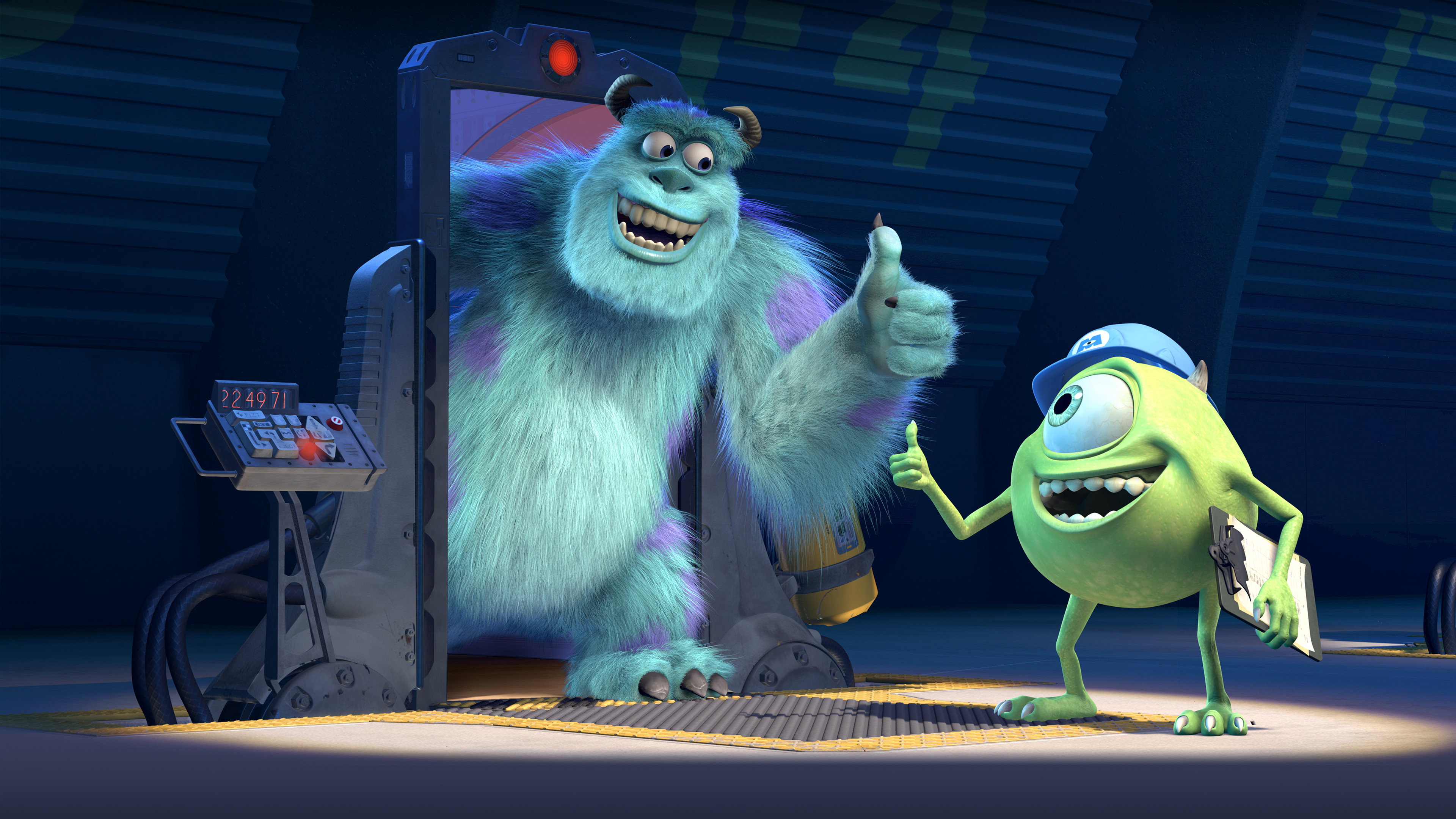
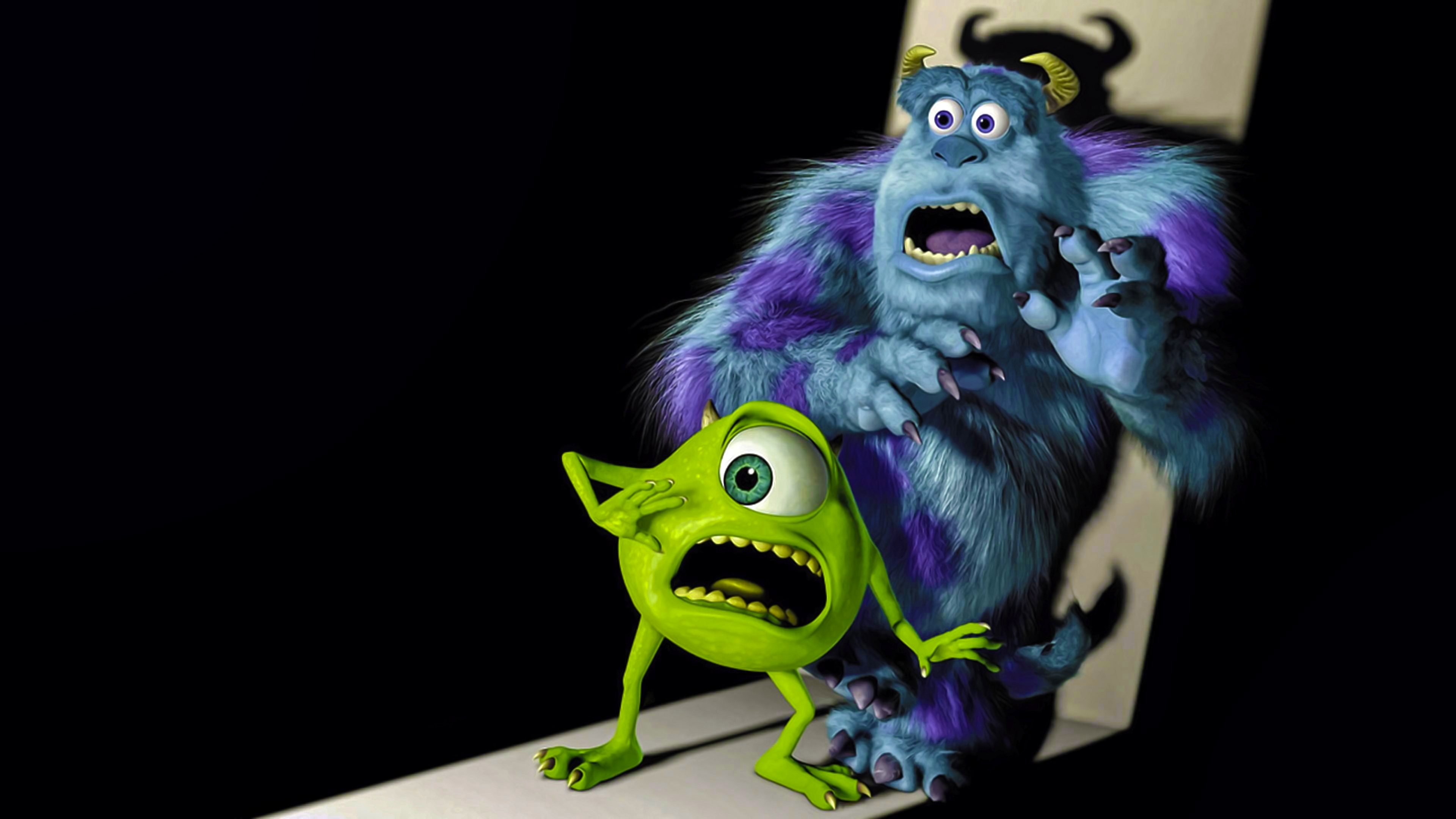
John Goodman and Billy Crystal make Sullivan and Mike easy company, even when Mike is doing enough talking for both of them. Crystal’s verbal bustle gives Goodman room to be slower and softer, and the contrast keeps the friendship from becoming a contest for the next laugh. Their affection feels established rather than announced for our benefit. Steve Buscemi gives Randall a welcome sharpness, supplying an edge that the softer creature designs sometimes need.
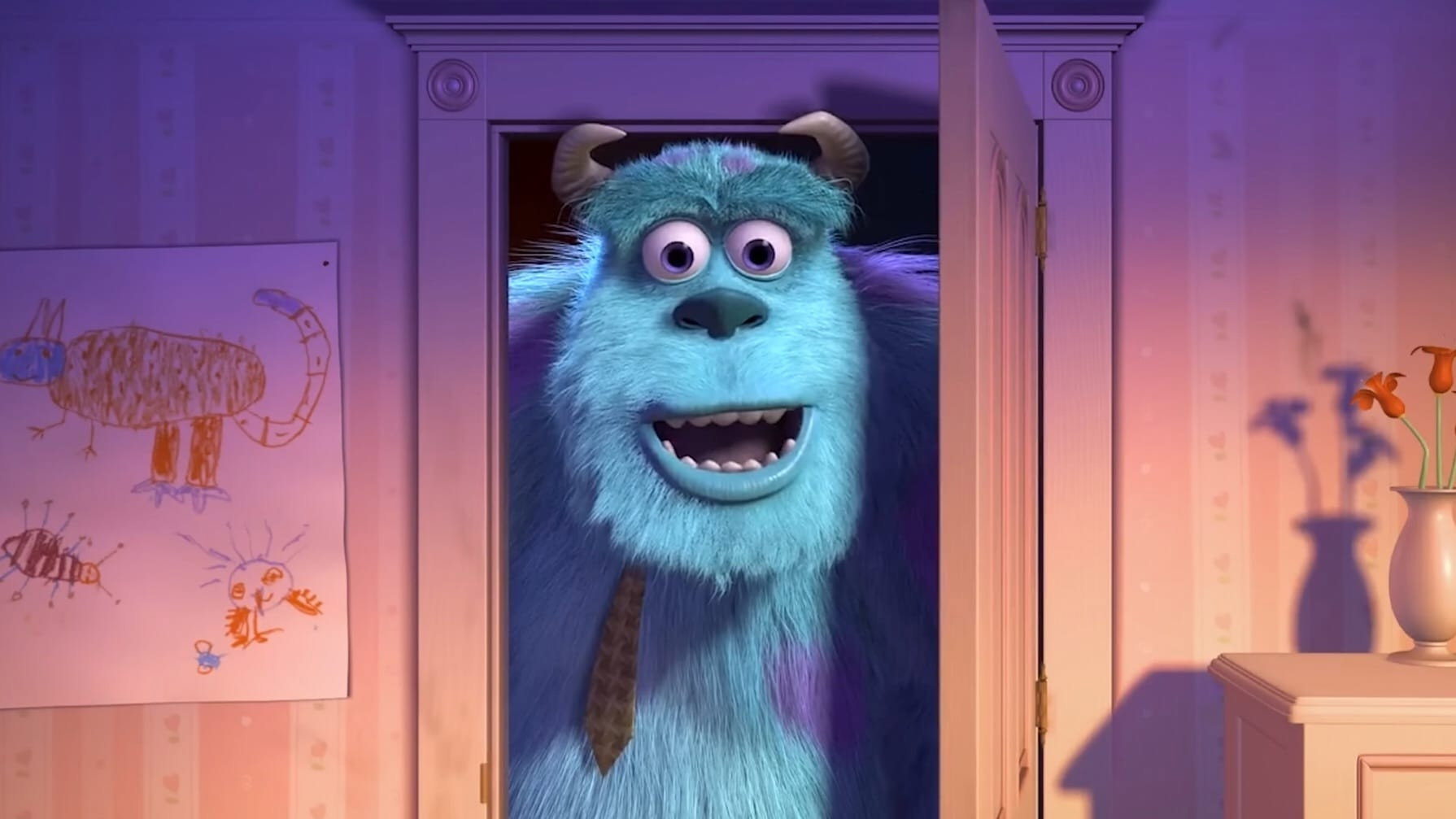
Production designers Harley Jessup and Bob Pauley make the monster city bright, busy and recognisably organised around work. The surroundings give the jokes somewhere credible to happen, and there is pleasure in seeing such unlikely creatures inhabit such a familiar society. Sullivan’s fur is the conspicuous technical achievement, its apparent softness particularly useful in a film asking us to care about a professional frightener. A few of the designs are so cuddly that the monsters’ profession takes some believing, though that hardly damages the comedy.
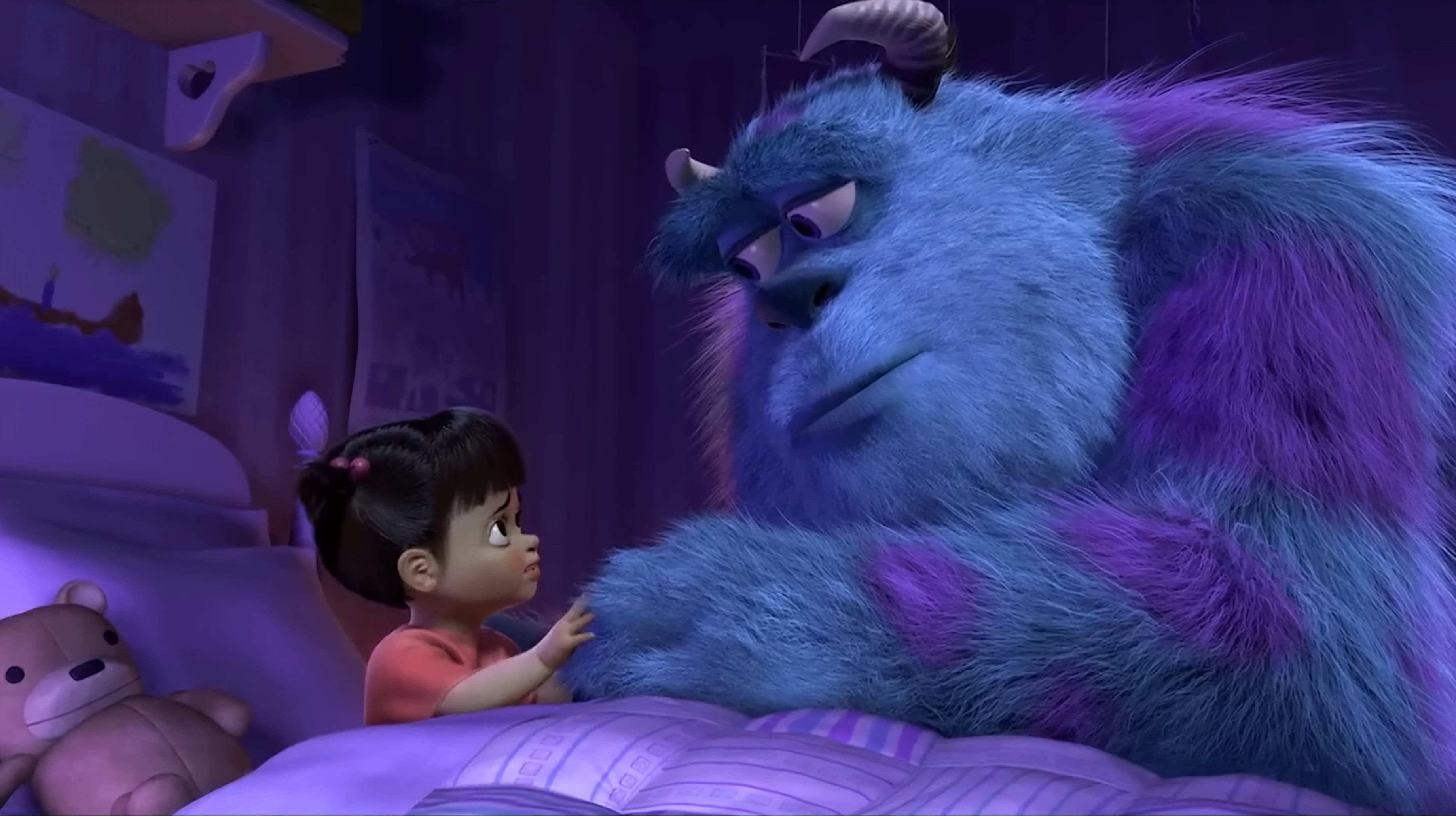
The relationship between Sullivan and Boo is where the film earns our affection most securely. We were moved more than we expected by Sullivan’s care for her, because Goodman’s gentler delivery makes the attention feel patient and particular. Mary Gibbs voices Boo, and their scenes allow the child’s presence to matter without turning every exchange into a lesson. Docter gives that relationship enough attention for the feeling to survive all the rushing about around it.
Editors Jim Stewart and Robert Grahamjones keep the jokes and action moving at a pace that rarely crowds out a reaction. At 92 minutes, the film has little room to loiter. The briskness suits the workplace comedy, where a joke can lose its force if the film stops to admire it. Randy Newman’s music is less distinctive than the voices, and sometimes supplies more encouragement than the comedy needs. The strongest exchanges between Sullivan and Mike need no extra prompting to be funny.
For a family comedy built around fear, Monsters, Inc. is unusually interested in making its creatures understandable. It skews young, and the broad supporting characters can leave us wishing that they had more to do beyond keeping the story on course. Still, the central friendship receives the care it needs, and the humour seldom feels like a separate entertainment laid on to occupy the parents. Choose it for an evening when the children want monsters and the adults would appreciate a little kindness.