Film review

Moonstruck

1987 · Directed by Norman Jewison · 1h 42m · MPA PG

In a sentenceCher approaches a marriage proposal with the expression of someone who will end up doing the paperwork

ComedyDramaRomance

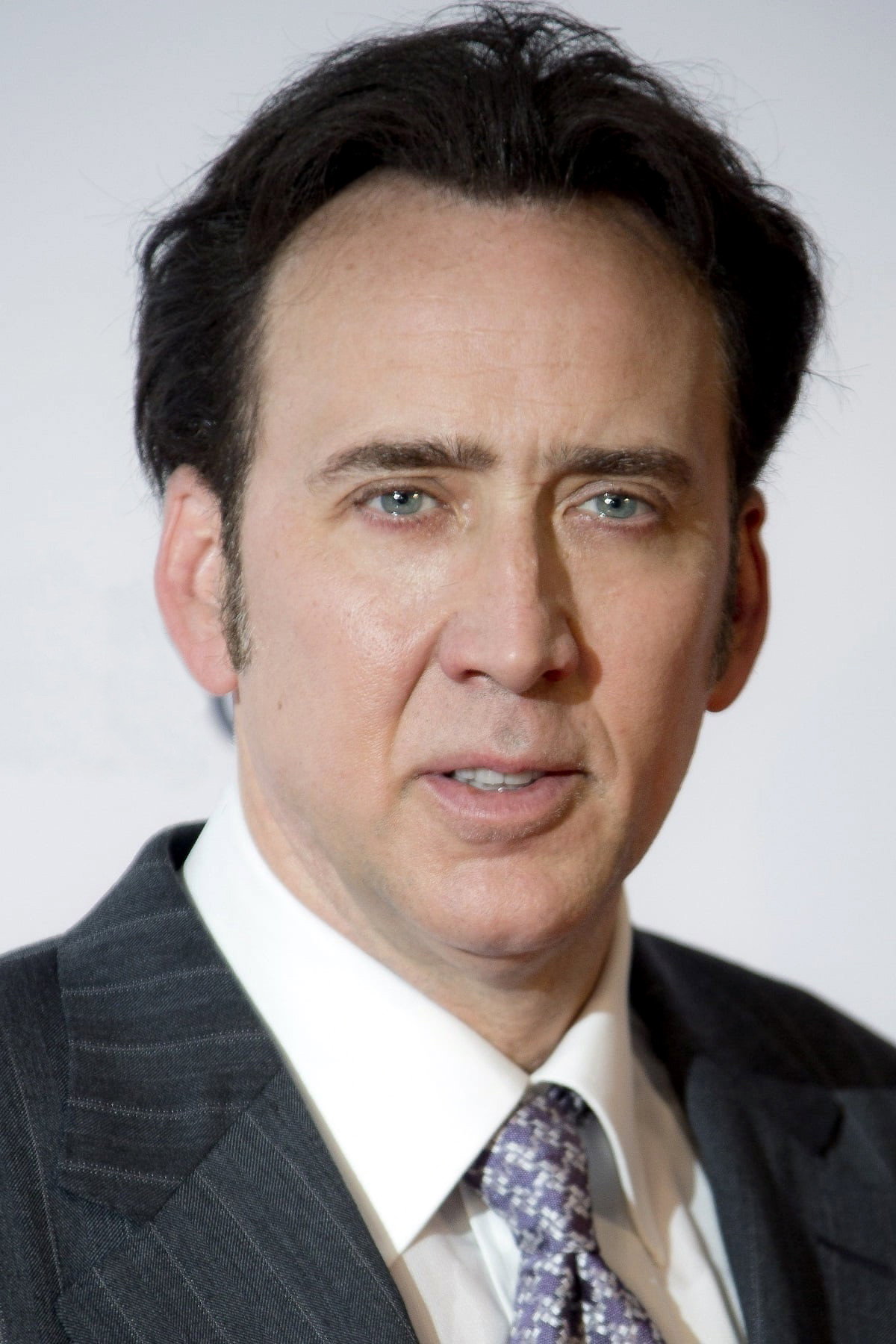
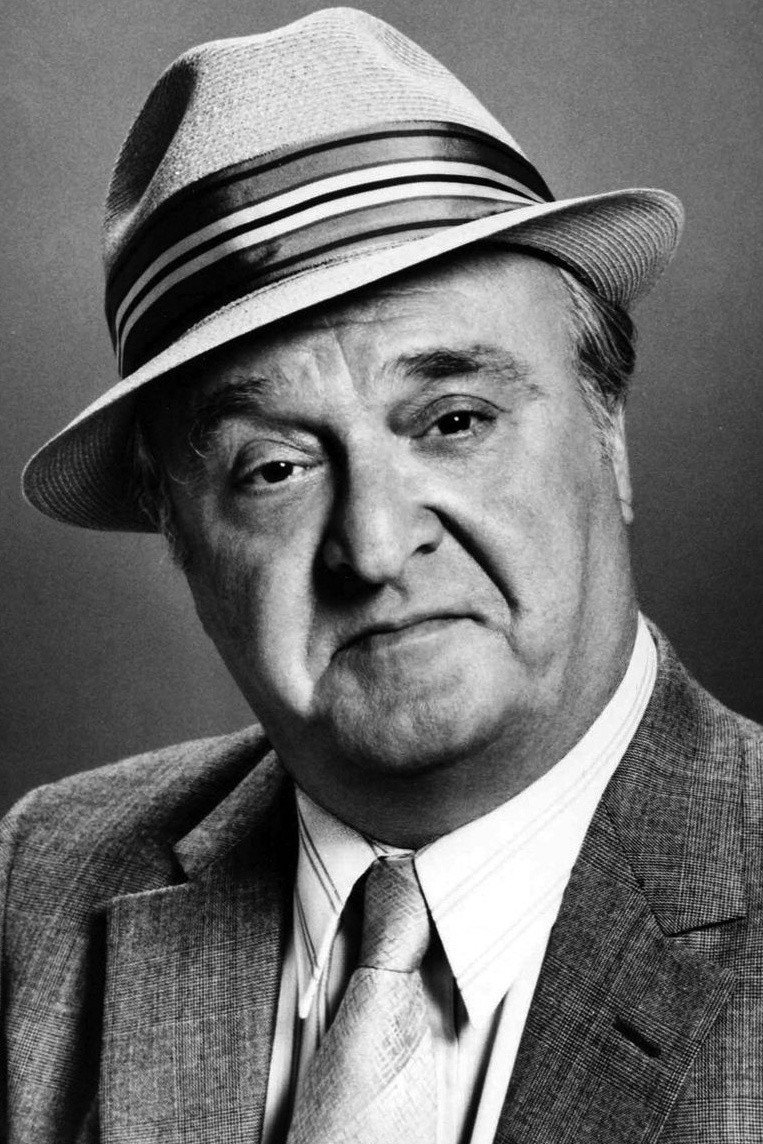
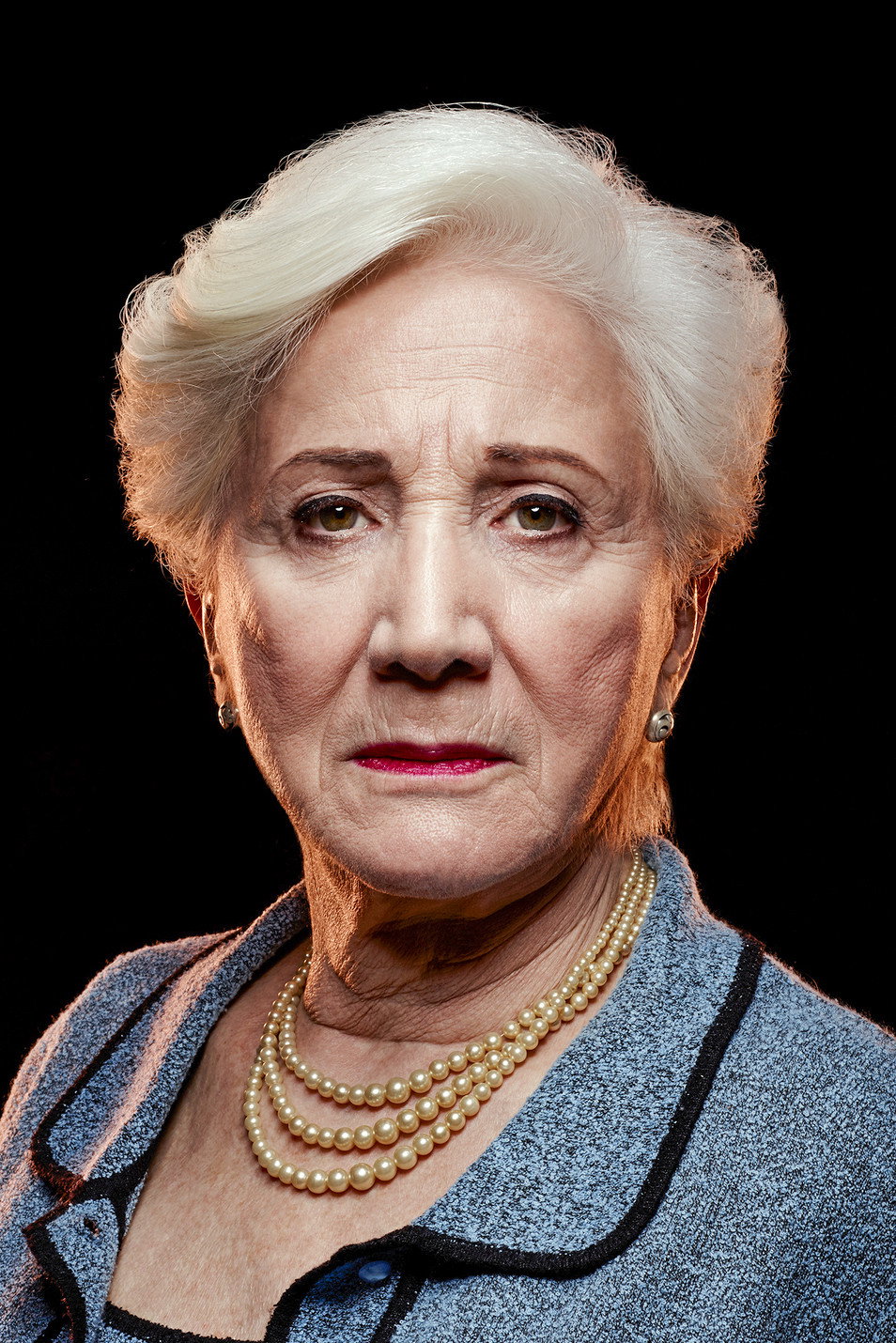
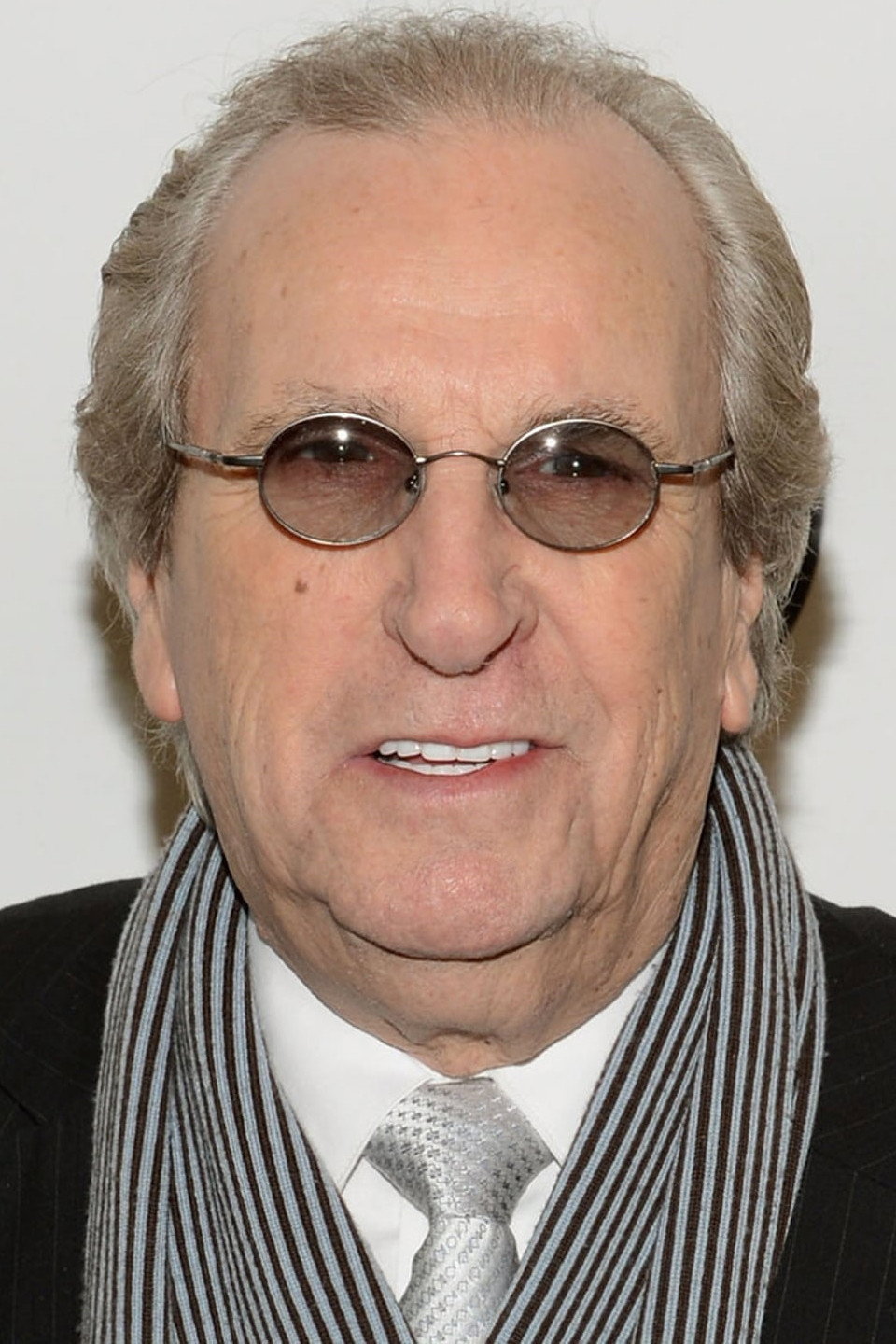
Cher plays Loretta Castorini, a widowed book-keeper faced with the prospect of romance. A marriage proposal brings questions of love and duty into focus, while an encounter with Ronny Cammareri (Nicolas Cage) complicates her practical approach to life. Around them, an Italian-American family contends with its own desires and expectations of marriage. Olympia Dukakis and Vincent Gardenia play Rose and Cosmo Castorini, with Danny Aiello as Johnny Cammareri. The story follows younger and older people as they try to reconcile what they want with what they consider proper.

Plays from YouTube when you press play; nothing loads from them until then.

Fi1m review

Moonstruck is a warm, funny romance with enough sense to give the older lovers proper attention. Cher holds it steady when Nicolas Cage overdoes the anguish, and the family scenes make it worth forgiving him.

Norman Jewison’s Moonstruck is a romantic comedy that takes desire seriously without requiring everyone to behave sensibly. It is funny, generous and warmly recommended, with a reservation about Nicolas Cage’s determination to make his feelings audible at considerable distance. John Patrick Shanley’s script gives its characters the sort of language people might like to find when an ordinary conversation becomes an argument about their entire lives. Jewison lets them say it with conviction, while keeping enough everyday fuss around them to stop the film becoming pompous.

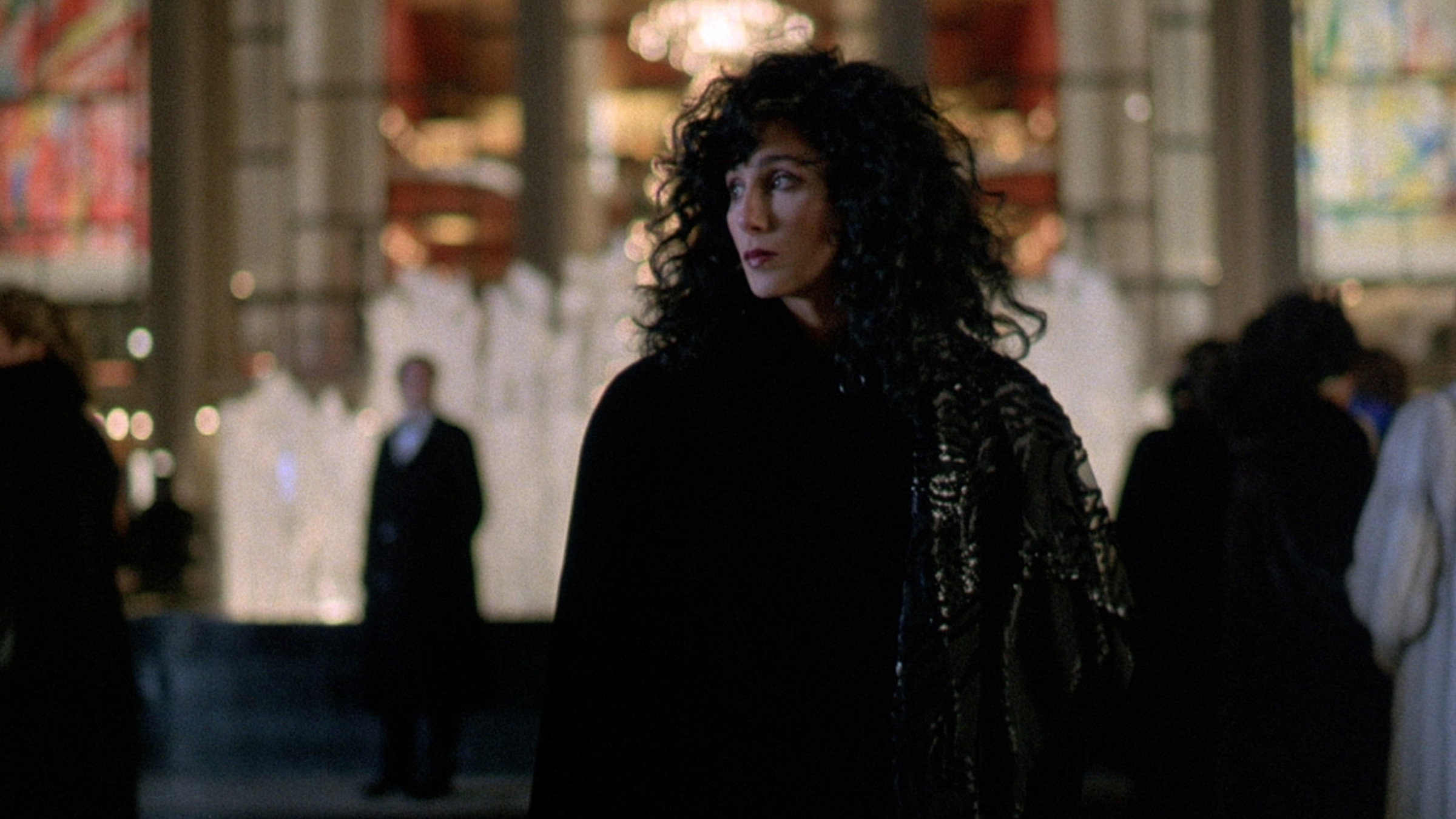
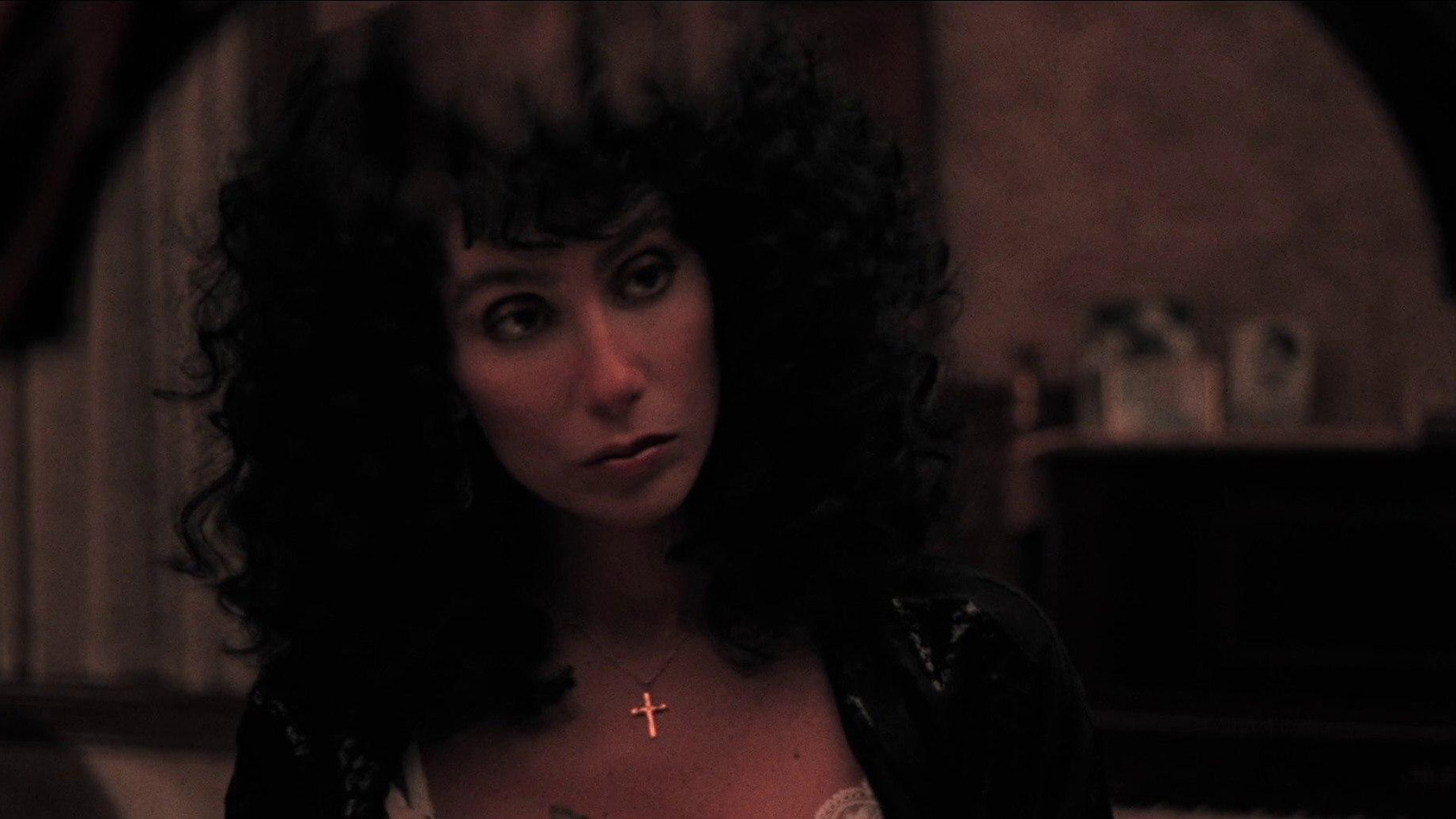
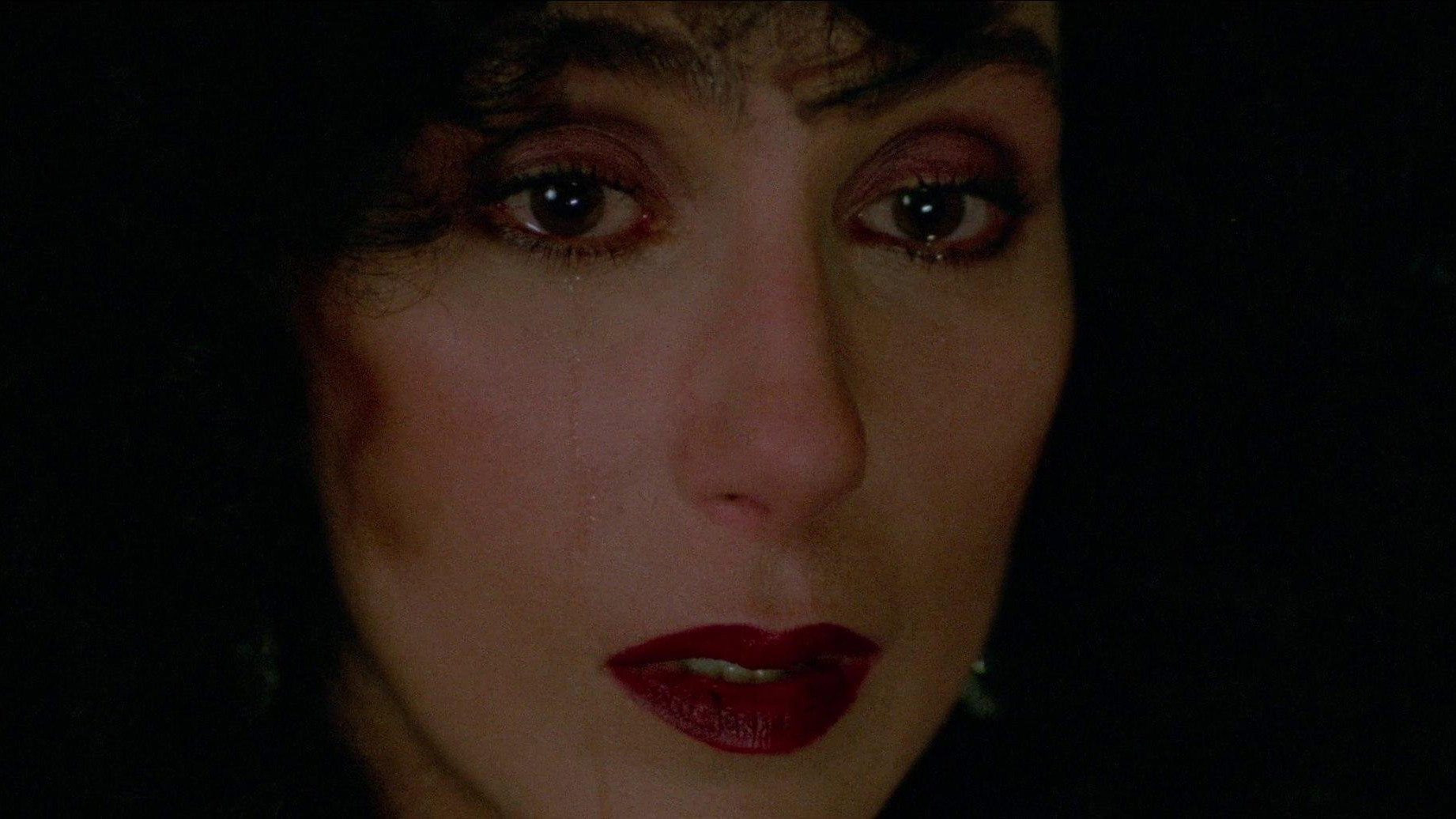
Cher’s Loretta Castorini is the sensible presence this comedy needs, though being sensible does not make her immune to wanting something unwise. As a widowed book-keeper, she seems accustomed to sorting out what other people leave unfinished. We laughed at the marriage proposal because Cher makes the occasion feel like another responsibility Loretta has been obliged to take on. Her delivery is brisk without being cold, and she leaves enough uncertainty in Loretta’s face for the romance to have somewhere to go.

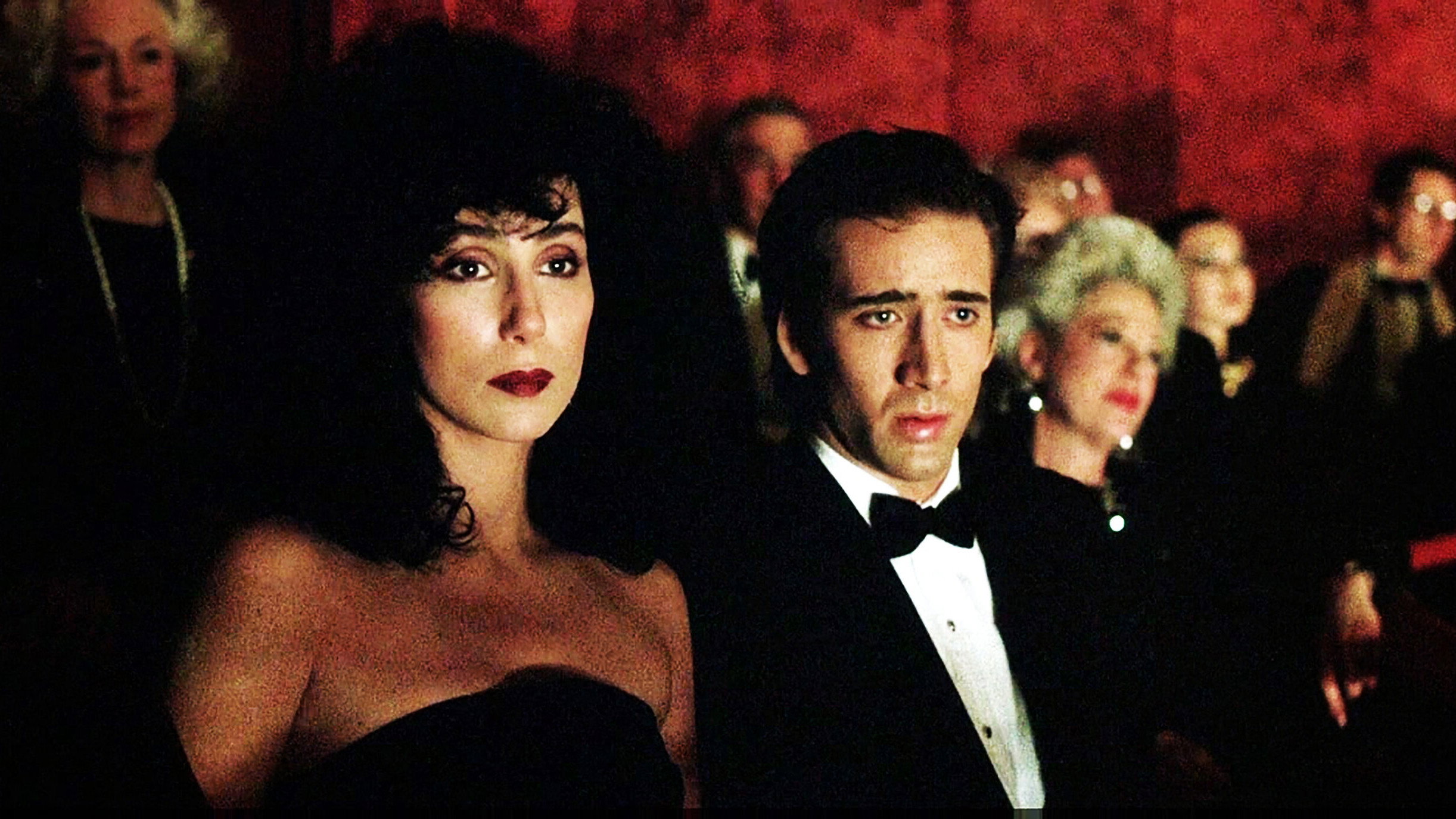
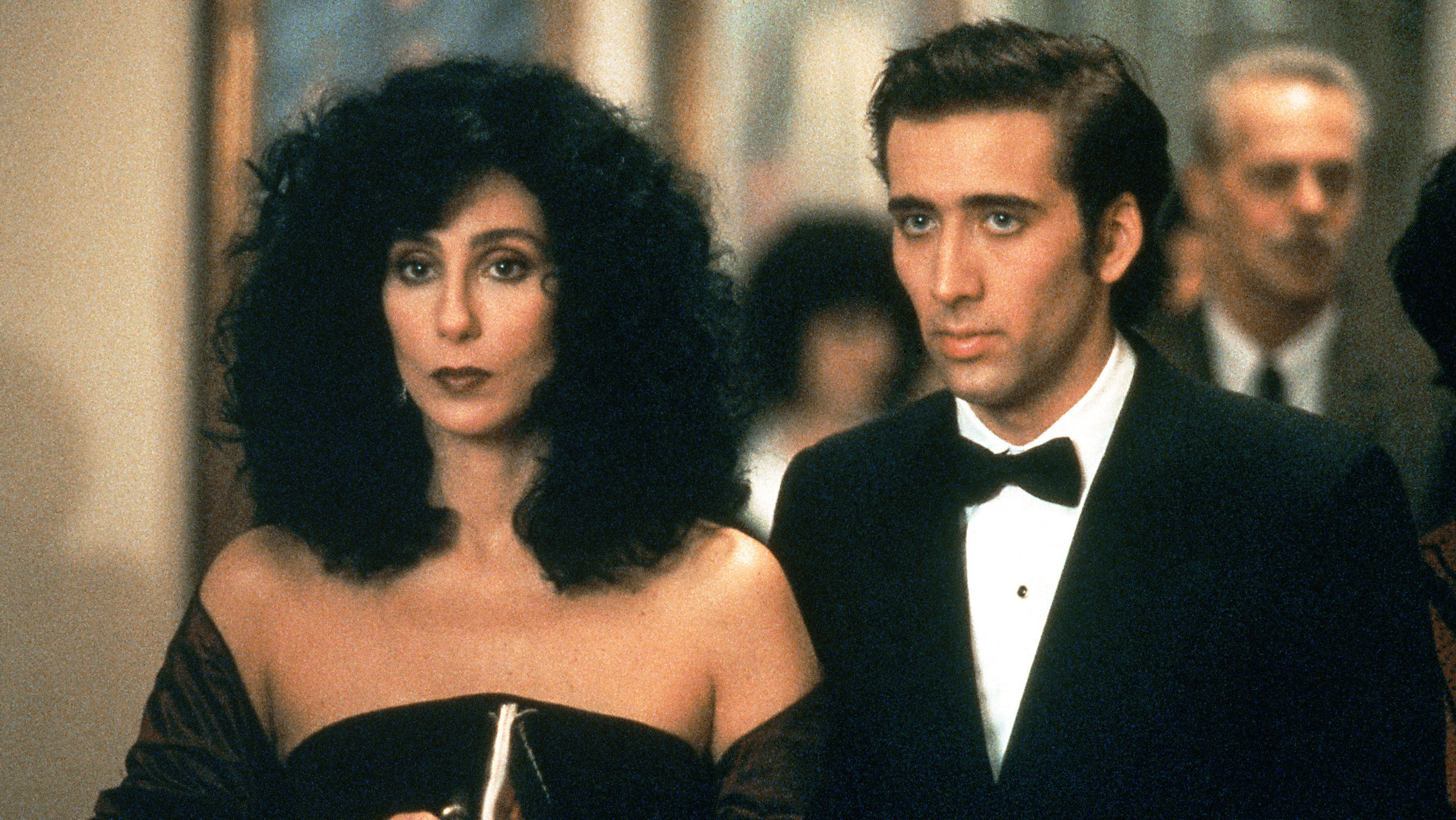
Cage’s Ronny Cammareri is less evenly judged. His aggrieved intensity gives Cher something substantial to resist, and the contrast between their performances is often funny before Shanley supplies a joke. But he sometimes stresses a feeling so heavily that we stop believing in it and start watching an actor insist. Jewison’s tolerance for that excess suits a film about surrendering caution, though there are moments when a quieter Ronny would have been more persuasive.

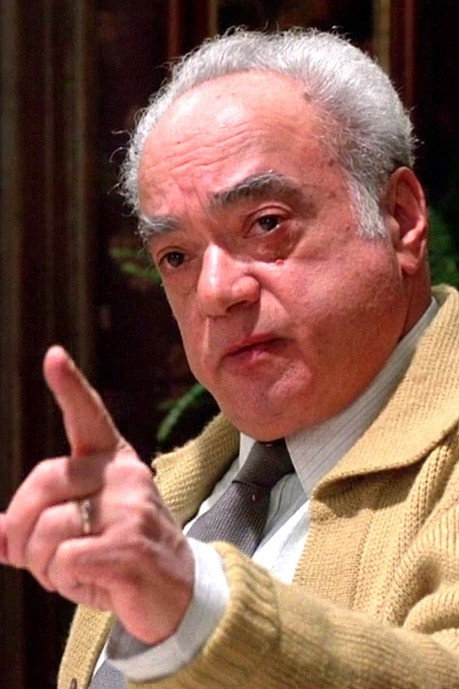
Olympia Dukakis, as Rose Castorini, works with much less visible effort. She makes a pause feel like a decision about how much truth the conversation can stand, and Vincent Gardenia’s Cosmo gives the family scenes another strong source of comic friction. The older characters have desires of their own; their lives are not simply there to explain Loretta’s. Shanley gives them attention, and the actors repay it by making their disappointments worth following in their own right.

David Watkin’s cinematography is particularly useful when the actors are doing less. Faces remain the thing we want to study, and the photography gives Cher and Dukakis room to hold our attention without a speech. Philip Rosenberg’s production design makes the family surroundings feel lived in rather than arranged for a romantic comedy. The visual details of Italian-American life help establish people with habits and histories, so the declarations do not seem to be happening in an empty space.

Lou Lombardo’s editing keeps the competing stories from feeling like interruptions. A pause can belong to a performer, and the family exchanges have time to become funny without the next cut hurrying the joke along. Dick Hyman’s music helps the changes between comedy and tenderness feel comfortable, although the actors supply the feeling we remember. At 102 minutes, the film has enough time for the supporting cast without letting the central romance drift out of sight.

Romantic comedies can become so preoccupied with getting a couple together that everyone else seems to be waiting for permission to leave. Here we would happily spend longer with Rose and Cosmo, and that is a large part of the pleasure. The broadness needs forgiving, particularly when Cage is pressing hard. Watch it with someone who enjoys an argument and knows when to let the other person finish.

Critical consensus AI synthesised

79
Positive
5
Mixed
1
Negative
0

Most critics respond warmly to Moonstruck, with praise clustering around John Patrick Shanley’s dialogue and an ensemble that makes the family’s romantic entanglements feel affectionate and credible. Cher draws particular approval, while Olympia Dukakis and Vincent Gardenia receive attention for the supporting performances that give the comedy much of its warmth. The reviews also credit Norman Jewison’s direction and timing with keeping the film’s eccentric humour, family tensions and more poignant moments in balance.

The spread is largely favourable, with reservations concentrated in a more muted response rather than outright rejection. Time Out finds the observation of Italian-American customs and sexism more persuasive than the romance, and regards Nicolas Cage as less convincing than his fellow performers. The Hollywood Reporter, by contrast, includes Cage among the ensemble’s strengths. The main disagreement is over how convincingly the film handles romantic passion; its dialogue, character detail and family comedy attract broader approval.

RogerEbert.com
22 June 2003 · Roger Ebert
90*

Ebert praises the film as a romantic comedy grounded in emotional abandon and poignant truth, with a large ensemble of characters whose parallel stories are deftly handled. He singles out the nuanced performances and dialogue that reveal characters open to life's beauty and mystery despite their flaws.

Read the full review →
Los Angeles Times
16 December 1987 · Sheila Benson
85*

Benson calls the film a nourishing and enticing romantic comedy that satisfies hungers for romance, family warmth, and self-knowledge. She singles out the gorgeous, insightful dialogue from writer John Patrick Shanley and the perfect balance with Jewison's direction and timing.

Read the full review →
Empire
1 January 2011 · Angie Errigo
80*

The critic praises the sparkling, gently peculiar comedy and Norman Jewison’s beautifully made, offbeat tale of amore among an Italian-American family in the throes of mid-life crises. They highlight the rich screenplay, marvellous cast, and especially Cher’s performance as the widowed book-keeper who discovers passion.

Read the full review →
Radio Times
★★★★ · John Ferguson
80

The critic highlights Cher's Oscar-winning performance that proves her acting ability, along with the warm and affectionate portrayal of Italian-American life by screenwriter John Patrick Shanley. It singles out the supporting turns by Olympia Dukakis and Vincent Gardenia for particular praise, noting the director allows the cast to shine.

Read the full review →
Variety
31 December 1986 · Variety Staff
80*

The review finds the film a mostly appetizing blend of comedy and drama with snappy dialogue and a wonderful ensemble. It singles out the older lovers, especially Olympia Dukakis's splendidly controlled performance, for giving the picture its endearing spirit.

Read the full review →
Time Out
10 September 2012 · BC
60*

The critic finds the film stronger on social mores than romance, describing it as a half-smile for a summer night. It praises the visual details of Italian-American life and Jewison's gentle mockery of formal traditions and sexism, while noting Nicolas Cage's performance is less convincing than others.

Read the full review →

Cast

Stills

Awards

Academy Awards, 1988

Nominated
Best Director
Nominated
Best Picture
Nominated
Best Supporting Actor
Won
Best Actress
Won
Best Supporting Actress
Won
Best Writing, Original Screenplay

If you liked this, try…

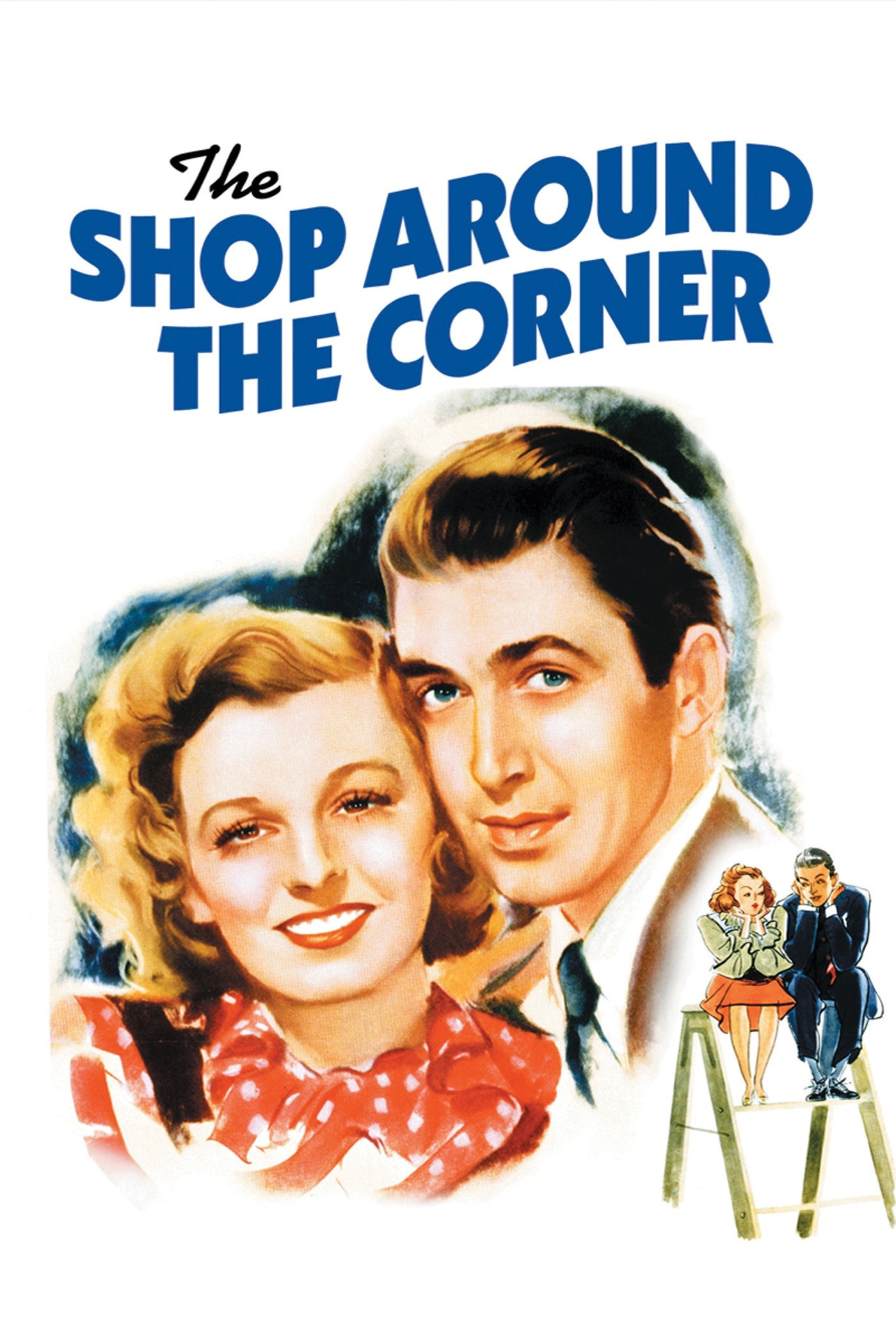
The Shop Around the Corner poster

The Shop Around the Corner

1940 · For prickly courtship, working lives and affection that survives a difficult conversation.

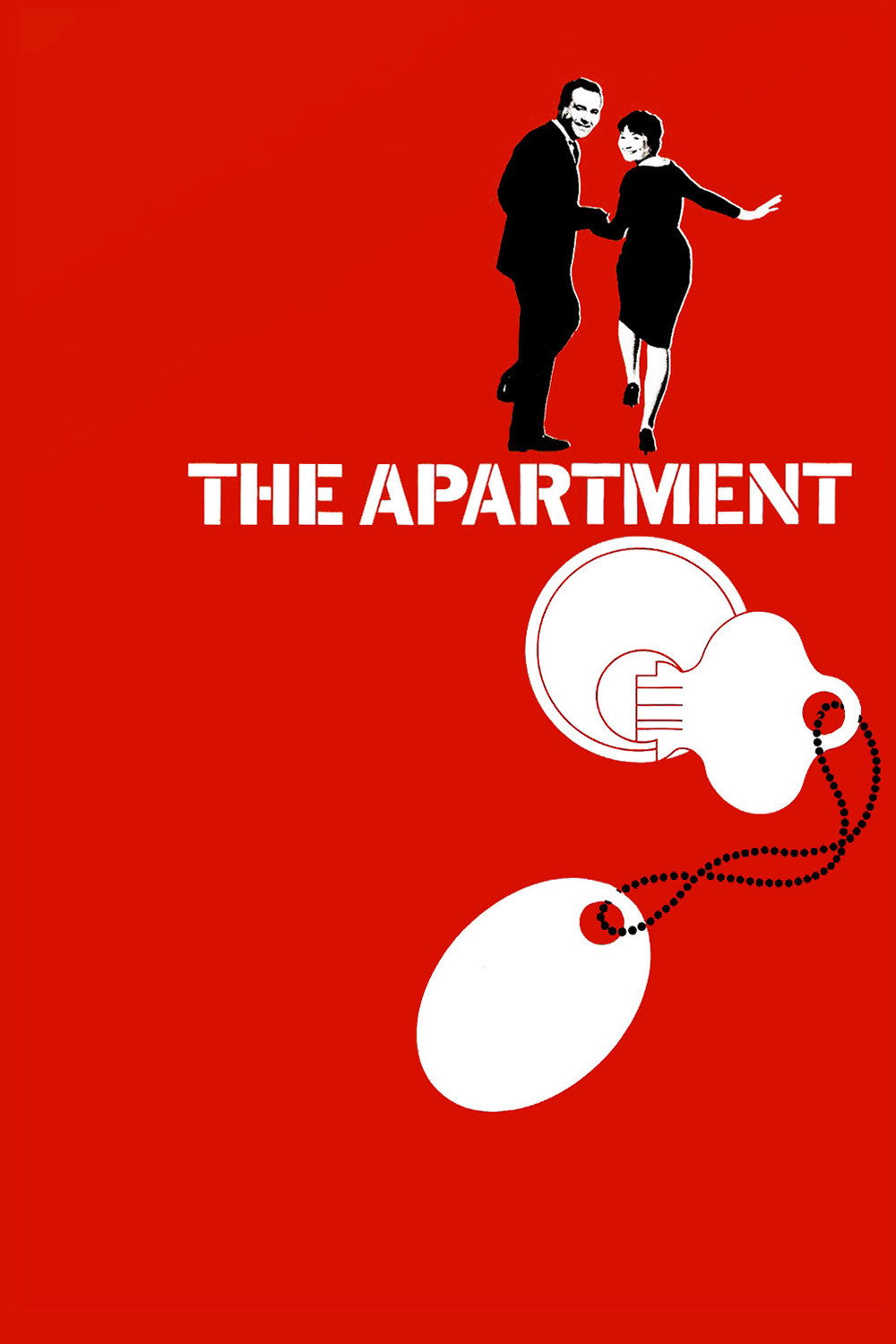
The Apartment poster91

The Apartment

1960 · Another romance that takes loneliness seriously and remembers to be funny.

Bread and Tulips poster

Bread and Tulips

2000 · For adult longing, domestic exasperation and the pleasure of starting again.

The Wedding Banquet poster81

The Wedding Banquet

1993 · Family expectations make a supposedly practical romantic arrangement considerably more complicated.

Only Yesterday poster

Only Yesterday

1991 · A quieter choice about adulthood, remembered hopes and making room for love.