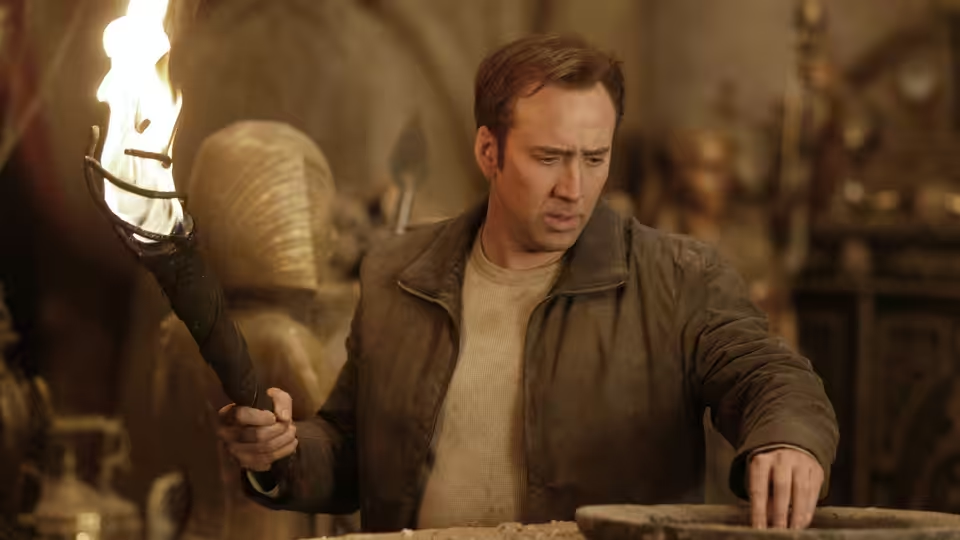
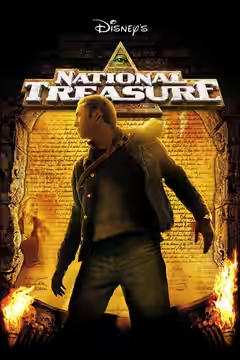
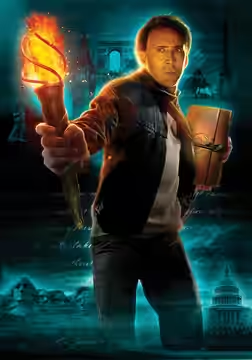
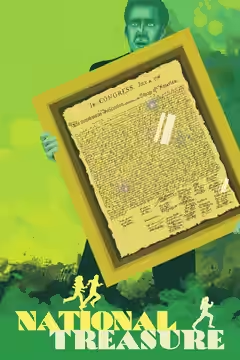
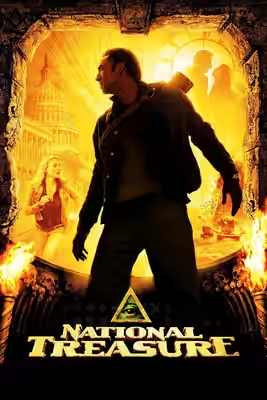
Nicolas Cage gives this treasure hunt a little warmth, and the Declaration heist briefly supplies the fun. But the historical explanations and flat action make a modest adventure feel unnecessarily long.
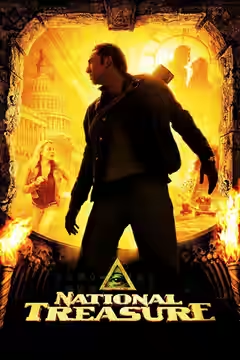
National Treasure has a workable adventure premise: a treasure map concealed in the Declaration of Independence, and a hunt that involves stealing the document. Jon Turteltaub makes it slick and intermittently amusing, but too much of the film is spent explaining an adventure that never becomes particularly exciting. At 131 minutes, it gives its historical conspiracies plenty of attention. We could have done with more attention paid to making the next clue feel worth finding.
Nicolas Cage plays Ben Gates with a sincerity that we rather like, at least at first. He treats the hunt seriously enough to give the silliness a chance, and his mild manner keeps the film from becoming too pleased with its own cleverness. The trouble comes when that seriousness has to generate urgency. The performance makes us willing to hear another explanation, but rarely anxious about what will happen once it ends.
The screenplay by Jim Kouf, Marianne Wibberley and Cormac Wibberley asks us to accept some elaborate historical conspiracies, which is a reasonable request from a treasure hunt. The difficulty is how earnestly it keeps making the request. A clue can be daft and still be satisfying if working it out is fun; here the explanations tend to slow the search. There is too little surprise in the plotting to reward the attention demanded by the riddles.
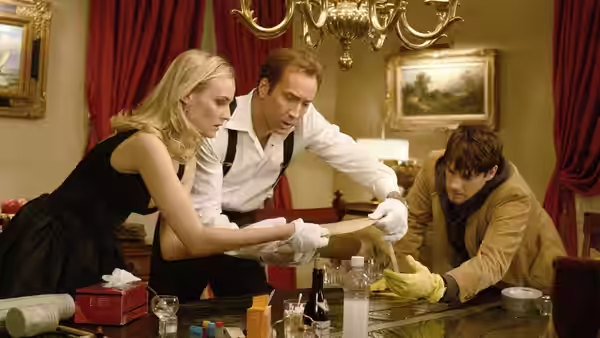
The Declaration heist is the stretch that briefly makes the mixture work. We enjoyed it because getting hold of one particular object gives all the conspiracy talk a practical purpose. Caleb Deschanel’s photography gives the document enough visual importance to justify the fuss, while Norris Spencer’s production design lends the operation a persuasive air of official respectability. That care helps make the theft interesting even when the suspense is thin.
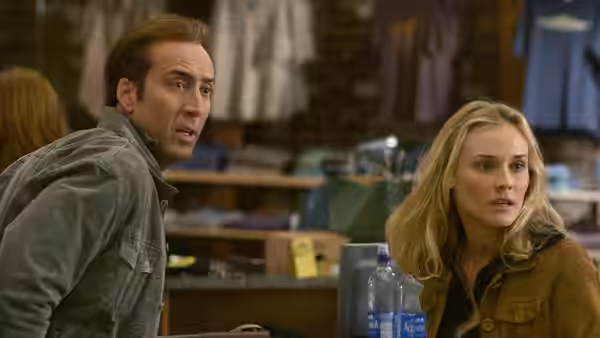
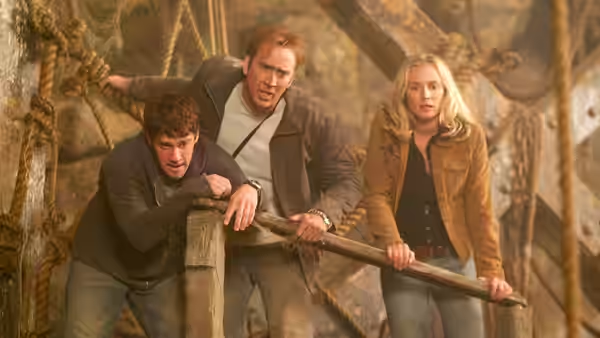
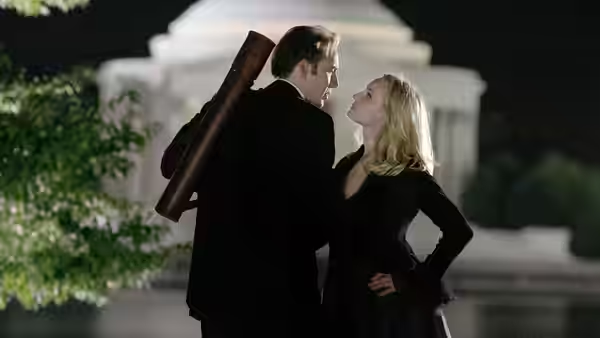
Diane Kruger gives Abigail Chase some welcome spark, and Sean Bean brings more confidence to Ian Howe than the plotting quite earns. Both supply the liveliness that the film needs when its central performance settles into another sober passage. Jon Voight is useful too as Patrick Gates, though these individual pleasures never quite add up to a compelling group. The cast can improve a scene, but cannot make the succession of clues less familiar.
William Goldenberg’s editing keeps the action understandable, but it does not solve the larger problem of momentum. The film repeatedly seems ready to get going, then settles back into the business of laying out its mystery. Trevor Rabin’s music presses harder for suspense than the scenes warrant, so that the score becomes tiring when it should be helping. Neither the cutting nor the emphatic music can supply a sense of risk on its own.
As a clue-led adventure, this needs more playfulness or more tension than Jon Turteltaub gives it. A PG certificate does not prevent an adventure from making us worry about its characters. There is a place for a gentle treasure hunt, but this one asks for more patience than its riddles repay. Choose it for the historical clues if those are enough; do not expect the chases to rescue a flagging evening.