Film review

The Castle of Cagliostro

1979 · Directed by Hayao Miyazaki · 1h 42m

In a sentenceA thief drives a Fiat up a cliff to rescue a girl he has just met, and nobody in the film finds this unusual

AnimationAdventureComedyCrime

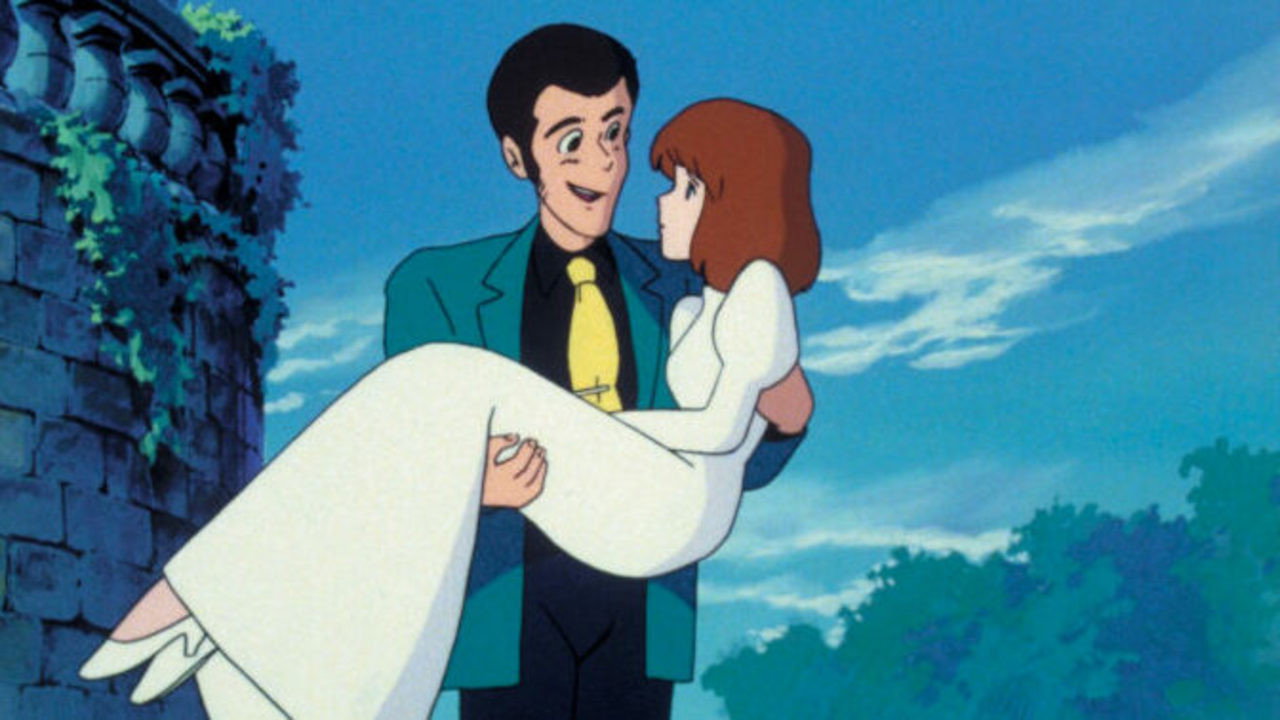
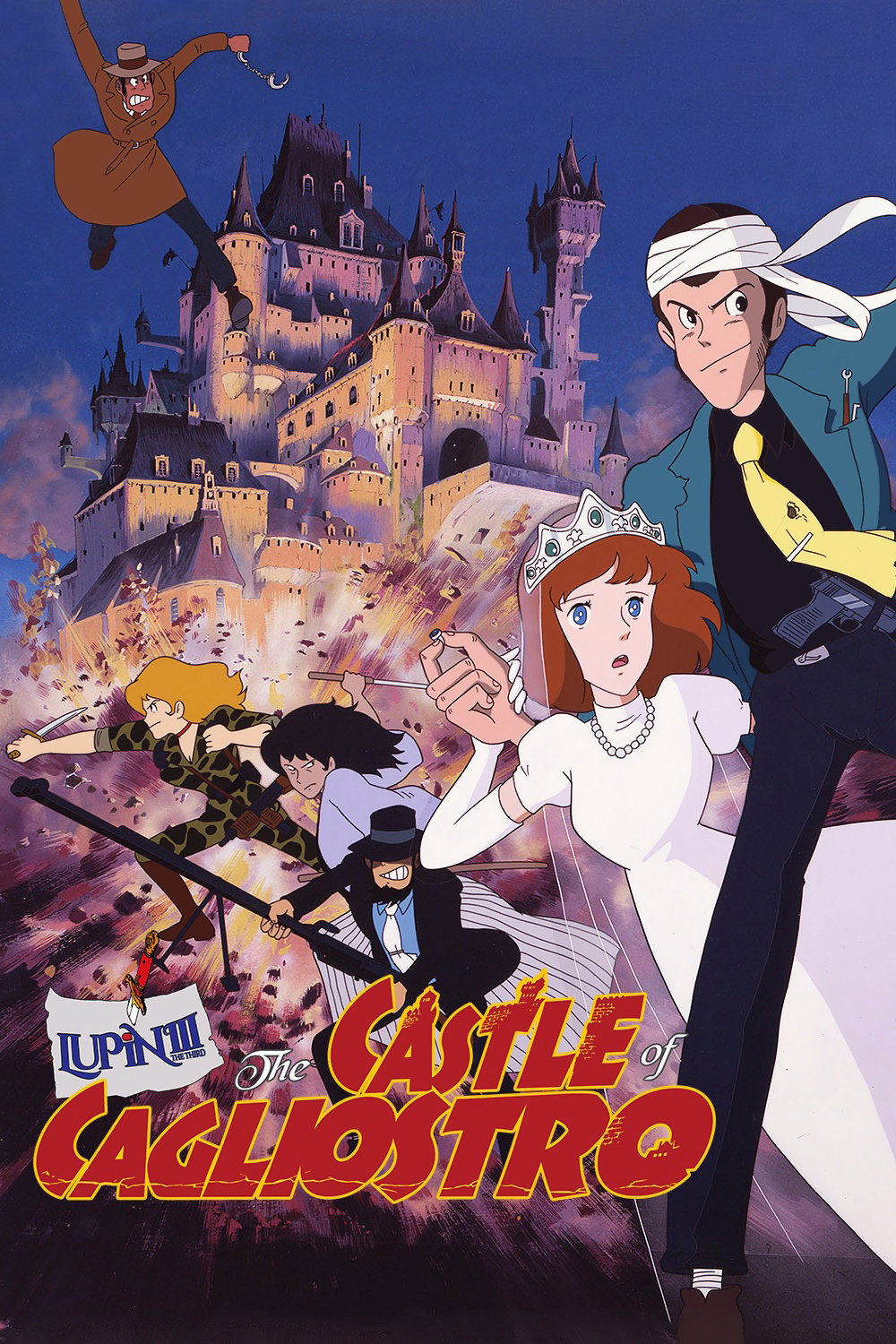
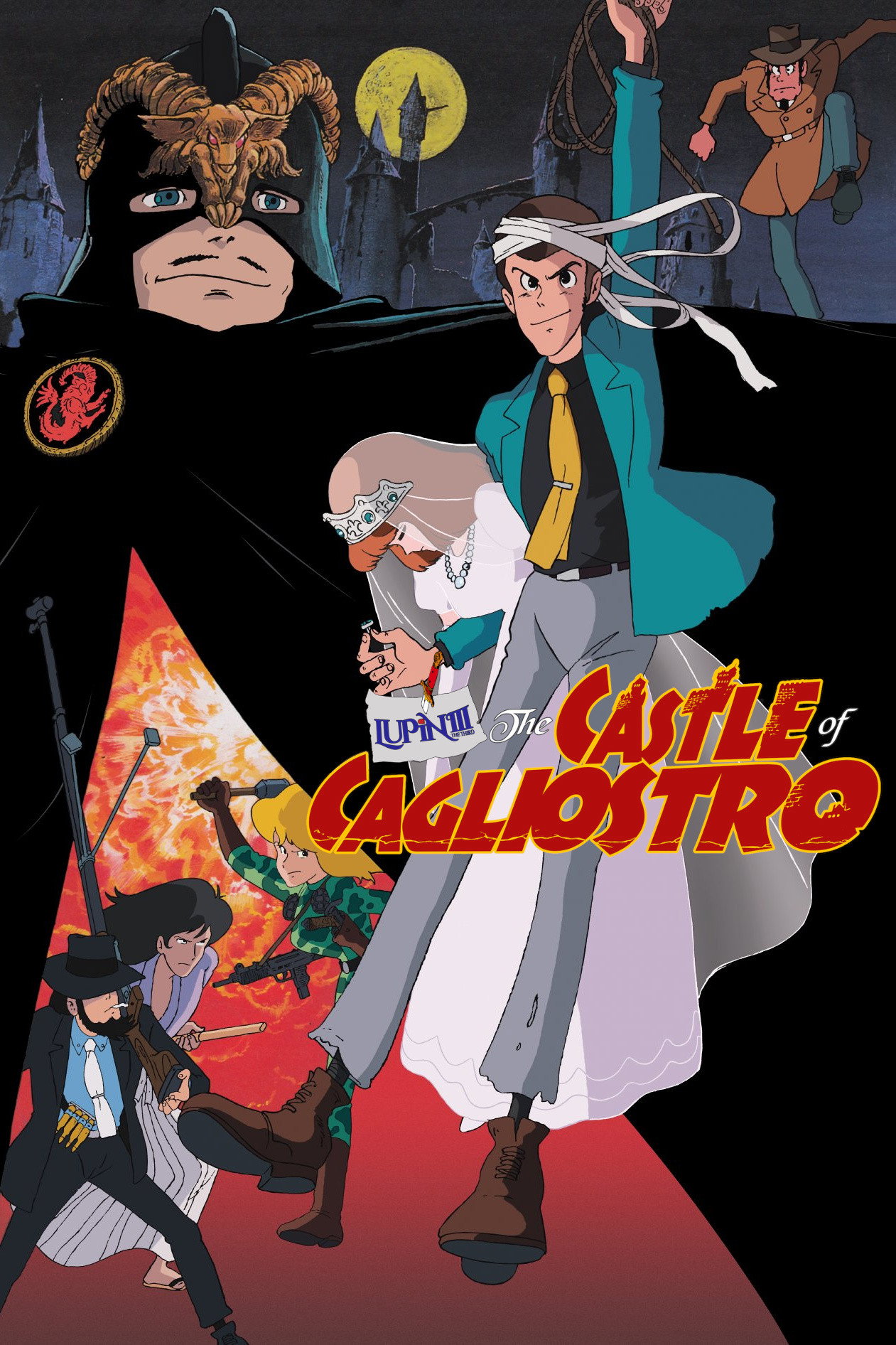
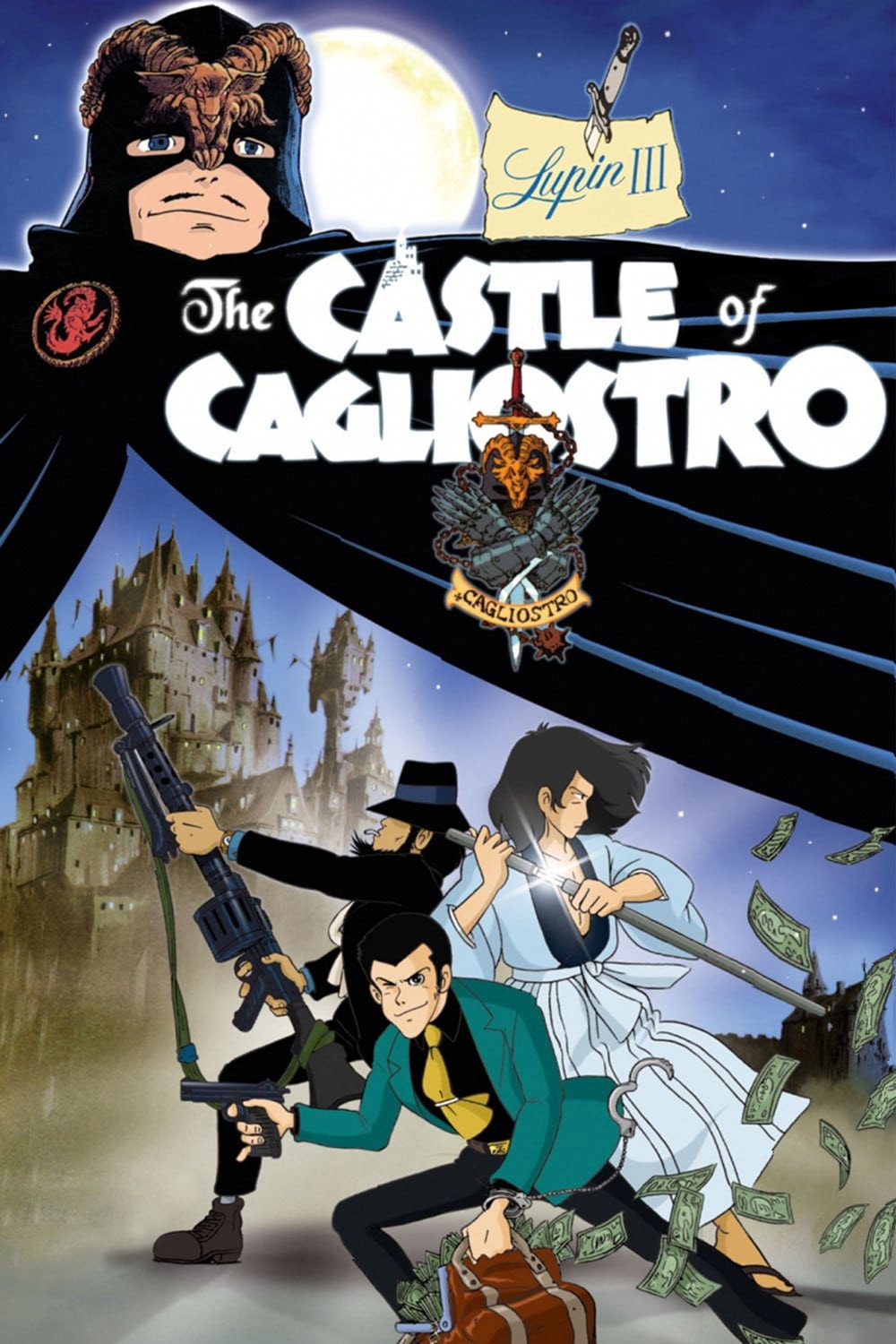
Arsène Lupin III (Yasuo Yamada) and his partner Daisuke Jigen (Kiyoshi Kobayashi) rob a Monte Carlo casino and discover, on the drive away, that every note in the boot is a forgery. The trail leads to the Grand Duchy of Cagliostro, a postage-stamp state with a castle on a lake. On a cliff road they pass a girl in a wedding dress fleeing a car full of men in black; Lupin gives chase and loses her. She is Lady Clarisse de Cagliostro (Sumi Shimamoto), promised to the Count (Taro Ishida), who rules the castle, prints the money and wants the ring she wears. Inspector Koichi Zenigata (Gorō Naya) arrives soon after, as he always does.

Plays from YouTube when you press play; nothing loads from them until then.

Fi1m review

Hayao Miyazaki’s first feature takes the gentleman thief Lupin III to a tiny European duchy built on forged banknotes, and stages a car chase most live-action films would envy. It is fast, funny and warm, and it does not think about anything for long.

Hayao Miyazaki directed his first feature on a licensed character he did not create, and he treated the job as a chance to see how much movement one film could hold. Arsène Lupin III is the gentleman thief of Monkey Punch’s manga, a lecher on the page; Miyazaki turns him into a man who steals for the pleasure of the trick and gives the money away when it bores him. The Castle of Cagliostro is a caper, a rescue and a chase, in that order and then again, and it is a delight. It is also, at 102 minutes, a film with almost nothing on its mind, and we will not pretend otherwise.

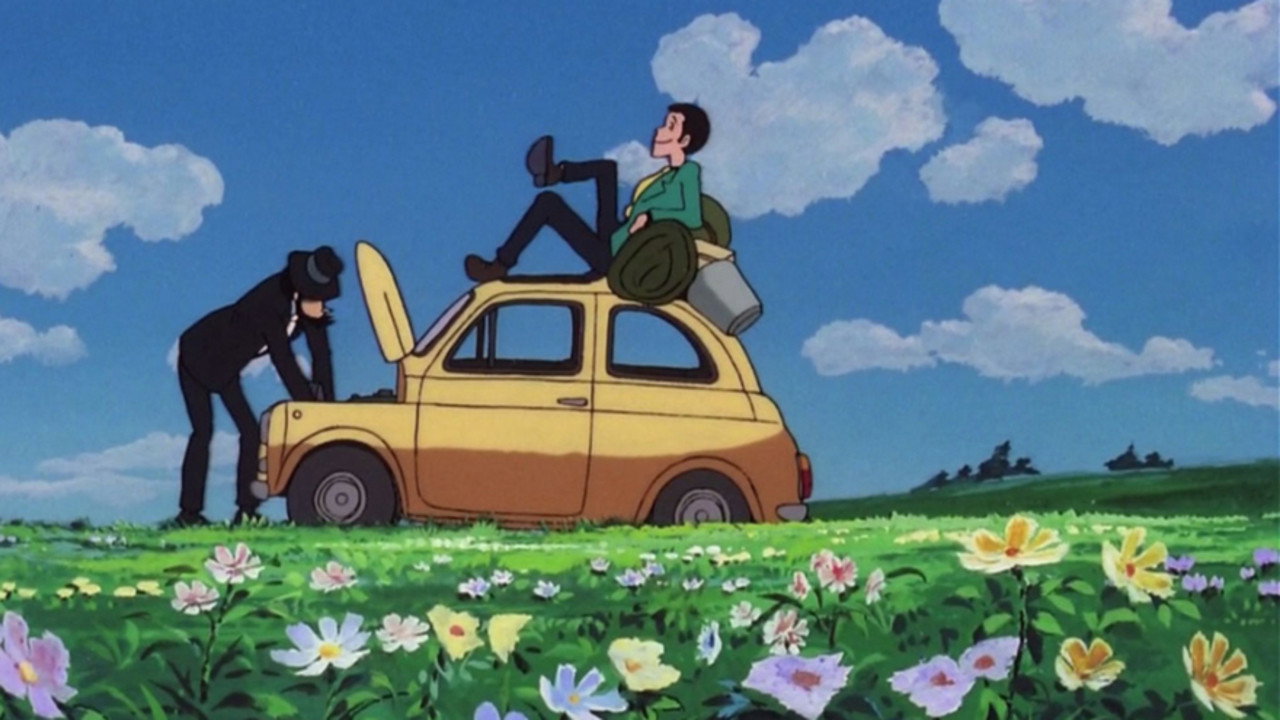
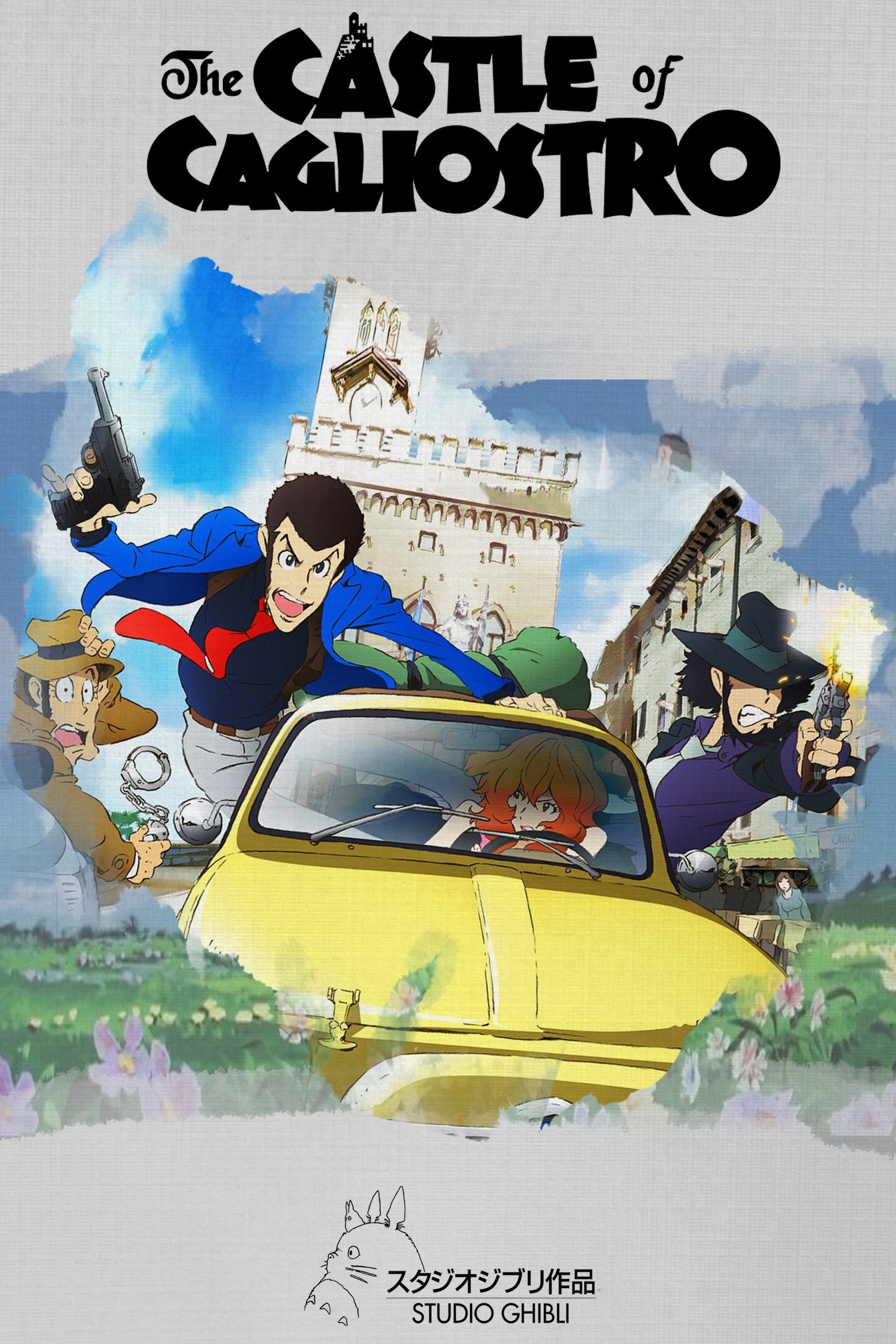
The chase on the cliff road is the scene everyone remembers, and it earns the memory. Lupin’s yellow Fiat 500 and a car full of the Count’s men swap paint along a mountain road, the road runs out, and the Fiat keeps going, straight up the cliff face, tyres chewing at rock. We laughed out loud, and then noticed we had been gripping the arm of the sofa. Miyazaki draws weight into everything: the little car sags on its springs when Jigen climbs in, henchmen tumble like sacks of coal, and when Lupin leaps a gap between rooftops he misjudges the second one and slams into the wall. The joke is that a cartoon hero has been given a body that can hurt.

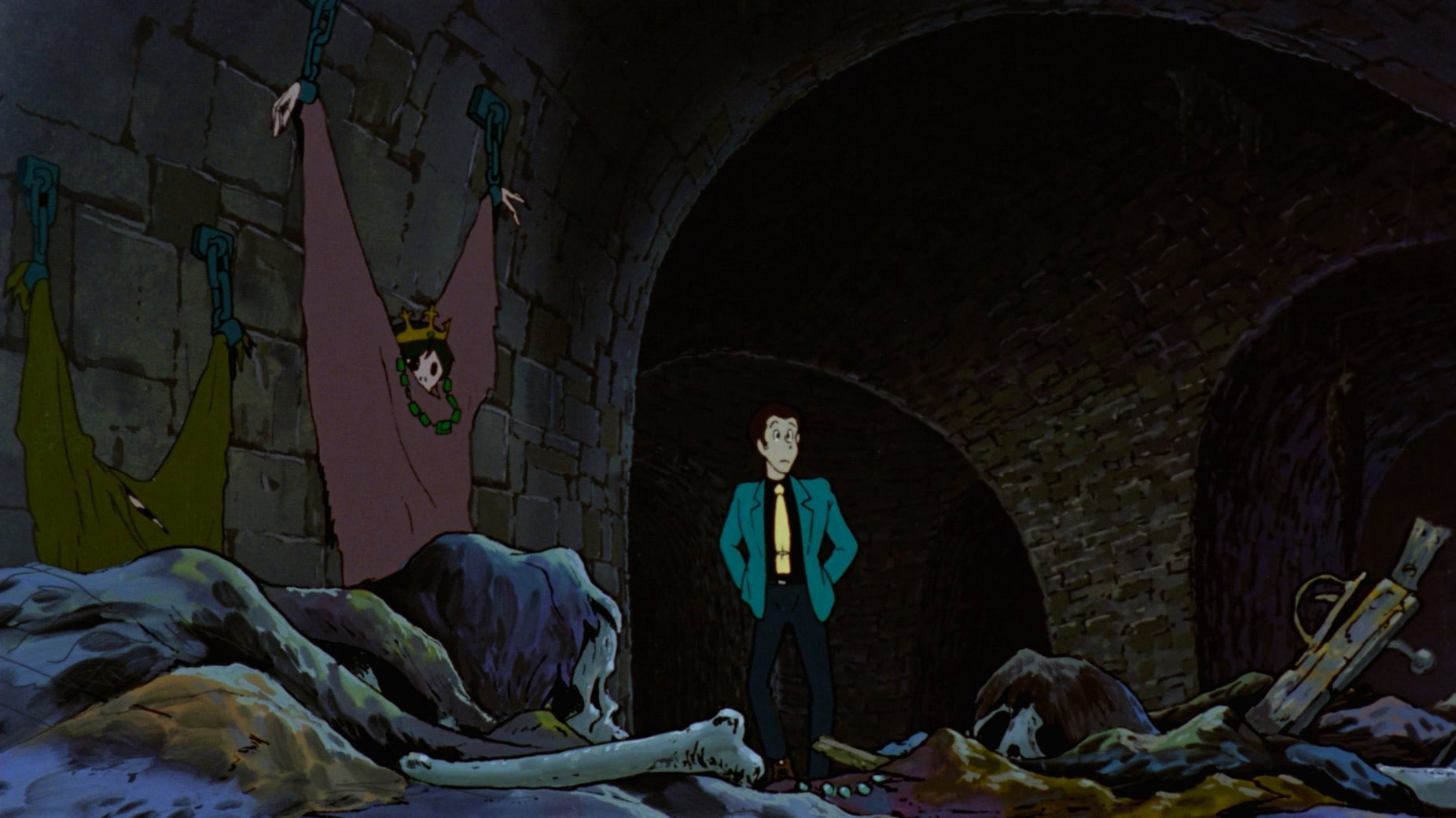
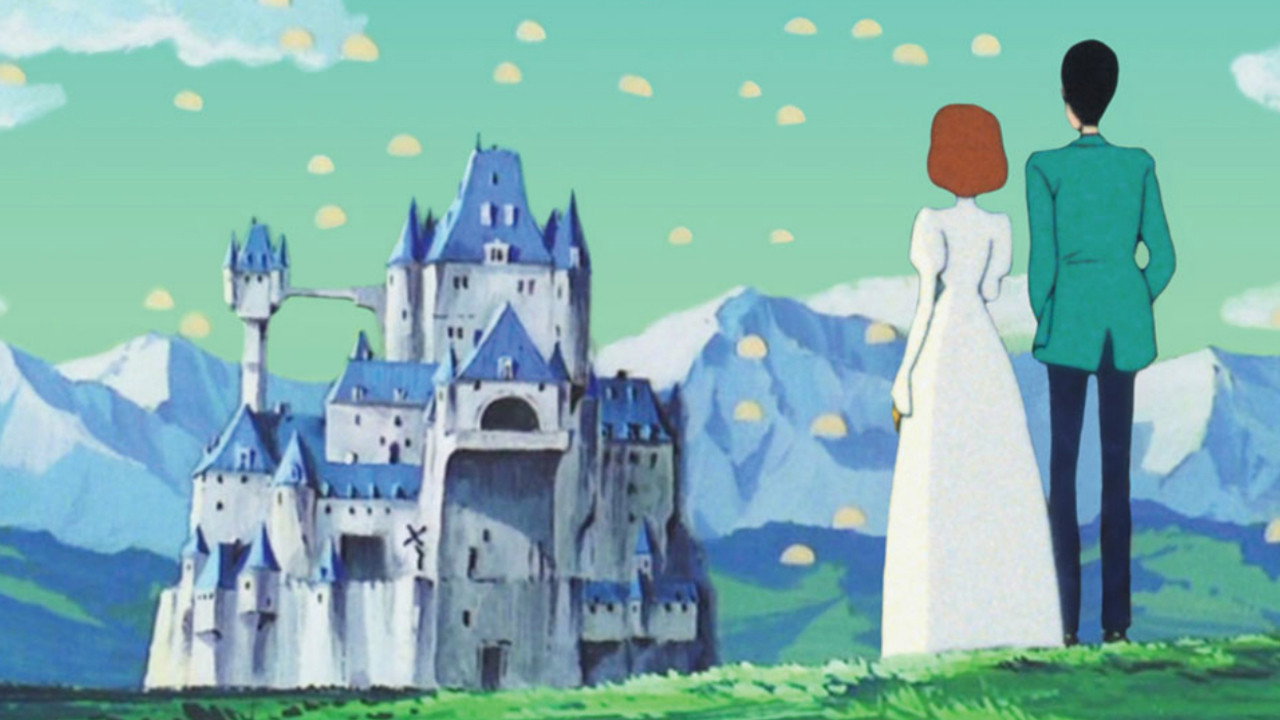
Hirokata Takahashi’s camera lingers on painted backgrounds that could stand as postcards: the castle on its island in a lake under morning mist, an aqueduct striding across a valley, a dungeon far below the waterline where earlier visitors have been left to their bones. Masatoshi Tsurubuchi cuts the action clean, so that a fall from a height is followed by exactly the shot you need to understand where the body went. Yūji Ōno’s score is big-band jazz, brass and walking bass, and it gives the film a swagger the drawing sometimes cannot afford. Because the budget shows. Dialogue scenes hold on a still background while a mouth flaps, the crowd scenes are a smear, and the Count’s guards have two faces between them.

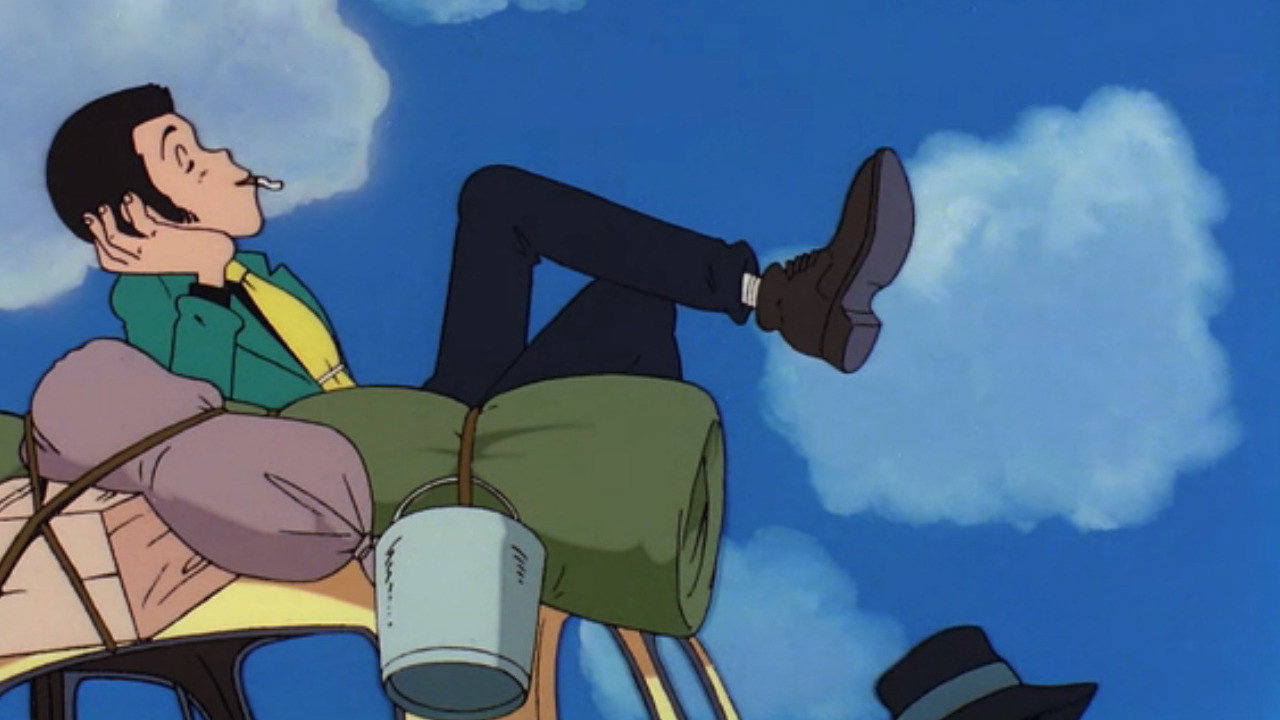
Yasuo Yamada voices Lupin with a nasal, delighted whine that makes him sound like a schoolboy who has found the staffroom key, and it suits this version of the character far better than a suave one would. Kiyoshi Kobayashi’s Jigen is a low growl under a hat brim; the two of them fighting over one pot of spaghetti with a pair of forks is the funniest scene in the film. Gorō Naya’s Inspector Koichi Zenigata has chased Lupin across the world and would be lost without him, and the film knows he is the real romance. Sumi Shimamoto gives Lady Clarisse de Cagliostro a small, clear voice and an air of never having been asked what she wanted, which is the point of her, and also the problem.

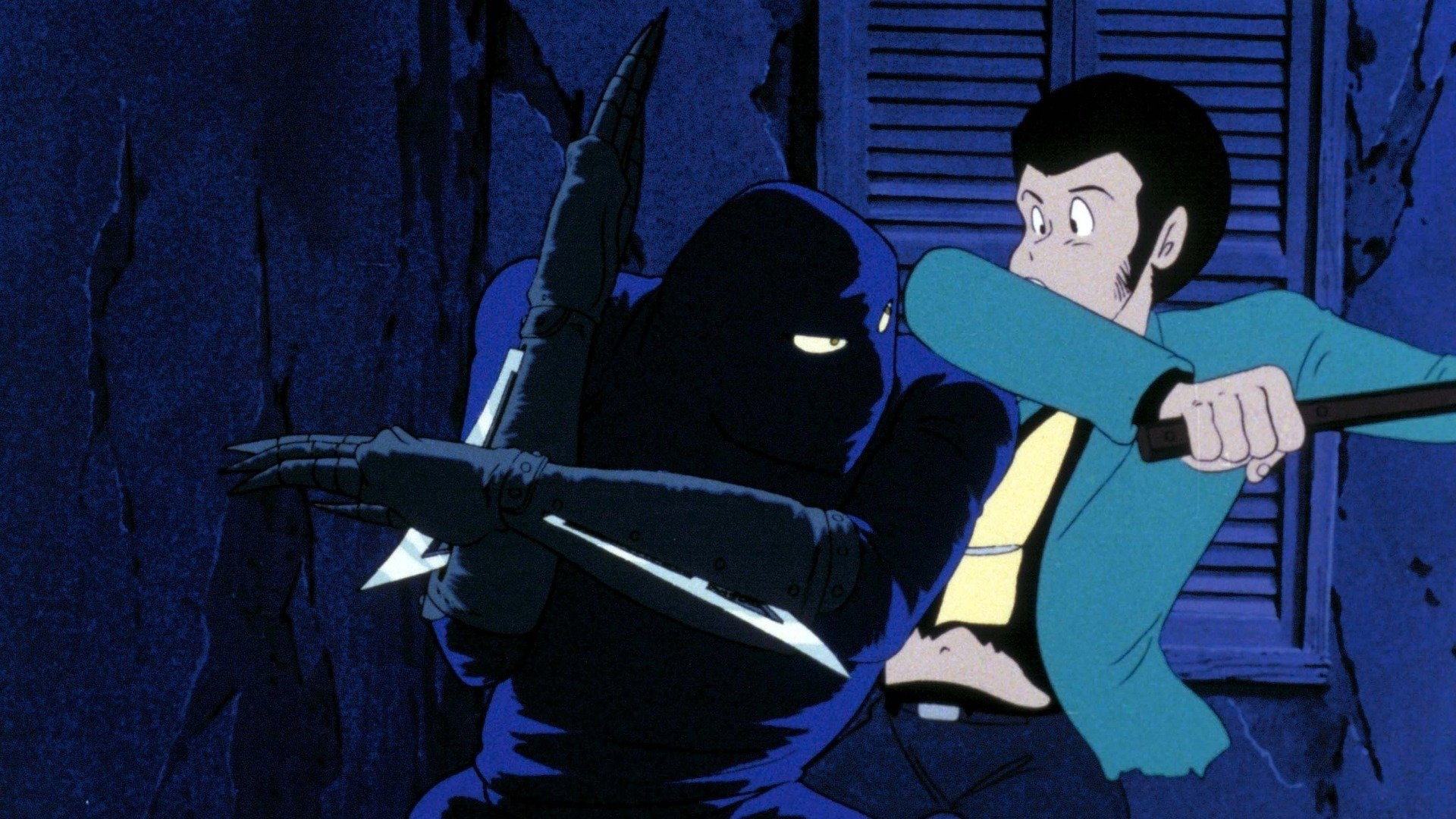
The Count, voiced by Taro Ishida, is a moustache-twirler with a printing press, and Haruya Yamazaki and Miyazaki’s script never gives him a second dimension; he wants the girl, the ring and the treasure, and he says so, often. Fujiko Mine (Eiko Masuyama) turns up inside the castle in disguise, is useful for ten minutes, and vanishes whenever the plot has no chair for her. Goemon Ishikawa XIII (Makio Inoue) arrives, cuts something in half, and regrets it. Clarisse is rescued, locked up and rescued again. Most critics forgive all this because the film moves too fast for you to notice, and mostly we do too. But we did notice, in the last half hour, that we were admiring the drawing more than we cared about anyone in it.

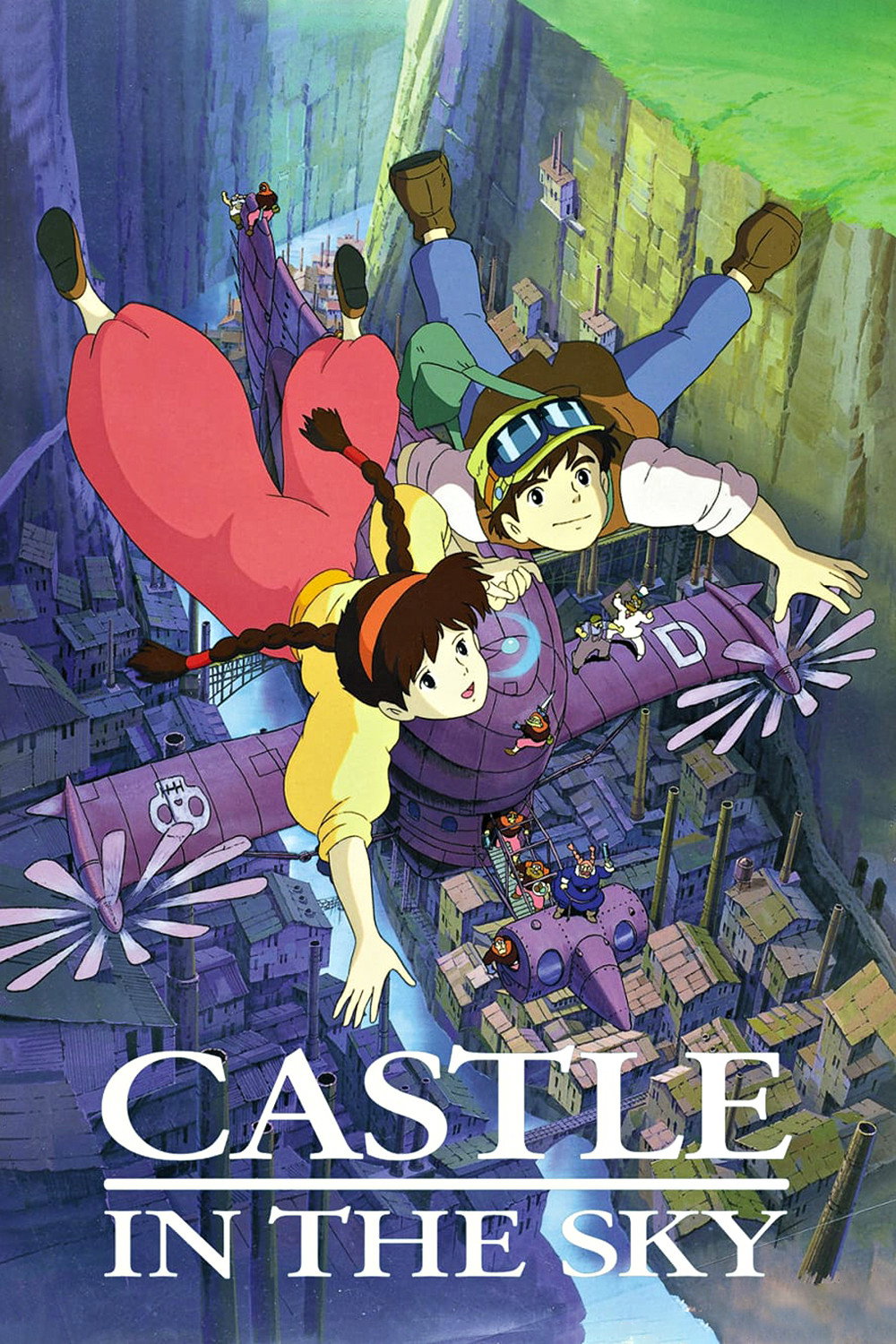
Anyone who knows the later films will spot the furniture being moved in. The girl in the tower, the castle above the water, the old gardener (Kōhei Miyauchi) who remembers better days, the hero who can climb anything: Laputa: Castle in the Sky is seven years off and half-built here. What is missing is the weight. Nausicaä of the Valley of the Wind and Princess Mononoke have arguments in them; this has a rescue. What is fully formed on the first attempt is the pleasure of a body falling correctly through space, and that is not a small thing.

See it with a child who is old enough to follow a plot and young enough to believe a car can climb a wall. They will laugh at the spaghetti. You will laugh at the spaghetti. Nobody will remember what the Count wanted by breakfast, and that is roughly the film’s own attitude.

Critical consensus AI synthesised

80
Positive
6
Mixed
2
Negative
0

Most critics like it, and the praise clusters on the animation: the detail of the hand-drawn work, the heightened colour of the painted backgrounds, and the momentum of the action, with the opening car chase and the mile-high clock tower named more than once. Several reviews treat it as Miyazaki’s feature debut and read it as an early sketch of the style he develops later. The gallant hero and the supporting cast, Fujiko in particular, also come in for warm mention.

The reservations are about how it stands beside what came after. Total Film finds it the weakest of Miyazaki’s features, frenetic and cartoonish next to the later work; The Skinny notes the animation is at times crude; the Los Angeles Times, otherwise enthusiastic, calls it thematically slim. The spread is narrow, with no negative reviews, and the two mixed notices still admire the backgrounds and the set pieces. The disagreement is over depth, not pleasure.

Los Angeles Times
30 July 2021 · Tracy Brown
90*

The critic calls the film a must-see zippy adventure and visually stunning experience that rebukes greed and corruption, highlighting its memorable action sequences and beautifully painted backdrops. She notes it is thematically slim compared to Miyazaki’s later works but praises the gallant hero and capable supporting characters like Fujiko.

Read the full review →
The AV Club
29 March 2002 · Tasha Robinson
90*

The critic calls the 1979 film wonderful and highlights its release on DVD/VHS. She praises Miyazaki's obsessively detailed and gloriously colorful animation style along with the film's manically energetic humor and good-hearted charm.

Read the full review →
IndieWire
18 March 2020
80*

The piece positions the film as Miyazaki's feature debut that immediately announced him as a master filmmaker. It singles out the exhilarating momentum, meticulous animation detail, and heightened colors that make the frames worth studying.

Read the full review →
The New York Times
3 July 1992 · Janet Maslin
70*

The critic describes the film as a wild hybrid of visual styles and cultural references with a vibrant look and noisy variety in its settings, including a remarkable mile-high clock tower and underground reservoir. She notes the lively adventure and high-tech gimmicks while observing that the dialogue sometimes has a martial-arts ring.

Read the full review →
Total Film
6 December 2014 · Philip Kemp
60*

The earliest of Miyazaki's features is the weakest of the boxset, feeling frenetic and cartoonish compared to his later work. It stands out for an impressively dynamic opening car chase.

Read the full review →
Eye for Film
21 October 2005 · ★★★★★ · Gator MacReady
100

The critic calls it one of the best anime movies ever made, rivaling anything from Disney or Pixar, and praises its hand-drawn charm, inventive direction, and thrilling adventure sequences. Miyazaki's debut is singled out for its strong sense of setting and refusal to be missed by fans.

Read the full review →

Cast

If you liked this, try…

Laputa: Castle in the Sky poster

Laputa: Castle in the Sky

1986 · Miyazaki builds the same castle again, bigger, with the weight this one lacks

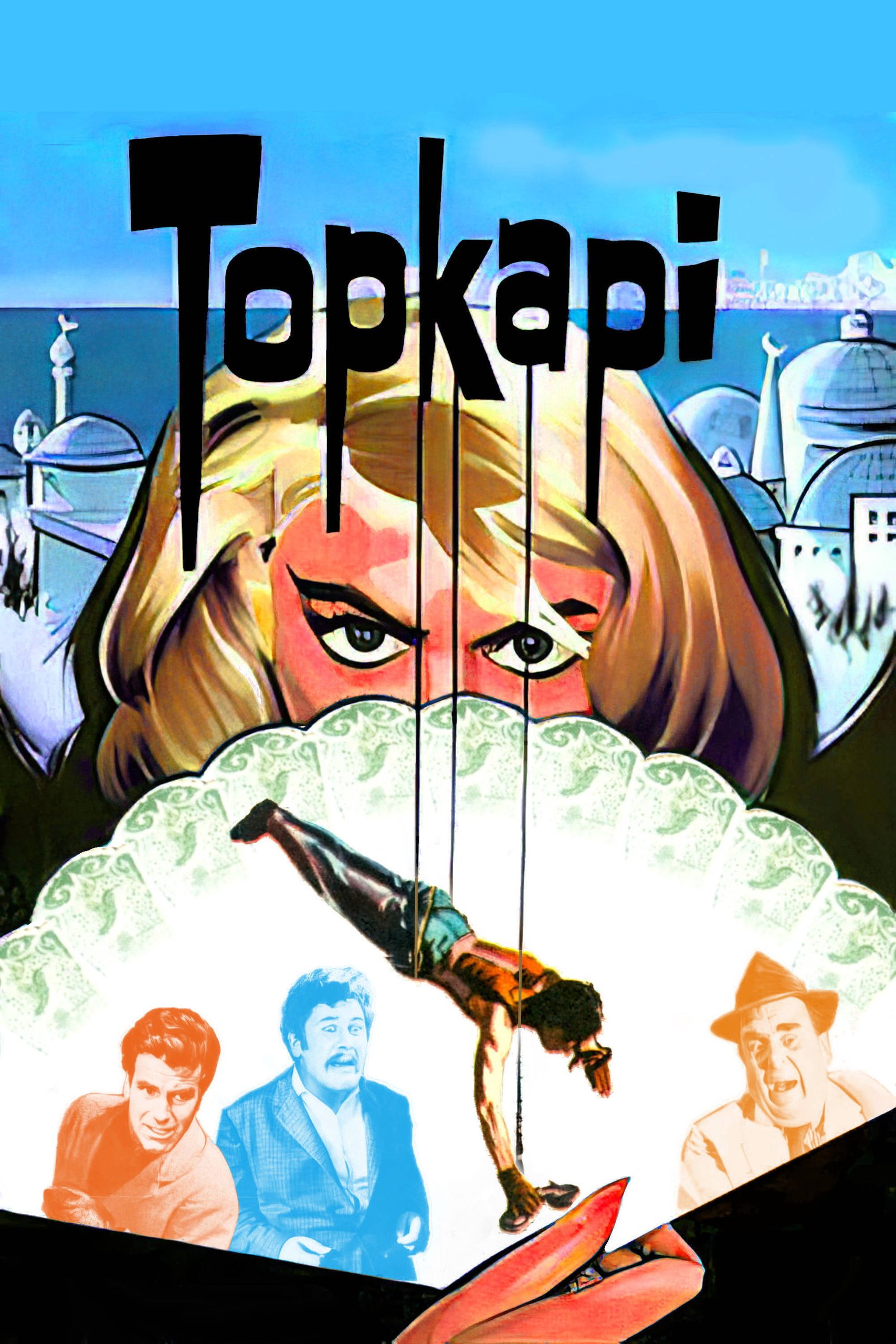
Topkapi poster

Topkapi

1964 · A live-action heist with the same sunlit cheek and a museum instead of a castle

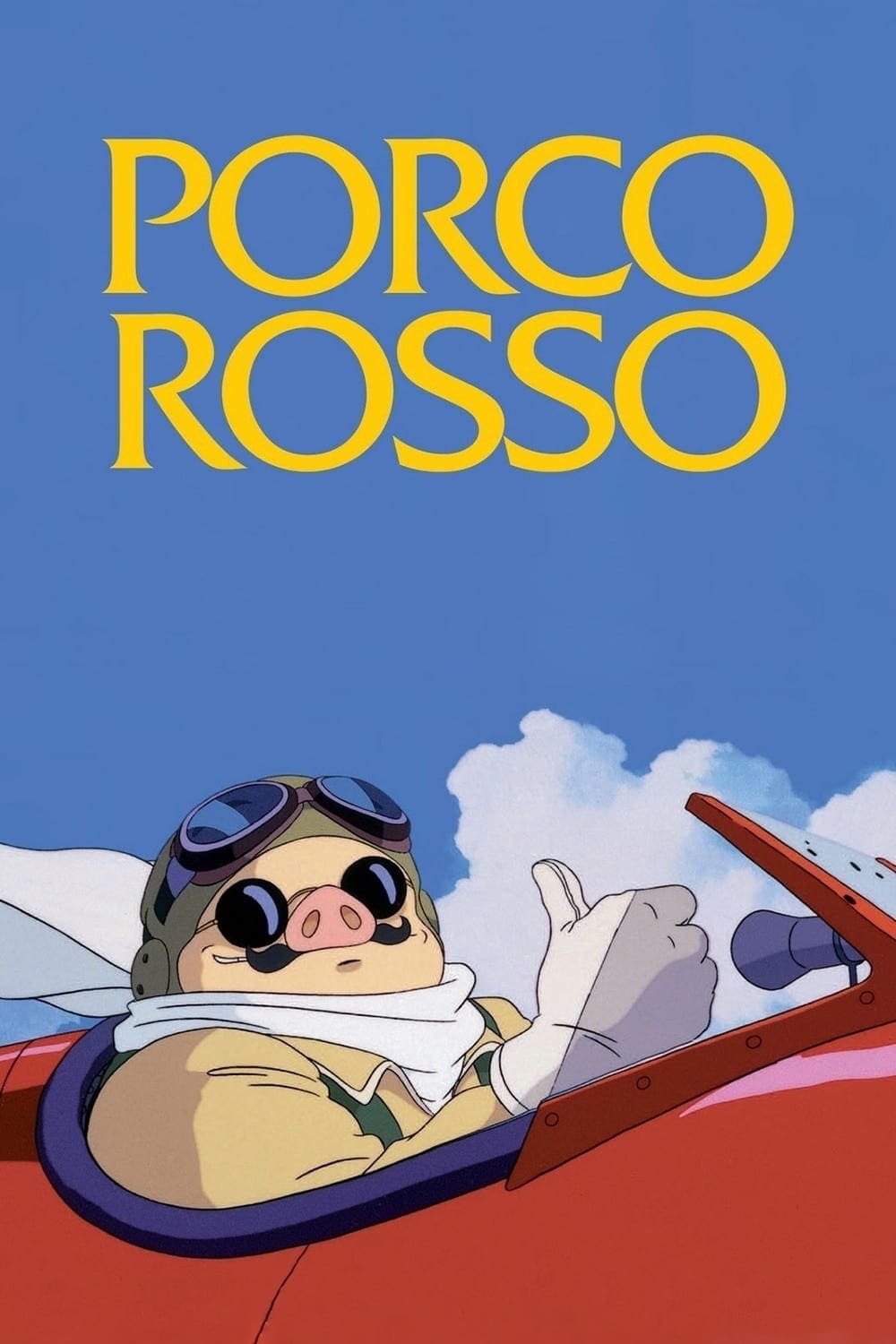
Porco Rosso poster

Porco Rosso

1992 · Another Miyazaki rogue, older and sadder, who still cannot resist a good chase

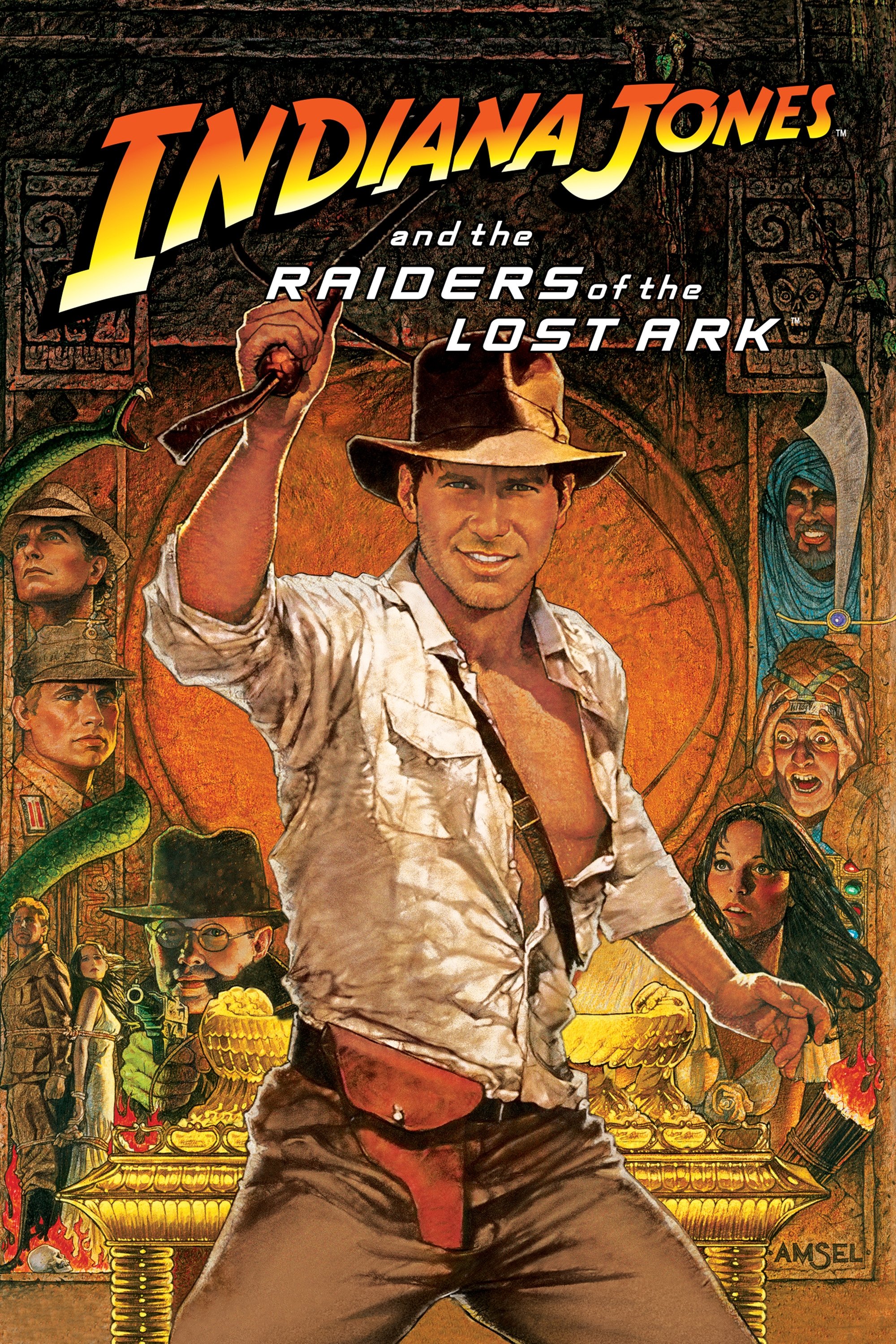
Raiders of the Lost Ark poster93

Raiders of the Lost Ark

1981 · Cliffs, traps and a hero who gets hurt; the same faith in physical comedy

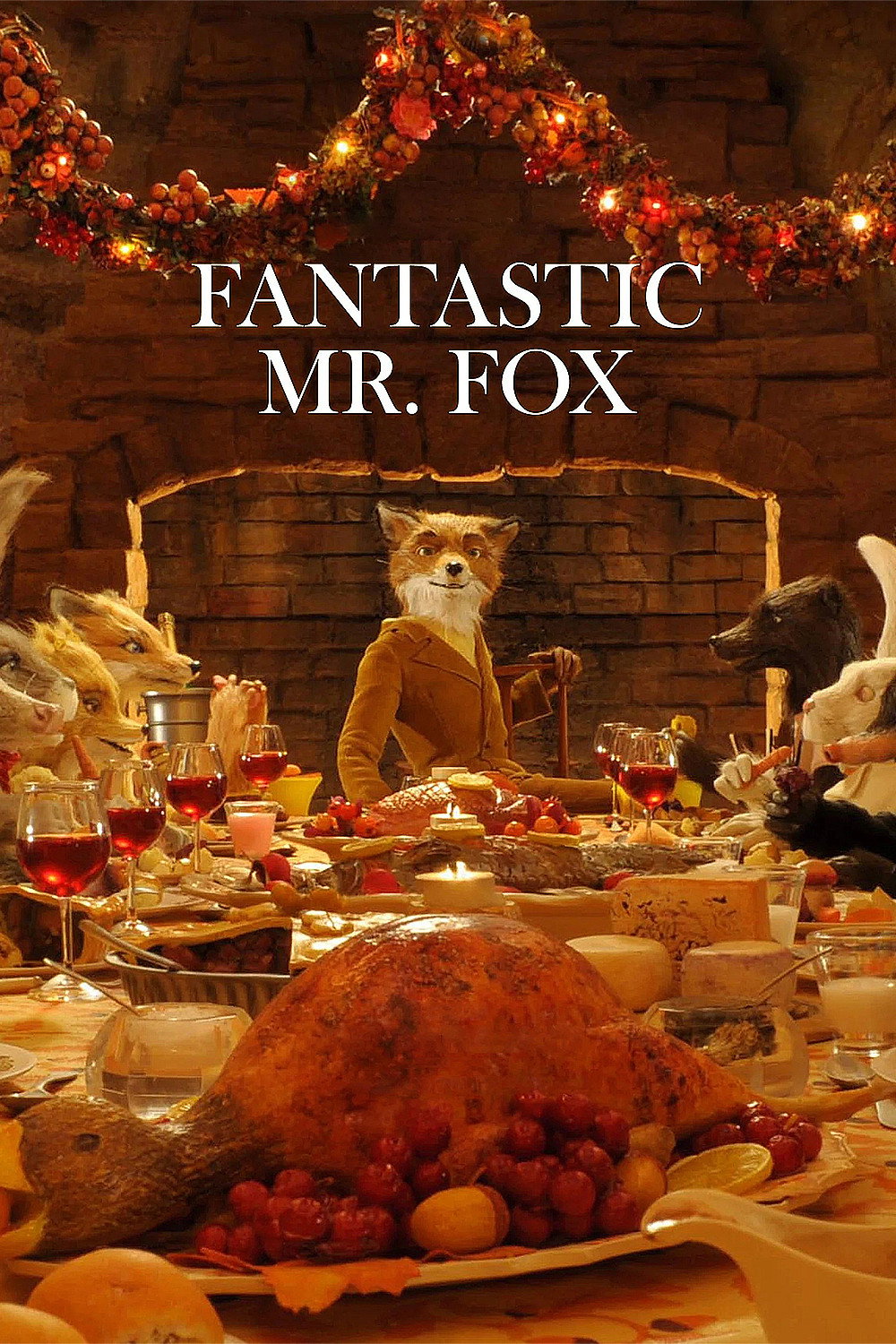
Fantastic Mr. Fox poster84

Fantastic Mr. Fox

2009 · A charming thief, a dull enemy and animation that loves the look of things