Jack Nicholson and Louise Fletcher make Miloš Forman’s drama funny, frightening and worth an evening. Its account of mental illness is too simple, but the performances keep the men on the ward from becoming merely a cause.
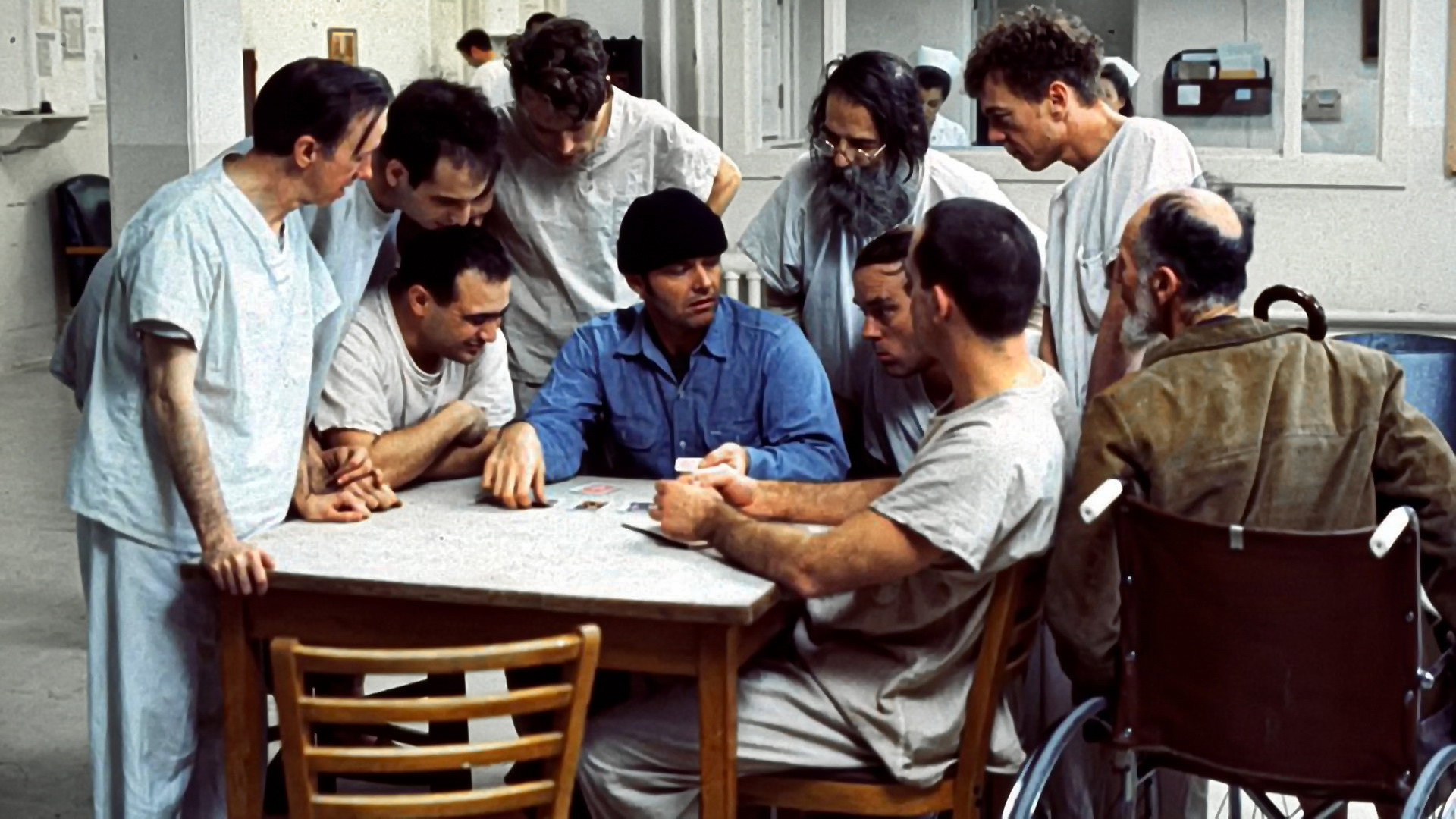
One Flew Over the Cuckoo’s Nest is an excellent drama whose account of mental illness needs questioning. Miloš Forman makes the contest between Randle Patrick McMurphy and Nurse Mildred Ratched absorbing enough that we can almost miss how heavily the film favours one side. Much of that is down to Louise Fletcher, whose nurse deserves equal billing in any discussion of Jack Nicholson’s rebellious patient. At 135 minutes, it earns its length through the attention it gives the people around them.
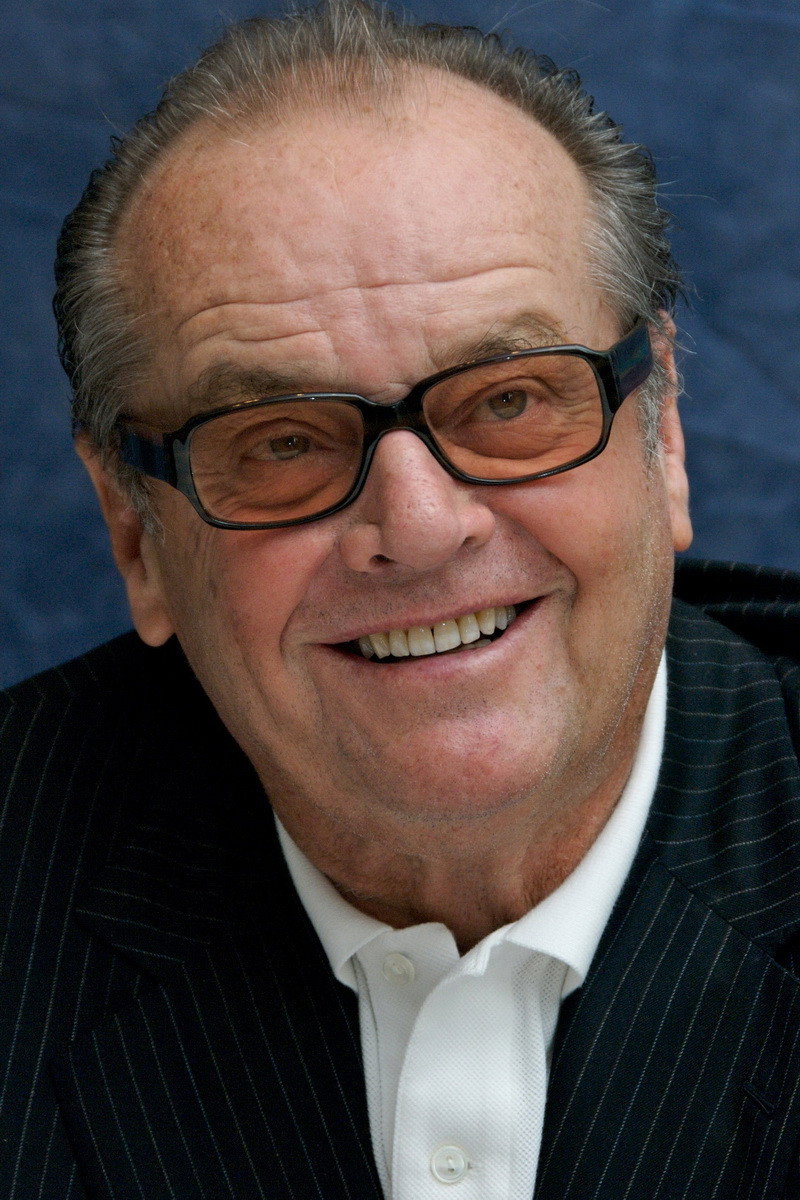
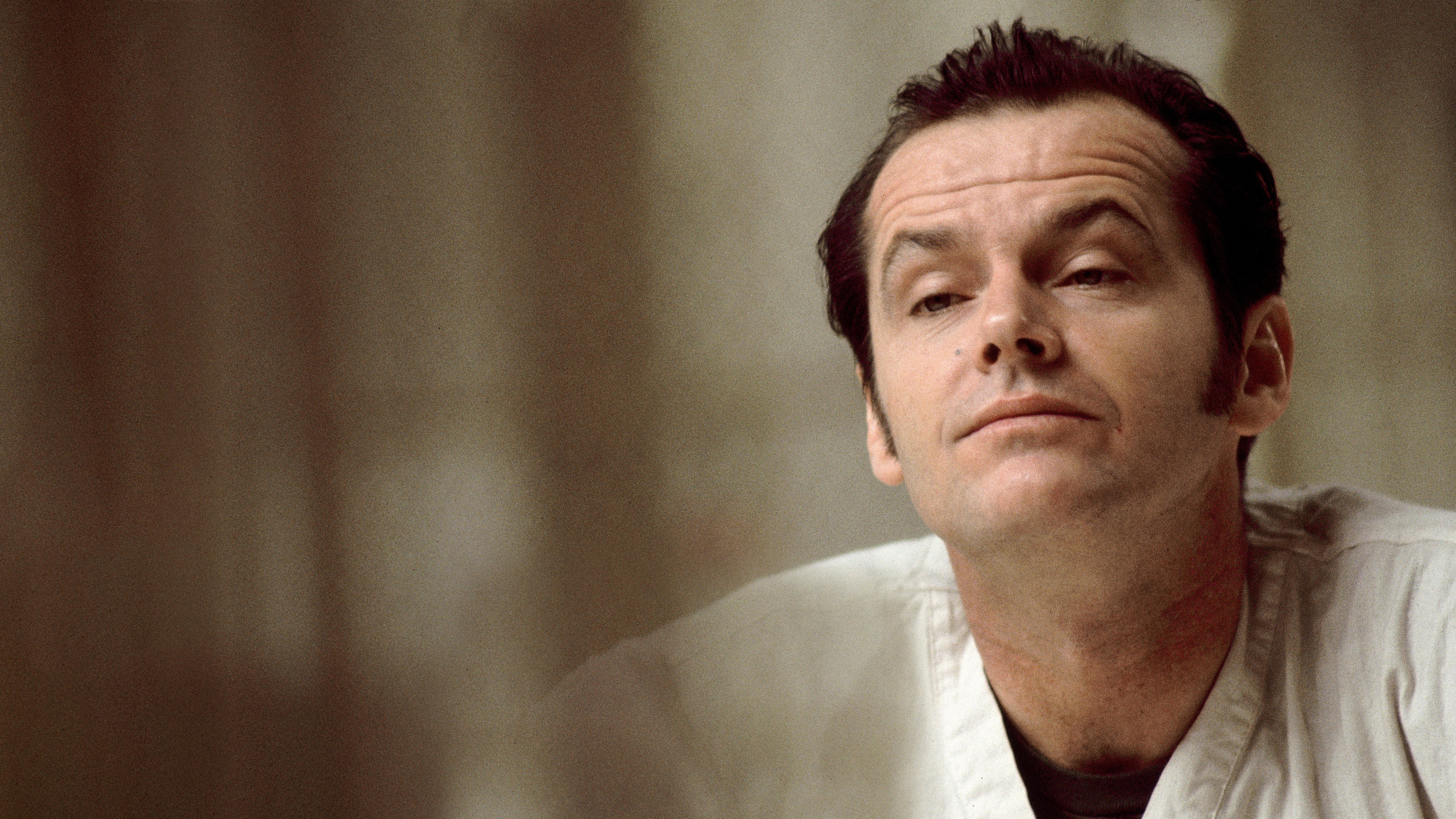
Nicholson makes McMurphy’s enjoyment of his own bad behaviour contagious, without quite asking us to mistake him for a considerate man. There is vanity in the performance, and impatience with anybody who cannot keep up. Both are useful: they stop the charm from making every act of defiance automatically admirable. The screenplay by Lawrence Hauben and Bo Goldman, adapted from Ken Kesey’s novel, gives Nicholson the stronger invitation to win us over, but his roughness keeps the role interesting.
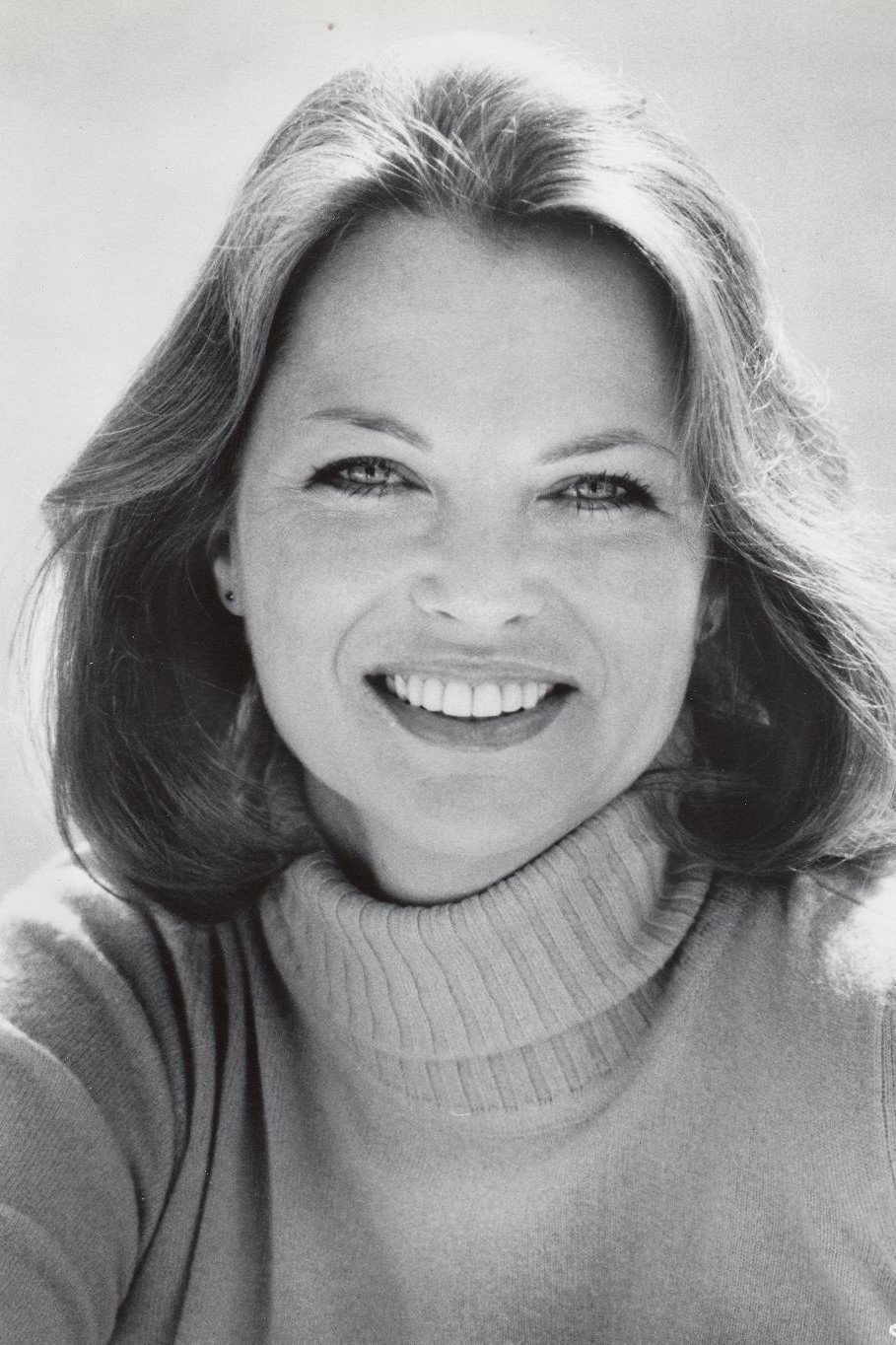
Fletcher frightened us more than we expected. Her calm makes Ratched’s control of the ward seem so settled that an objection can look like bad behaviour before anyone has considered it. She never needs to compete with Nicholson for our attention. We keep watching because she makes certainty itself unpleasant, and because she seems so unlikely to reconsider. The performance is especially effective when we resist treating Ratched as an explanation for everything wrong with the institution.
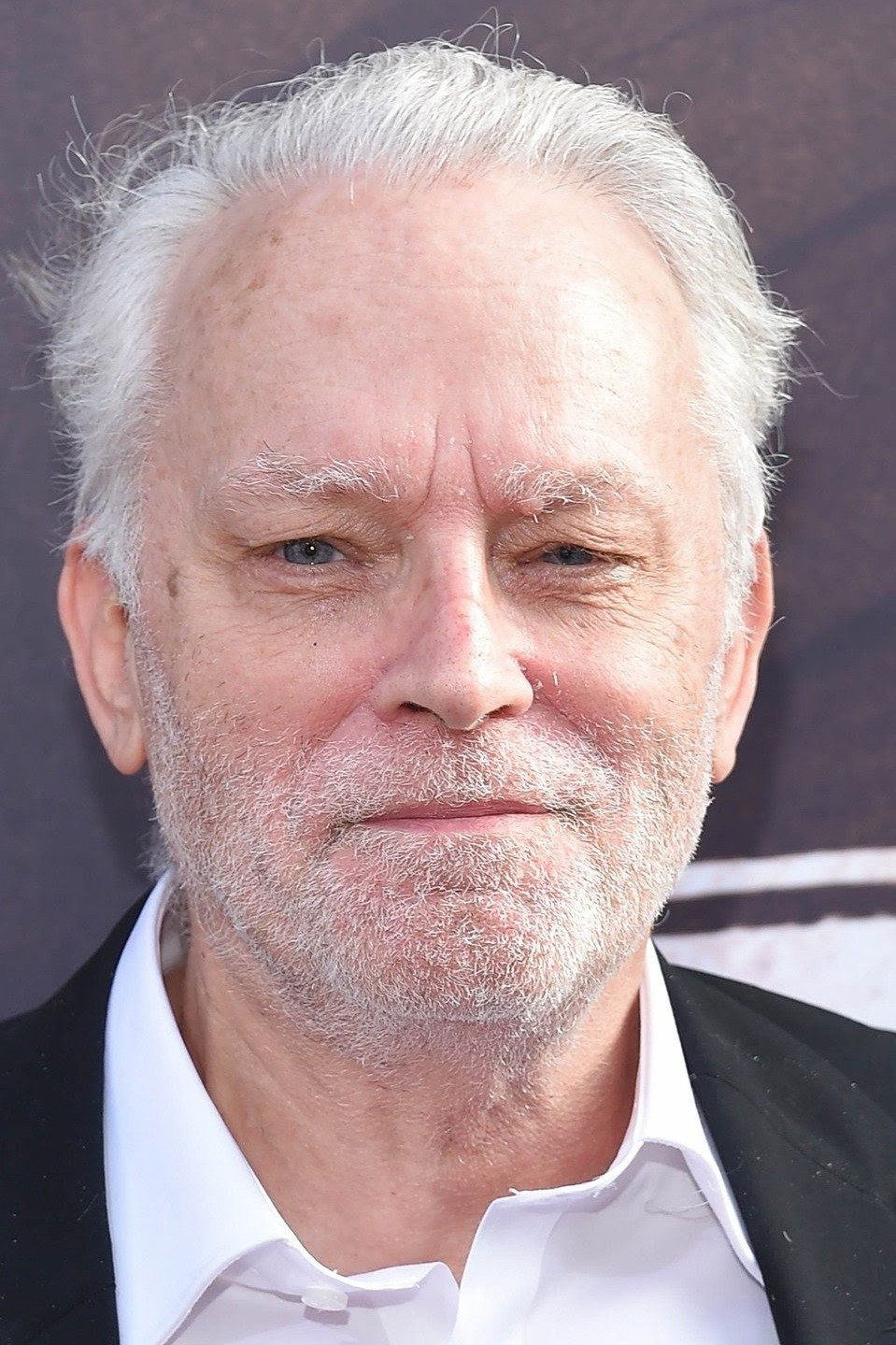
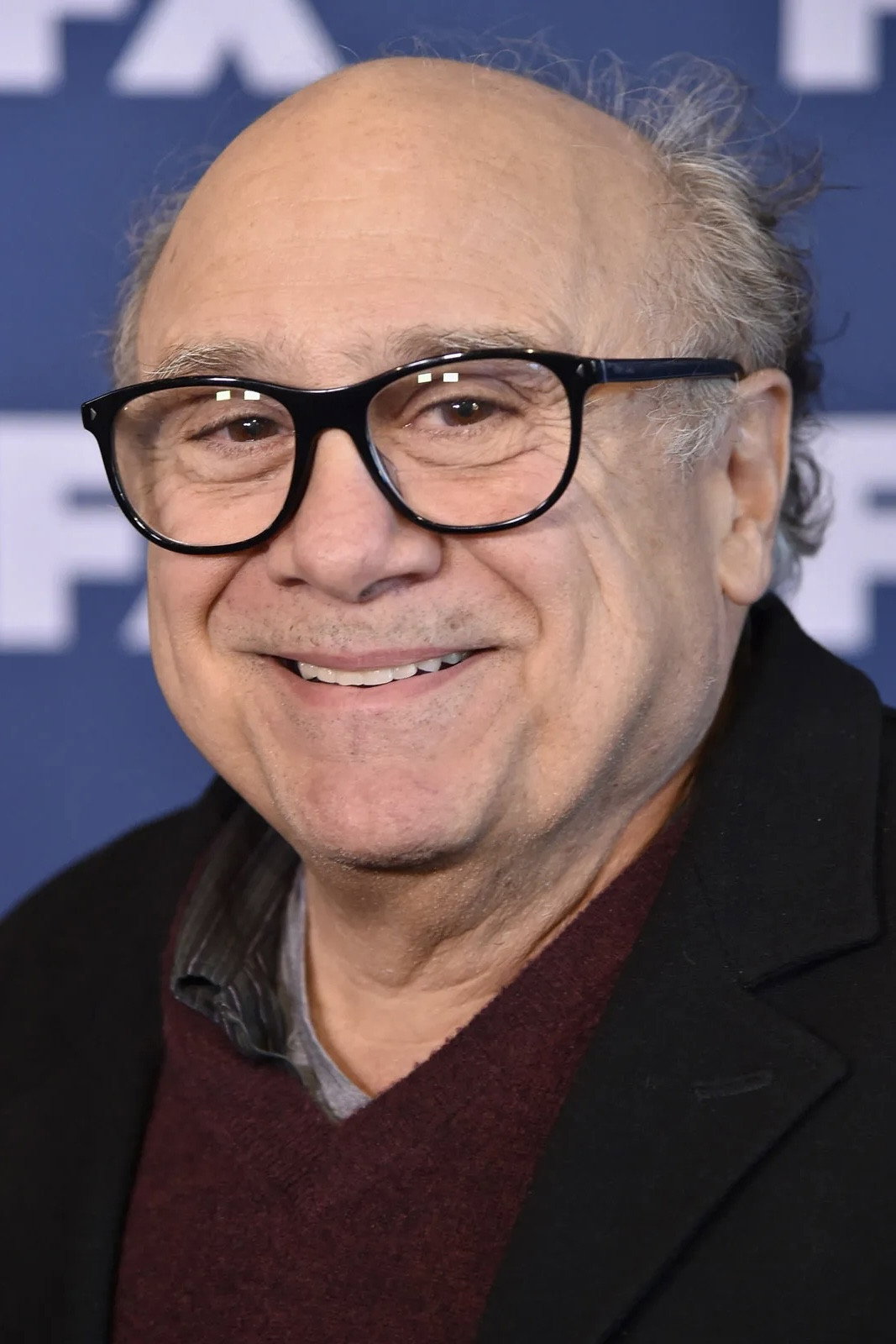
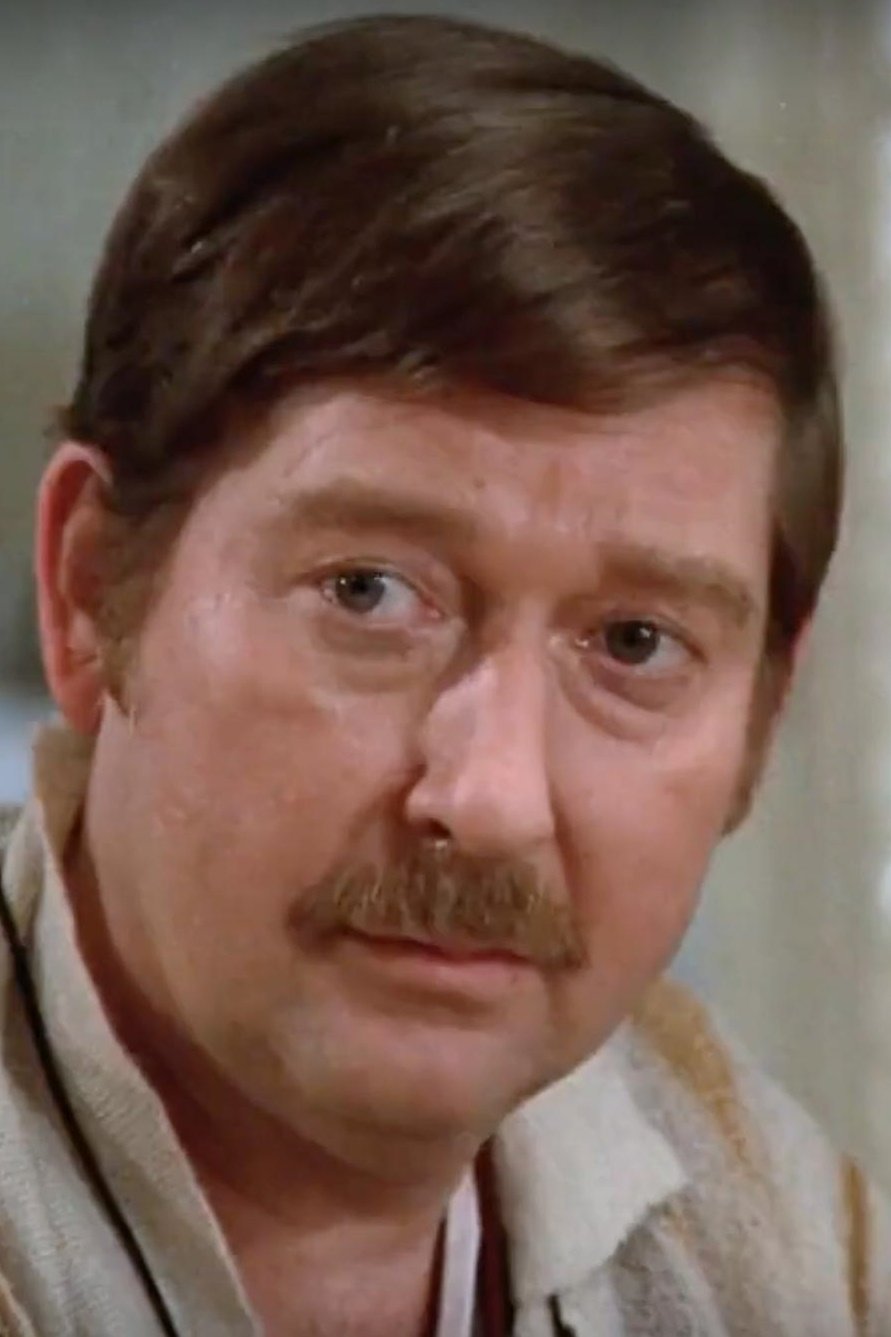
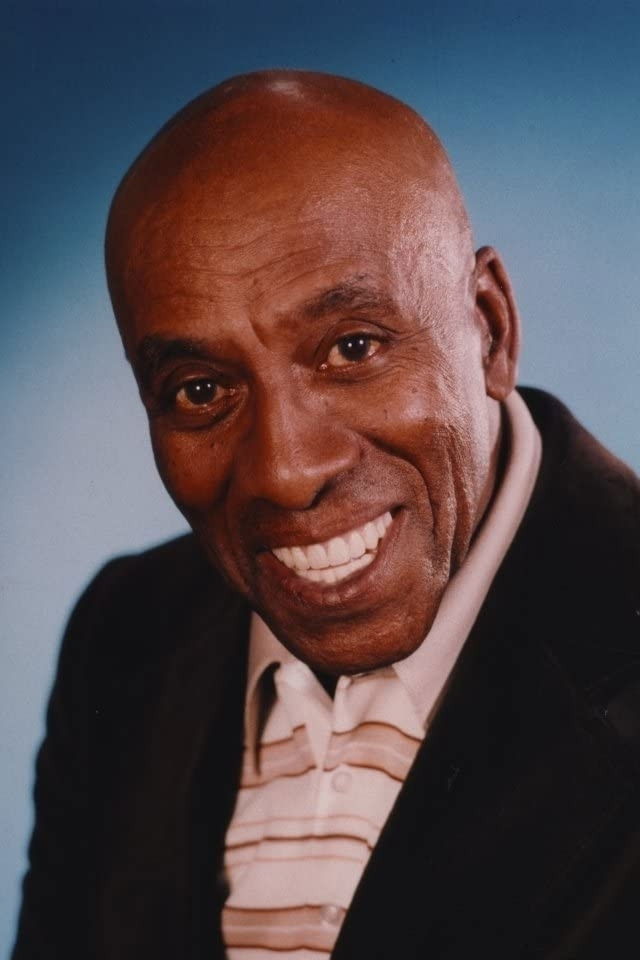
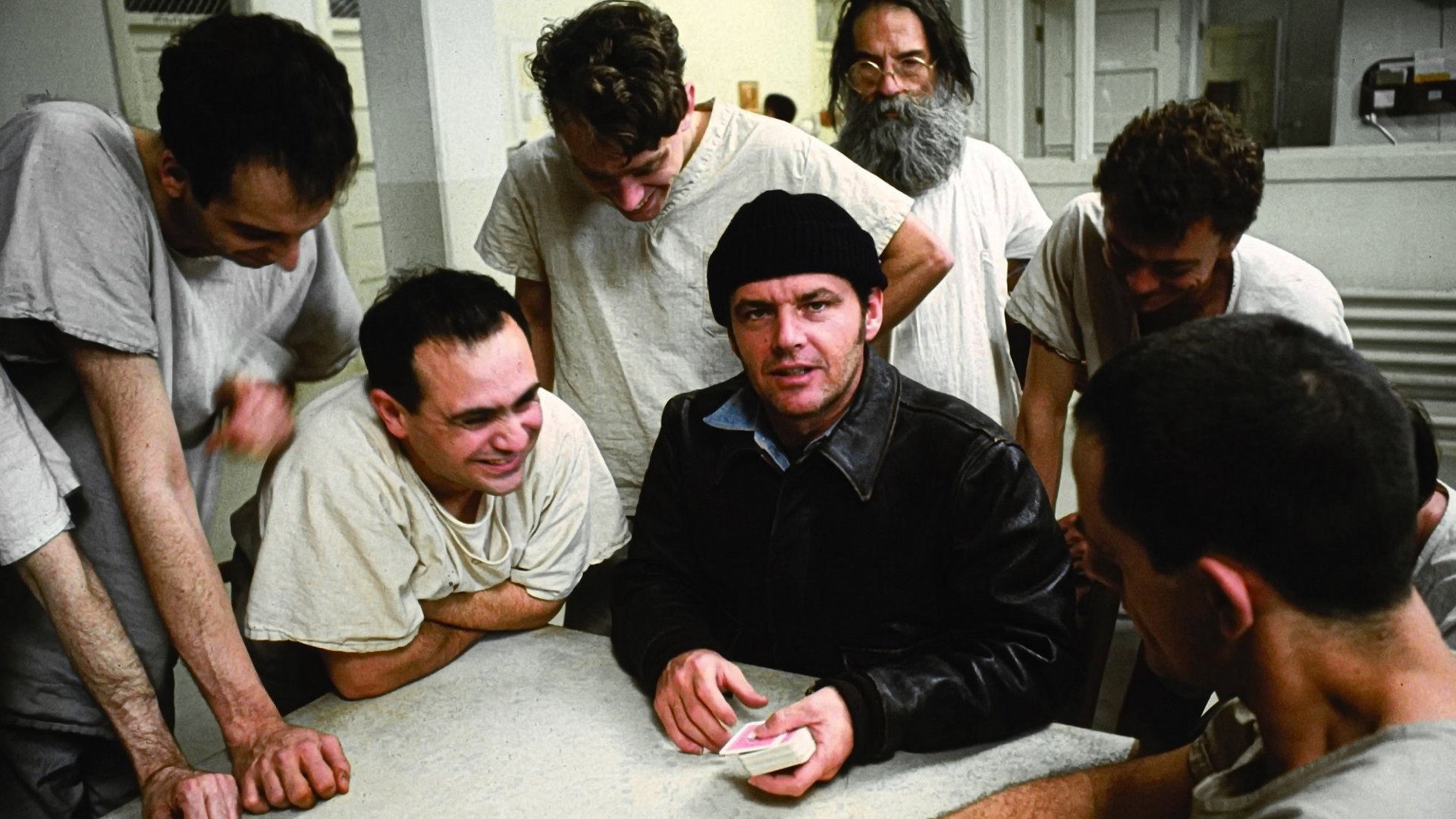
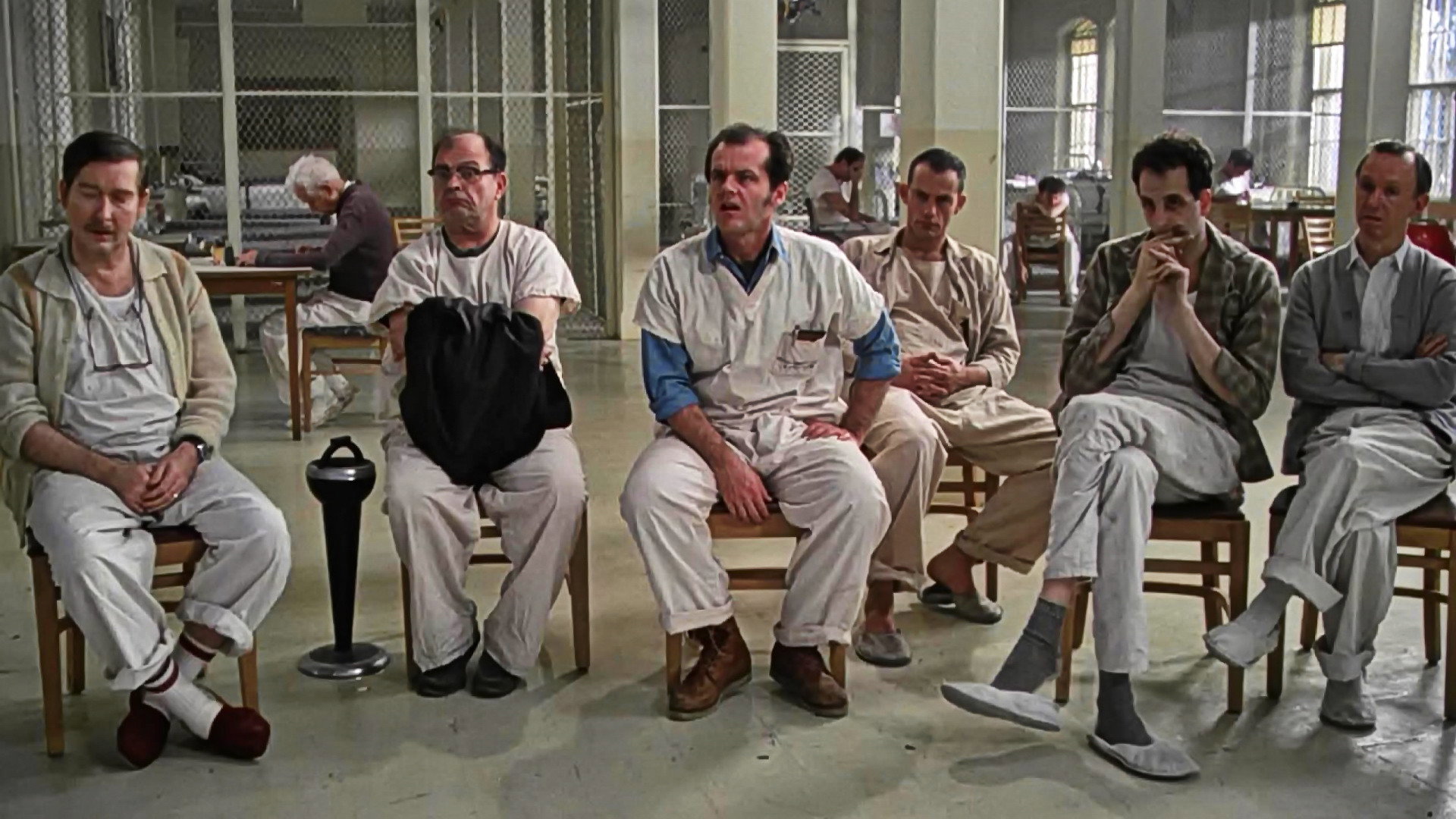
The supporting cast prevents the ward from becoming merely an audience for Nicholson. Brad Dourif makes Billy Bibbit’s vulnerability difficult to laugh off, even when the film encourages laughter. William Redfield’s Dale Harding brings a prickly intelligence to the group, and Will Sampson gives Chief Bromden weight without competing for attention. Forman’s strongest work lies in keeping these men worth watching when McMurphy commands our attention.
Haskell Wexler’s cinematography makes sharing space with the other patients feel inescapable. Paul Sylbert’s production design makes the ward’s cleanliness and order feel oppressive, a useful setting for a struggle over who gets to decide what is reasonable. Editors Lynzee Klingman and Sheldon Kahn allow the humour time to develop without making the men’s discomfort seem incidental. Jack Nitzsche’s score is unsettling enough to discourage a comfortable evening of cheering McMurphy on. Together, their work helps Forman keep an institutional drama close to the awkwardness of being among other people.
The reservation is substantial: the film is much more persuasive about bullying than it is about psychiatric care. It can make illness seem like a condition improved chiefly by the arrival of a sufficiently unruly man, which is a poor basis for understanding these patients. There is also something too convenient about putting a woman in charge of suppressing all this male energy. Fletcher gives Ratched enough conviction to complicate that view, but the script does not always make the same effort.
For a drama of institutional rebellion, it is unusually rewarding to watch the person enforcing the rules. We would still recommend it to anyone willing to question the hero they are enjoying. Give Fletcher as much attention as Nicholson, and do not take the film’s confidence about psychiatric care on trust.