Film review

Pain and Glory

2019 · Directed by Pedro Almodóvar · 1h 54m · MPA R

In a sentenceA director can lose the will to work without losing his eye for a good flat

Drama

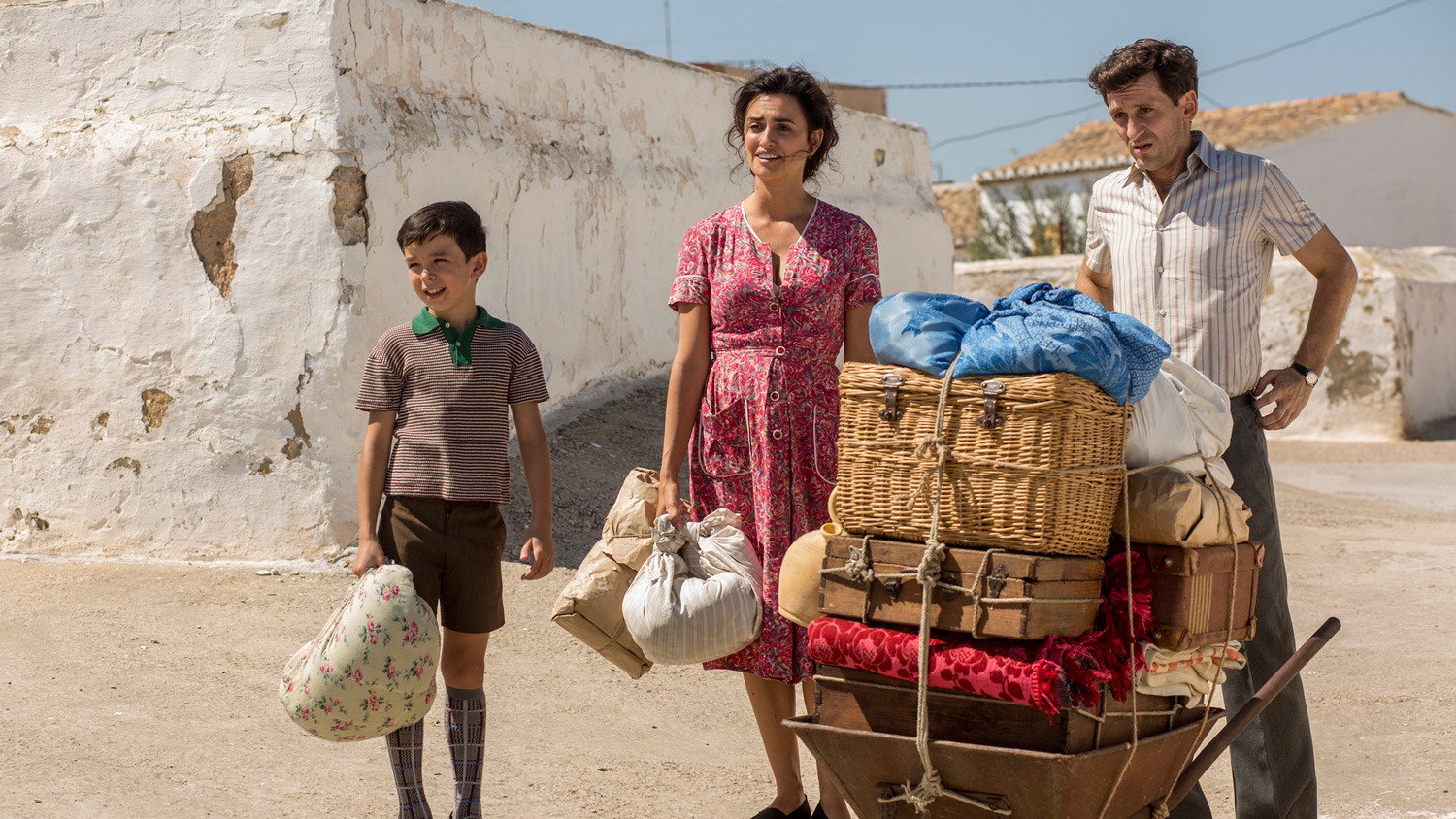
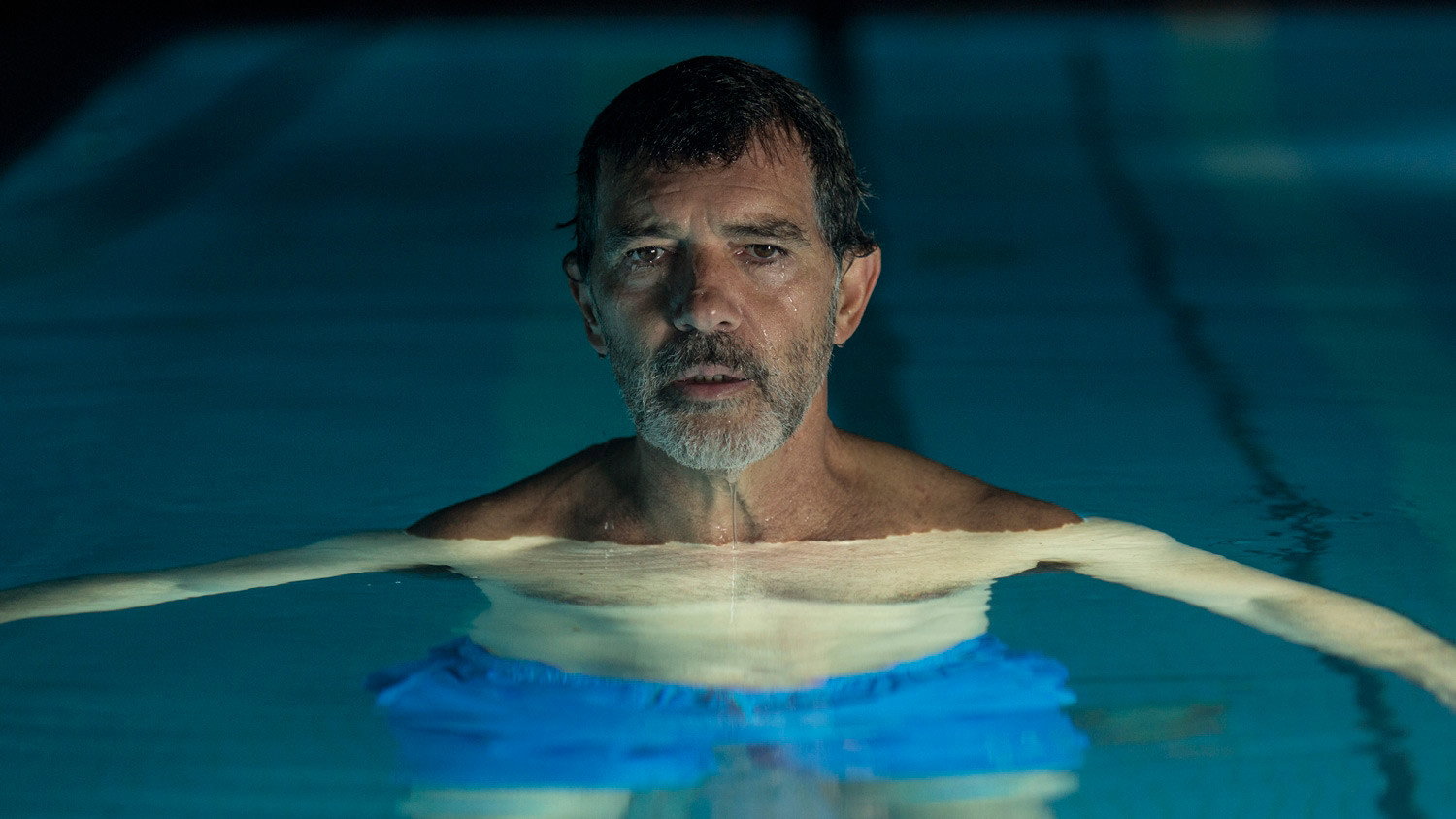
Salvador Mallo (Antonio Banderas) is an ageing director struggling with depression, physical ailments and a dwindling ability to work. He wants to make films again, but pain keeps returning his attention to his body while recollections draw him away from the present. The story moves between his adult life and the childhood of Young Salvador (Asier Flores), with Jacinta (Penélope Cruz) among the figures from his past. Memories of family and relationships become part of Salvador’s effort to understand how he has reached this point, and what remains of his desire to create.

Plays from YouTube when you press play; nothing loads from them until then.

Fi1m review

Pedro Almodóvar’s drama about an ailing filmmaker is patient, tender and worth the time, chiefly for Antonio Banderas’s restrained performance. The opening drifts, and the self-examination could be tougher, but its affection for people gets through.

Pain and Glory is a moving drama about an ageing director whose ill health has made work difficult and the past hard to leave alone. Pedro Almodóvar gives this material time, sometimes more than it needs, but Antonio Banderas makes the patience worthwhile. His Salvador Mallo is depressed, physically uncomfortable and uncertain what remains of his ability to make films. It could become an extended request for sympathy. The performance keeps Salvador interesting even when he seems reluctant to be interested in anything himself.

Antonio Banderas plays the exhaustion without making every moment a demonstration of it. We were moved by his quietness in the conversations about Salvador’s past, because he lets us see how much another person’s presence asks of him. There is enough pride in the performance to keep the character from becoming merely pitiable, and enough vulnerability to make that pride look hard to maintain. We keep watching his face even when the film gives him little outwardly to do.

Cinematographer José Luis Alcaine keeps the colours rich even while Salvador struggles with illness, giving us something beyond another image of a man in decline. Antxón Gómez’s production design includes a recreation of Pedro Almodóvar’s flat, and the carefully arranged surroundings make Salvador’s retreat look unusually inviting. The rooms can seem too comfortable for the distress he describes. That is a useful complication in a film which could otherwise treat its protagonist’s unhappiness as the only thing worth looking at.

Teresa Font’s editing makes the passages between recollection and the present easy to follow, without hurrying us through either. The difficulty is that the early stretches establish Salvador’s weariness more effectively than they give the film anywhere to go. Alberto Iglesias’s score suits the reflective mood, although we sometimes wanted less encouragement to linger over Salvador’s sadness. The episodes remain clear throughout, even when the film is slow to give us a reason to follow one with another.

Penélope Cruz brings welcome directness to Jacinta, and the childhood material gives the film people to think about beyond the adult Salvador. She helps these recollections feel populated by people with lives of their own, even though we are seeing them through his memory. Her performance has a welcome matter-of-fact quality; she does not seem to be waiting for Salvador to decide what her place in his life means. That gives these passages more energy than the stretches spent attending to his ailments.

Films about filmmakers can assume an interest in the profession that the rest of us may not share. This one gives us physical discomfort, remembered relationships and the difficulty of imagining useful work ahead, none of which requires a knowledge of its director’s life. We do wish the writing sometimes pushed harder against Salvador’s account of himself. The film is generous to him, and there are stretches where a little less solicitude would have made him more interesting.

At 114 minutes, it asks for an unhurried evening, and the slow beginning is a real caveat. We recommend it warmly for Antonio Banderas, whose restraint makes Salvador worth spending time with even when his thoughts keep returning to himself. Give it time, but do not expect Salvador to repay the attention with much bustle.
Critical consensus AI synthesised

83
Positive
16
Mixed
1
Negative
0

Most critics respond warmly to Pain and Glory, praising Almodóvar’s personal account of ageing, memory and the difficulty of making art when health falters. Antonio Banderas draws the strongest agreement: the reviews repeatedly single out his quiet, vulnerable performance as the ailing filmmaker, finding considerable feeling in his restraint. Praise also centres on the controlled use of colour, the movement between past and present, and the tenderness of the encounters with people from the director’s past.

The differences concern how involving this self-examination becomes, with responses ranging from deeply moved to distinctly reserved. The AV Club admires Banderas but finds the reckonings remote and unfocused, while The Telegraph considers the writing uneven, despite touching reunion scenes. The Hollywood Reporter is more resistant to the autobiographical approach, finding it self-regarding and chiefly rewarding for devotees. For most critics, however, the gentler storytelling makes the memories and reconciliations more affecting.

Time Out
7 May 2019 · ★★★★★ · Josep Lambies
100

The film is hailed as a gorgeous, humane journey into an ageing filmmaker’s soul and one of Almodóvar’s most autobiographical works. The critic singles out the poignant tapestry of recollections and Banderas’s haunted performance.

Read the full review →
Los Angeles Times
2 October 2019 · Kenneth Turan
90*

Almodóvar is at his best, forging dazzling new paths while remaining completely himself in a dramatic rather than melodramatic autobiographical work. It concerns the creative impulse and the power of the past to revive and enlighten the present.

Read the full review →
RogerEbert.com
3 October 2019 · festival review · Brian Tallerico
90*

The film is a deeply personal and very moving work anchored by Antonio Banderas's best performance. It explores how pain and life shape art through an aging director's memories and reunions.

Read the full review →
The Guardian
25 August 2019 · Peter Bradshaw
90*

The critic praises this deeply personal autofictional work as bittersweet perfection and richly satisfying, highlighting Antonio Banderas's career-best performance as the stand-in for the director in crisis.

Read the full review →
Film Comment
1 March 2019 · Manuel Yáñez Murillo
85*

The critic praises Almodóvar’s most cohesive and confessional film yet, a heart-rending meditation on memory, autofiction, and the director’s own life and ailments. Banderas delivers a nuanced performance as the surrogate filmmaker Salvador, with the film balancing personal warmth against historical and medical pain through restrained, fluid storytelling.

Read the full review →
The New Yorker
3 October 2019 · Anthony Lane
85*

Almodóvar has made one of his richest and most sombre films, gathering obsessions in an autumnal tale of ailments, memory and truthtelling. The film revives its protagonist through the act of describing his fading illusions and mortal health.

Read the full review →

Cast

Stills

Awards

International Submission to the Academy Awards, 2020

Nominated
International Submission to the Academy Awards

APRECI Award for Best International Premiere, 2019

Won
APRECI Award for Best International Premiere

European Film Award for Best Actor, 2019

Won
European Film Award for Best Actor

European Film Award for Best Director, 2019

Nominated
European Film Award for Best Director

European Film Award for Best Film, 2019

Nominated
European Film Award for Best Film

European Film Award for Best Production Designer, 2019

Won
European Film Award for Best Production Designer

European Film Award for Best Screenwriter, 2019

Nominated
European Film Award for Best Screenwriter

European Film Award – People's Choice Award for Best European Film, 2019

Nominated
European Film Award – People's Choice Award for Best European Film

If you liked this, try…

Wild Strawberries poster

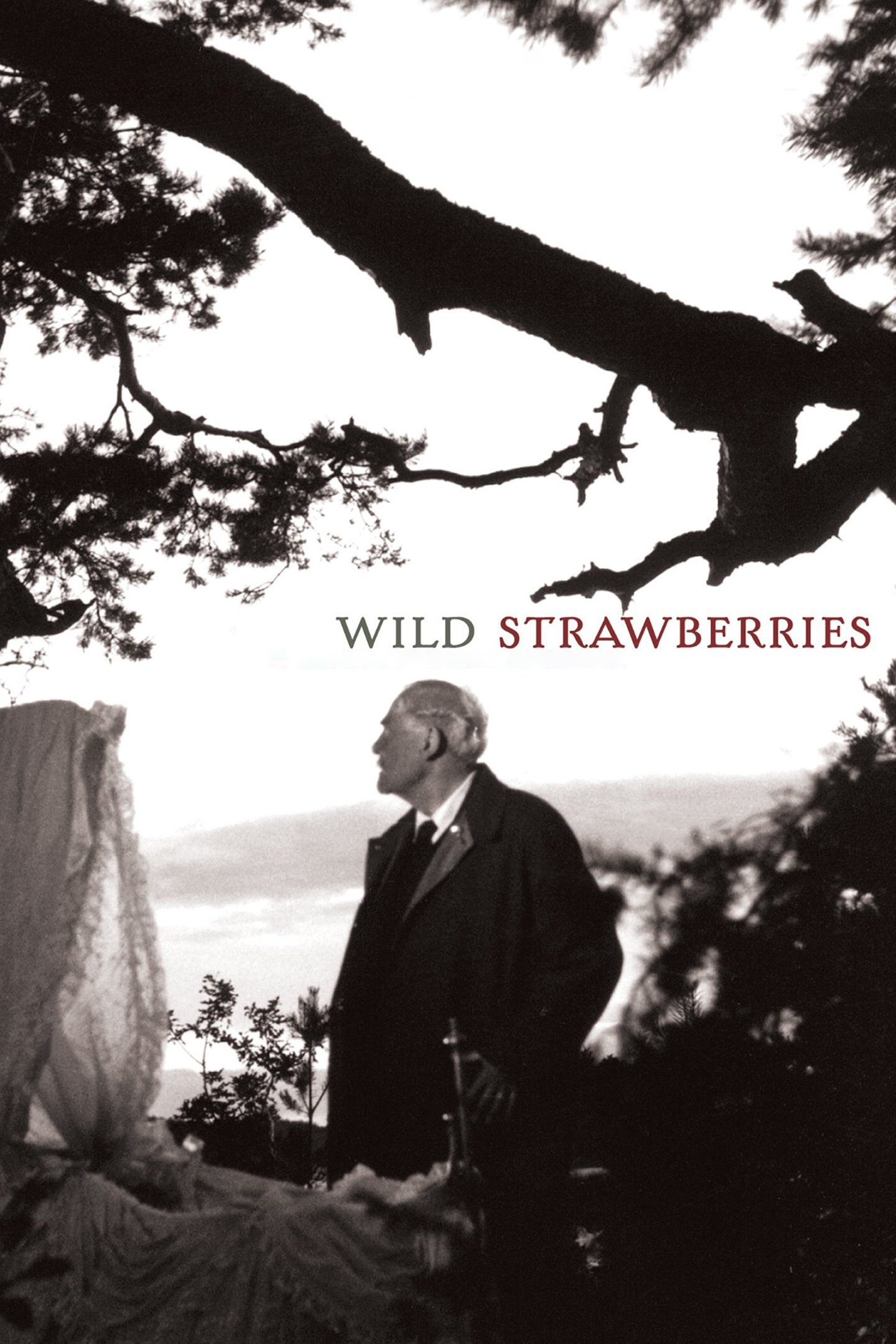
Wild Strawberries

1957 · An ageing man’s memories receive patient attention, with considerably less comfort along the way.

The Long Day Closes poster

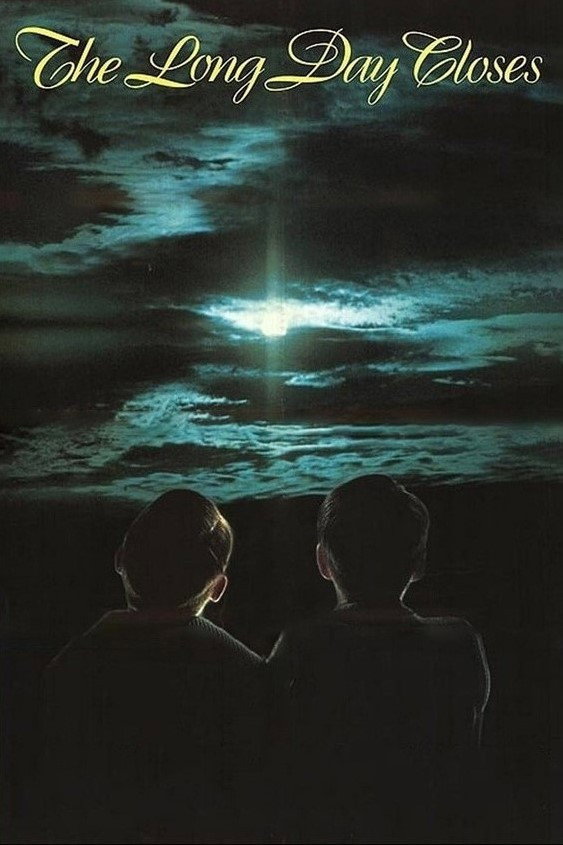
The Long Day Closes

1992 · Childhood remembered through rooms, faces and cinema, with feeling carried by the images.

After Life poster

After Life

1998 · Another gentle inquiry into which memories matter, and how films might preserve them.

The Souvenir poster

The Souvenir

2019 · A young filmmaker’s painful self-education, told with a similarly exact attention to surroundings.

8½ poster86

1963 · For another director in difficulty, though the memories arrive with rather more commotion.