Film review

Pretty Woman

1990 · Directed by Garry Marshall · 2h 00m · MPA R

In a sentenceJulia Roberts is such good company that even a millionaire seems worth talking to

RomanceComedy

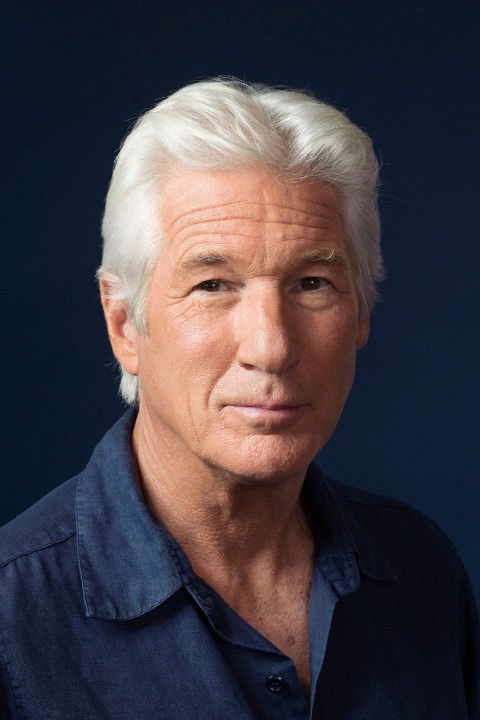
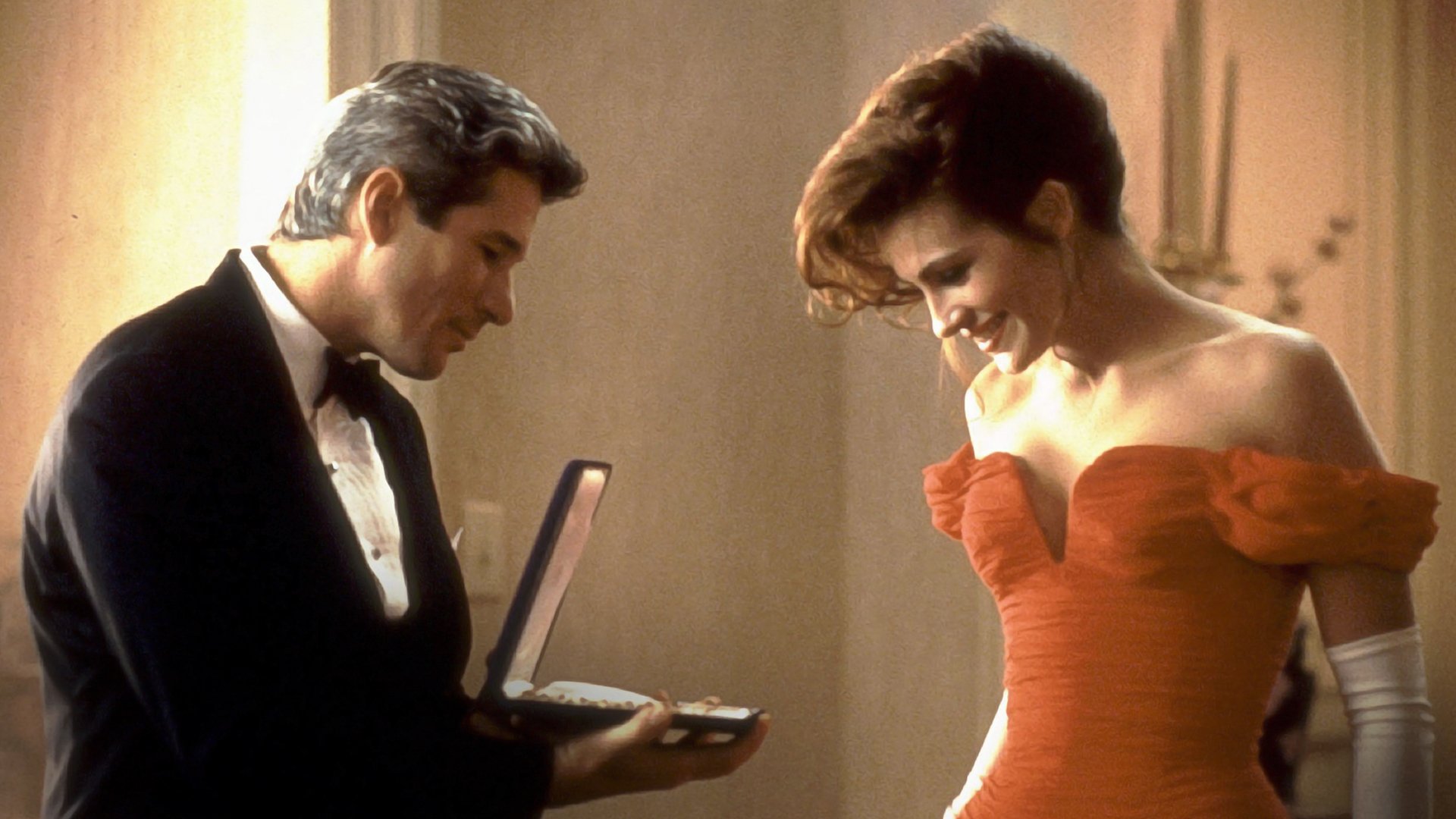
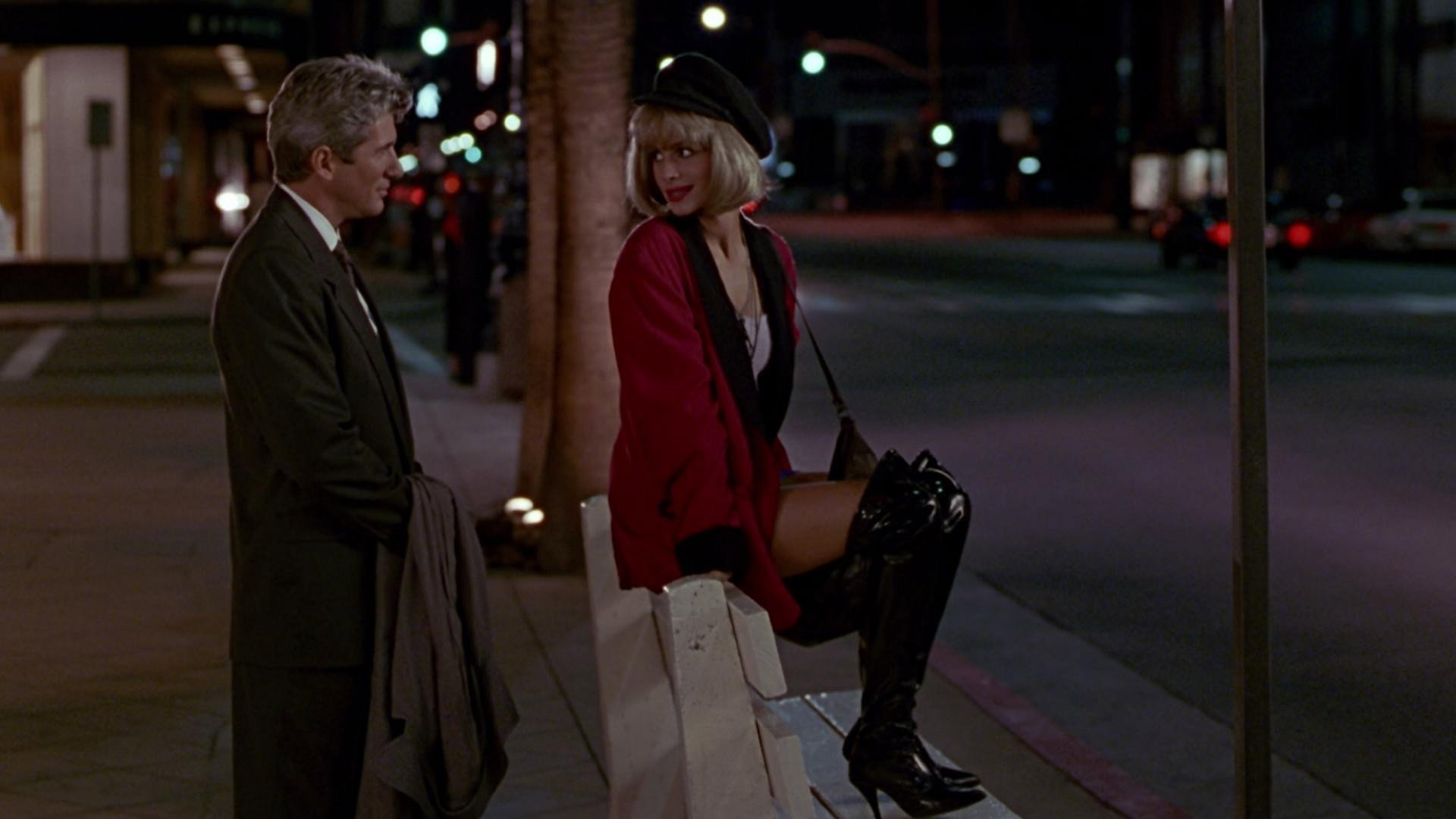
Edward Lewis (Richard Gere) is a corporate executive who hires sex worker Vivian Ward (Julia Roberts) to be his companion. Their arrangement brings two guarded people into close company, with money setting the terms and romantic feeling complicating them. As Vivian is expected to fit into Edward’s life, the pair must work out what they want from each other beyond a paid engagement. Garry Marshall directs this romantic comedy, with Laura San Giacomo as Kit De Luca, Jason Alexander as Philip Stuckey and Héctor Elizondo as the hotel manager.

Fi1m review

Garry Marshall’s warm, funny romance depends on Julia Roberts and Richard Gere, and they make its improbable courtship worth believing in. The film’s faith in wealth takes rather more tolerance.

Garry Marshall makes Pretty Woman work by giving Julia Roberts and Richard Gere time to become good company. It is an enjoyable romantic comedy with a persistent blind spot about what money can buy. Marshall understands how far an audience will follow two appealing performers, and generally gives them enough space to justify the journey. J.F. Lawton’s screenplay supplies a deliberately unlikely starting point: a corporate executive hires a sex worker as his companion, and their arrangement becomes complicated by affection.

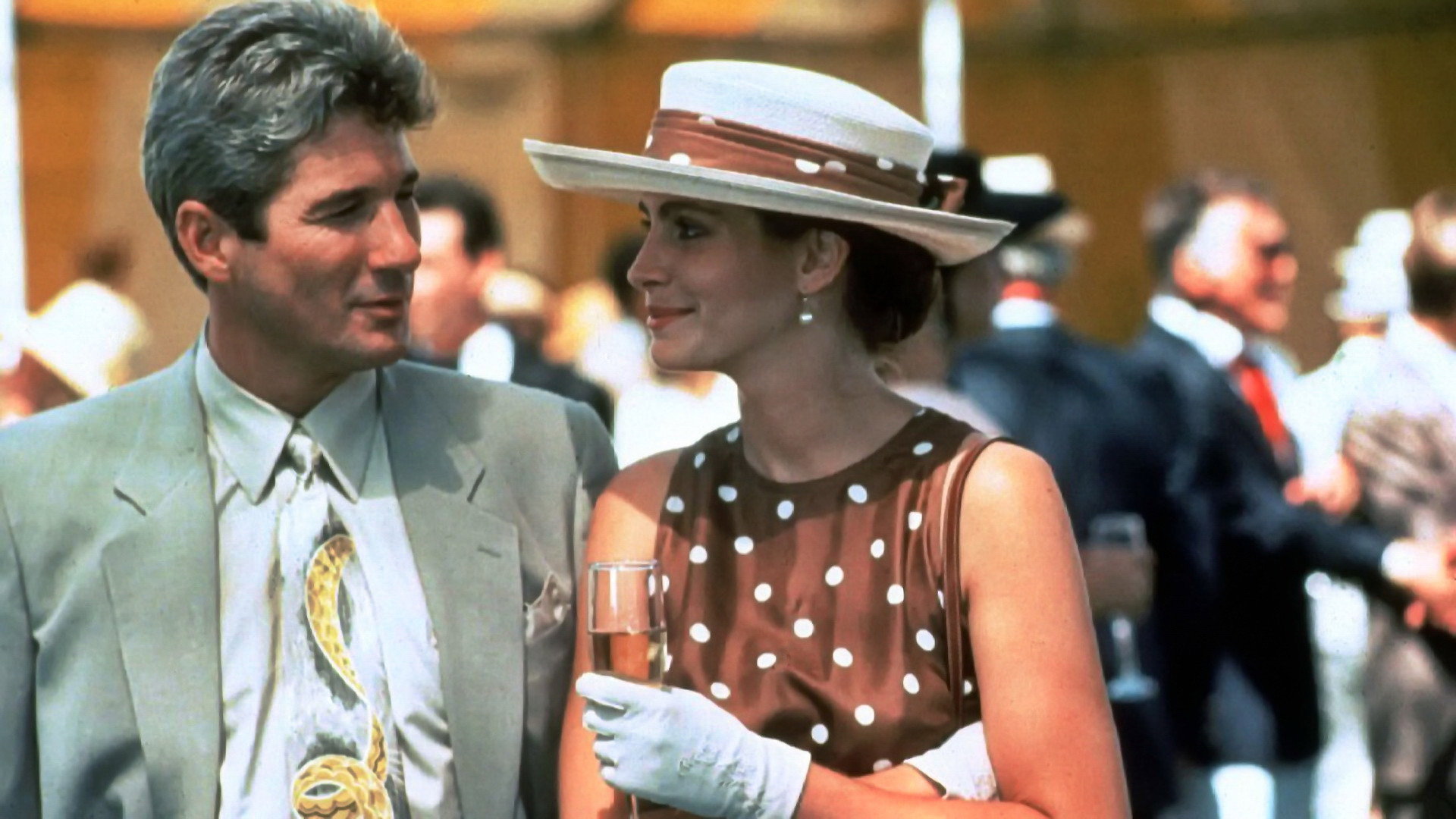
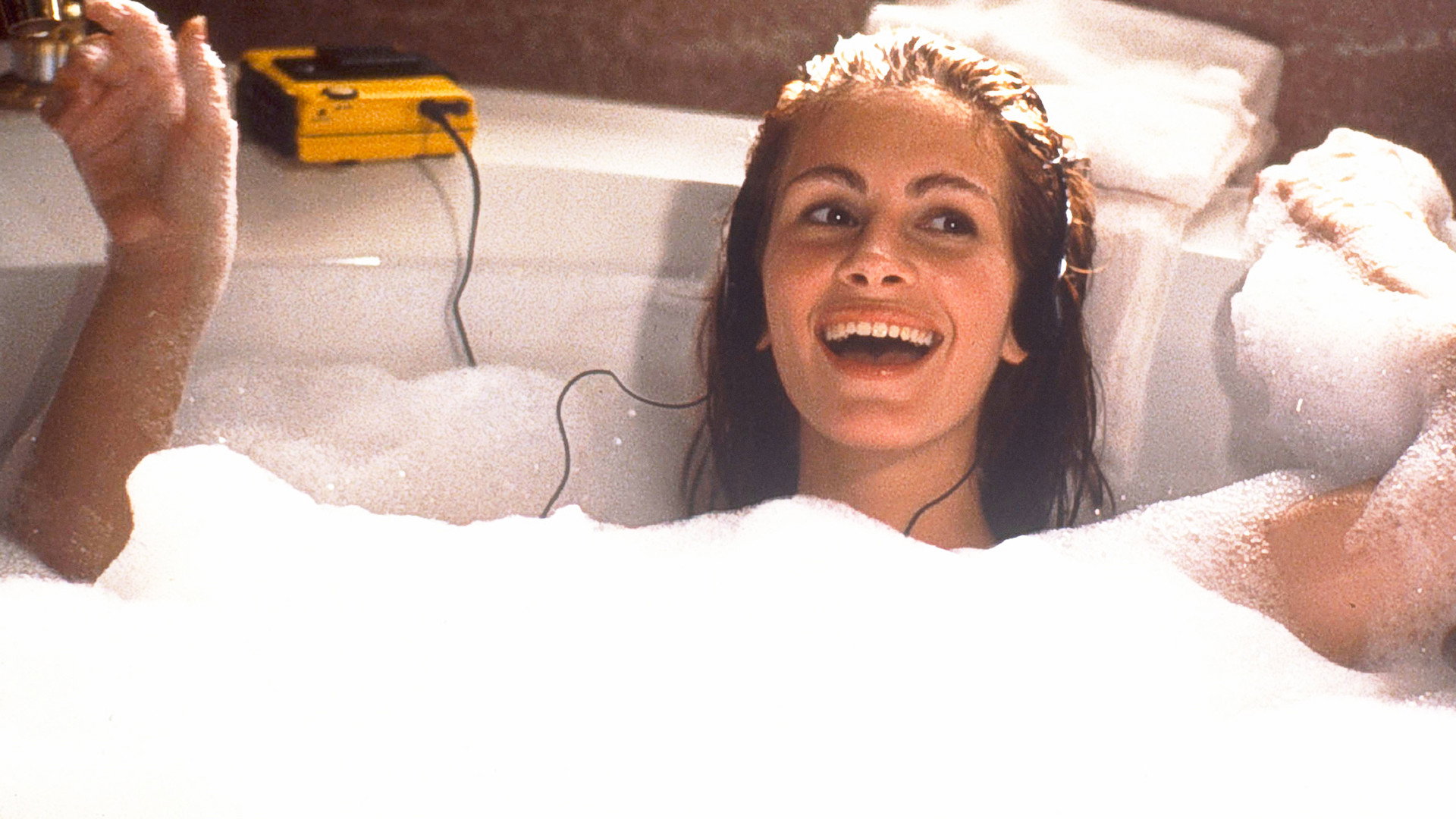
Roberts gives Vivian a comic directness that keeps the premise from becoming too solemn. There is pleasure in how little effort she appears to make; the humour feels like something this woman would produce naturally in conversation. The performance also prevents us from treating Vivian merely as someone waiting for a rich man’s attention. Roberts establishes her appeal early, which creates difficulties whenever the screenplay fusses about her suitability for Edward.

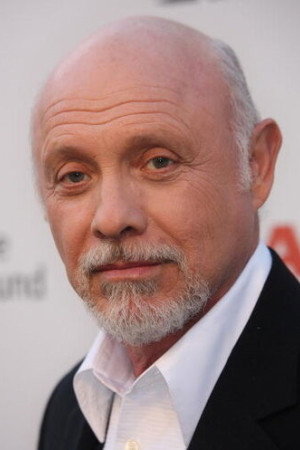
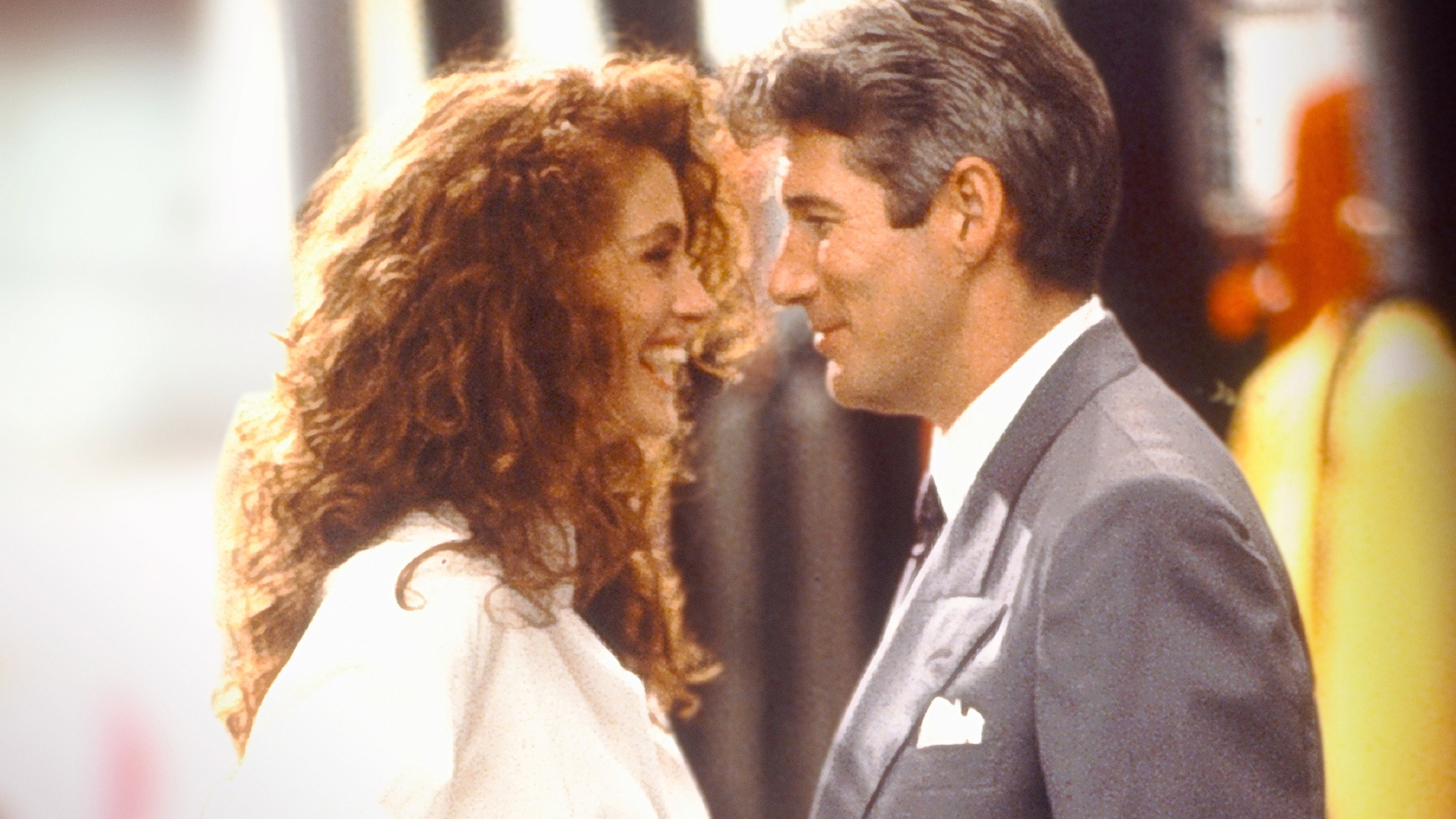
Gere’s restraint matters to the romance, even if Roberts gets more of the comedy. His guarded manner gives their growing ease together something to overcome, without making every exchange feel like a demonstration of hidden pain. We were surprised by how much that easing of reserve moved us; the pleasure these two take in each other’s company makes the unlikely arrangement worth following. Héctor Elizondo gives the hotel manager enough gravity for his comedy to register without competing with the leads.

Charles Minsky’s photography gives the fantasy a polished finish that suits Marshall’s preference for reassurance. Albert Brenner’s production design makes wealth look inviting, helping us understand the attraction of Edward’s comfortable life without much explanation. Both contributions work well for the romance, making its pleasures easy to accept. The difficulty is that the gloss also makes it easier to ignore how much power one person holds in this arrangement.

Editors Priscilla Nedd-Friendly and Raja Gosnell give the comic exchanges room to register, allowing the performers to establish a rhythm together. That patience is useful when attraction needs to become believable, although the film sometimes seems reluctant to move on from a pleasant moment. At 120 minutes, it could lose a little of that lingering without damaging the courtship. James Newton Howard’s music supports the tenderness effectively, but occasionally presses a feeling the actors have already made clear.

Lawton’s script is less sure-footed when it asks us to accept the terms of the fantasy. The prospect that Vivian might become acceptable to Edward’s world carries an unpleasant suggestion that she needs improving before she merits care. Roberts makes that suggestion particularly hard to swallow, having already given us someone whose company is enough. The film treats access to wealth as so desirable that the question of what Vivian might have to surrender receives too little attention.

Romantic comedy is allowed to make unlikely promises, and demanding a social inquiry here would miss much of the pleasure. The familiar fairy-tale framework gives Marshall a way to concentrate on affection and comic encounters, which are his strengths here. We would still have welcomed more curiosity about the unequal bargain beneath the courtship, especially from a screenplay so dependent on it. Choose it for the actors, provided a romance this impressed by a millionaire will not spoil the evening.

Critical consensus AI synthesised

72
Positive
8
Mixed
0
Negative
1

Most critics receive Pretty Woman warmly as a glossy romantic fable, with Julia Roberts providing the clearest point of agreement. The praise centres on her humour and natural presence, alongside the chemistry with Richard Gere that makes the unlikely romance persuasive. Several reviews also credit the supporting cast and comic encounters with giving the fairy-tale plot enough character and warmth to work as escapism.

The reservations concern the familiar formula, materialism and treatment of women, though most critics see these as flaws they can forgive. The New York Times acknowledges underlying misogyny but finds Roberts makes the film difficult to resist. The Los Angeles Times is the sharp dissenter, finding Garry Marshall’s direction broad and the leads emotionally unresponsive. The spread is therefore wide, but the disagreement is concentrated: most reviews accept the fantasy, while the strongest objection challenges the performances that others find so winning.

RogerEbert.com
23 March 1990 · ★★★½/4 · Roger Ebert
88

The critic praises the film as a surprisingly innocent and sweet romantic fable, highlighting the believable chemistry and performances of Richard Gere and Julia Roberts as two guarded characters who fall in love.

Read the full review →
Radio Times
★★★★ · Joanna Berry
80

The critic calls it a delightful romantic comedy that makes the hooker-meets-millionaire tale completely plausible, aided by Marshall's glossy direction and strong supporting performances.

Read the full review →
The New York Times
23 March 1990 · Janet Maslin
80*

The critic finds the romantic comedy special and giddy escapism despite its materialistic 80s outlook and underlying misogyny, singling out Julia Roberts' enchanting, funny, and natural performance as the element that makes it hard to hold anything against the movie.

Read the full review →
Time Out
9 February 2010 · ★★★★ · Anna Smith
80

The critic praises the slick comedy and great chemistry between Gere and Roberts that still holds up, noting it is a thoroughly enjoyable, character-driven romance.

Read the full review →
Variety
22 March 1990 · Variety Staff
75*

The critic calls it a crowd-pleasing romantic comedy with a starmaking turn by Julia Roberts that overcomes obvious flaws to hit emotional targets and shape up as a monster hit, noting the formula screenplay's debt to fairy tales and strong supporting cast.

Read the full review →
Empire
1 January 2000 · Toby Rose
70*

The critic calls it a modern My Fair Lady with Gere and Roberts as a corporate raider and hooker whose chemistry drives the lightweight fable. It lacks deep social comment but succeeds through style, sex and box-office appeal.

Read the full review →

Cast

Stills

Awards

Academy Awards, 1991

Nominated
Best Actress

If you liked this, try…

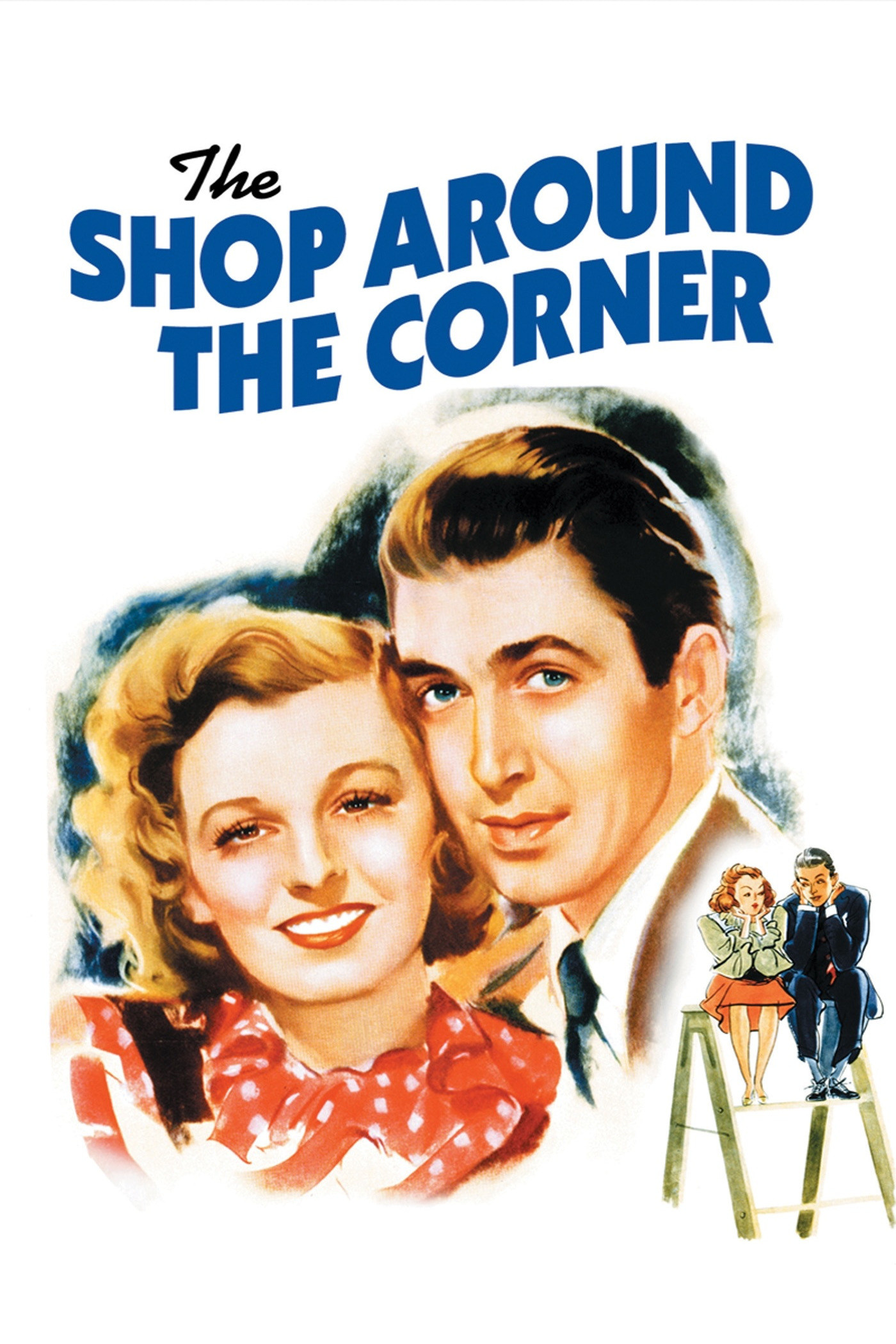
The Shop Around the Corner poster

The Shop Around the Corner

1940 · Two prickly people discover affection, with comedy that lets both keep their dignity.

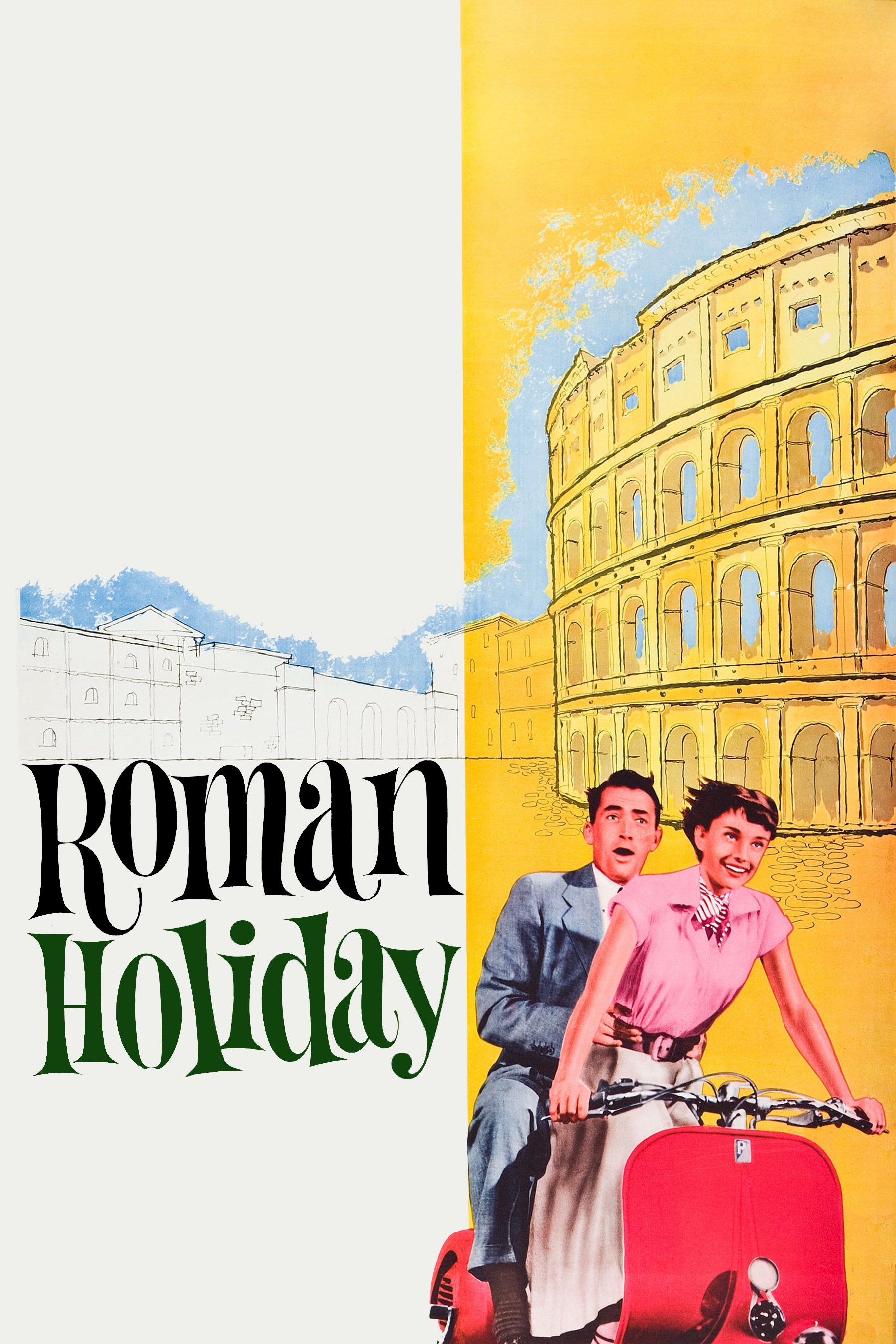
Roman Holiday poster

Roman Holiday

1953 · Another romance across unequal circumstances, carried by performers who make the contrivance matter.

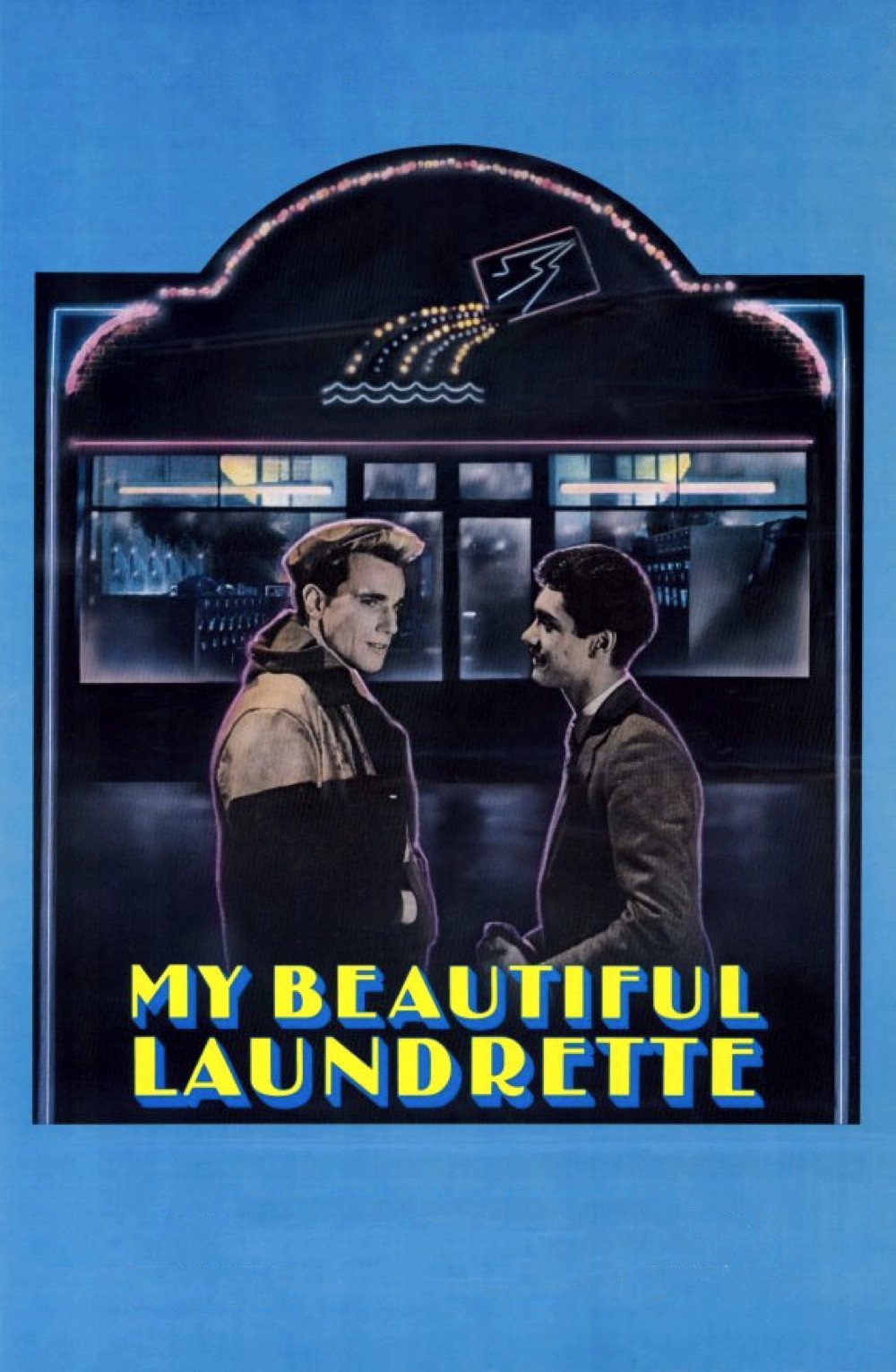
My Beautiful Laundrette poster

My Beautiful Laundrette

1985 · Love and money collide again, with sharper questions about who gets ahead.

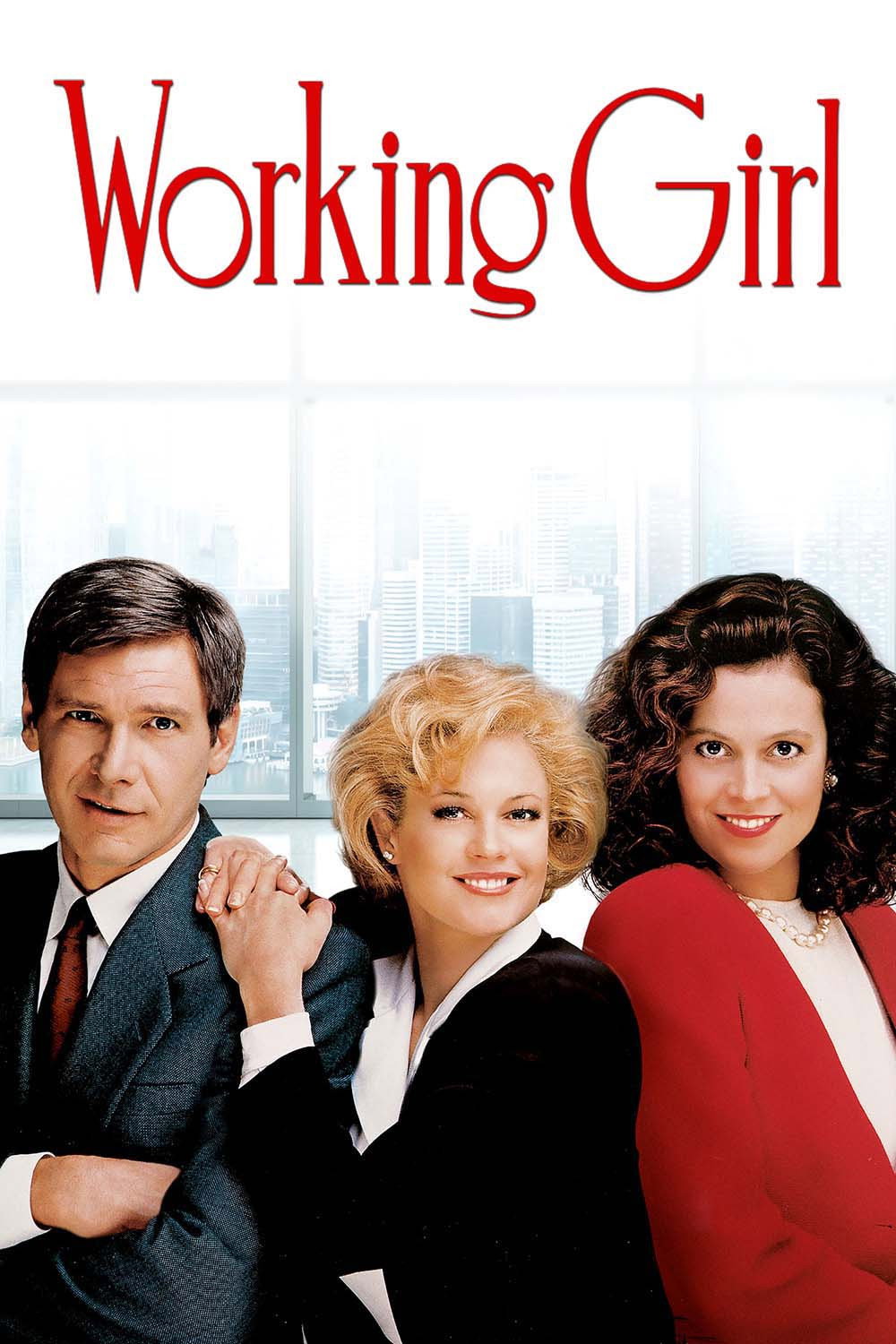
Working Girl poster

Working Girl

1988 · Workplace ambition and romance, with a more sceptical eye on getting accepted.

The Lunchbox poster

The Lunchbox

2013 · For the pleasure of watching guarded adults slowly make room for someone else.