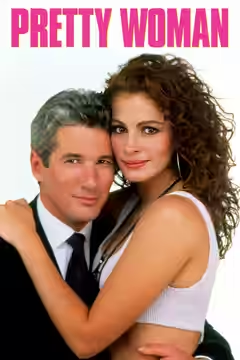
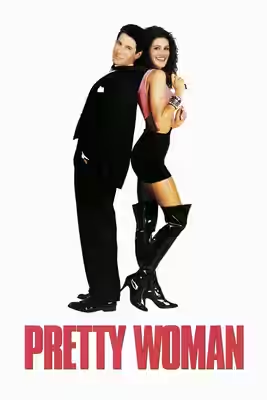
Julia Roberts makes Pretty Woman funny and affecting, with Richard Gere giving her room to work. We recommend it as romantic escapism, provided its faith in wealth does not spoil the pleasure.
Garry Marshall’s Pretty Woman is a good romantic comedy with a forgiving view of what money can buy. We recommend it for Julia Roberts and Richard Gere, whose attraction makes the arrangement between a sex worker and a wealthy executive feel less calculated than it sounds. Marshall keeps the comedy light enough for affection to develop, without apologising for wanting to please. The difficulty comes when J.F. Lawton’s screenplay asks us to accept expensive company as evidence of a better life.
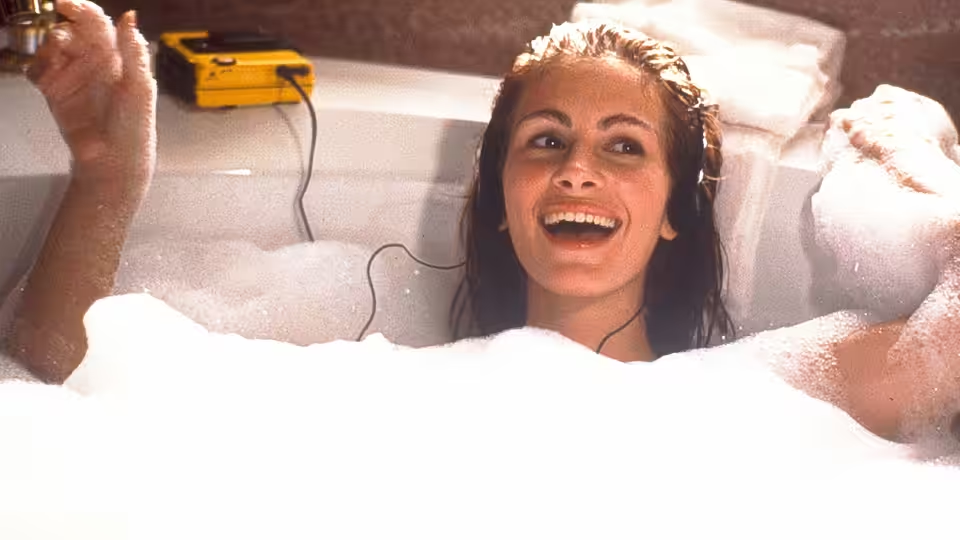
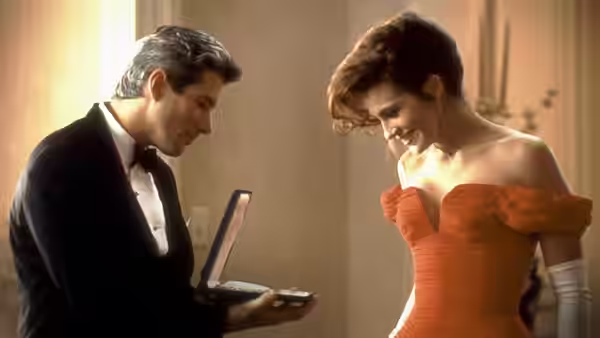
Roberts gives Vivian enough humour and self-possession to resist becoming somebody else’s improvement scheme. We laughed at the way Roberts lets Vivian’s physical unease outlast the change in her clothes. Smarter clothes do not make her suddenly look at ease, and Roberts makes that discomfort funny without surrendering the character’s dignity. Her warmth matters, but so does her stubbornness; the performance keeps suggesting a woman who existed before Edward started paying attention.
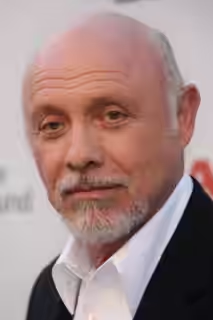
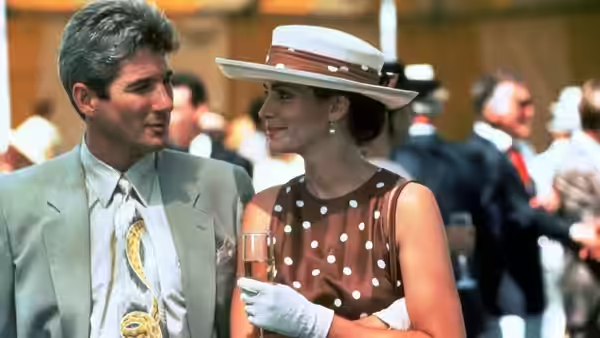
Gere helps by leaving her space, playing Edward with a reserve that gives Roberts’s liveliness something to push against. The attraction works because neither actor seems determined to win every exchange, and Gere’s quieter presence stops the pairing becoming exhausting. Héctor Elizondo brings a welcome kindness to the hotel manager, while Laura San Giacomo gives Kit De Luca enough bite to keep the supporting company from seeming uniformly agreeable. Edward remains the less interesting person, but Gere makes his company pleasant enough for the romance to proceed.
Charles Minsky’s photography flatters the couple and their expensive surroundings, keeping the fantasy inviting. Albert Brenner’s production design gives Edward’s money a visible appeal; we understand why entering his life might be tempting before anyone makes a case for it. Marilyn Vance’s costumes make the proposed change in Vivian’s social position easy to read. All three serve Marshall’s fairy tale efficiently, though the gloss also makes its assumptions about wealth difficult to ignore.
Editors Priscilla Nedd-Friendly and Raja Gosnell allow the performances enough breathing space for the attraction to register, even when the story offers few surprises. At 120 minutes, however, the film spends longer on its fantasy of sophistication than that fantasy quite deserves. James Newton Howard’s music supports the tender mood without adding much complication, while the song-filled soundtrack is eager to keep things cheerful. The musical insistence becomes a small nuisance when the actors have already made the feeling clear.
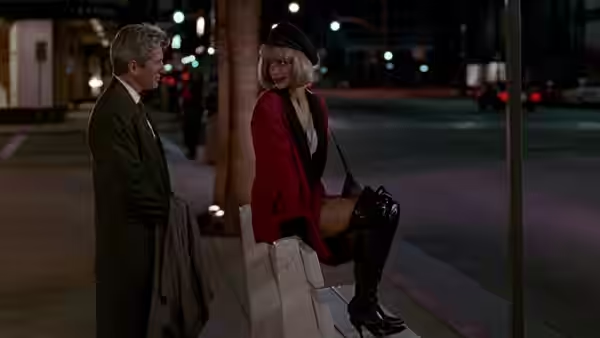
Lawton gives the leads conversational friction, but is much less curious about the imbalance built into their agreement. Vivian’s work is treated chiefly as something a generous man might help her escape, and the film spends little time asking what generosity means when he controls the money. Roberts provides a sense of independence that the story too readily takes for granted. We can enjoy this as wish fulfilment while still wishing it gave her more scope beyond becoming desirable company for Edward.
Romantic comedies are allowed unlikely premises; the test is whether the people make their time together feel worthwhile. Marshall passes that test, helped enormously by two leads who suggest pleasure in each other’s company without turning every exchange into a declaration. His lighter passages know when to let the actors be charming without demanding much else from them. Choose it for Roberts; do not expect it to settle an argument about money and romance.