Funny and perceptive about friendship, Ralph Breaks the Internet keeps interrupting its strongest scenes to point at familiar brands. The voices deserve an evening; the wandering story makes that a qualified recommendation.
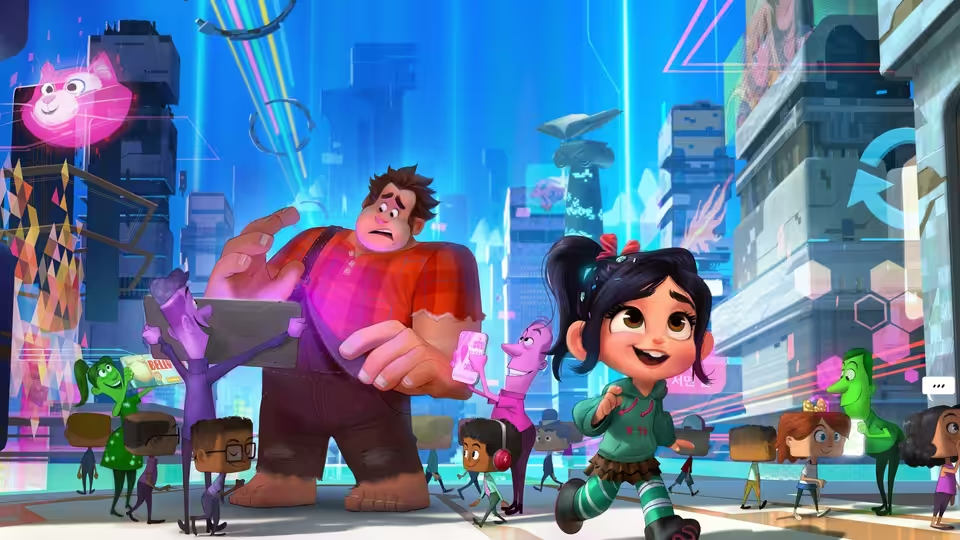
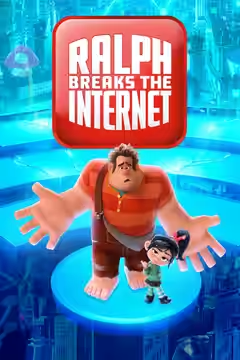
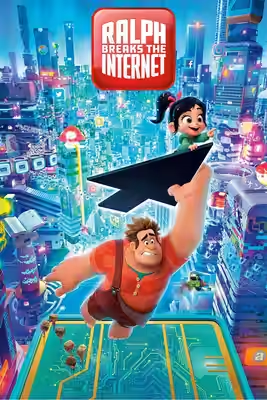
Ralph Breaks the Internet is a likeable, overfilled sequel with an unusually sensible concern: how friendship suffers when one friend needs too much reassurance. Directors Rich Moore and Phil Johnston give that concern room among the jokes, though they also keep finding reasons to leave it behind. The internet setting offers plenty to look at and rather too much to recognise. There is a worthwhile family film here, provided familiar logos do not make the evening feel like an extended advertisement.
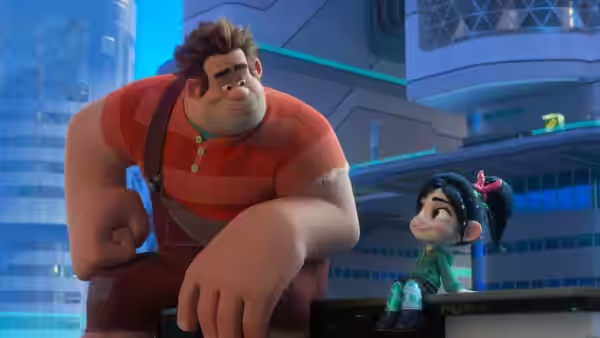
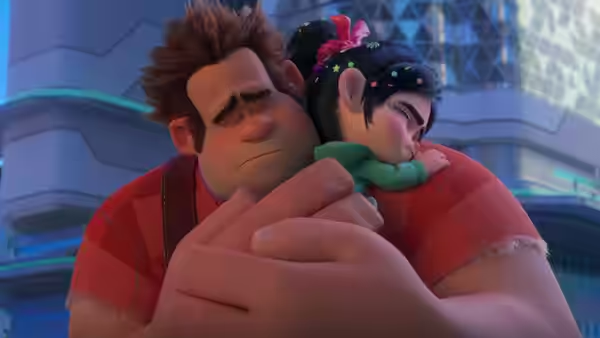
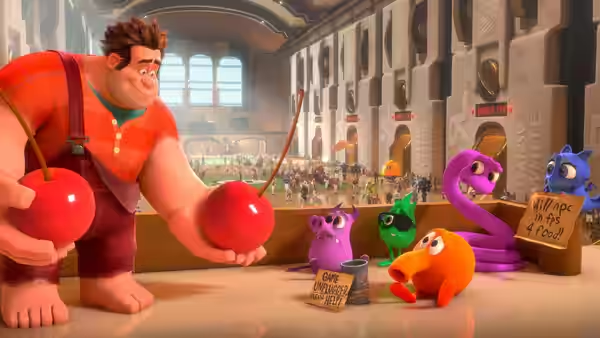
John C. Reilly makes Ralph’s insecurity audible without reducing him to a complaint. His warmth matters, because a character who needs constant reassurance can become exhausting company. Sarah Silverman’s Vanellope has enough energy and independence to make the strain between them credible. We were more touched than we expected by Ralph’s unease at their changing friendship. We can hear the worry beneath his demands, and the writing takes that worry seriously without treating it as an excuse.
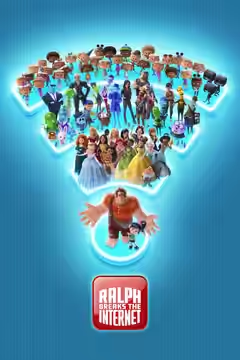
The princess gathering is the comic highlight. Screenwriters Pamela Ribon and Phil Johnston find a useful joke in having these familiar women take stock of their extraordinary experiences, and the sequence has the briskness that other stretches need. We laughed at their matter-of-fact treatment of stories usually presented with such ceremony. The affection is obvious, but it does not prevent the jokes from landing. As family animation goes, this is a welcome willingness to tease familiar characters rather than simply expect applause for their arrival.
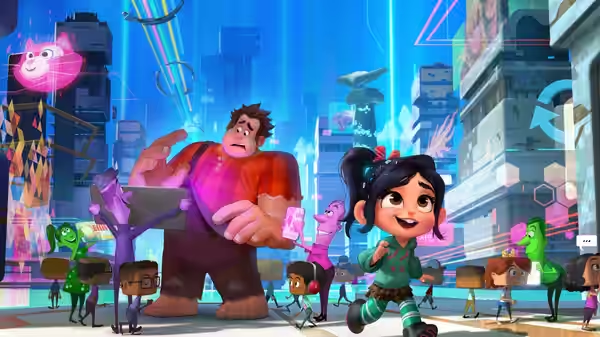
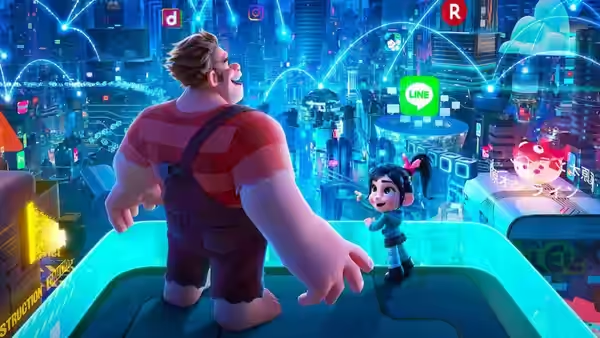
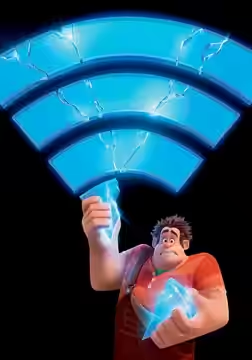
Production designers Cory Loftis and Mingjue Helen Chen give the online world enough visual detail to sustain a second look. Nathan Warner’s cinematography helps keep that crowded setting readable, an important achievement in a film so eager to display its surroundings. The trouble is how frequently recognising a brand becomes the whole point of looking. There is ingenuity in making the internet visible, but the repeated corporate introductions soon make its size feel less exciting.
Editors Fabienne Rawley and Jeremy Milton give the individual comic passages a useful snap, yet the journey between them is much less assured. At 112 minutes, the film has time to repeat itself, and uses it. The long final stretch compounds a problem already evident in the wandering set-up: too many diversions delay the central pair. Henry Jackman’s score adds to the eagerness to entertain. Its encouragement can feel unnecessary when the voices have already made the feeling clear.
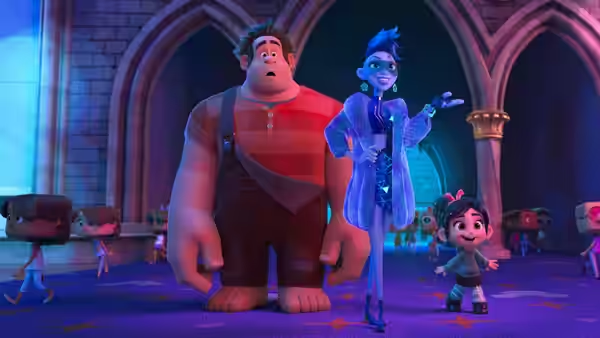
Gal Gadot as Shank and Taraji P. Henson as Yesss enlarge the vocal company without displacing the leads as the reason to care. The supporting characters are thin, and adding another distinctive voice cannot give each one a life of their own. The barbs about cruel comments and online vanity show the film can notice something unpleasant about its playground. That makes its readiness to keep promoting the companies involved more irritating.
For all the clutter, the friendship is handled with more care than this kind of sequel always provides. Ralph’s neediness is allowed to be uncomfortable, which gives parents and children something worth discussing beyond the references. We would have preferred fewer diversions and more time with the pair. Choose it for those voices and the princesses, and allow for a substantial amount of advertising between the good bits.