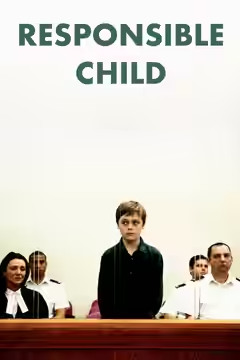
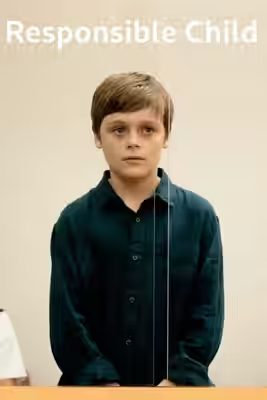
Billy Barratt gives Responsible Child its force, but the legal drama is thinner than the subject deserves. Nick Holt’s film is worth considering for its performances, with patience required for the fractured storytelling.
Responsible Child is a troubling drama with a stronger central performance than screenplay. Nick Holt directs a story about a child facing adult judgement, while Sean Buckley asks how criminal responsibility should be understood when the person being judged is still growing up. The subject warrants care, and the film has enough of it to deserve attention. It makes Ray’s situation distressing without examining the law as closely as it should.
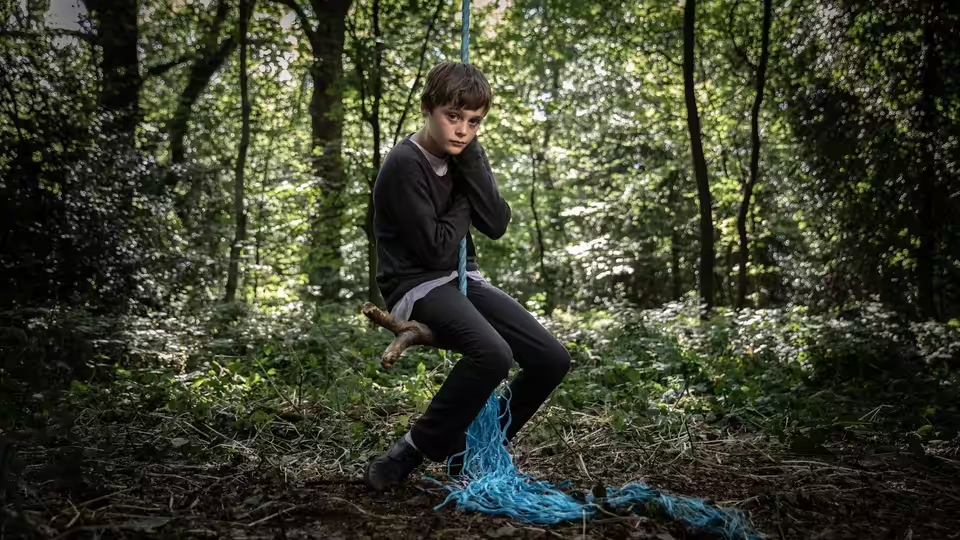
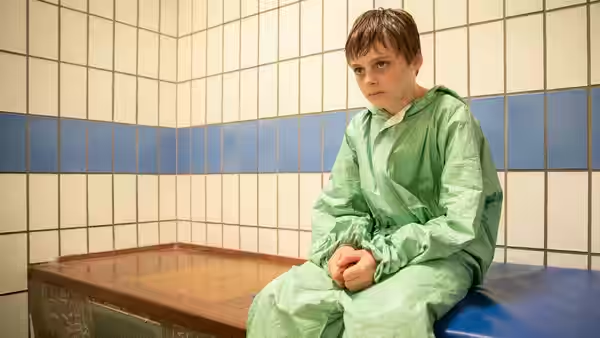
Billy Barratt gives Ray the film’s most persuasive claim on our attention. We found his predicament distressing because the performance makes it hard to lose sight of the child inside the legal proceedings. There is a danger that such a role becomes an illustration of the writer’s position, with every moment pointing towards the same conclusion. He gives us enough of a person to resist that, even when the surrounding drama is less patient.
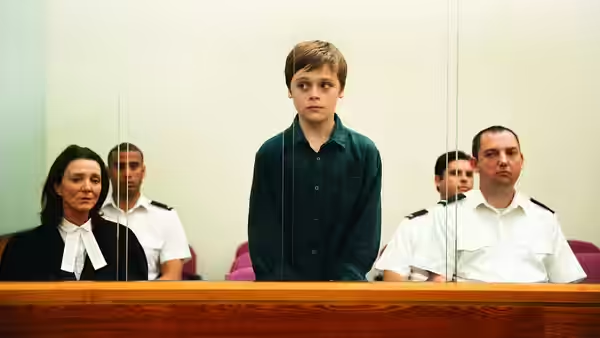
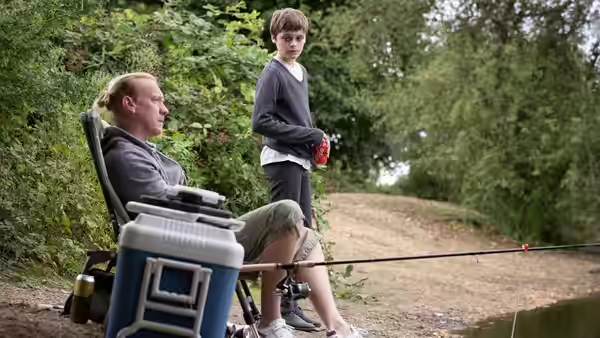
The fractured chronology is a less successful choice. Matthew Gray’s editing moves between timelines, asking us to consider the family circumstances alongside the legal process, but the changes interrupt our involvement more often than they deepen it. The court scenes in the first hour need greater development if they are to do more than raise the central question again. At 87 minutes, the film has little spare room, and the division of attention makes material that deserves scrutiny feel hurried.
Debbie Honeywood, as Ray’s mother Veronica, is the other reason to keep watching. Her performance gives the family distress a weight that the legal scenes do not consistently achieve. It also makes the thinness elsewhere more noticeable: we begin to want the same attention paid to the people through whom the law operates. That need not mean excusing them, or pretending that every position deserves equal sympathy. It would mean giving their decisions enough detail to make us think harder.
Nick Cooke’s cinematography and Tom Bowyer’s production design make less of an impression than the casting. Our attention stays with the performers, and neither the images nor the surroundings compensate for the court material’s lack of development. Adrian Johnston’s music is similarly less important to the film’s force than what Billy Barratt and Debbie Honeywood supply themselves. The drama is affecting, but greater feeling cannot fill in the parts of the hearing that the script has not sufficiently explored.
As a drama about social injustice, the film does not need to offer a neutral account of every possible view. It does need to make its preferred position withstand some pressure, and Sean Buckley is too ready to assume that the sight of a child being tried settles the discussion. We wanted a fuller consideration of what responsibility might mean in Ray’s case, not a lecture defending the existing system. A courtroom drama should give us enough detail to weigh the decisions being made, even when it plainly considers them wrong.
There is still enough here for viewers drawn to difficult family and legal dramas. Nick Holt gets performances worth attending to, and the shortcomings do not make Ray’s situation any easier to dismiss. They do make the film less useful as an examination of the law than it might have been. Go for Billy Barratt and Debbie Honeywood, and allow for a courtroom drama that needs more time in court.