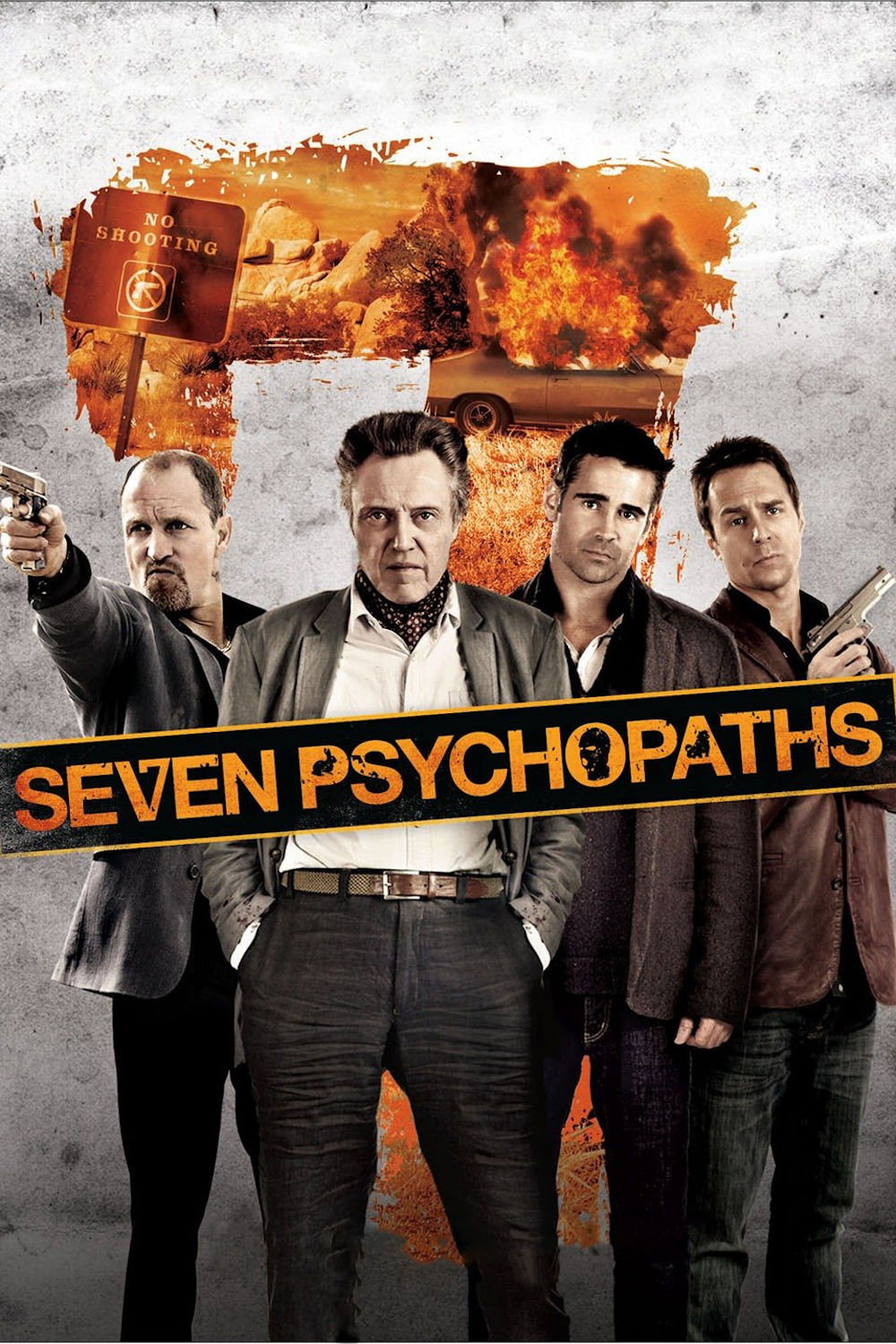
Martin McDonagh’s crime comedy is funny, uneven and worth an evening for its actors. Christopher Walken and Sam Rockwell keep it lively when the screenplay becomes too pleased with its own commentary on violent films.
Seven Psychopaths is a funny, untidy crime comedy whose actors make the detours worth taking. Writer-director Martin McDonagh puts a screenwriter among dognappers, then uses the complications to question the sort of violent entertainment he is making. It is an appealingly awkward premise, and the dialogue gives the cast plenty to enjoy. The problem comes when the film expects us to be as interested in its thoughts about writing as we are in the people doing the talking.
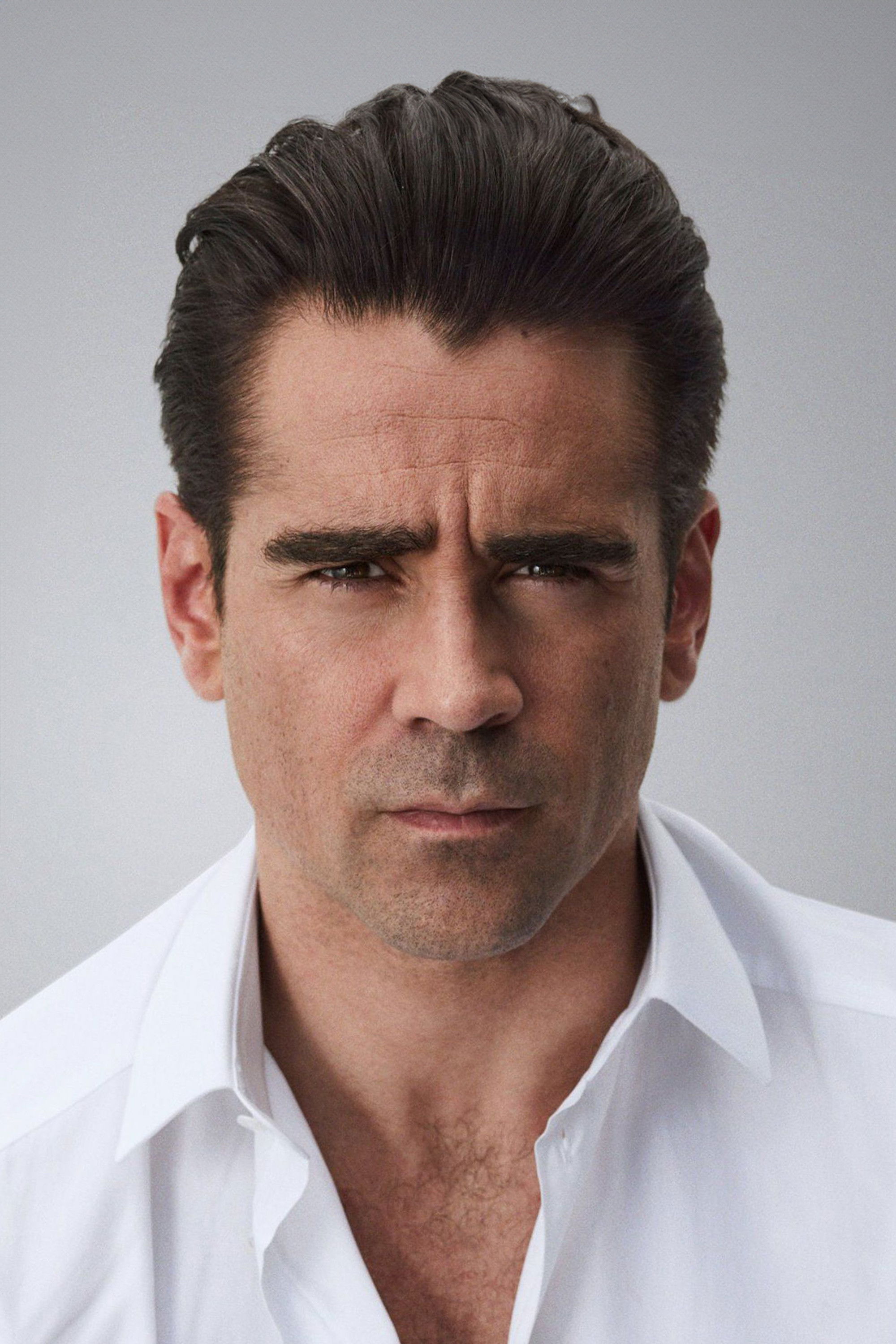
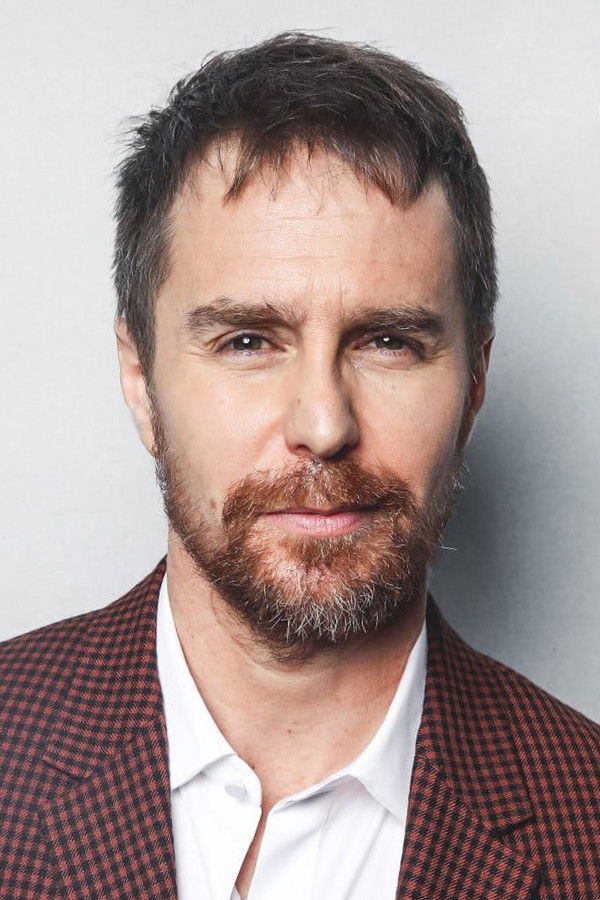
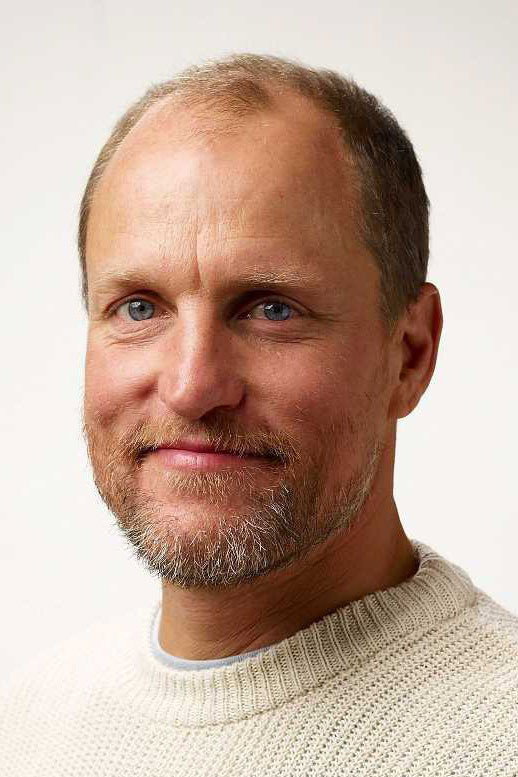
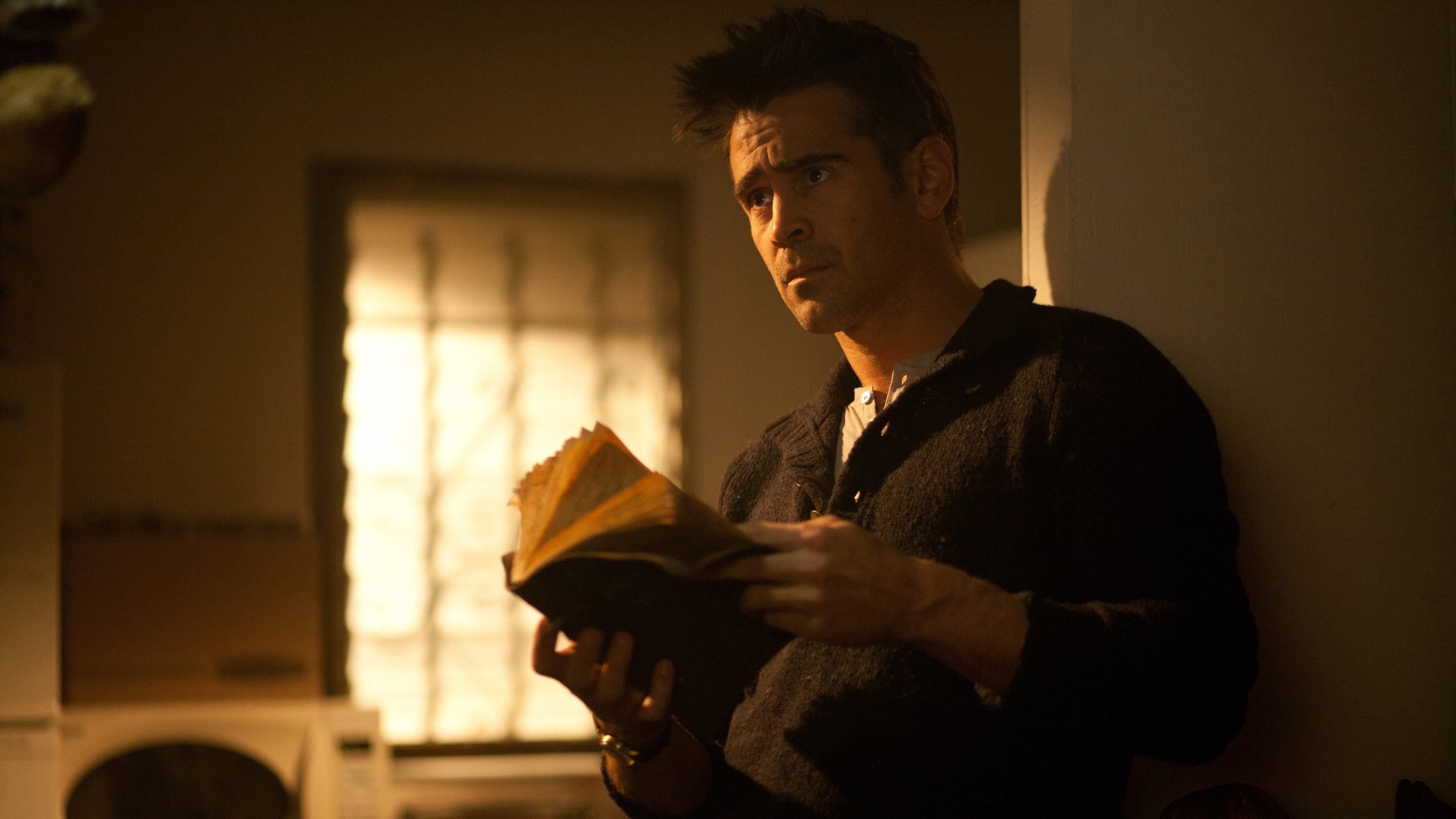
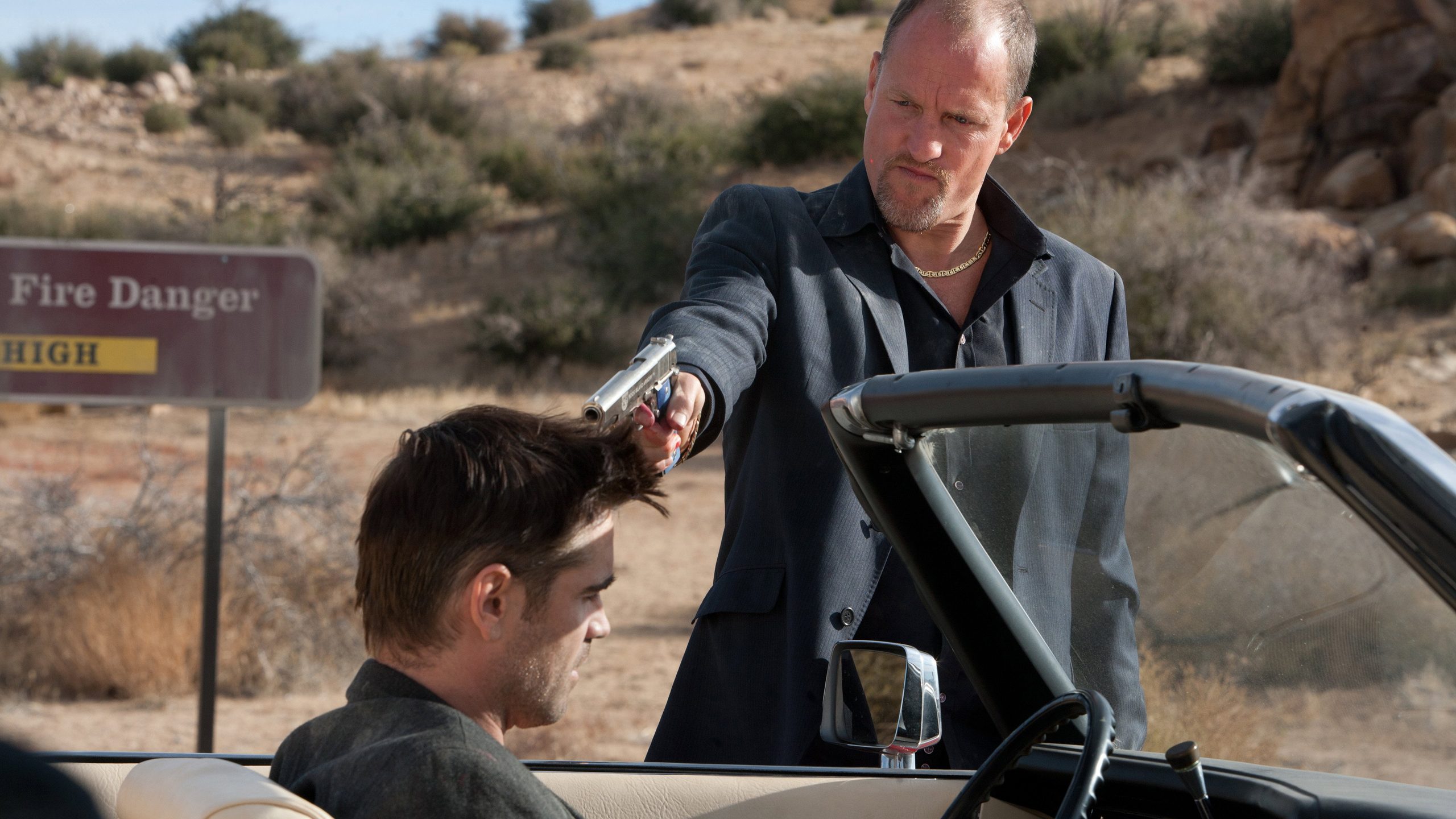
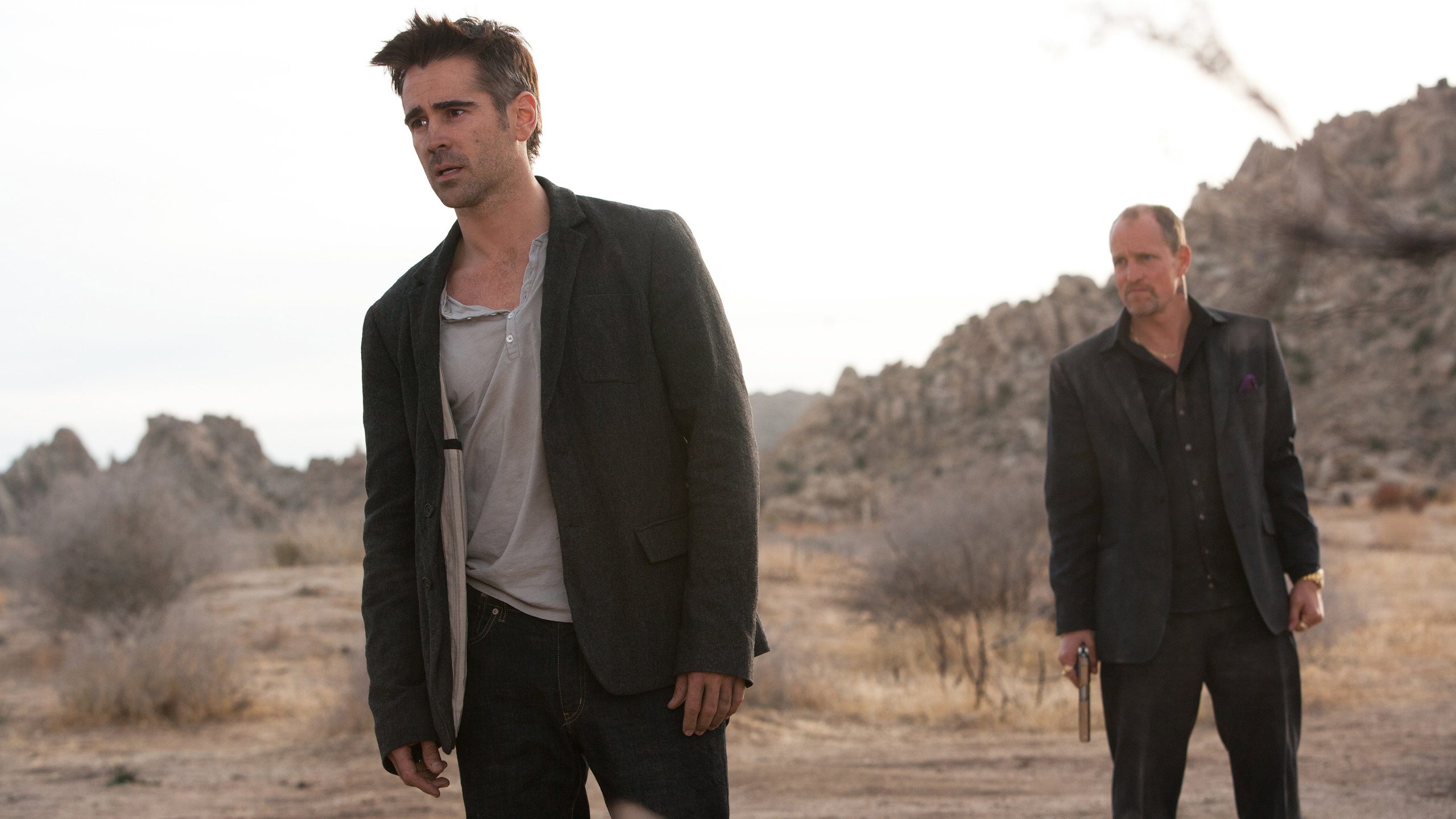
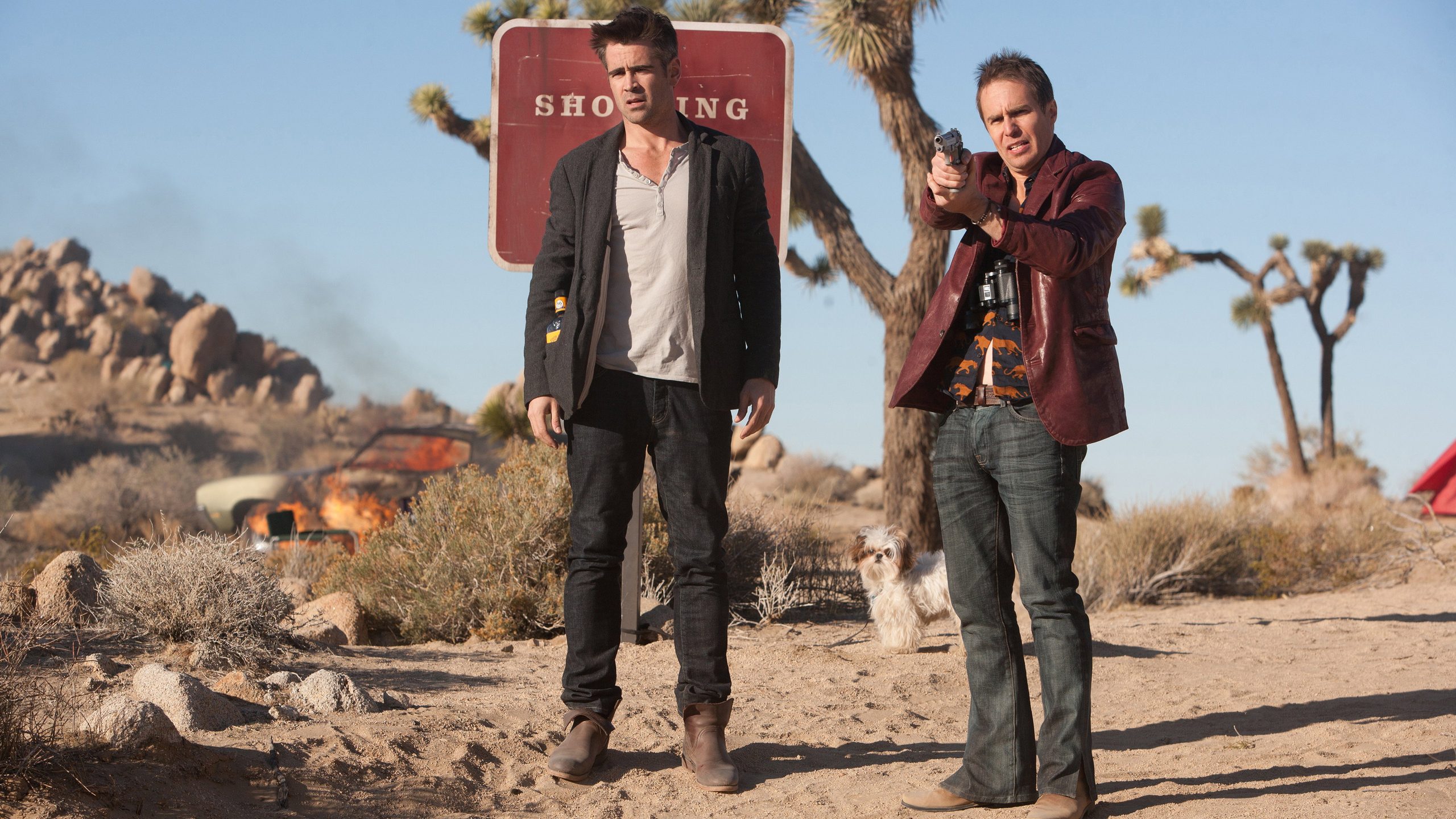
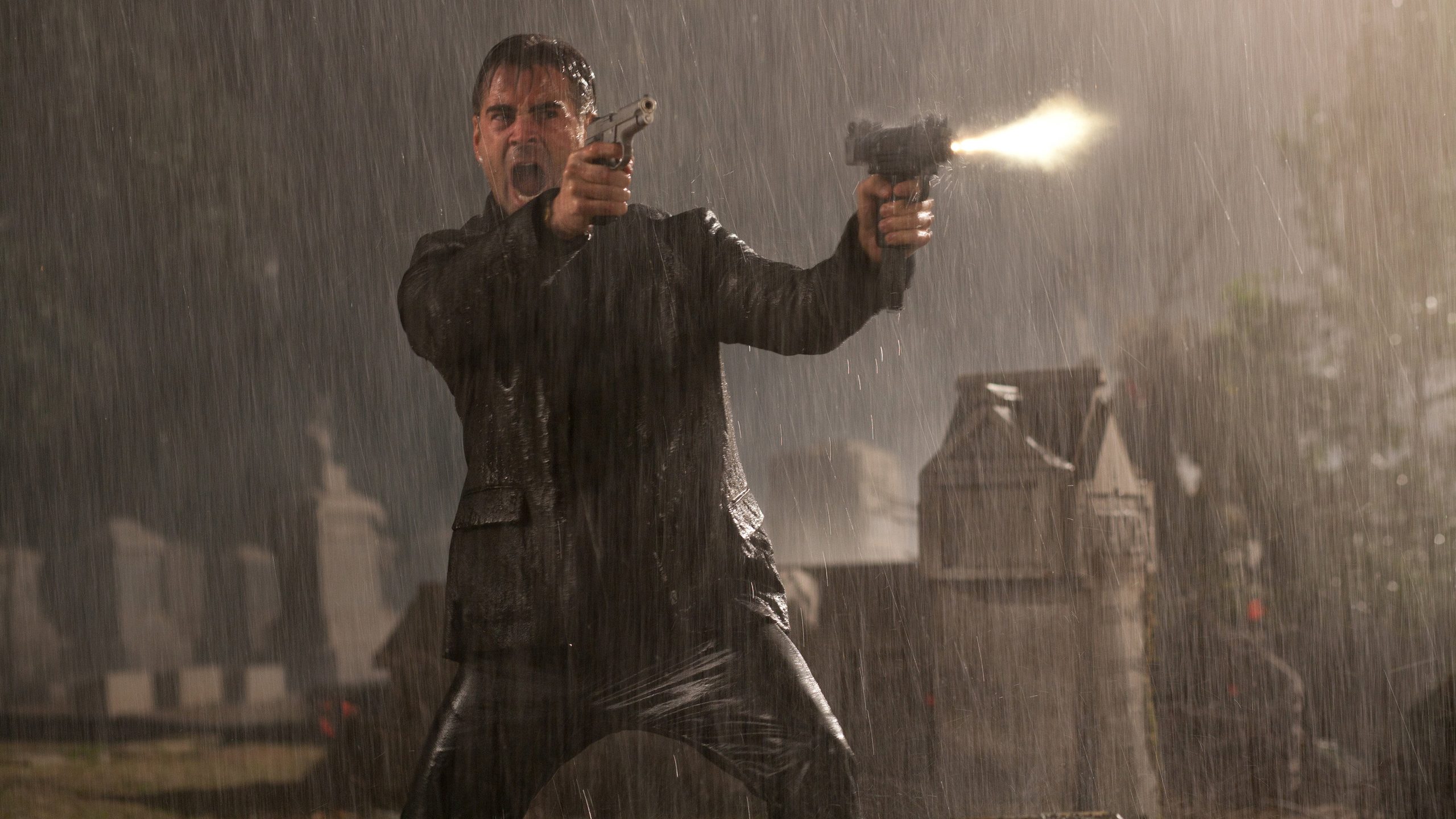
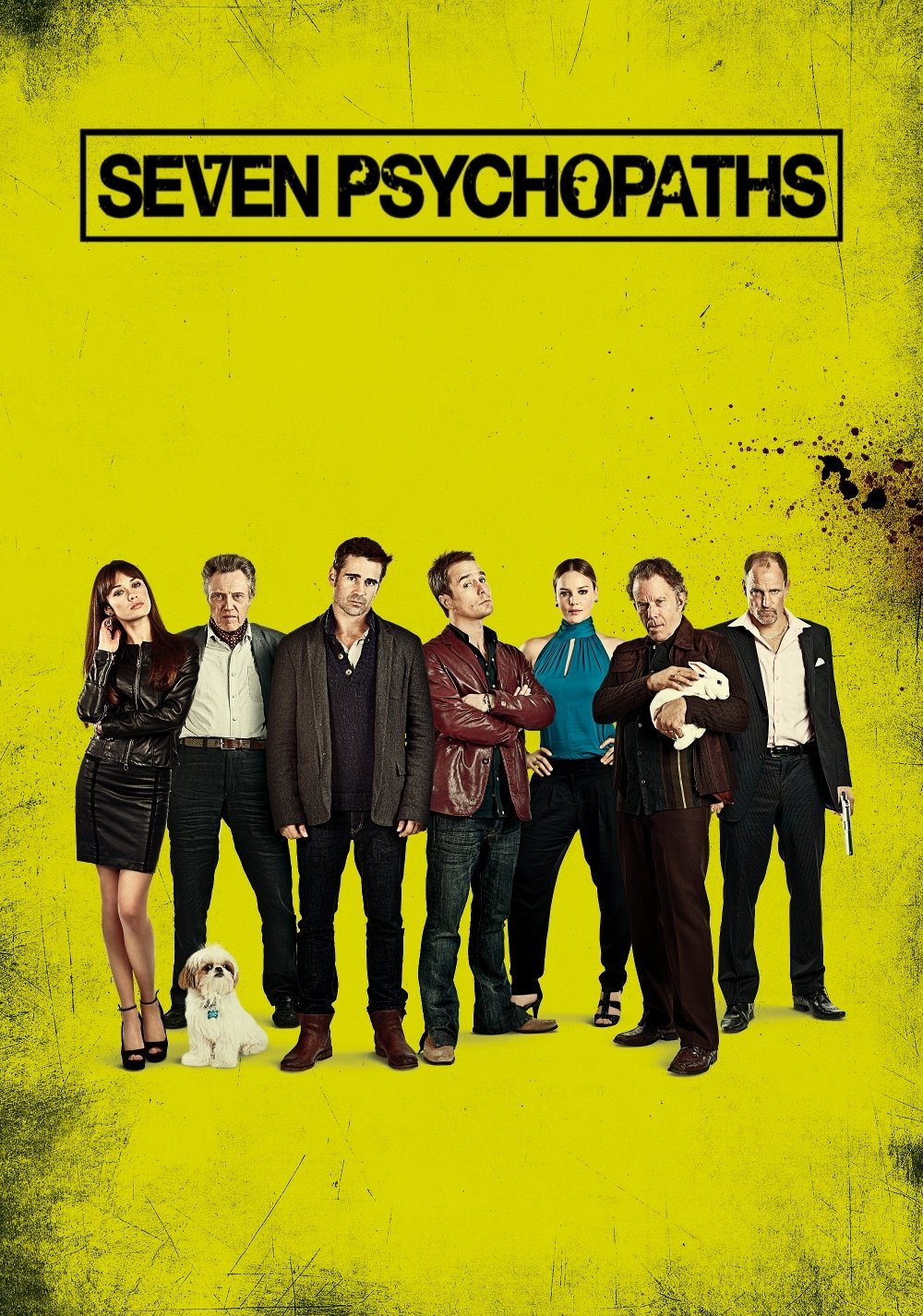
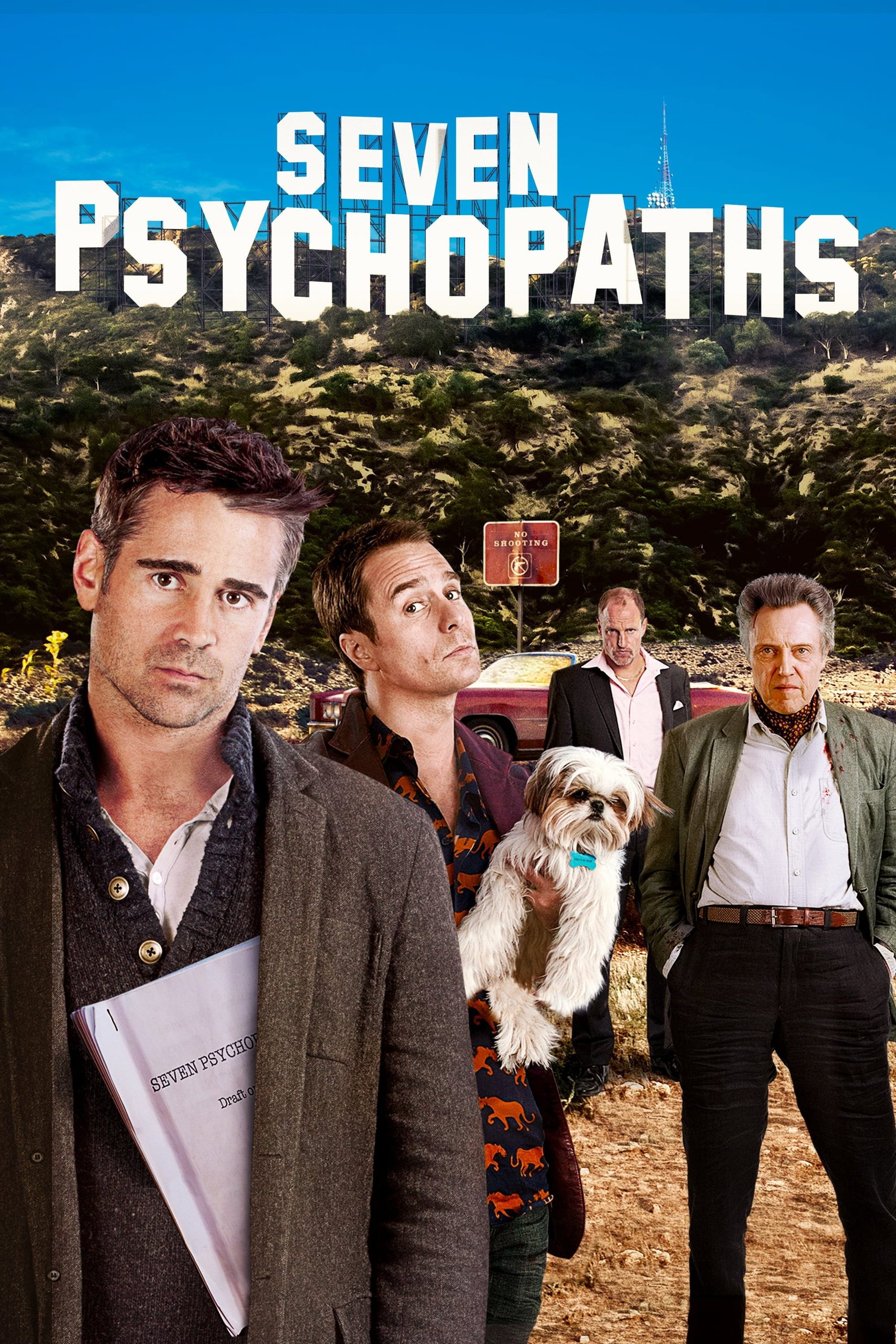
Colin Farrell gives Marty Faranan enough uncertainty to make a useful centre for the confusion. He is good at listening, an essential skill in a film where other people are so determined to talk, and his relative restraint makes Sam Rockwell’s Billy Bickle more entertaining. Sam Rockwell pushes the enthusiasm towards annoyance without making the performance a chore. Woody Harrelson gives Charlie Costello a useful comic excess, playing the material with an appetite that helps carry the less convincing stretches.
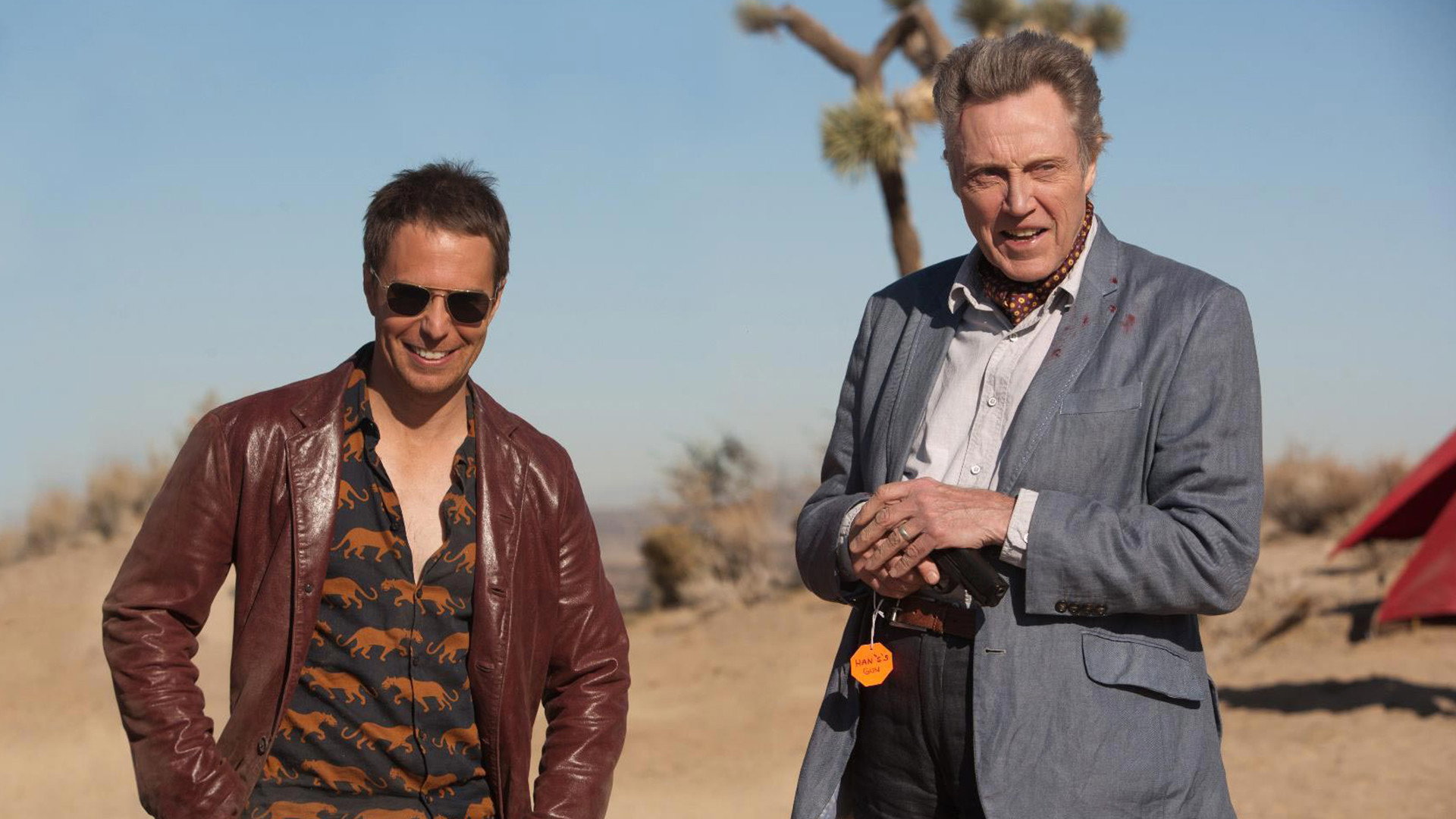
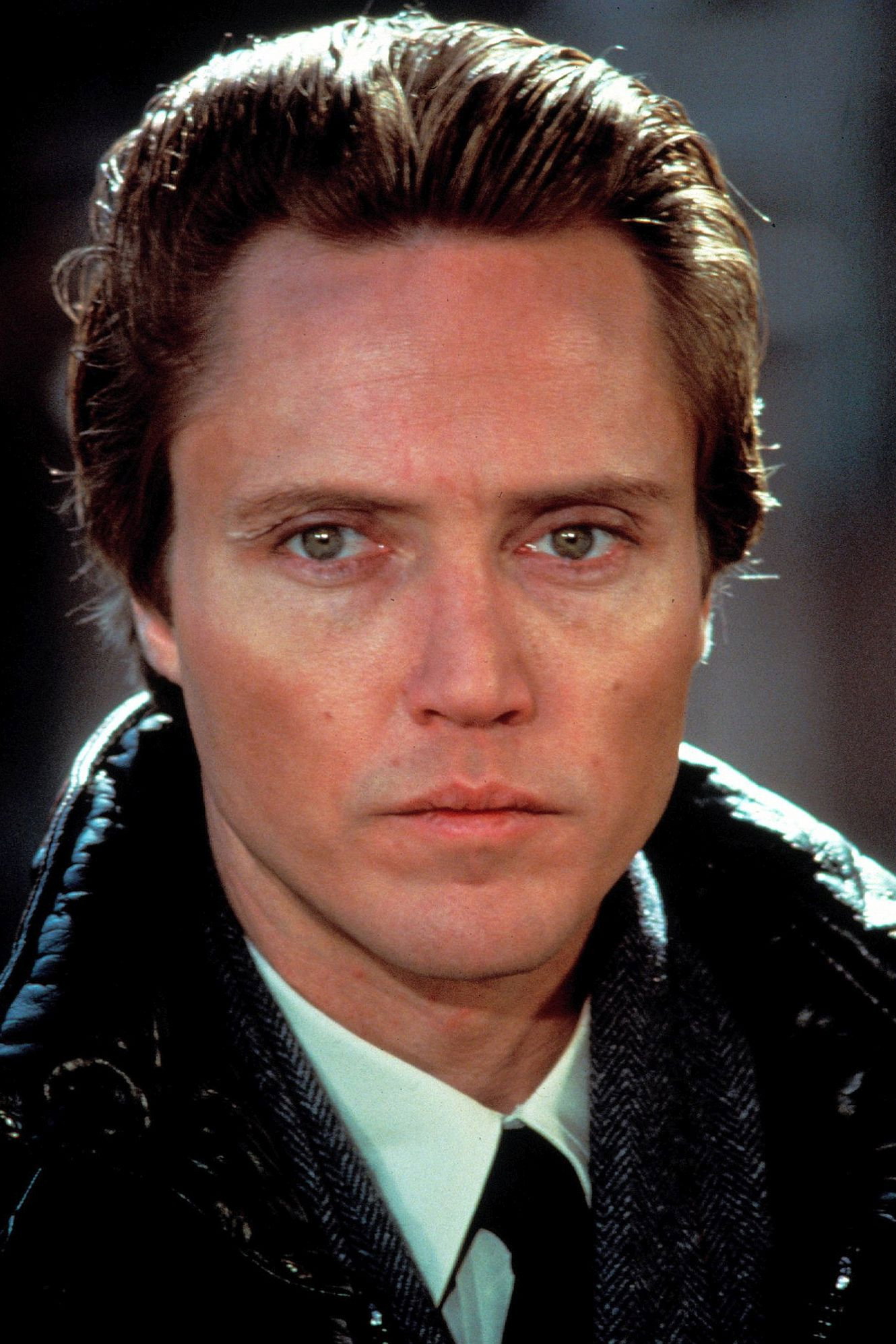
Christopher Walken gives Hans Kieslowski the quality the film most needs: the sense of a person who exists beyond the next outrageous line. We laughed more than we expected at his patient delivery, which makes the surrounding agitation seem faintly unreasonable. He also allows a little hurt into a film that can otherwise seem determined to turn every feeling into another joke. The pauses matter, and the performance has room for them even when the writing is impatient to move on.
Ben Davis’s cinematography is straightforward, keeping the performances at the centre of our attention without giving the more outrageous material much additional force. That suits the conversations, although the images seldom offer a reason to stop following the dialogue. David Wasco’s production design feels similarly subordinate to the actors, with surroundings that make little competing demand on our attention. It is an unobtrusive approach that works well enough here, but neither contribution gives the film as much character as the casting does.
Lisa Gunning’s editing gives the verbal exchanges a useful snap, but the larger shape remains loose. Interruptions that are funny by themselves accumulate until the story begins to feel like a succession of excuses for another routine. Carter Burwell’s music supplies a welcome degree of seriousness beneath the comic commotion. That helps, but it cannot settle the question of how seriously we are meant to take violence once the film has taught us to expect a punchline.
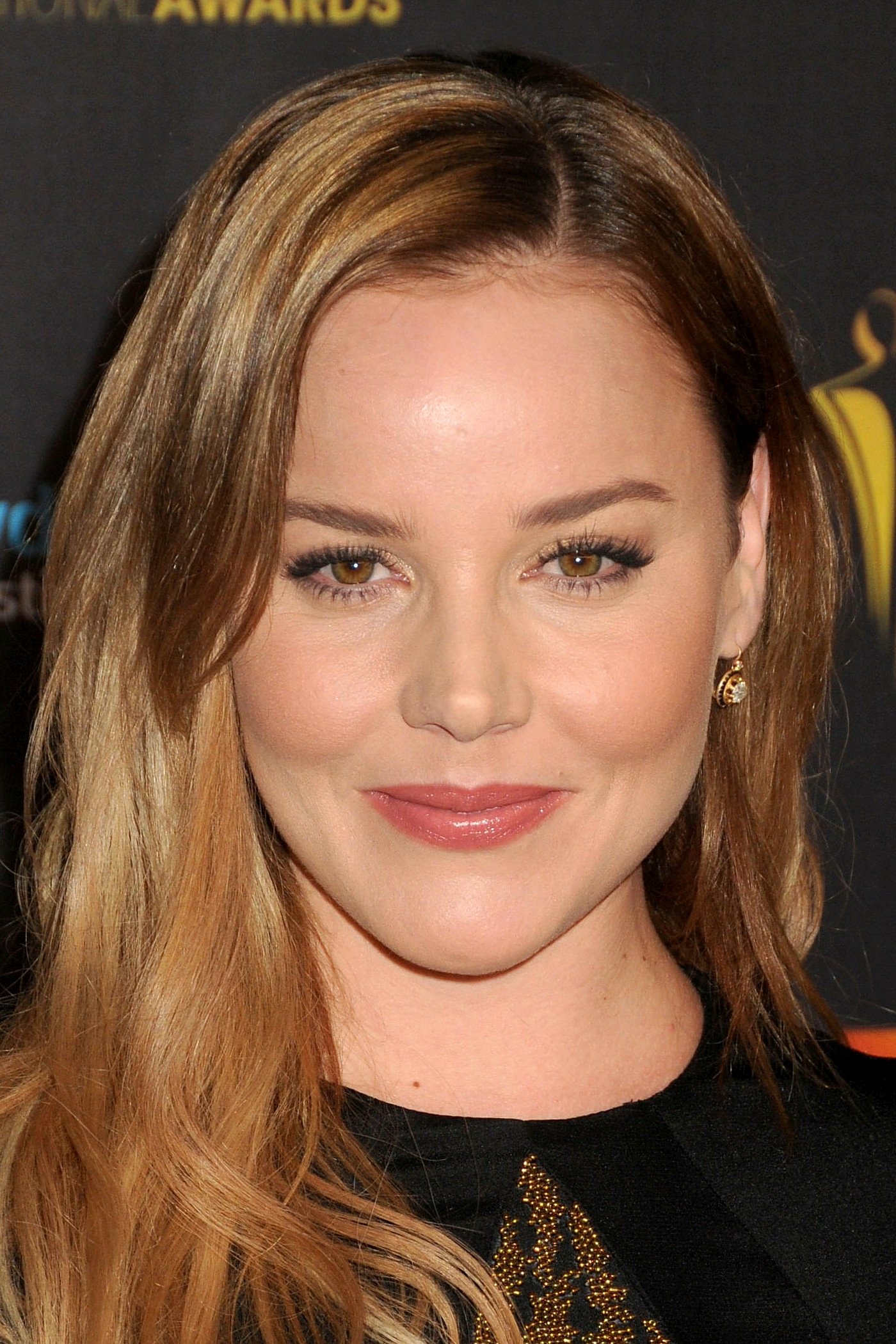
The more substantial weakness is Martin McDonagh’s readiness to point out a familiar crime-film habit and then carry on using it. Abbie Cornish as Kaya and Olga Kurylenko as Angela get thin parts in a film so alert to the limitations of the genre. They need more to do, and the screenplay’s knowing tone makes that shortage harder to excuse. Some of the violence, too, seems included chiefly for the jolt, with too little thought given to what follows it.
For anyone who enjoys a crime film in which the arguments can take precedence over the crime, there is enough here to justify 110 minutes. A taste for black comedy will help more than a wish to see a tidy plot click into place. Bring some patience for the digressions, particularly whenever the subject of writing comes up. If talkative screenwriters already test your goodwill, choose something with fewer opportunities for one to explain himself.