Lawrence Guterman’s family fantasy gives a shape-shifting baby more attention than its human cast, with dispiriting results. Jamie Kennedy supplies occasional warmth, but the frantic effects and shapeless comedy make these 94 minutes a chore.
Son of the Mask tries to turn the unruliness of a cartoon into a comedy about parenthood, and scarcely finds a joke worth the trouble. Lawrence Guterman directs a film in which frantic movement becomes the default response to almost every comic problem. There is room for a good family comedy in an adult’s attempts to manage a child who cannot be managed. This one keeps reaching for another effect before the situation can become funny. We would give these 94 minutes to something else.
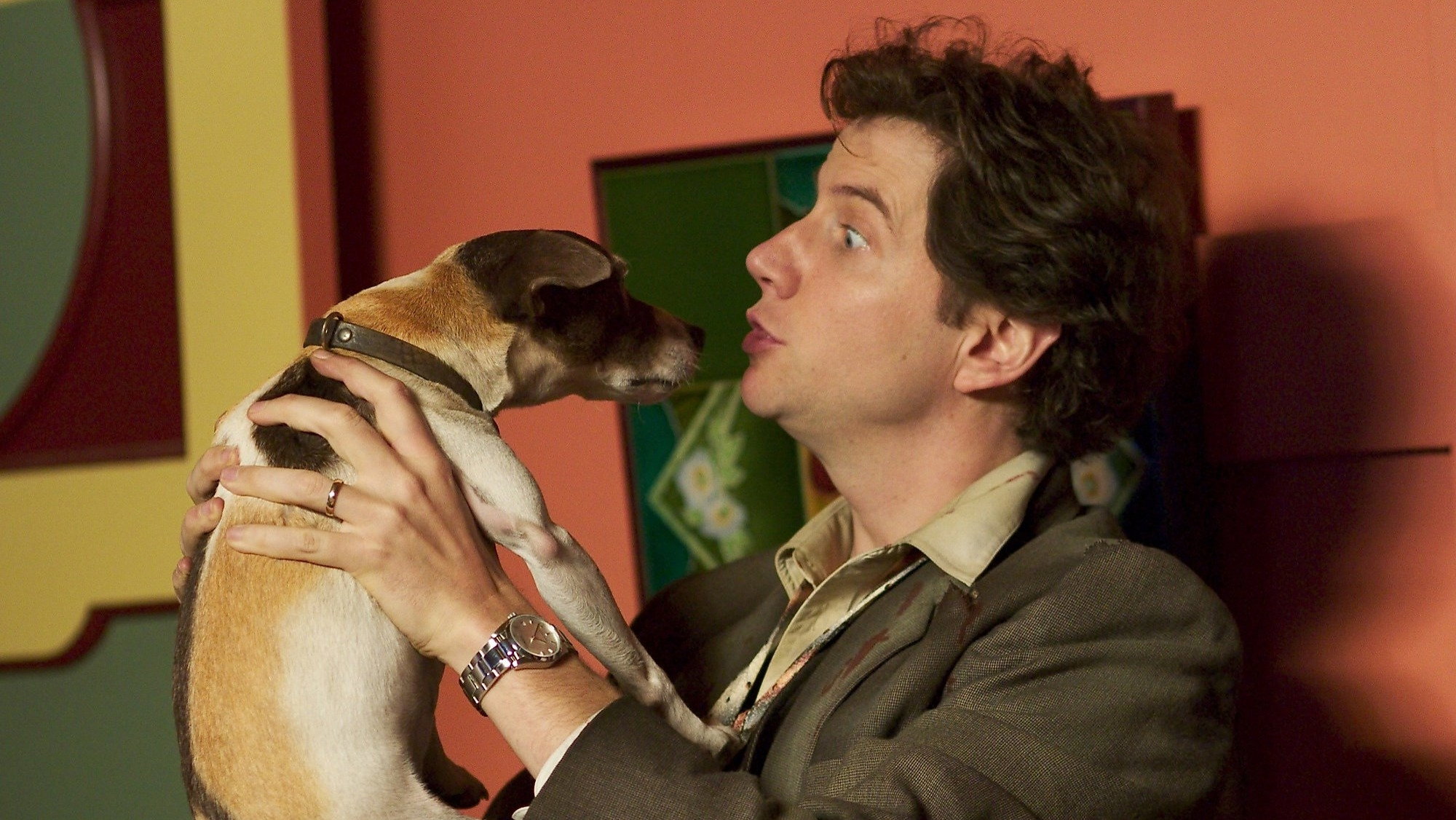
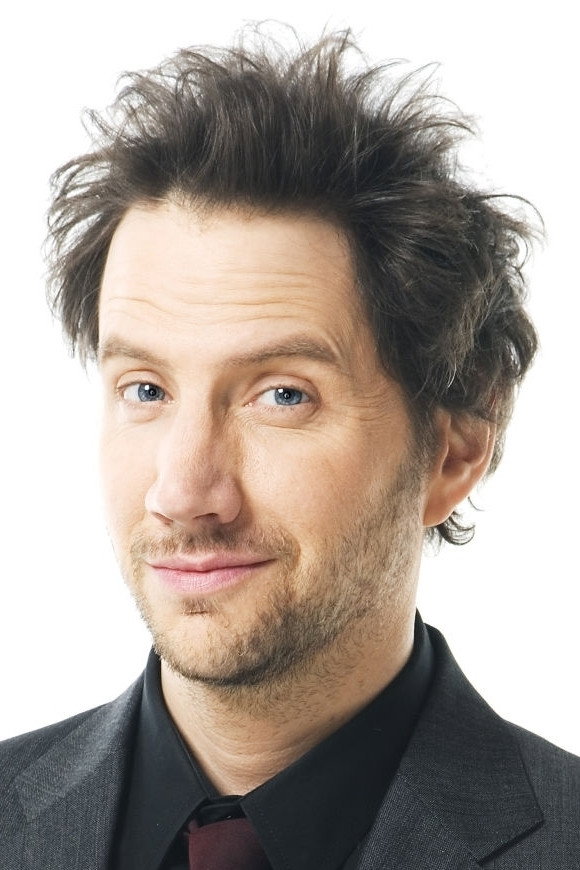
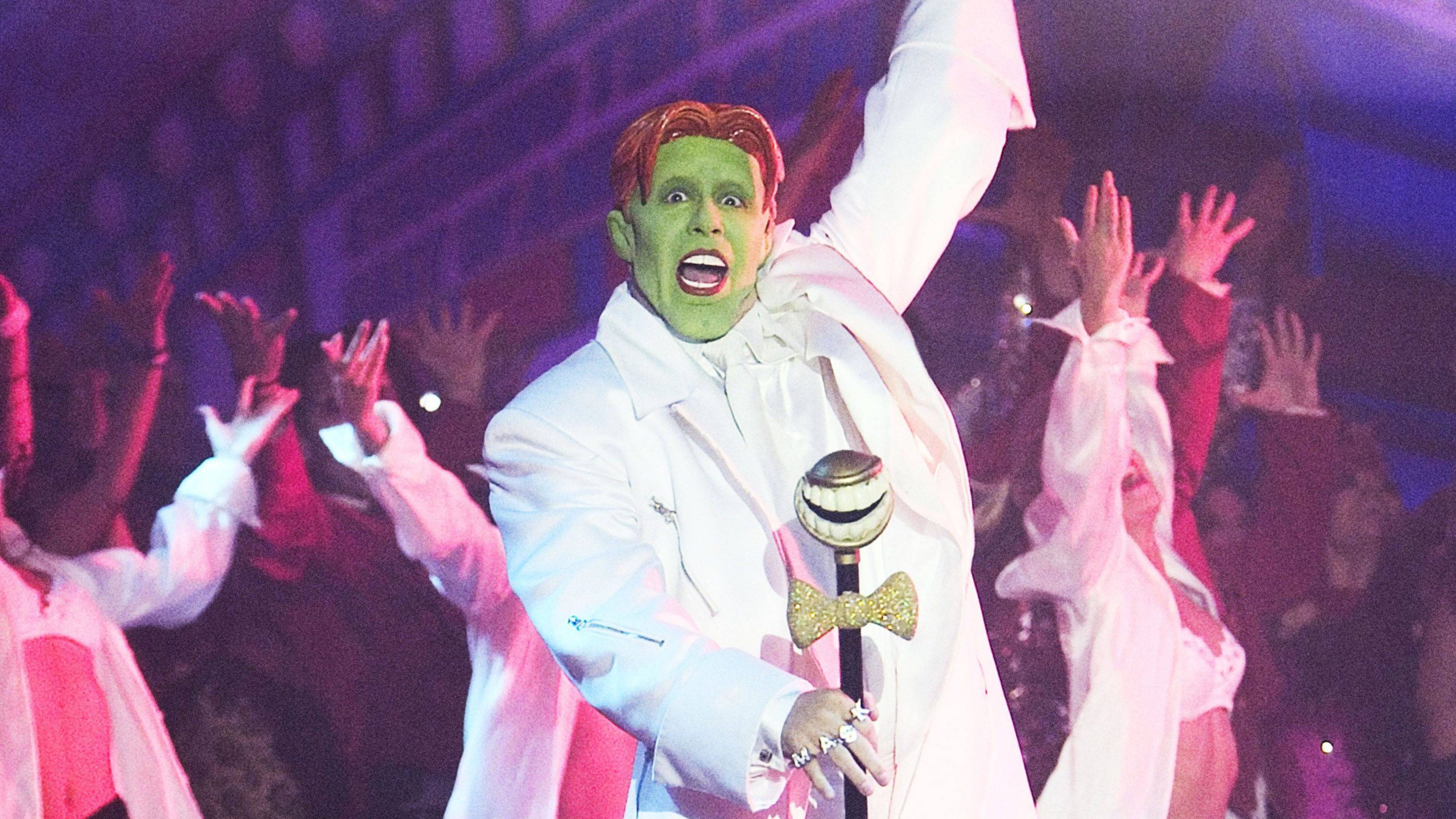
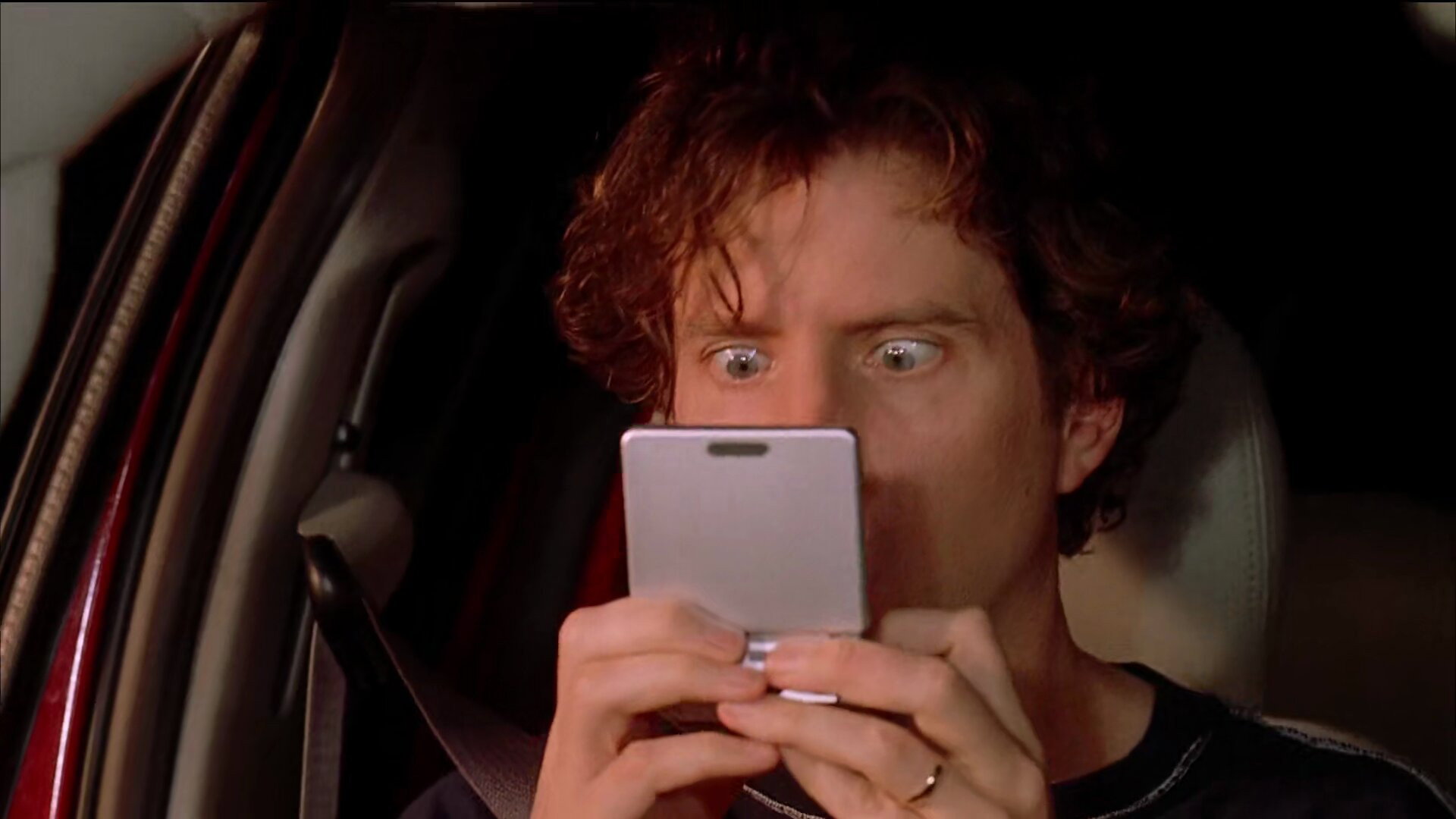
Jamie Kennedy supplies a little sweetness as Tim Avery, enough to suggest that an ordinary, flustered father might have held our attention. His occasional foolishness has a human scale that the surrounding effects lack. Alan Cumming works away at Loki, but visible effort does not make the character entertaining. The roles give both actors little opportunity to establish anything beyond the immediate demands of the next gag.
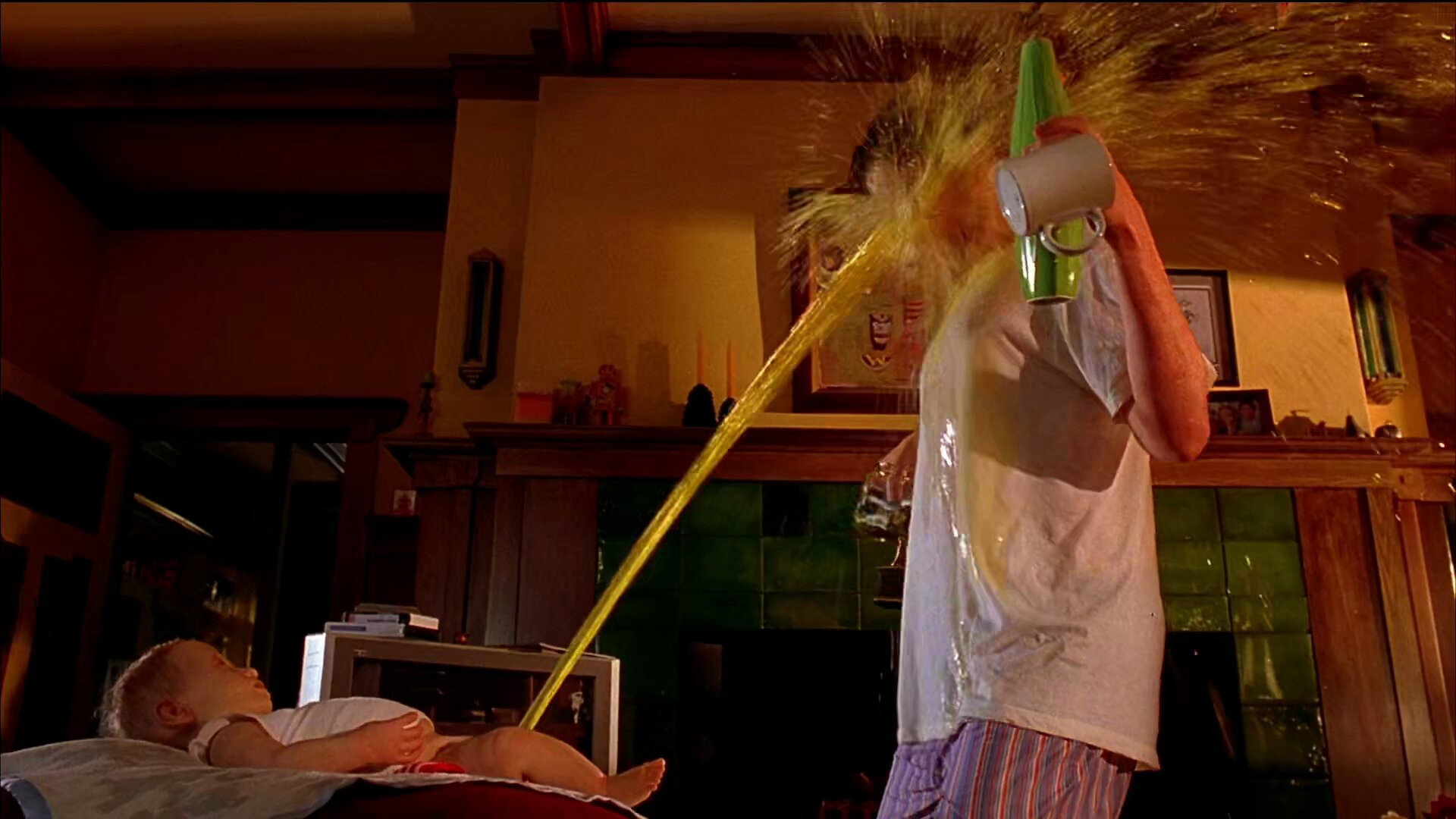
We were repelled by the baby’s shape-changing and dancing, because the digital contortions make an infant look disturbing without finding anything funny for it to do. The idea is recognisably cartoonish, but the movements have little comic force. A drawn body can stretch or collapse and still communicate a clear reaction, provided the movement follows a joke we understand. Here we are repeatedly asked to enjoy the transformation itself, and the repetition makes the baby harder to care about.
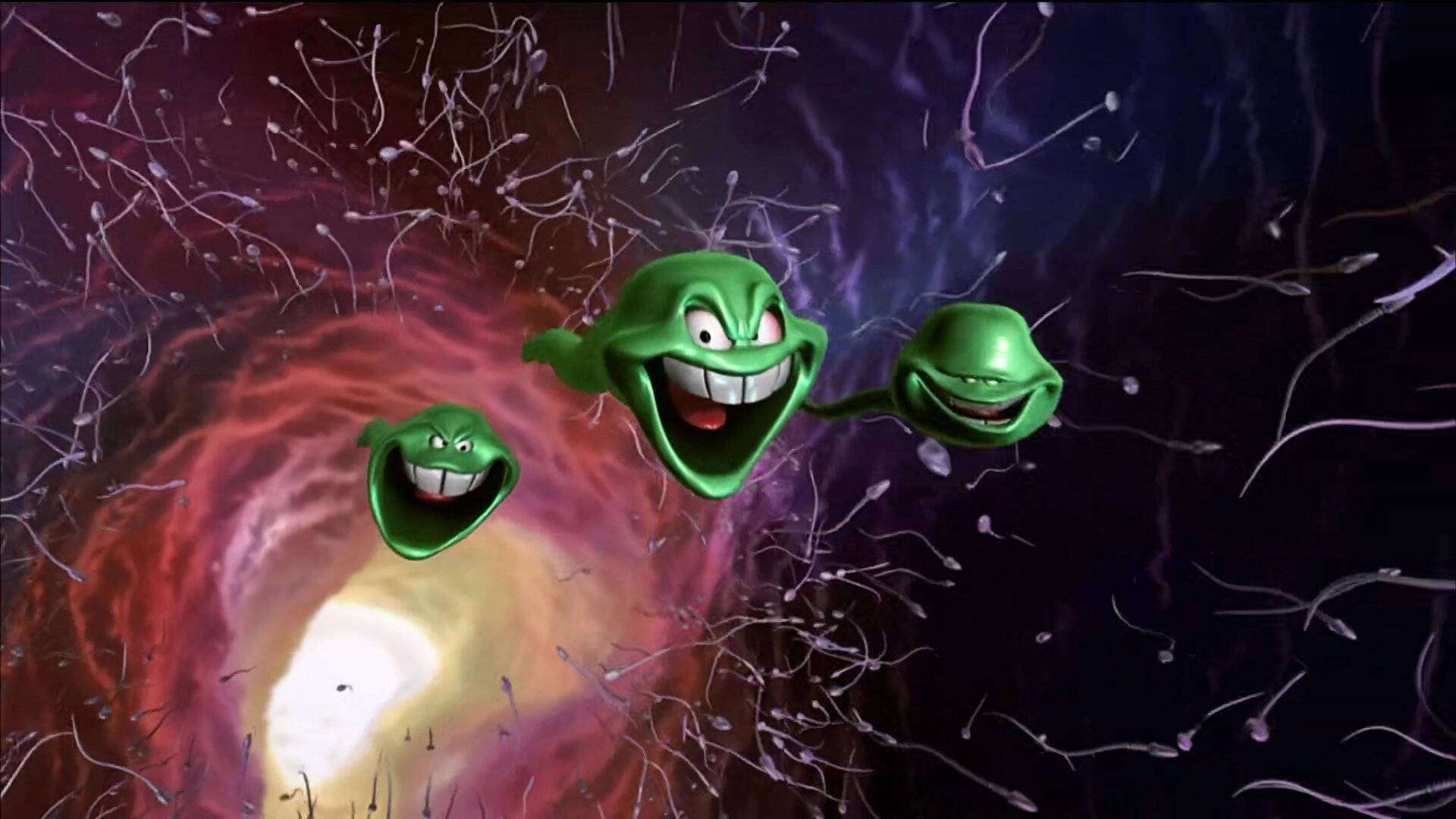
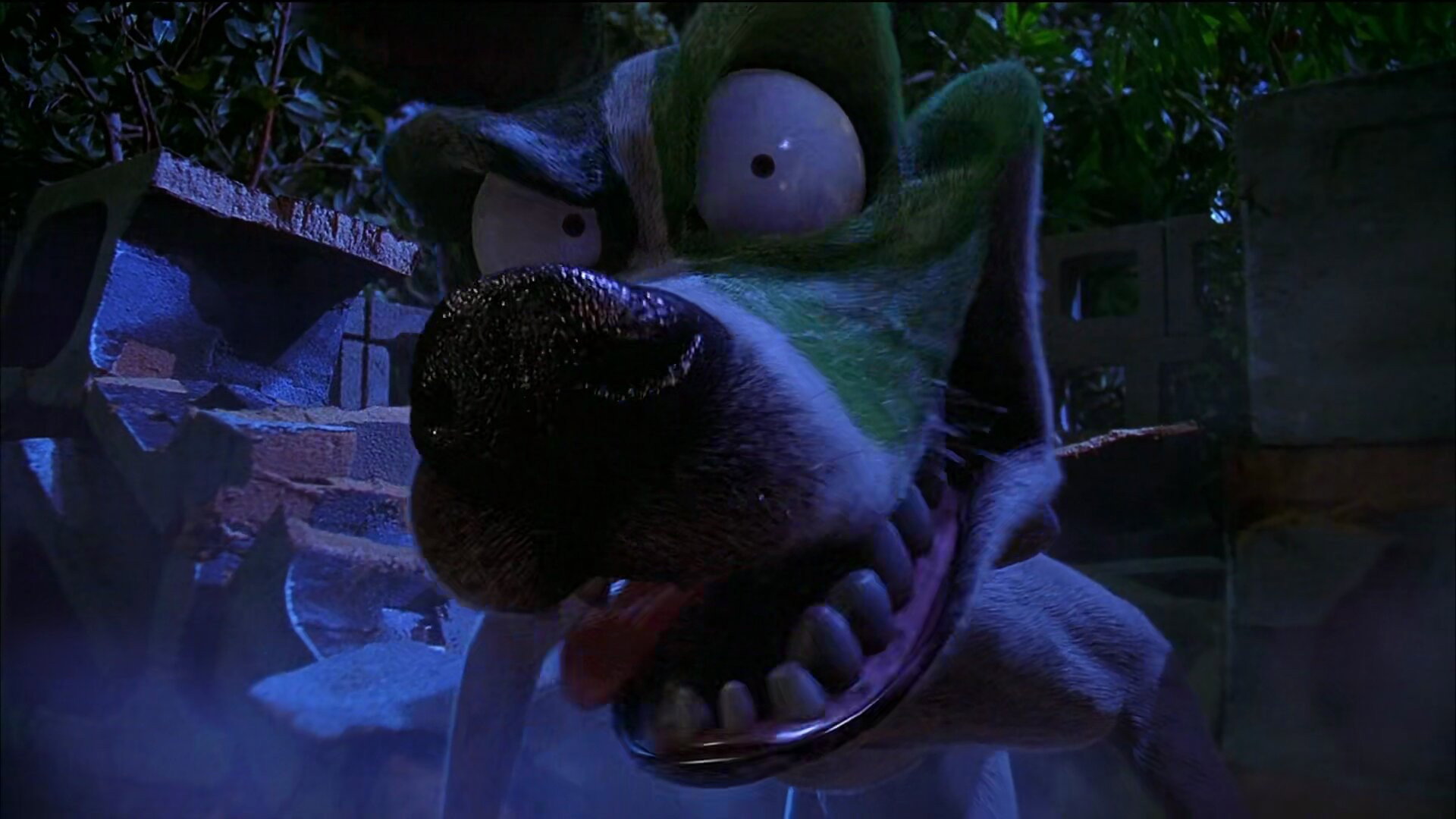
Greg Gardiner’s cinematography puts live actors alongside the animated infant, with Leslie Dilley’s production design providing their surroundings. Neither contribution makes the baby seem to belong in the same space as the adults. Its digital contortions keep attracting attention, but the images seldom guide that attention towards a readable joke. The glimpses of older cartoons are a relief, because their movements have a comic purpose we can follow.
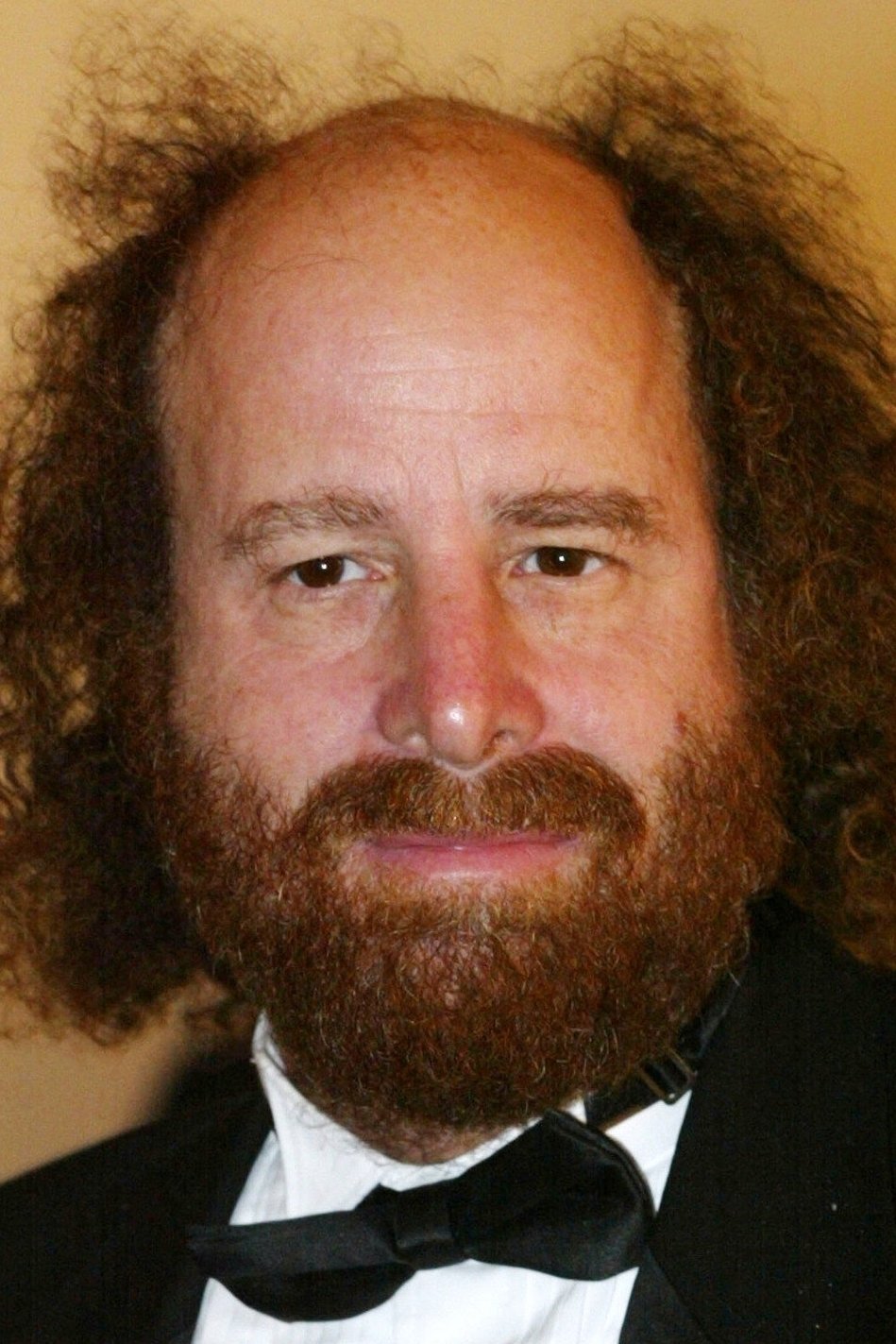
The editors, Debra Neil-Fisher, Malcolm Campbell and John Coniglio, face a similar problem with pace. A film can be hectic and still leave a fraction of a second for us to register what has happened; here one bout of activity merely makes way for another. The score by Randy Edelman cannot rescue jokes with no clear point of arrival. We were bored well before the commotion stopped, because the scenes kept changing what the baby could do without giving us another reason to watch it.
Lance Khazei’s screenplay gives the parent-child material more weight than the comedy can support. Tenderness needs some reason for us to like the people involved, and too much of their time is spent responding to effects. The family emphasis is a reasonable choice for this sort of fantasy, and Jamie Kennedy occasionally makes it seem workable. It becomes wearying when the film asks for affection it has done so little to encourage.
Family comedy can be rude, strange and alarming without losing its audience, but it needs someone whose confusion we can share. The child here is too much of an effect, and the adults are too thinly written to offer much company. Most critics have been severe, and we agree: there is willing work from the cast, but not enough control of tone or comic timing to justify the noise. For cartoon mischief, we would choose one of the old shorts glimpsed here.