Film review

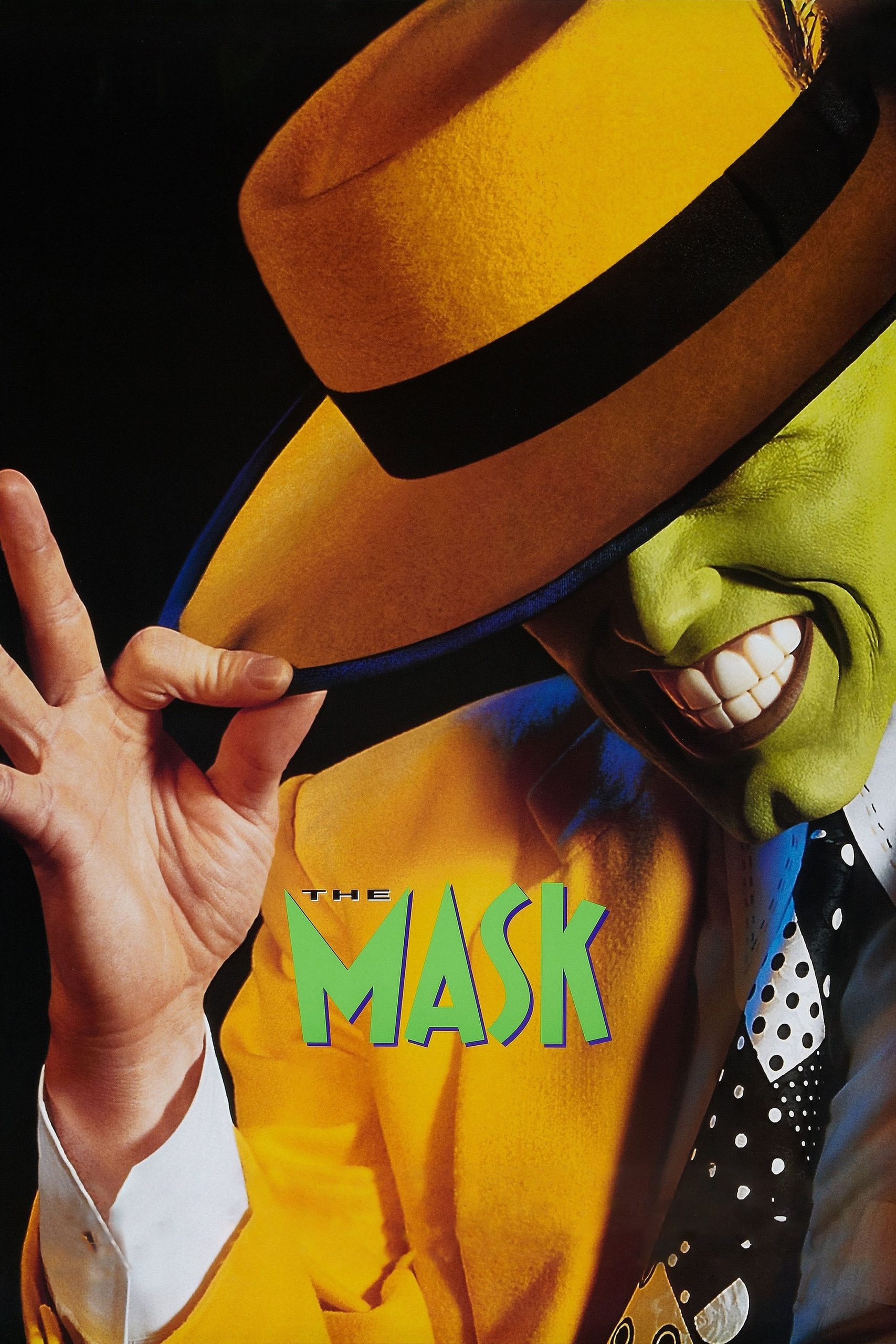
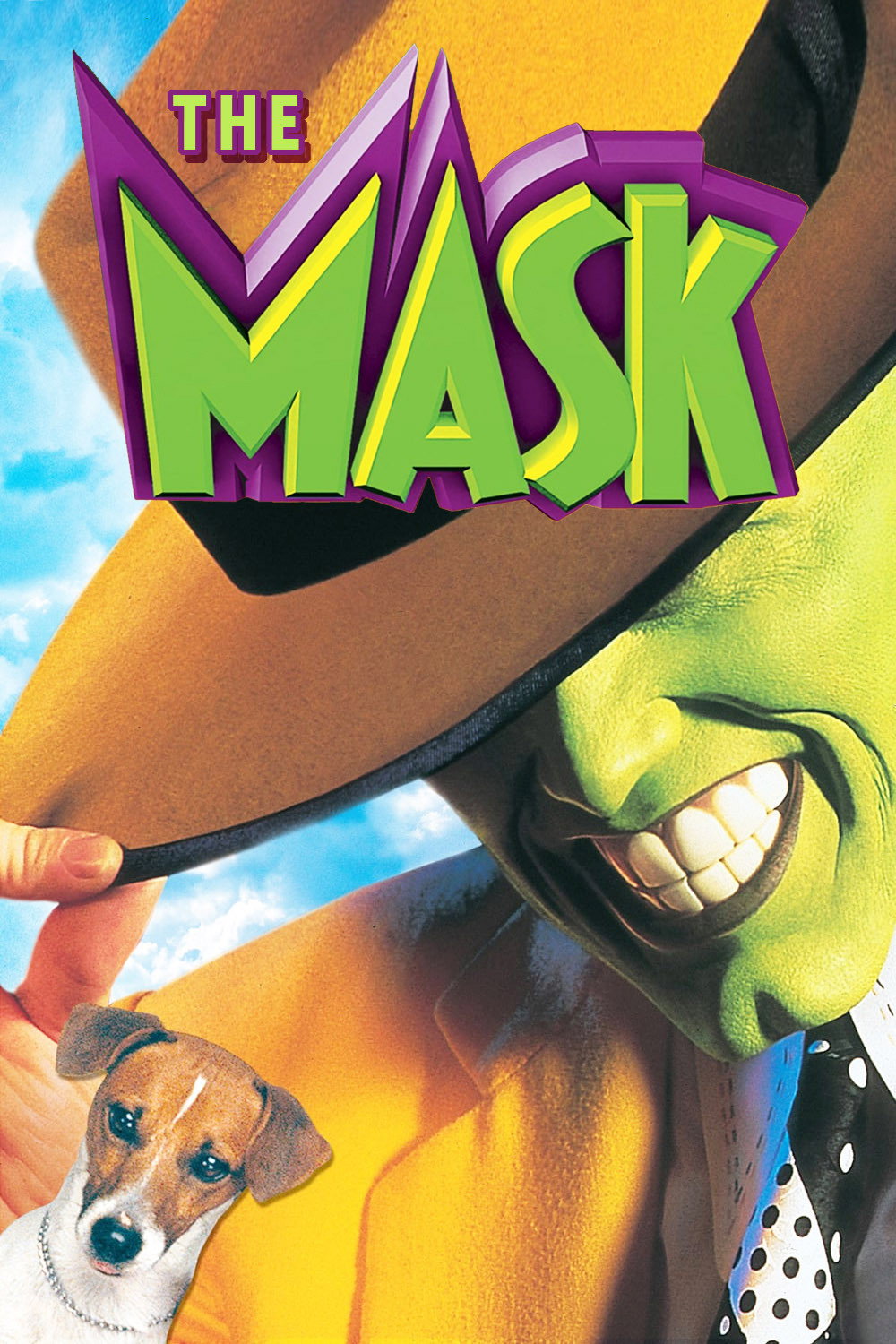
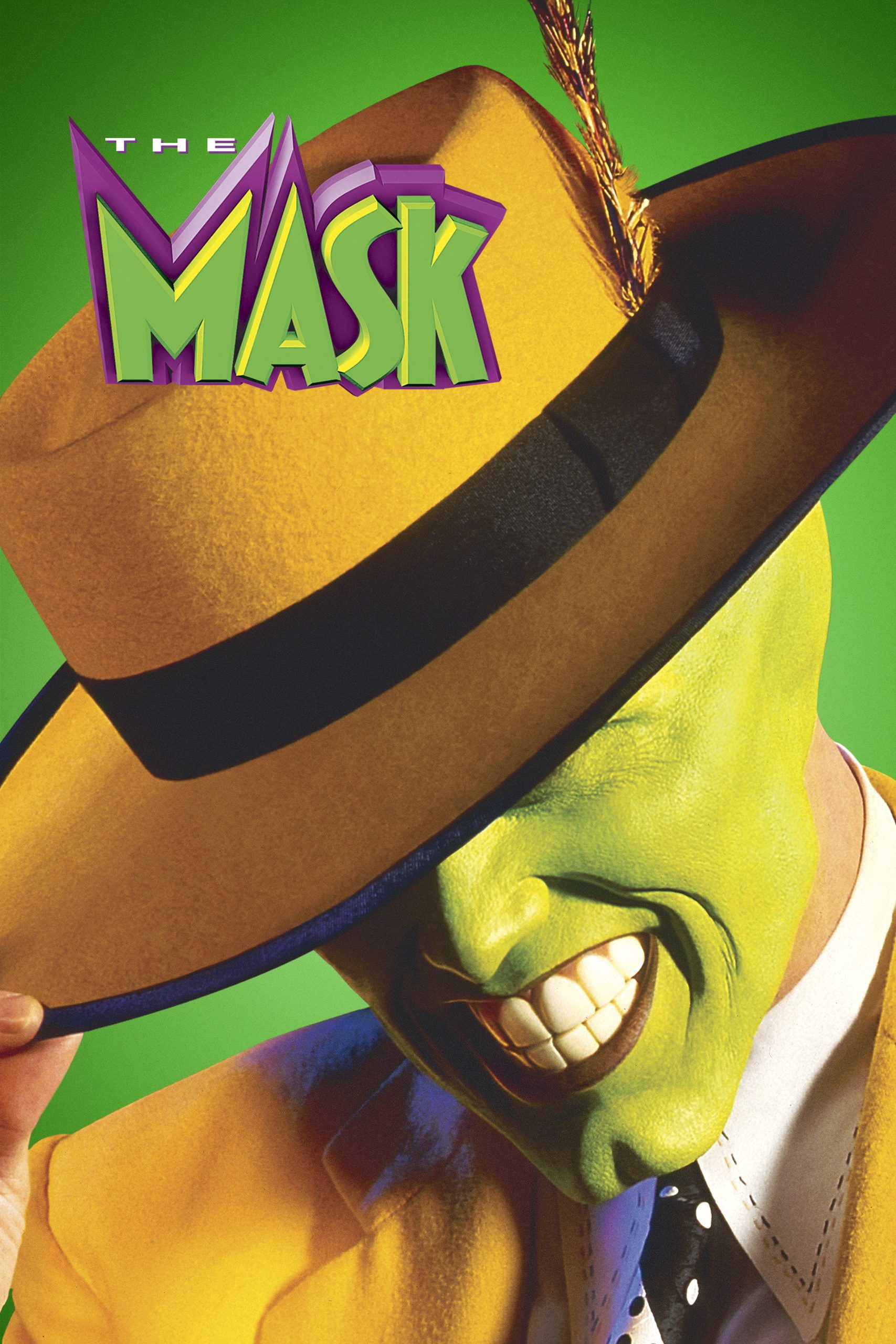
The Mask

1994 · Directed by Chuck Russell · 1h 41m · MPA PG-13

In a sentenceA mild bank clerk puts on a mask and becomes Jim Carrey, which turns out to be the whole idea

ComedyFantasyCrimeRomance

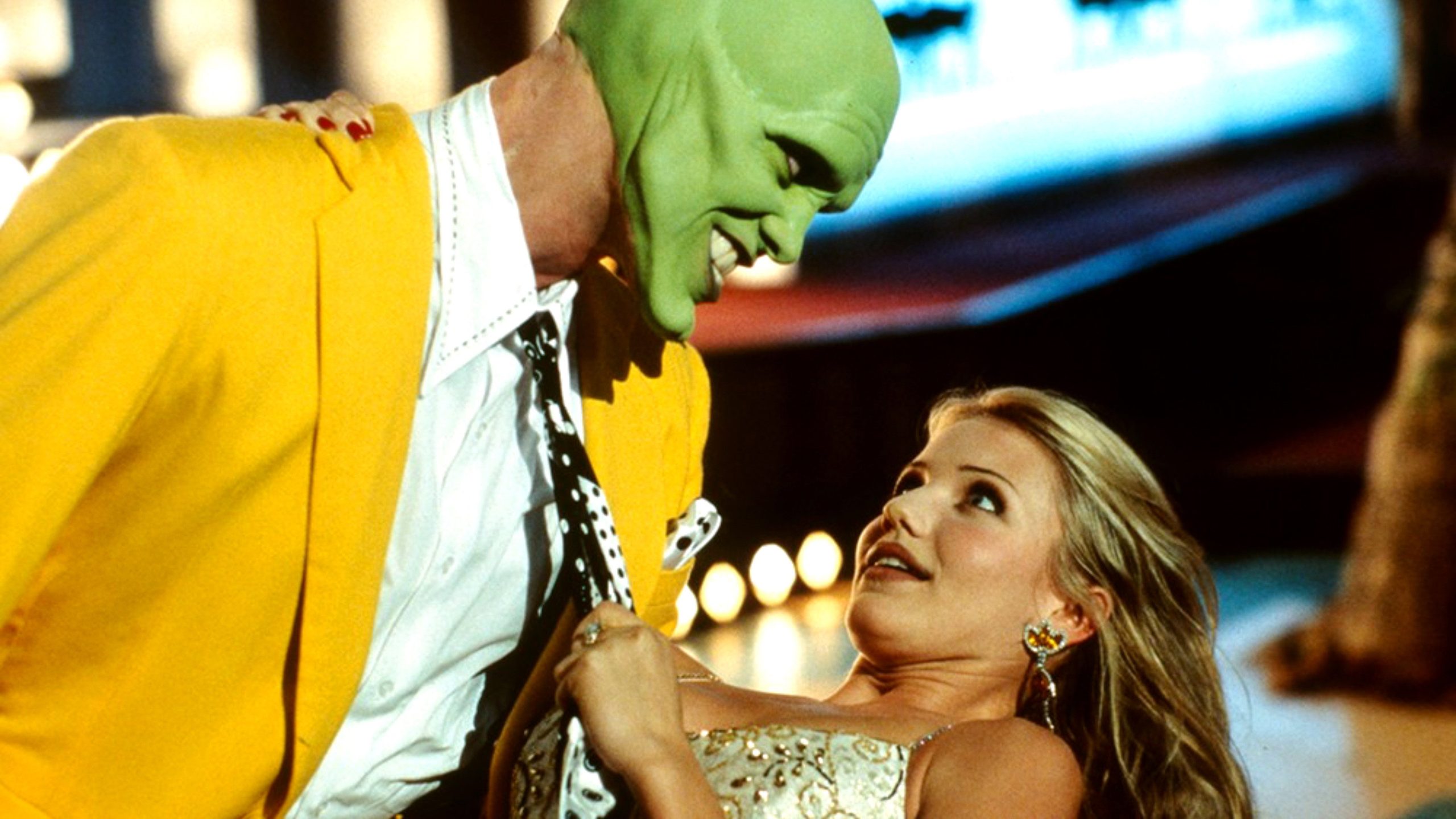
Edge City, a rain-soaked comic-book town where the police are slow and the nightclub doors are guarded. Stanley Ipkiss (Jim Carrey) is a bank clerk who apologises to people who push past him, lives with his Jack Russell, Milo, and is turned away from the Coco Bongo club while his friend Charlie Schumaker (Richard Jeni) walks in. Tina Carlyle (Cameron Diaz) comes into the bank to open an account and, more quietly, to film the vault for the gangster Dorian Tyrrell (Peter Greene). That night Stanley fishes a wooden mask out of the river. When he puts it on he becomes a green-headed, zoot-suited whirlwind who can do anything a cartoon can, and Lieutenant Mitch Kellaway (Peter Riegert) starts asking questions.

Plays from YouTube when you press play; nothing loads from them until then.

Fi1m review

Chuck Russell’s comic-book comedy exists to let Jim Carrey behave like a Tex Avery cartoon, and when he does it is a delight. Everything else, the gangsters, the bank job, the love story, is scaffolding, and the film knows it.

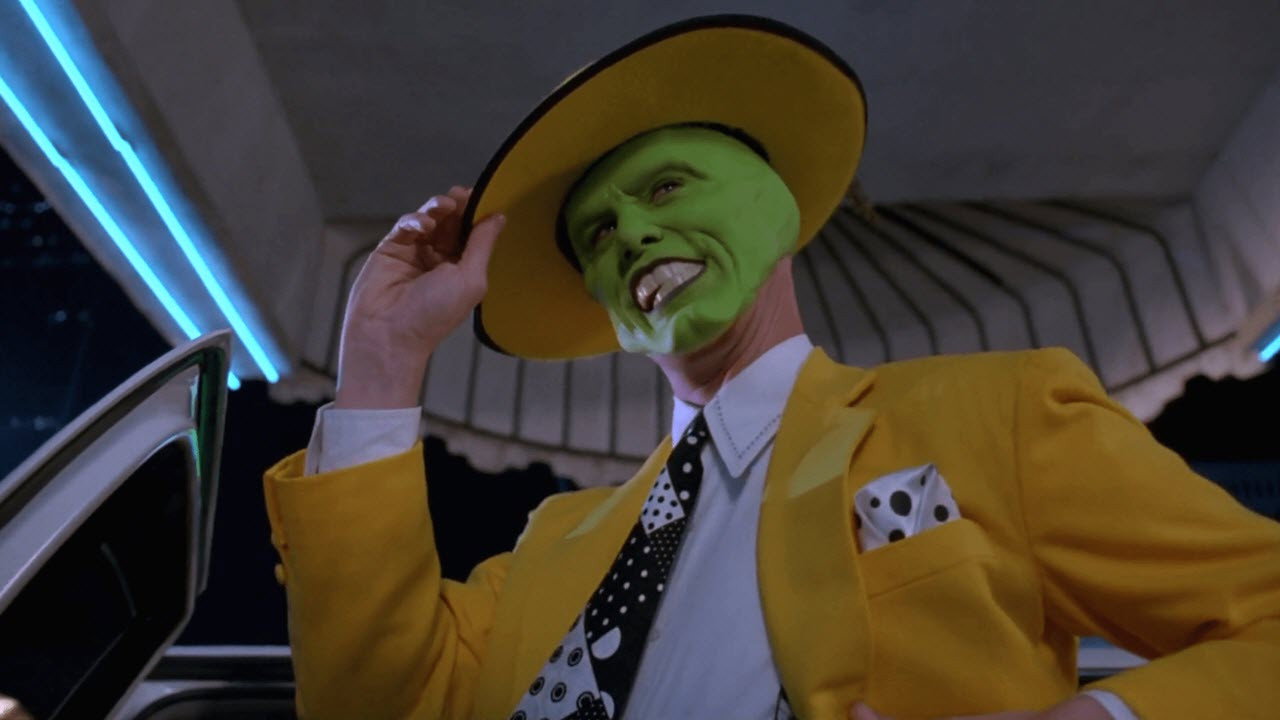
Chuck Russell’s The Mask has one idea and it is a good one: what if Jim Carrey were allowed to do everything his face has always threatened to do. Stanley Ipkiss, a bank clerk in a comic-book town called Edge City, puts on an old wooden mask and becomes a green-headed spirit of mischief who can stretch, spin, shoot and dance like a Tex Avery wolf. The scenes in which he does this are a pleasure from start to finish. The scenes in between are a wait, and there are more of them than a 101-minute film should need.

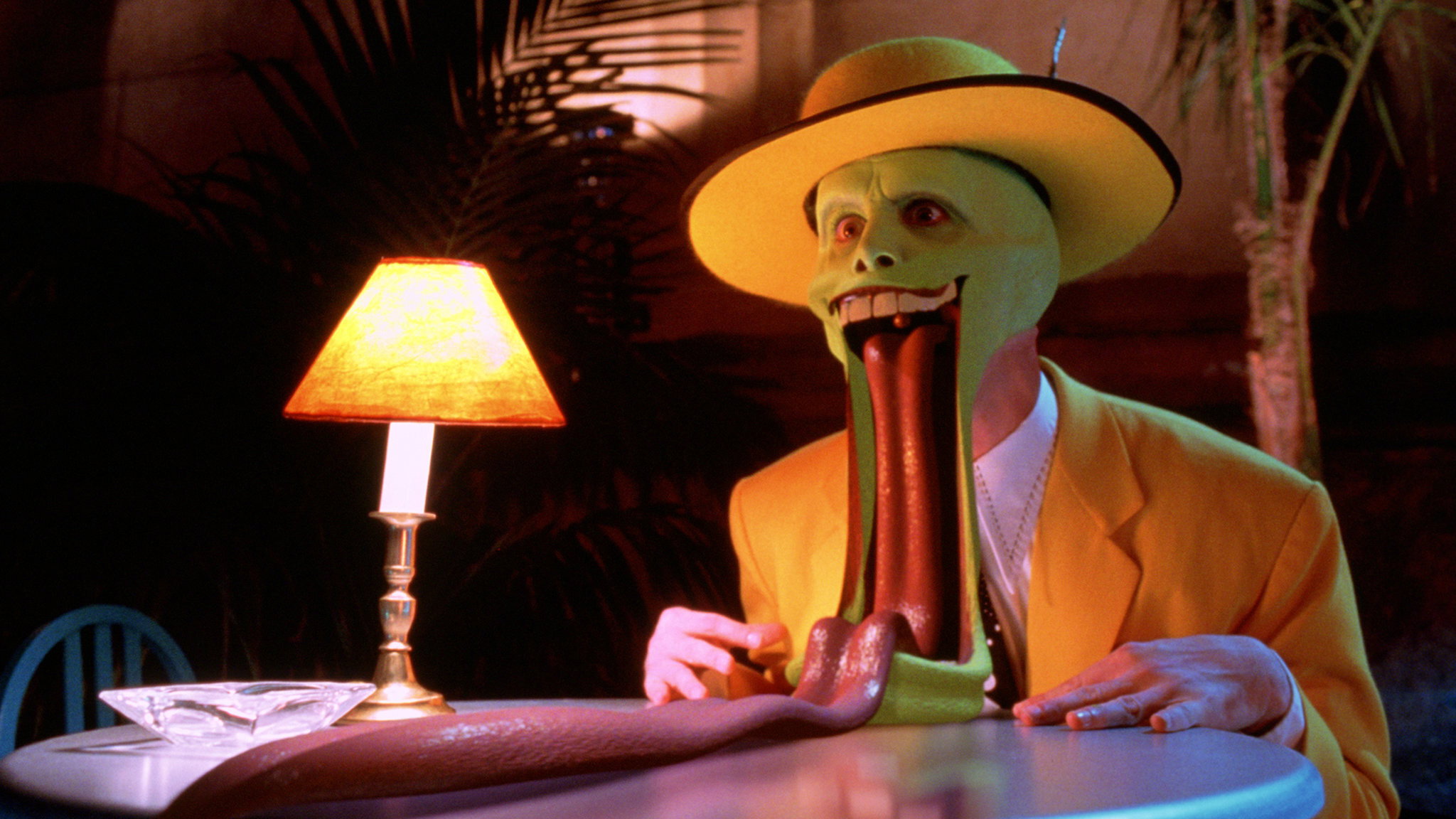
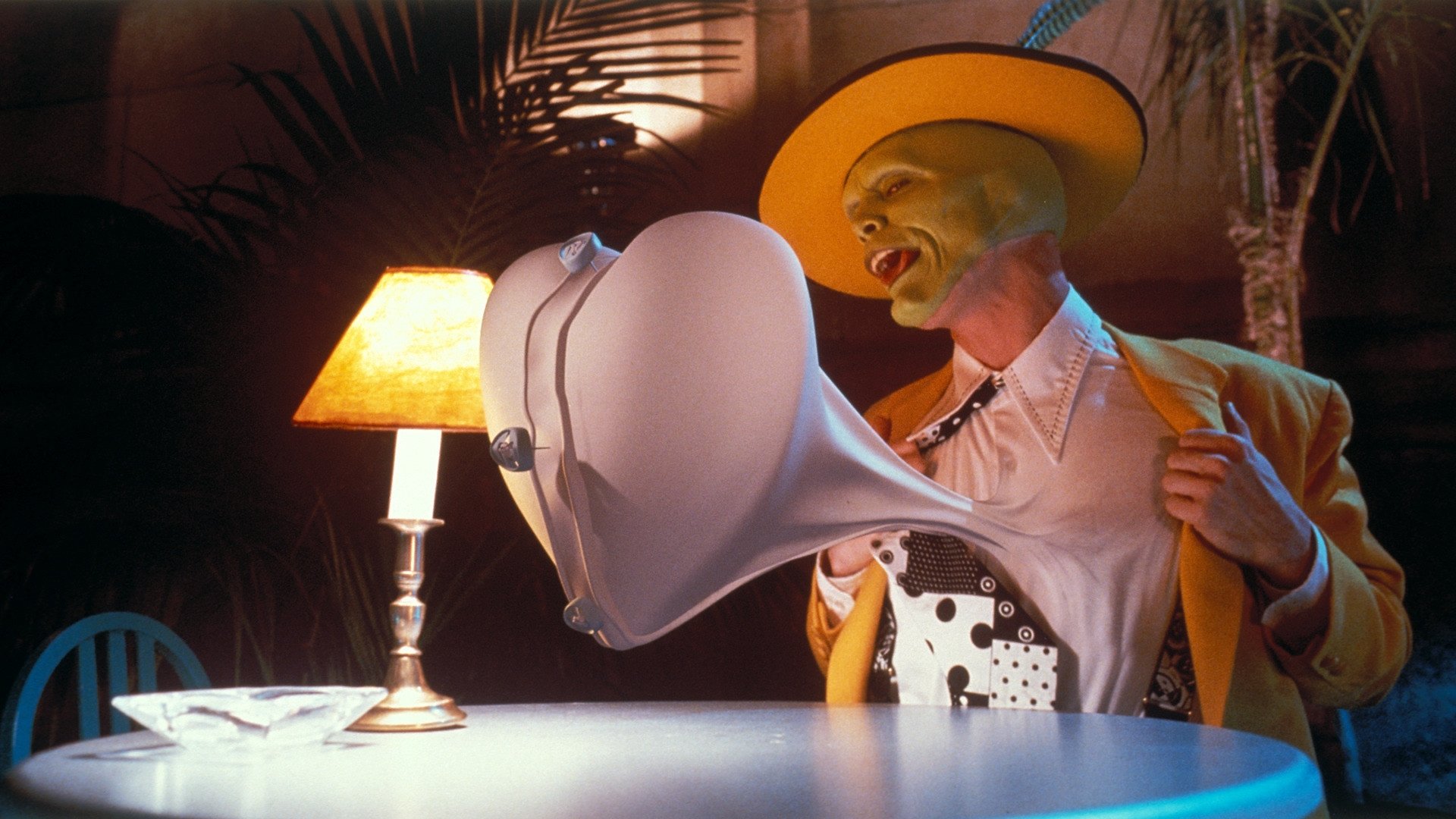
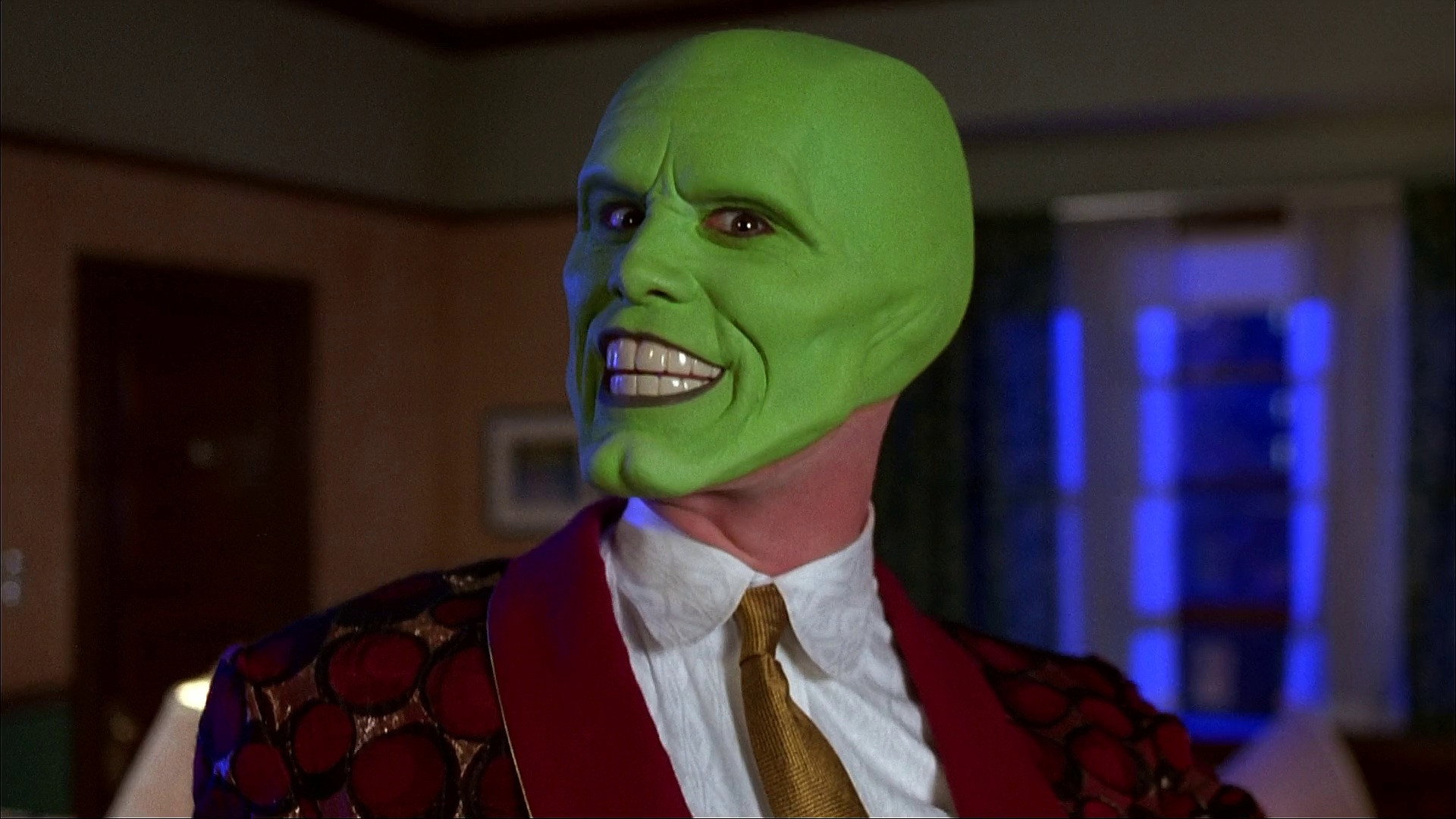
When the mask is on, the film is as good as its reviews. The effects, credited to Industrial Light & Magic, are used for jokes rather than spectacle, which is why they still work. The Mask sees Tina Carlyle across a nightclub and his eyes leave his skull, his heart hammers out through his shirt and his tongue unrolls across the table. He turns a balloon animal into a tommy gun. Frisked by Kellaway, he produces from his pockets a bicycle horn, a bowling pin, a bazooka and a photograph of the lieutenant’s wife, and Arthur Coburn cuts each object on the beat of the gag so that none of them outstays its laugh.

Carrey is the point and he knows it. As Stanley he does a soft, slumped decency that is almost too much; as the Mask he is a whole Saturday morning of cartoons in one green body, and he sings and dances “Cuban Pete” with a line of armed policemen as if he had been waiting his whole life to be asked. Peter Riegert is the film’s second-best joke. He plays Kellaway with a flat, tired face that refuses to react to anything the Mask does, and the more Carrey spins the funnier Riegert’s stillness gets.

We laughed out loud, more than once, and the hardest at the frisk. It is a scene with no plot in it at all, one man emptying his pockets in front of another, and it is the best thing in the film because Russell trusts the joke to keep going past the point where a nervous director would have cut away. That kind of confidence is rarer than the effects.

Craig Stearns builds Edge City as a town where it is always night and has always just rained, the streets green and purple under the lamps and the Coco Bongo a box of gold and red inside. Ha Nguyen’s yellow zoot suit is the film’s best costume and very nearly its best character. John R. Leonetti lights Stanley’s flat like a damp bedsit and the Mask’s scenes like a stage, and the difference tells you where the film’s heart is. Randy Edelman’s score brings in the brass when the mask goes on and settles for strings when it comes off, and the strings are the weaker half.

The trouble is the crime plot. Mike Werb’s screenplay gives Dorian Tyrrell a bank to rob, a boss called Niko (Orestes Matacena) to overthrow and a girlfriend to lose, and nothing to be beyond a man who scowls. Peter Greene scowls capably. The reporter Peggy Brandt (Amy Yasbeck) has a thread the film keeps picking up and putting down again, and the mechanics who cheat Stanley (Tim Bagley and Johnny Williams) exist to be punished. Every time the mask comes off we are back in the flat with Stanley and Milo the dog, and the film sits down heavily and waits for him to put it back on. By the third visit to Dorian’s back room we had begun checking the runtime, and we resented it, because ten minutes earlier we had been laughing.

Cameron Diaz, in her first film, is more than a decoration. She plays Tina as a woman who has worked out what her looks are for and is tired of it, and she and Carrey are easy together in a way the script has not really earned. The Jekyll and Hyde comedy is an old shape and this is a perfectly sound one. What the film adds is the idea that a comic-book town should be funny as well as dark, which in 1994 was not the fashion.

Watch it with a child of about ten, or with the adult who was ten in 1994 and will know every line. It is a PG, and it runs 101 minutes, of which perhaps sixty are the film everyone remembers. The other forty are the price of admission.
Critical consensus AI synthesised

73
Positive
9
Mixed
0
Negative
1

Most critics like The Mask, and nearly all of them like it for the same reason: Jim Carrey. The reviews describe the film as a vehicle built around his manic energy and physical comedy, and several say his performance is its best special effect. The effects are the other point of agreement, with the Tex Avery cartoon homage and the transformation sequences praised as bright, fast and inventive. Cameron Diaz’s debut and Peter Riegert’s deadpan detective get supporting mentions.

The reservations are about everything else. Several reviews call the plot derivative or thin and say the film aims no higher than being a playground for its star, though most treat that as a fair trade. The spread is narrow, with one exception: The New York Times finds it lazy and perfunctory, an effects-driven revenge fantasy with little story or character. Later reviews are warmer, with one rewatch finding a parable about drink and confidence underneath the gags.

Variety
28 July 1994 · Leonard Klady
90*

The film is a money-making machine that is adroitly directed, visually dynamic and just plain fun, with Jim Carrey perfectly cast and strong support from the cast and effects that evoke classic cartoons. It should be one of the year's biggest commercial successes.

Read the full review →
Radio Times
★★★★ · Alan Jones
80

Jim Carrey consolidates his success with a stunning tribute to Tex Avery-style animation. Computer-generated effects drive the slick showcase for his unpredictable talents as a mild-mannered banker turned wild superhero.

Read the full review →
The AV Club
29 July 2024 · Jarrod Jones
80*

The critic praises the 1994 film's manic comedy and highlights how Peter Riegert's deadpan performance as Lt. Kellaway provides essential comic timing and elevates the material alongside Jim Carrey's energetic lead role.

Read the full review →
Time Out
3 May 2011 · TCh
80*

The critic calls it a treat and a classic 90s Jekyll and Hyde story. Director Russell pays homage to Tex Avery with bright design and eye-popping transformations, but Carrey's star turn is the film's best special effect.

Read the full review →
Empire
1 January 2000 · Kim Newman
75*

The review notes the film's tailoring to Jim Carrey's comic talents and praises its energetic, visually inventive sequences when the mask is worn, despite some plot impatience and 90s artefact qualities.

Read the full review →
RogerEbert.com
29 July 1994 · ★★★/4 · Roger Ebert
75

The film serves as an ideal showcase for Jim Carrey's manic energy and comic invention, anchored by the mask's transformative concept and lively visual design. Cameron Diaz makes a strong debut with strong chemistry that helps sustain the derivative plot.

Read the full review →

Cast

Awards

Academy Awards, 1995

Nominated
Best Visual Effects

Sitges Film Festival best special effects award, 1994

Won
Sitges Film Festival best special effects award

If you liked this, try…

Liar Liar poster

Liar Liar

1997 · Carrey with a single rule instead of a mask, and a tighter script for it

The Nutty Professor poster

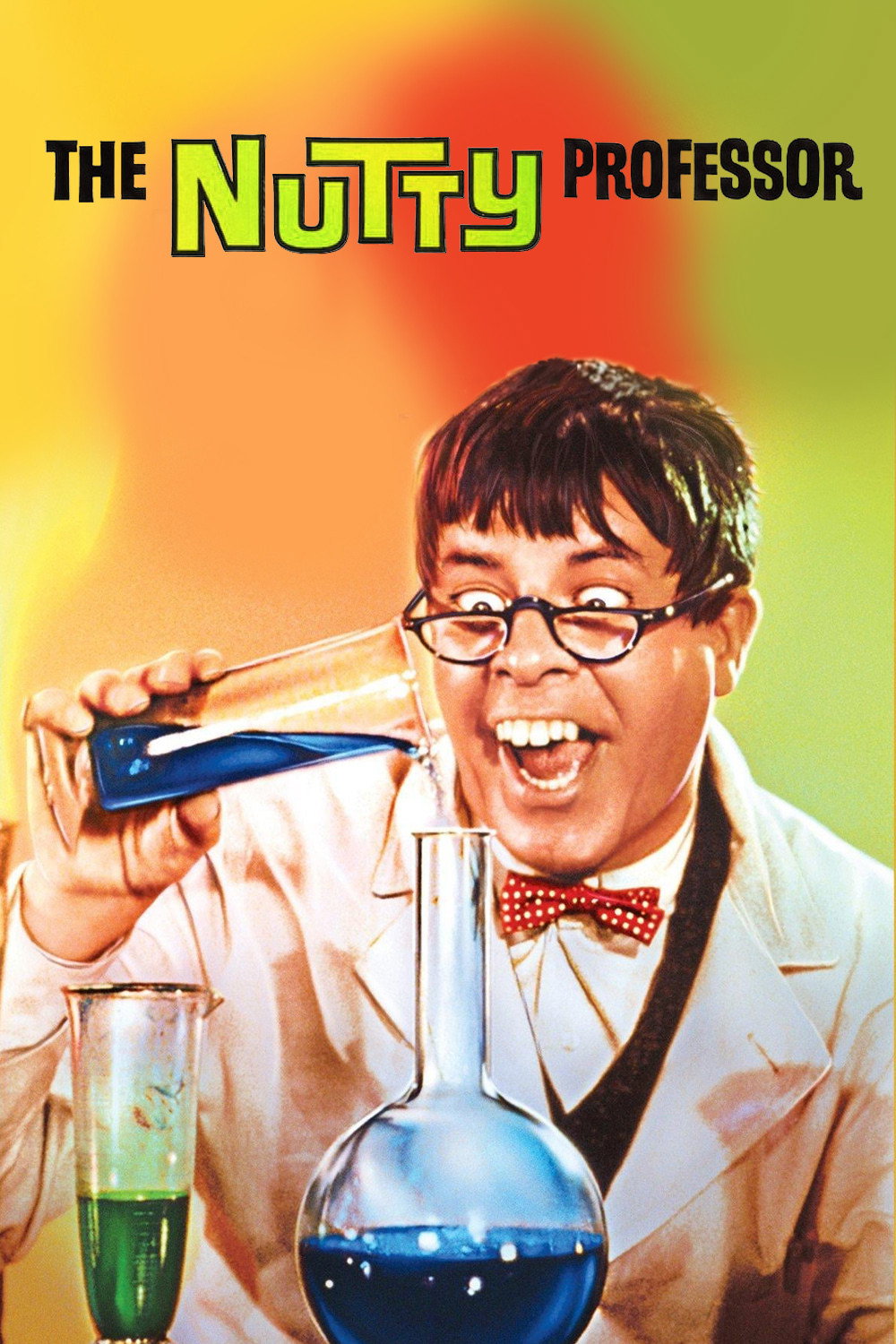
The Nutty Professor

1963 · Jerry Lewis does the Jekyll and Hyde comedy with a suit and no computers

Who Framed Roger Rabbit poster89

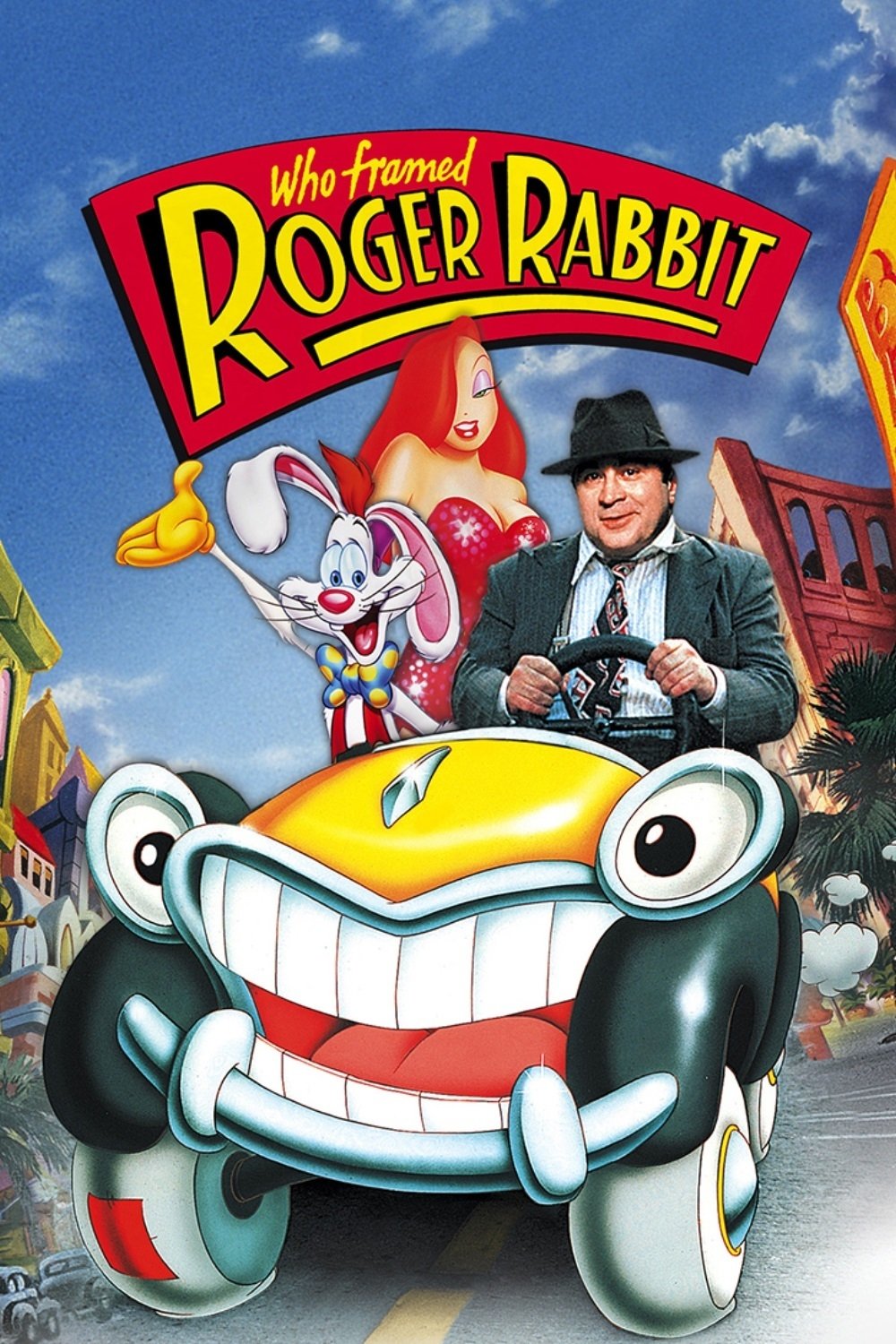
Who Framed Roger Rabbit

1988 · The other film that put cartoon physics in a live-action crime town

Kung Fu Hustle poster

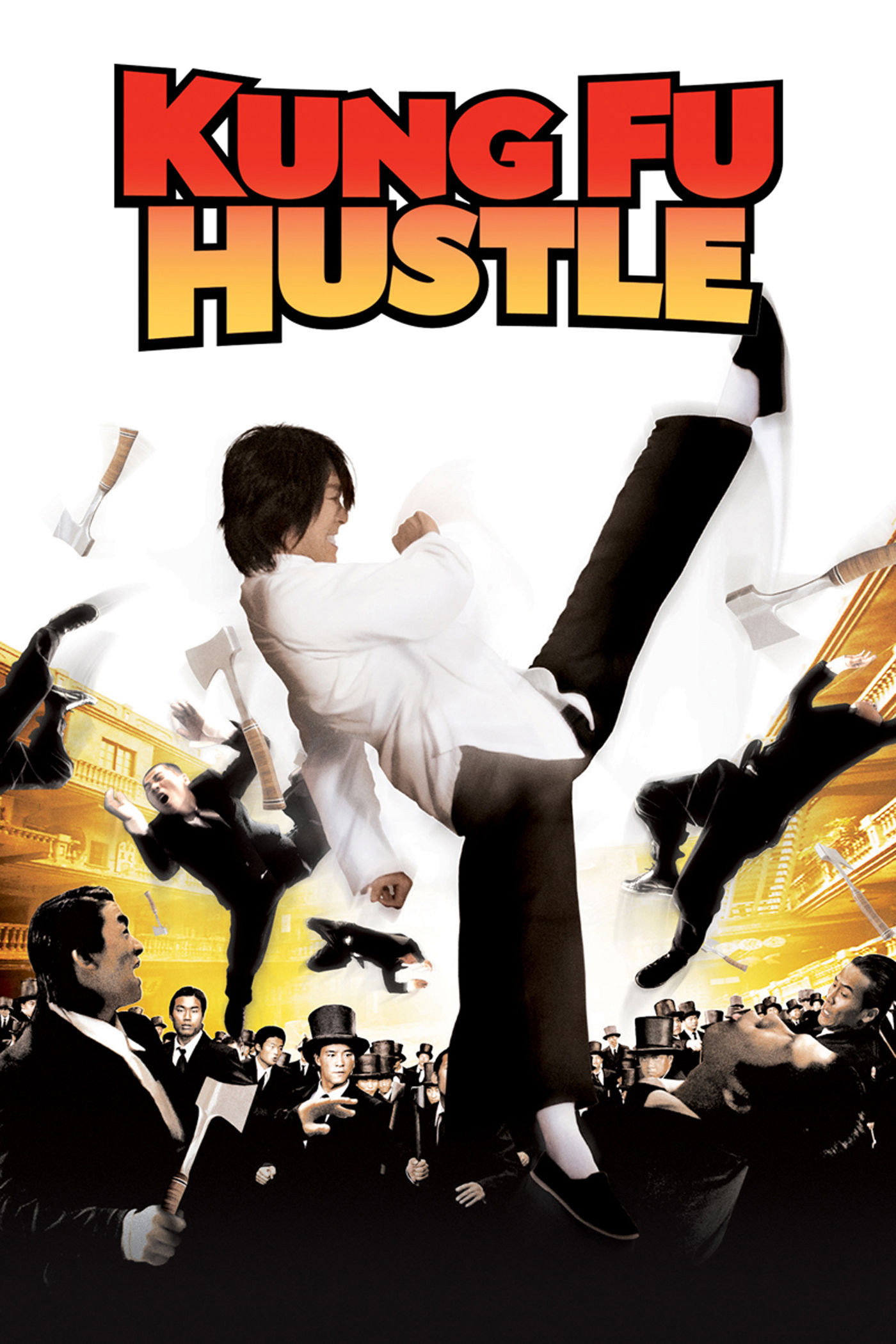
Kung Fu Hustle

2004 · Stephen Chow’s Hong Kong gangland runs on Looney Tunes logic and lands every gag

Dick Tracy poster

Dick Tracy

1990 · Warren Beatty’s comic-strip city in seven colours, a cousin to Edge City