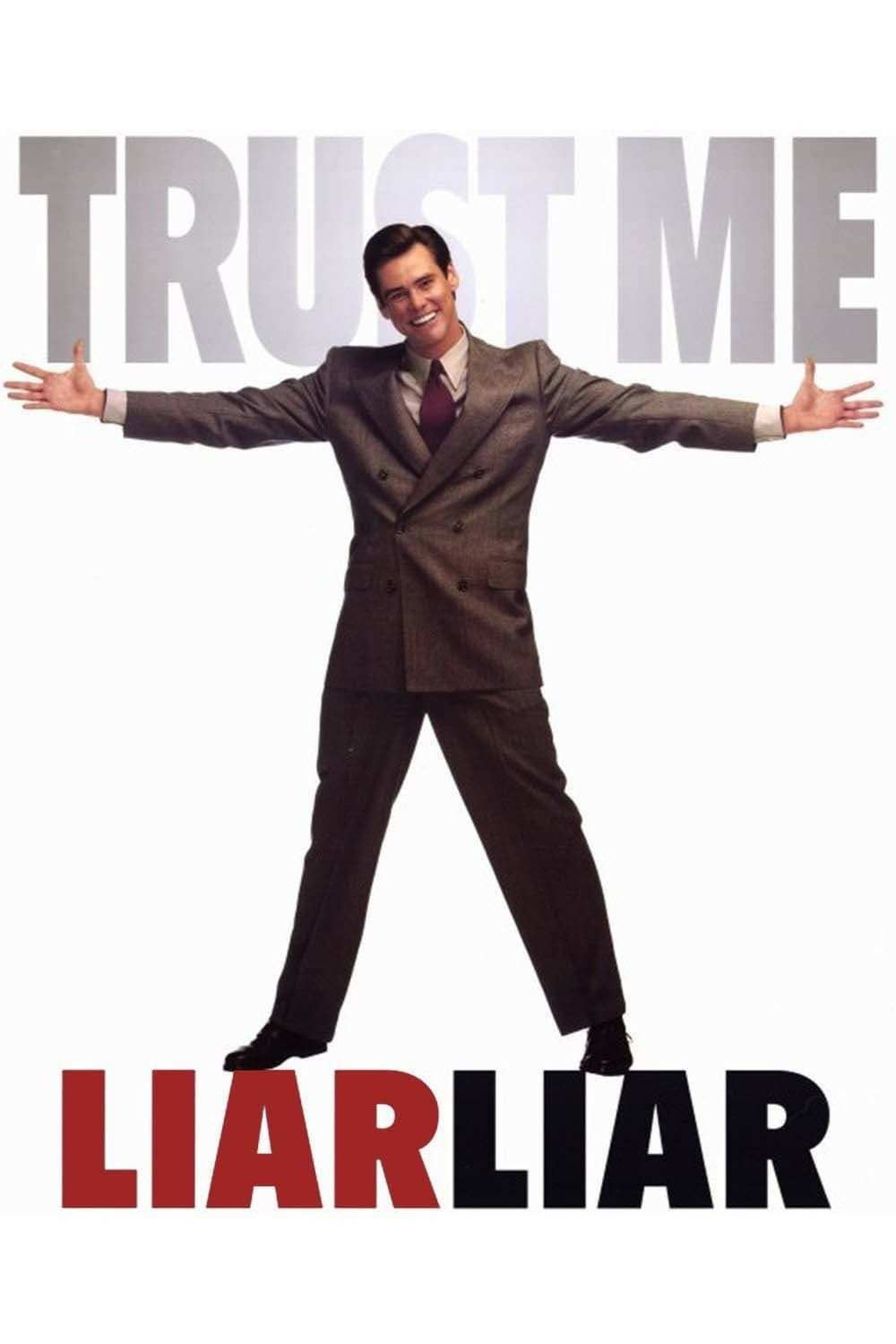
Jim Carrey’s one-day-without-lying comedy is a delivery system for one performer and, for most of its 86 minutes, an efficient one. The gags are sharp and the script around them is thin, and the family scenes at the end go soft.
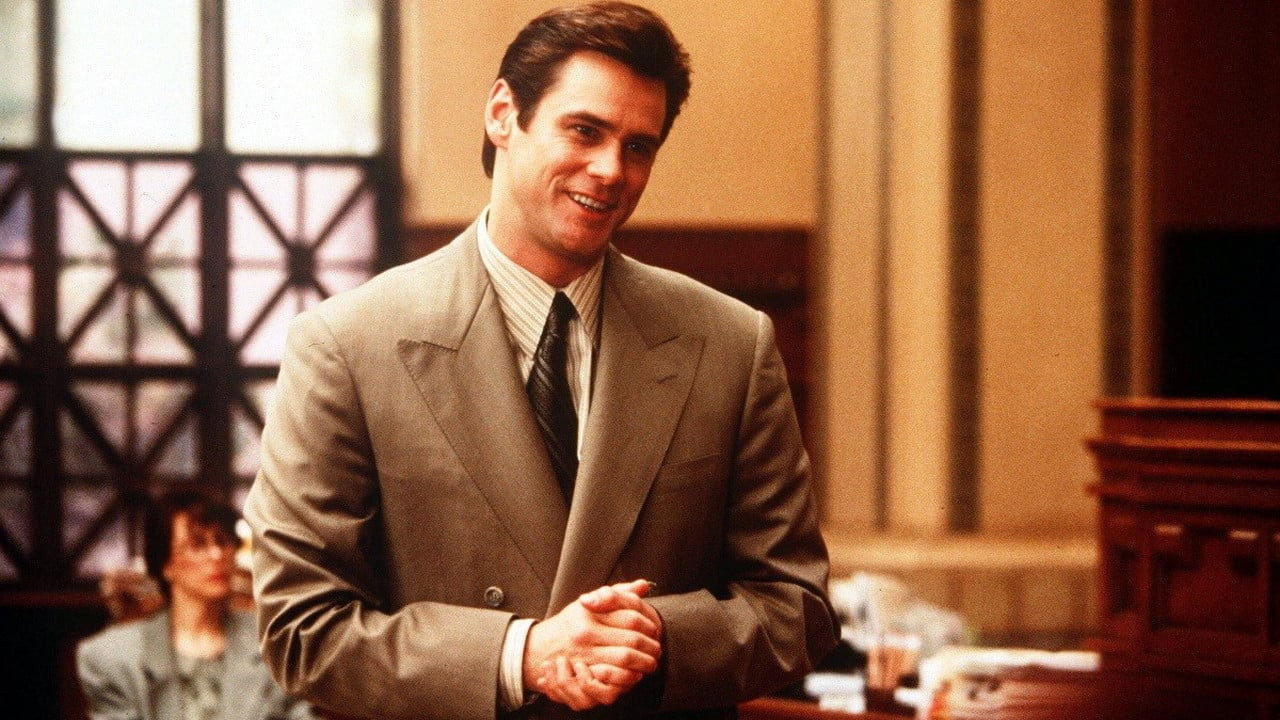
Tom Shadyac, who directed Carrey in Ace Ventura: Pet Detective (1994), has one idea here and the sense to know it is enough. Stephen Mazur and Paul Guay’s script takes a man whose whole life is built on lying, makes it impossible for him to lie for twenty-four hours, and then puts him in the two places where honesty does the most damage: a law firm and a courtroom. Liar Liar is a good idea done well for about seventy minutes and then done sentimentally for the rest. It is worth seeing for the seventy.
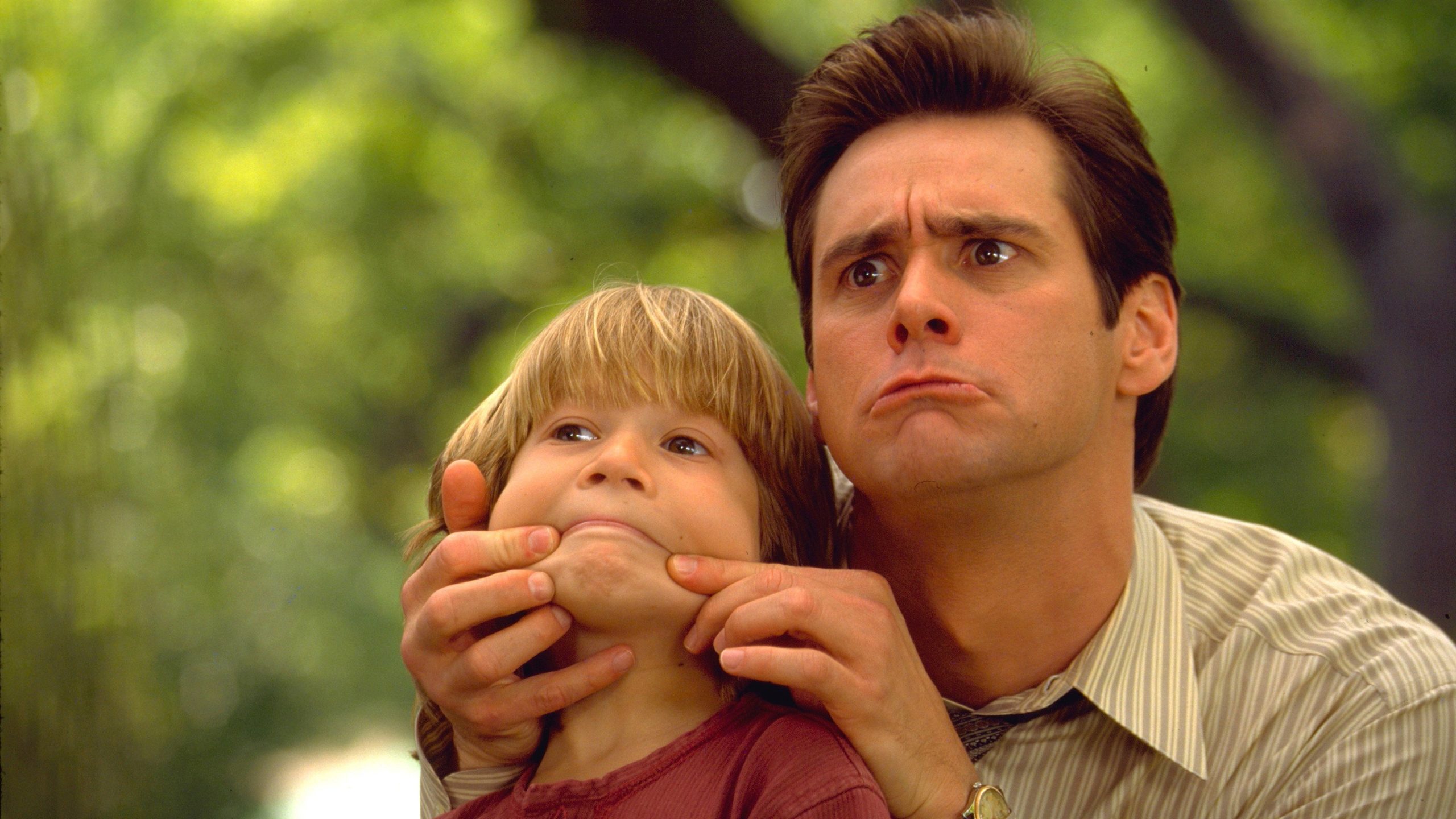
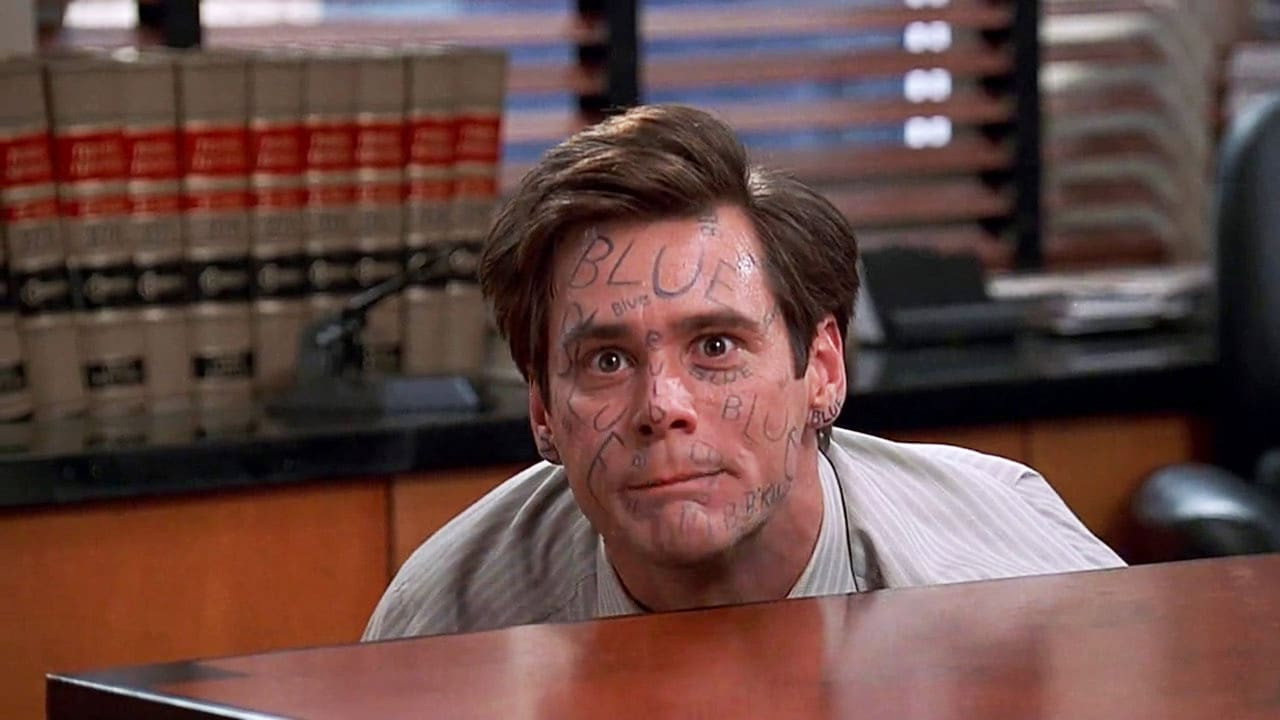
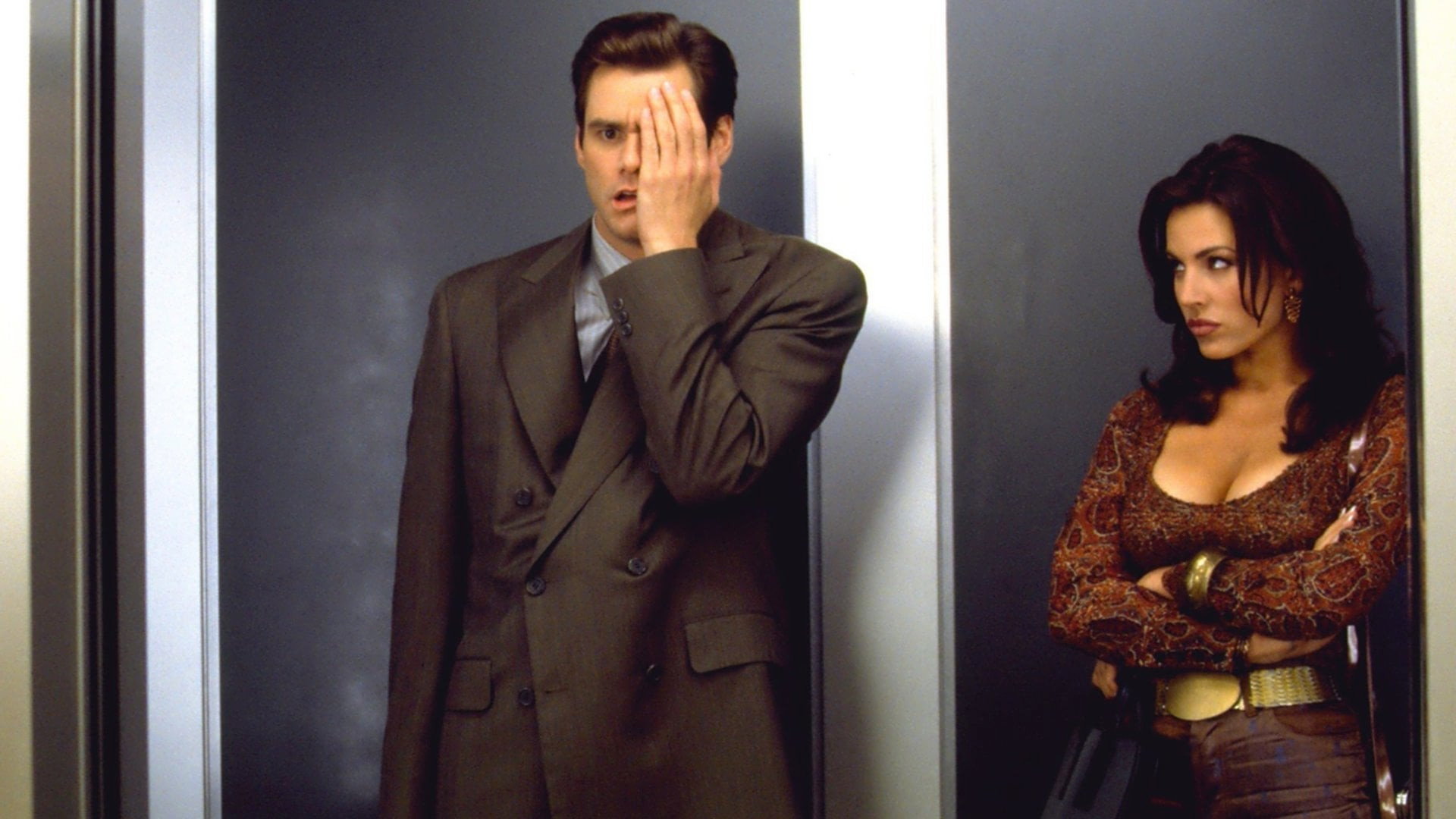
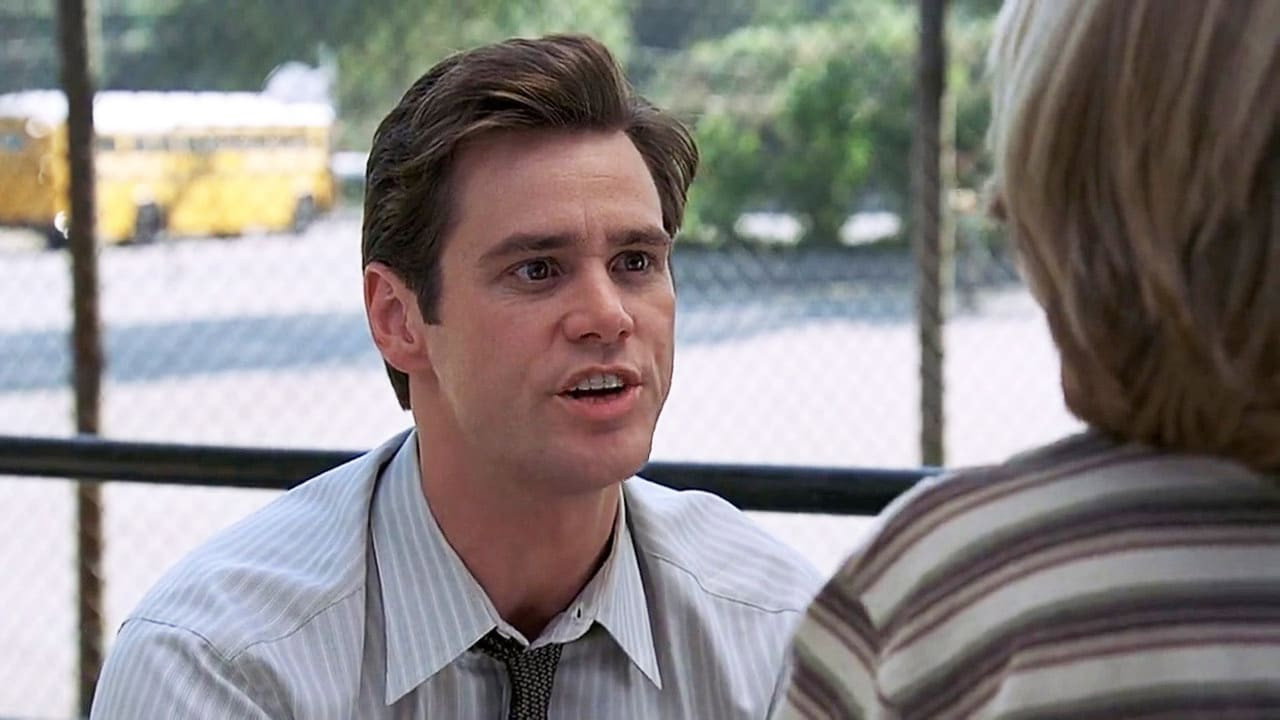
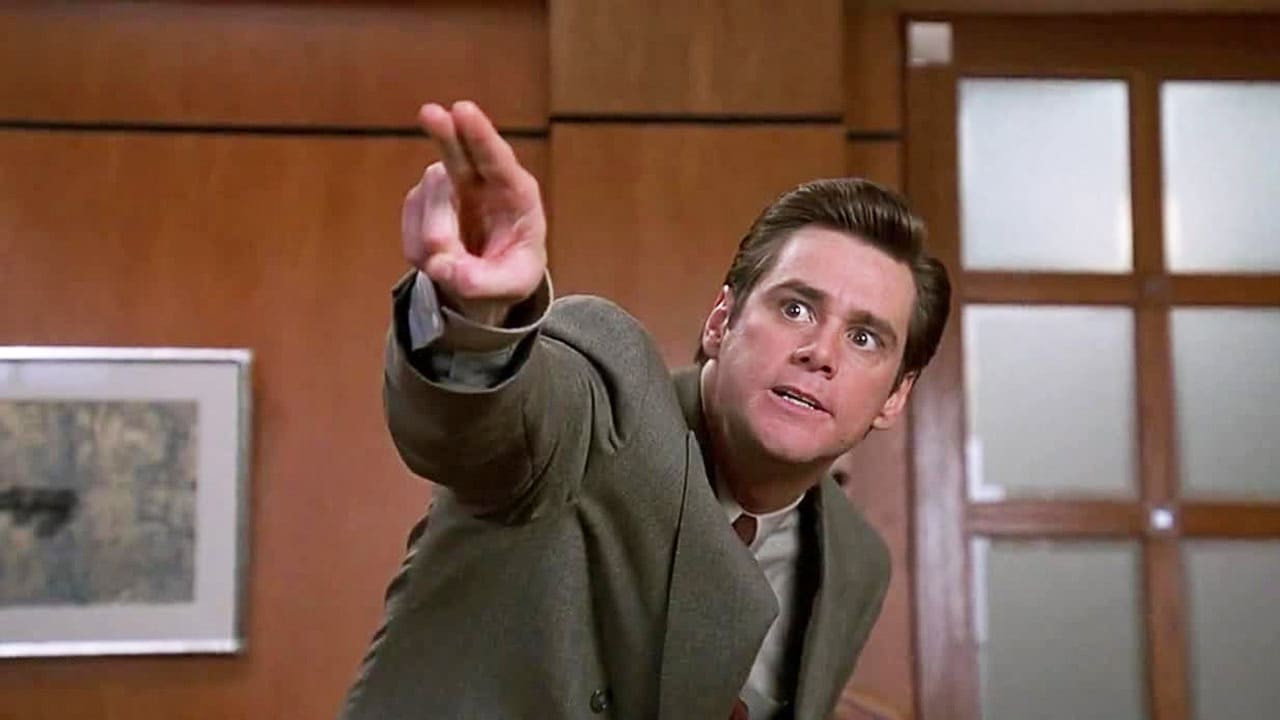
Carrey is the film, and he knows exactly what the film needs. He plays Fletcher’s first honest morning as a series of small, appalled discoveries, each one arriving on his face a half-second before the words leave his mouth, so we watch him hear himself. A woman in a lift (Krista Allen) asks what he thinks of her; he tells her. Miranda holds up a pen and asks him to say it is red; his jaw works, his neck strains, and what comes out is the truth, at length, in several voices. A partners’ meeting turns into a roast of everyone at the table. None of these scenes is more than two minutes long, and every one of them earns its laugh.
The best of them takes place in a courthouse lavatory and involves Fletcher, a wash basin and nobody else. We laughed harder than we have at a studio comedy in a long while, and we can say precisely why: Carrey plays both halves of a fight, attacker and victim, and Shadyac does not cut away to help him. It is pure silent-film business, done with a body that appears to have no bones, and it is over before it can wear out.
The supporting cast is given room, which is not always the case around Carrey. Maura Tierney plays Audrey with more patience than the script writes for her, a woman who has stopped expecting anything and is faintly annoyed to find herself hoping again. Cary Elwes makes Jerry a decent man who suspects decency is not going to be enough, and gets one good, humiliating scene to prove it. Anne Haney, as Fletcher’s secretary Greta, delivers her lines with the flatness of someone who has heard every excuse he owns. Swoosie Kurtz’s opposing counsel and Jason Bernard’s judge do the useful work of reacting, and Jennifer Tilly plays the client as a woman who cannot see why adultery should cost her anything.
Russell Boyd lights the law offices in flat, expensive daylight and the courtroom in warm wood, and otherwise puts the camera where it can see all of Carrey and leaves it there. Linda DeScenna’s offices are glass and pale wood, the kind of place where a lie sounds like a business plan. Judy L. Ruskin puts Fletcher in suits a shade too good for a man who forgets his son’s birthday. Don Zimmerman cuts fast and gets the whole thing done in 86 minutes, which is the right length for one joke. John Debney’s score is brisk brass when Carrey is moving and strings when the film wants us to think about fatherhood, and the strings arrive more often than we would like.
That is the trouble. The premise has a nasty streak in it, the possibility that an honest man might lose everyone, and the film keeps flinching from it. Almost everyone Fletcher insults deserves it. The people he hurts forgive him quickly. The message, that boys need their fathers and fathers need to tell the truth, is stated in the first act, restated in the second, and then handed to a small child to say aloud, at which point we stopped feeling anything and started noticing that we were being asked to. The last stretch is a series of reconciliations we saw coming from the birthday cake.
Against Carrey’s own run this sits below The Mask (1994), which gave him a world to match his face, and comfortably above the shouting of his weaker vehicles. It is a small, fast, well-made comedy that trusts its star completely and its audience rather less. Watch it with children old enough for the innuendo to go past them, and be prepared to look at your phone during the last ten minutes.