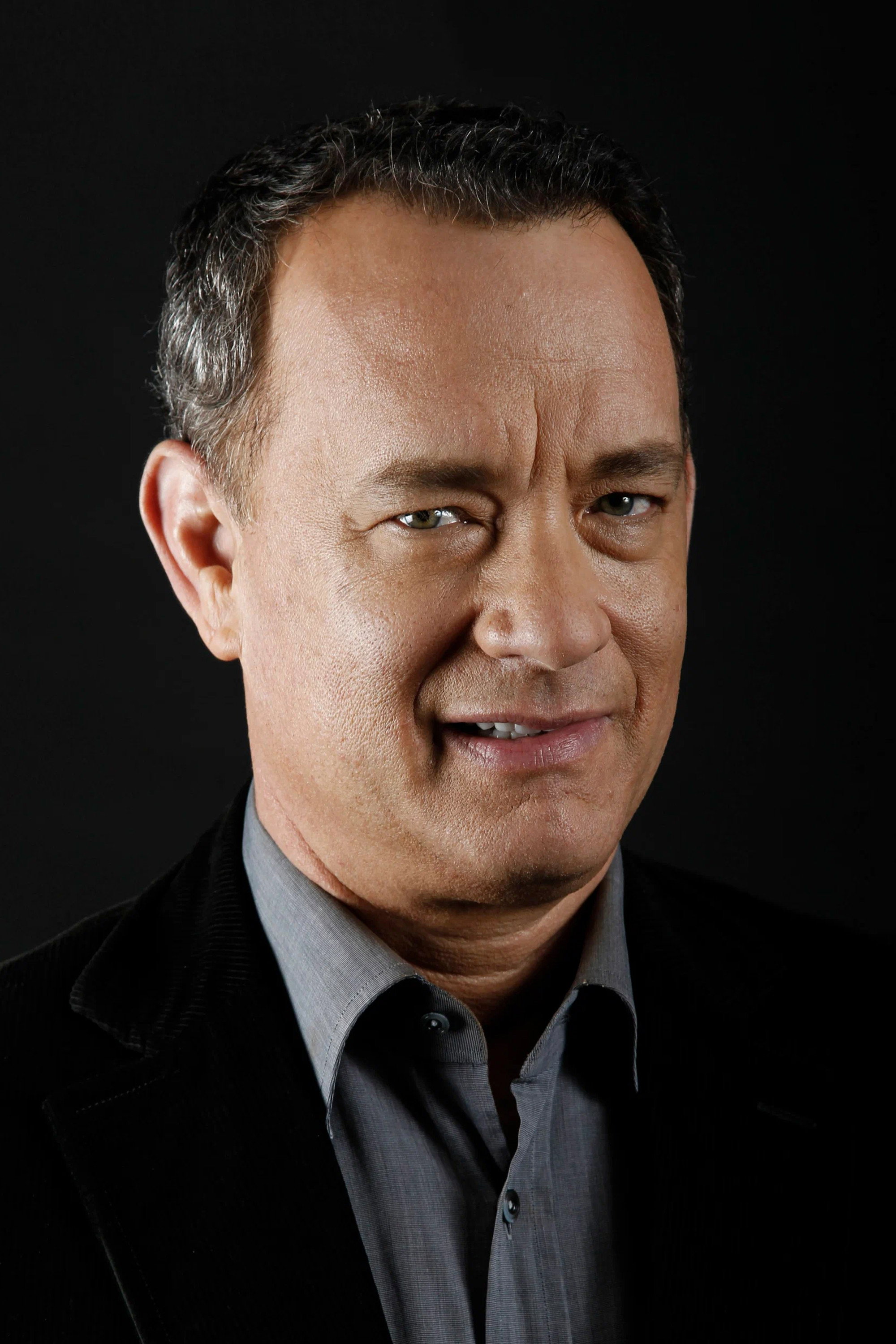
Big is a warm, funny fantasy built around Tom Hanks’s convincing sense of a child’s uncertainty. Penny Marshall keeps the comedy gentle, though the sweetness sometimes makes adult life look too easily dismissed.
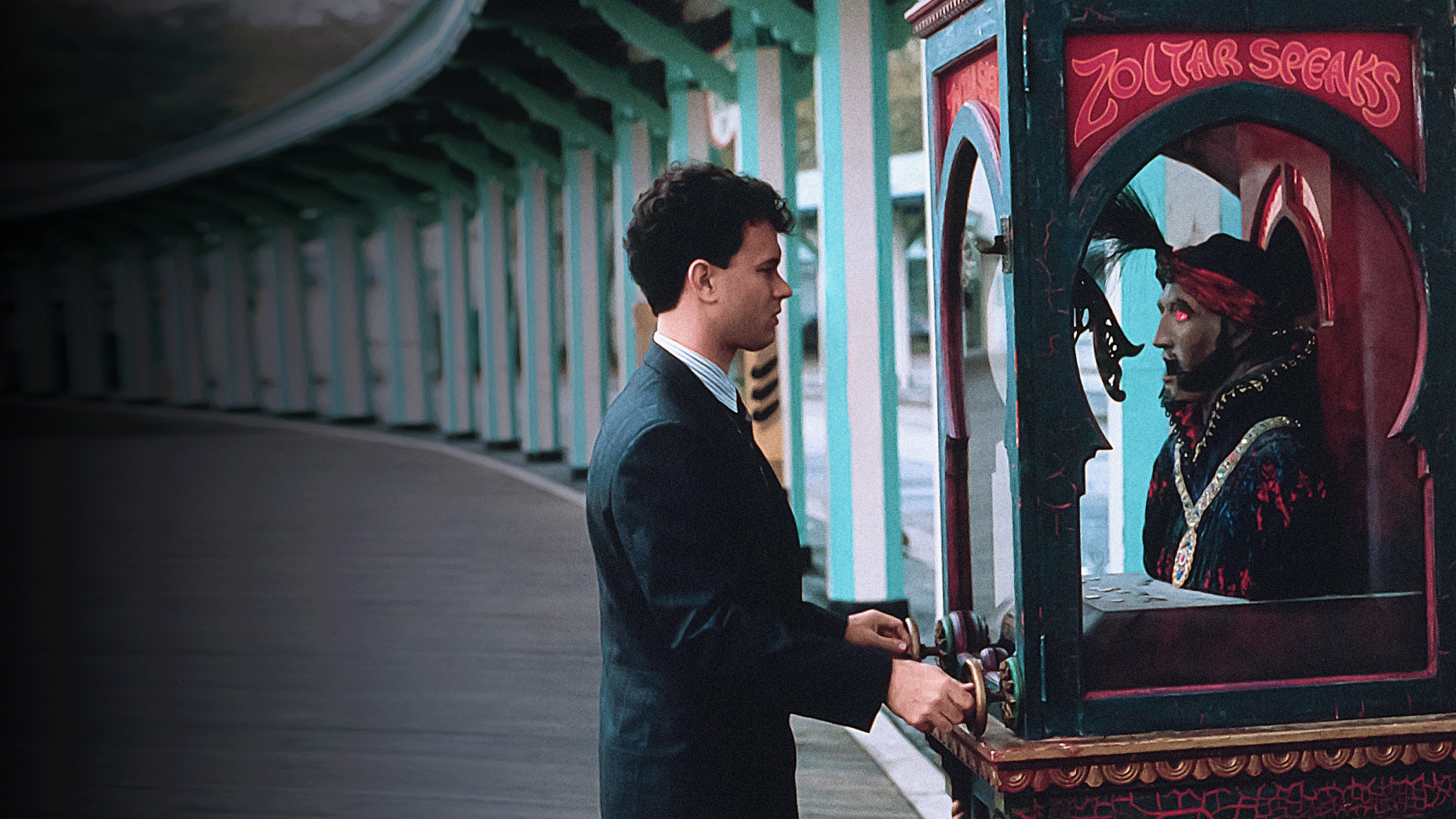
Big succeeds because Penny Marshall takes a child’s discomfort in an adult body seriously enough to make the comedy matter. The premise could sustain a procession of jokes about grown-up privileges, but the film keeps returning to the simpler question of how a boy is supposed to manage all this. It is warm, funny and occasionally too sweet for its own good. We recommend it chiefly for Tom Hanks, whose Josh remains recognisably a child even when the surrounding fantasy starts making life convenient for him.
Hanks’s physical acting is the main reason to believe in that impossible situation: Josh seems to be learning what to do with the body he has been given. There is pleasure in his freedom, but also uncertainty about what adults expect him to know already. Hanks allows fear into the performance without making Josh pitiable, which gives the comedy something to lose. Marshall does not press every sign of childishness into service as a punchline, and the restraint makes him easier to care about.
The giant piano scene earns its reputation by giving that performance something worth getting excited about. We laughed because Hanks makes play seem like the obvious thing to do, with no need to announce how charming he is being. Cinematographer Barry Sonnenfeld makes the scale of the instrument part of the joke. Editor Barry Malkin lets the physical performance supply the rhythm. The scene has enough patience to let the sight of a grown man absorbed in play be funny.
Production designer Santo Loquasto’s work helps make toys look worth an adult’s attention, which matters when so much of the film depends on their appeal. The giant piano is an especially good fit for a child suddenly occupying more space. Howard Shore’s music is less necessary when it encourages tenderness that Hanks has already supplied. It suits Marshall’s gentle tone, but there are moments when the film could do with less help being sweet.
The weakness is in how readily the screenplay by Anne Spielberg and Gary Ross favours childhood over the alternatives. Adult life can look like a fairly dreary misunderstanding, curable by remembering how to enjoy a toy. That is a pleasing thought for a comedy, and it gives Josh’s innocence a purpose beyond keeping the plot moving. It also makes the film predictable: once play has been granted so much wisdom, the grown-ups have rather little chance of putting a convincing case.
Among body-swap comedies, Big stands out for Marshall’s patience with the boy. She gives the central performance room to be funny without leaning on crude innuendo, and the affection for Josh survives the script’s tidier assumptions. At 104 minutes, there is enough of Hanks’s uncertain, eager boy to make the familiar machinery worth accepting. Watch it for that performance, with a little tolerance for a film that remembers childhood more fondly than we do.