Film review

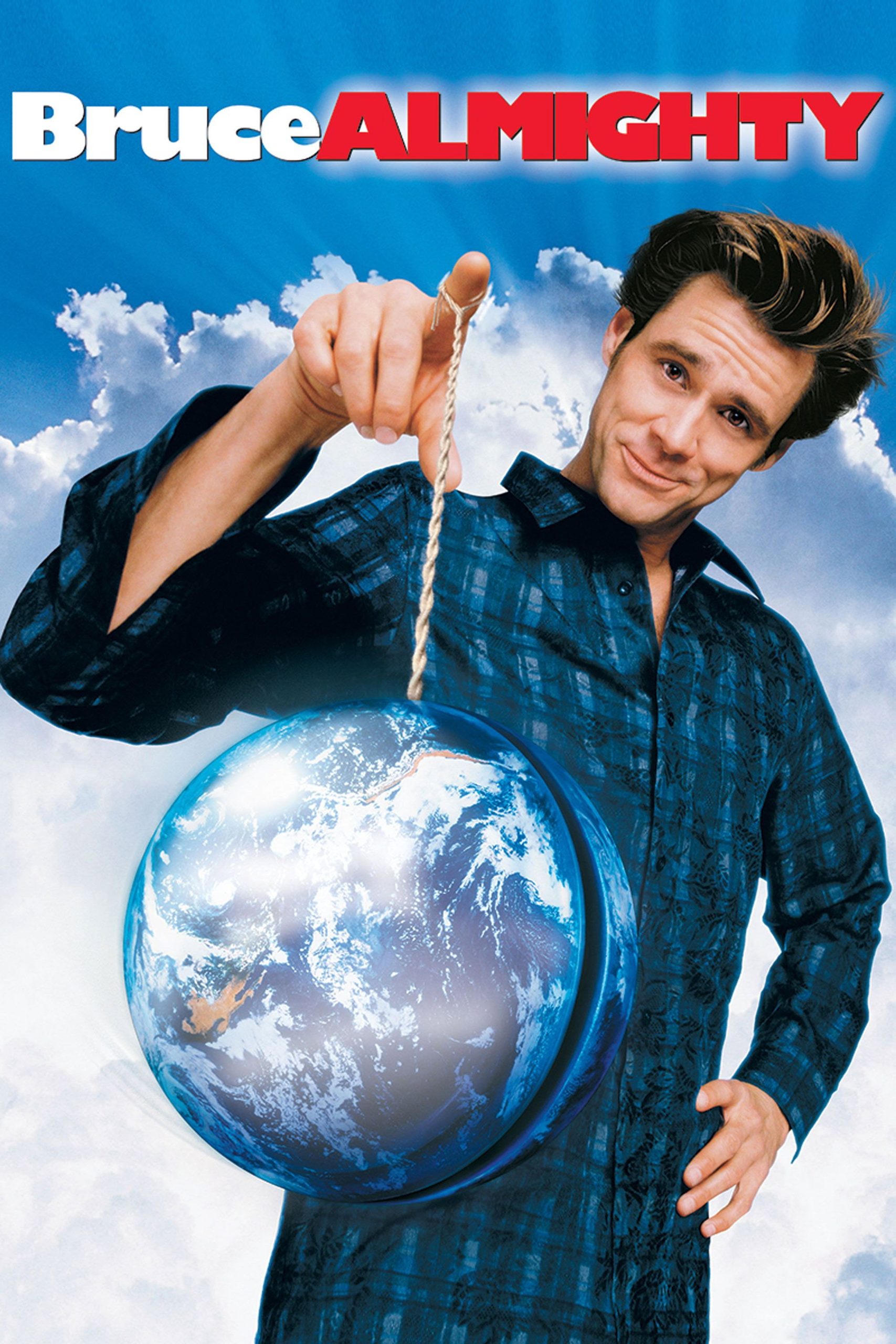
Bruce Almighty

2003 · Directed by Tom Shadyac · 1h 41m · MPA PG-13

In a sentenceHanded the keys to the universe, he uses them to find a parking space and get his old job back

FantasyComedy

Buffalo, New York. Bruce Nolan (Jim Carrey) is the television reporter sent to cover the city’s biggest cookie while Evan Baxter (Steve Carell) is handed the anchor’s chair Bruce wanted. He lives with Grace Connelly (Jennifer Aniston), who teaches small children and would like him to look up from his own career now and then. A live broadcast from Niagara Falls turns into an on-air tantrum, station manager Jack Baylor (Philip Baker Hall) fires him, and Bruce is beaten up in the street on the way home. He shouts at God. God (Morgan Freeman), in a white suit in an empty office building, answers: he is taking a holiday, and Bruce can have the job, with two rules he is not to break.

Fi1m review

Jim Carrey is given the powers of God and Tom Shadyac’s comedy spends half an hour enjoying it before losing its nerve. Freeman and Carell earn their laughs; the premise is parked, and the last act delivers a sermon nobody asked for.

Tom Shadyac directs a 101-minute comedy from a script by Steve Koren, Mark O’Keefe and Steve Oedekerk whose idea is about as large as ideas get: a self-pitying man is given everything God can do. The film spends roughly thirty minutes having fun with that and the remaining seventy backing away from it. It is amiable, it is sometimes properly funny, and it is frightened of its own premise from the moment the premise arrives.

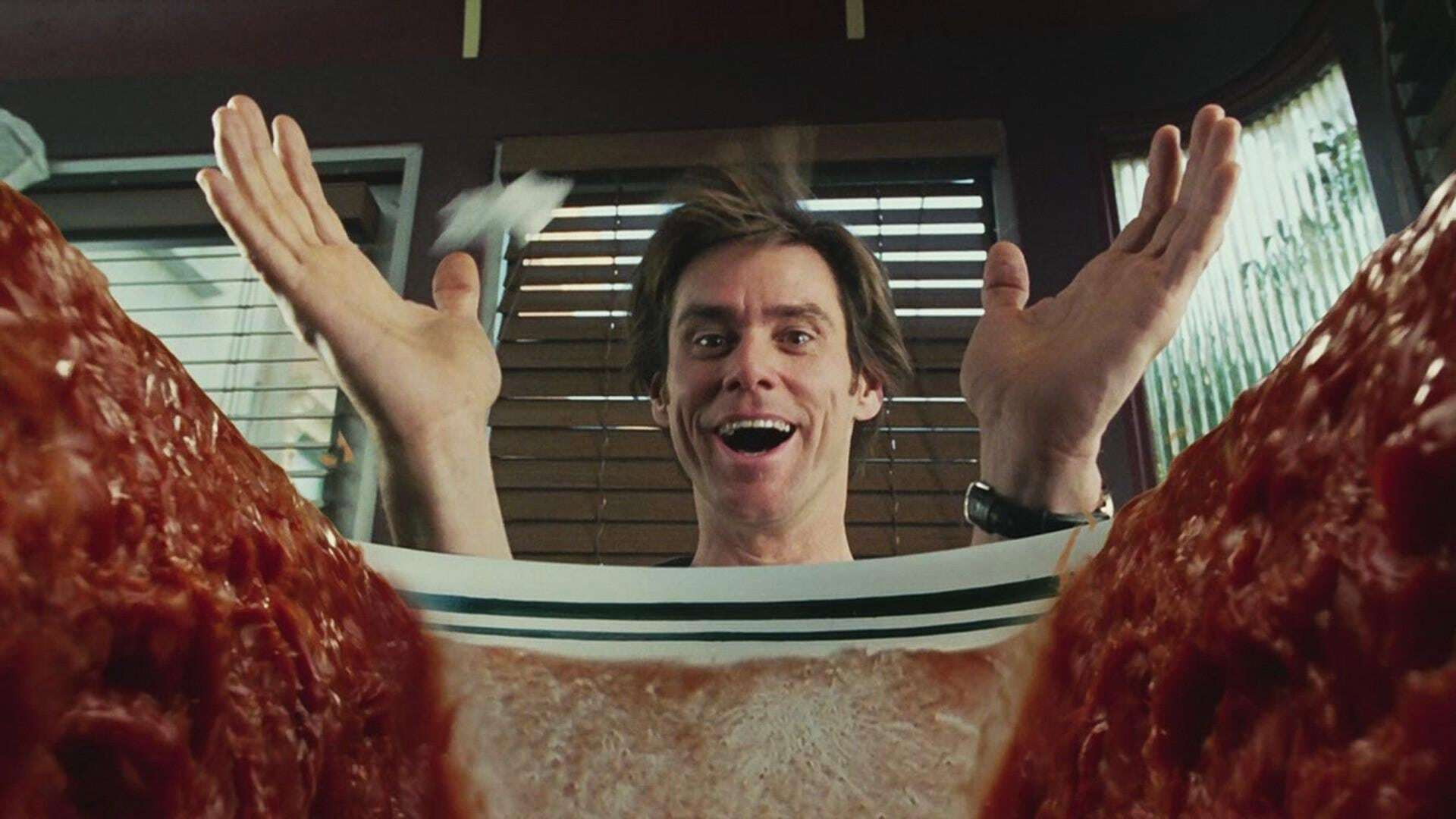
The early stretch belongs to Carrey and it is the best of the film. His live report from Niagara Falls, a puff piece that curdles on air into a tirade against his own station, is the kind of slow-motion self-destruction he does better than anyone, and Scott Hill holds the takes long enough that we watch the smile give way one muscle at a time. Once the powers come, he parts a bowl of tomato soup with a finger, teaches the dog to use the lavatory and pulls the moon in closer for a date. We laughed, properly and more than once, mostly at the soup, because Carrey plays it not as a miracle but as a man checking whether the trick works.

Morgan Freeman plays God as a janitor with a mop and then as a man in a white suit who finds all of this mildly amusing. Linda DeScenna gives him a bare white-floored building with nothing in it but a bucket and a filing cabinet, Judy L. Ruskin dresses him like a retired bandleader, and Freeman does the rest by declining to raise his voice. Every scene he is in is calmer and sharper than the scenes around it. Steve Carell, as the smug rival Evan Baxter, has one live news bulletin in which Bruce arranges for his voice to stop obeying him, and Carell plays the mounting panic dead straight. It is the biggest laugh in the film and it does not involve Carrey.

The trouble is what the script does with omnipotence, which is very little. Bruce finds parking spaces, settles scores, improves his love life and gets his job back. That is a fair opening move; it turns out to be the only move. In H.G. Wells’s The Man Who Could Work Miracles, from 1936, a shop clerk given the same gift very nearly wrecks the world. Here nothing Bruce does costs anything at all until the writers decide it is time for a lesson, at which point everything does, and the film turns into a homily about not bothering God with requests. We were bored by the last half hour, and then irritated by it, because a sermon that arrives that late is a film admitting it has stopped thinking.

Jennifer Aniston has the thankless job. Grace exists to be neglected, then wooed with special effects, then neglected again, and the script uses her as a gauge of Bruce’s moral progress rather than as a person. Aniston gives her more warmth than the writing deserves. Dean Semler shoots Buffalo in bright, flat, sitcom light, blue skies and yellow kitchens, which suits the gags and does nothing for the heavenly bits, and John Debney’s score tells you a moral is coming about ten seconds before it does. Philip Baker Hall, as the boss, gets to be gruff twice.

Shadyac and Carrey made Ace Ventura: Pet Detective and Liar Liar together, and Liar Liar had a rule it believed in: a man who cannot lie for one day, and every scene tests it. This film has a far bigger rule and does not trust it. The reviews so far are split down the middle, and we are in the middle with them, which is a dull place to be about a film in which a man rearranges the moon.

If the household likes Carrey pulling faces, the first hour and the 12 certificate will see you through a Friday night. After that you may find yourself talking over it, and the film will not mind.


Critical consensus AI synthesised

50
Positive
3
Mixed
6
Negative
6

The reviews split almost evenly, with as many negative as mixed and only a handful warmly in favour. Where there is praise, it goes to Jim Carrey’s physical clowning and to Morgan Freeman’s calm, unhurried God, and most critics agree the premise is a good one. The early stretch, in which Bruce tries out his new powers on parking spaces and passers-by, is generally held to be where the laughs are.

The complaint is what happens after that. Most critics find the film loses its nerve, turning preachy and sentimental in the final act rather than taking its idea anywhere dark or uncomfortable. Sight and Sound calls the handling timid, and The AV Club goes furthest, finding the third act toxic. Even The New York Times, broadly approving, notes the preachiness. The spread is wide, from cheerful approval to outright loathing, and the dissent runs in odd directions: Variety thinks Carrey lacks his usual fire, while The Times finds Jennifer Aniston the only saving grace.

Evening Standard
10 April 2012 · Alexander Walker
75*

Carrey is in tremendous form with his quick-fire comic skills, and the film offers light, quick and diverting entertainment with slick gags and strong support from Morgan Freeman.

Read the full review →
RogerEbert.com
5 May 2003 · Roger Ebert
70*

The critic calls the film a charmer in which Bruce learns lessons about power and responsibility. Carrey's manic energy and Freeman's warm portrayal of God are singled out as highlights.

Read the full review →
The New York Times
23 May 2003 · Stephen Holden
70*

The film is described as rambunctiously funny thanks to Carrey's performance, though it turns preachy at the end. The critic notes it surpasses Shadyac's earlier Carrey comedies in humor.

Read the full review →
Empire
· Simon Braund
65*

The film delivers plenty of laughs thanks to Carrey's performance and inventive sight gags, but it suffers from a smug tone and an uneasy sense that the story endorses the self-satisfied aspirations of its privileged protagonist.

Read the full review →
Radio Times
★★★ · Brian Pendreigh
60

Carrey clowns around enjoyably as the reporter given divine powers in this zany fantasy with a neat premise and plenty of laughs. The film avoids being weighed down by deep theological questions.

Read the full review →
Screen Daily
29 May 2003
60*

An intermittently hilarious comedy that showcases Carrey's goofy and cerebral sides with an appealing cast including Freeman as God. The uneven humour is too broad for some viewers.

Read the full review →

Cast

Awards

Kids' Choice Award for Favorite Movie, 2004

Nominated
Kids' Choice Award for Favorite Movie

If you liked this, try…

Liar Liar poster

Liar Liar

1997 · Shadyac and Carrey with one rule they actually keep; the better film by some distance.

The Man Who Could Work Miracles poster

The Man Who Could Work Miracles

1936 · Wells gives a shop clerk the same gift and follows the idea all the way down.

Groundhog Day poster88

Groundhog Day

1993 · A man handed a cosmic loophole, and a script that thinks hard about what he does with it.

Bedazzled poster

Bedazzled

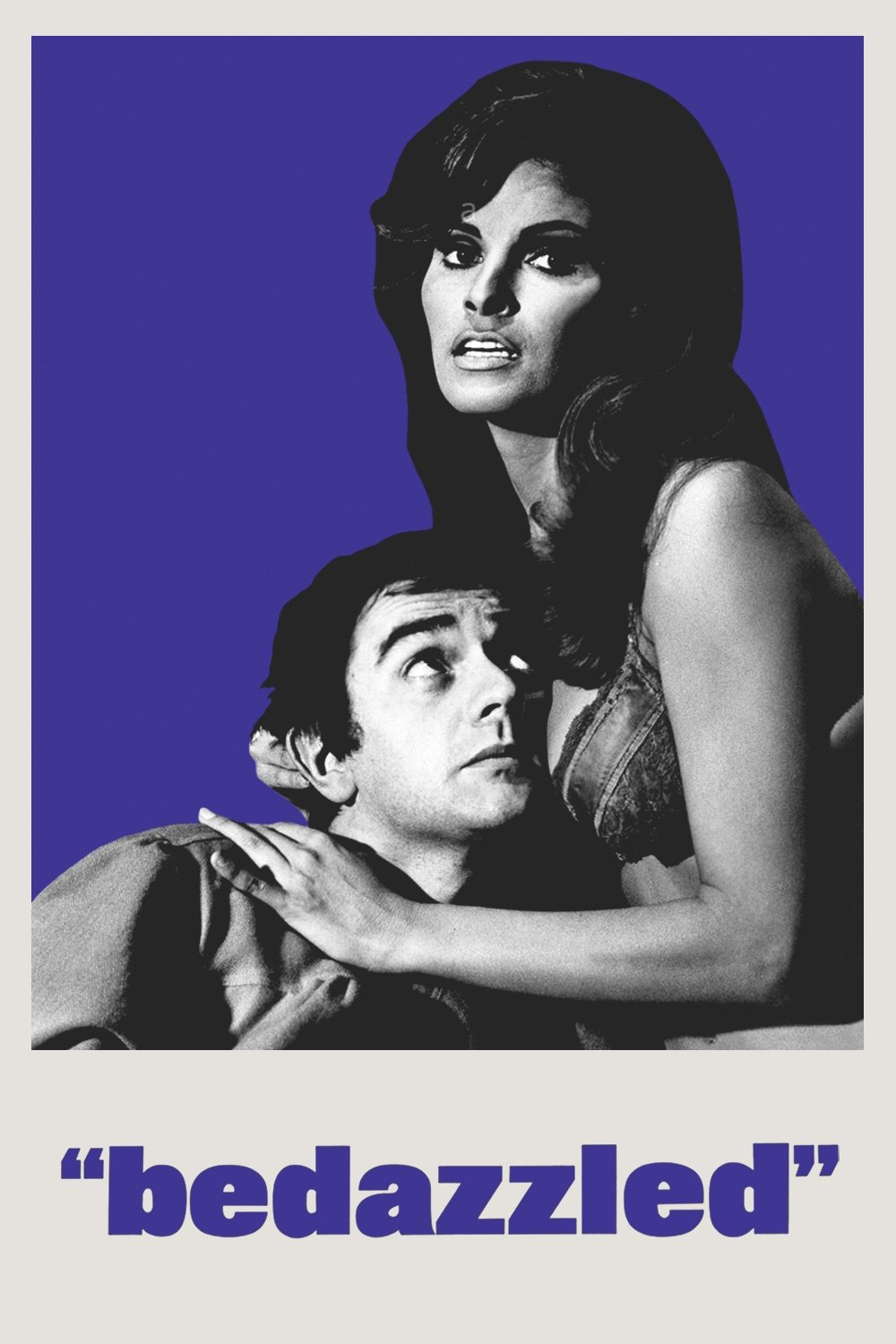
1967 · Peter Cook’s devil grants Dudley Moore seven wishes and ruins every one; dry, British, unsentimental.

A Matter of Life and Death poster92

A Matter of Life and Death

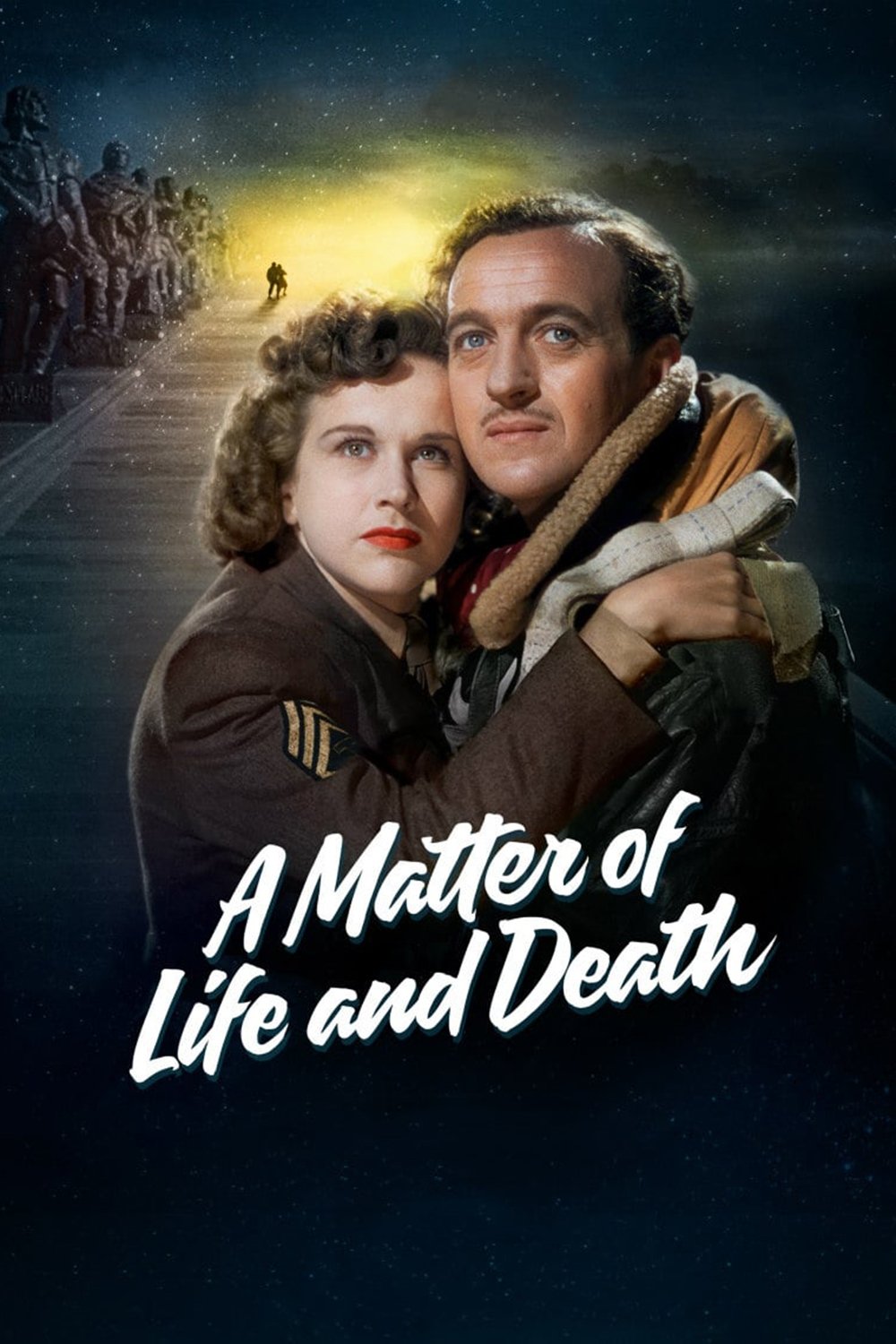
1946 · Powell and Pressburger put heaven on trial and make the afterlife look like a civil service.