Film review

Ace Ventura: Pet Detective

1994 · Directed by Tom Shadyac · 1h 26m · MPA PG-13

In a sentenceJim Carrey holds a conversation with his backside and it is the film’s most articulate scene

ComedyCrimeMystery

Miami, a fortnight before the Super Bowl. Ace Ventura (Jim Carrey) is a pet detective: he finds lost animals for a fee, works out of a flat with something alive in every cupboard, and is taken seriously by nobody, least of all the police. When the Miami Dolphins’ mascot, a live dolphin, is stolen from its tank at the stadium, the team’s publicist Melissa (Courteney Cox) hires him because the police lieutenant Einhorn (Sean Young) is getting nowhere and does not want him near the case. Ace’s friend on the force, Emilio (Tone Loc), feeds him tips. Quarterback Dan Marino plays himself. Ace wants the dolphin back before kick-off, and the only clue is a small orange stone found at the bottom of the tank.

Plays from YouTube when you press play; nothing loads from them until then.

Fi1m review

The film that made Jim Carrey a star is one long performance with a plot draped over it. He is often funny, the script almost never is, and the last ten minutes turn nasty in a way the film plainly thinks is hilarious.

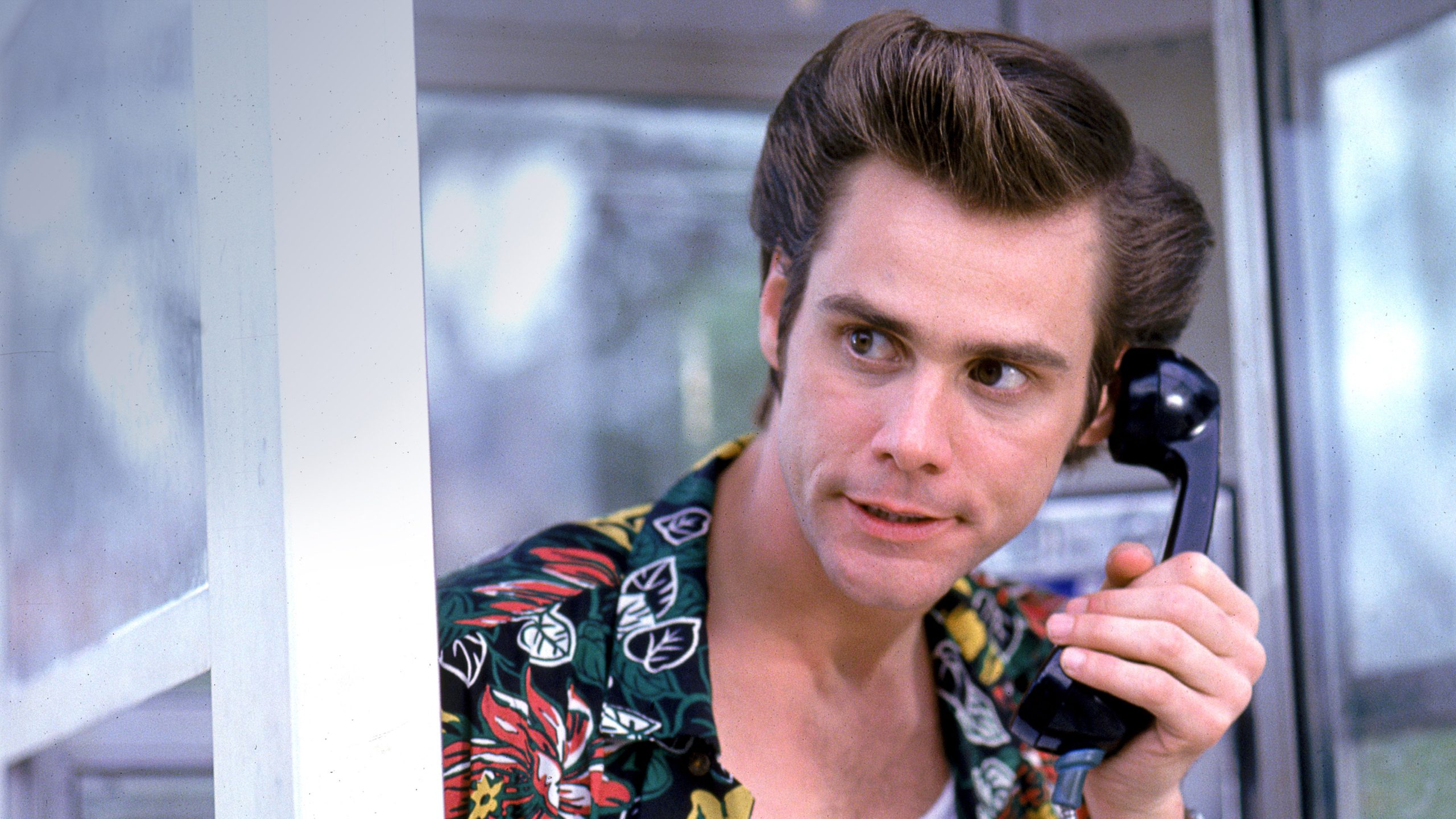
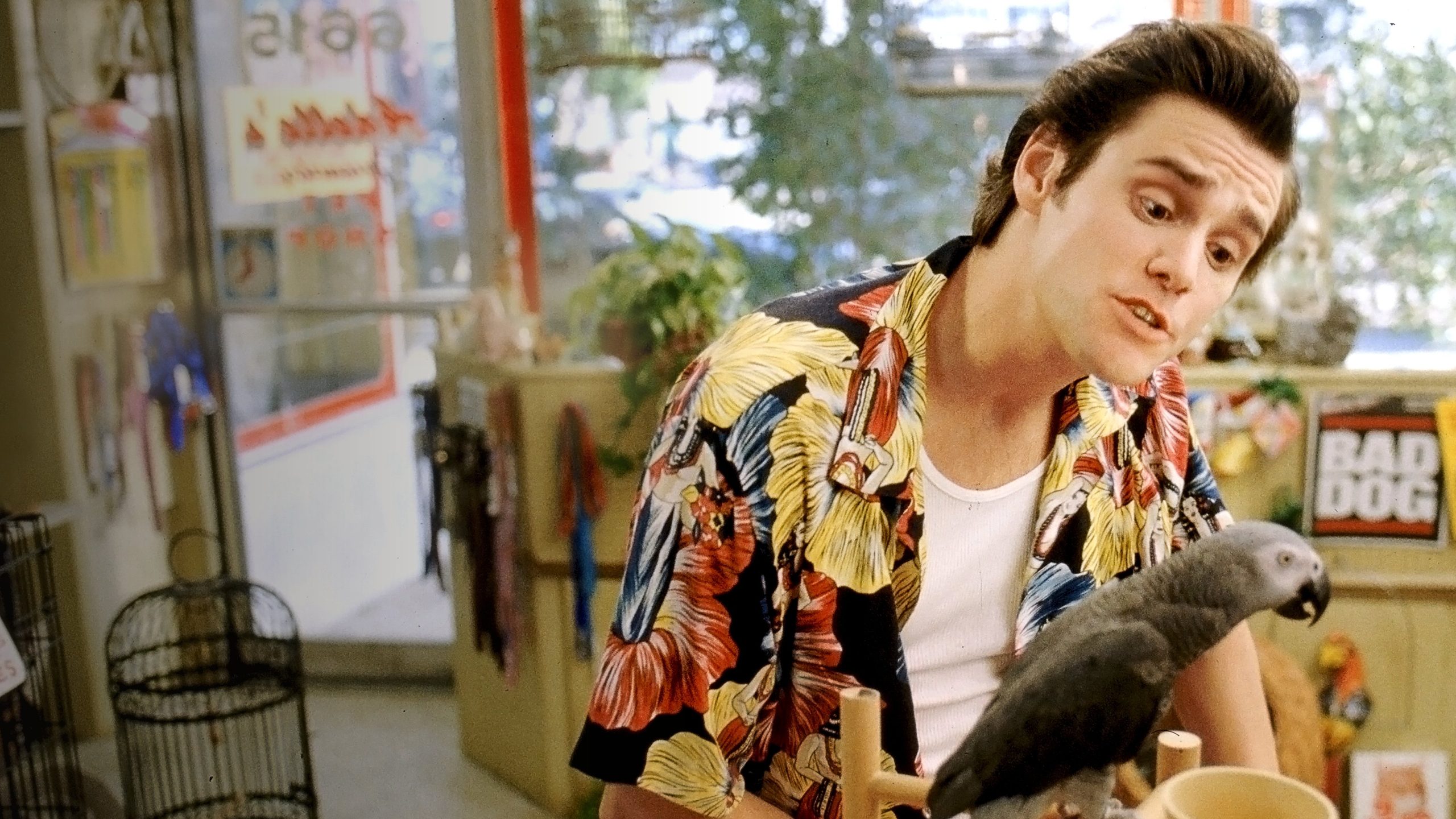
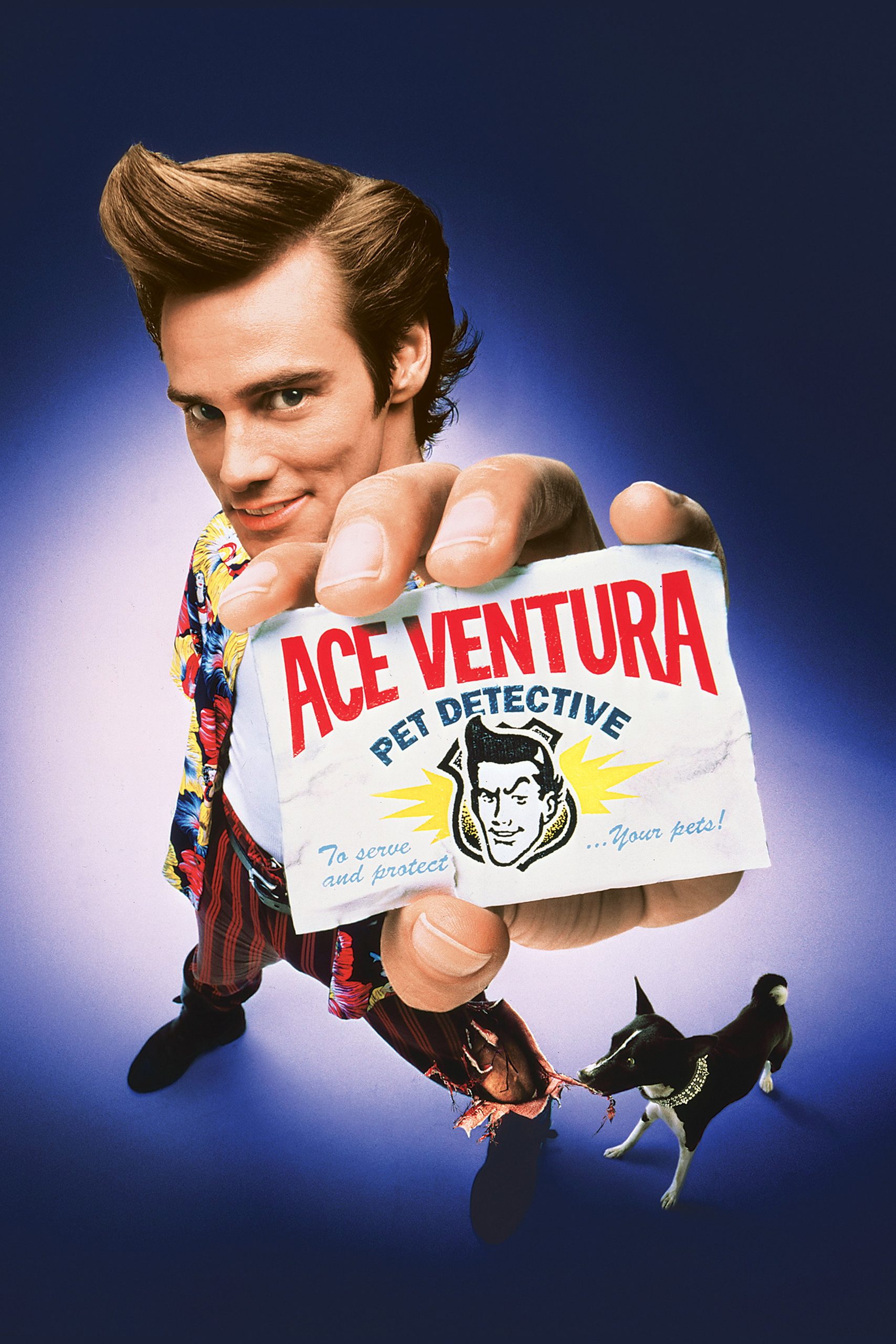
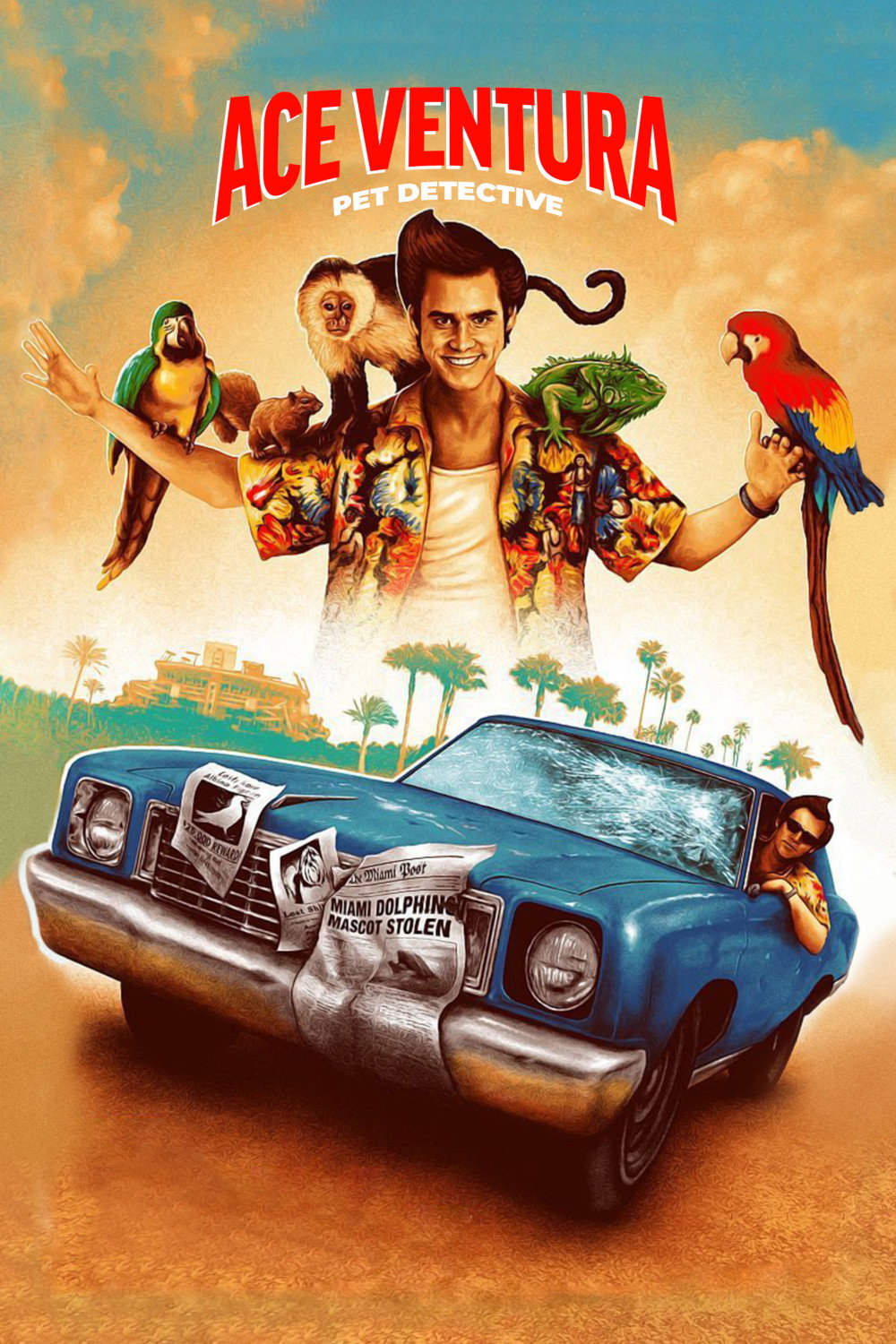
Tom Shadyac’s film is a private-eye spoof in the Naked Gun manner, built around one performer rather than a script. Ace Ventura (Jim Carrey) finds lost pets in Miami, works out of a flat with an animal in every cupboard and drives a car with most of its front missing. When the Dolphins’ mascot, a live dolphin, is lifted from its tank a fortnight before the Super Bowl, the team’s publicist Melissa (Courteney Cox) hires him because nobody else will take the job. That is the plot, and it is a coat rack. The film runs 86 minutes, and it is a poor one with a good comic performance in the middle of it.

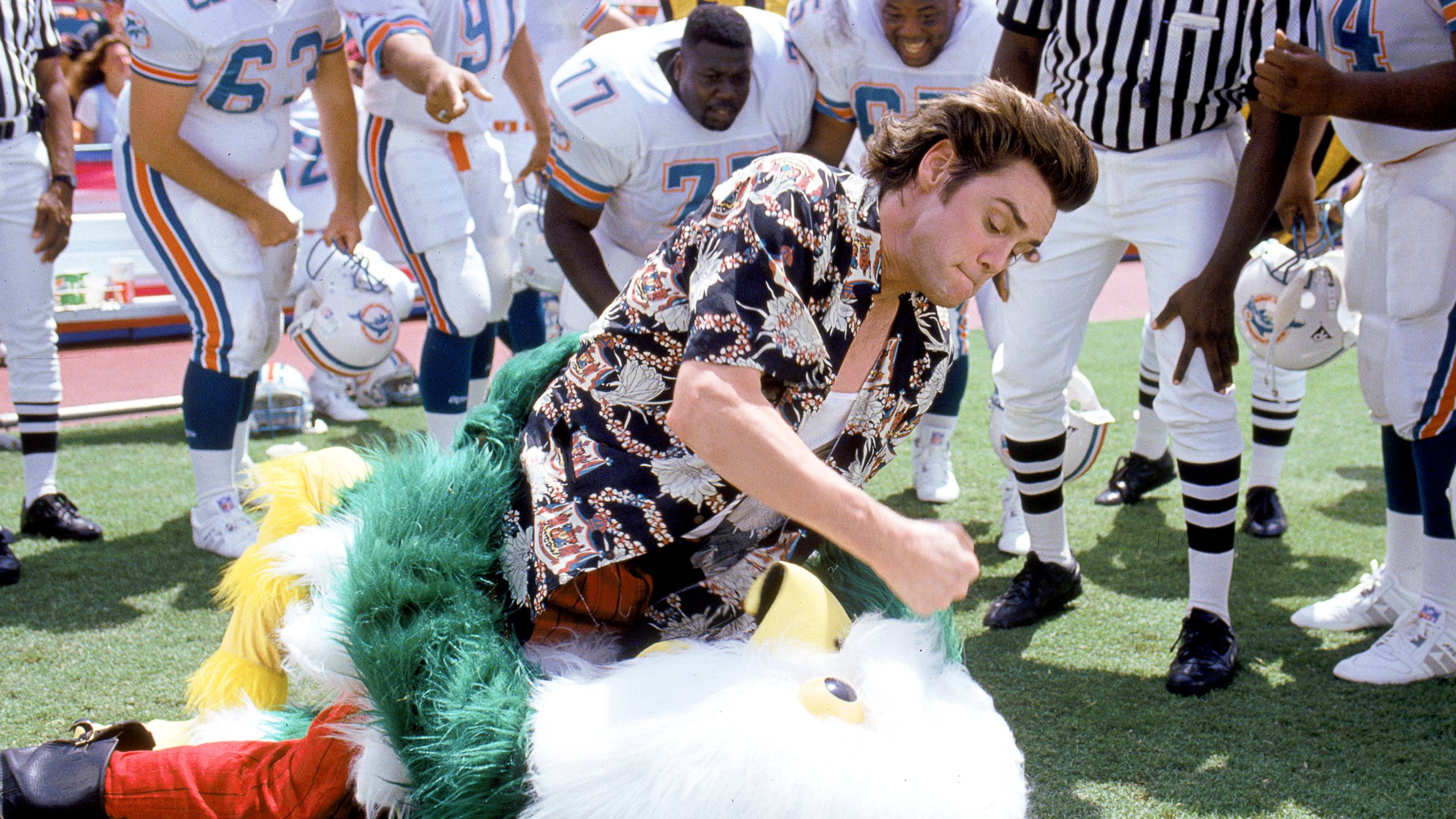
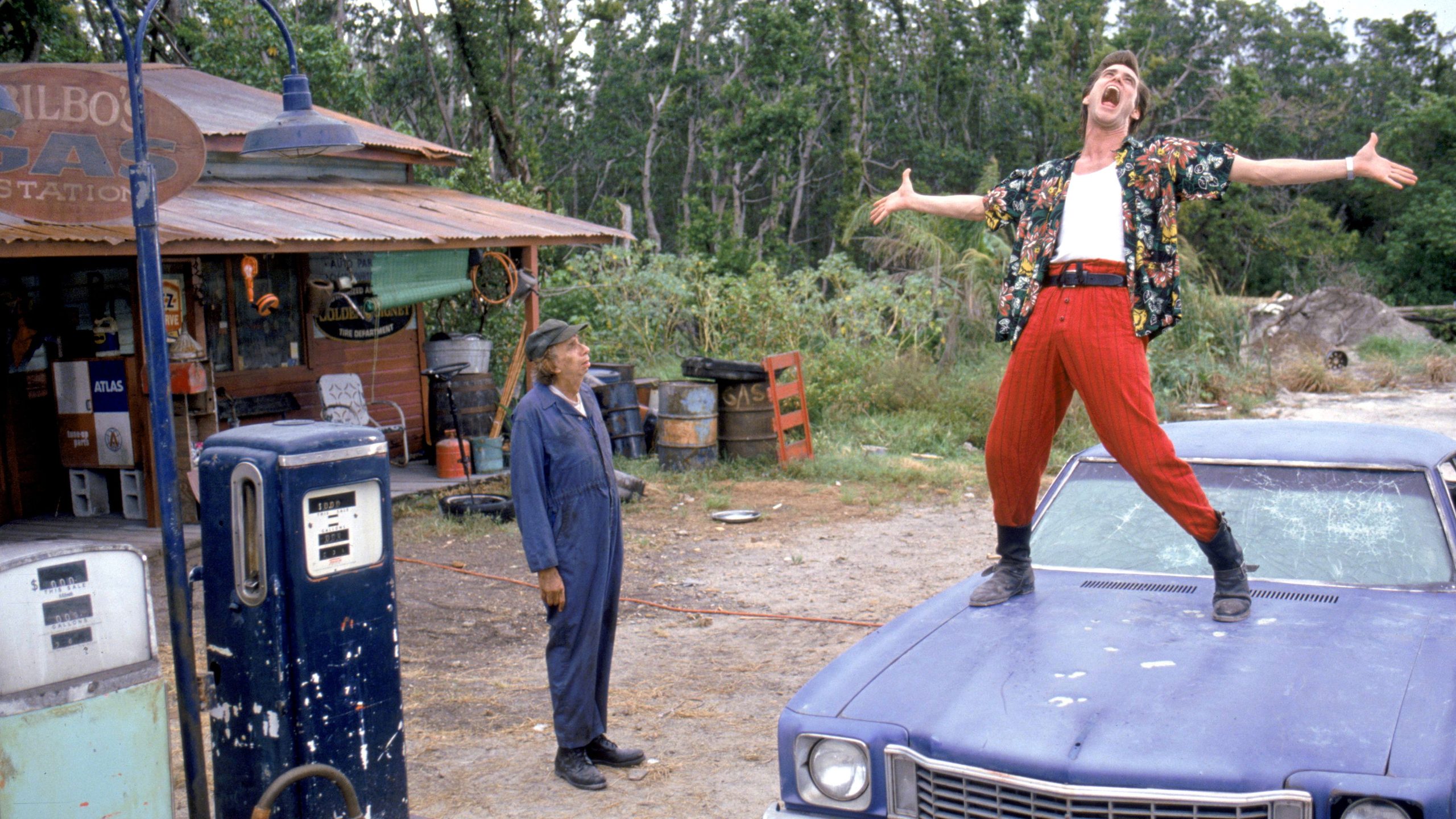
The performance is the reason anyone remembers it. In the first scene Carrey, dressed as a delivery man, kicks a parcel the length of a corridor and up several flights of stairs, then asks for a signature with a straight face. Later he holds a conversation through a door using his backside, and the man on the other side answers. We laughed, more than we wanted to, because Carrey never once signals the joke. He does idiotic things with the concentration of a man defusing a bomb, and his body seems wired differently from everyone else’s: the hair stands up, the neck lengthens, the walk is a strut nobody has used since music hall.

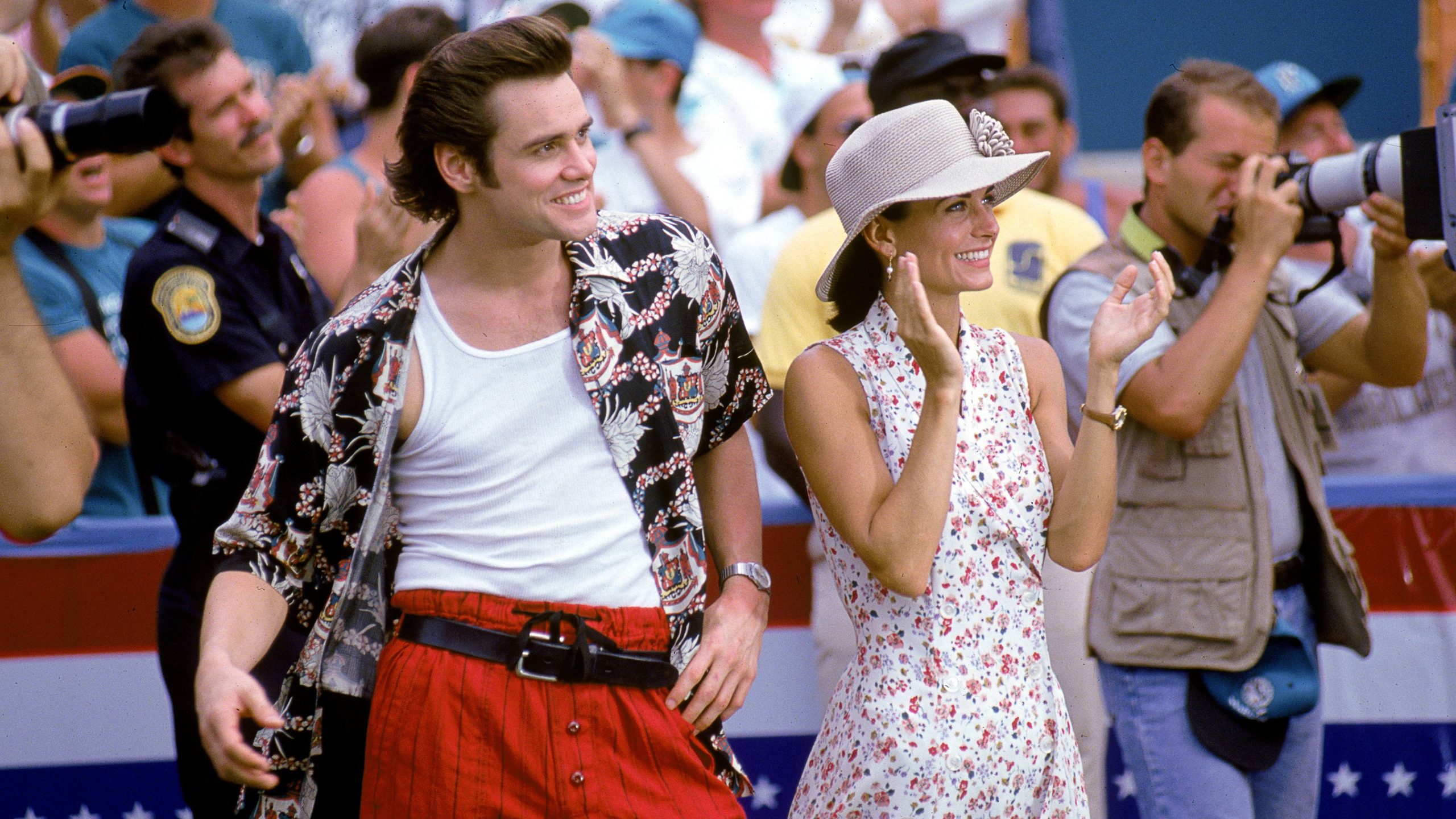
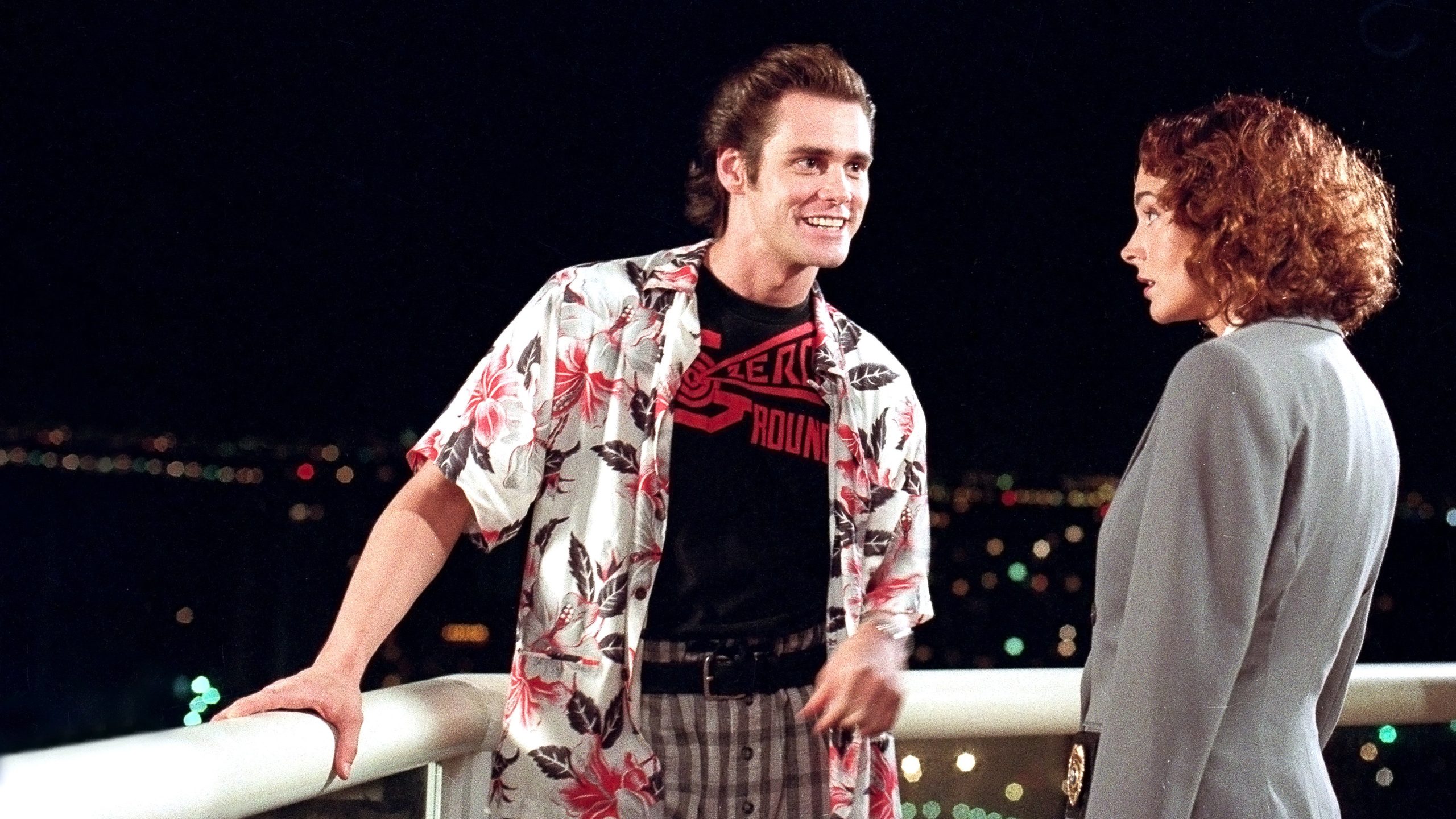
The trouble is everything he is standing in. The screenplay, credited to Jack Bernstein, Shadyac and Carrey from Bernstein’s story, is a series of rooms Ace walks into so that he can be strange in them. The detection amounts to Ace noticing things the camera has already pointed at. Courteney Cox is asked to stand still and be exasperated, and does it with more grace than the part deserves. Sean Young, as the police lieutenant Einhorn, shouts every line. Tone Loc, as Ace’s friend on the force Emilio, gets the exposition. Dan Marino plays himself and is asked to look puzzled, which he manages. Udo Kier turns up as Camp, a rich man with a shark tank at his party, and for four minutes the film has a villain with some flavour before it loses interest in him.

Julio Macat shoots Miami flat and bright, every room lit like a daytime television studio, which keeps the gags legible. The city has no character at all. William A. Elliott’s production design does better; Ace’s flat is the one set that tells you who lives there. Bobbie Read puts Carrey in a Hawaiian shirt, striped trousers and boots, a costume that has done the character’s work before he opens his mouth. Ira Newborn, who scored the Naked Gun films, supplies the same brassy private-eye pastiche here, and it fits. Don Zimmerman’s cut is quick and the film never drags, though the gags run thin around the hour mark and the last twenty minutes are mostly plot.

Then there is the ending. The second half turns on a reveal we will not describe, and what follows is a run of gags in which the whole cast, Ace first, reacts to one person’s body with retching disgust, played for the biggest laugh of the film. Variety objected at the time and later critics have called it homophobic and transphobic, and they are right. We were not laughing. We were embarrassed for a film that had been merely silly for an hour and chose to end by being cruel, and the 12 certificate means it was aimed at children old enough to take the cue.

Against the standard it borrows from, this is thin work. The Naked Gun (1988) put a joke in every corner of the frame and let Leslie Nielsen be the calm at the centre of it. Ace Ventura puts them all in one man. Fans of Carrey will find here the raw form of everything he did afterwards, and the opening twenty minutes are a fine display of physical comedy.

It opened in Britain on 29 April 1994. If you were twelve that year you will find the lines still in your mouth and may not want to hear the rest. If you were not, Carrey is worth twenty minutes of your evening, and the film is not worth the other sixty-six.
Critical consensus AI synthesised

37
Positive
1
Mixed
2
Negative
5

Most critics do not think much of it. Five of the eight reviews are negative and only one is positive, and the verdict that recurs is that Jim Carrey’s performance is far more energetic than the film around it. Nearly everyone grants him that energy; several remark on how manic he is, and the Los Angeles Times finds it produces real, if unexpected, laughs alongside the hero’s odd tenderness towards animals.

Where the reviews part is over whether the energy is enough. The 1994 notices mostly complain that there are too few gags for the running time and that the plotting has the attention span of a small child. The third-act twist is the other sticking point: Variety objects to it at the time, and later reviews from Vulture and Slant make it the central charge, describing it as openly homophobic and transphobic. The spread is wide, but heavily weighted towards the bottom.

Los Angeles Times
4 February 1994 · Chris Willman
70*

Willman finds the film uneven but capable of inducing unexpected giggles through Carrey's over-the-top, inhuman energy. He praises the hero's childlike bond with animals amid the farce.

Read the full review →
Variety
1 February 1994
50*

The review notes the film is briskly paced with Carrey's energy but has too few gags to sustain its length. It criticizes the third-act payoff for veering into homophobia and misogyny.

Read the full review →
Vulture
15 August 2013
45*

The critic views the film as a cultural touchstone for its quotable catchphrases and toilet humor that defined early 90s tween comedy, while acknowledging its noxious transphobia and homophobia in the central twist and reactions.

Read the full review →
The New York Times
4 February 1994 · Stephen Holden
40*

Holden describes Jim Carrey's hyperactive performance as one of the most energetic on screen but likens the film to the logic and attention span of a peevish child. He notes its focus on silly asides over plot.

Read the full review →
Empire
1 January 2000 · Julian Ketchum
30*

The film is a private detective spoof marking Jim Carrey's feature debut, with Carrey playing an animal specialist who tracks a missing dolphin mascot. The plot is absurd but the gags are mostly inane and fail to sustain the runtime.

Read the full review →
RogerEbert.com
4 February 1994 · Roger Ebert
20*

Ebert views the film as an unfunny slog centered on one joke about Ace Ventura's weird nerdiness. He notes it might appeal only to very young children.

Read the full review →

Cast

Awards

Kids' Choice Award for Favorite Movie, 1995

Nominated
Kids' Choice Award for Favorite Movie

If you liked this, try…

The Naked Gun poster88

The Naked Gun

1988 · The template this one copies, with a joke in every corner of the frame.

The Pink Panther poster

The Pink Panther

1963 · Peter Sellers’s Clouseau, the original idiot detective, with a director who trusts long takes.

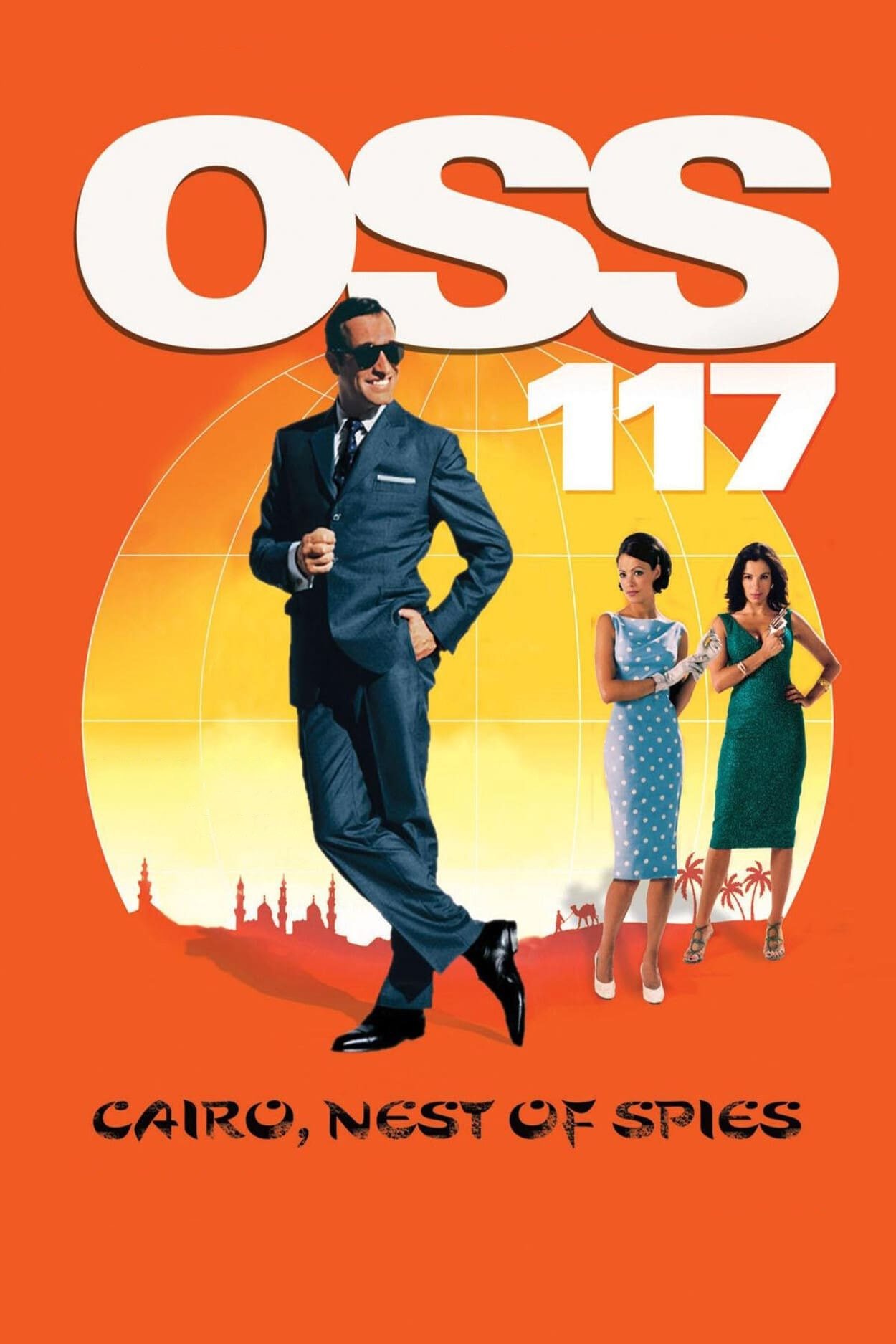
OSS 117: Cairo, Nest of Spies poster

OSS 117: Cairo, Nest of Spies

2006 · French spy spoof; Jean Dujardin commits to the fool as completely as Carrey does.

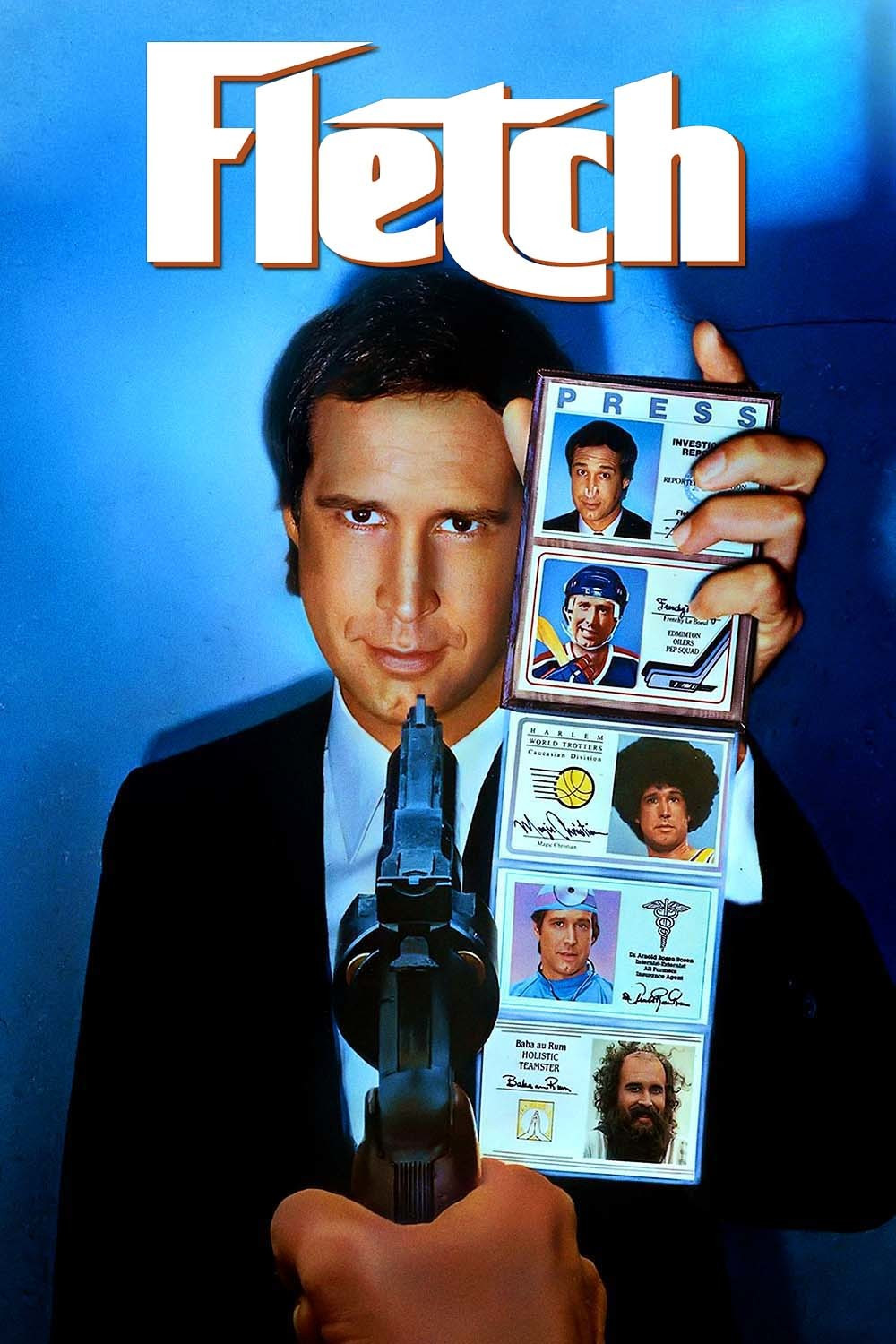
Fletch poster

Fletch

1985 · Chevy Chase as a reporter in disguises, drier and lazier, with a plot that holds.

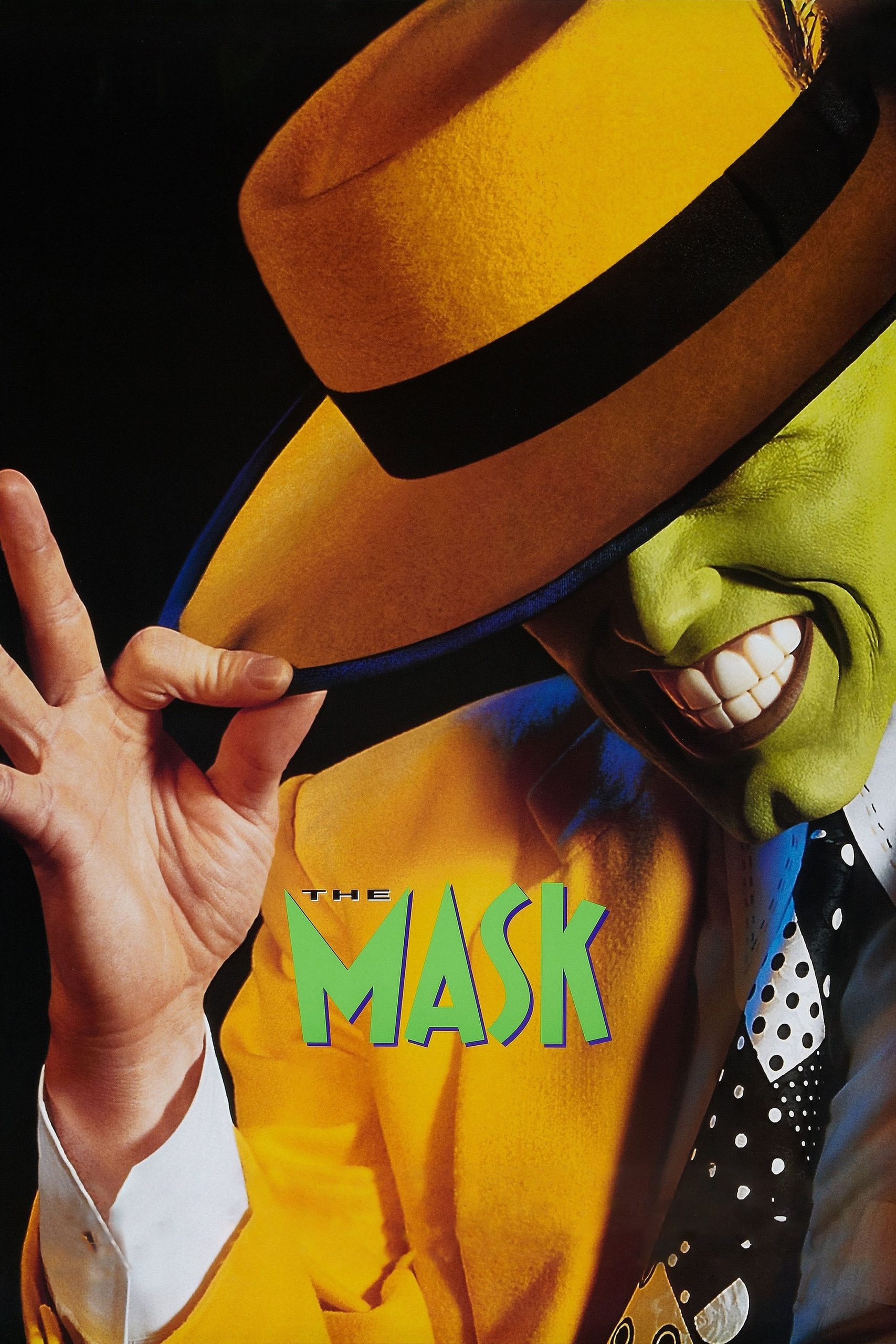
The Mask poster71

The Mask

1994 · Carrey the same year, with a rubber face to match the rubber body.