Leslie Nielsen’s solemn detective makes David Zucker’s police spoof a dependable source of laughter. A few crude, elderly jokes deserve retirement, but the visual invention and brisk 86-minute running time more than compensate.
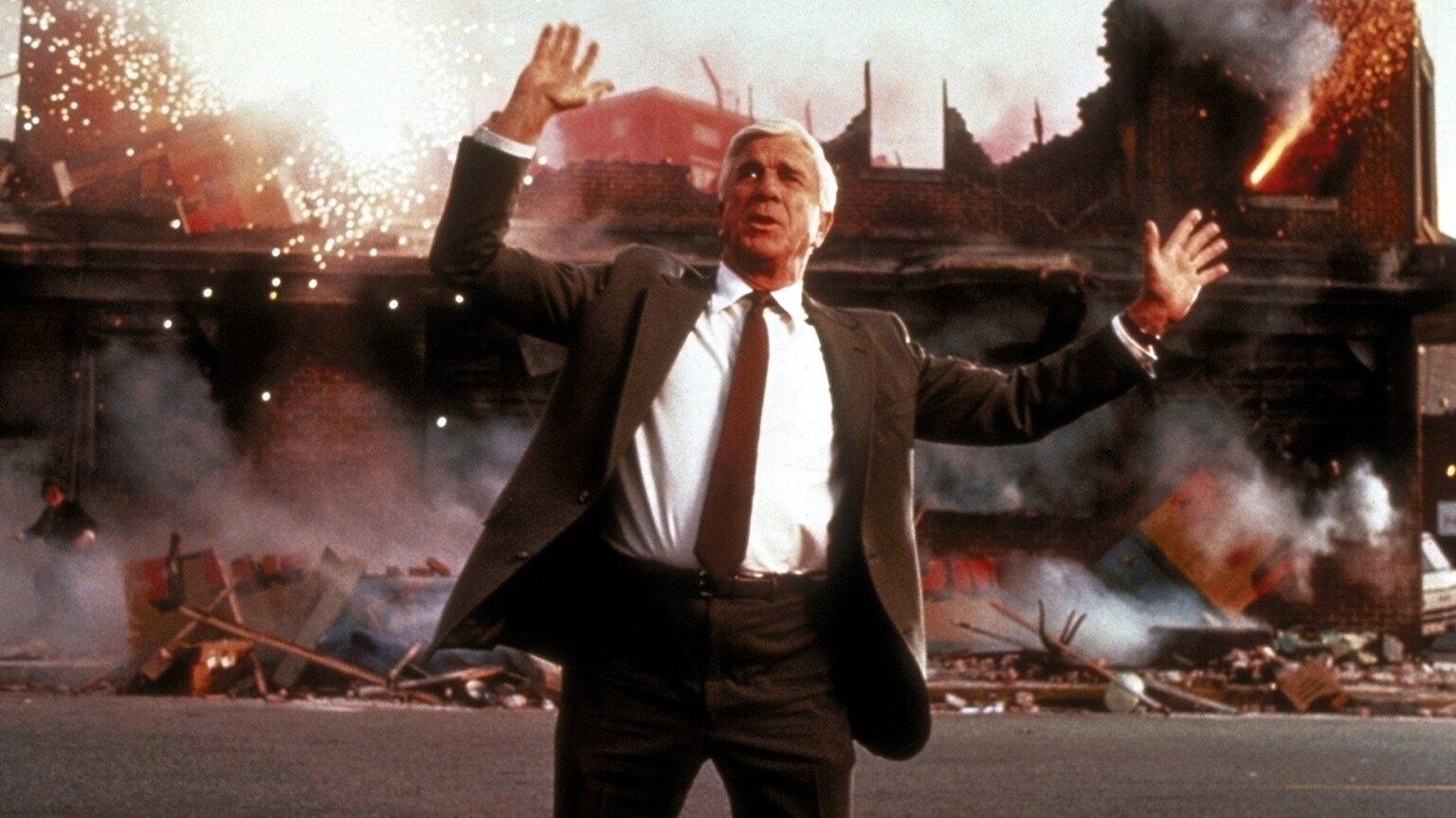
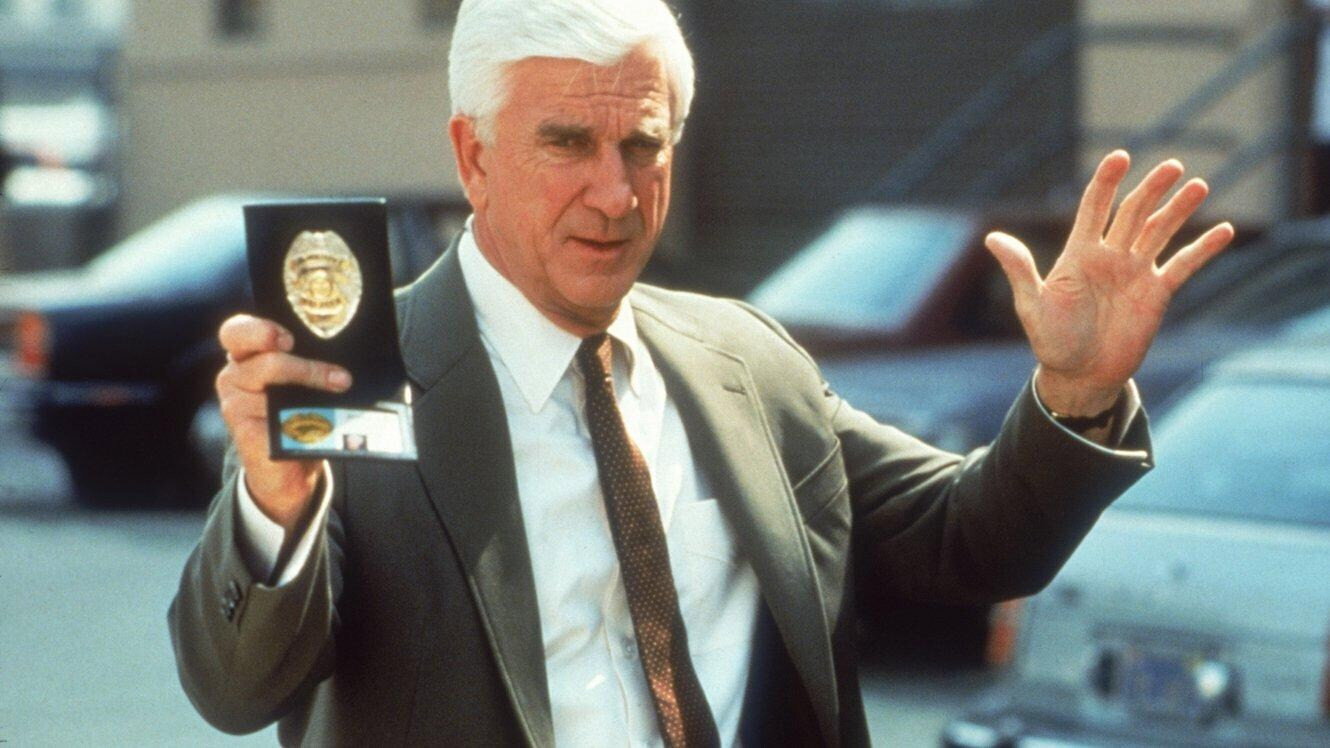
David Zucker’s The [Naked](/film/naked) Gun is a thoroughly funny police spoof, provided a little vulgarity and a great many old jokes are welcome. It asks how long a detective can remain convinced of his own authority while giving everyone else reasons to doubt it. Leslie Nielsen supplies the answer by playing Frank Drebin with a seriousness that survives every available objection. Some of the material is tired, but Nielsen rarely lets that show. The investigation of a shooting supplies enough story to keep him occupied.
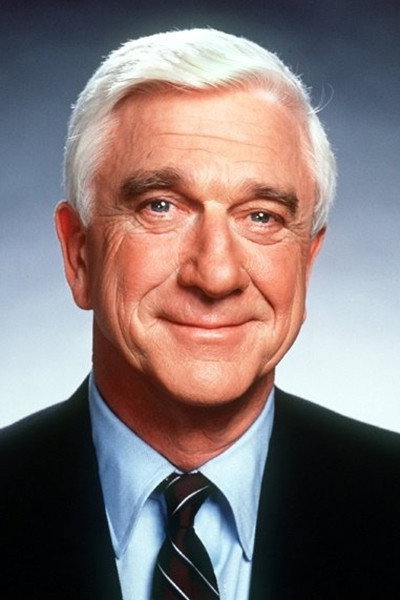
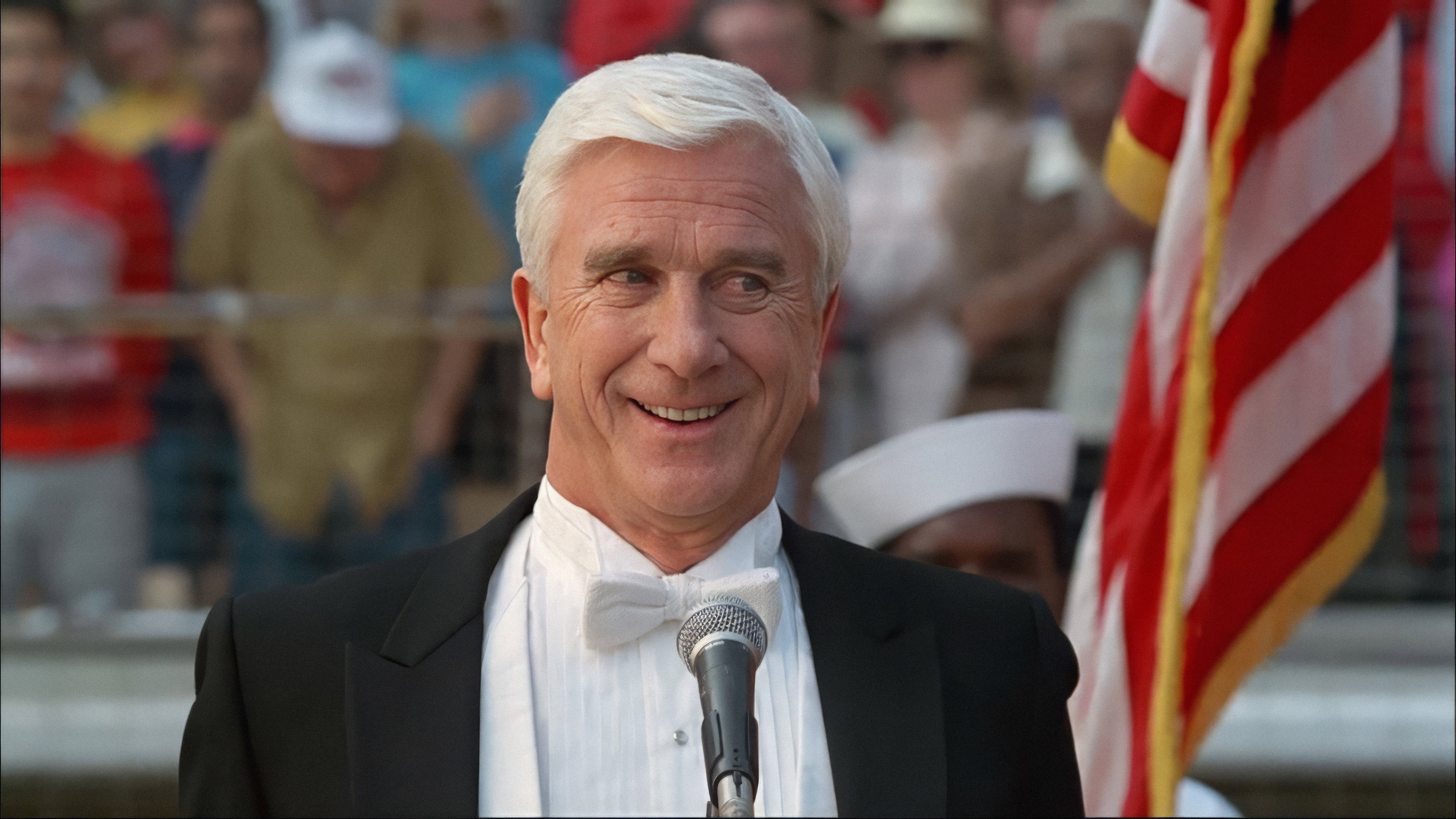
Nielsen is the reason this quantity of nonsense remains bearable, and usually much better than bearable. His dapper, heroic bearing makes Drebin’s ineptitude funnier because he never seems to notice the discrepancy. We laughed at the Beirut opening because Nielsen approaches its absurdity as though undertaking a serious assignment. He gives the impression of a man who would take a complaint about his behaviour as evidence of someone else’s confusion. His delivery remains sober even when the material offers every excuse to abandon it.
The screenplay is credited to David Zucker, Jim Abrahams, Jerry Zucker and Pat Proft, and their chief strength is the willingness to keep changing the kind of joke. A verbal misunderstanding need not lead to another; physical clumsiness or something absurd in the picture can take over. Michael Jablow’s editing makes that density pleasurable for much of the film, leaving barely enough time to hold a failed joke against it. There are stretches when simply keeping up becomes part of the fun. The running time is 86 minutes.
The visual jokes are easy to follow, which is the useful achievement of cinematographers Robert C. Thomas and Robert M. Stevens. Their contribution need not draw attention to itself for the comedy to work. John J. Lloyd’s production design is convincing enough for us to accept the surroundings while Drebin does something foolish in them. That matters in a spoof dependent on sight gags: we need to recognise what belongs before we can notice what does not. The physical comedy benefits from that clarity.
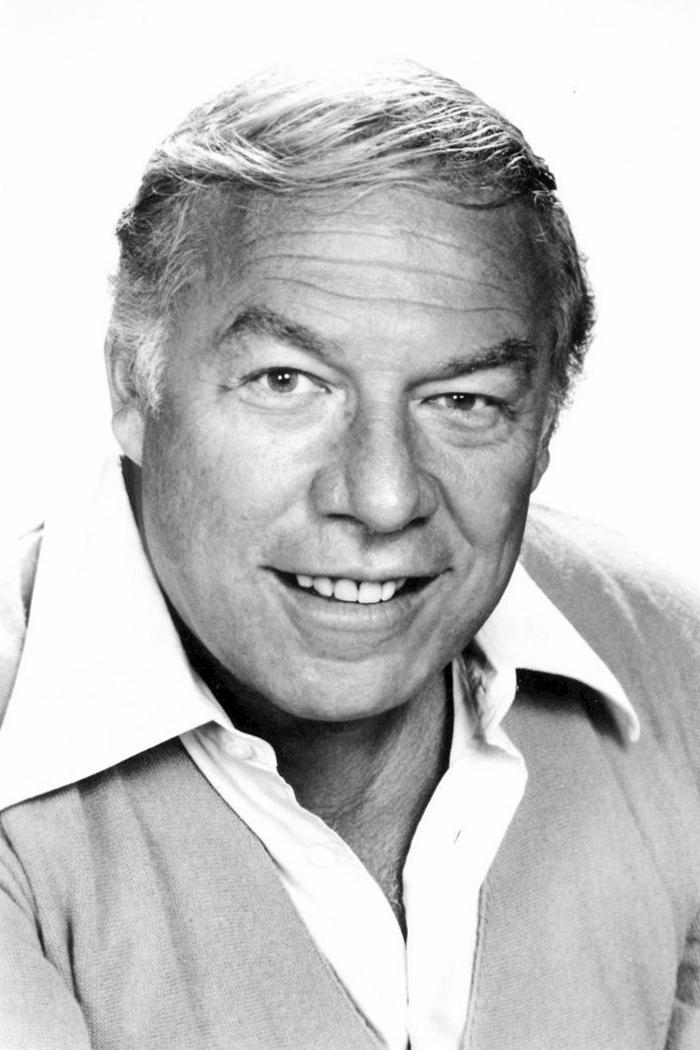
Ira Newborn’s music takes Drebin about as seriously as Drebin takes himself, providing useful support for Nielsen’s performance. The temptation to announce the silliness must be considerable, but the comedy works better when its presentation remains respectable. Priscilla Presley as Jane Spencer and Ricardo Montalban as Vincent Ludwig help sustain the sense that ordinary acting has somehow ended up in the wrong film. George Kennedy’s Ed Hocken fits comfortably into the same company. The supporting performances leave Nielsen room without making him responsible for every laugh.
The weakness is the uneven quality of the material being delivered with such care. Corny jokes do not all improve because an actor refuses to smile, and a few of the juvenile ones offer little beyond the pleasure of being indecent. We sometimes wished the writers had discarded more before trusting the pace to carry it. The loose plotting also gives us little to hold on to when the laughter briefly stops. Those pauses are short, but the older gags account for too many of them.
As a police comedy, it understands how much humour there is in a man carrying on with a job he plainly cannot do. Zucker trusts the actors to preserve that belief even when the surrounding nonsense grows broad. We would happily spend another evening with Drebin, despite knowing that a few jokes will arrive already worn out. Choose it for Nielsen’s unbroken conviction and the sheer number of opportunities to laugh. Do not expect the jokes to improve your manners.