Robert Zemeckis’s cartoon crime comedy is inventive, funny and unusually convincing about its impossible cast. We recommend it warmly, though the busy mystery sometimes asks for attention a joke deserves more.
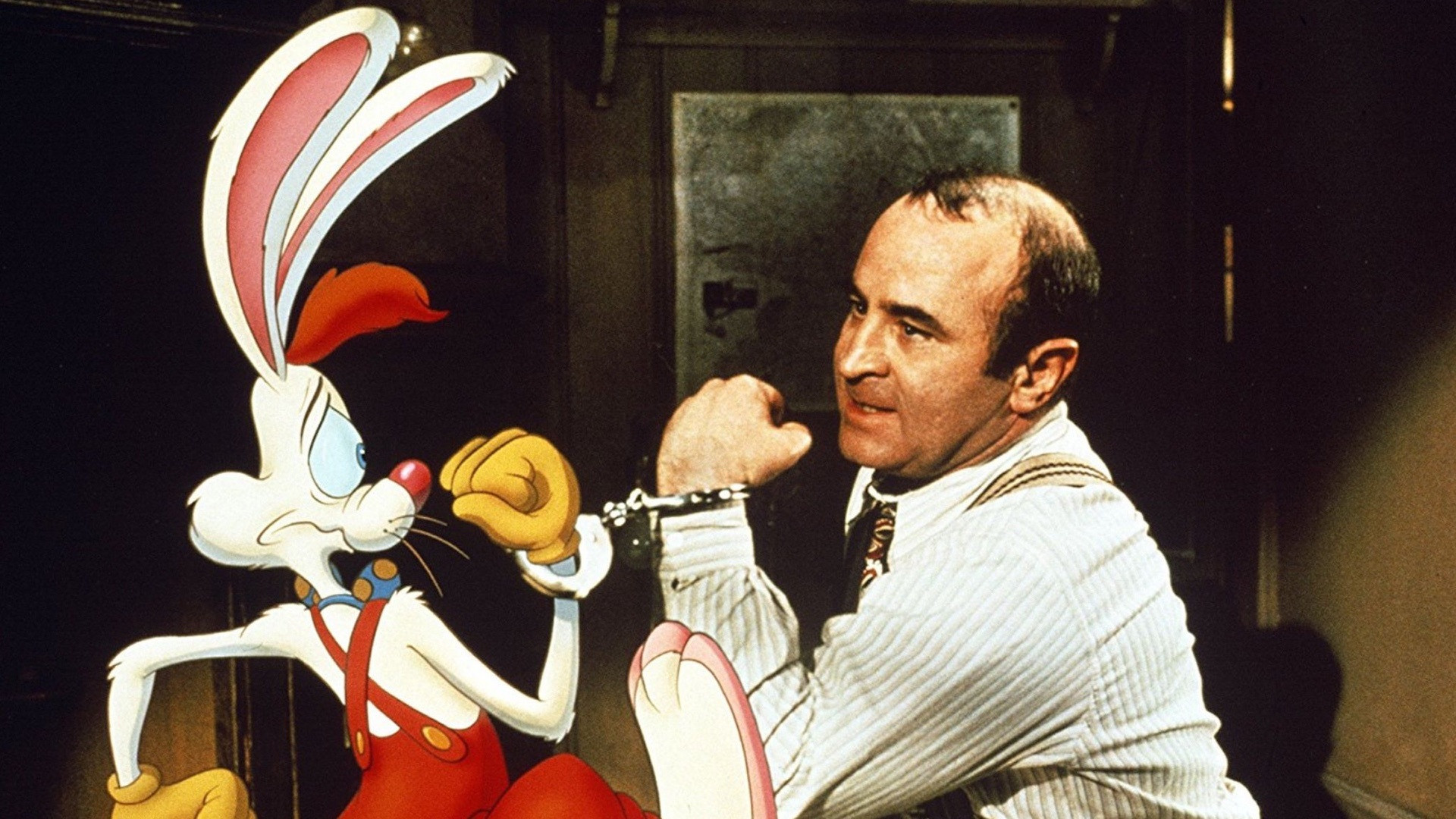
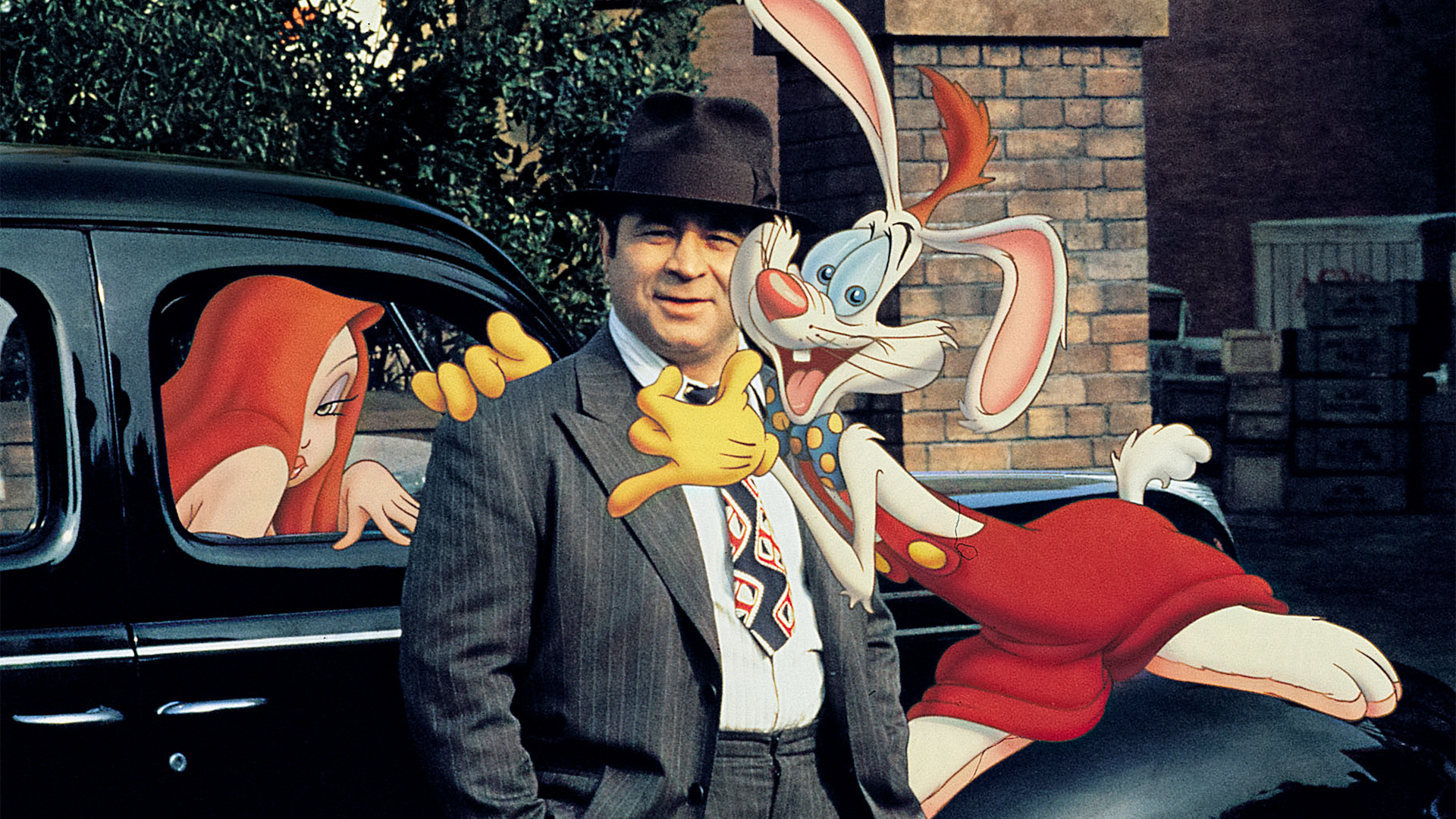
Robert Zemeckis’s Who Framed Roger Rabbit is a funny, busy crime comedy whose technical ingenuity rarely gets in the way of a joke. It asks live actors and cartoon characters to share a noir story, and takes the arrangement seriously enough for us to stop questioning it. We recommend it warmly, with a small warning about the amount of plot competing for attention. There is quite enough to enjoy without keeping track of every complication.
We laughed at the opening sequence because the gags arrive with such brisk assurance; we were enjoying the comedy before we thought about the technical work. Arthur Schmidt’s editing has a difficult job, keeping jokes readable while a noir plot demands attention of its own. The cutting generally gives both enough time, without letting the action become an interruption to the comedy. There are plenty of classic cartoon guest appearances, but the film keeps moving rather than waiting for our approval.
Dean Cundey’s cinematography passes the essential test: watching the human and animated characters together feels ordinary surprisingly quickly. The framing lets us follow their exchanges without feeling obliged to inspect how the image was assembled. Production designers Roger Cain and Elliot Scott give the mixed cast surroundings that feel solid enough to share, so the animated figures seem to belong there. That makes a difference to the jokes, which depend on everyone seeming to be present for the same exchange.
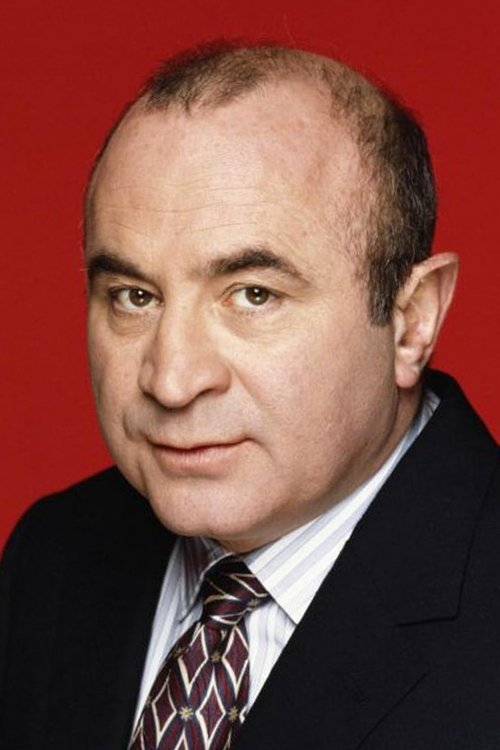
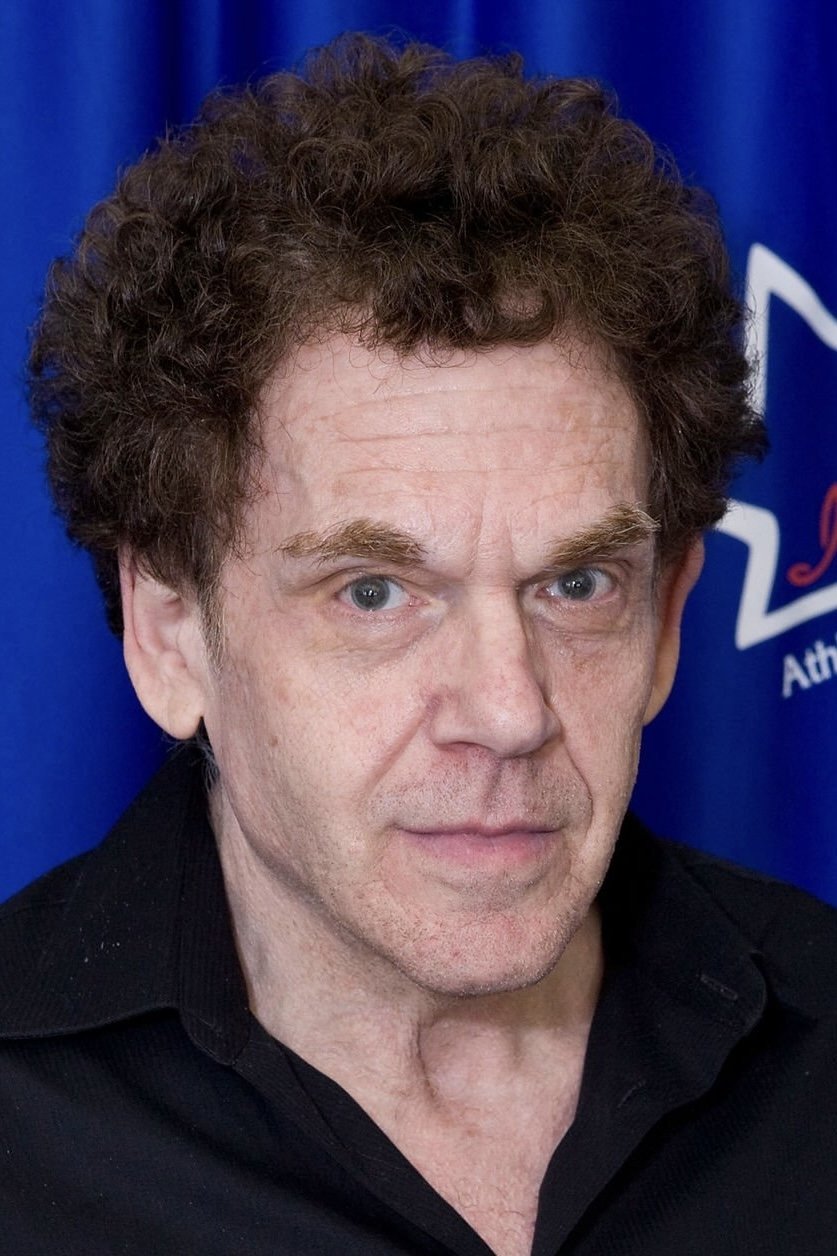
Much of that credibility comes from Bob Hoskins as Eddie Valiant. He gives his animated scene partners the attention another actor would receive, and never seems to be congratulating himself for managing it. Charles Fleischer’s Roger is a more exhausting companion, though the performance needs that pressure to make the contrast work. Kathleen Turner’s voice gives Jessica Rabbit a welcome measure of control, and Christopher Lloyd’s Judge Doom has the severity this collision of crime and comedy requires.
Alan Silvestri’s score takes the crime-story mood seriously, which helps the jokes: the music gives the comedy something firm to push against. That seriousness is useful, since screenwriters Peter S. Seaman and Jeffrey Price ask us to follow a fairly tangled noir plot amid the gags. The plotting occasionally feels busier than the film needs, and following it can cost a laugh when our attention is still elsewhere. We would happily trade a little complication for more breathing space around the performers.
The risk with this kind of fantasy comedy is that we spend the evening grading the effects, with the actors reduced to helpful evidence that it all works. Zemeckis avoids that by allowing comic timing and character to matter as much as the impossible company they keep. At 104 minutes, the film is crowded, occasionally noisy and unusually reluctant to waste the opportunities its premise creates. Choose it for an evening when a quiet conversation can wait.