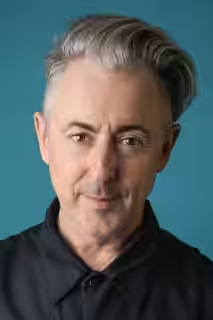
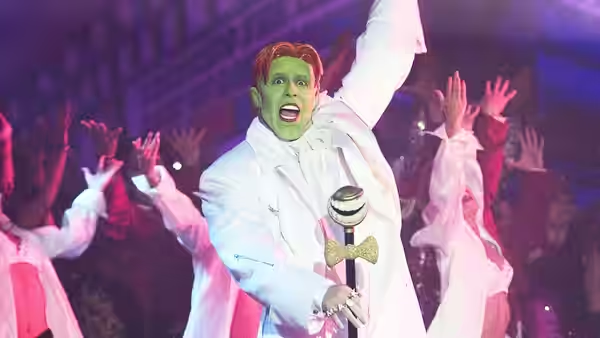
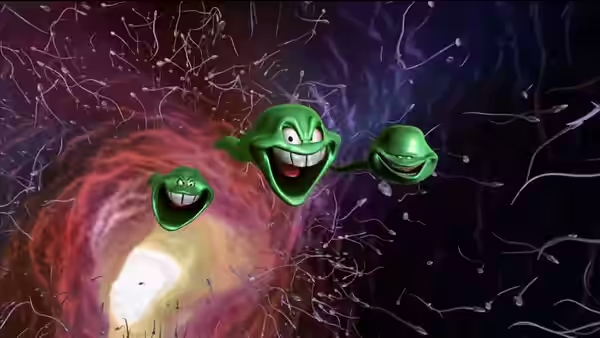
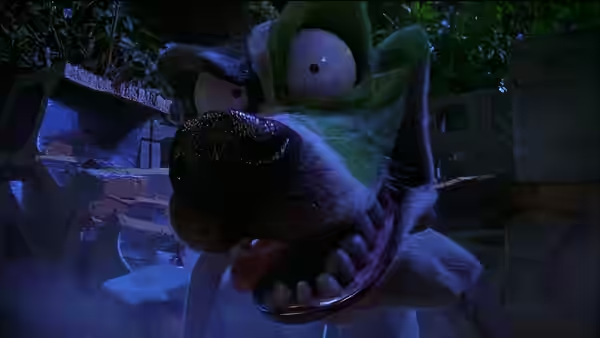
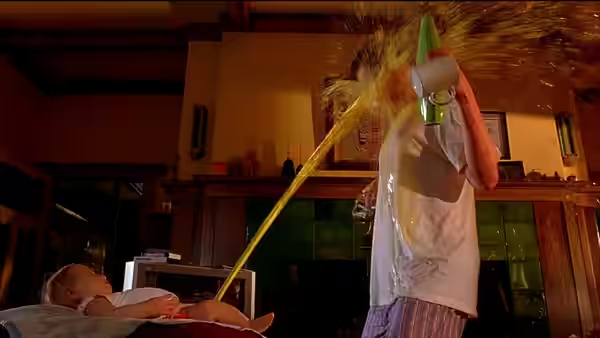
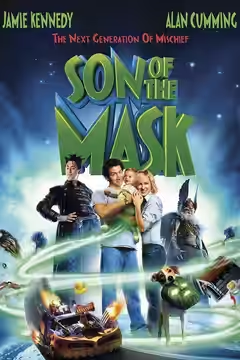
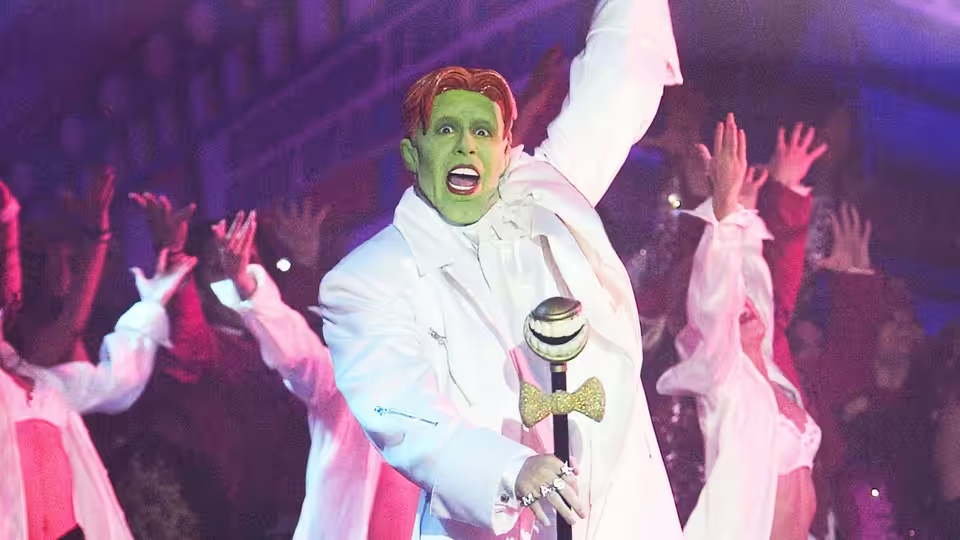
Loki (Alan Cumming) sings on stage with arm raised and crowd cheering
Film review

Son of the Mask

2005 · Directed by Lawrence Guterman · 1h 34m

In a sentenceThe baby can change shape, but nobody can find it a decent joke

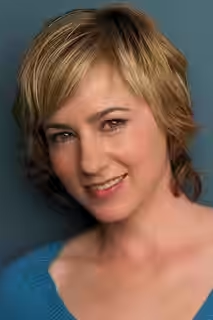
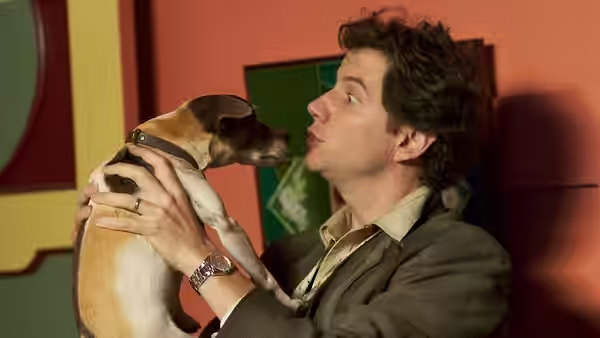
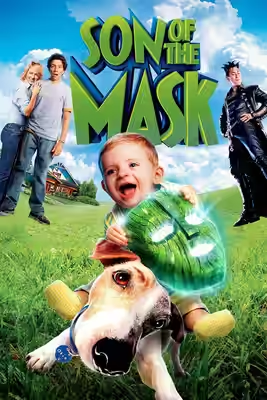
Tim Avery (Jamie Kennedy) and Tonya Avery (Traylor Howard) face parenthood with Alvey, played by Liam Falconer and Ryan Falconer. Their baby can change shape, and his dancing and bodily transformations bring cartoon behaviour into family life. Tim has a child to raise, but the infant’s body will not obey ordinary physical rules. The story also follows Loki (Alan Cumming), with tensions between parents and children accompanying the supernatural trouble. Alvey’s antics leave the adults dealing with something beyond the usual demands of looking after a baby.

Fi1m review

Lawrence Guterman’s family fantasy gives a shape-shifting baby more attention than its human cast, with dispiriting results. Jamie Kennedy supplies occasional warmth, but the frantic effects and shapeless comedy make these 94 minutes a chore.

Son of the Mask tries to turn the unruliness of a cartoon into a comedy about parenthood, and scarcely finds a joke worth the trouble. Lawrence Guterman directs a film in which frantic movement becomes the default response to almost every comic problem. There is room for a good family comedy in an adult’s attempts to manage a child who cannot be managed. This one keeps reaching for another effect before the situation can become funny. We would give these 94 minutes to something else.

Jamie Kennedy supplies a little sweetness as Tim Avery, enough to suggest that an ordinary, flustered father might have held our attention. His occasional foolishness has a human scale that the surrounding effects lack. Alan Cumming works away at Loki, but visible effort does not make the character entertaining. The roles give both actors little opportunity to establish anything beyond the immediate demands of the next gag.

We were repelled by the baby’s shape-changing and dancing, because the digital contortions make an infant look disturbing without finding anything funny for it to do. The idea is recognisably cartoonish, but the movements have little comic force. A drawn body can stretch or collapse and still communicate a clear reaction, provided the movement follows a joke we understand. Here we are repeatedly asked to enjoy the transformation itself, and the repetition makes the baby harder to care about.

Greg Gardiner’s cinematography puts live actors alongside the animated infant, with Leslie Dilley’s production design providing their surroundings. Neither contribution makes the baby seem to belong in the same space as the adults. Its digital contortions keep attracting attention, but the images seldom guide that attention towards a readable joke. The glimpses of older cartoons are a relief, because their movements have a comic purpose we can follow.

The editors, Debra Neil-Fisher, Malcolm Campbell and John Coniglio, face a similar problem with pace. A film can be hectic and still leave a fraction of a second for us to register what has happened; here one bout of activity merely makes way for another. The score by Randy Edelman cannot rescue jokes with no clear point of arrival. We were bored well before the commotion stopped, because the scenes kept changing what the baby could do without giving us another reason to watch it.

Lance Khazei’s screenplay gives the parent-child material more weight than the comedy can support. Tenderness needs some reason for us to like the people involved, and too much of their time is spent responding to effects. The family emphasis is a reasonable choice for this sort of fantasy, and Jamie Kennedy occasionally makes it seem workable. It becomes wearying when the film asks for affection it has done so little to encourage.

Family comedy can be rude, strange and alarming without losing its audience, but it needs someone whose confusion we can share. The child here is too much of an effect, and the adults are too thinly written to offer much company. Most critics have been severe, and we agree: there is willing work from the cast, but not enough control of tone or comic timing to justify the noise. For cartoon mischief, we would choose one of the old shorts glimpsed here.
Critical consensus AI synthesised

18
Positive
0
Mixed
0
Negative
12

The consensus on Son of the Mask is uniformly negative: all twelve reviews find the sequel unsuccessful, with little sustained praise for any performance or department. Most critics describe frantic action that produces few laughs, a weak story and characters unable to hold attention. The computer-animated baby attracts particular criticism, with its transformations repeatedly judged unpleasant, tedious or derivative. Several reviews also question an audience strategy that combines childish gross-out humour with adult references and sentimental family material.

The differences concern isolated merits rather than the verdict. Screen Daily finds the family elements partially successful, while Slant Magazine allows faint praise for Jamie Kennedy’s occasionally lovable stupidity and clips from older cartoons. The effects divide critics slightly: Variety considers them polished but derivative, whereas several others find them shoddy or ugly. The spread runs from qualified disappointment to outright exasperation, with no favourable dissent.

Screen Daily
11 February 2005
40*

The review finds the sequel's approach of adding family elements only partially successful, with unimpressive effects and kiddie-level humor that limits its theatrical appeal.

Read the full review →
Los Angeles Times
18 February 2005 · Kevin Crust
30*

The critic finds the sequel digs an impossibly deep hole by lacking a compelling story or interesting characters. It singles out the tedious, derivative baby sequences and wasted special effects as especially dull despite visual overstimulation.

Read the full review →
Time Out
10 September 2012 · Nigel Floyd
25*

The critic criticizes the late sequel for misjudging its audience, with in-jokes for adults but gross-out and syrupy elements insulting to older viewers, calling it arriving "a decade late. And way too soon."

Read the full review →
Empire
18 February 2005 · William Thomas
20*

The critic calls the film joyless tedium and a long-overdue sequel that fails to recapture the original's energy. They single out the excessive focus on the cartoon baby and crude jokes for complaint.

Read the full review →
The AV Club
22 February 2005 · Scott Tobias
20*

The critic deems this a dismal sequel that fails even by the low standards of follow-ups to bad movies, targeting young children with a frantic, CGI-heavy assault that borders on the experimental. The only elements singled out are the return of the creepy computer-animated dancing baby and the unconvincing efforts of Alan Cumming as Loki.

Read the full review →
RogerEbert.com
17 February 2005 · Roger Ebert
15*

The critic finds the film fails basic cartoon logic and consists of nonstop manic behavior without rules or a sane baseline. He singles out the shape-shifting baby sequences as especially unpleasant and unamusing.

Read the full review →

Straight answers AI written, from our review

Is Son of the Mask worth watching?
Son of the Mask is not worth watching, and we scored it 20. Jamie Kennedy brings a little warmth as a flustered new father, but the film buries him under frantic digital effects and a shape-shifting baby that is more unsettling than funny. We would spend the 94 minutes on one of the old cartoon shorts it briefly borrows from.
How long is Son of the Mask, and what is it rated?
Son of the Mask runs 1h 34m. It is a fantasy and comedy film.
Where can I watch Son of the Mask in Hungary?
Son of the Mask is not on any streaming or rental service in Hungary at the moment. It is available in 15 other countries; change your country at the top of the page to see where. Availability is checked daily.
How does Son of the Mask compare to The Mask?
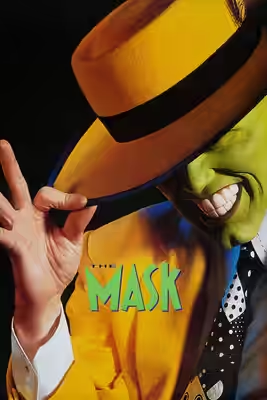
Son of the Mask is the far weaker of the two films, sharing the magical mischief of The Mask without a comic lead who can control it. Jim Carrey turns the earlier film into a live-action cartoon with a purpose behind every contortion; here a digital infant stretches and dances without any joke to follow. Anyone curious about the premise should watch the original and stop there.
What should I watch after Son of the Mask?
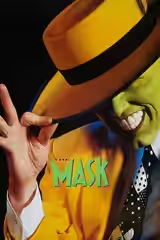
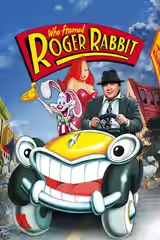
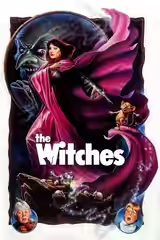
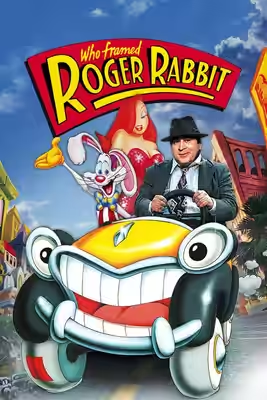
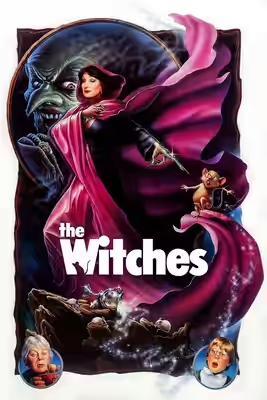
After Son of the Mask, try The Mask (1994, Fi1m 71): The same magical mischief, with a comic lead who can control it. Then Who Framed Roger Rabbit (1988, Fi1m 89): Human actors and cartoon bodies share jokes with timing, rules and consequences; and The Witches (1990, Fi1m 82): Family fantasy that makes its bodily transformations frightening for a reason.

Cast

If you liked this, try…

  1. The Mask (1994, Fi1m 71)The same magical mischief, with a comic lead who can control it.

  2. Who Framed Roger Rabbit (1988, Fi1m 89)Human actors and cartoon bodies share jokes with timing, rules and consequences.

  3. The Witches (1990, Fi1m 82)Family fantasy that makes its bodily transformations frightening for a reason.

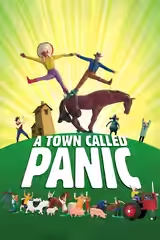
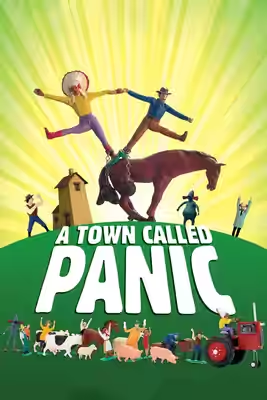
  4. A Town Called Panic (2009) · not reviewed yetDomestic chaos builds through precise visual jokes, however absurd things become.

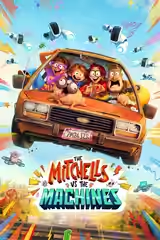
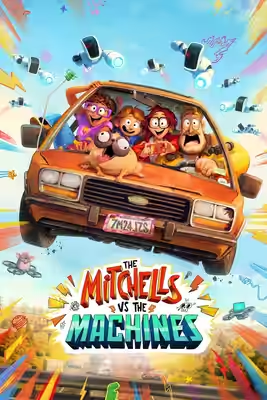
  5. The Mitchells vs. the Machines (2021, Fi1m 76)Another family overwhelmed by technology, with enough affection to steady the commotion.

Free account

Know what to watch tonight

Two lists that know where things are streaming, collections you can share, your own score beside ours, and Discover that remembers what you have seen.

  • Want to see, sorted by what is streaming now
  • Seen, with your score out of ten
  • No adverts, ever