Film review

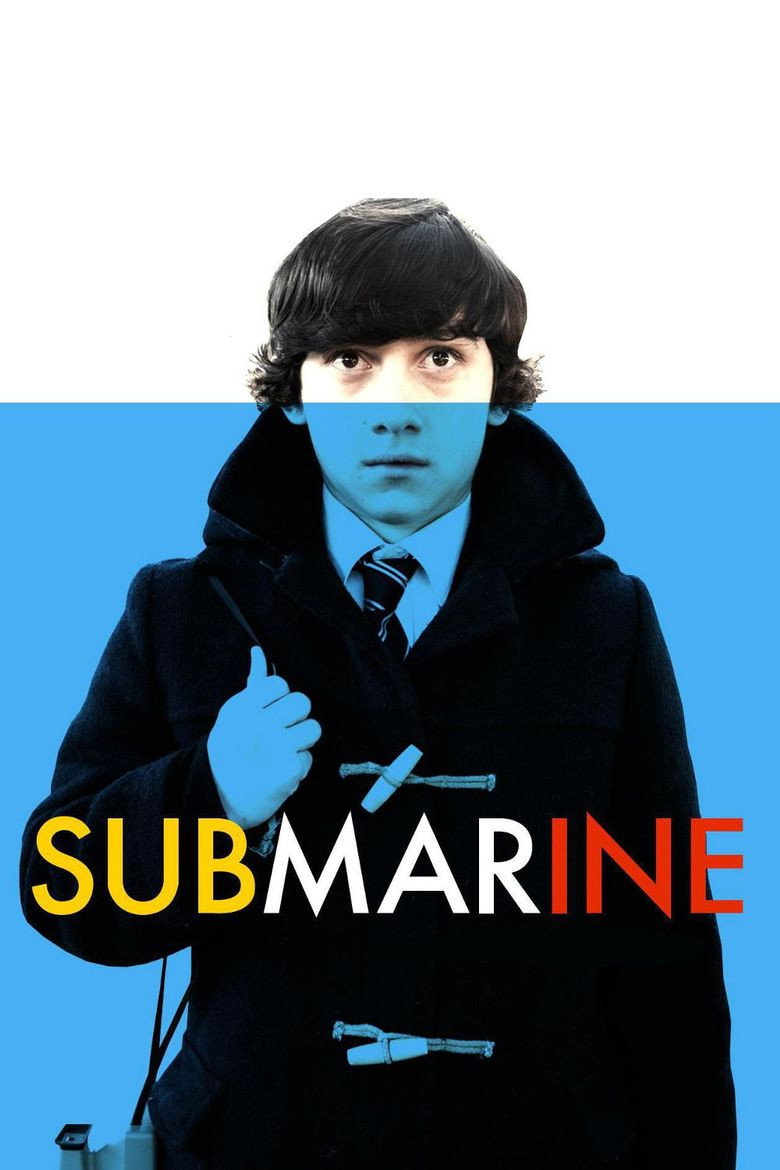
Submarine

2011 · Directed by Richard Ayoade · 1h 38m · MPA R

In a sentenceFirst love is difficult enough without providing your own director’s commentary

DramaComedyRomance

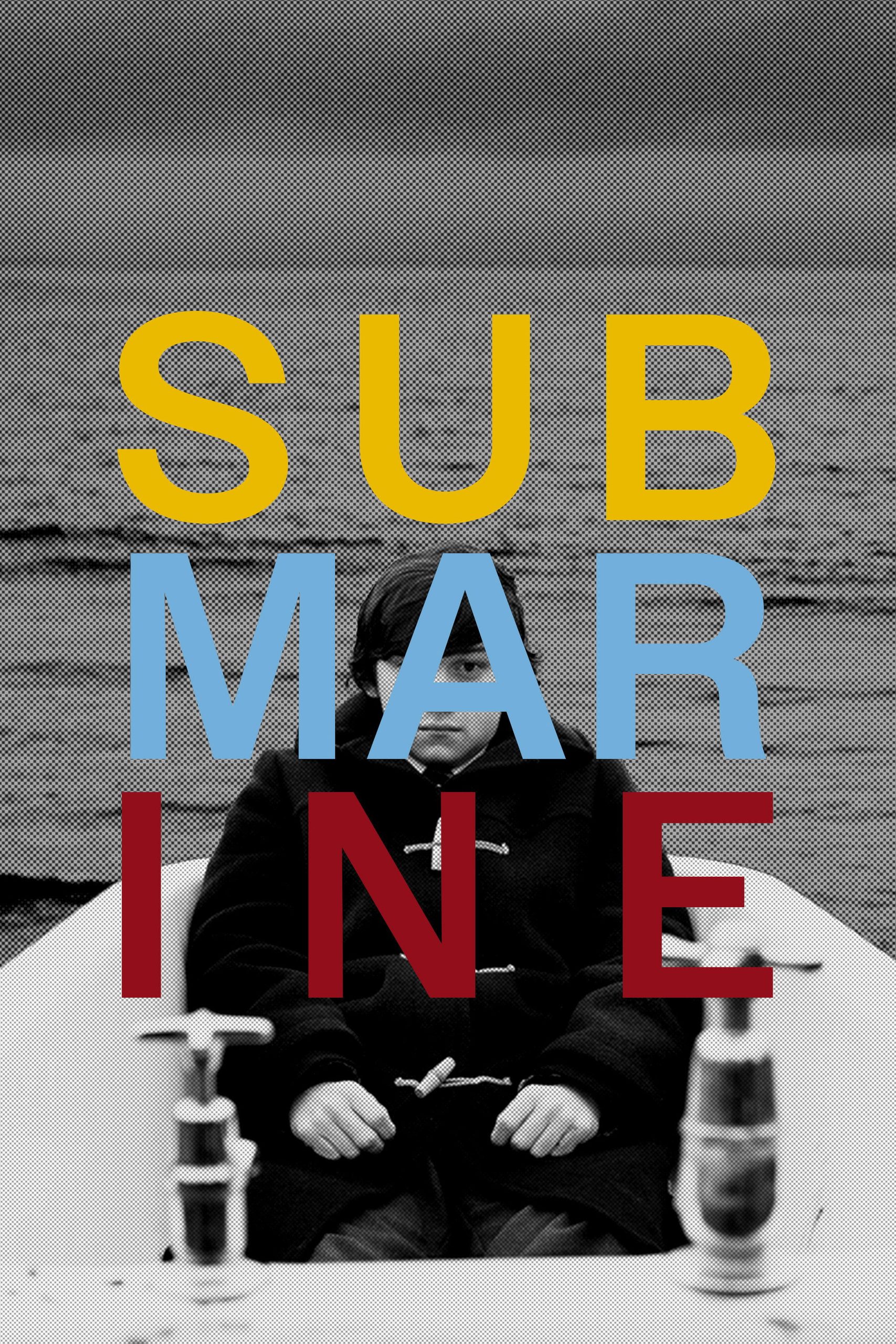
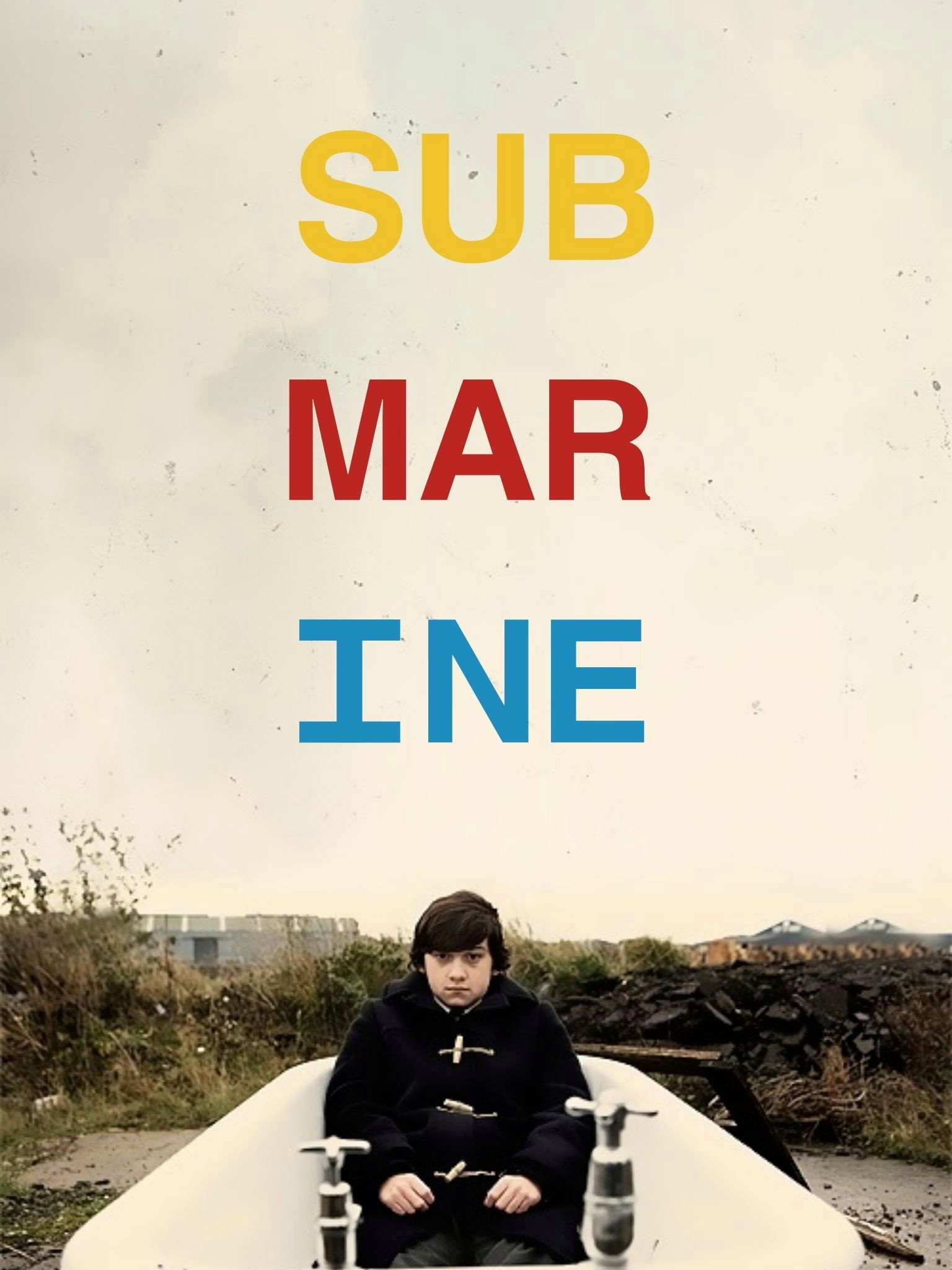
In 1980s Swansea, 15-year-old Oliver Tate (Craig Roberts) wants to lose his virginity and keep his parents together. He pursues Jordana Bevan (Yasmin Paige), while treating the marriage of Lloyd Tate (Noah Taylor) and Jill Tate (Sally Hawkins) as another problem he ought to be able to solve. A kiss under a bridge gives his romantic ambitions something concrete to work with. Oliver supplies a running commentary on his own progress, imagining himself rather better equipped for love and family trouble than he is. He has plans for everybody; other people are less willing to follow them.

Plays from YouTube when you press play; nothing loads from them until then.

Fi1m review

Richard Ayoade’s Submarine is a funny, tender account of a teenager mistaking intelligence for understanding. Craig Roberts and Yasmin Paige keep it human, even when the film works too hard at being clever.

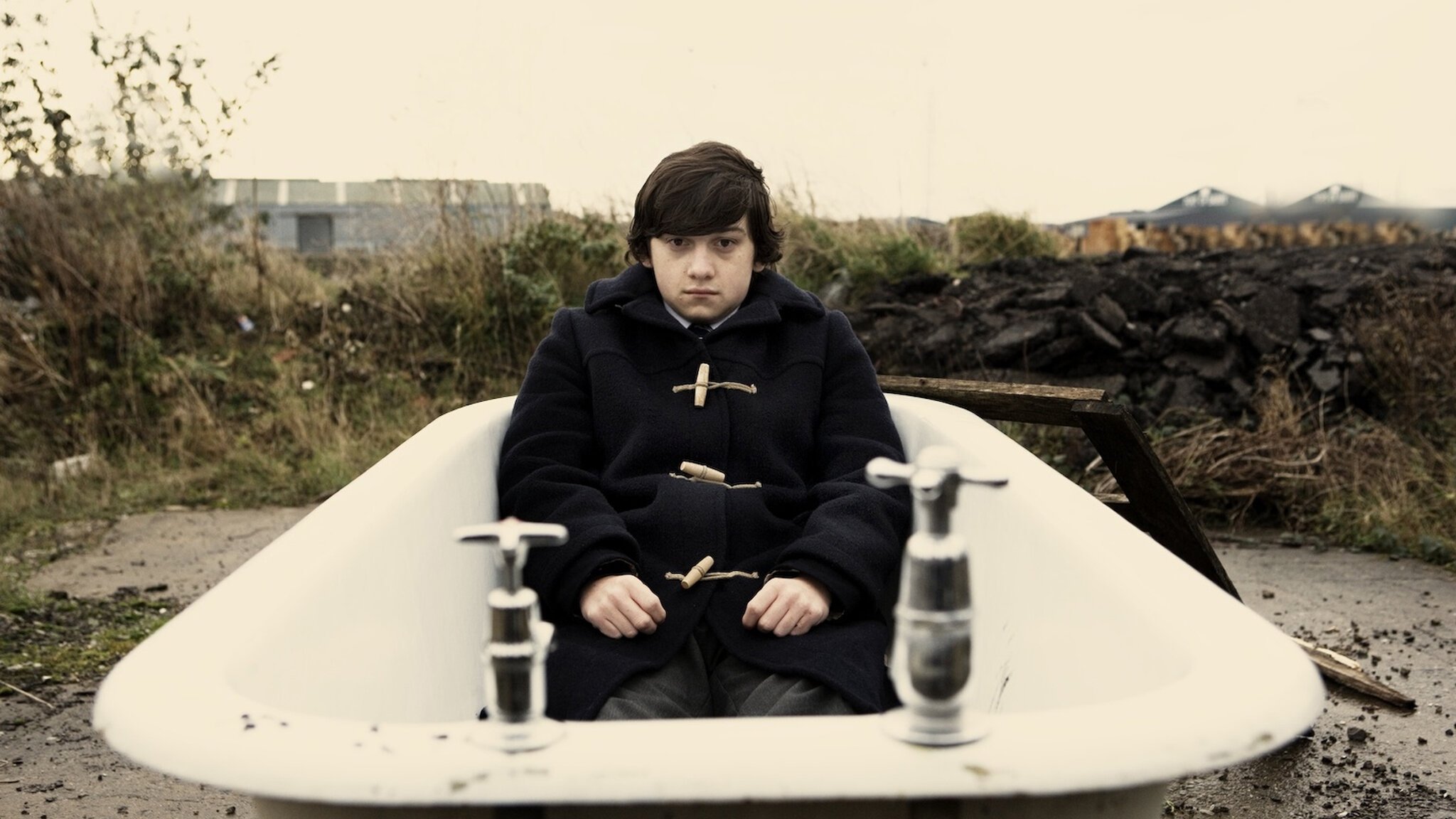
Submarine understands the embarrassment of being young and convinced that nobody else has thought quite so hard about being alive. Richard Ayoade’s adaptation of Joe Dunthorne’s novel is a funny, affectionate film, and we recommend it with one reservation: some of its visual jokes distract from the performances. Oliver Tate has decided that his first romance and his parents’ marriage require his intervention. Craig Roberts makes that confidence recognisably adolescent, with just enough doubt behind it to stop Oliver becoming a collection of jokes about a precocious boy.

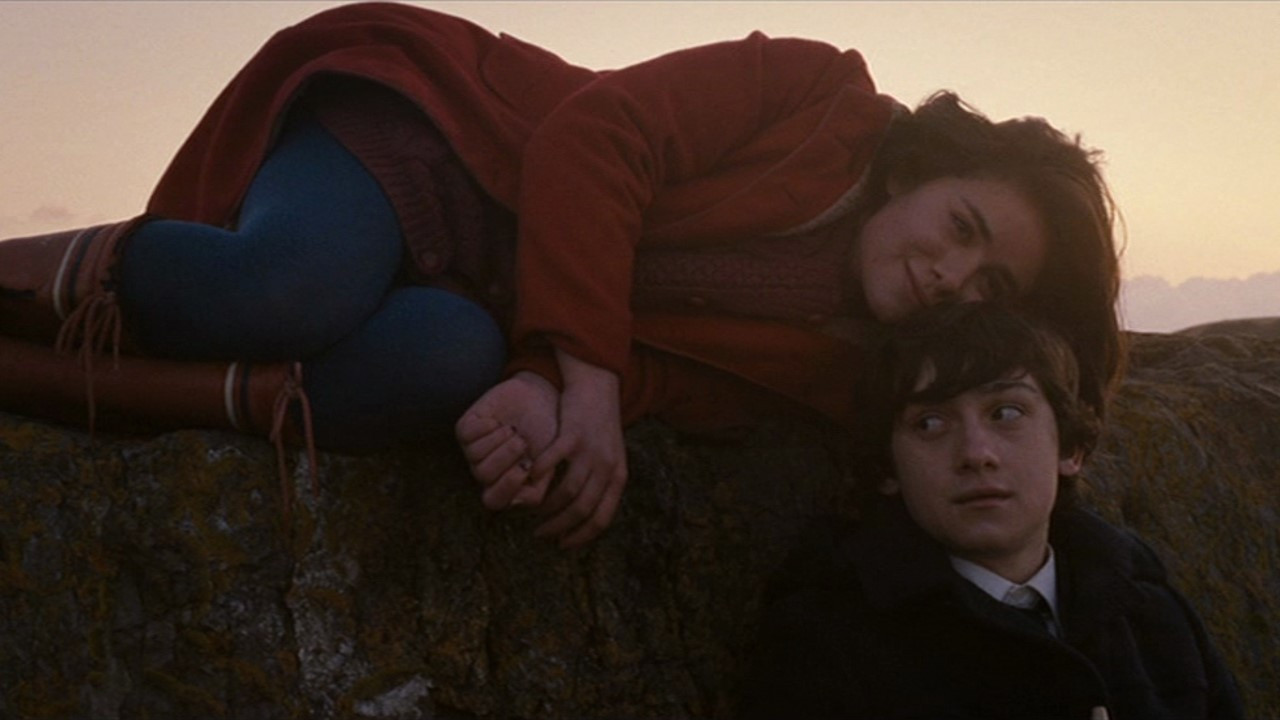
The voice-over matters because Oliver can explain himself much more fluently than he can deal with anybody else. The kiss under the bridge made us wince in recognition. Oliver’s elaborate self-explanations have done little to prepare him for being close to Jordana Bevan. Yasmin Paige gives Jordana enough independence to make his account of their relationship seem incomplete, and the romance benefits from that difference between them.

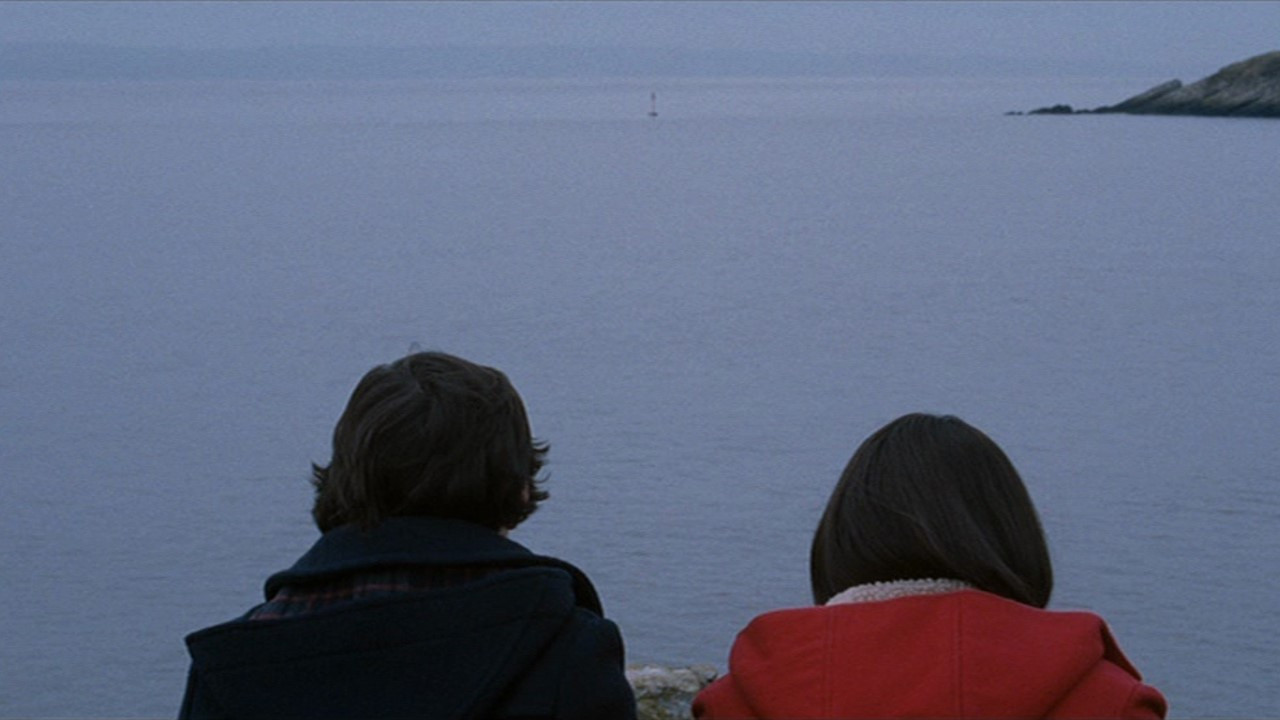
Erik Wilson photographs that bridge kiss with the care Oliver would want for a defining romantic occasion. The comedy survives because the young people inside the picture are still awkward. Gary Williamson’s production design gives the 1980s setting a believable everyday scale, helping the family scenes stay close to ordinary domestic life. That helps when Oliver’s imagination starts making his problems seem larger than they are.

Editors Nick Fenton and Chris Dickens keep the narration and fantasy sequences brisk enough to suggest a mind racing ahead of its experience. The changes in pace are funny, though the film sometimes seems reluctant to leave a scene alone once its point is clear. The music by Andrew Hewitt and Alex Turner allows some tenderness into Oliver’s relentless assessment of his progress. The soundtrack lets a feeling linger after we have understood the joke.

The parents benefit from being played by Noah Taylor and Sally Hawkins, who make Lloyd Tate and Jill Tate seem to have lives Oliver cannot read. He approaches their marriage as if knowing that something is wrong qualifies him to put it right. The adult performances keep that assumption from becoming the film’s own. Their scenes are touching because the uncertainty is allowed to belong to the parents, too, rather than existing solely to complicate their son’s growing up.

Richard Ayoade is sometimes as pleased with a comic idea as Oliver is with a theory. We can still be thinking about a visual joke when we should be listening to an awkward conversation. Among coming-of-age comedies, this is unusually alert to the vanity of the clever outsider, though it sometimes rewards him too readily for being amusing. We would welcome a little less invention and a little more time with the actors. Watch it with someone who knew you at fifteen, if relations are still cordial.


Critical consensus AI synthesised

80
Positive
17
Mixed
0
Negative
1

Most critics welcome Submarine as a confident, funny and warm coming-of-age debut from Richard Ayoade. Praise centres on the inventive visual storytelling, witty dialogue and performances, particularly the young leads. The reviews repeatedly credit its cinematic references with capturing a teenager’s exaggerated sense of his own importance, rather than merely advertising the director’s tastes. For many, the awkward romance and family tensions provide enough recognisable feeling to make the cleverness count.

Reservations concern how far that feeling reaches and whether the storytelling sustains its early promise. The Guardian finds the film more secure in comedy than deeper emotion, while Collider points to a shaky third act and weak emotional resolution. The spread is broad, though approval is dominant: seventeen reviews are positive. The lone negative assessment, from the Evening Standard, acknowledges funny moments and solid lead performances but finds the comic sketches meandering and the self-mockery an obstacle to engagement.

Empire
7 February 2011 · Dan Jolin
90*

Ayoade's directorial debut is a joy, blending quirky comedy with warm-hearted drama through perfectly cast young leads and witty visual references. It marks his successful transition from TV comedy to assured big-screen talent.

Read the full review →
Los Angeles Times
3 June 2011 · Kenneth Turan
90*

Writer-director Richard Ayoade brings a fresh and inventive voice to a familiar coming-of-age tale, grafting cinematic wit and French New Wave energy onto the story of a 15-year-old in Wales. The film captures the frenzy of adolescent infatuation and genuine emotions beneath its clever comedy, with superb visuals, music, and performances.

Read the full review →
The AV Club
2 June 2011 · A- · Nathan Rabin
90

The film is an achingly sad yet ribald account of a hyper-verbal oddball’s ascent into manhood. Ayoade’s assured directorial debut chronicles the emotional terrain of adolescence with uncommon grace, humor, and understated power.

Read the full review →
The Hollywood Reporter
14 October 2010 · festival review · Ray Bennett
90*

The critic calls the film a sublime adaptation of the novel that succeeds with a light touch and keen sense of the absurd. It is clever stuff and very funny, with perfect lead performances and a witty soundtrack.

Read the full review →
Sight and Sound
1 April 2011 · Isabel Stevens
85*

Ayoade reveals distinctive cinematic talent in his debut, a skewed teen romance about an idiosyncratic Swansea adolescent scheming to save his parents' marriage and lose his virginity. The film is praised for its subjective, self-delusional protagonist, witty observations, and cinephile flair blending French New Wave influences with British domestic comedy.

Read the full review →
Little White Lies
17 March 2011 · 4/4/4 · Tom Seymour
80

A shy, bright, wonderfully appealing film that bucks the trend of uncool British cinema with its witty, gentle, self-deprecating take on coming-of-age in 1980s Swansea. The critic singles out its panache, love of cinema's diversities, and avoidance of indie pretensions for praise.

Read the full review →

Cast

If you liked this, try…

Rushmore poster83

Rushmore

1998 · Another self-appointed expert on life discovers that other people have their own plans.

Gregory's Girl poster

Gregory's Girl

1981 · Scottish teenage courtship, with less self-analysis and just as much difficulty speaking plainly.

The 400 Blows poster91

The 400 Blows

1959 · A more bruising account of adolescence, alert to the child adults keep misreading.

A Swedish Love Story poster

A Swedish Love Story

1970 · Young attraction and unhappy adults, observed with patience and little interest in reassurance.

Linda Linda Linda poster

Linda Linda Linda

2005 · Japanese schoolgirls prepare a band performance while friendship develops through awkward pauses.