Wes Anderson’s Rushmore is a sharp, funny school comedy that understands how exhausting a self-appointed prodigy can be. Jason Schwartzman and Bill Murray give it an unexpected sadness, though its careful eccentricity occasionally becomes fussy.
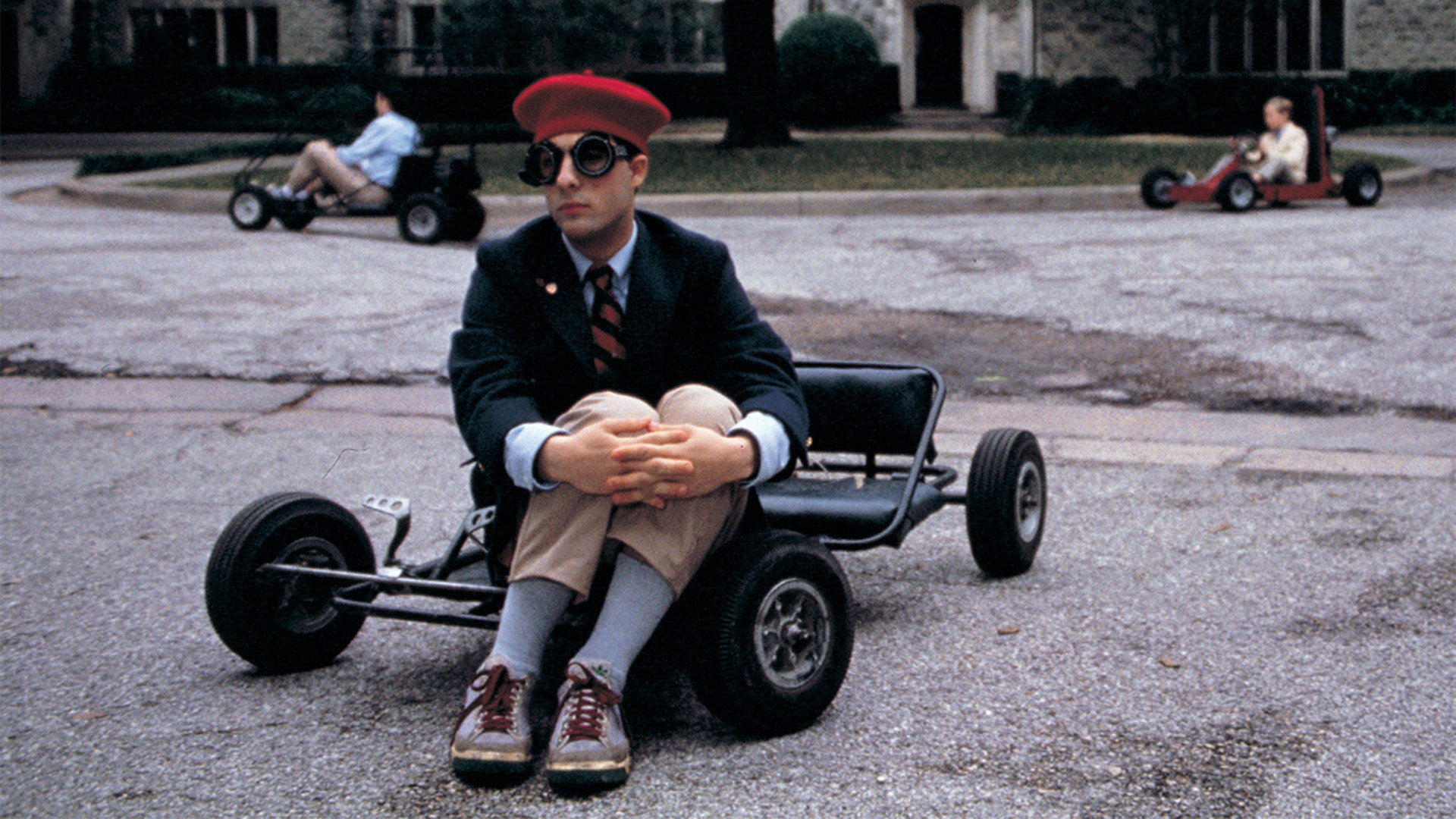
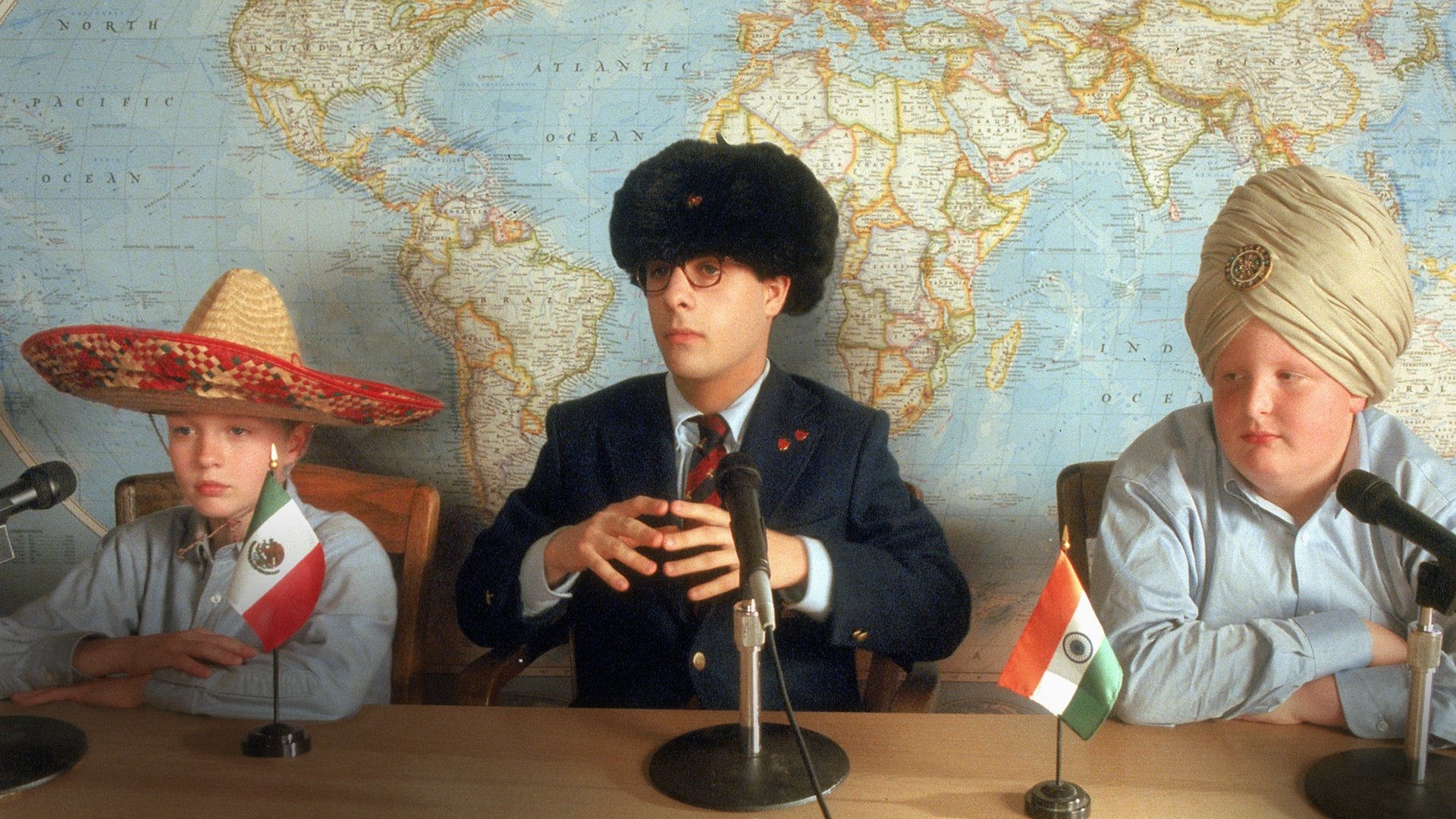
Fischer is the sort of schoolboy who makes confidence look like a disciplinary problem. Wes Anderson’s Rushmore is a funny, sometimes touching comedy about the trouble such a boy causes when other people refuse to share his opinion of himself. We recommend it even to those who ordinarily have little patience for clever boys being difficult, although a few of its carefully arranged oddities test ours. Anderson allows Fischer to be arrogant, ambitious and romantically unreasonable without assuming that these qualities make him lovable.
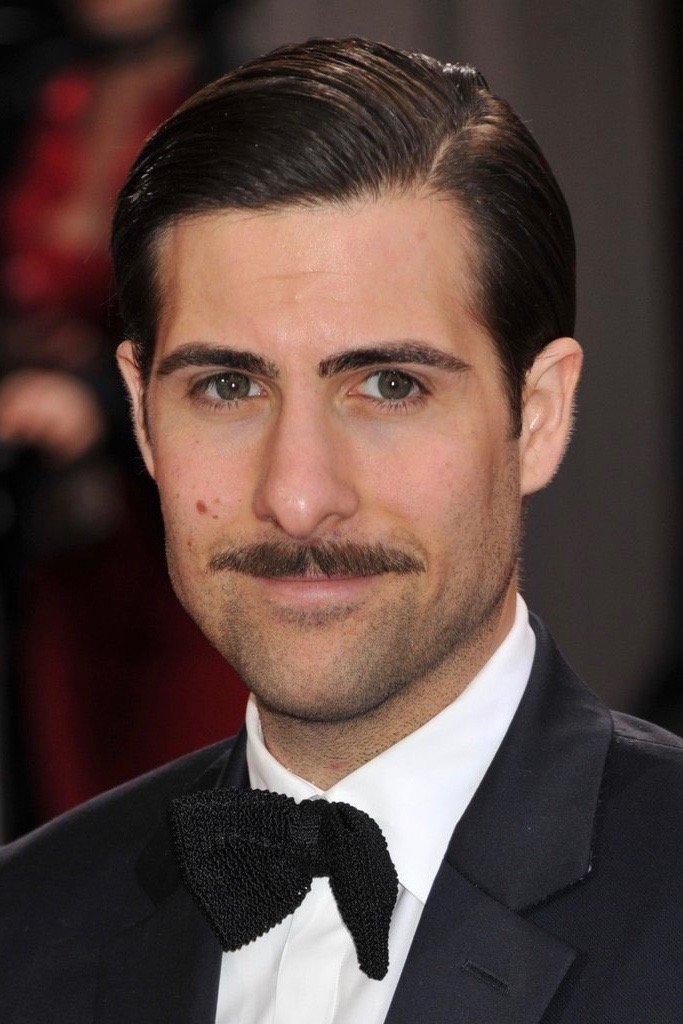
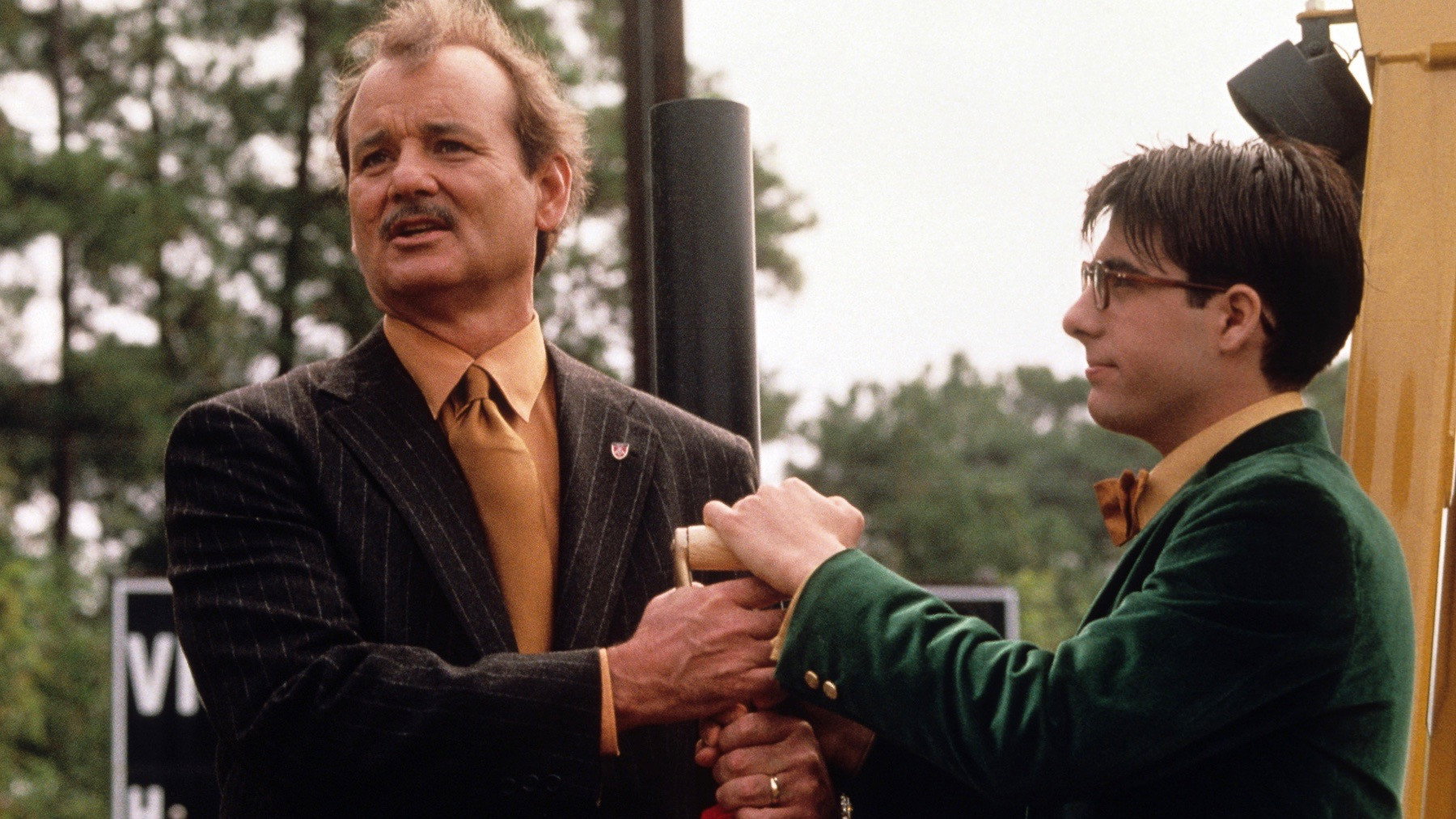
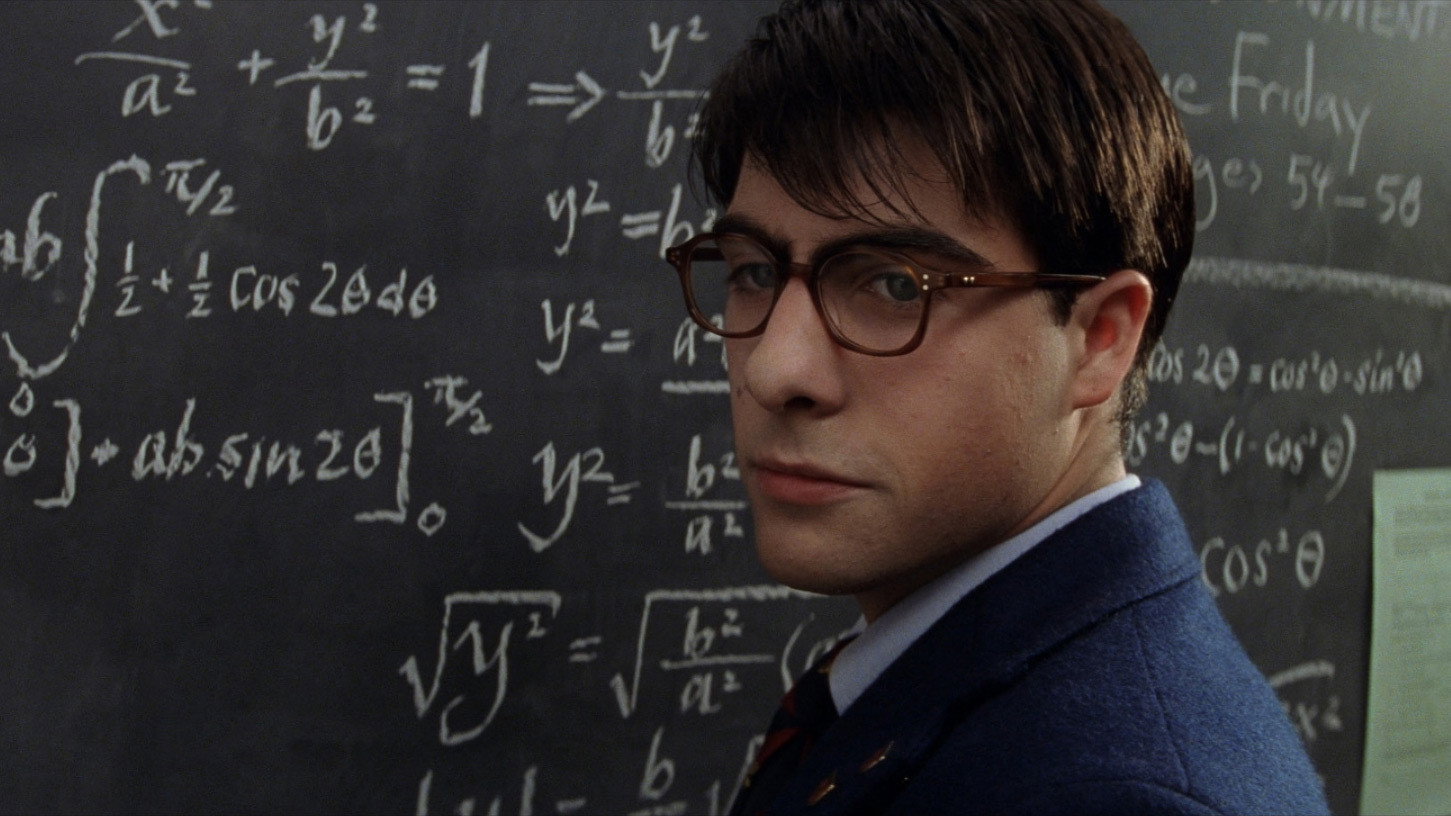
Jason Schwartzman plays Fischer with a seriousness that makes the jokes work: this boy cannot see what anyone might find funny about him. Anderson and co-writer Owen Wilson give him the self-belief of someone who thinks wanting something amounts to a qualification. We laughed at his certainty, then became uncomfortable with the insistence of his romantic yearning. Schwartzman’s refusal to soften that confidence makes it possible to feel sorry for Fischer and still want someone to stop him.
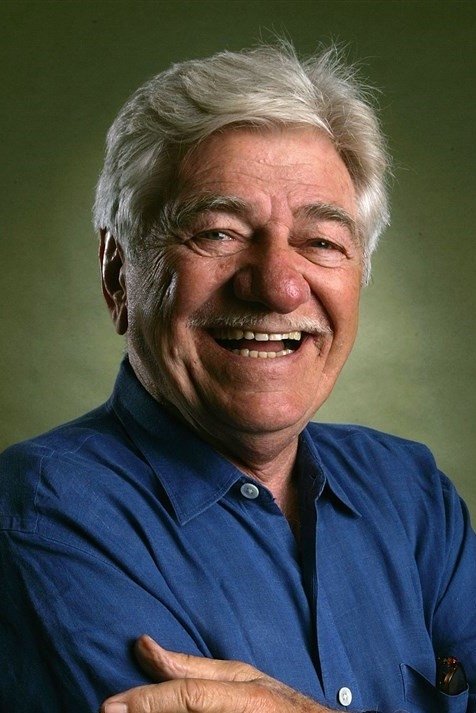
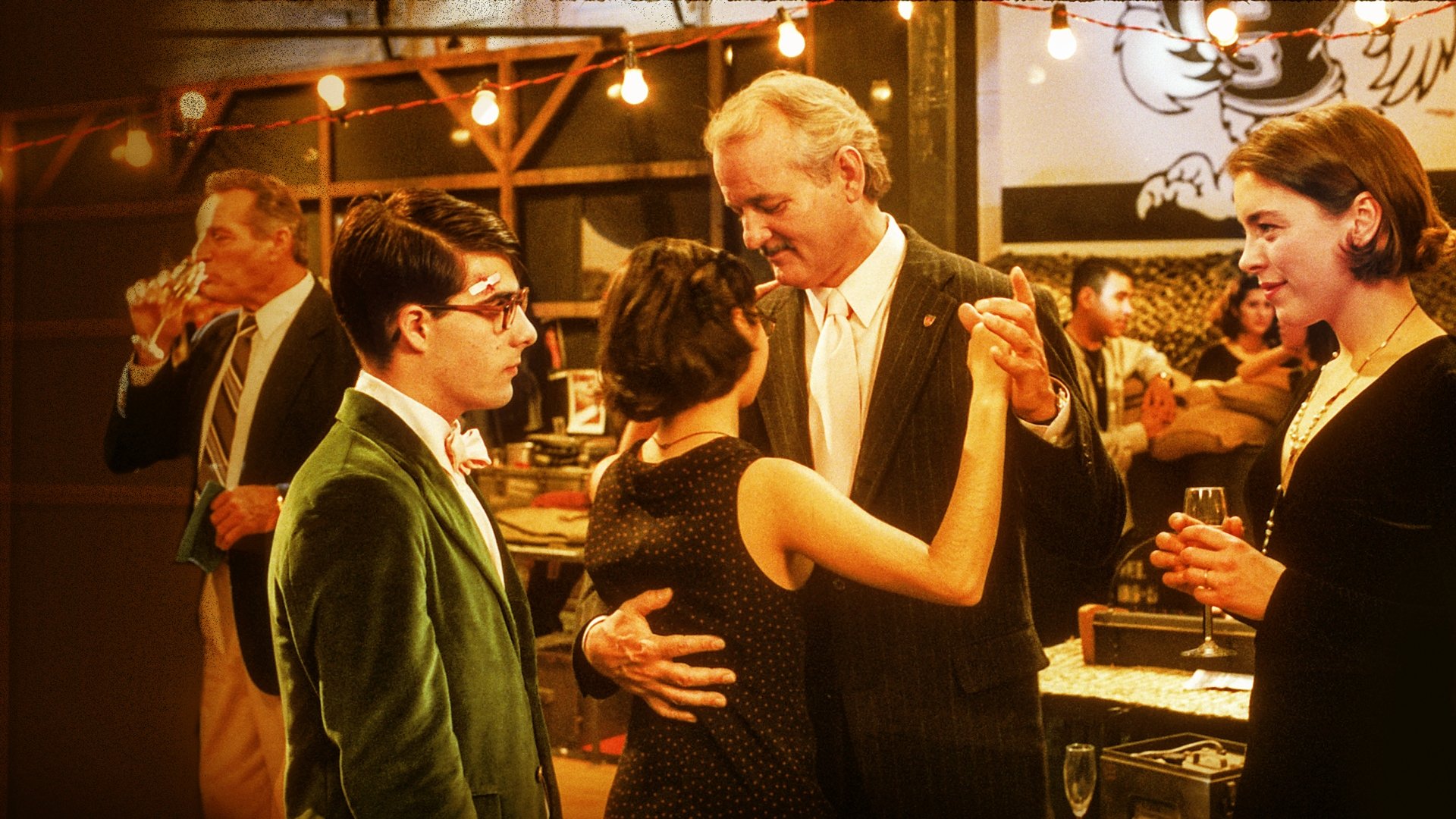
Bill Murray’s Herman Blume gives Schwartzman an adult presence worthy of all that determination. Murray’s deadpan delivery allows a remark to land without asking for a laugh, and his weariness makes Fischer’s energy seem still more excessive. We can see why the boy’s self-importance might be funny to an older man, and why it might also be painfully familiar. Their pairing keeps the film from settling into the simple business of watching an obnoxious child receive his comeuppance.
Robert D. Yeoman’s photography gives the visual jokes the same care that the actors give the dialogue. The framing gives Schwartzman room to be funny without making every moment depend on his expression. David Wasco’s production design contributes to the carefully arranged surroundings; we occasionally wanted the place to look a little less supervised. That fussiness is a real limitation, because Anderson sometimes lets us notice the effort of setting up a joke before we have laughed at it.
David Moritz’s editing gives the comedy an economy that matters when the central character can be this exhausting. At 93 minutes, the film spends little time waiting for us to appreciate its cleverness, and the jokes benefit from that briskness. Mark Mothersbaugh’s music helps keep the peculiar humour buoyant without making the sadness feel like an interruption. The score lets the film acknowledge Fischer’s unhappiness without asking everyone to become solemn about it.
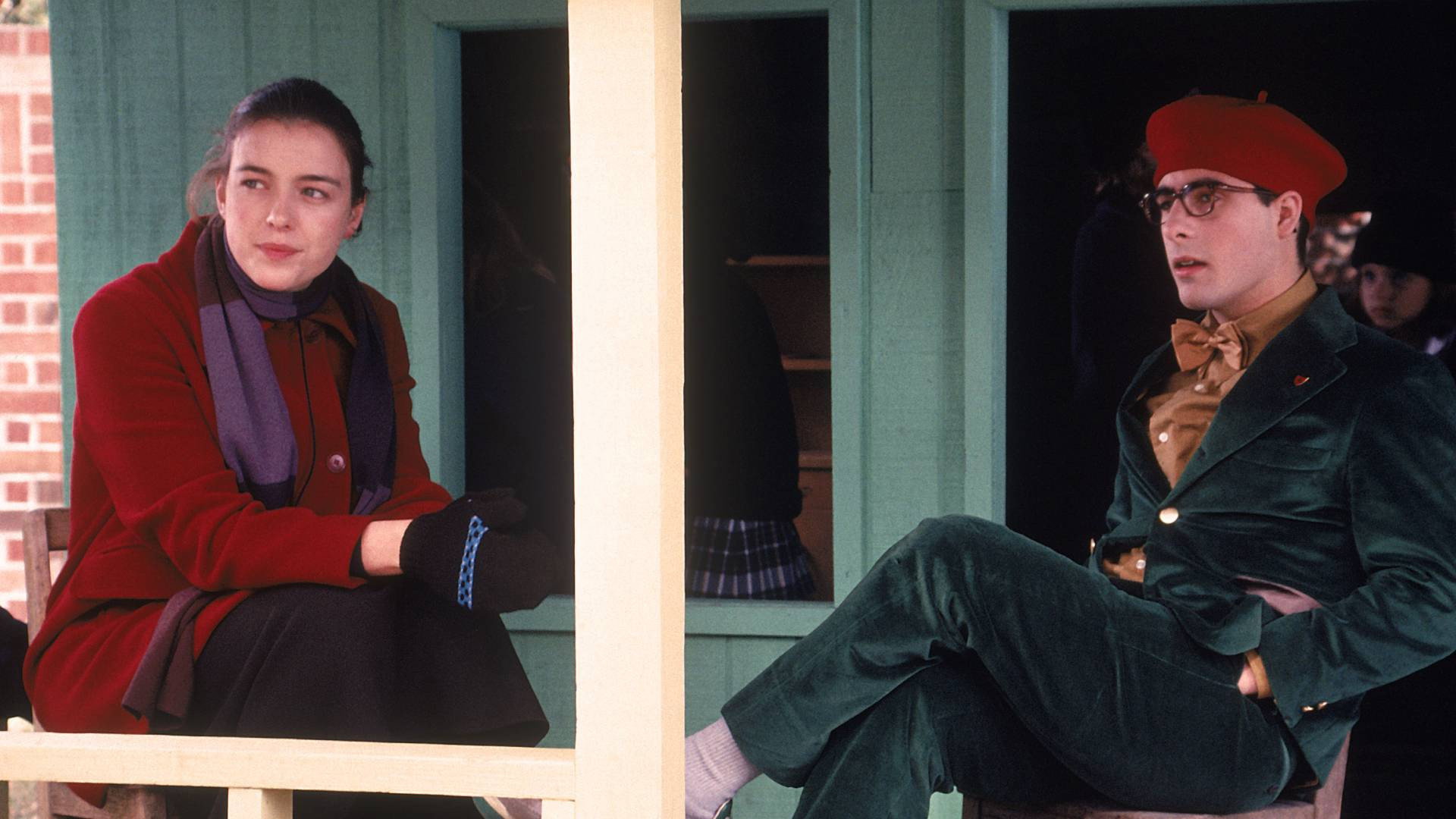
Olivia Williams, as Rosemary Cross, supplies an assurance that usefully checks the men’s claims on our attention. She makes the romantic material feel less sealed inside Fischer’s head, but Anderson and Wilson still give us more to understand about the men than about her. That imbalance matters in a film so alert to male self-absorption. Williams holds our interest, though the writing is happier pursuing Fischer’s unreasonable desires than giving her comparable weight.
Against the usual pleasures of a school comedy, Rushmore makes an unusually persuasive case for spending time with someone we would dislike in person. Anderson understands the attraction of a boy who refuses to be embarrassed, and keeps enough of Fischer’s anger visible to make that attraction uncomfortable. The film’s melancholy comes from recognising behaviour that adults have not necessarily left behind. Try it if painfully confident people make you laugh; expect to wince when the confidence starts to look familiar.