Clint Eastwood’s patient romance gives Meryl Streep room to make desire funny, awkward and moving. We recommend it warmly, with a caveat about the stretches where restraint becomes a little too polite.
The Bridges of Madison County is a moving adult romance that becomes a little too polite for its own good. Clint Eastwood directs as though getting to know someone deserves our full attention, and Meryl Streep makes that confidence seem sensible. The attraction matters because neither performer treats it as a foregone conclusion. There is humour, embarrassment and room for a response to arrive a little late. Eastwood allows the courtship to take its time.
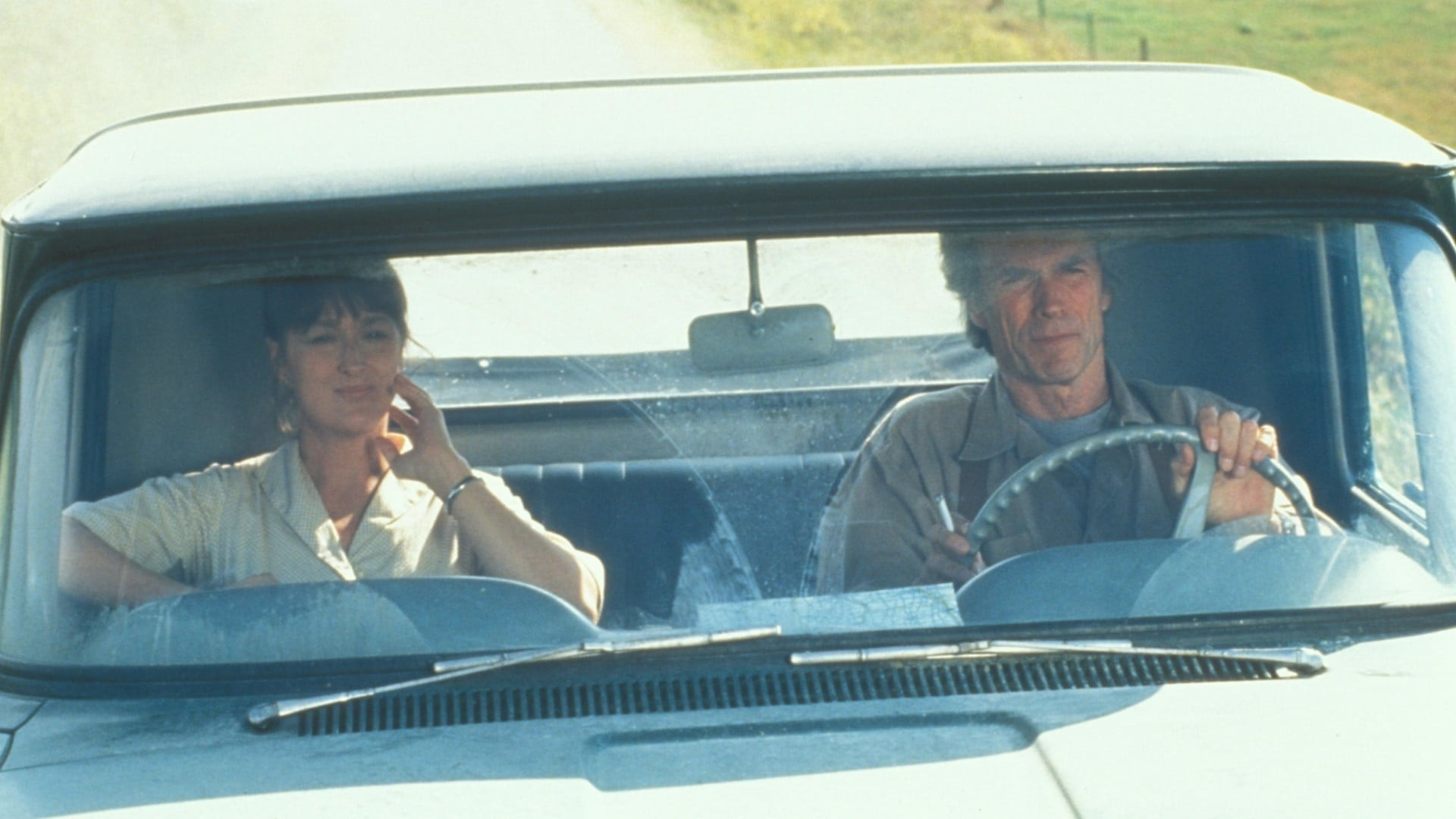
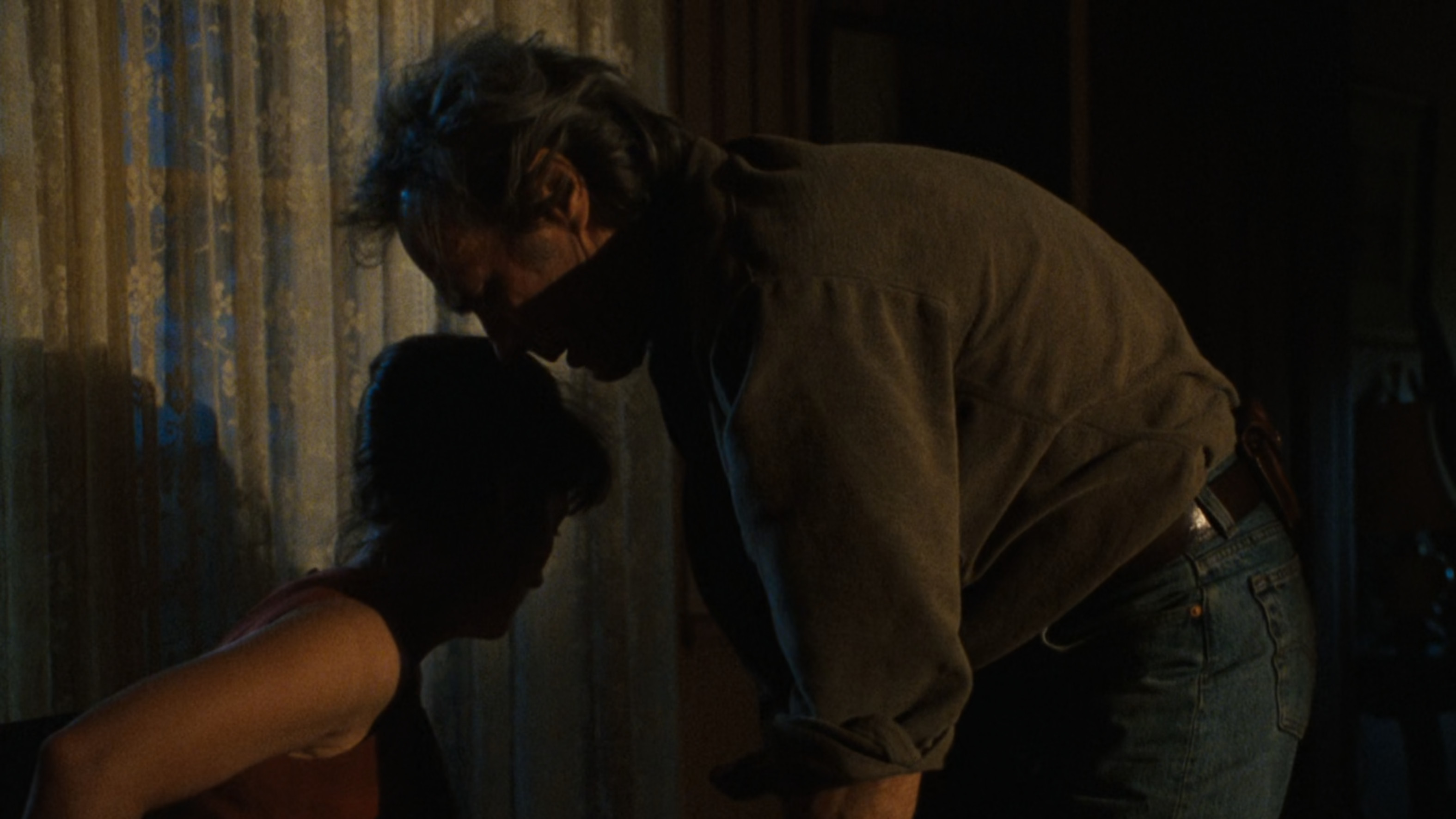
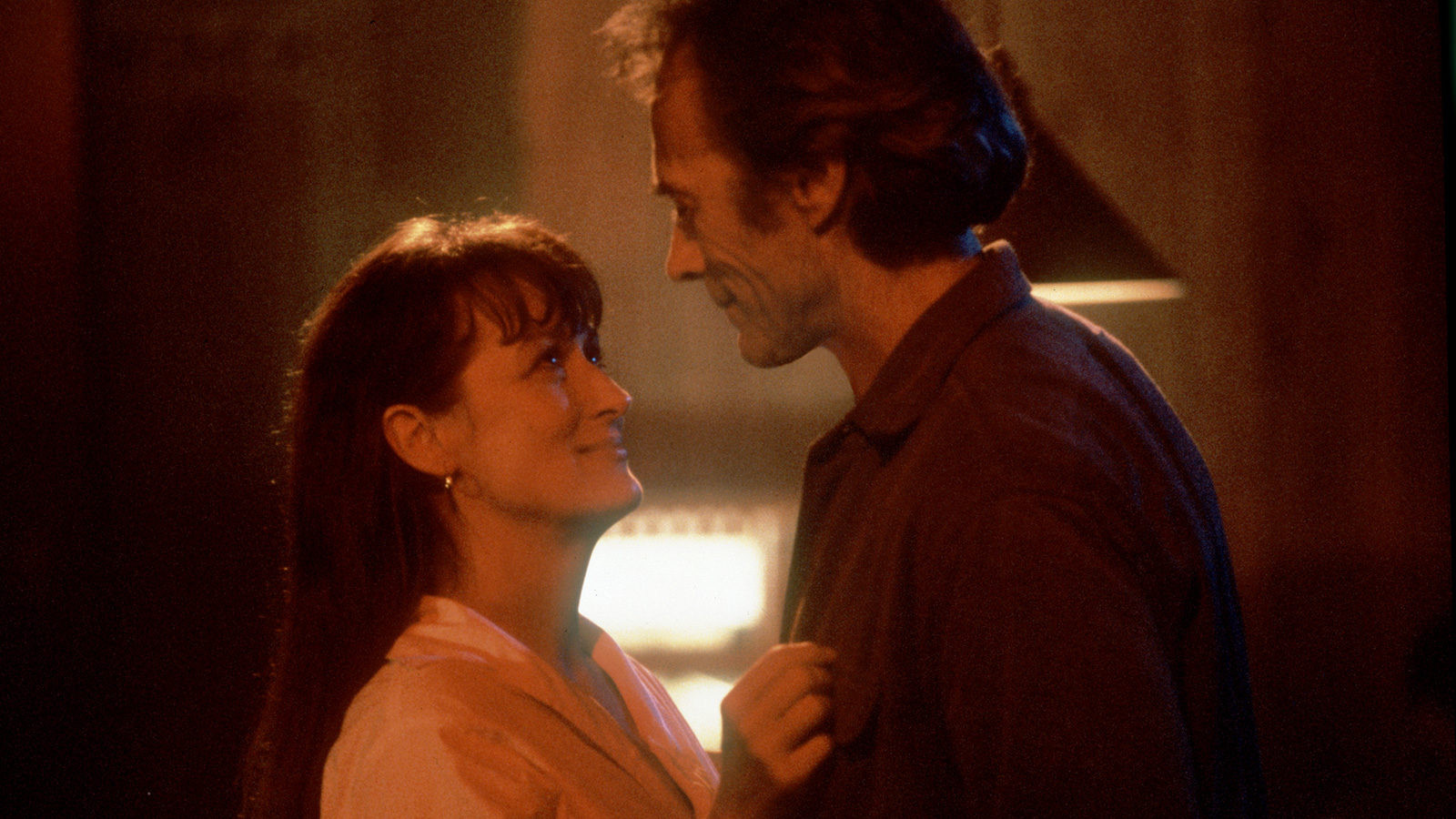
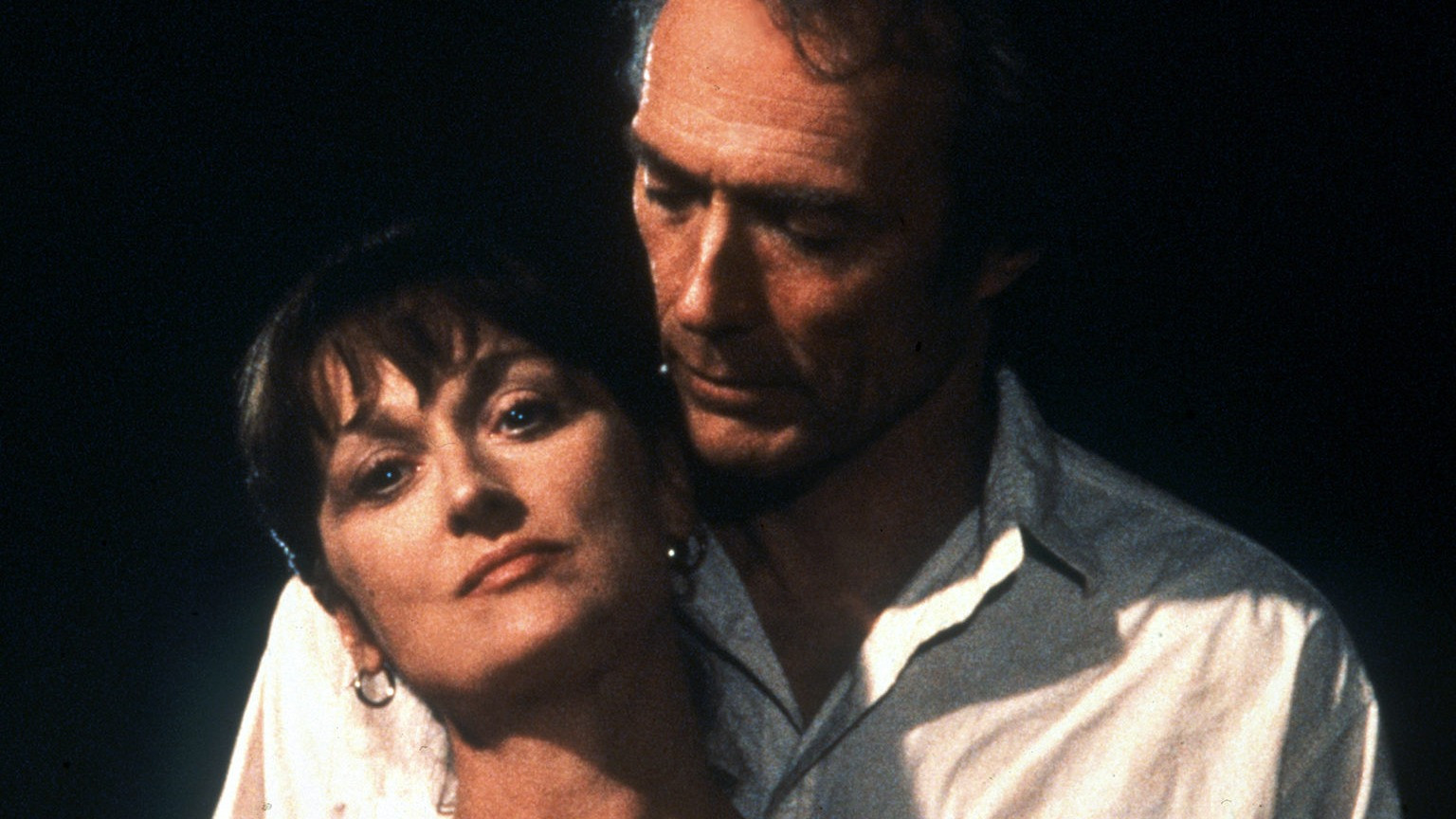
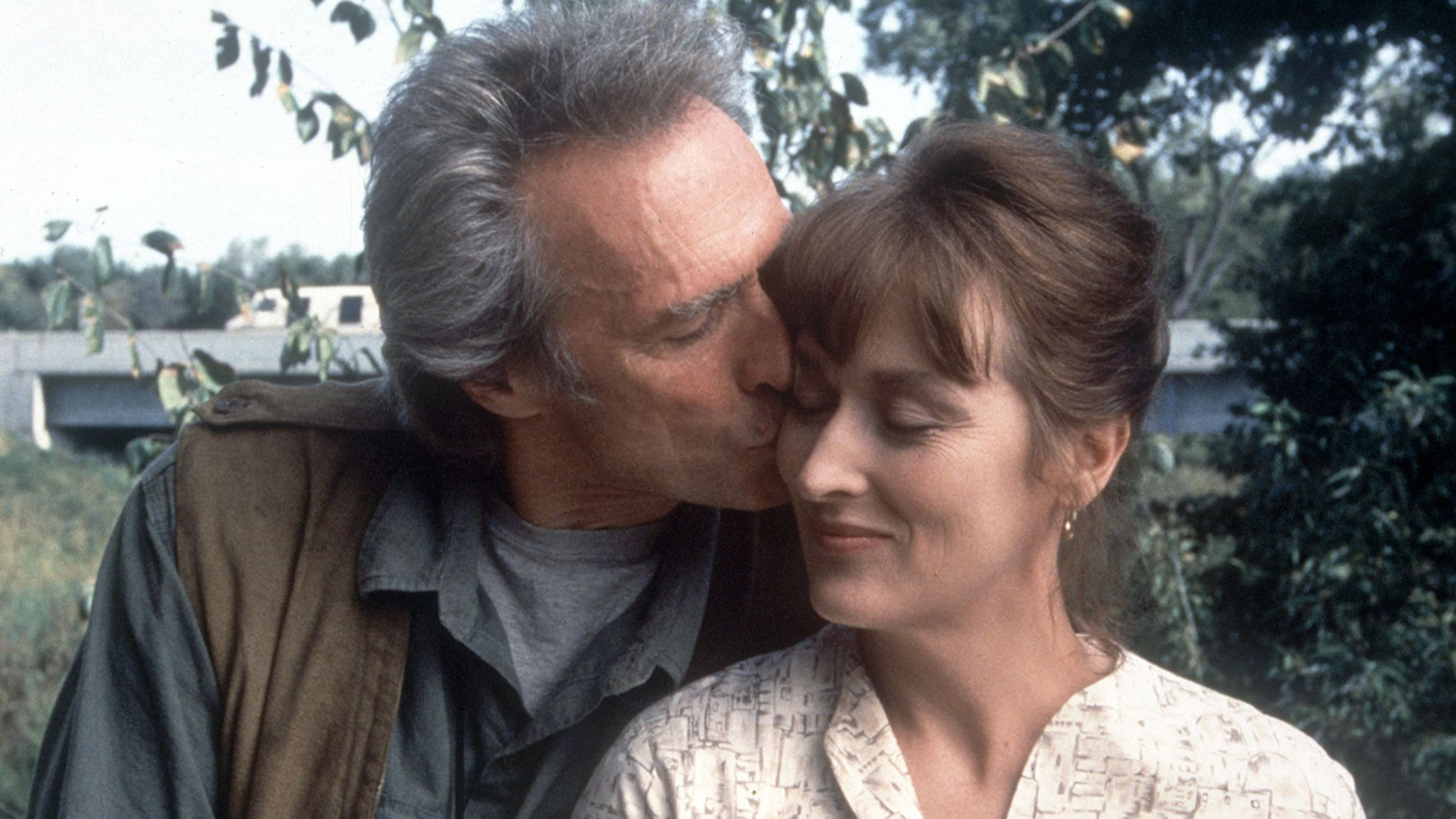
Streep’s Francesca Johnson is the reason to stay attentive. She makes desire look like something Francesca has to recognise in herself before she can quite admit it to anyone else. We see her assessing Robert, but also assessing the person she becomes around him. Eastwood, playing Robert Kincaid, is an attentive partner, and his restraint leaves space for Streep’s changes of mood. The pleasure is in watching two adults hesitate, test a remark and discover whether the other person will meet them halfway.
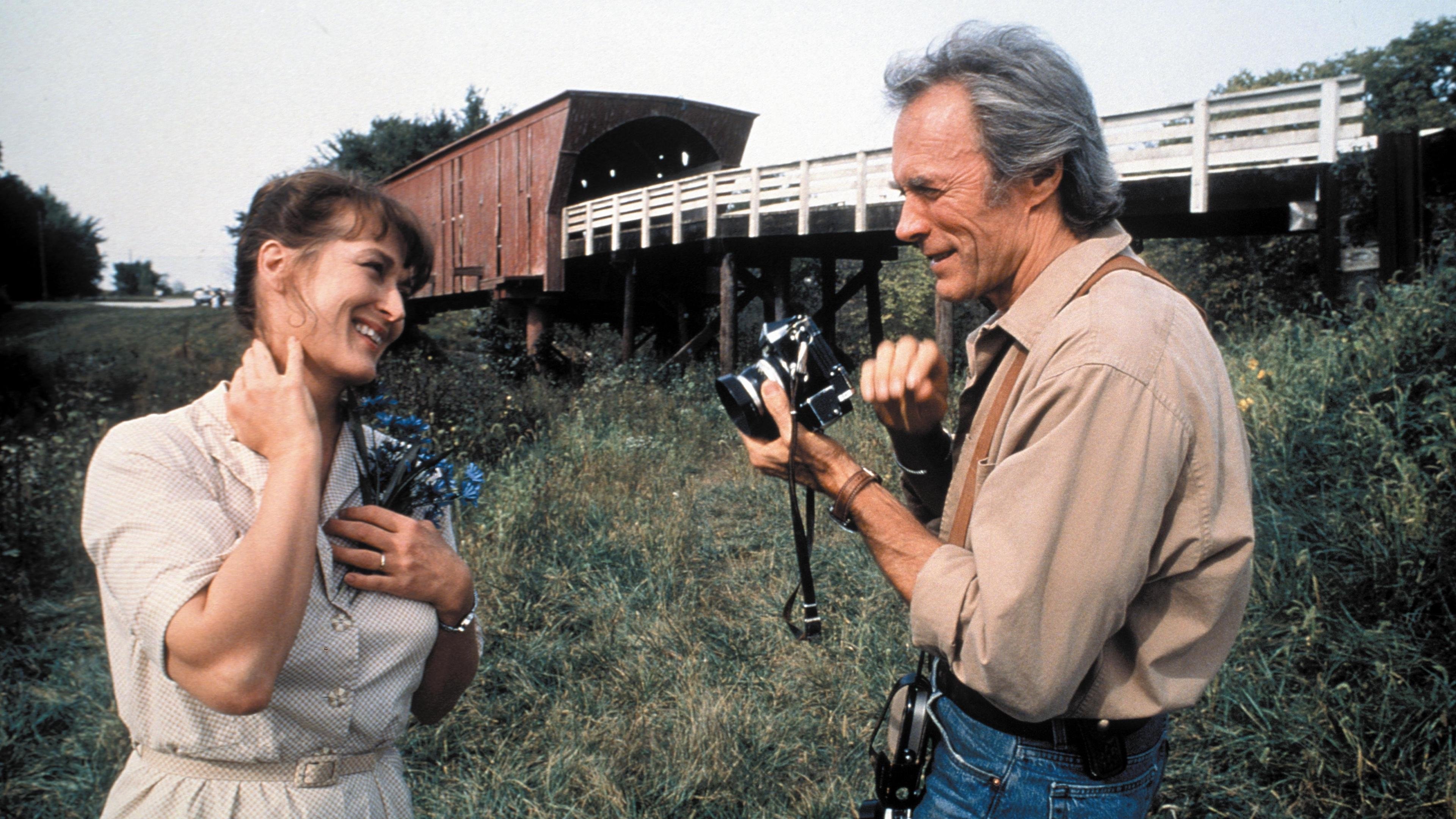
The flower prank is a useful measure of why the pairing works. We laughed, then felt unexpectedly tender towards them, because the silliness lets both people put down the effort of being impressive. Eastwood has the sense to let the joke count as part of the courtship. It makes the attraction easier to believe than a solemn account of what these two mean to each other could have done.
Jack N. Green’s cinematography gives the faces enough attention that the film’s handsome appearance never becomes its chief attraction. There is pleasure in looking at this romance, but Streep is doing too much for prettiness to be the point. Jeannine Oppewall’s production design belongs to the same carefully judged approach, never demanding that we admire the surroundings at the expense of the people. Both contributions work because they leave us free to notice the performances.
Editor Joel Cox allows the exchanges to find their own pace, including the small delays that make flirtation both funny and exposing. That patience is essential, though at 135 minutes we occasionally wanted a conversation to move on sooner. Lennie Niehaus’s music is sympathetic to the performances, but there are moments when its encouragement towards feeling seems unnecessary. Streep can make us understand that something matters without assistance. The film is most persuasive when the direction, cutting and music accept how much she is already giving them.
Richard LaGravenese’s screenplay, adapted from Robert James Waller’s novel, is largely content to let the relationship develop through conversation and behaviour. The sentiment is plain enough; the welcome surprise is the amount of ordinary humour allowed alongside it. When the writing becomes more reverent about the romance, we miss the looseness of the teasing. Eastwood is better at directing an uncertain exchange between two people than at asking us to stand back and appreciate how deeply they feel.
Anyone weary of romantic dramas that rush from introductions to declarations will find something to enjoy here. Eastwood lets desire be awkward without making age itself the joke, and Streep never seems content merely to be adored. Those qualities make the occasional over-careful stretch worth accepting. Give it an unhurried evening, and resist the temptation to fill its pauses with conversation.