Simon Stone’s account of the Sutton Hoo dig is handsomely shot and quietly acted, with Fiennes and Mulligan doing careful, unshowy work in the trench. It is at its best down there and weakest whenever it climbs out, which in the second half is often.
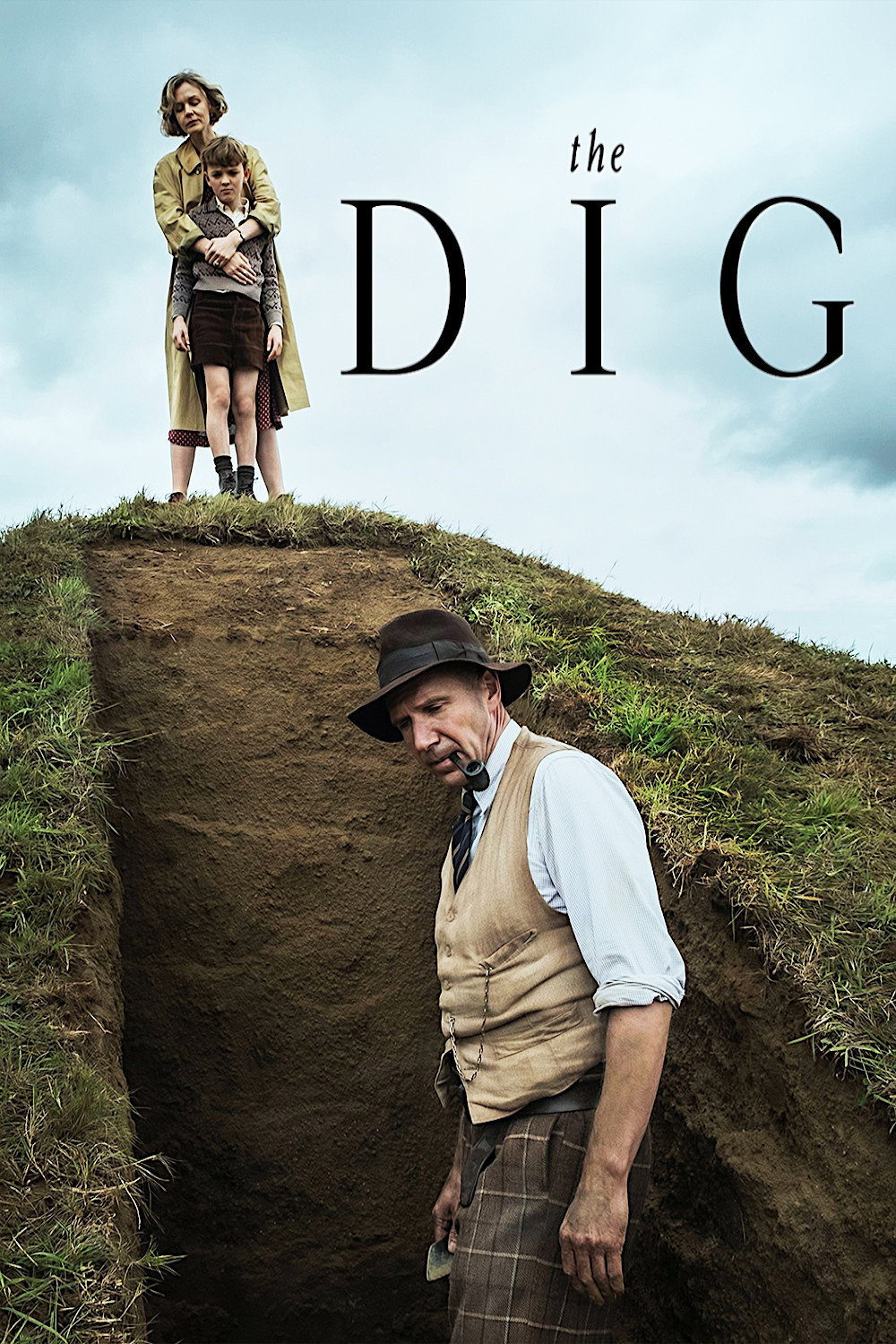
In the summer of 1939, on a Suffolk estate, a self-taught excavator called Basil Brown opened a mound everyone else had passed over and found an Anglo-Saxon burial ship. Simon Stone’s film, from Moira Buffini’s screenplay of John Preston’s novel, is about the digging and the two people either side of it: Brown (Ralph Fiennes), who reads soil the way other men read newsprint, and Edith Pretty (Carey Mulligan), the widow who pays him and is not well. For an hour it is a film about what the ground keeps and gives back. Then more people arrive, and it becomes a film about them instead.
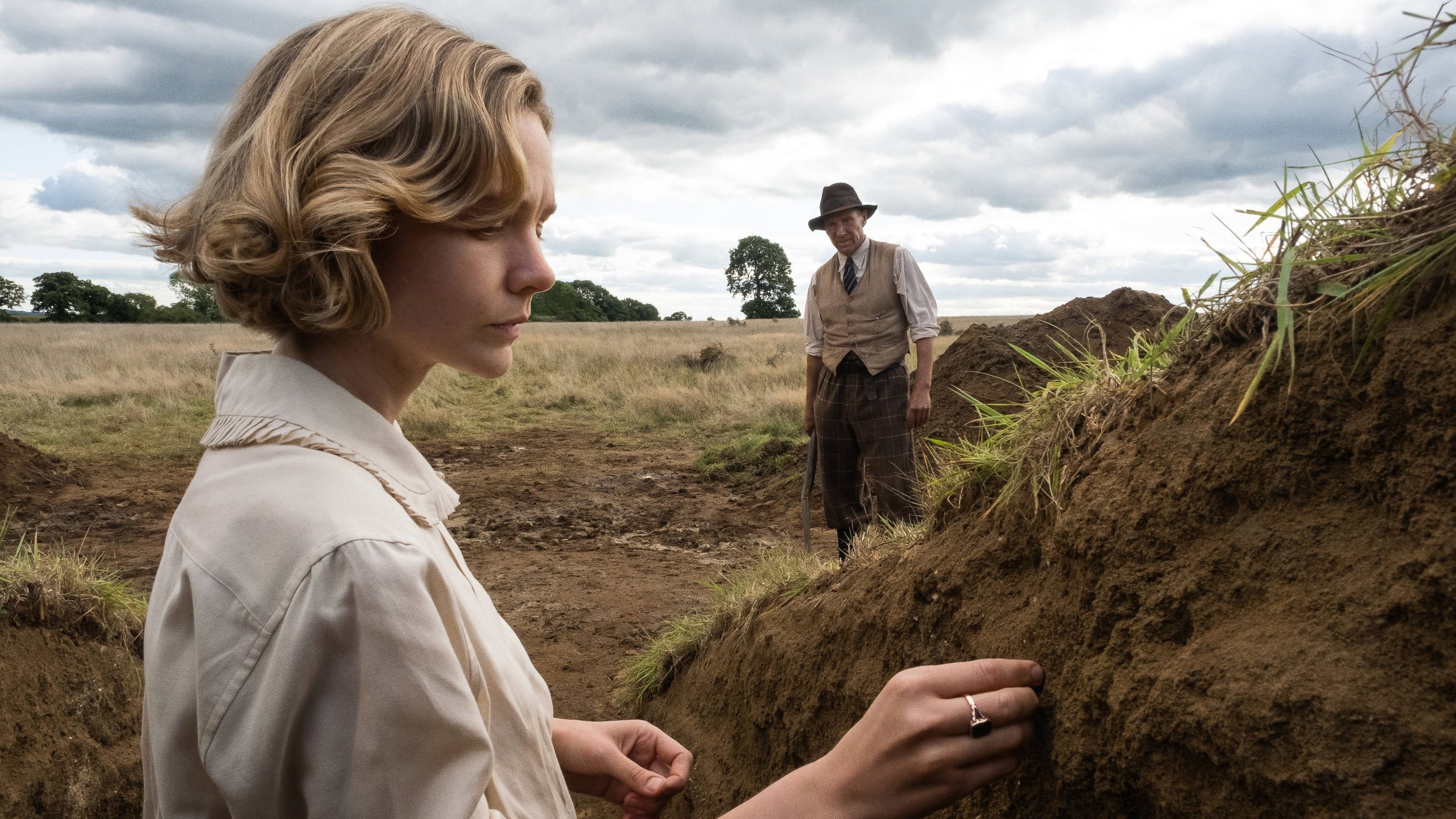
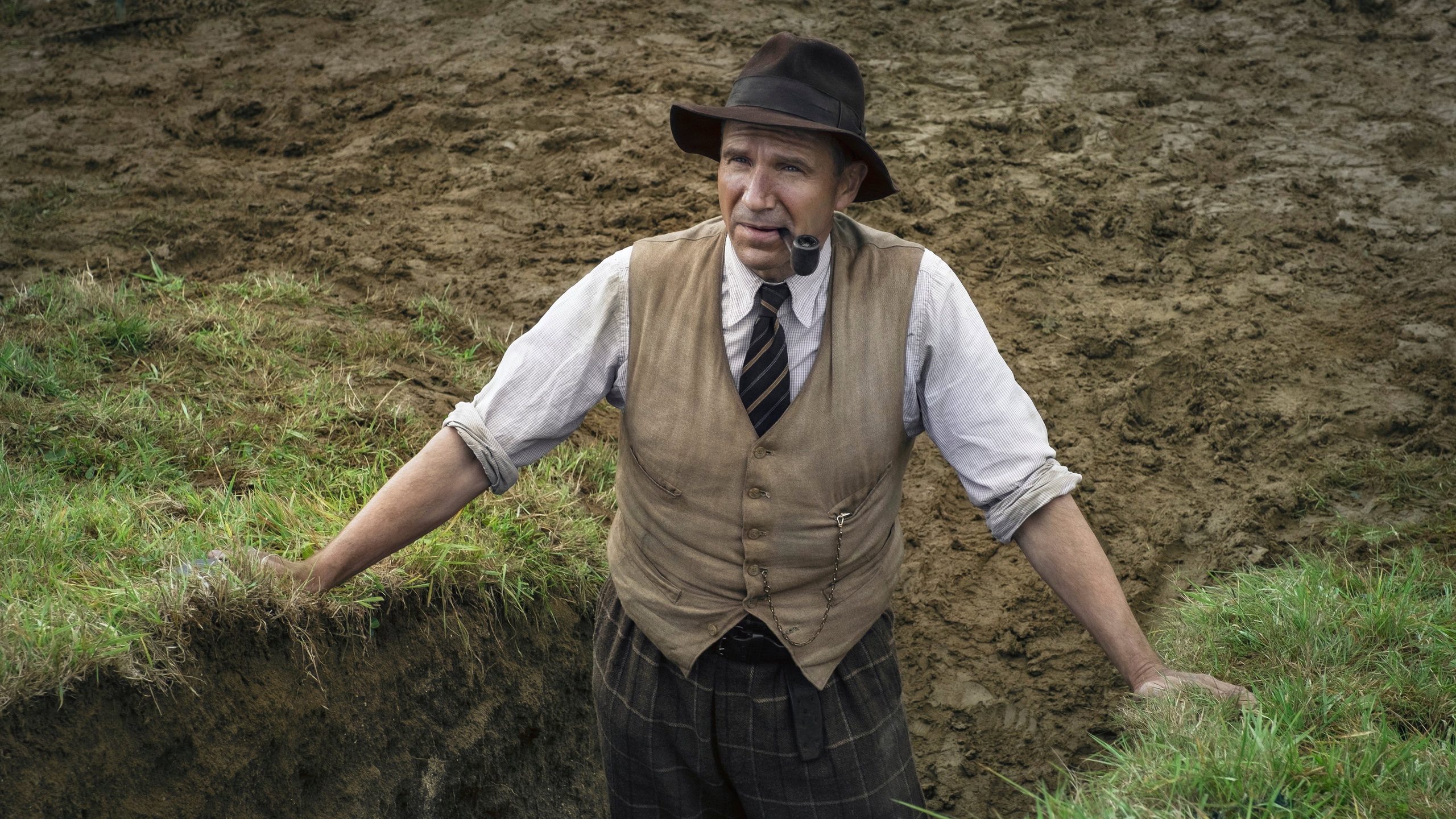
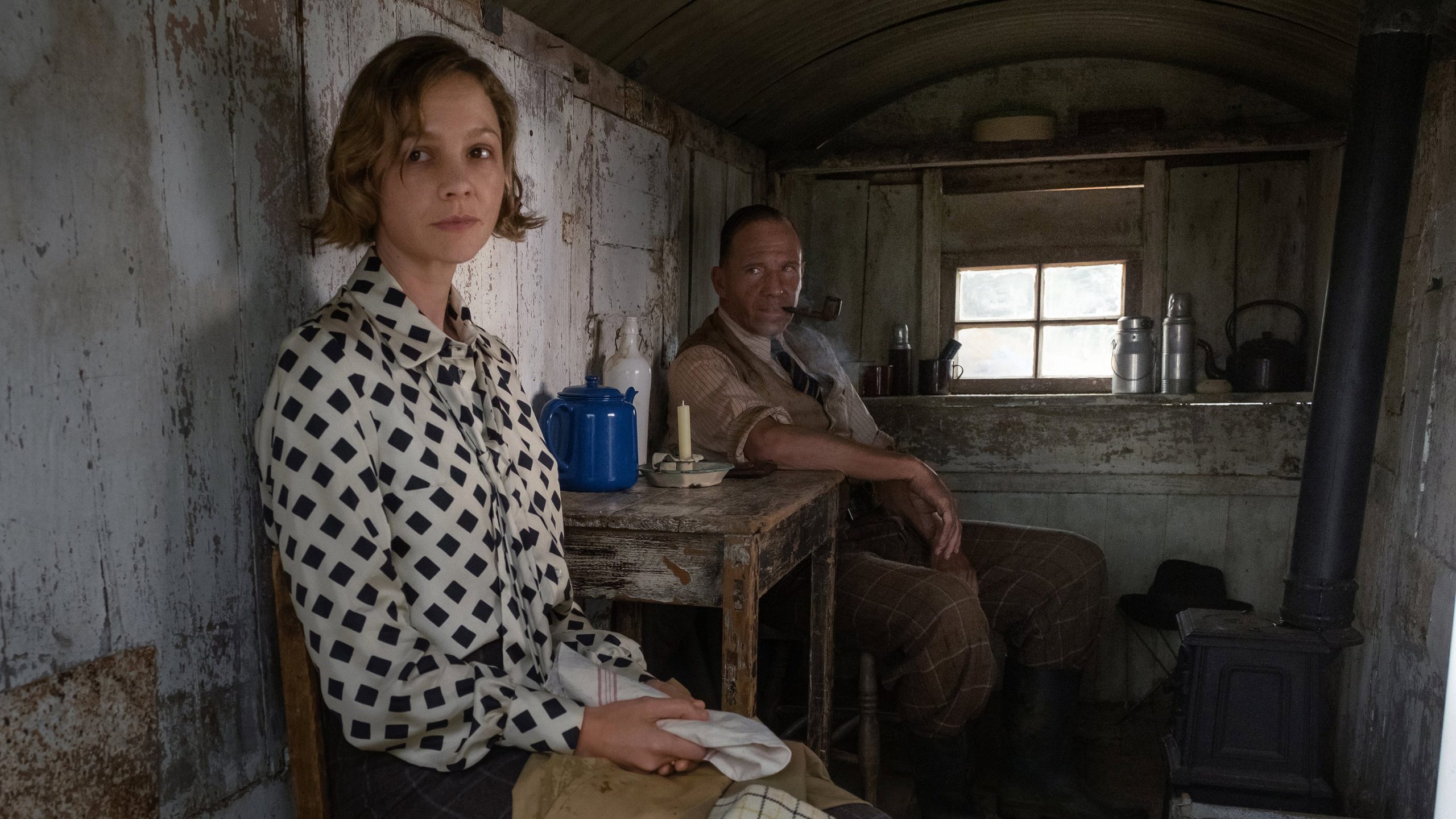
Fiennes plays Brown with a flat cap, a Suffolk vowel and almost no gestures. He rubs earth between finger and thumb and says less than anyone else in the frame, and the film is right to trust him. Mulligan plays a woman a good deal older than herself, and rather than age up she plays tiredness: a straight back that costs her something, a smile arriving a beat late. Their scenes together are conversations between two people who have each decided the other is worth listening to, and the film is best when it asks nothing more of them.
Mike Eley shoots Suffolk with the horizon low and the sky taking most of the picture, the sun always going down or just up, faces half in shadow so we lean in to read them. Jon Harris cuts a lot of the talk loose from the mouths saying it: a conversation runs on over two figures walking away across a field. Sometimes the dialogue feels remembered rather than heard, which suits a film about time; sometimes a plain scene of two people talking would have done. Stefan Gregory’s score is piano and strings kept low, and it knows when to stop. Maria Djurkovic gives the house its faded chintz and the dig its tarpaulins and planks, and Alice Babidge puts Fiennes in a waistcoat that looks slept in and Mulligan in silks that look inherited.
Here is what got us. Early on, a wall of the trench gives way and Brown is under it, shown first in wide shot, people running across grass, then in close: hands, sand, a face. Later the first rusted rivets come up out of the earth in a line, and Brown understands before anyone else what that means. There is no swell on the score and no speech. Fiennes goes still, Mulligan watches him, and we felt a lift under the ribs we had not been braced for. It is the whole film in forty seconds, and it never quite manages it again.
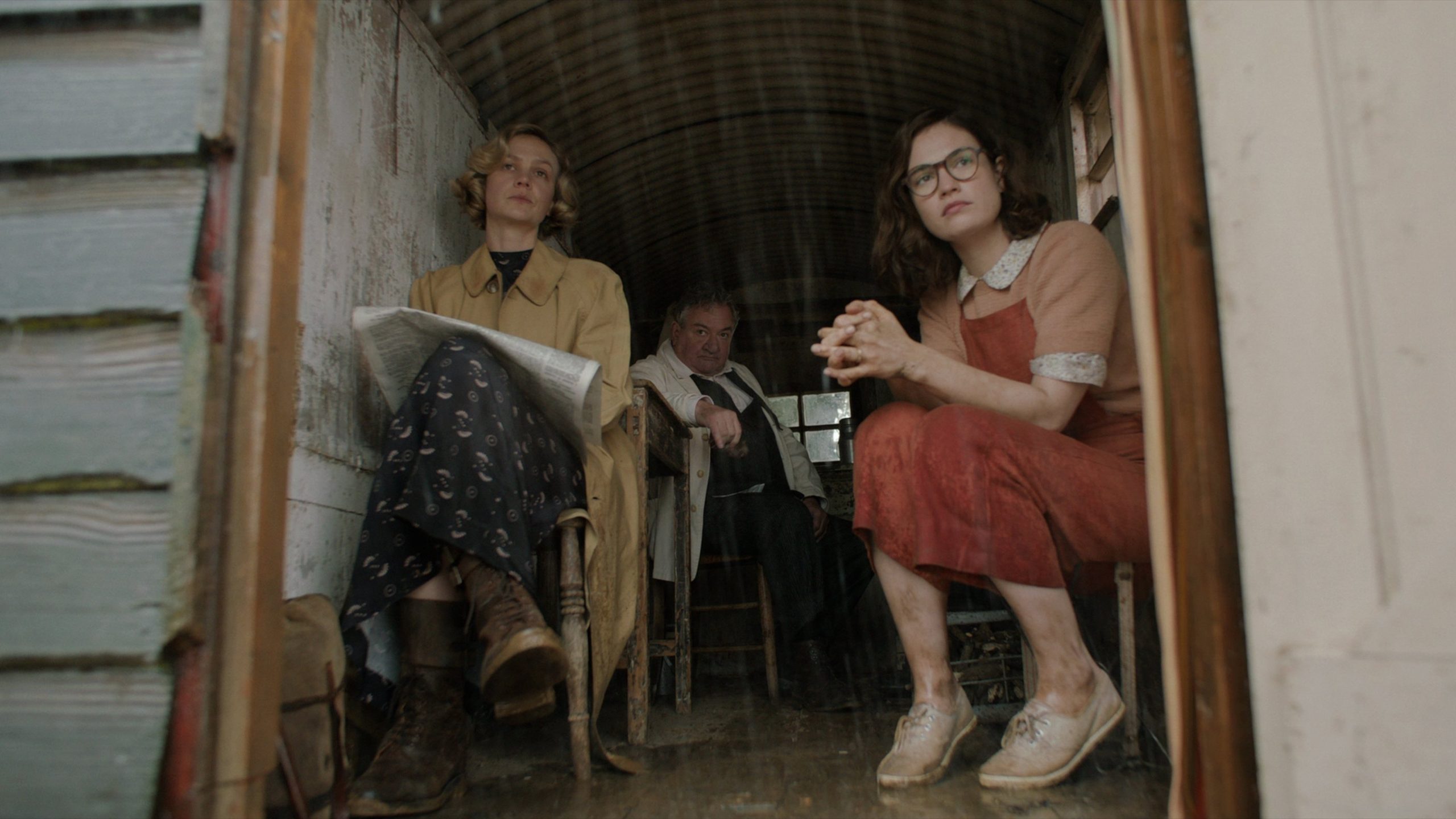
The second half is the problem. Ken Stott’s Charles Phillips arrives from the British Museum to take the dig off Brown, and the film has a real subject there, about who owns a discovery, but spends its time elsewhere. Lily James’s Peggy Piggott, newly married to Ben Chaplin’s Stuart, drifts towards Johnny Flynn’s Rory Lomax, Edith’s cousin, who has a camera and a call-up coming. James and Flynn are likeable, but every one of their scenes belongs to a thinner film, and each time we were taken to them we wanted to go back to the hole. Monica Dolan, as Brown’s wife May, gets two scenes and makes more of them than the romance manages in twenty minutes.
As British heritage drama, this is more interesting than most: Stone’s cutting and Eley’s skies push at the form even where the story does not. What it never does is tell us why Sutton Hoo mattered. Anglo-Saxon is said with reverence, Phillips says the find will change everything, and we take his word for it. The film knows a great deal about loneliness and rather little about archaeology, which is a fair choice, but the title promised otherwise.
It runs 112 minutes and carries a 12A, and is a good evening for anyone who likes their period drama quiet and their fields wide. Watch it as the light is going, which is roughly how Eley shot it, and forgive it the second half for the sake of the first.