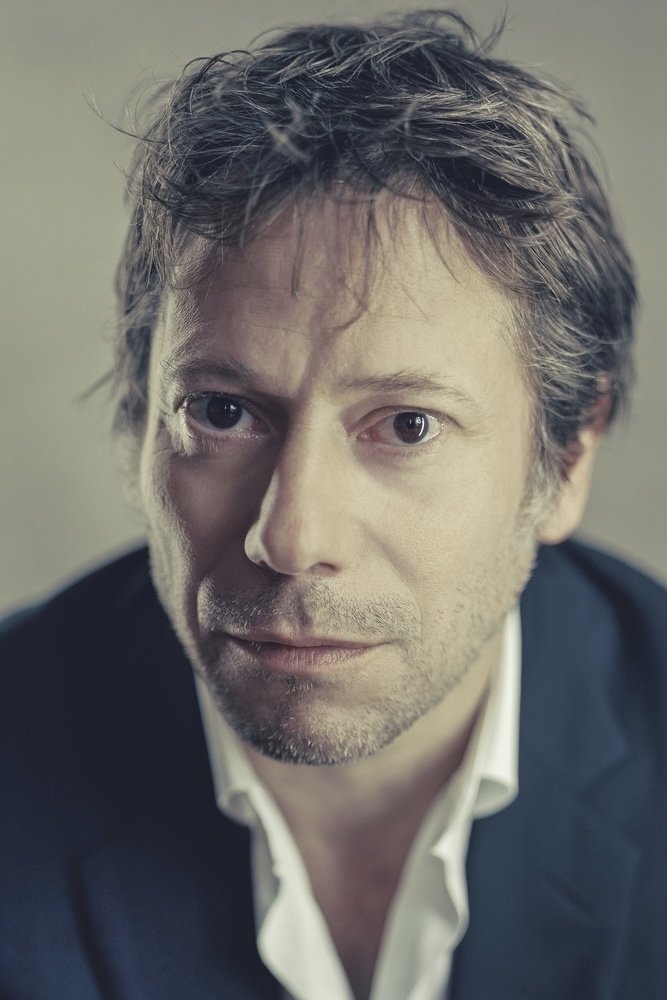
Julian Schnabel’s film is moving, funny and sometimes frightening, and we recommend it warmly. Mathieu Amalric’s Bauby remains a complicated man throughout, even when the director gets a little too absorbed in making beautiful images.
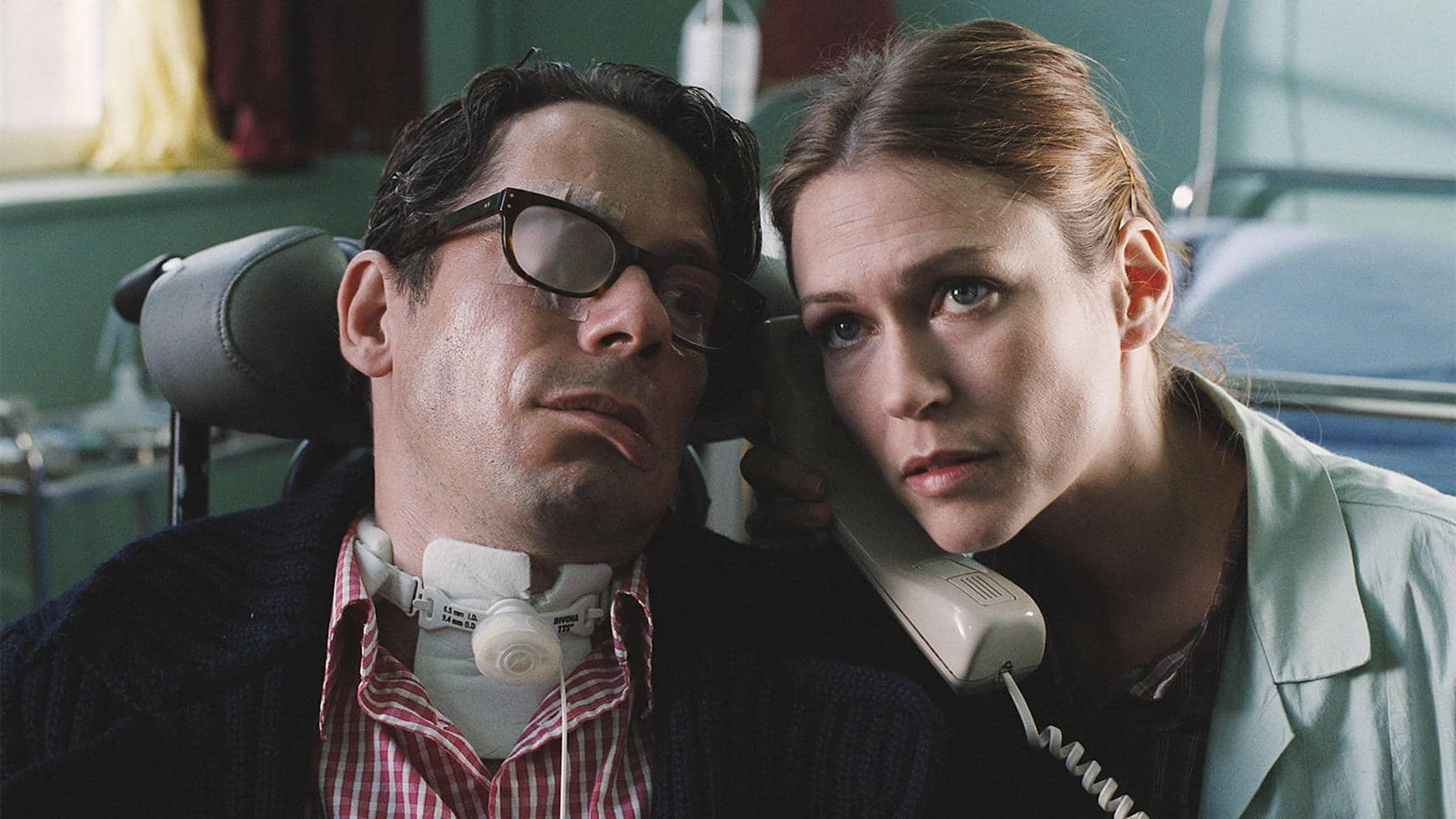
The Diving Bell and the Butterfly is an unusually absorbing film about a man whose means of communicating have been reduced to a blink. Julian Schnabel understands how easily that story could become an exercise in admiring courage, and gives us plenty else to think about. Jean-Dominique Bauby, played by Mathieu Amalric, remains funny, flawed and interested in the world. The film asks us to spend time with that personality, including the parts that resist easy sympathy. We recommend it warmly, with some reservations about Schnabel’s insistence on making so much of it beautiful.
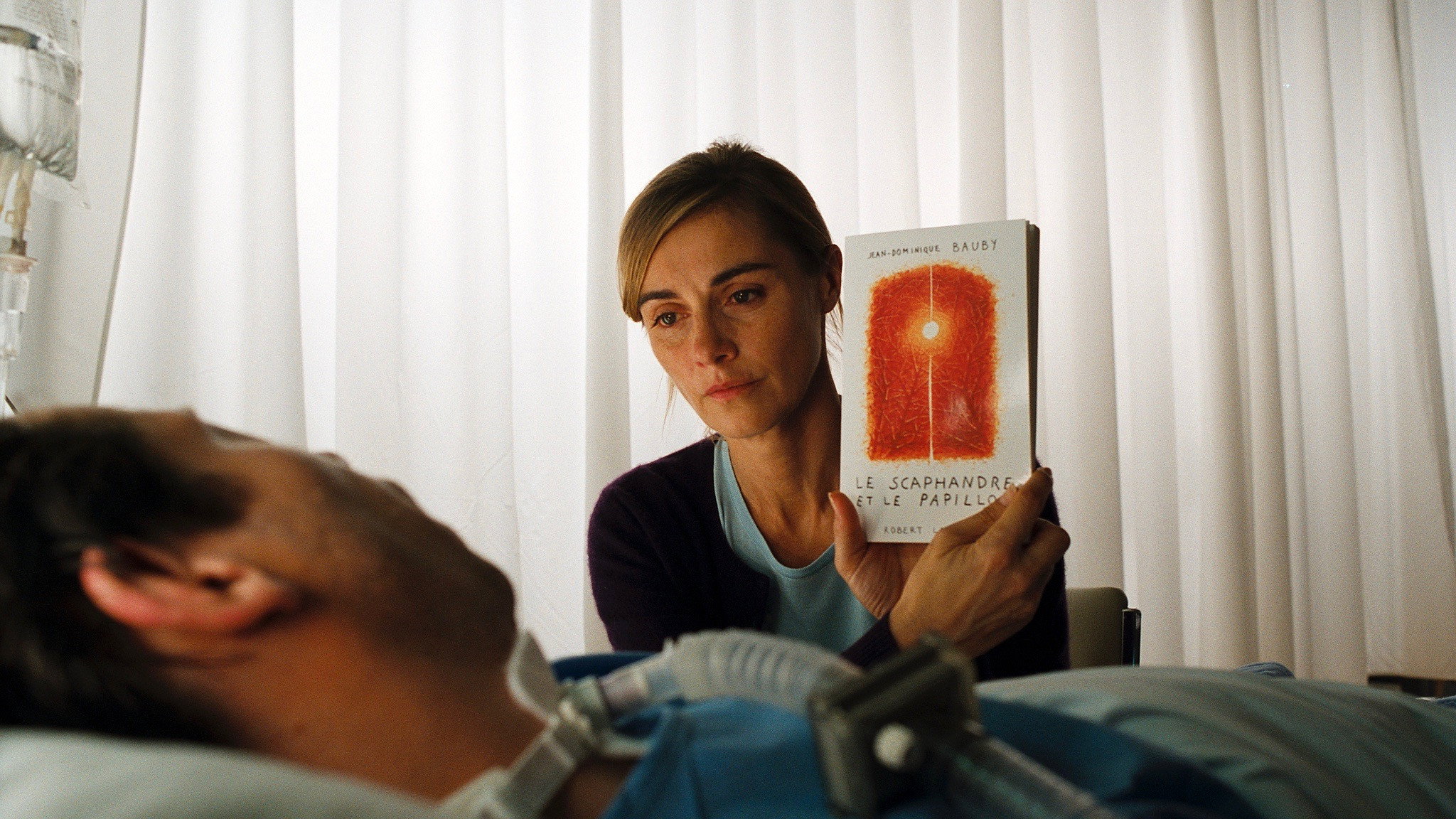
Bauby is a fashion editor left paralysed after a stroke, and Janusz Kamiński’s cinematography makes his restricted view ours. The point of view denies us the freedom to look around that films usually grant without our noticing. We were frightened by how little we could see, because we kept wanting to look beyond what the frame allowed. Kamiński makes that restriction difficult to forget, even when the images are attractive. Each attempt at communication takes on an urgency that a more detached view would struggle to provide.
Amalric gives that limited view an alert, sometimes wry intelligence. Bauby’s thoughts remain busy while other people try to understand what he is saying, and the discrepancy allows humour into scenes that could have been unbearable. Ronald Harwood’s screenplay preserves enough awkwardness to keep the character from becoming an example for the rest of us. There is relief in that. The film would be much harder to take if everybody involved were determined to demonstrate how noble it was.
Von Sydow, as Bauby’s elderly father, gives the film another person whose distress deserves attention. Their scenes carry the sadness of a relationship being forced to change. Schnabel allows the father’s difficulty in reaching his son to matter alongside Bauby’s own frustrations. These passages moved us because the father remains a parent, with all the desire to help that brings, and cannot make this better.
Juliette Welfling’s editing moves between the restricted present and the memories and fantasies that occupy Bauby’s mind. The changes give the film movement without making his physical situation seem less severe. They also let Schnabel give pleasure its proper place: Bauby can still imagine, remember and find things funny. Paul Cantelon’s music belongs comfortably within that warmth, though it occasionally adds feeling where the performances have supplied enough. Amalric needs little help in making those shifts of mood readable.
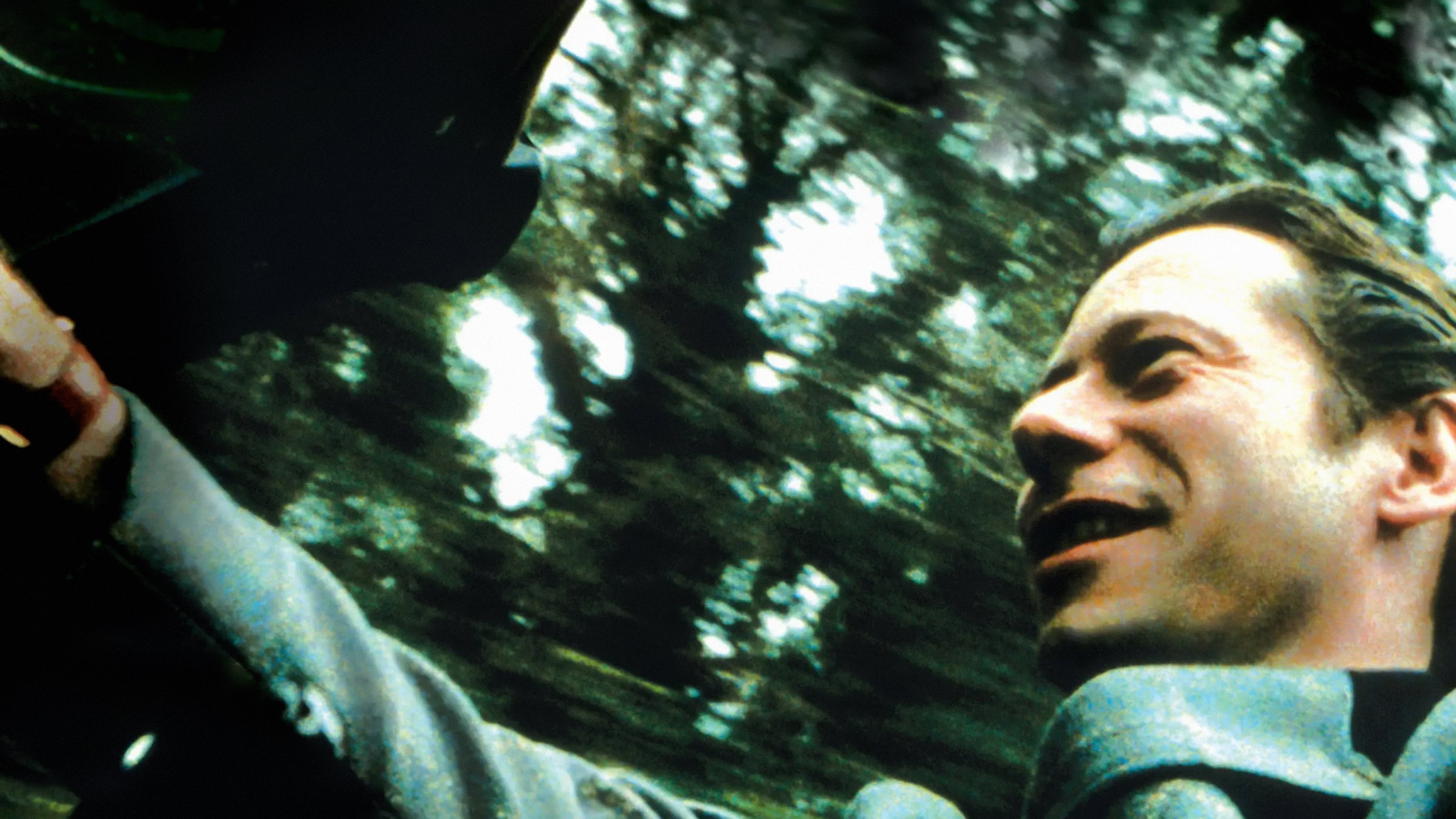
Some of Schnabel’s visual flourishes are harder to defend. The light, colour and fantasy can become so insistently lovely that we begin noticing the care of the composition ahead of the person whose thoughts it represents. That is a real distraction in a film asking us to attend so closely to another person’s experience. A few images ask for more admiration than they earn. We would have welcomed less emphasis in those passages, especially when the performances are already doing the difficult work.
As a drama about severe disability, it is unusually willing to let its central character retain his faults and his appetite for life. The attention given to the people helping him also keeps the act of communication from becoming a solitary triumph. It takes patience on both sides, and Schnabel makes that patience worth watching. Give it an evening when nobody needs to talk over it.