David O. Russell’s boxing drama makes a familiar underdog story worth another evening through its brothers and their difficult loyalties. The family comedy sometimes grows too broad, but the performances give the fighting a reason to matter.
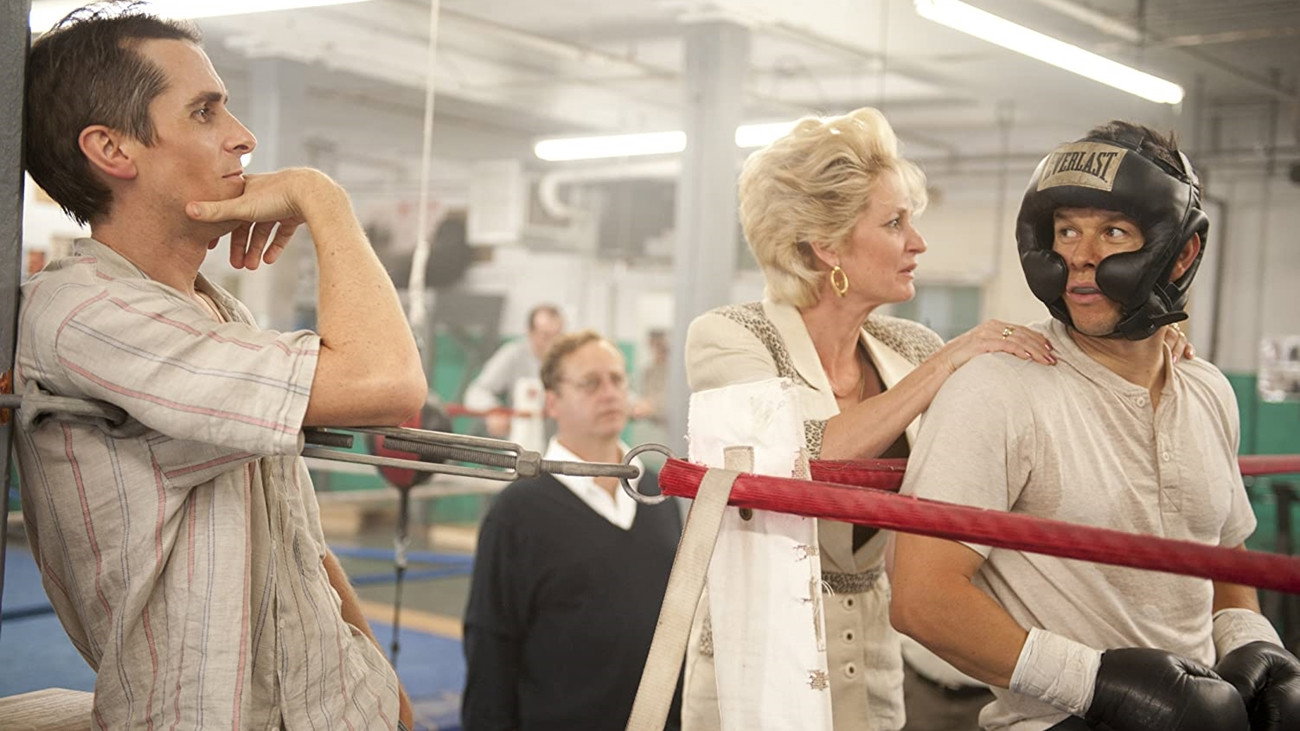
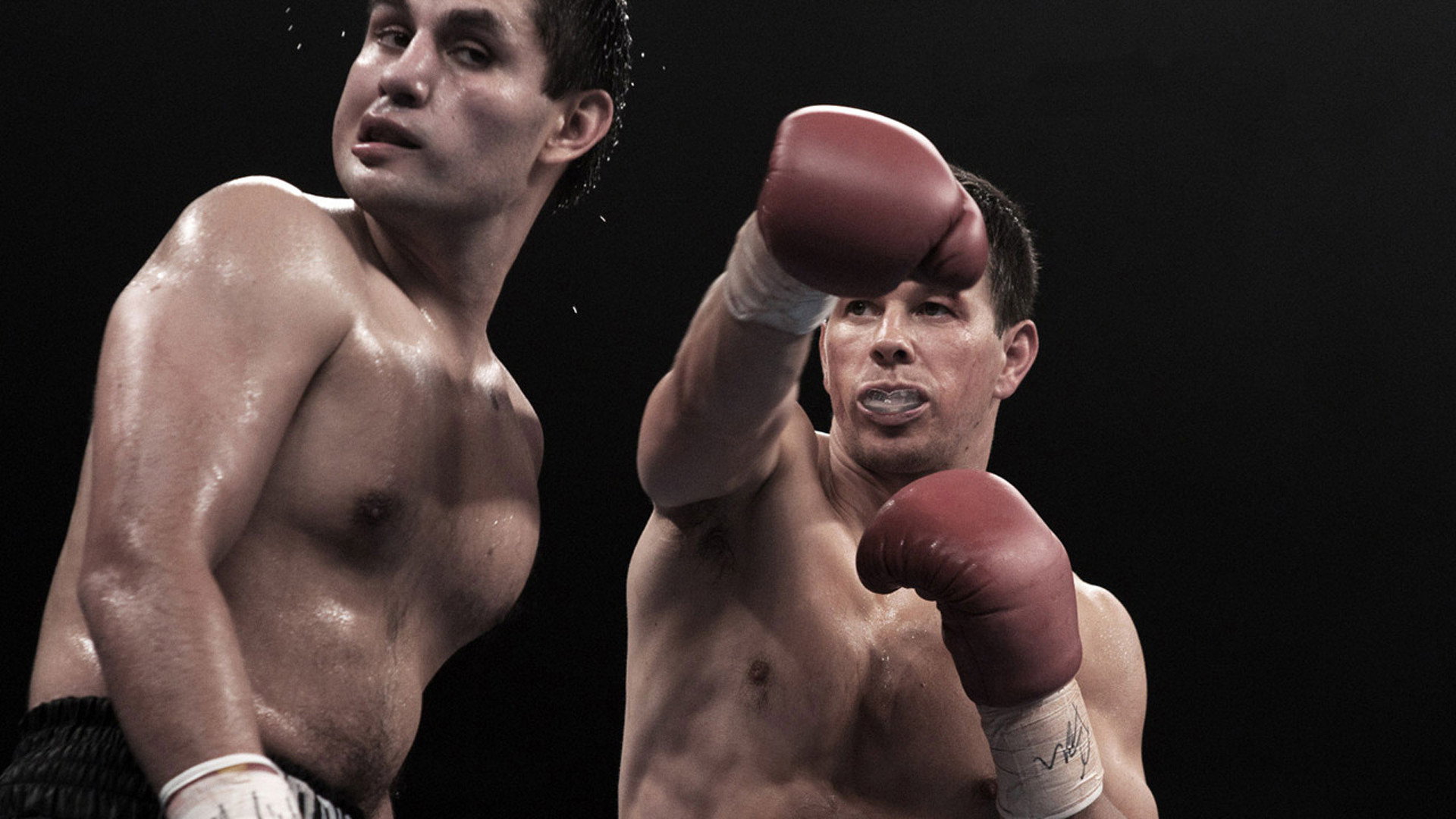
David O. Russell’s The Fighter is a rewarding boxing drama whose family arguments give the familiar underdog story some welcome complications. Its actors understand how readily love can become an excuse for interference. Micky Ward wants to get on with his boxing, while his relatives have plenty to say about the man doing it. The film makes his difficulty asserting himself believable, though David O. Russell sometimes enjoys the surrounding commotion a little too much.
Mark Wahlberg has the least demonstrative part, and his restraint is a large part of why the film works. As Micky Ward, he makes the pressure from the family register without demanding a separate display of suffering. There are stretches when the screenplay, credited to Paul Tamasy, Scott Silver and Eric Johnson, leaves him too little to do beyond being caught between competing demands. Even then, the quiet performance feels appropriate to someone whose relatives occupy so much of the conversation.
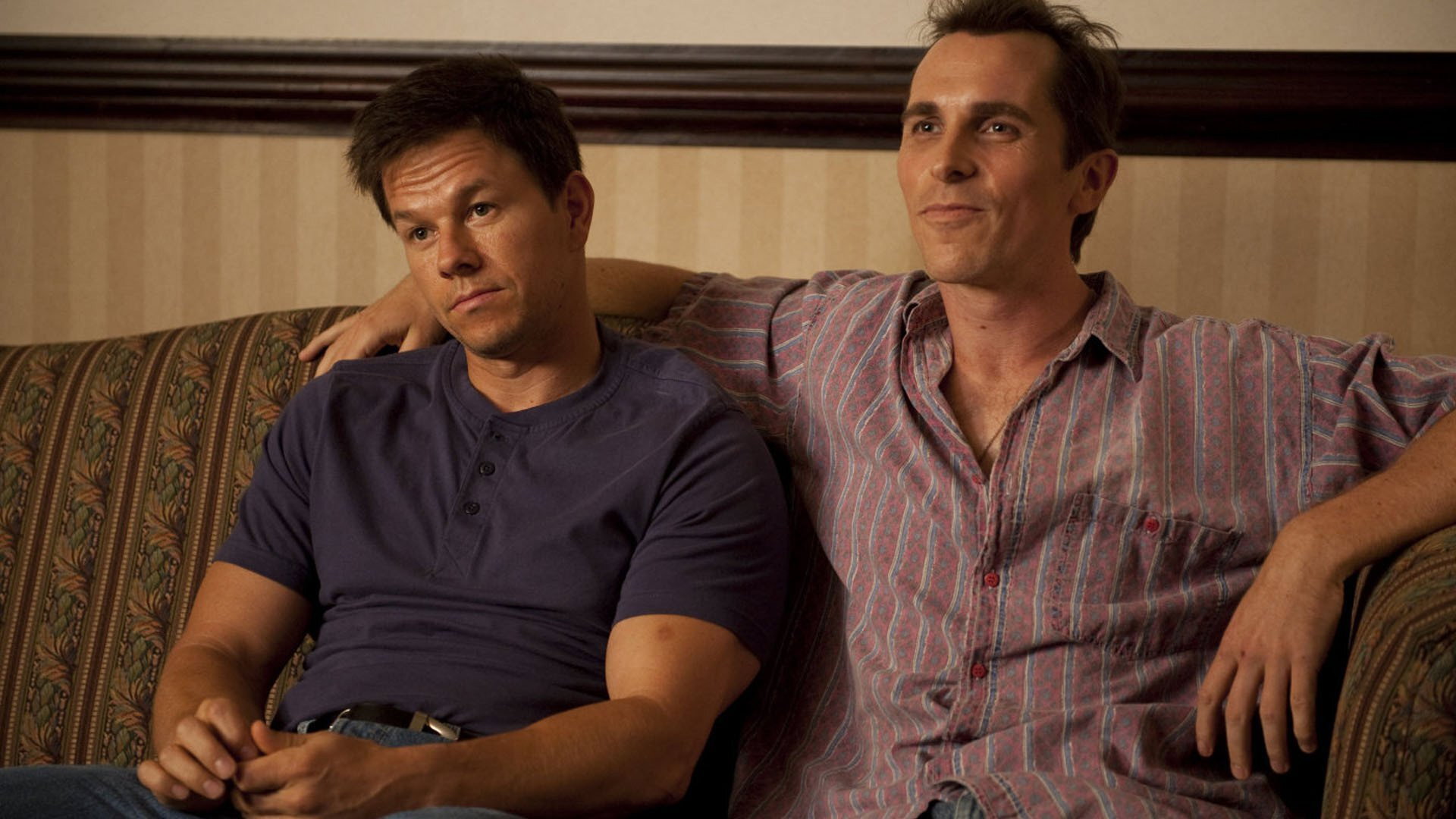
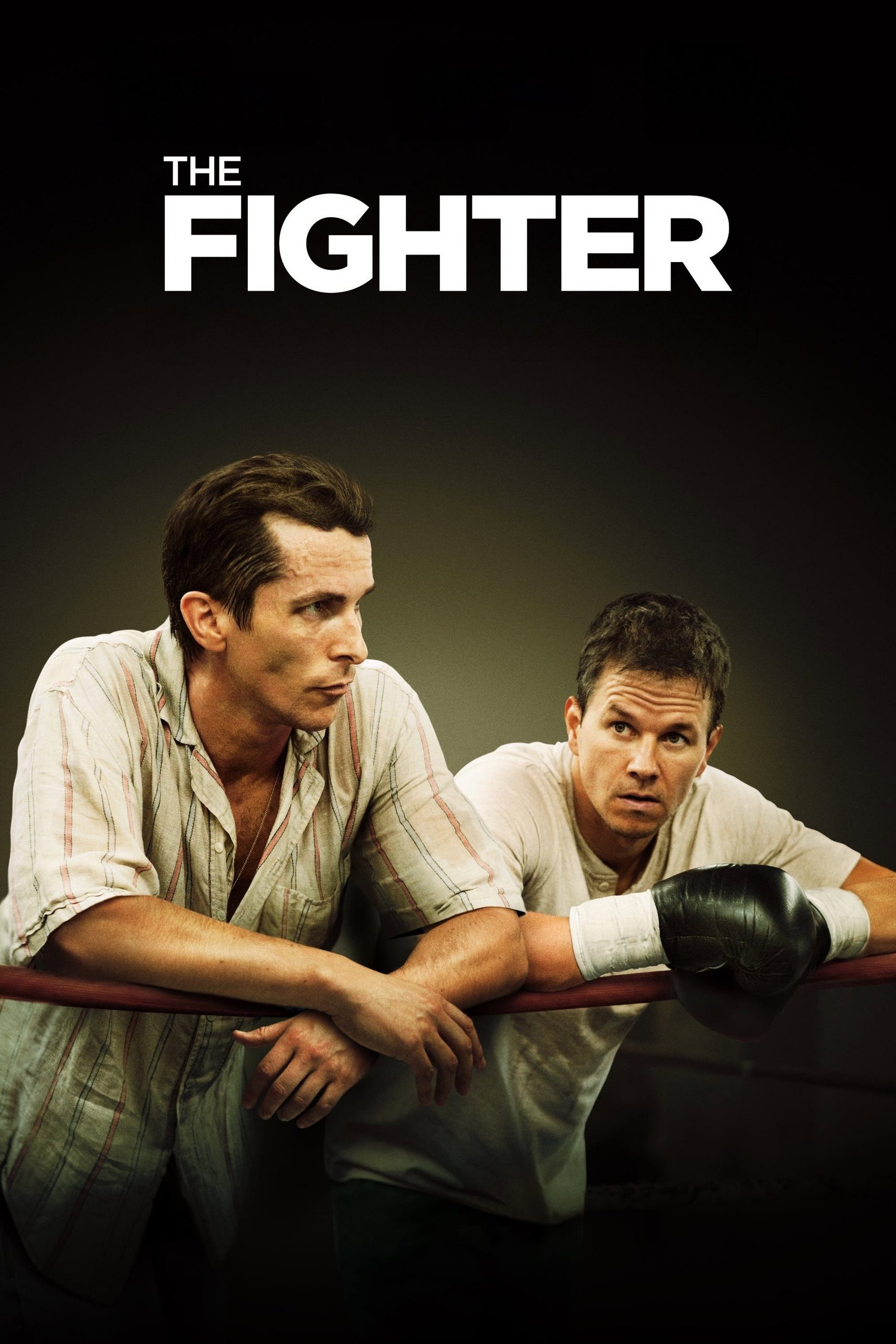
Christian Bale’s Dicky Eklund is considerably harder to ignore. His energy can become distracting, but Christian Bale also finds affection in a crack-addicted brother who could easily have been treated as nothing but trouble. We felt protective of Micky during the brothers’ exchanges because Dicky’s affection makes it harder simply to dismiss him. The performance gives us enough reason to understand why Micky would keep listening, even when we wish he would stop.
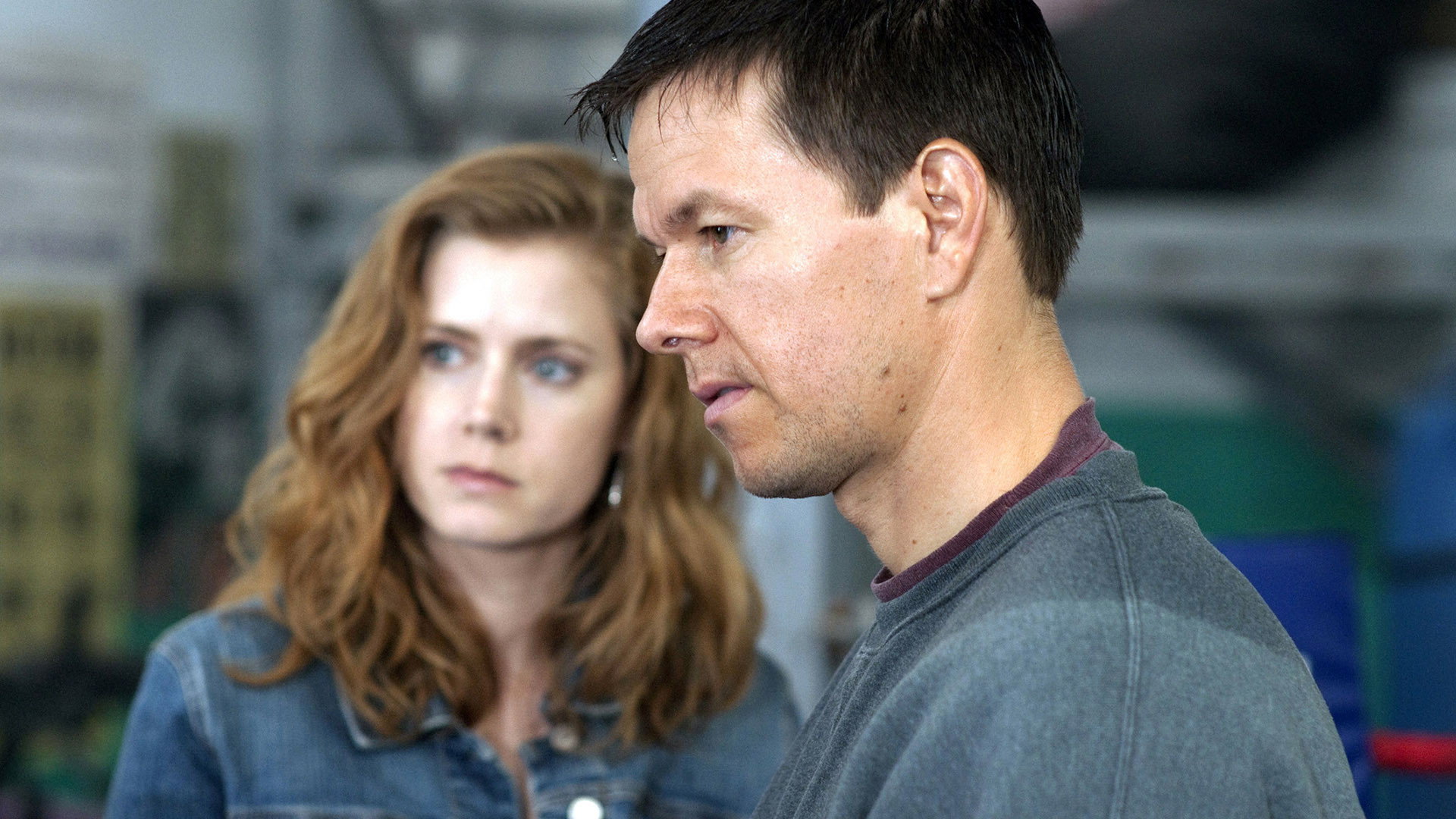
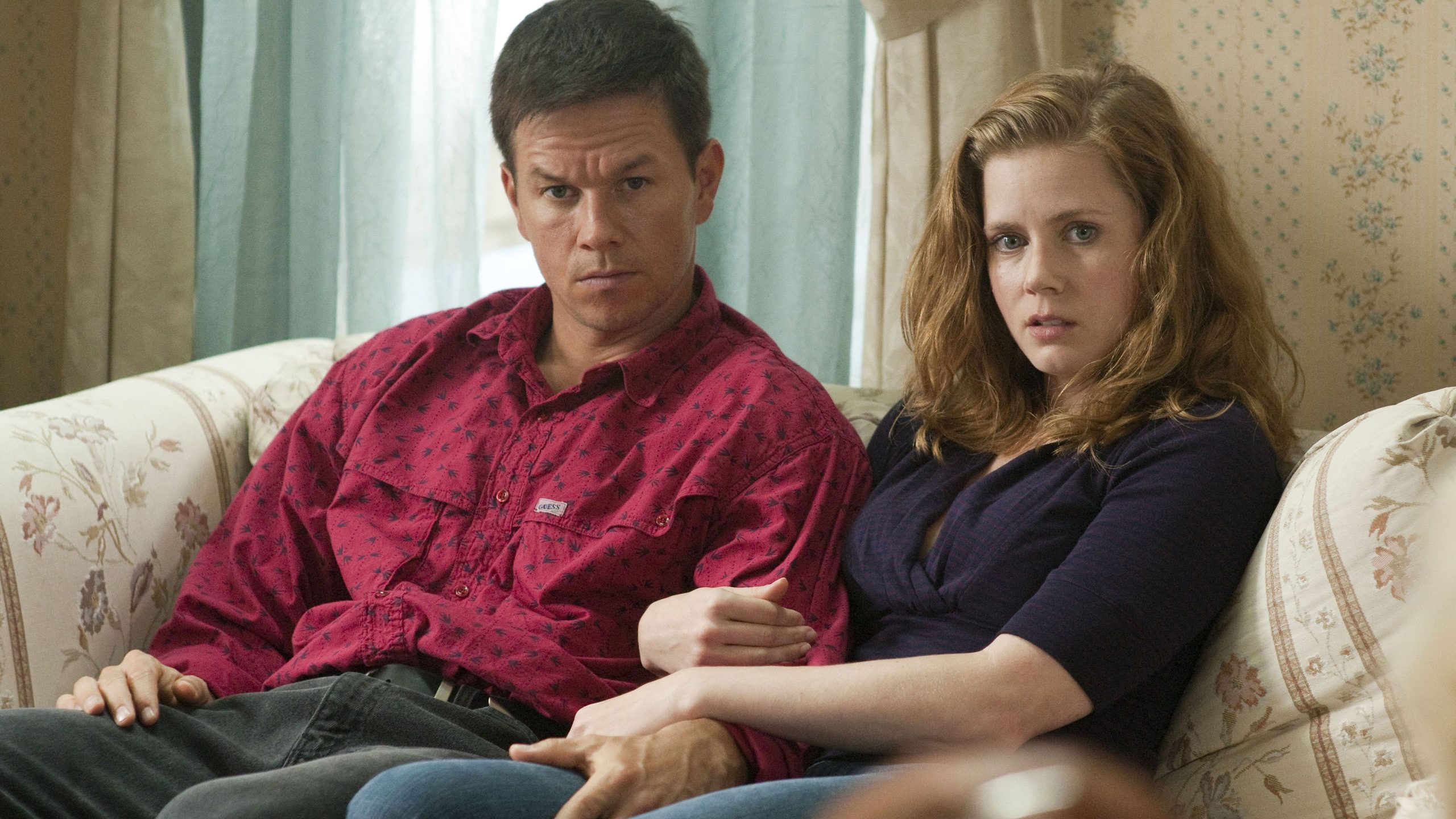
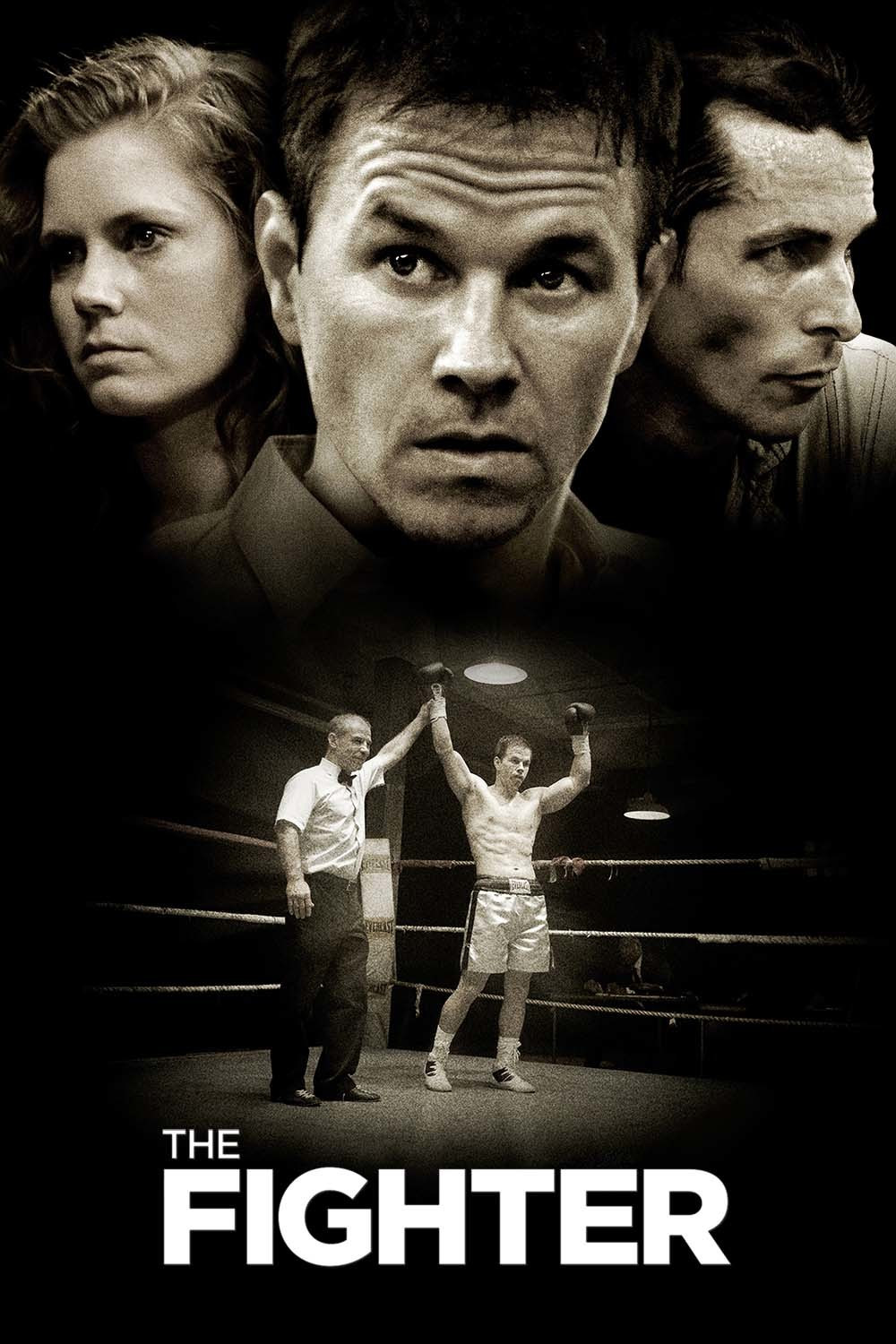
Amy Adams gives Charlene Fleming enough force to hold our attention alongside the family, while Melissa Leo makes Alice Ward’s domineering behaviour uncomfortable to watch. Both performances make the domestic disputes matter, and neither actor lets Mark Wahlberg’s reserve drain the scenes of energy. The comedy is less consistently judged: David O. Russell sometimes encourages us to laugh at the relatives before giving us enough reason to understand them. Those passages feel patronising, especially when the brothers are being treated with such care.
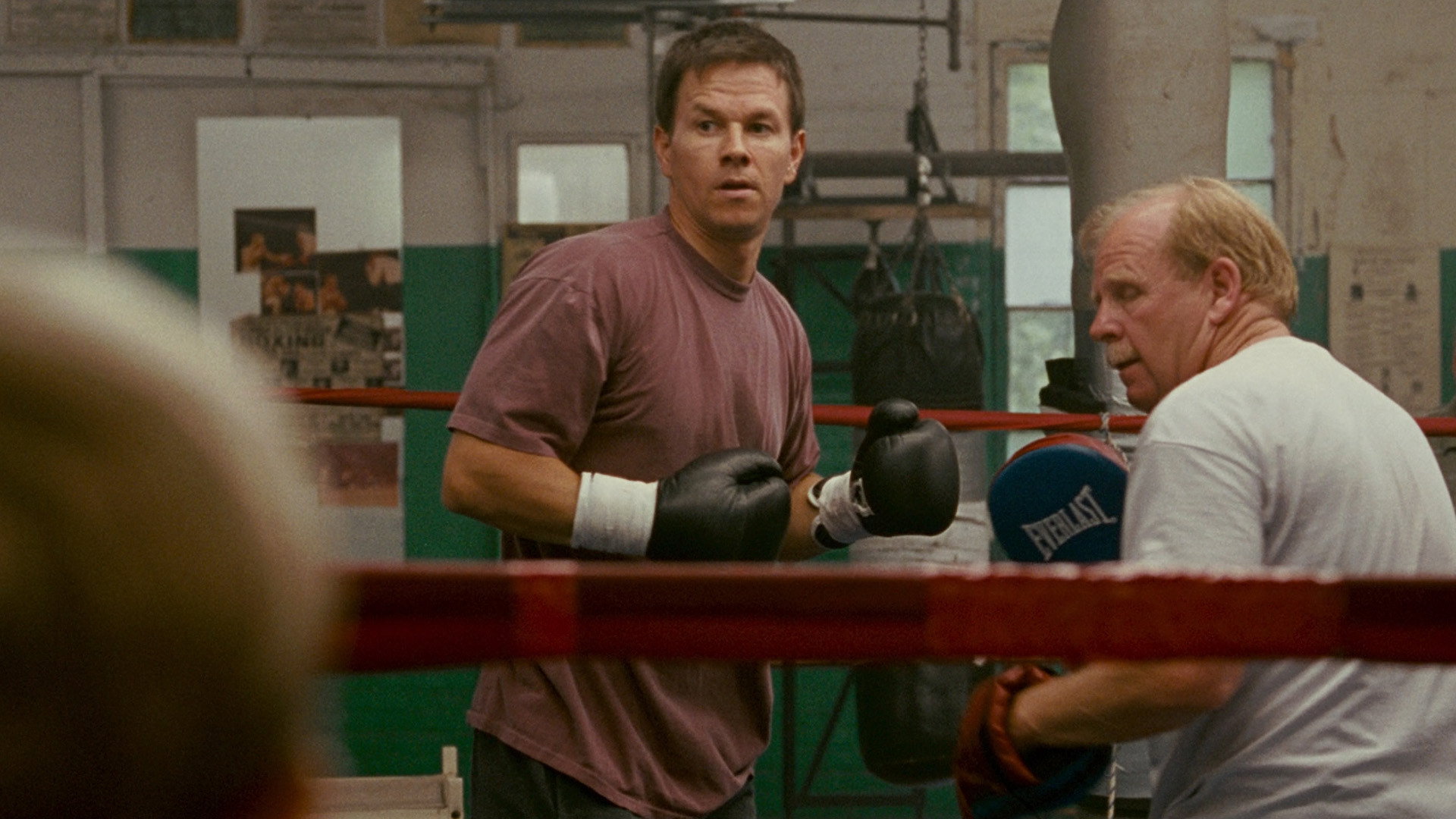
Hoyte van Hoytema’s cinematography makes the fighting feel convincingly rough, giving the boxing enough weight to justify its place beside the domestic drama. Pamela Martin’s editing is particularly effective around the family, accommodating the competing performances without making every quarrel feel like a separate interruption. The arguments have an exhausting momentum that suits Micky’s predicament. The fights remain involving, but the conversations explain why we care about the person taking the punches.
Judy Becker’s production design gives the domestic scenes a welcome ordinariness, which makes the occasional caricature more conspicuous. The surroundings are persuasive enough that the broadest performances can seem out of place within them. Michael Brook’s music adds warmth, though it contributes less to our response than the uneasy affection between the brothers. These quieter contributions serve the film well without competing with actors who already have ample ways of attracting attention.
Within the boxing genre, The Fighter takes few risks with the underdog story. Nobody should come expecting an unfamiliar route through sporting ambition and family resistance, but the actors make it worth following. We want Micky to succeed partly because the film makes clear how tiring it is for him simply to be heard. Give it an evening if boxing dramas are yours, with fair warning that the relatives demand considerable patience between bouts.