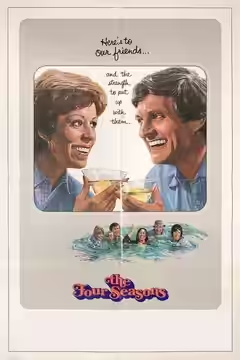
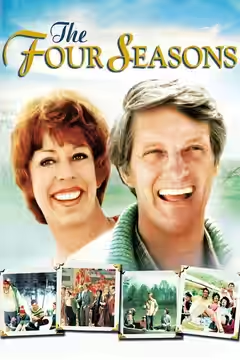
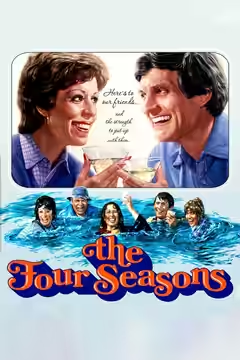
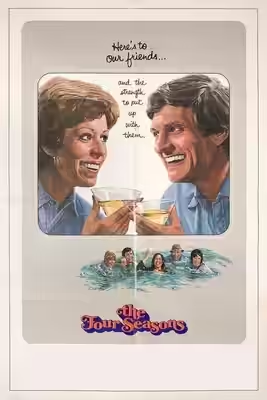
Alan Alda writes, directs and stars in a comedy about middle-aged friends that is warmer and more truthful than its reputation, and that keeps letting its author win the argument. Decent company for an evening, with Sandy Dennis and Jack Weston the reasons to stay.
Alan Alda’s The Four Seasons runs 107 minutes and is built on a tidy idea: three couples who have taken their holidays together for years are followed through one spring, summer, autumn and winter, with a divorce dropped into the first of them. Alda writes it, directs it and plays Jack, the one who talks. The film wants to be about what friendship costs once people stop being the people you first liked, and for long stretches it manages it.
The spring section is the best. Nick (Len Cariou) tells Jack on a walk that he is leaving Anne, and the news goes round the house like a smell nobody will mention. Sandy Dennis plays Anne as a woman who has already half guessed and has decided to photograph vegetables rather than ask. She has one scene at a table, holding her prints and explaining what she sees in a courgette, and it moved us more than we expected a joke about vegetables to; Dennis lets you see a marriage ending in the way she holds the paper. The film is never quite that good again, and it knows it, because it leaves her behind.
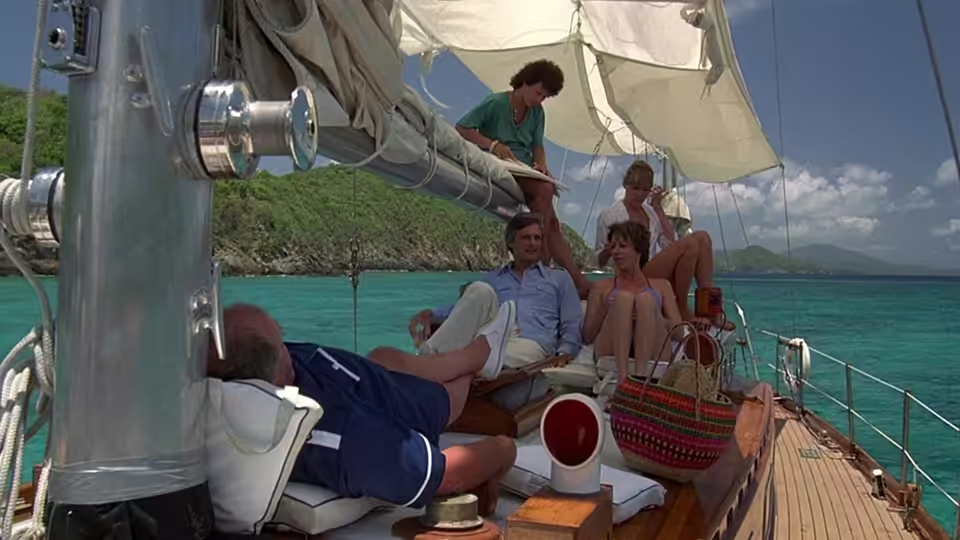
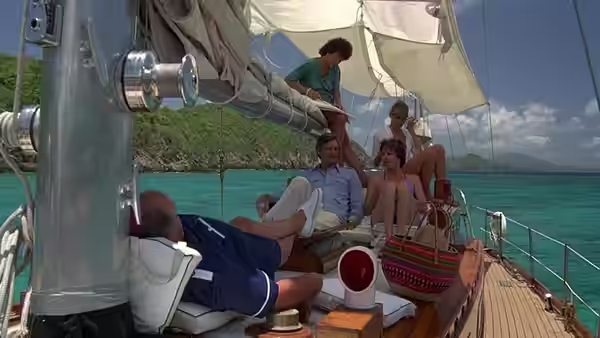
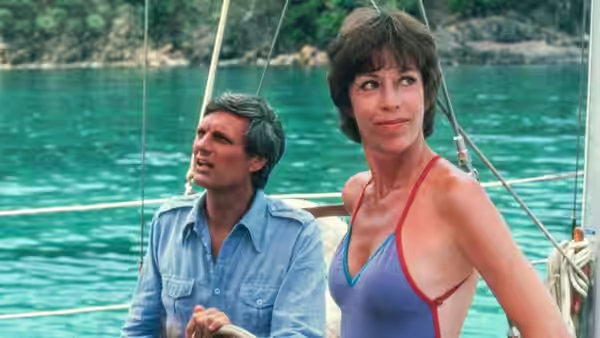
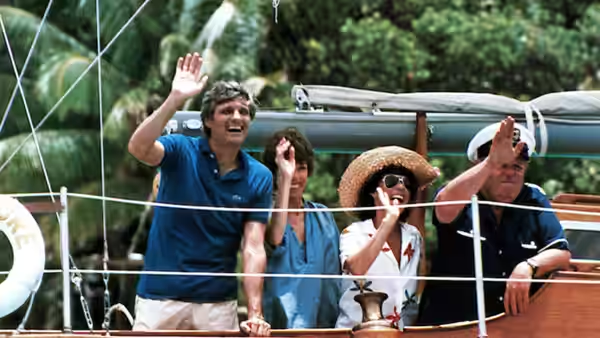
What replaces her is Ginny (Bess Armstrong) on a boat, and a comedy of middle-aged bodies. Jane Greenwood dresses Armstrong in next to nothing and everyone else in cover-ups and hats, and the gag does most of its work before anyone speaks. Jack Weston’s Danny, who takes his own pulse and reads the labels on other people’s medicines, is the funniest thing here. We laughed at him a good deal, and then noticed that Weston was also playing a frightened man, which is why the laughs last. Rita Moreno’s Claudia is the only one who says what everyone is thinking, and Moreno says it fast and with pleasure. Carol Burnett, playing straight, holds the whole group together and gets fewer lines than she deserves.
The trouble is Jack. Alda has written himself the part of the man who is always reasonable, and the film agrees with him about it. Kate is allowed one speech telling him he lectures people and that it is tiring, and it is a good speech, and then the next scene lets him be right anyway. Every row in the film resolves because Jack explains it. A comedy about six people needs at least one of them to be wrong about himself, and the author is not volunteering.
The craft is plain and mostly sound. Victor J. Kemper shoots each season in its own light, hard white sun on the water, brown leaves on a college lawn, a snowbound house at dusk, and resists making any of it pretty for its own sake. Michael Economou cuts the four sections as four separate short films, with the dialogue scenes allowed to run long enough for the actors to breathe. Jack T. Collis’s interiors are the kind of rented holiday houses where nothing matches, which is right. The one serious misjudgement is the music: Vivaldi’s concertos are poured over every change of season as if we might otherwise miss it, and by autumn we were wincing when the strings started.
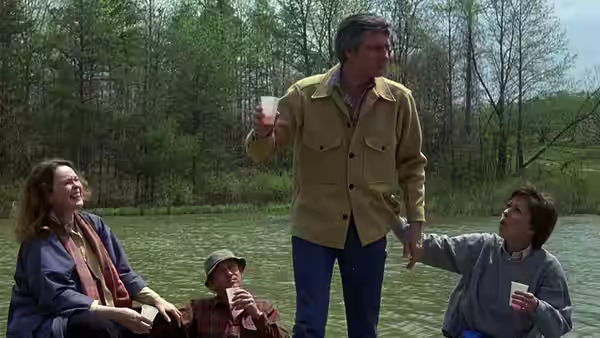
The film’s early notices found it brisk but soft, and we half agree. Alda’s dialogue moves quickly and lands its jokes, but it rarely draws blood; nobody says anything to a friend that could not be taken back over breakfast. Against the group-of-friends films that followed in the decade, this one is kinder and less interested in its own cleverness, which is a virtue until you want it to go further and it will not. The autumn section, at the daughters’ college, has a scene between Nick and Lisa (Beatrice Alda) that comes close, and then changes the subject.
The winter brings matters to a head in ways we will not describe. Watch it at home with somebody you have been on holiday with, and expect to argue afterwards about which of the six you are. Our money says you will not pick Jack, and that the film would be better if it had not either.