Fernando León de Aranoa gives Javier Bardem a scales factory, a cardigan and a business award to chase, and Bardem does the rest. The satire around him is broad and twenty minutes too long, but he is worth the evening.
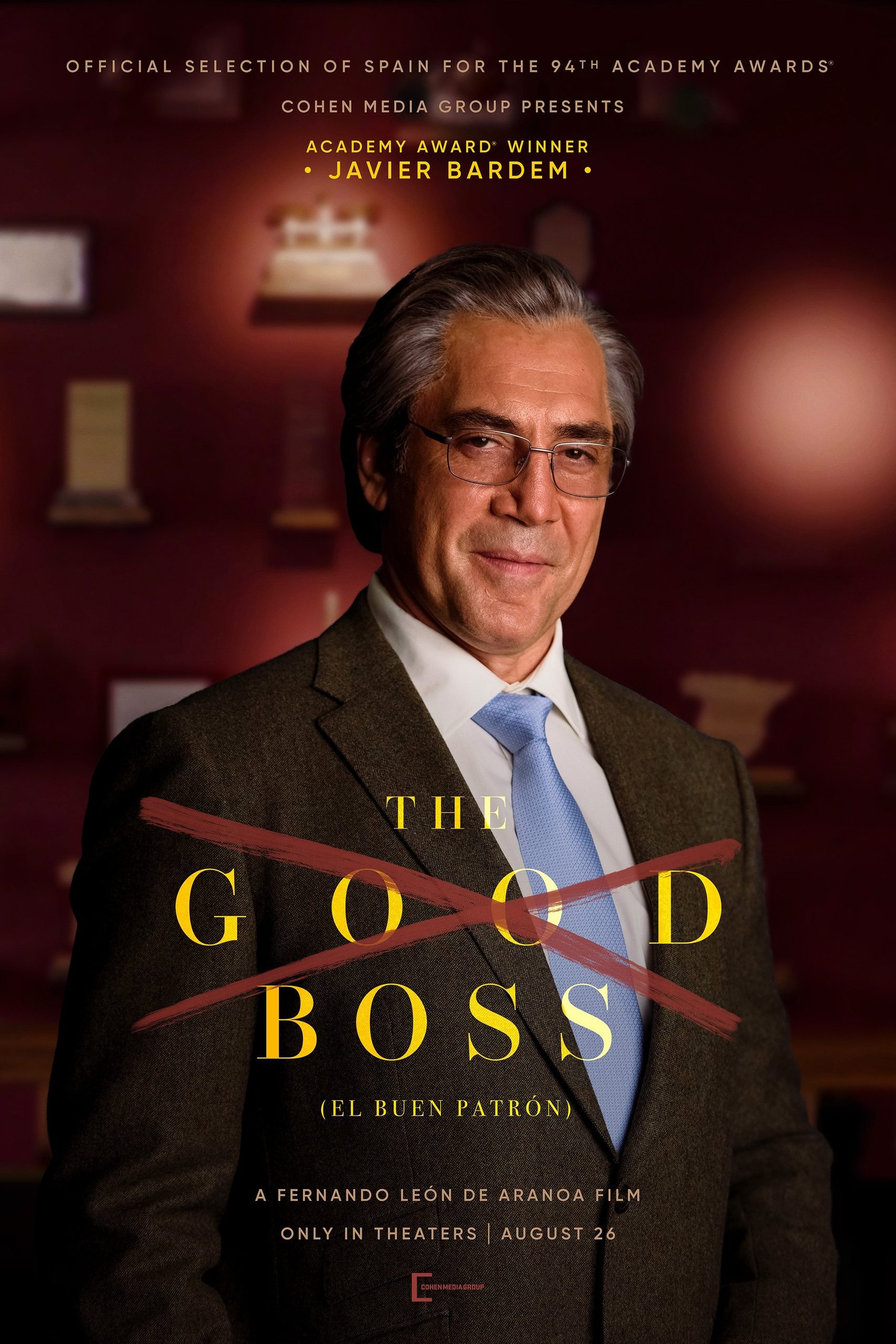
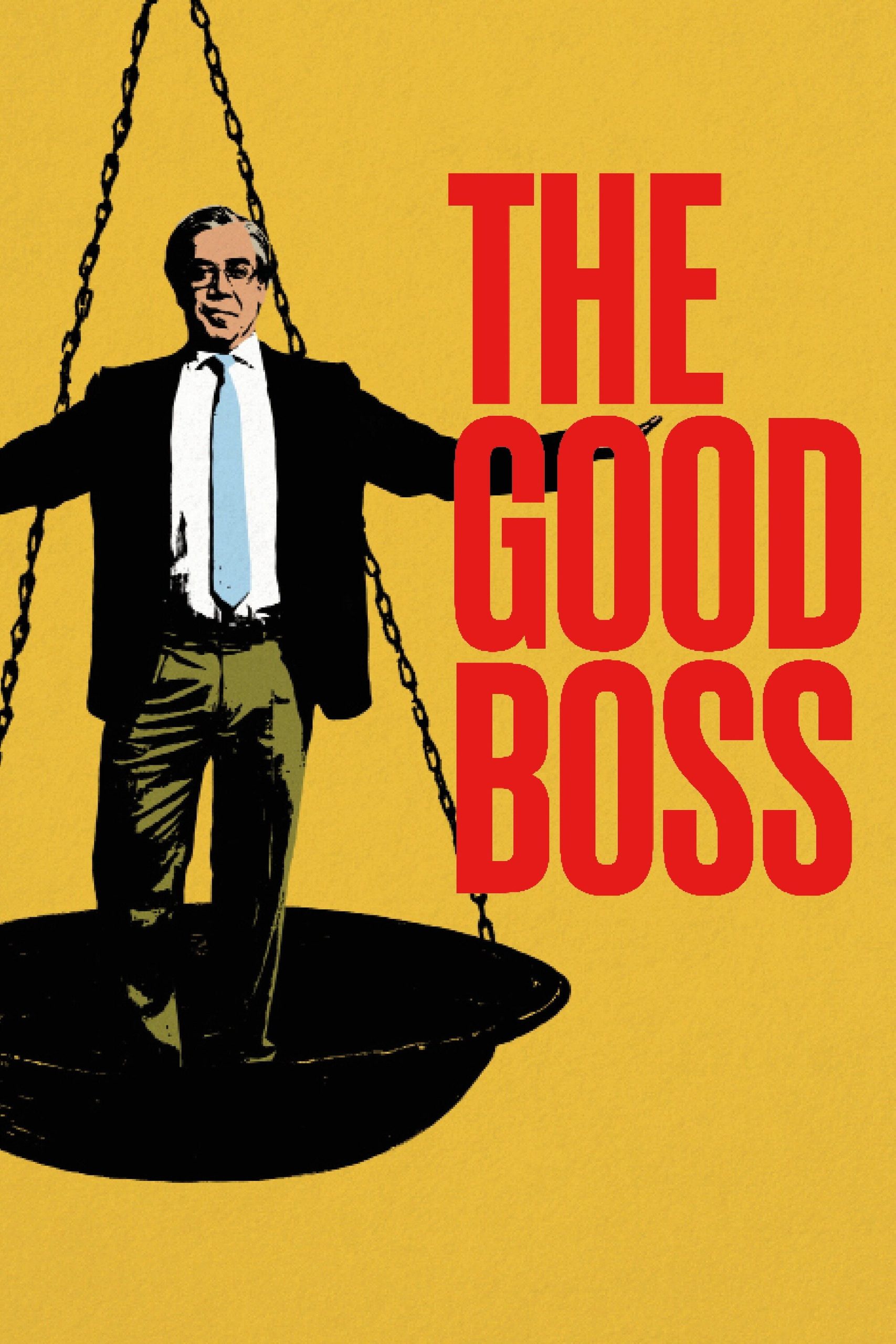
Fernando León de Aranoa has written and directed a comedy about a man who makes scales for a living and cannot stop talking about balance. Julio Blanco (Javier Bardem) inherited Básculas Blanco from his father, addresses his workers as family, and wants a regional award for business excellence to join the others on his hallway wall. The judges arrive in a week. The Good Boss is a handsome, well-acted satire that has one thing to say and says it several times, and Bardem makes the repetition easy to sit through.
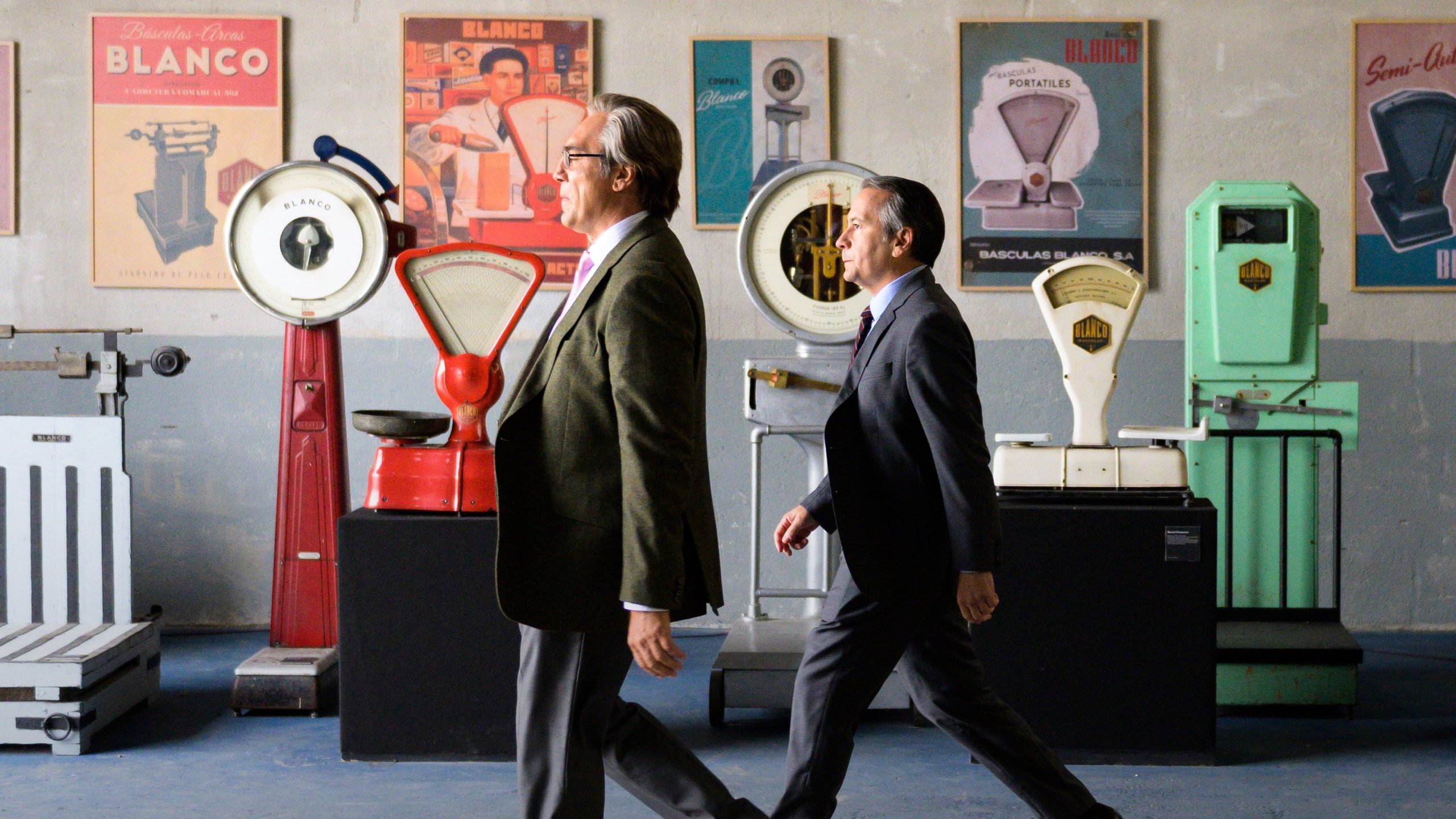
The first scene tells you what the film is up to. Blanco stands before his staff and gives a speech about fairness, about the scale that must be kept level, while Pau Esteve Birba frames him under the company logo in clean, even morning light. Everything in the film is pale grey and cream and a little too tidy: the factory floor, the trophy hallway, Blanco’s kitchen. It is the look of a place that has been prepared for inspection, which is exactly what it is, and Birba holds it for two hours without ever letting the joke get loud.
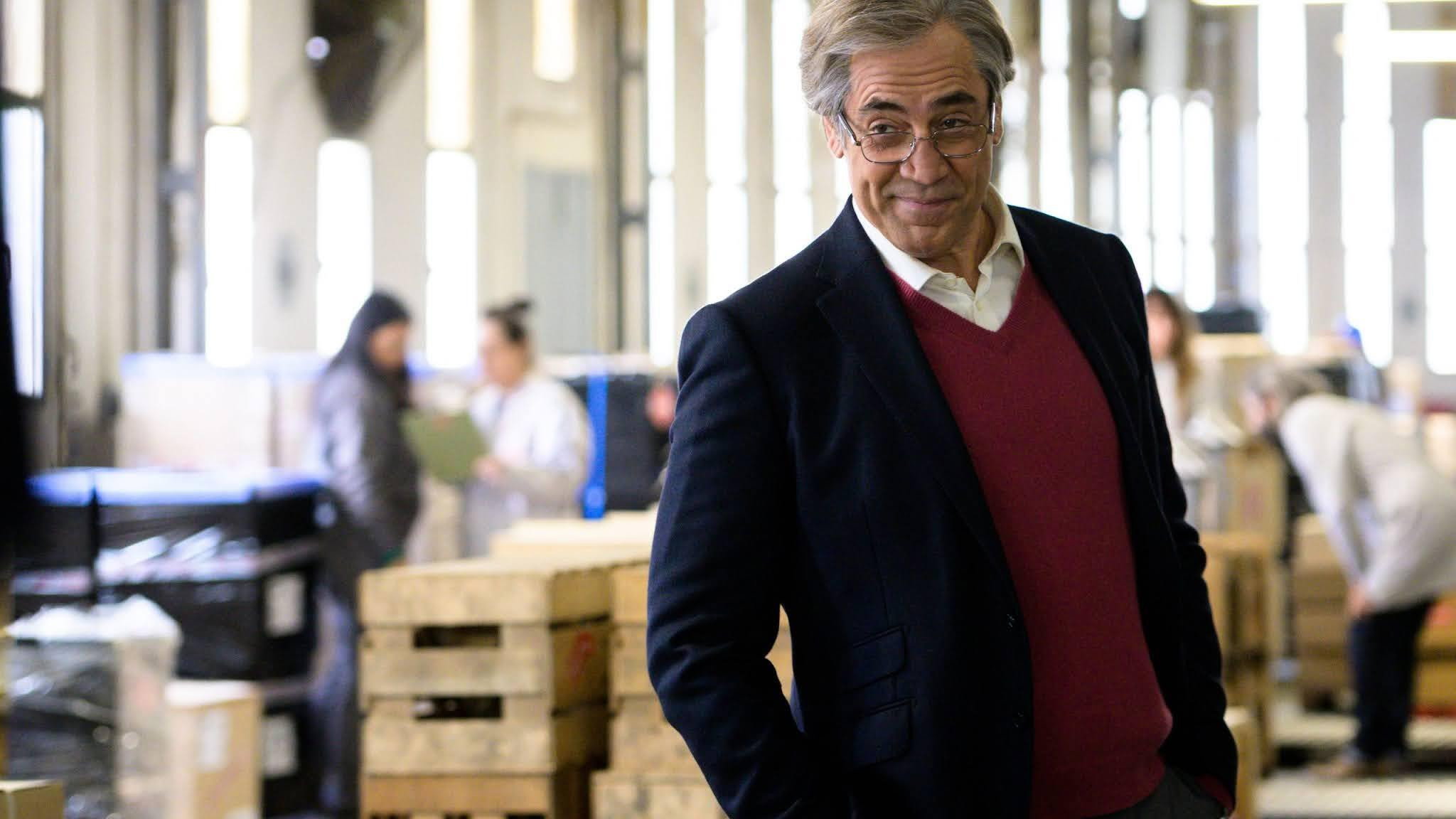
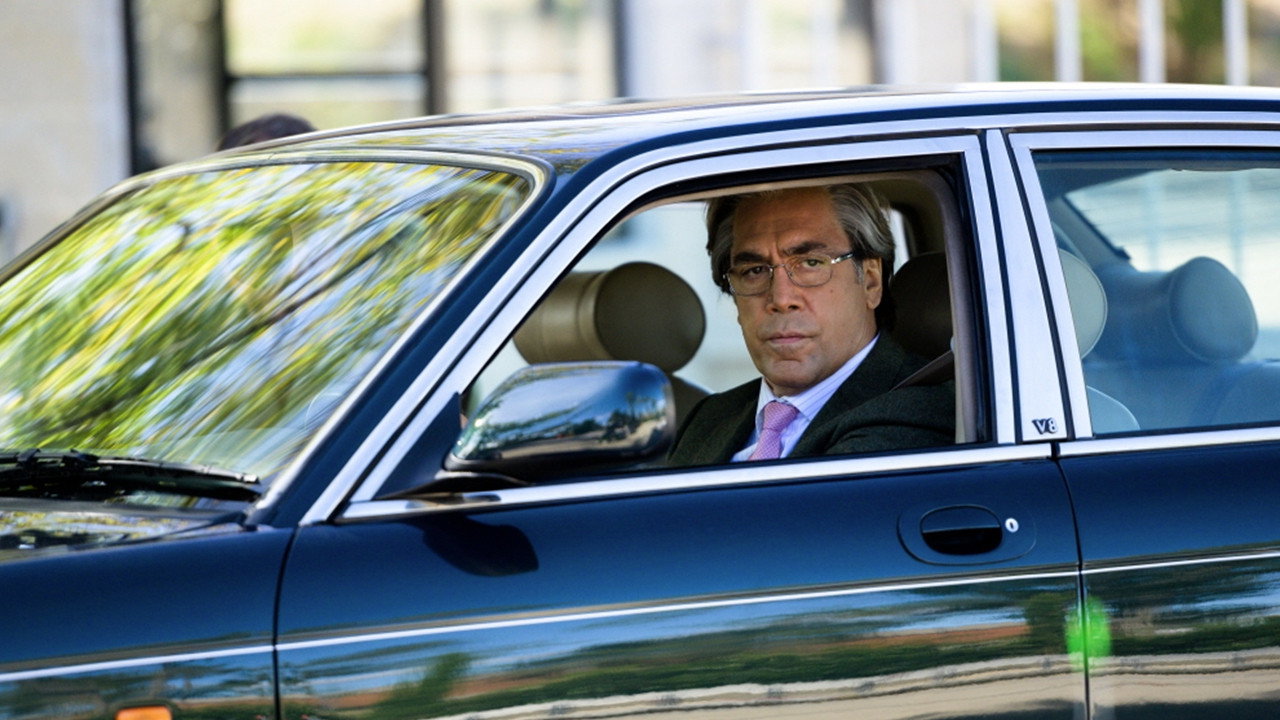
Bardem has grey hair, a soft middle, a wardrobe of jumpers and a hand that is always finding its way to somebody’s shoulder. He speaks quietly and reasonably. Every cruelty arrives dressed as help, and every favour has a price he does not mention. The performance works because he never winks at us. Blanco believes he is a good man, and Bardem plays the belief and lets us supply the rest. We laughed at him for the first half hour, then noticed the laugh drying up, because we had all worked for him at some point and had not enjoyed it.
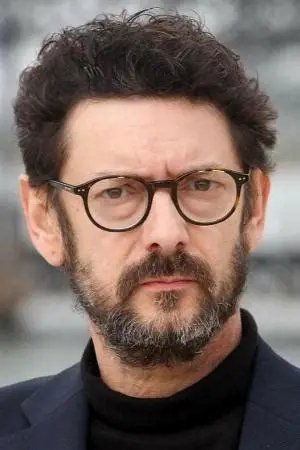
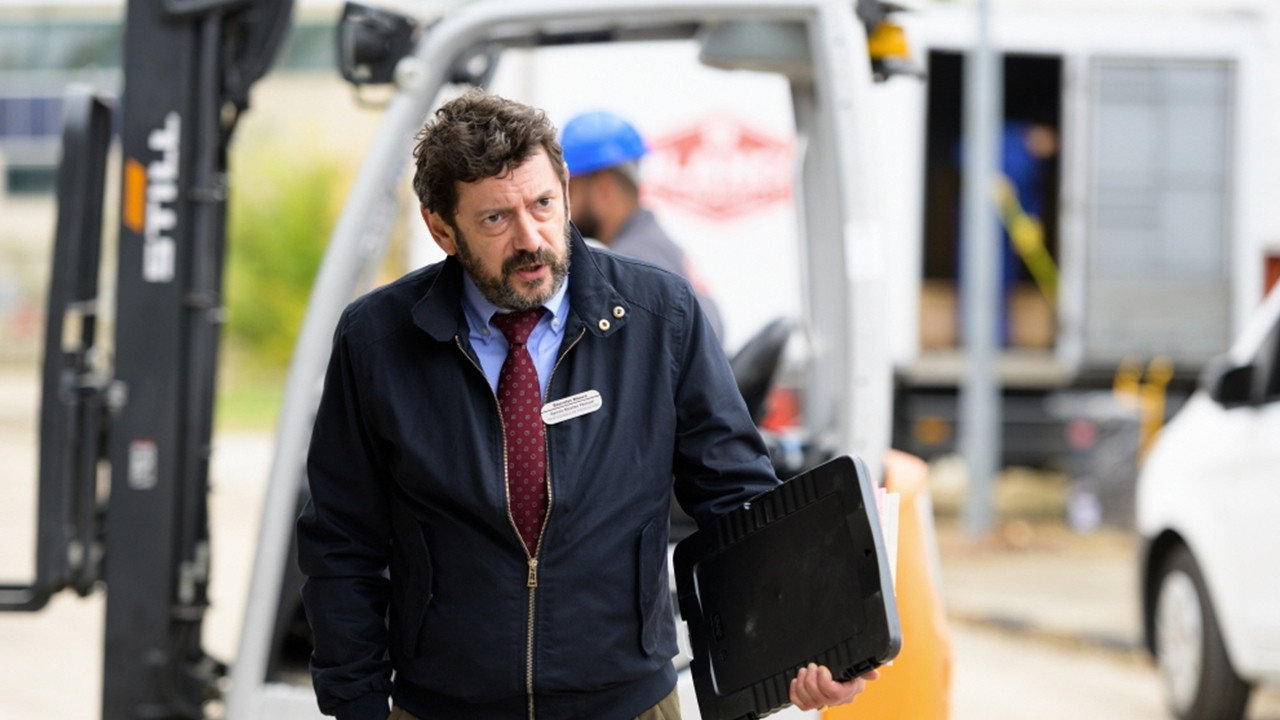
The problems he needs to clear before the committee arrives are the film’s plot, and they are well cast. José (Óscar de la Fuente) camps opposite the gates with his children and a megaphone; Blanco refers to him as an issue. Miralles (Manolo Solo), the production manager and oldest friend, is red-eyed and unable to hide anything, the exact opposite of his boss, and Solo is the best thing in the film after Bardem. Almudena Amor plays the intern Liliana with a level gaze that makes clear she is not the innocent Blanco has cast her as. Celso Bugallo is Fortuna, the old security guard whose son is in trouble, and Sonia Almarcha, as Blanco’s wife Adela, does a great deal with a look across a dinner table.
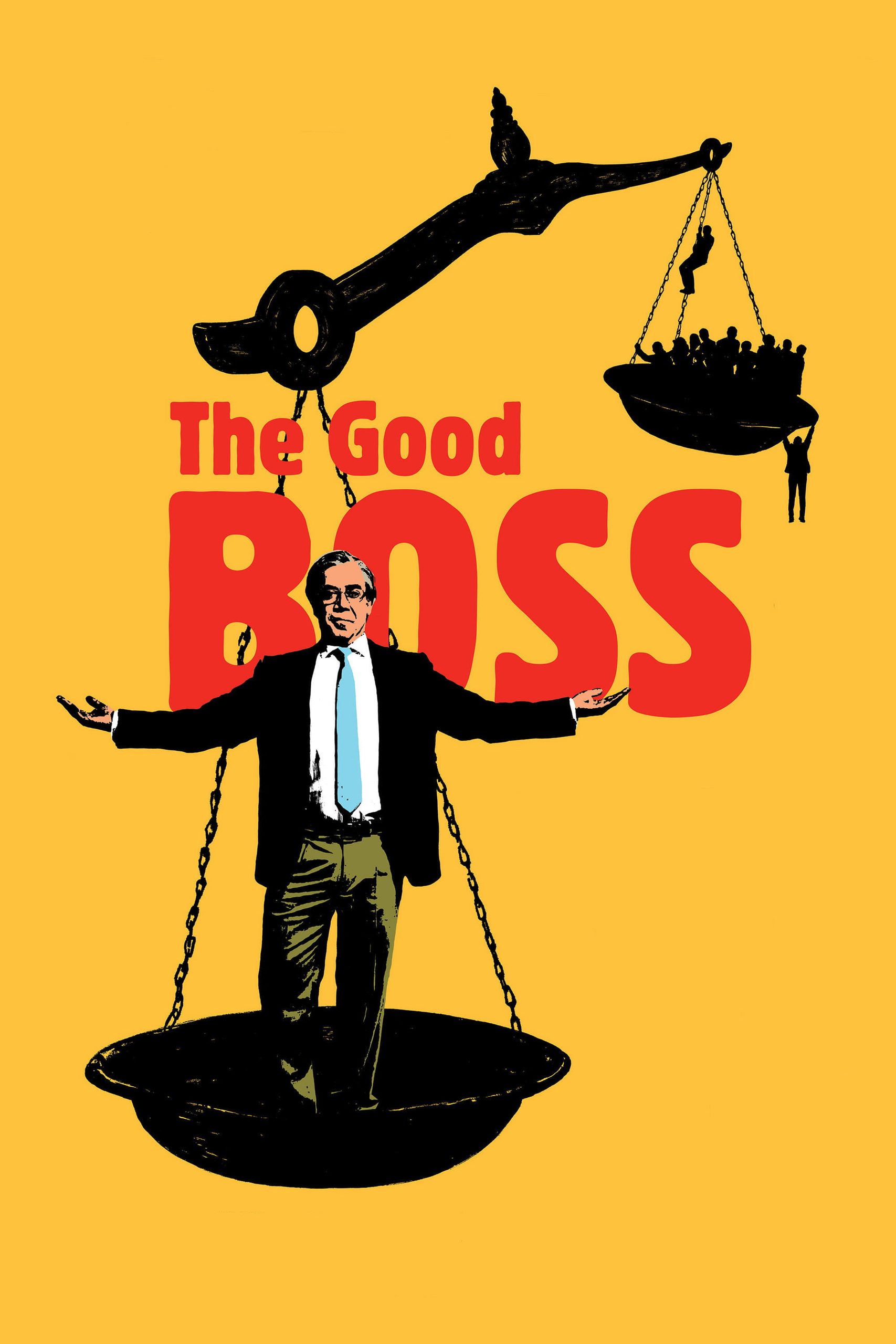
What does not work is the metaphor, which is everywhere. Scales are in the logo, on the walls, in the dialogue and in the speeches, and León de Aranoa’s script says the word balance so often that we began to count. The jokes are broad: the megaphone, the wrong invoices, the boss in a bar he should not be in. Vanessa Marimbert cuts at an even, unhurried pace that suits Blanco’s manner but not a comedy, and at 120 minutes there is a stretch in the middle where the subplots take turns and none of them moves. Zeltia Montes’s score is light and plucked and keeps nudging us to find things funny when Bardem has already done the work.
León de Aranoa and Bardem made Mondays in the Sun (2002) together, with Bardem as a shipyard worker on the wrong side of the gates. That film was angrier and sadder than this one. The Good Boss looks at the same country from the manager’s office, and it is a more comfortable film for it, which is an odd thing for a satire to be. The second half takes a turn we will not describe. What we can say is that the final scene is the best in the film and the only one that leaves a mark.
See it for Bardem, and take someone who has had a boss. It works at home, where the tidiness of the images looks more like a decision and less like a budget. Anyone who has worked for a man like Blanco will recognise the hand on the shoulder. Anyone who has been that man will not recognise anything at all.