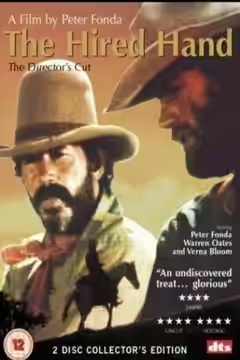
Peter Fonda’s intimate Western rewards patience, especially when Verna Bloom and Warren Oates take our attention. Its visual flourishes sometimes overstate the melancholy, but the performances make the sadness worth sitting with.
Peter Fonda’s The Hired Hand is a fine, unhurried Western, with a little more visual ingenuity than it knows what to do with. The prospect of a man returning to a woman he has lost, while also craving revenge, suggests business that could be dispatched quite briskly. Peter Fonda directs as though briskness would miss most of what interests him. That choice is rewarding: the performances deserve the attention, even when the treatment begins to feel precious.
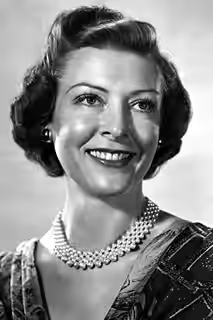
The performance that most justifies this patience is Verna Bloom’s Hannah Collings. We were moved by the firmness of her performance: Hannah’s hurt registers without any appeal for our pity. There is something bracing about an actor who can make unhappiness apparent while refusing to make it the only interesting thing about a person. Peter Fonda’s restraint as a director is useful here, because there is no need to insist on feelings that the actor has already made clear.
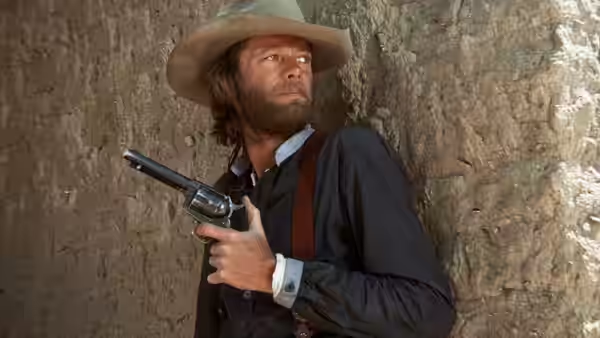
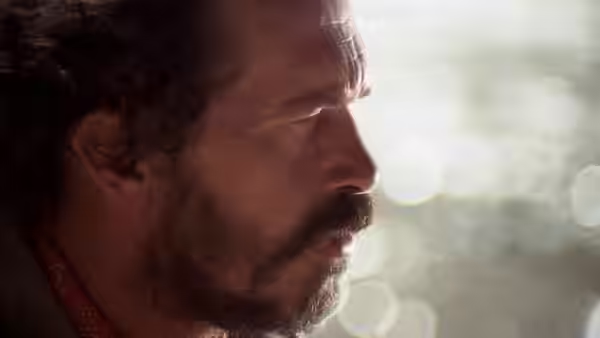
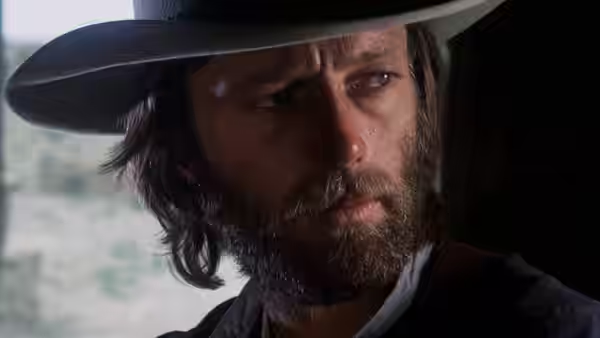
Warren Oates, as Arch Harris, is equally worth watching, though the pleasure is different. His unforced presence keeps the solemnity from becoming oppressive; he makes acting look like a less strenuous occupation than it is. Peter Fonda, playing Harry Collings, keeps his own performance spare enough to give his fellow actors room. Alan Sharp’s screenplay benefits from that generosity, with the differences between the performances holding our interest through stretches that a more impatient film would hurry past. These actors are good company without having to charm us.
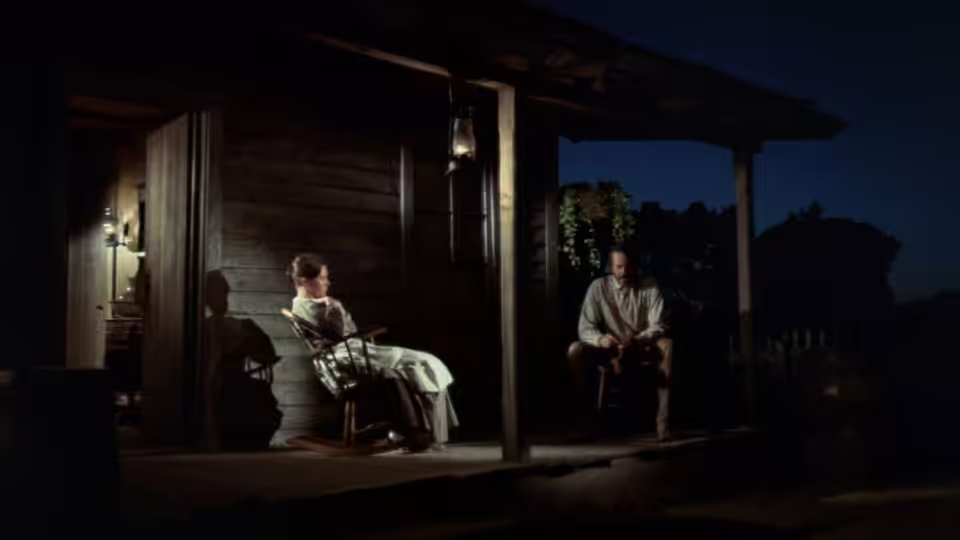
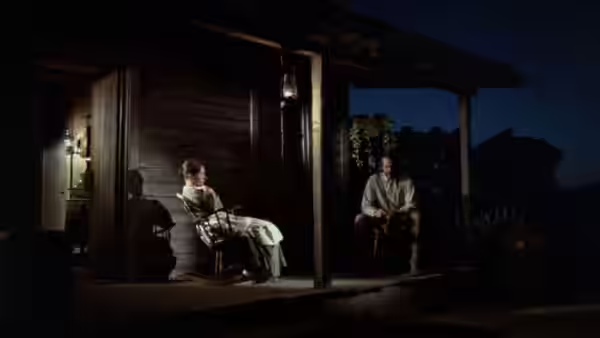
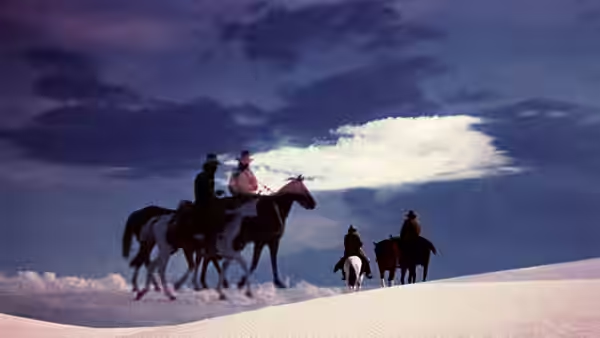
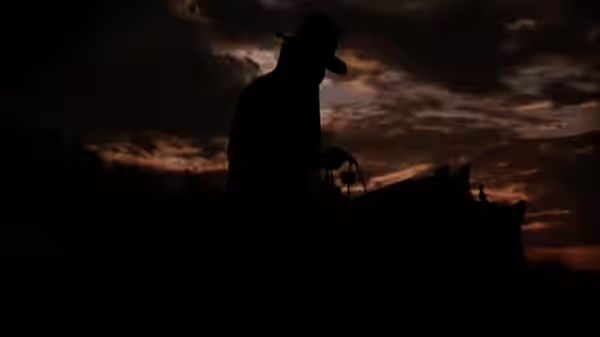
Vilmos Zsigmond’s cinematography is essential to the appeal, making the film’s melancholy pleasurable to watch. It is also where our reservation begins: the images occasionally seem too pleased with their own sadness. Frank Mazzola’s editing encourages contemplation, although the more experimental passages can interrupt our attention to the actors. The freedom to linger is welcome, but sometimes a feeling has registered well before the film is ready to move on, and the extra emphasis makes it less affecting.
Bruce Langhorne’s music is an important part of the appeal, allowing the sadness to linger without making it feel compulsory. Lawrence G. Paull’s production design has a modesty that suits these performances; it rarely seems to ask us to stop and admire the workmanship. Both help the film retain an intimacy that the more emphatic visual flourishes can threaten. The surroundings remain persuasive without needing to become another attraction, leaving the actors enough space to hold our attention through small changes of feeling.
At 91 minutes, this is hardly a test of endurance, although its lingering will trouble anyone who comes principally for revenge. Within a genre that often gives a man a grievance and sends him off to act upon it, the attention paid to Verna Bloom is especially valuable. Peter Fonda trusts that another person’s unhappiness can warrant our time, and his film is good enough to earn that trust despite its occasional fussiness. Choose it for an evening when nobody needs the story to get a move on.