The Coens’ screwball fantasy is funny and worth an evening for its performances and elaborate sets. Its old Hollywood manners can feel over-rehearsed, especially when it asks us to care about Tim Robbins’s innocent.
Joel and Ethan Coen fill The Hudsucker Proxy with Art Deco architecture, screwball delivery and an innocent who seems poorly equipped for the company he keeps. They are enjoying an old style of Hollywood comedy, and expect us to enjoy recognising it. Mostly, we do: this is funny, painstakingly made entertainment with a shortage of warmth. The script, written with Sam Raimi, gives us plenty to watch while making it surprisingly easy to forget to worry about Norville Barnes.
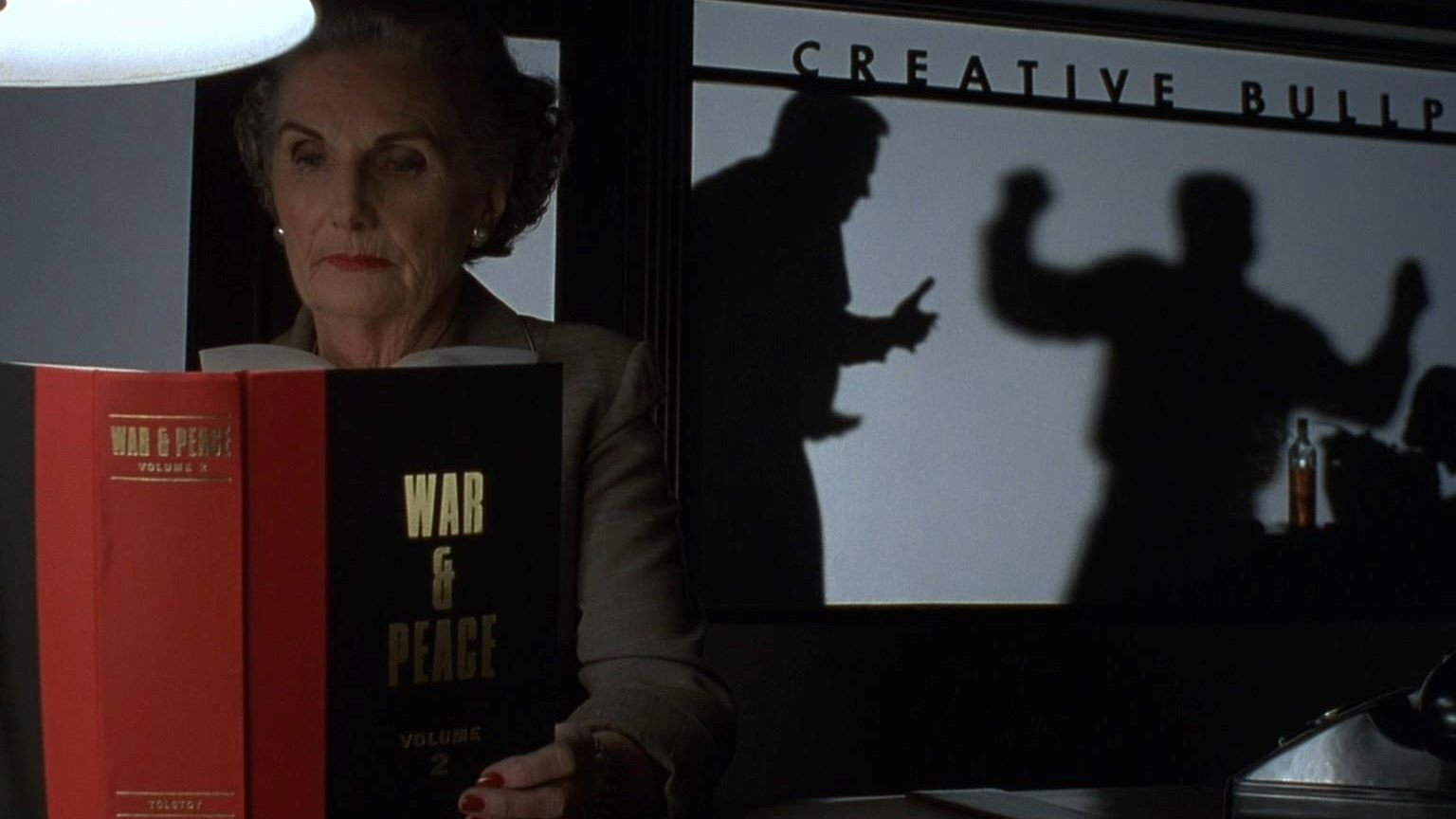
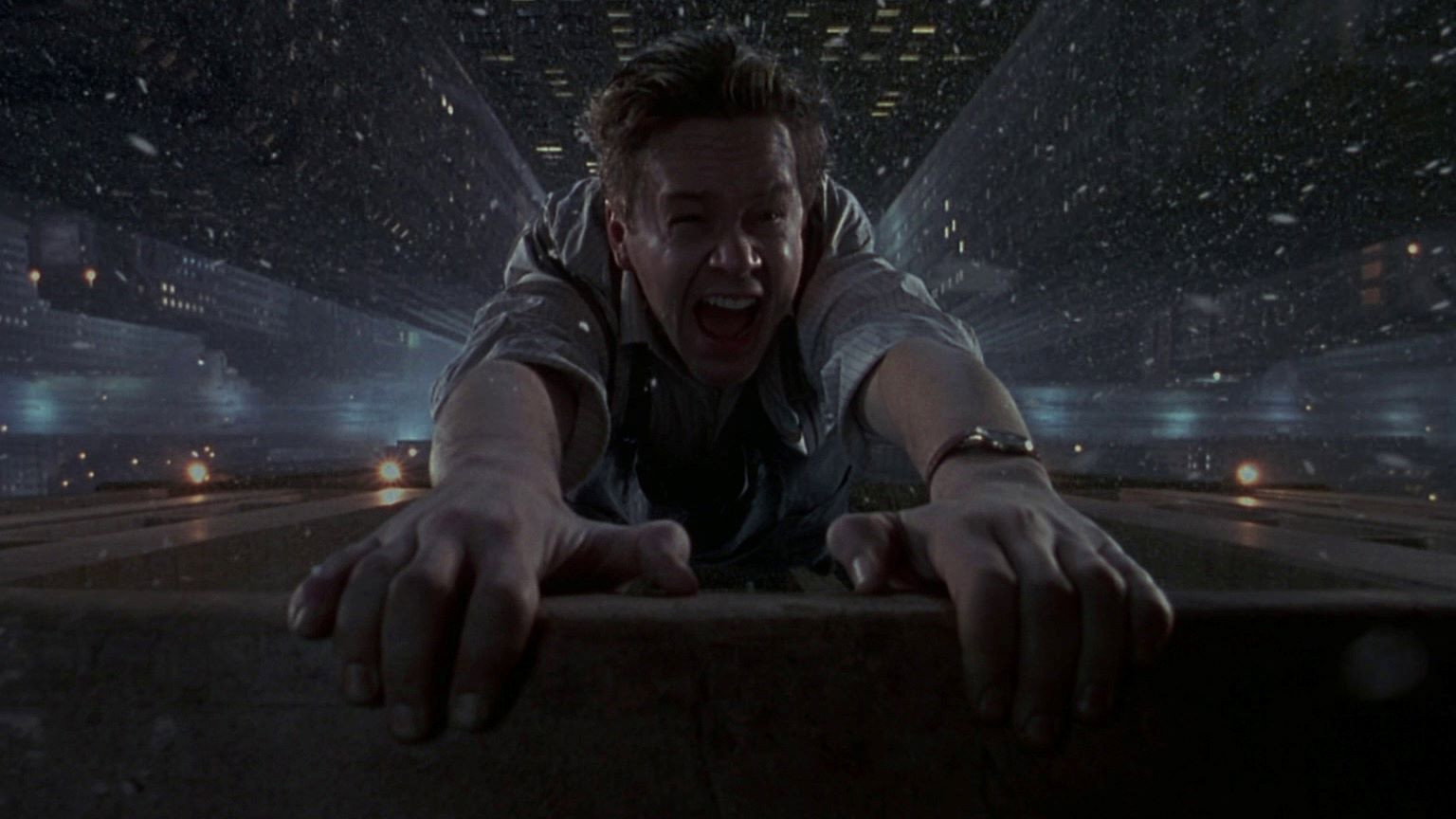
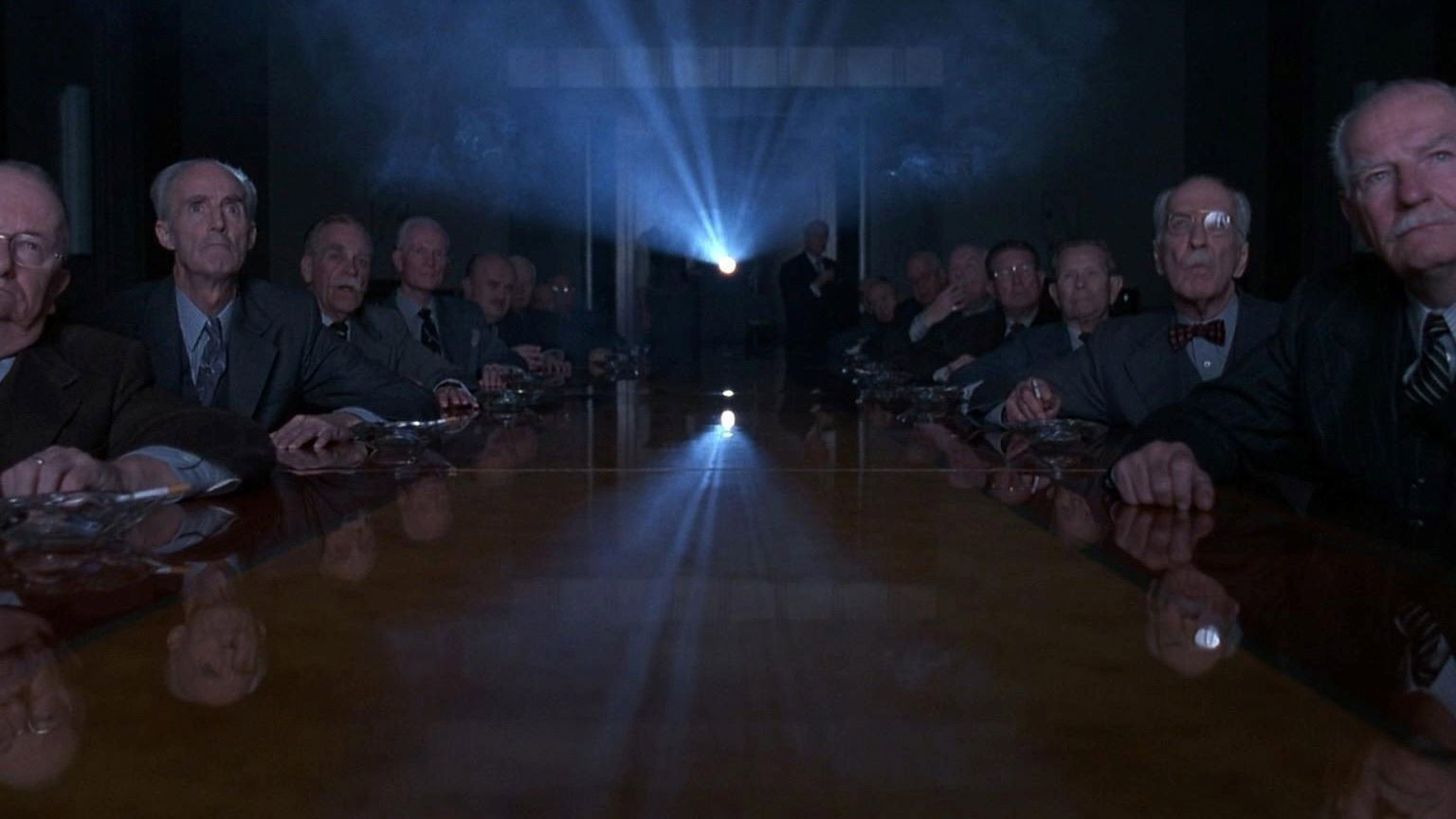
Dennis Gassner’s production design makes the borrowing worthwhile. His Art Deco buildings are imposing enough to make power visible before anyone has to explain who possesses it. Roger Deakins keeps the architecture legible, allowing us to enjoy the grandeur and the absurdity of taking it so seriously. The scale is part of the comedy, and the surroundings remain interesting even when a joke takes longer than it should.
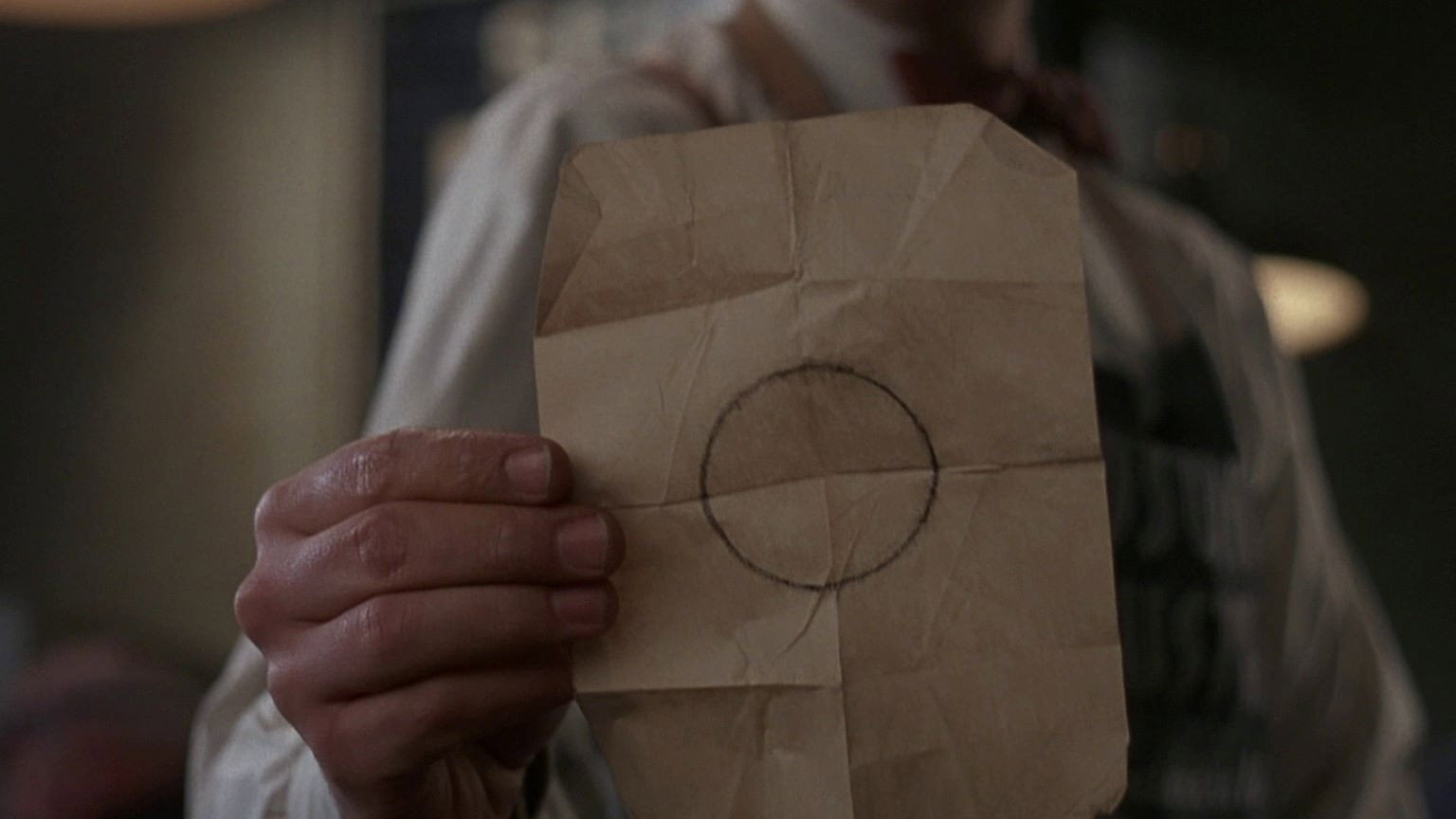
The hula hoop montage is where that care pays off most readily. We laughed at the attention lavished on such a simple object; its plainness is a relief amid all that architecture. Thom Noble’s editing builds the joke through repetition, while Carter Burwell’s score happily encourages the exaggeration. For a stretch, the film stops asking us to appreciate how thoroughly it knows old Hollywood and gets on with the business of amusing us.
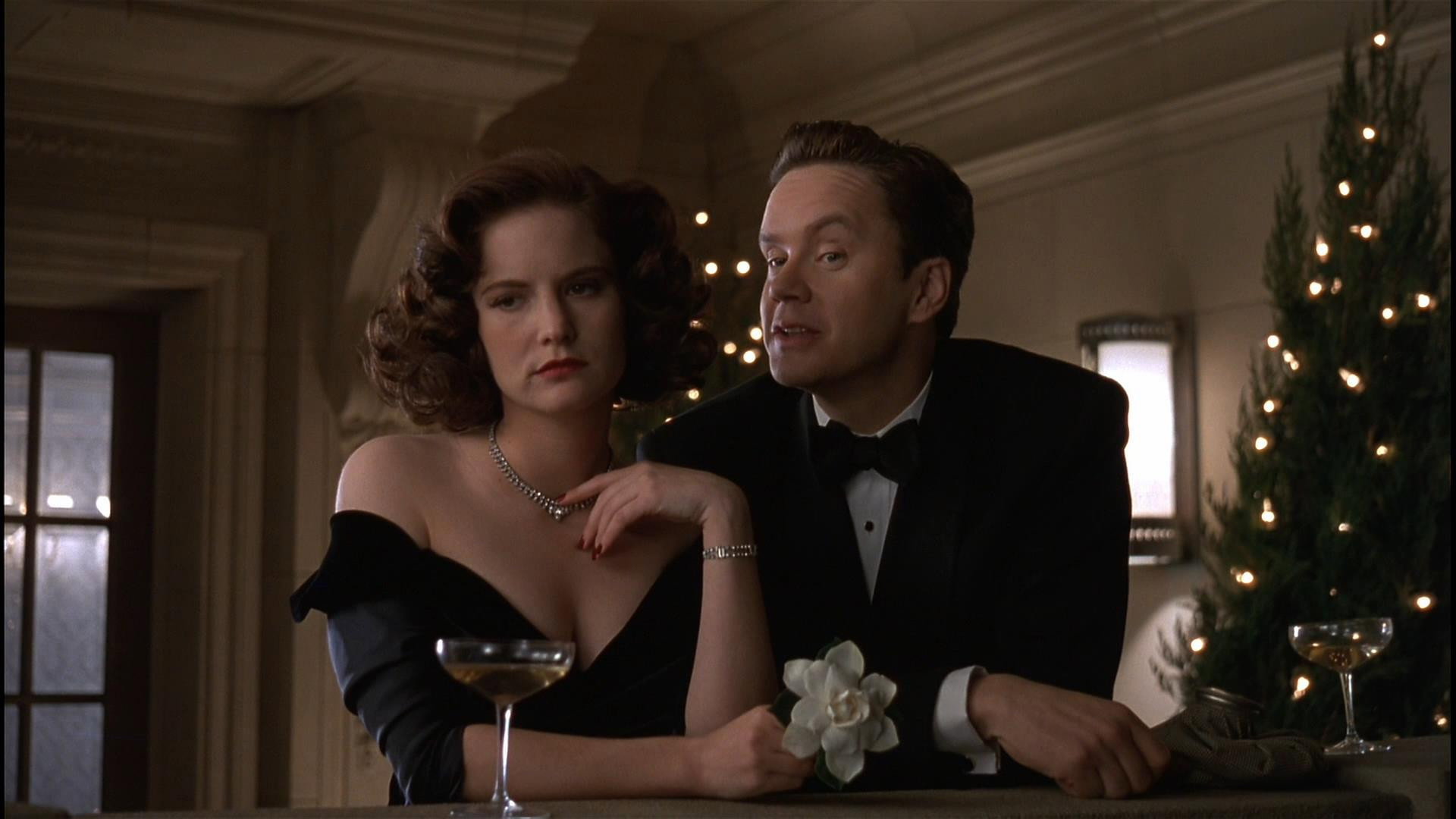
Tim Robbins makes Norville’s innocence funny without making him unbearable, a useful service in a film already this busy. It is easy to see why somebody might take this man for a fall guy, and Robbins gives us enough sweetness to want him treated decently. Jennifer Jason Leigh, as reporter Amy Archer, speaks with a clipped precision that is a pleasure in itself. The deliberately mannered delivery suits these surroundings, and Leigh commits to it without apologising for sounding nothing like an ordinary person.
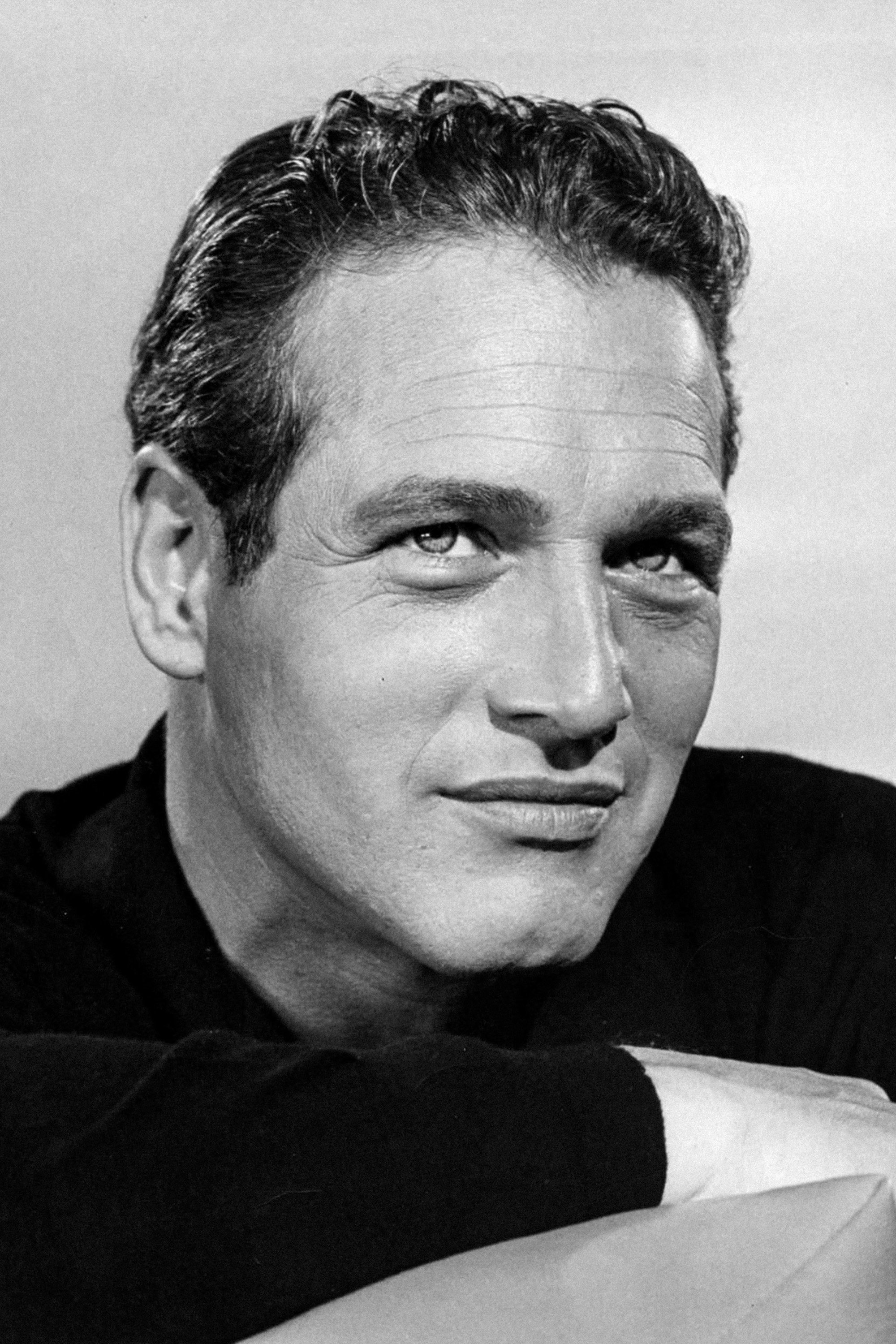
Paul Newman’s Sidney J. Mussburger seems equally comfortable with the exaggeration. There is an ease to his performance that the screenplay could use more often: the Coens and Raimi sometimes polish a line until we can hear the effort behind it. Some exchanges sound as though their spontaneity has been rehearsed away. The words arrive so neatly that there is little sense anyone might surprise us.
By screwball comedy’s standards, that matters. The pleasure usually comes from watching people lose control while insisting they remain perfectly reasonable, and the strain here falls too often on getting the delivery right. We felt little anxiety for Norville. The script keeps finding clever things to do around his predicament, giving us too few reasons to care about the people involved. The fantasy is welcome, but it cannot make up for the lack of feeling between the characters.
That reserve will matter less if the old Hollywood style is the attraction. At 111 minutes, there is ample time to enjoy the sets, the comic timing and Leigh’s determined refusal to sound like somebody met on a bus. Watch it for the jokes and the buildings; bring modest expectations of being moved.