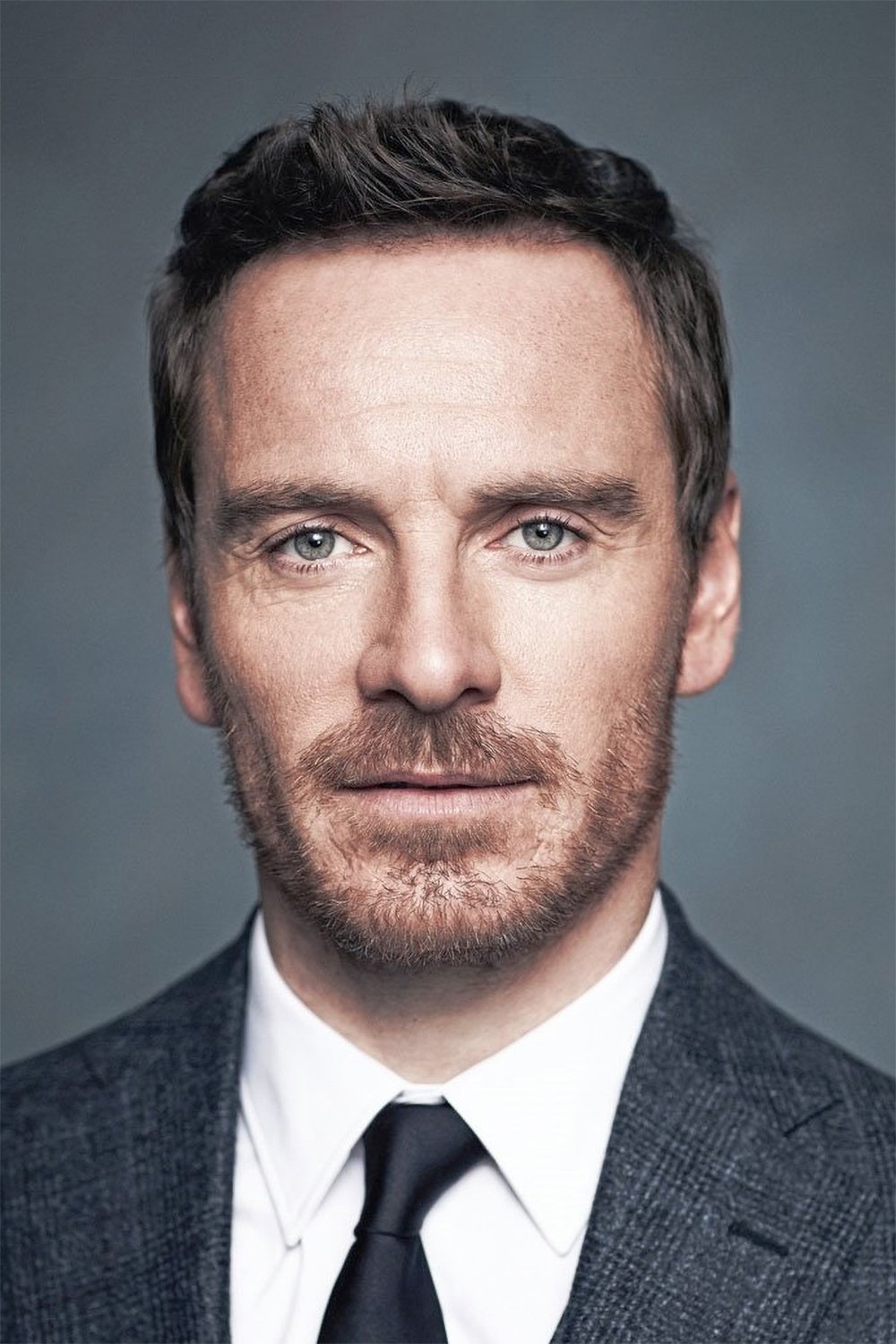
Fincher’s hitman film is lean, cold and drier than it first looks, with Michael Fassbender reciting his own rules over a Smiths soundtrack. The craft is immaculate, one fight is worth the evening on its own, and there is not much underneath.
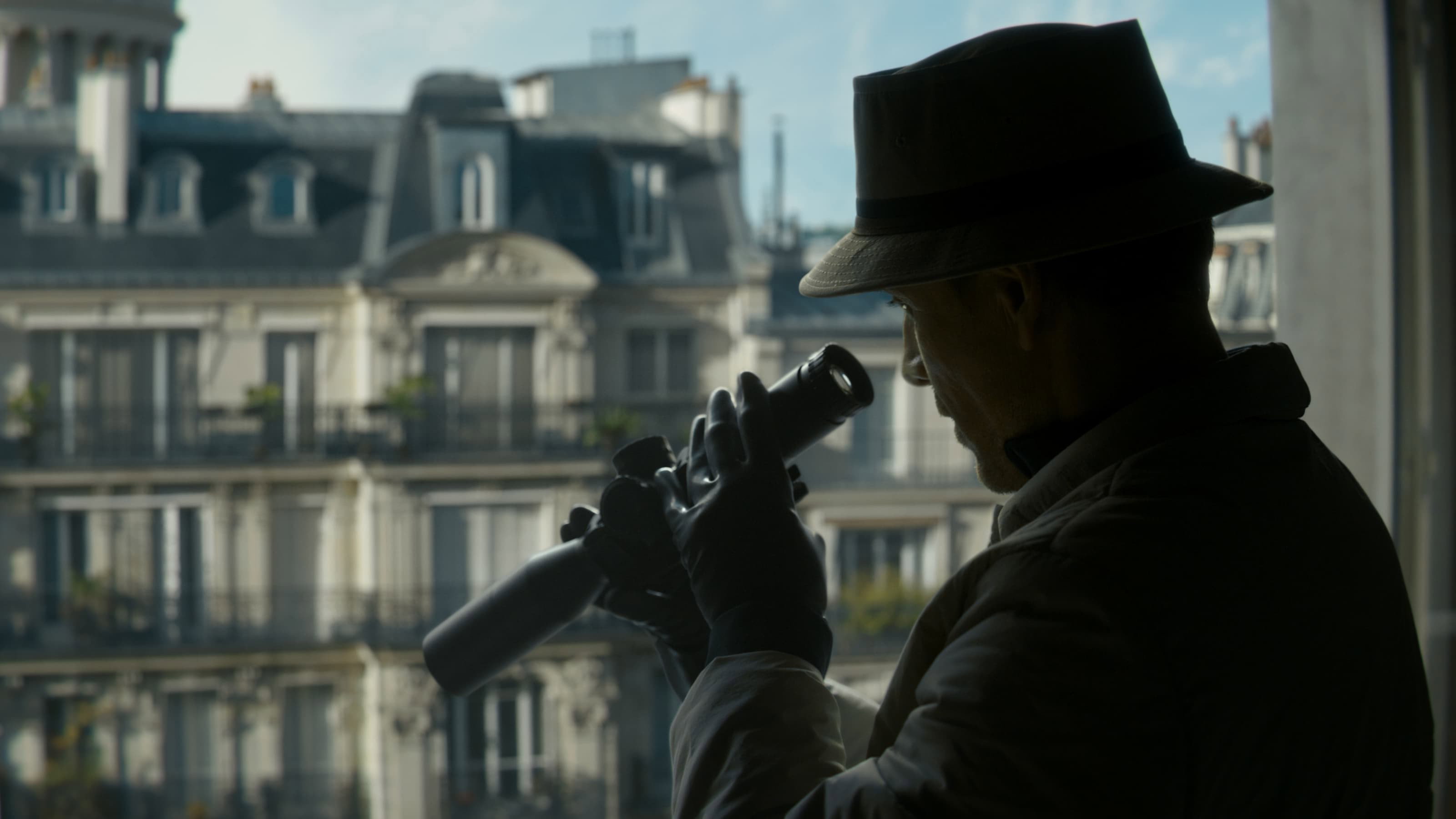
David Fincher has made a film about a man who waits. The Killer (Michael Fassbender) sits in an empty office in Paris across the street from the flat of a man he has been paid to shoot, doing yoga, listening to The Smiths and telling us the rules he lives by. After several days the target appears, the shot is lined up, and it misses. The rest is the tidying that follows, and The Killer is at its best when it treats murder as tidying. It is lean, cold and often funny, and it is a small film from a director who used to make large ones.
Andrew Kevin Walker wrote Se7en for Fincher in 1995. What he has written is a list of tasks, a handful of meetings and a voiceover that runs under nearly everything. Fassbender reads it flat, like a man reciting his own instruction manual, and for the first half hour it is the best joke in the film. We laughed at how seriously he takes himself, and then, somewhere around the fourth airport, we noticed the voiceover was saying the same things again. We think the repetition is meant to be funny. After an hour it is not.
The craft is exactly what you would expect from this director. Erik Messerschmidt shoots the Paris office in the thin grey light that comes through unwashed windows, and the rest of the film in colours so clean they look scrubbed. Donald Graham Burt’s sets are anonymous on purpose: the office is a bare room with a mattress, a folding chair and a view. Cate Adams dresses Fassbender as a tourist nobody would look at twice, and the joke is that it works. Kirk Baxter cuts the waiting so it is never dull and the killing so it is never pretty. Trent Reznor and Atticus Ross keep the score to a low electronic pulse and mostly get out of the way of the Smiths.
The fight is the reason to see it. Somewhere past the halfway mark the Killer meets a man the credits call The Brute (Sala Baker), and the two of them wreck a house. Fincher shoots it handheld, close, with almost no music, and every blow lands with the sound of furniture breaking, because mostly it is furniture breaking. We flinched, more than once, and for the length of that sequence we were properly frightened for a man we had been told not to care about.
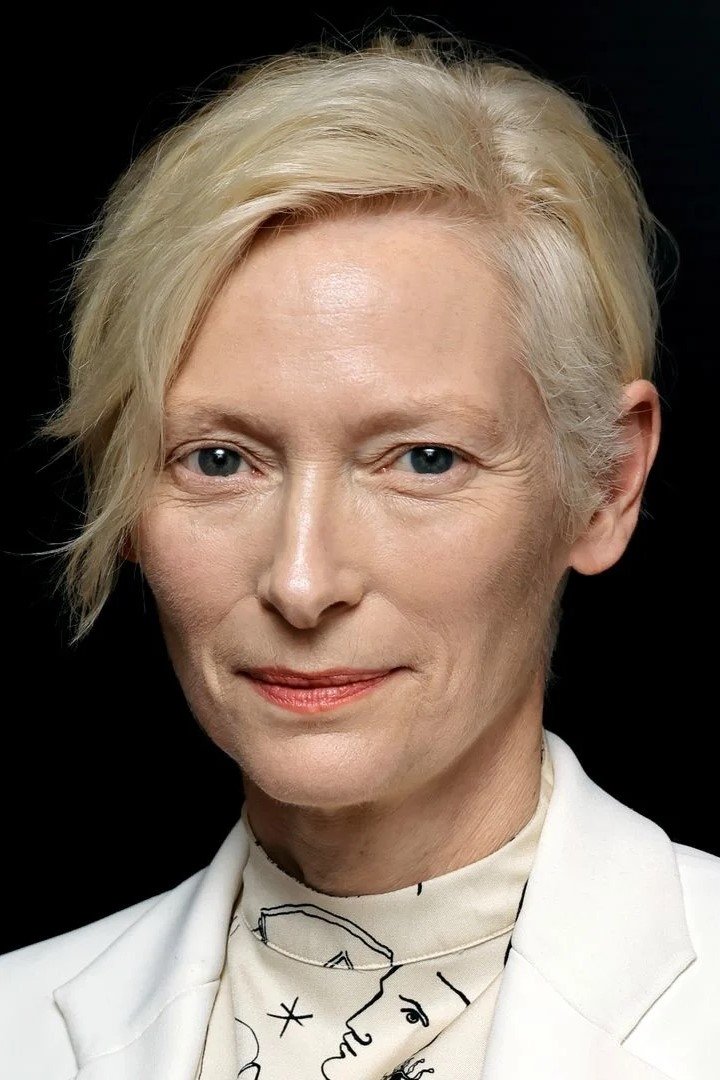
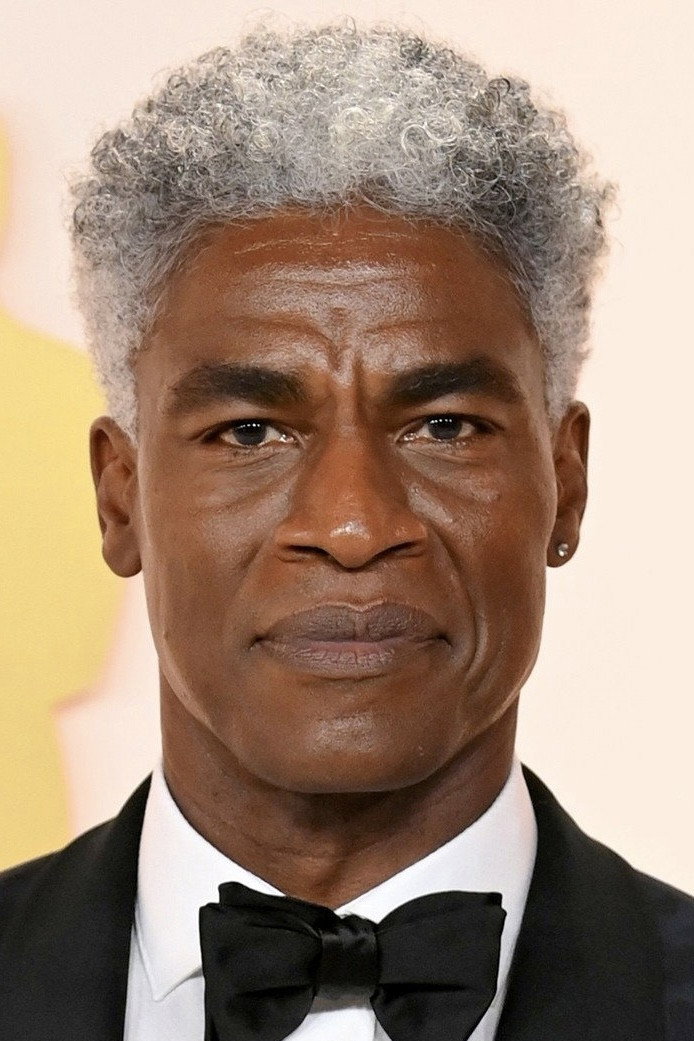
The supporting cast get a scene each. Tilda Swinton, as The Expert, gets the best written passage in the film, a long conversation over dinner in which she talks for her life and knows exactly how it is going. Charles Parnell’s Hodges, the lawyer who takes the Killer’s bookings, has the manner of a man who thinks the meeting is going better than it is. Arliss Howard’s Claybourne, the client, is the film’s one glimpse of who these men work for: small, frightened and ordinary. Kerry O’Malley, as the lawyer’s assistant Dolores, does a great deal with a handful of lines.
What the film lacks is anything under the surface. The Killer tells us he believes in nothing, and the film takes him at his word, so there is nobody to root for and nobody to fear for except in that house. Sophie Charlotte, as Magdala, the woman he goes home to, is the reason he does any of it and is given almost nothing to play. The last stretch is quieter than the film has taught you to expect, and it lands as a shrug. We had a good time anyway.
Set against Fincher’s own work it is minor. Zodiac (2007) was also about procedure and patience, and about a city’s fear across a decade. Se7en had an argument, however lurid. The Killer has a man, a list and a soundtrack. Watch it at home, late, with the sound up for the house and no need of subtitles, since the voiceover will tell you everything twice. It runs 118 minutes and carries a 15.