Robert Wise’s musical is an easy recommendation, thanks to Julie Andrews and songs given room to work. Some of the adult drama drags, and the sentimentality is considerable; neither quite wears out the welcome.
Robert Wise asks for 174 minutes for a musical built around family, romance and a belief that singing can improve the day. That is a substantial demand, especially for anyone suspicious of organised cheerfulness. We recommend The Sound of Music warmly, with a warning that its adult drama sometimes proceeds at the pace of people who have nowhere else to be. Wise gives the songs enough space to finish their business, and Julie Andrews supplies the practical energy that keeps the cheerfulness from becoming a duty.
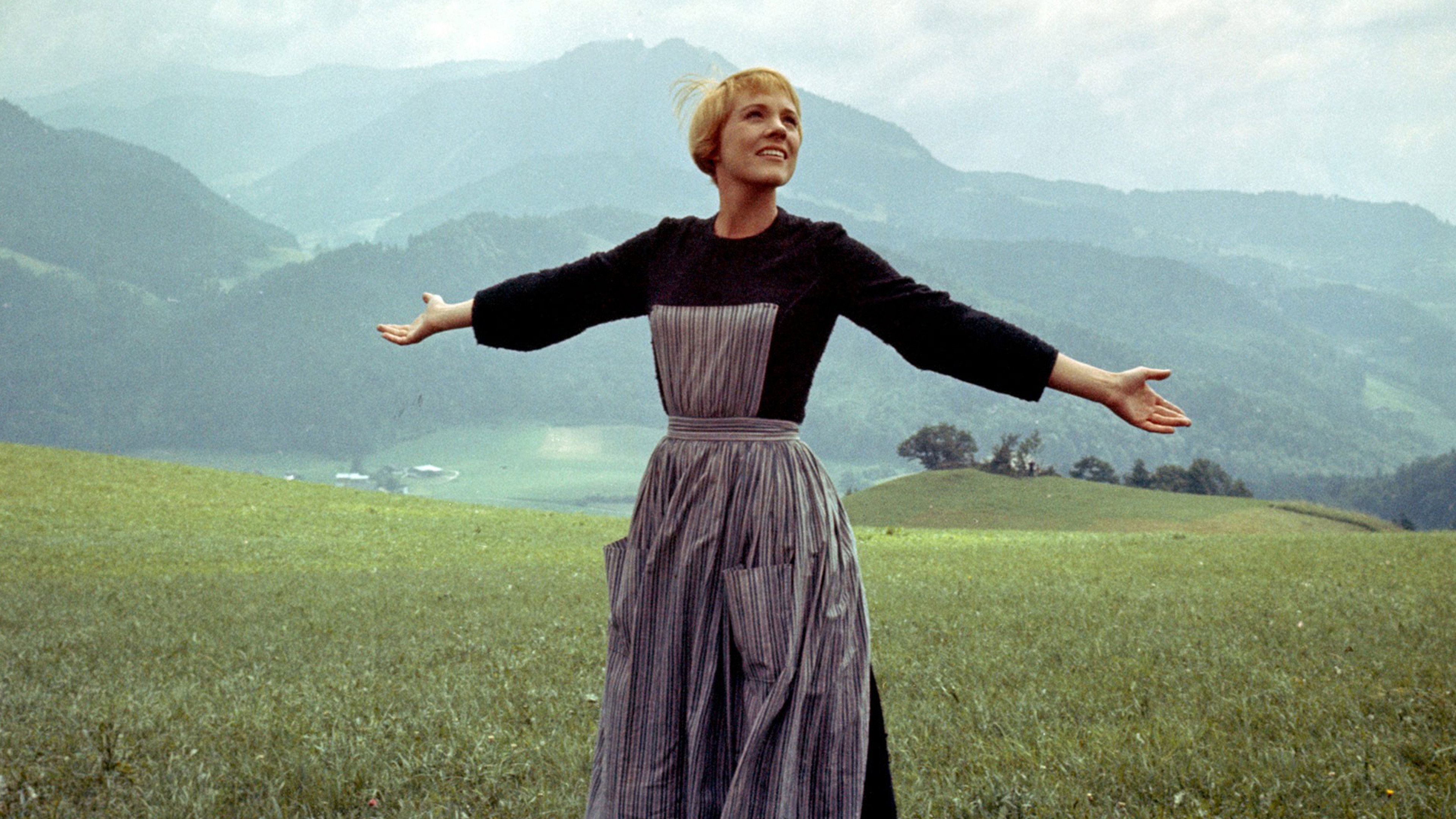
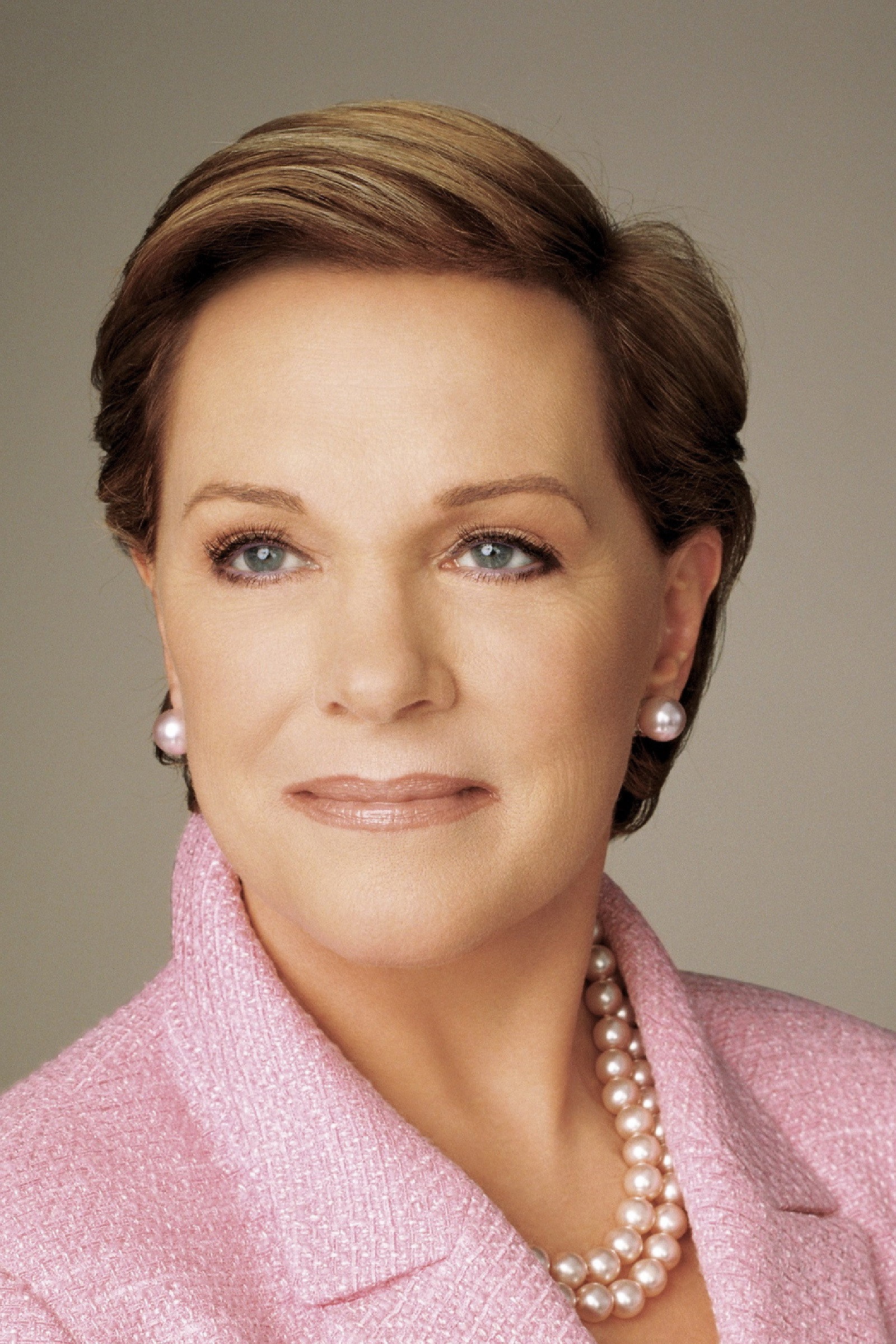
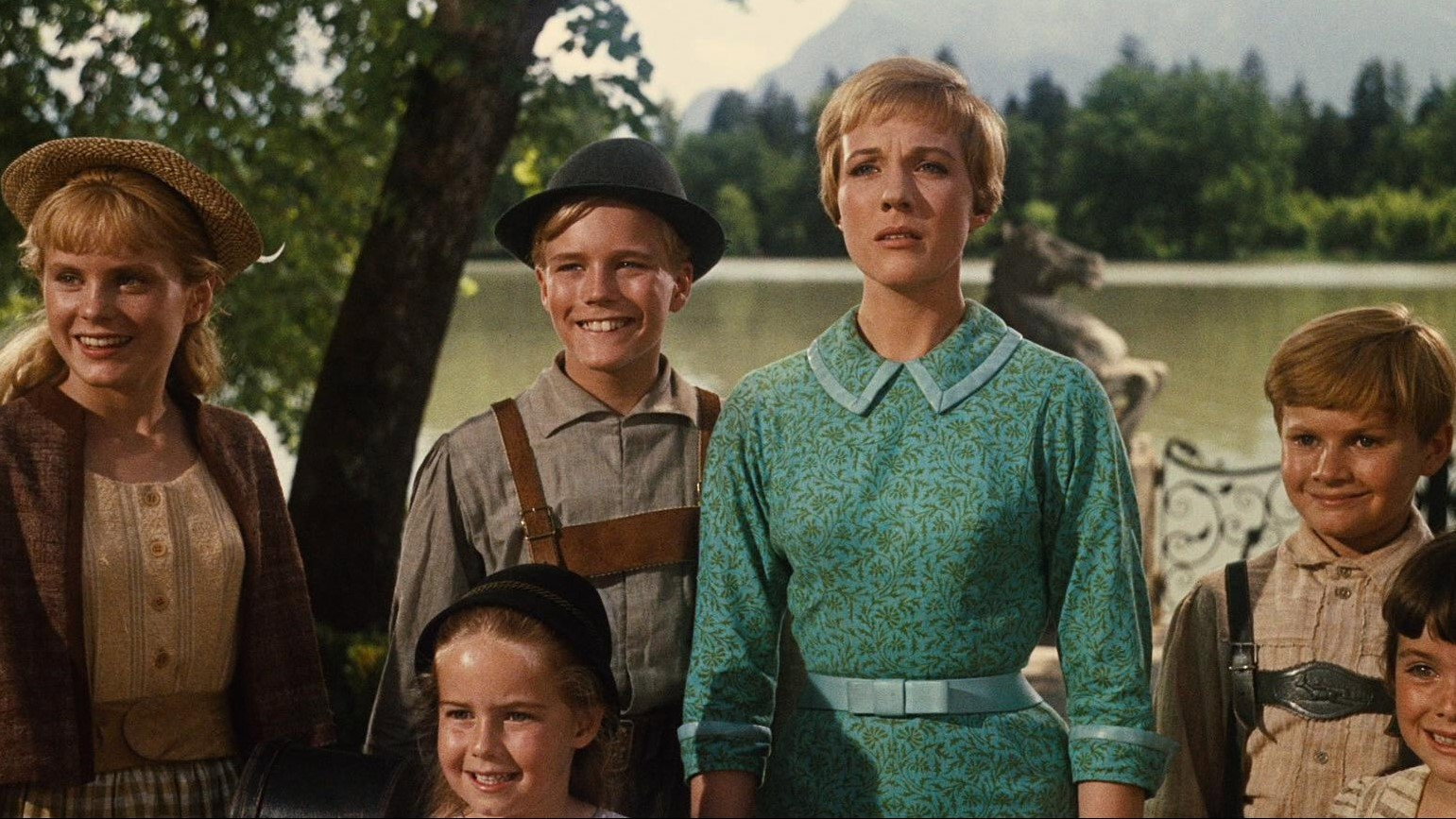
As Maria, Andrews sings with such clean emphasis that the words remain as important as the tune. Her brightness has purpose, and she gives the impression of someone who would be useful in a difficult situation, even without musical accompaniment. That practical quality makes the warmth convincing. Christopher Plummer’s Captain Georg von Trapp gives her resistance to work against, and their scenes benefit from his reluctance to match her enthusiasm. We believe in the attraction because the two performers take time to respond to each other.
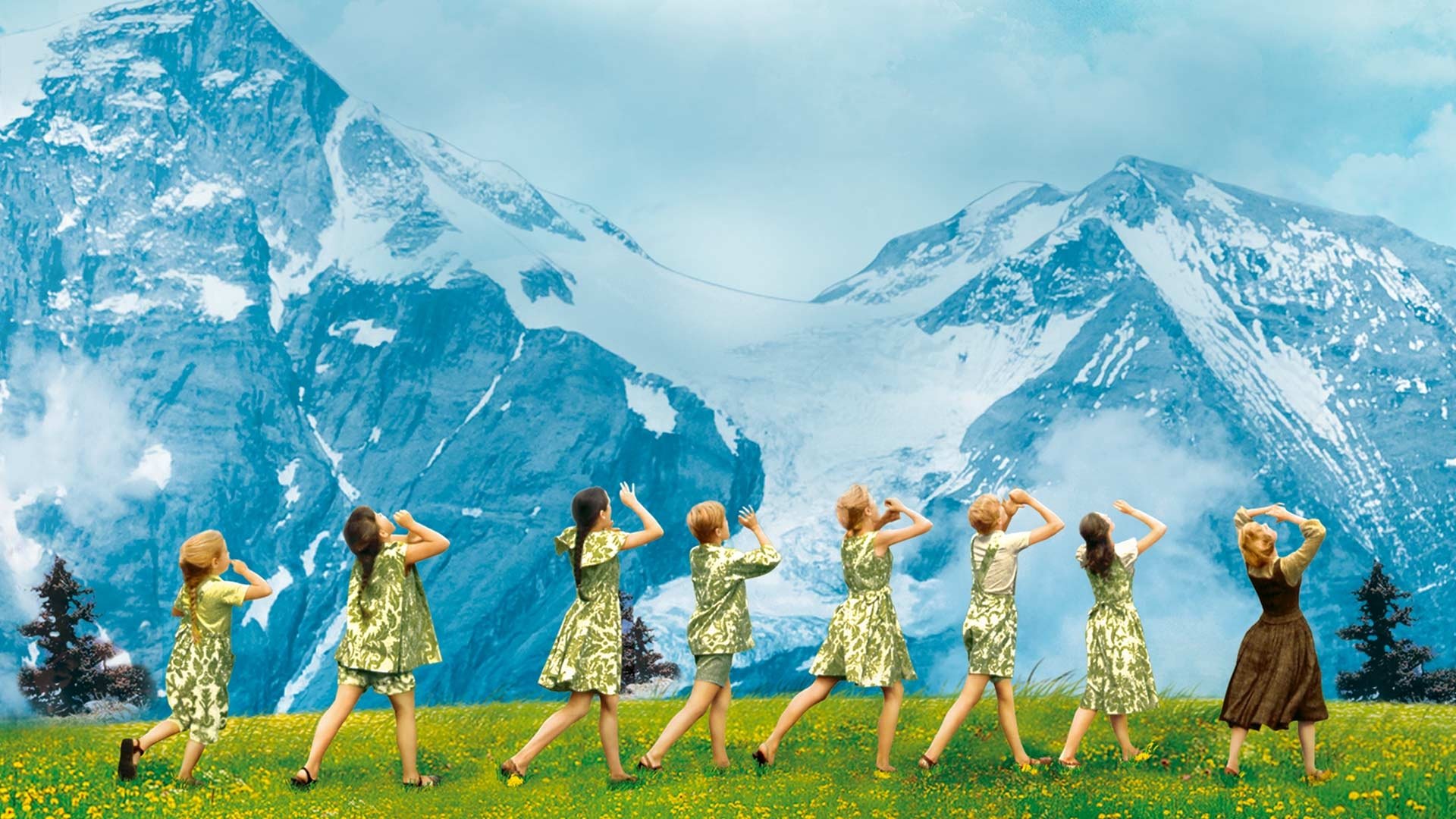
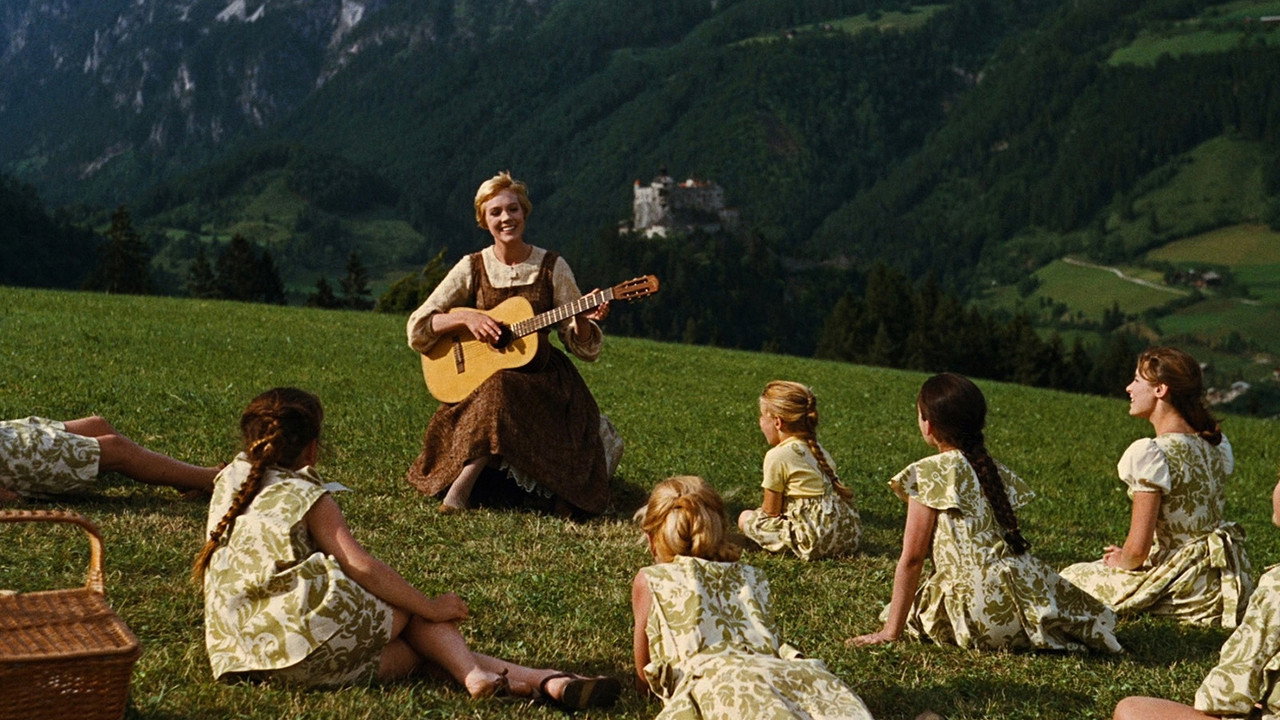
The ‘Do-Re-Mi’ sequence around Salzburg made us happier than we expected. The changing locations give the repetitions variety, and Andrews makes each return to the tune sound freshly encouraging. The songs by Richard Rodgers and Oscar Hammerstein II are built for a listener to catch quickly, and Wise trusts their repetitions instead of trying to disguise them. Andrews also avoids the smugness that can make an easy singalong feel like an instruction to enjoy ourselves.
Ted D. McCord’s cinematography gives the Austrian scenery room to justify the musical’s leisurely pace. The opening aerial panorama establishes a scale that Wise carries into the songs, so the wide views feel like part of the performance. The Salzburg exteriors give the numbers movement and variety, with space for a tune to develop as the surroundings change. As a way of taking a stage musical into the cinema, this remains convincing because the locations contribute something the stage cannot supply.
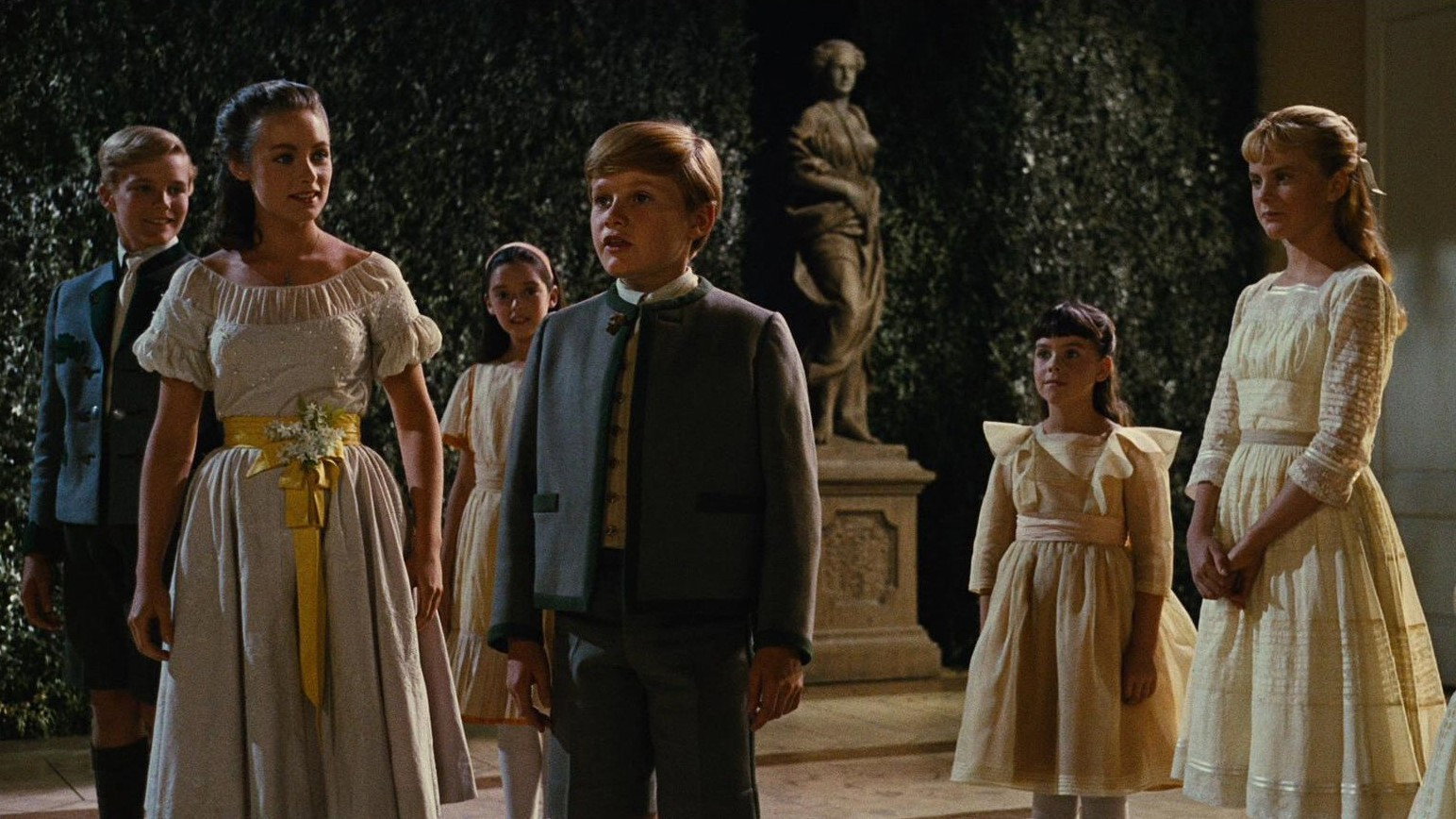
William Reynolds’s editing gives the musical sequences a clear, unforced rhythm. The cuts allow a phrase to make its effect before asking us to look elsewhere, so the length seldom troubles us while someone is singing. Boris Leven’s production design favours an orderliness that suits the film’s manners, although we sometimes wanted the domestic spaces to look less prepared for company. That tidiness is one reason the sentiment can feel too carefully arranged.
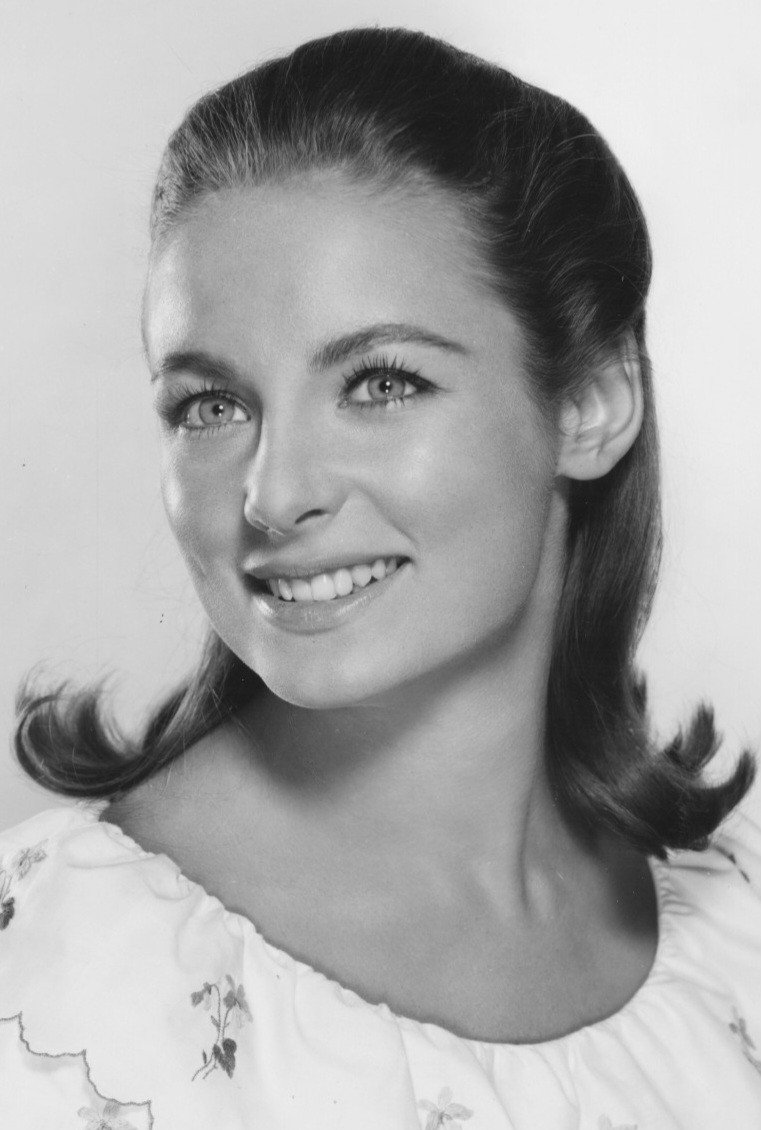
Ernest Lehman’s screenplay is less assured when the adults have to discuss their feelings. The romantic passages can repeat what Andrews and Plummer have already made clear, and at this length the extra explanation matters. Eleanor Parker, as the Baroness, provides welcome restraint, suggesting more than the dialogue needs to spell out. The Nazi threat brings a pressure that the family romance needs, and Wise handles it clearly without pretending to offer a searching account of the politics.
Screen musicals can be embarrassed by the moment ordinary conversation gives way to song. Wise has no such hesitation, and Andrews makes that confidence seem reasonable. There is no need to watch it apologetically, though an aversion to family sentiment is unlikely to be cured. Give it an evening when nobody is in a hurry.