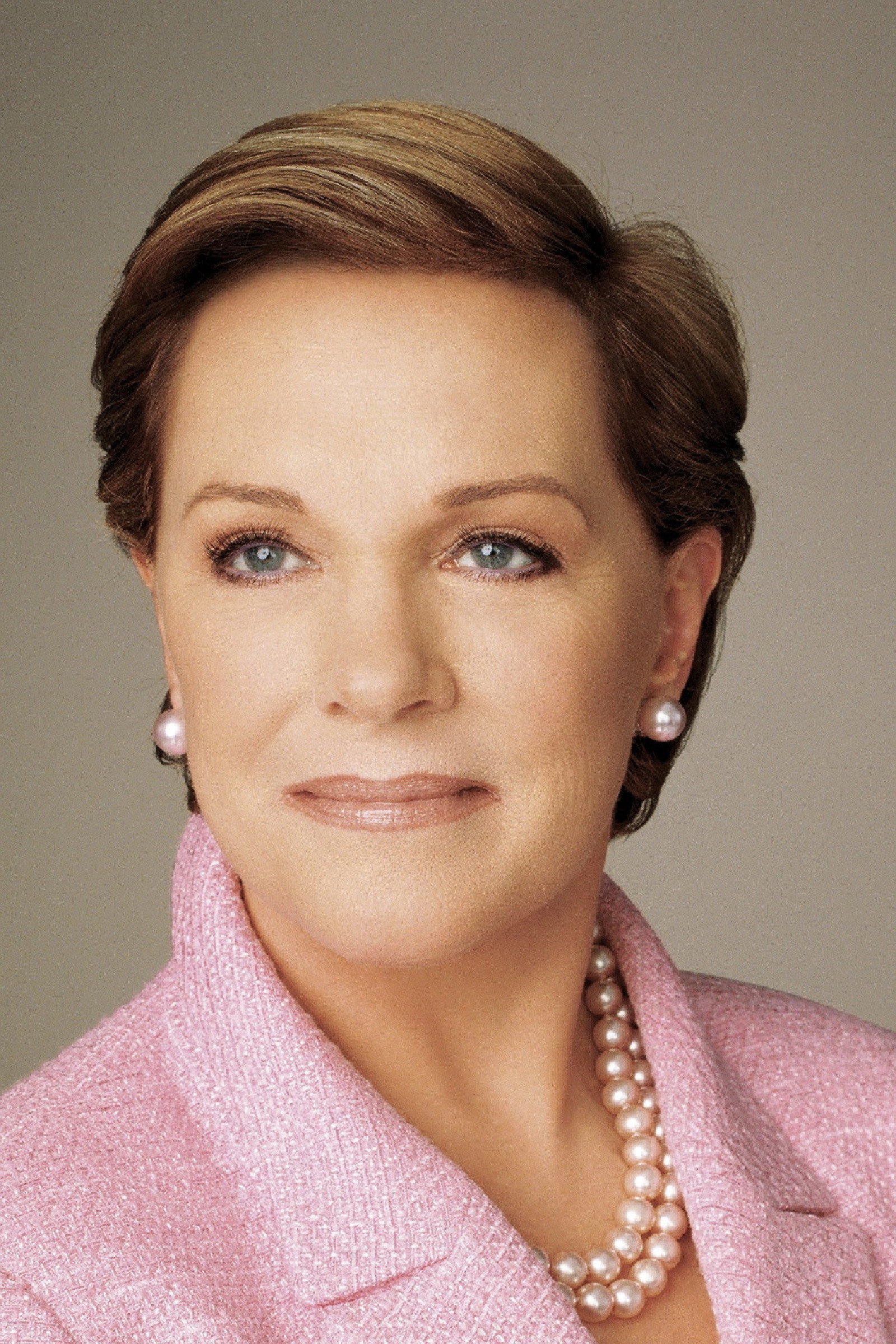
Julie Andrews makes warmth convincing through crisp delivery and the air of someone who knows what needs doing. We rate her most when that authority meets resistance, giving her humour and encouragement something to work on.
Fi1m perspective
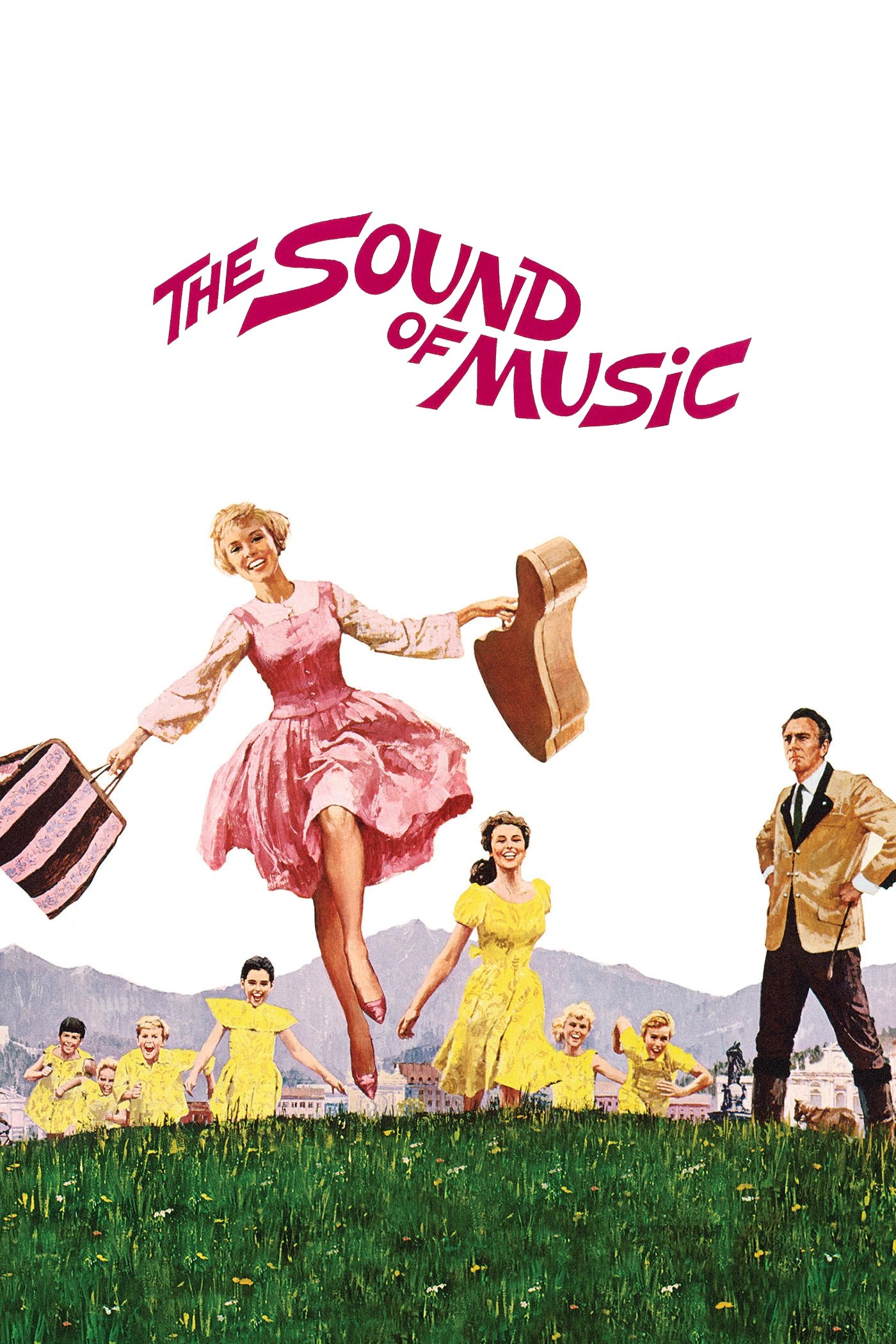
When Julie Andrews sings as Maria in The Sound of Music (1965), the words never disappear into the melody. She sounds intent on helping someone learn, and Robert Wise gives her time to make that encouragement convincing. The repetitions in ‘Do-Re-Mi’ made us happier than we expected, because Andrews keeps encouraging without ever sounding pleased with herself. Rodgers and Hammerstein supply a tune that is easy to catch; her care with the words makes it feel worth learning.
Her film debut, Mary Poppins (1964), had already joined warmth to authority. Those two musicals established a wholesome image that proved difficult to escape, with attempts at edgier parts meeting a mixed reception. That reputation can make the acting sound easier than it is. Maria's good humour depends on Andrews making her encouragement sound useful rather than dutiful.
Christopher Plummer gives her a useful obstacle as Captain Georg von Trapp. He does not hurry to share Maria's enthusiasm, and Andrews takes the time to notice and answer his reserve. Their attraction becomes credible through that attention to each other, before the dialogue starts explaining it. Wise is right to give those responses time to register.
Ernest Lehman's screenplay is less helpful when the adults discuss their feelings at length. We warmly recommend The Sound of Music, but its slow romantic passages and considerable sentimentality are real qualifications. Andrews keeps the welcome alive without making the extra explanation necessary; she and Plummer have often told us enough already.
Work with Blake Edwards on 10 (1979) and Victor/Victoria (1982) took her towards edgier comedy. As Victoria Grant in the latter, her comic timing and physical comedy make a useful correction to the idea that sweetness was all she had to offer. Her Queen Clarisse Renaldi in The Princess Diaries (2001) belongs to the continuing line of authoritative figures, alongside a later emphasis on voice work and narration. Start with The Sound of Music, on an evening when nobody needs to hurry.
Biography
Dame Julie Andrews is a British actor and singer. Born Julia Elizabeth Wells on 1 October 1935 in Walton-on-Thames, Surrey, she began performing as a child in music-hall acts and made her professional stage debut in 1947. She made her Broadway debut in 1954 in The Boy Friend and created leading roles in My Fair Lady (1956) and Camelot (1960).
Andrews made her film debut as the title character in Mary Poppins (1964), for which she won the Academy Award for Best Actress. The following year she starred as Maria in The Sound of Music (1965). Later credits include The Princess Diaries (2001) and its sequel, voice roles in the Shrek and Despicable Me series, and work as an author of children's books and memoirs.