Film review

The Usual Suspects

1995 · Directed by Bryan Singer · 1h 46m · MPA R

In a sentenceFive criminals, one line-up, and nobody we would lend a tenner

DramaCrimeThriller

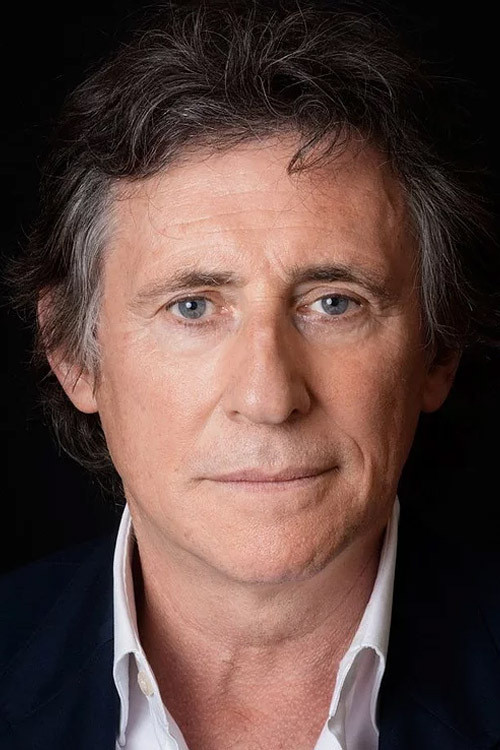
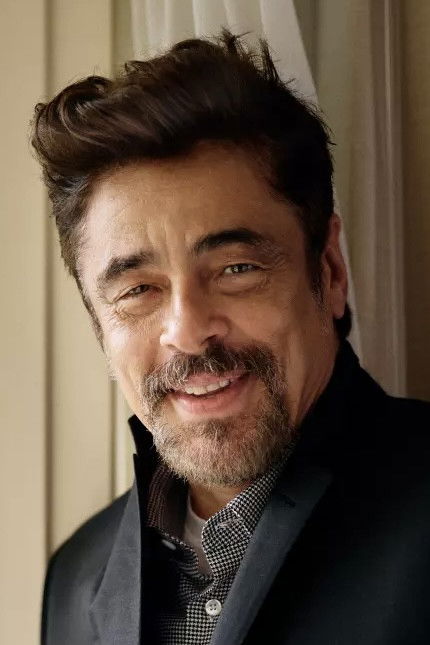
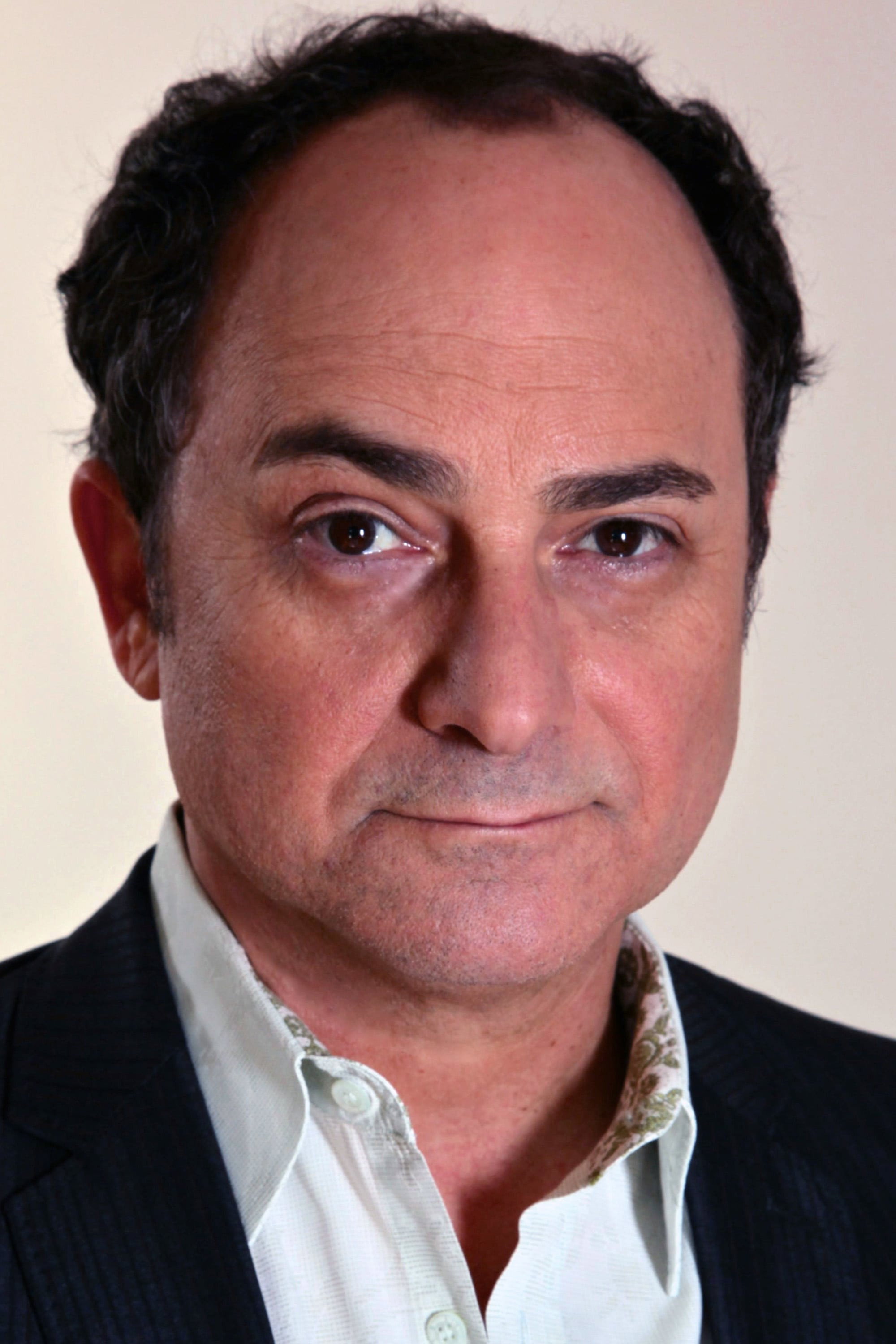
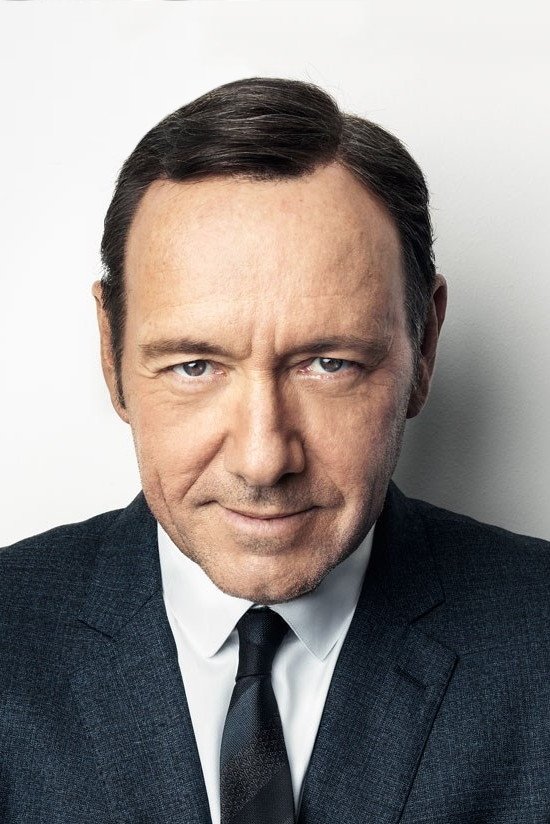
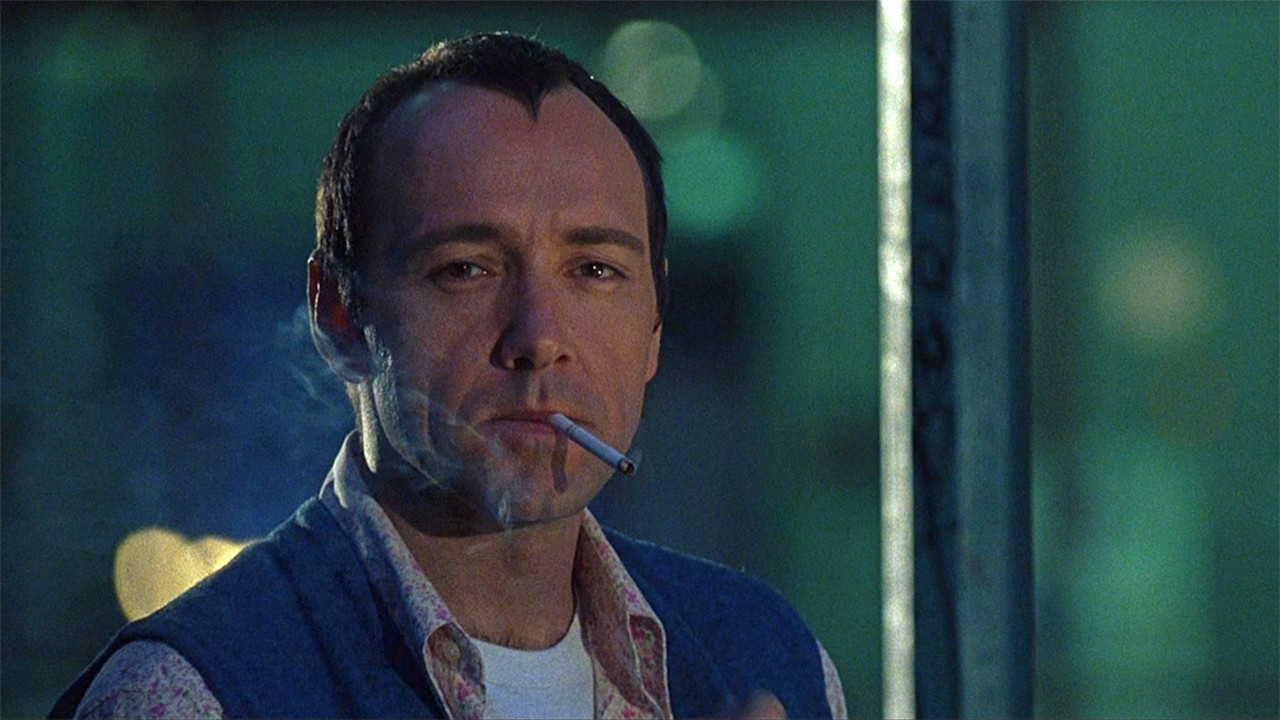
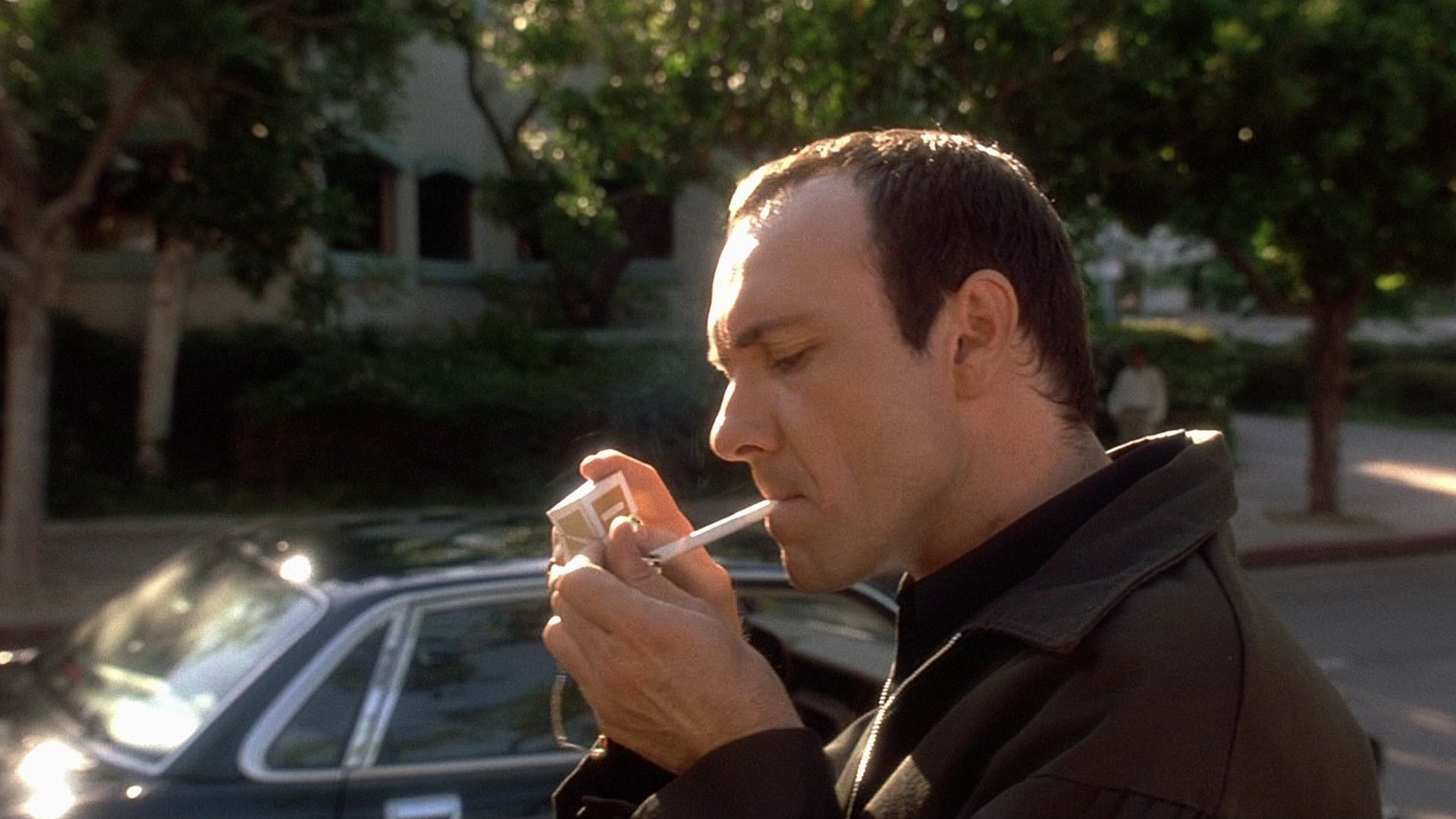
Five criminals find themselves in the same police line-up: McManus (Stephen Baldwin), Keaton (Gabriel Byrne), Fenster (Benicio del Toro), Hockney (Kevin Pollak) and Verbal (Kevin Spacey). Their meeting begins a crime story told through Verbal’s account and scenes of interrogation. As his narration follows events involving the group, questions accumulate about what brings these men together and how much of the story can be trusted. Chazz Palminteri plays Dave Kujan and Pete Postlethwaite plays Kobayashi in Bryan Singer’s crime thriller, written by Christopher McQuarrie.

Plays from YouTube when you press play; nothing loads from them until then.

Fi1m review

Bryan Singer’s crime thriller is tightly controlled, darkly funny and well worth the concentration it demands. Christopher McQuarrie’s plotting keeps us absorbed, though the people can feel thinner than the mystery surrounding them.

Bryan Singer’s The Usual Suspects is a good evening’s work for anyone who enjoys being made to pay attention. It takes the familiar business of criminals talking about crime and makes every account sound as though it needs checking. Christopher McQuarrie’s screenplay is intricate, funny and sometimes too pleased with its own cleverness, but the film earns most of the effort it asks of us. We recommend it with one reservation: the mystery receives more care than the people caught inside it.

The police line-up supplies five men and an immediate reason to study them. Gabriel Byrne gives Keaton a gravity the story needs, while Benicio del Toro makes Fenster’s contributions sound agreeably peculiar. Stephen Baldwin’s McManus and Kevin Pollak’s Hockney help keep the exchanges abrasive and funny. With Kevin Spacey’s Verbal completing the group, the casting gives us enough differences in temperament to remain interested in who is speaking. McQuarrie’s dry dialogue lets us enjoy their company without asking us to approve of it.

Spacey has the particular difficulty of making Verbal’s narration hold our attention without making the questioning seem redundant. We were uneasy listening to him. The interrogation keeps making us reconsider how much faith to put in the man speaking, and Spacey makes that judgement difficult without losing our interest. That is a considerable acting achievement in a thriller which places so much weight on a man telling a story.

Newton Thomas Sigel’s cinematography gives the film’s nocturnal world a persuasive air of danger. His dark images suit a story in which there is so little reason to trust anyone, and they do not make the actors seem incidental. Howard Cummings’s production design helps the criminal world feel plausible even as the plotting becomes elaborate. The surroundings support the performances without competing for attention, a useful discipline in a film already asking us to keep track of so much.

Editors Peter S. Elliot and John Ottman have a difficult job: the story must remain followable while its telling keeps encouraging doubt. Their cutting maintains the pace through the questioning and the narrated events, with little sense of stopping to explain things. Ottman’s music adds to the unease, and his work across cutting and scoring helps the film maintain its grip. The rhythm matters: a less controlled version of this material could leave us impatient for the questioning to finish.

That reservation about the characters does matter, though. A crime thriller can offer the pleasure of an elaborate puzzle, and Singer is unusually good at sustaining that pleasure, but McQuarrie’s criminals do not always seem to have lives beyond the next piece of information. We can follow their predicament without feeling much concern for them. The humour and the performances prevent the film from becoming dry, yet the cleverness occasionally leaves us aware of how carefully our attention is being managed.

At 106 minutes, it does not give us much opportunity to dwell on that complaint. There is enough enjoyment in listening closely and watching the ensemble to justify the concentration. Choose it when both people on the sofa want to pay attention; this is poor company for anyone also trying to answer messages.

Critical consensus AI synthesised

5 of 6
Positive
4
Mixed
0
Negative
1
Empire
1 January 2000 · Ian Nathan
90*

The film is a morbid, disturbing, labyrinthine journey into the darker recesses of the criminal psyche and a dazzlingly proficient piece of filmmaking that confirms Singer as a prodigious talent. It borders on genius with its intelligent script, fine cast and skilful manipulation of image and sound.

Read the full review →
The Independent
7 March 1996 · Ryan Gilbey
80*

The film is more opaque than similar thrillers, with deception built into its structure. It is a maddening movie that pulls fast ones but offers dust-dry humour and an unfaltering grip if the viewer is prepared to take it on the chin.

Read the full review →
Time Out
26 September 2016 · GA
80*

This labyrinthine, very well played thriller never lets up, involving five criminals brought together by the mysterious Keyser Soze. Working from Christopher McQuarrie's marvellously tortuous script, Singer creates a classy, thought-provoking mystery that is pleasingly old-fashioned yet modern in its play with myth and storytelling.

Read the full review →
RogerEbert.com
18 August 1995 · Roger Ebert
40*

The critic finds the twisty plot ultimately unsatisfying and prefers stories driven by character motivation rather than clever manipulation. The interrogation scenes and Verbal's narration are noted but do not overcome the feeling that there is less substance than the film suggests.

Read the full review →
Los Angeles Times
16 August 1995 · Kenneth Turan

The film is a polished, virtuoso-style criminal roller coaster and maze of twists that viewers will enjoy getting lost in, driven by director Singer's disciplined control and the vigorous screenplay. It offers pure stylistic pleasure alongside its tale of power and betrayal.

Read the full review →
The New Yorker
7 August 1995 · festival review · Anthony Lane

The neo-noir mystery is praised for its complexity, wicked storytelling, and ability to outsmart the viewer, delivering pleasure in its tall-tale structure and paranoia. The nocturnal tone and ensemble cast (with one noted weak link) enhance its appeal over similar crime films.

Read the full review →

Cast

Stills

Awards

Academy Awards, 1996

Won
Best Supporting Actor
Won
Best Writing, Original Screenplay

National Board of Review Award for Best Cast, 1995

Won
National Board of Review Award for Best Cast

If you liked this, try…

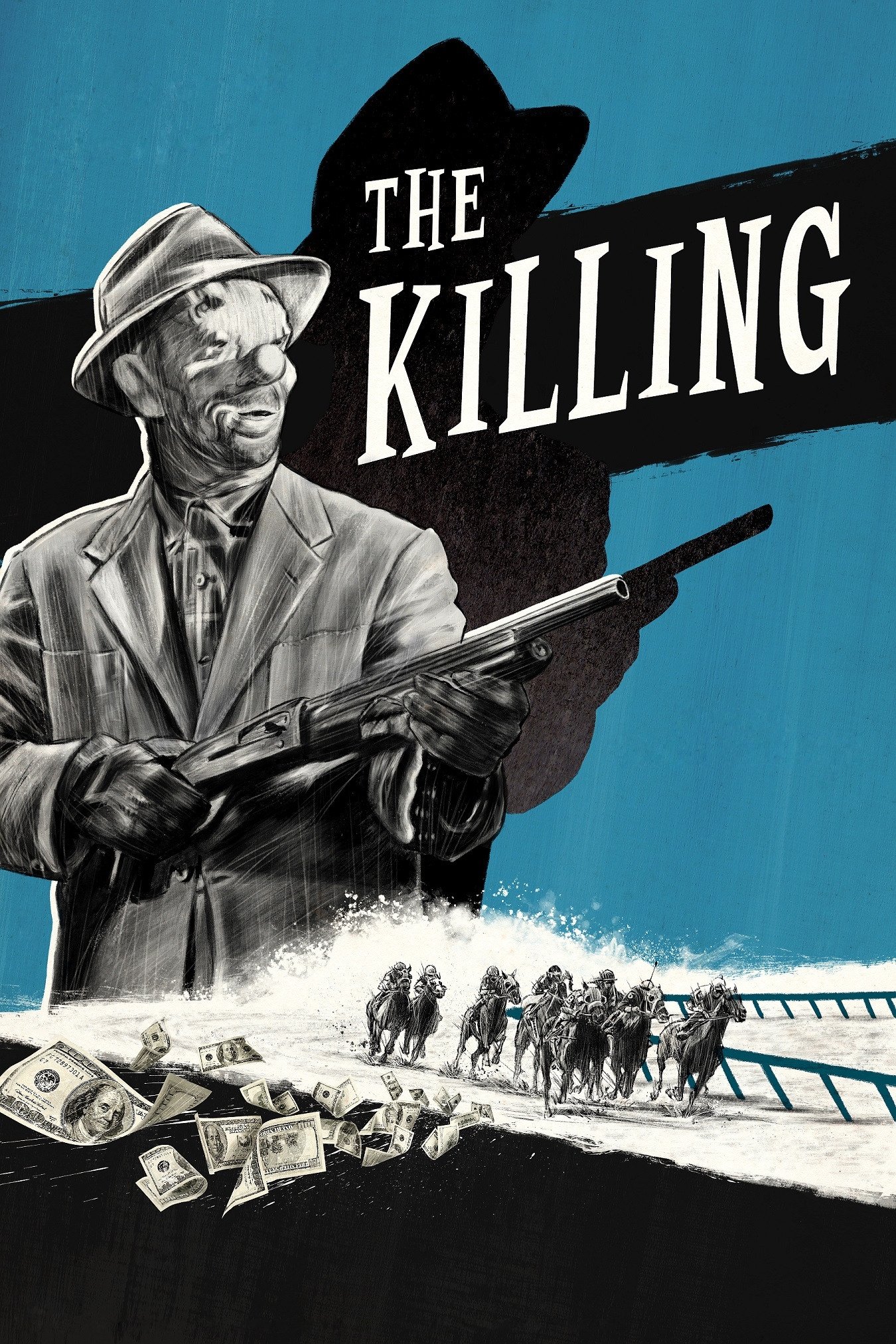
The Killing poster

The Killing

1956 · Another criminal ensemble whose carefully organised business gives us ample reason to worry.

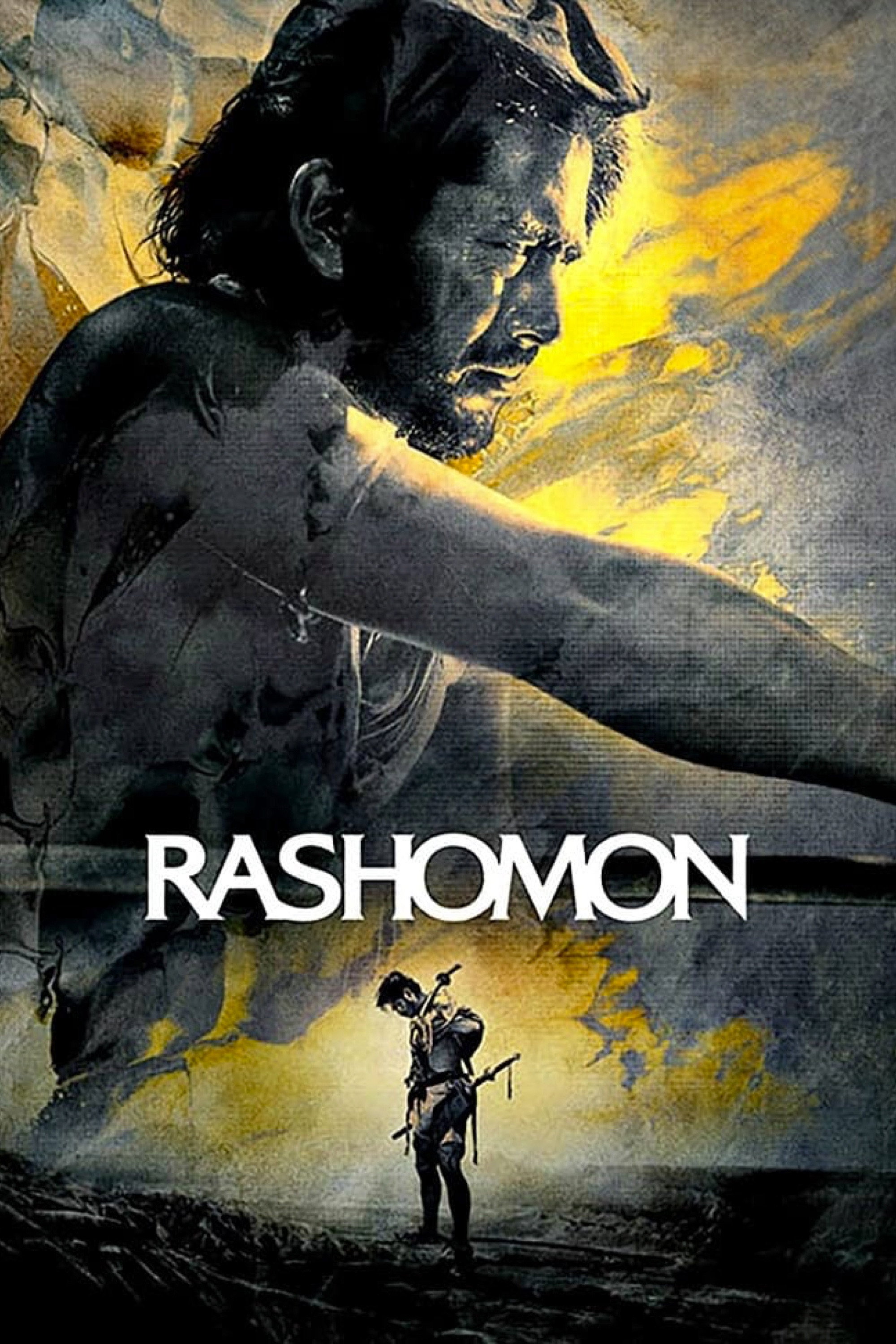
Rashomon poster

Rashomon

1950 · For the pleasure and discomfort of listening to accounts we cannot reconcile.

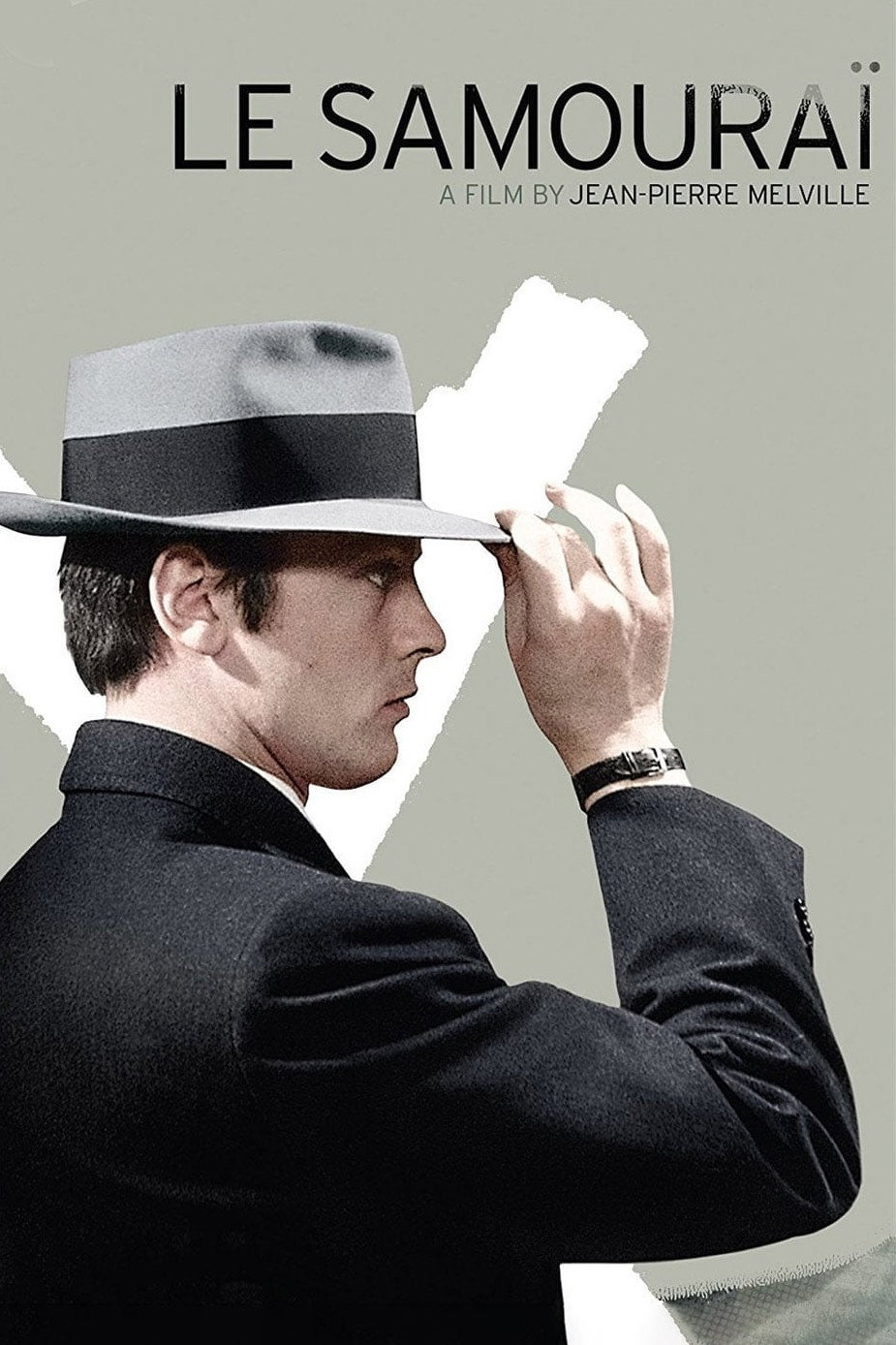
Le Samouraï poster

Le Samouraï

1967 · A quieter criminal world, with suspicion carried through faces and exact movements.

Nine Queens poster

Nine Queens

2000 · Quick conversation and criminal ingenuity, with almost nobody worth taking at their word.

L.A. Confidential poster88

L.A. Confidential

1997 · Intricate crime plotting with more room for the people doing the damage.