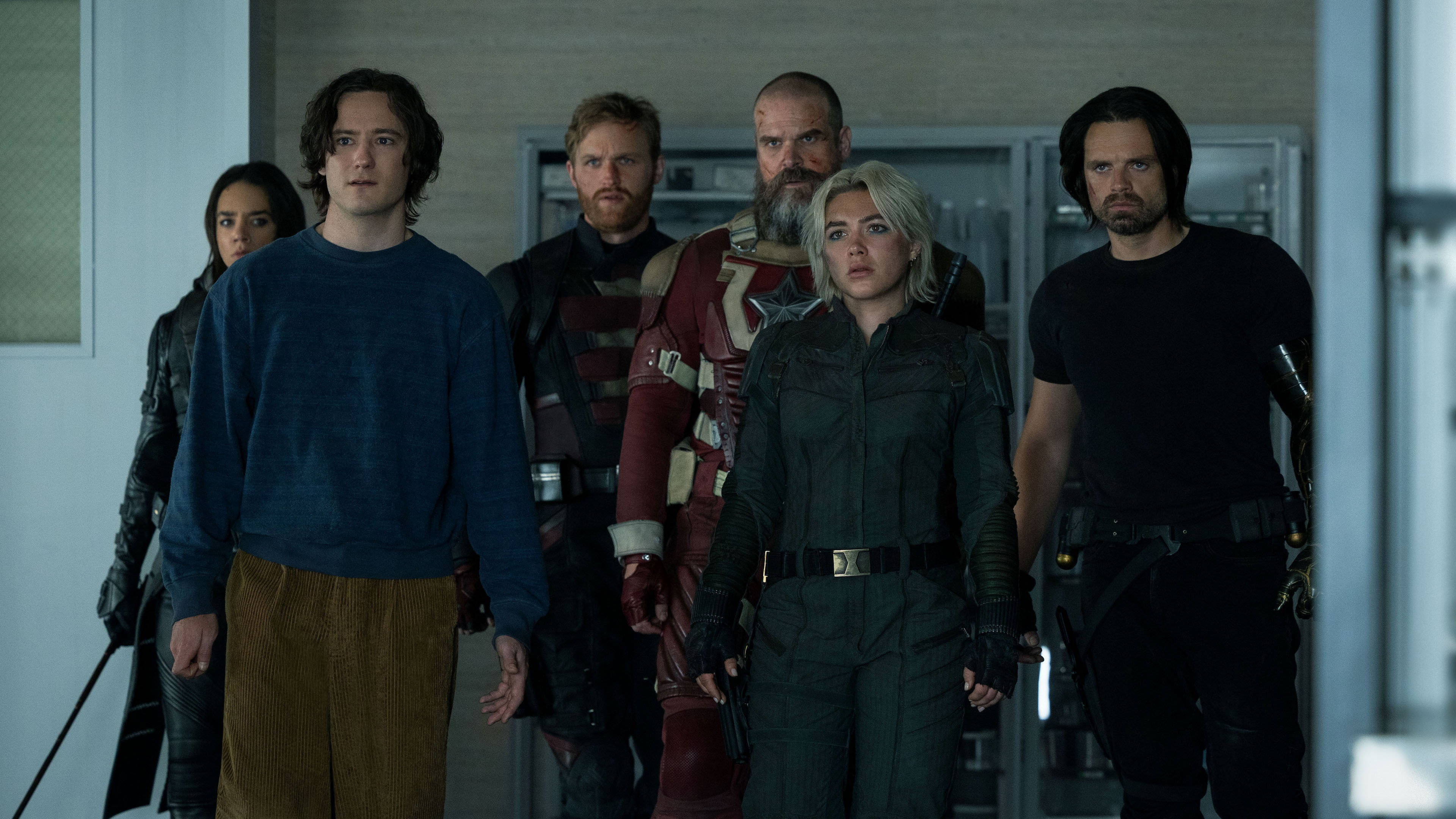
Marvel sends its spare parts into a hole and comes back with a film about not feeling well. Florence Pugh carries it; the first act dawdles and the fights are ordinary, but the ending earns its quiet.
Thunderbolts, asterisk included, is a Marvel film made from the people the studio had left lying around. A Black Widow who is not the famous one. A Captain America who was sacked. A woman who walks through walls, a Russian super-soldier who now drives a limousine, and Bucky Barnes, who has been elected to Congress and looks as surprised about it as we were. Jake Schreier puts them in a hole and asks what they are for. Nobody is sure, and it is the first Marvel film in some time to be about something a person on a sofa might recognise: not much wanting to get up.
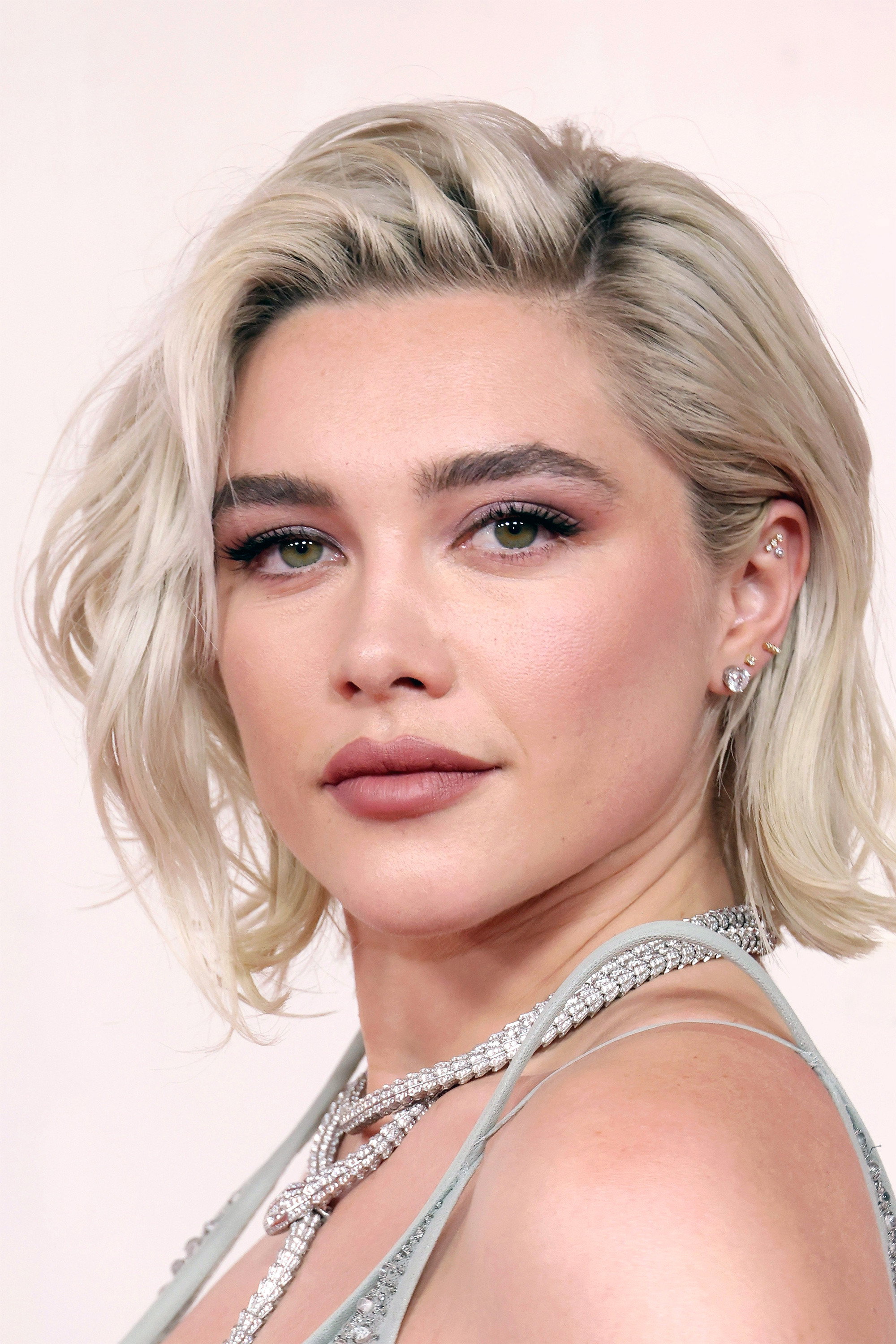
Florence Pugh is the reason it works. The film opens with Yelena telling us in voiceover that there is something wrong with her, and then going to work anyway. She does the job she was sent to do with the air of someone getting through the washing-up. Pugh plays boredom as a kind of grief, flat-voiced and heavy-shouldered, and she is funny about it without once asking us to find her cool. Her scenes with David Harbour, as Alexei, the man who raised her, are the best written in the film. We laughed at Alexei more than we meant to, a large man telling the same story about his glory days to anyone within reach, and then felt slightly ashamed, because the film shows us a second after each joke that he is lonely and knows it.
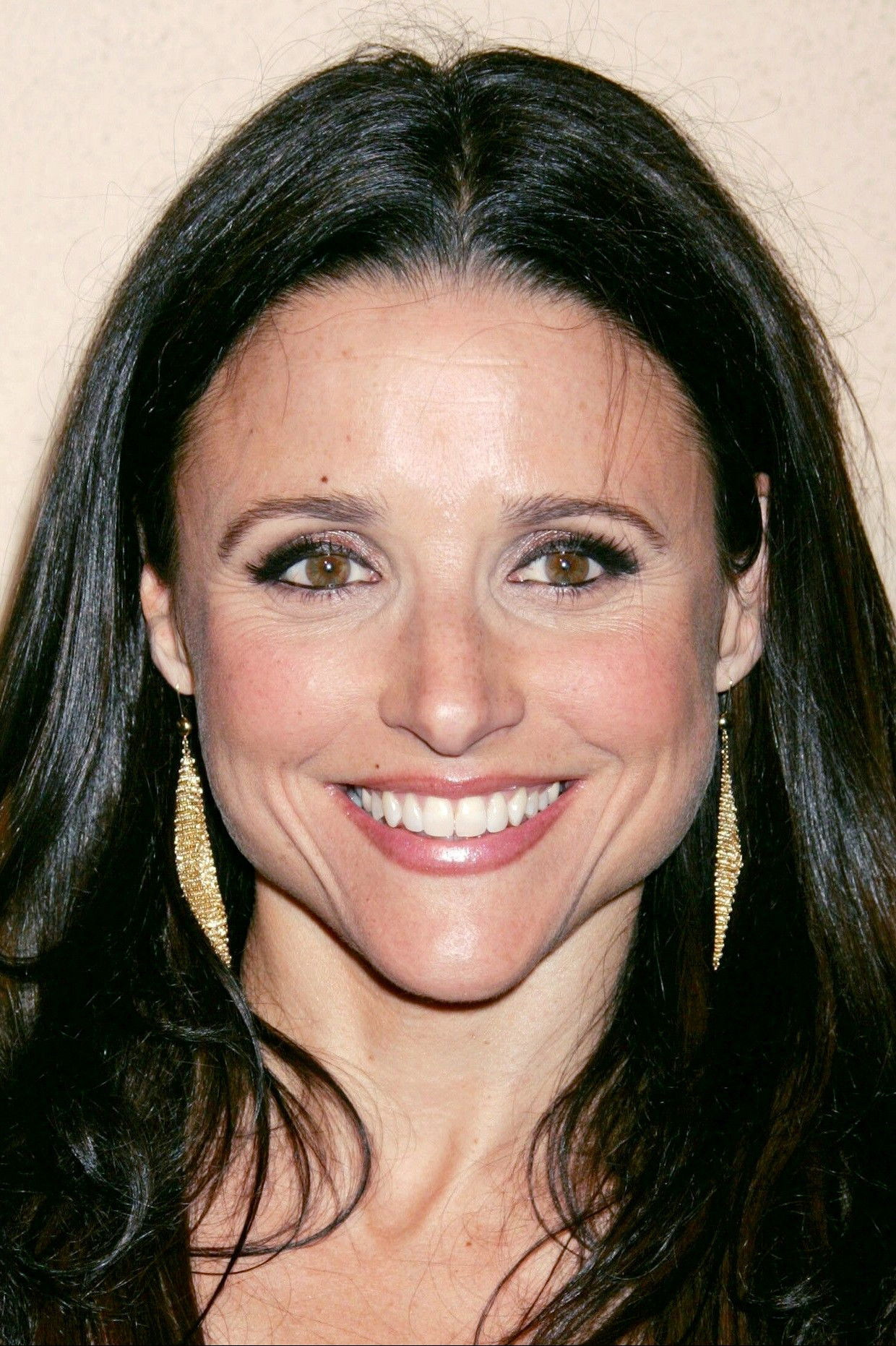
Lewis Pullman is the surprise. Robert Reynolds wanders into the vault in pyjamas with no memory of how he got there, and Pullman gives him a stammer and a smile that keeps apologising for itself. What he turns out to be we will not describe; the second half depends on him and he carries it. Julia Louis-Dreyfus has a fine time as Valentina, a CIA director who treats her own impeachment as a scheduling problem, but the script by Eric Pearson and Joanna Calo gives her the same three notes for two hours. Geraldine Viswanathan, as her assistant Mel, has the best deadpan in the film and about six lines.
Andrew Droz Palermo shoots it without sun. Grey concrete, brown offices, blue night, and Grace Yun’s vault is a bunker of steel doors and dust. It is deliberate and a little much. The score by Rafiq Bhatia, Ian Chang and Ryan Lott is low pulses and a choir that sighs rather than swells. Harry Yoon and Angela M. Catanzaro cut the vault fight so we can see who is hitting whom. The fights are clear and they are ordinary. A chase involving Alexei’s limousine goes on for some time and we could not describe a single shot from it.
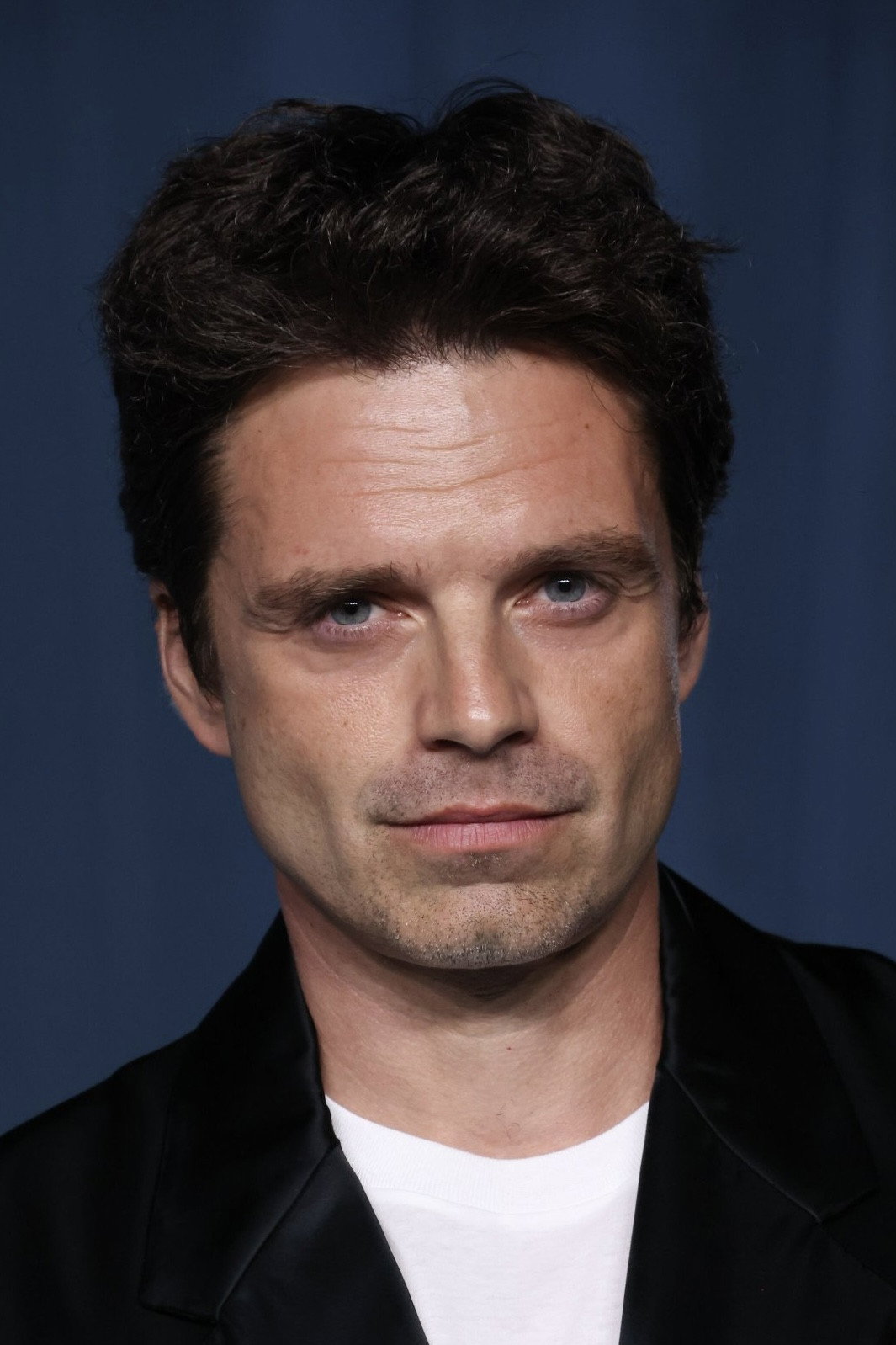
The first forty minutes are slow in a way the film mistakes for mood. Valentina’s hearings, Bucky in a suit, a congressman called Gary (Wendell Pierce) making speeches: all of it is set-up, and somewhere in the second hearing we noticed we were checking the time. Sebastian Stan is stranded in a part that is mostly standing in doorways. The second half takes a turn we will not describe, except to say that it turns something private into something the whole cast can walk around in, and that the film then has a character explain what we are looking at when the pictures had already done it.
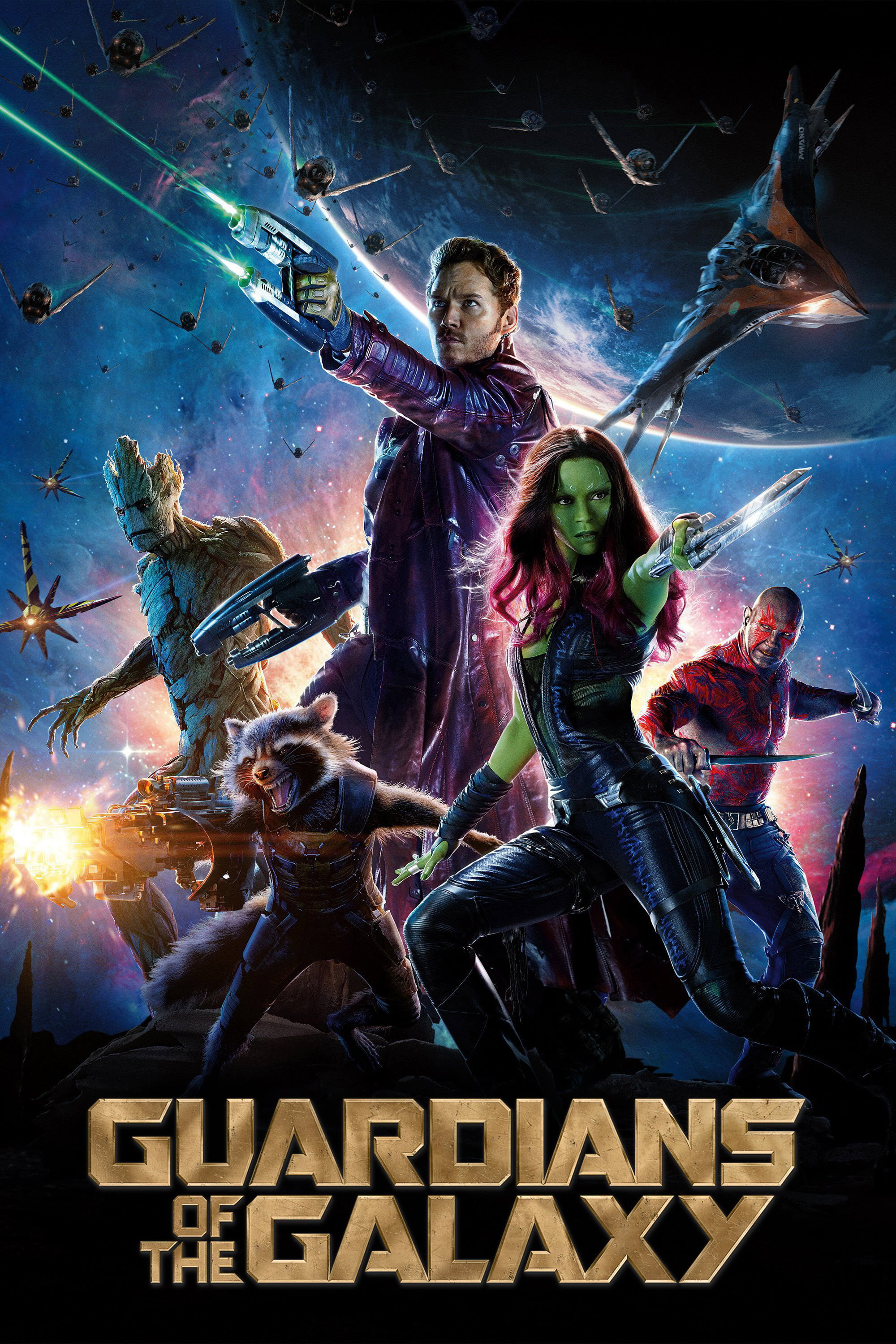
Against the studio’s record it is a modest thing. Guardians of the Galaxy (2014) had a similar collection of leftovers and a great deal more fun; this has less fun and more feeling. Against Black Widow (2021), which introduced Yelena and Alexei and did not know what to do with either, it is a clear improvement. What it ends with moved us more than a film with an asterisk in its title had any right to, and Pugh does most of that with her face.
It runs 127 minutes and carries a 12A. See it if you have kept up; it assumes you know who these people are. If you have not, Pugh will carry you anyway, and the asterisk means something we will leave the film to explain.