Film review

Titanic

1997 · Directed by James Cameron · 3h 14m · MPA PG-13

In a sentenceKate Winslet could have sold us the romance without quite so much help from the orchestra

DramaRomance

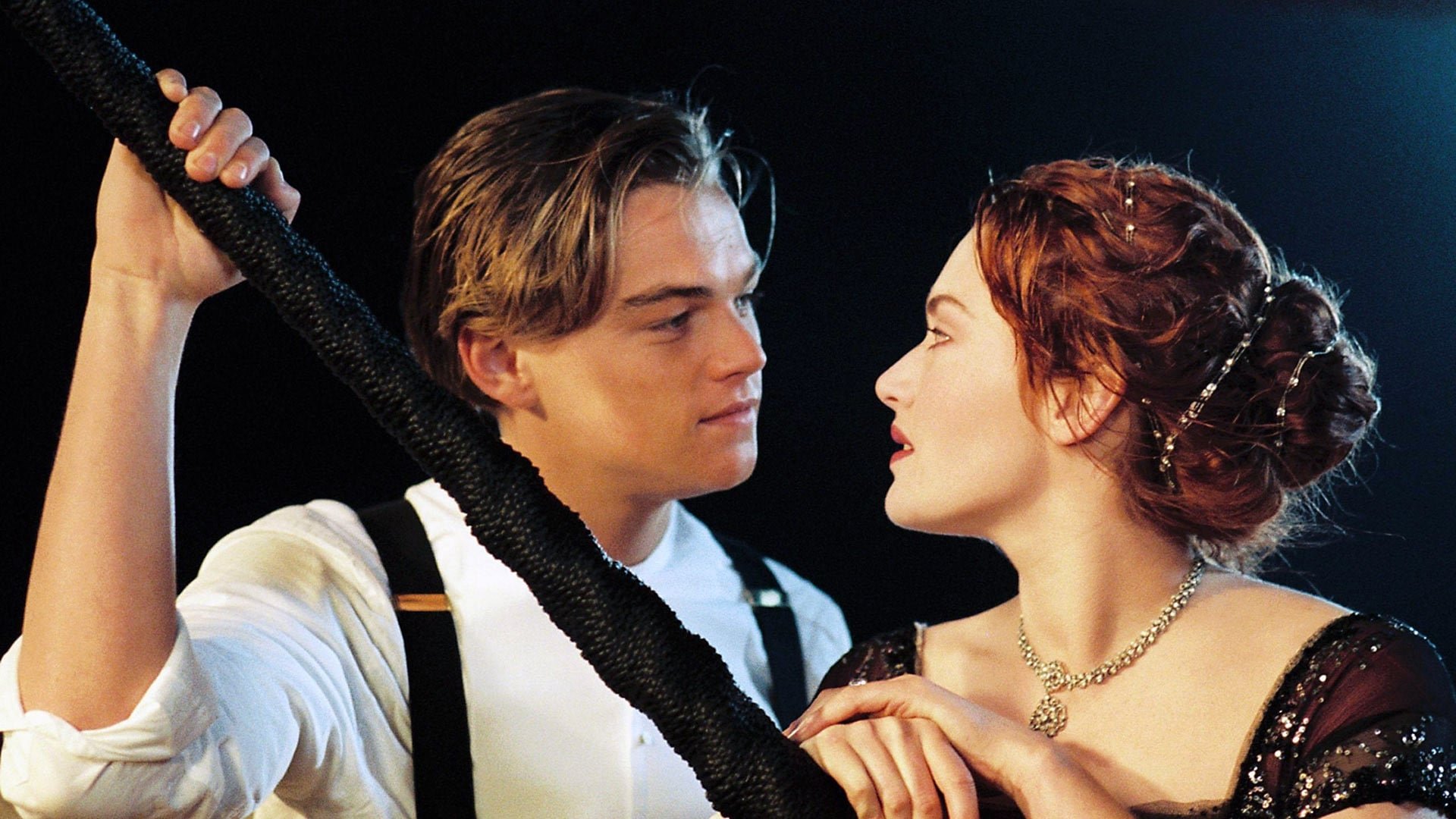
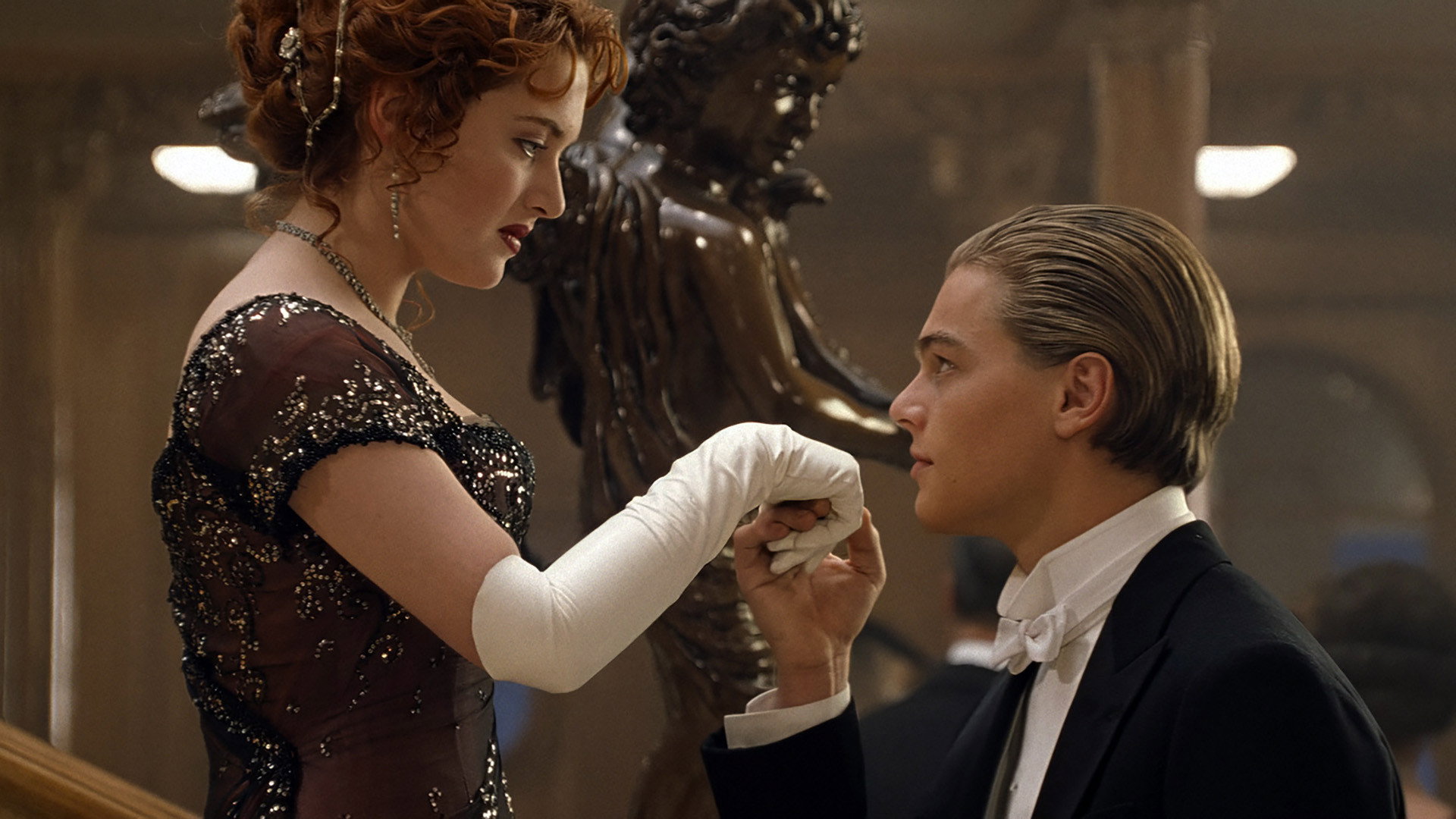
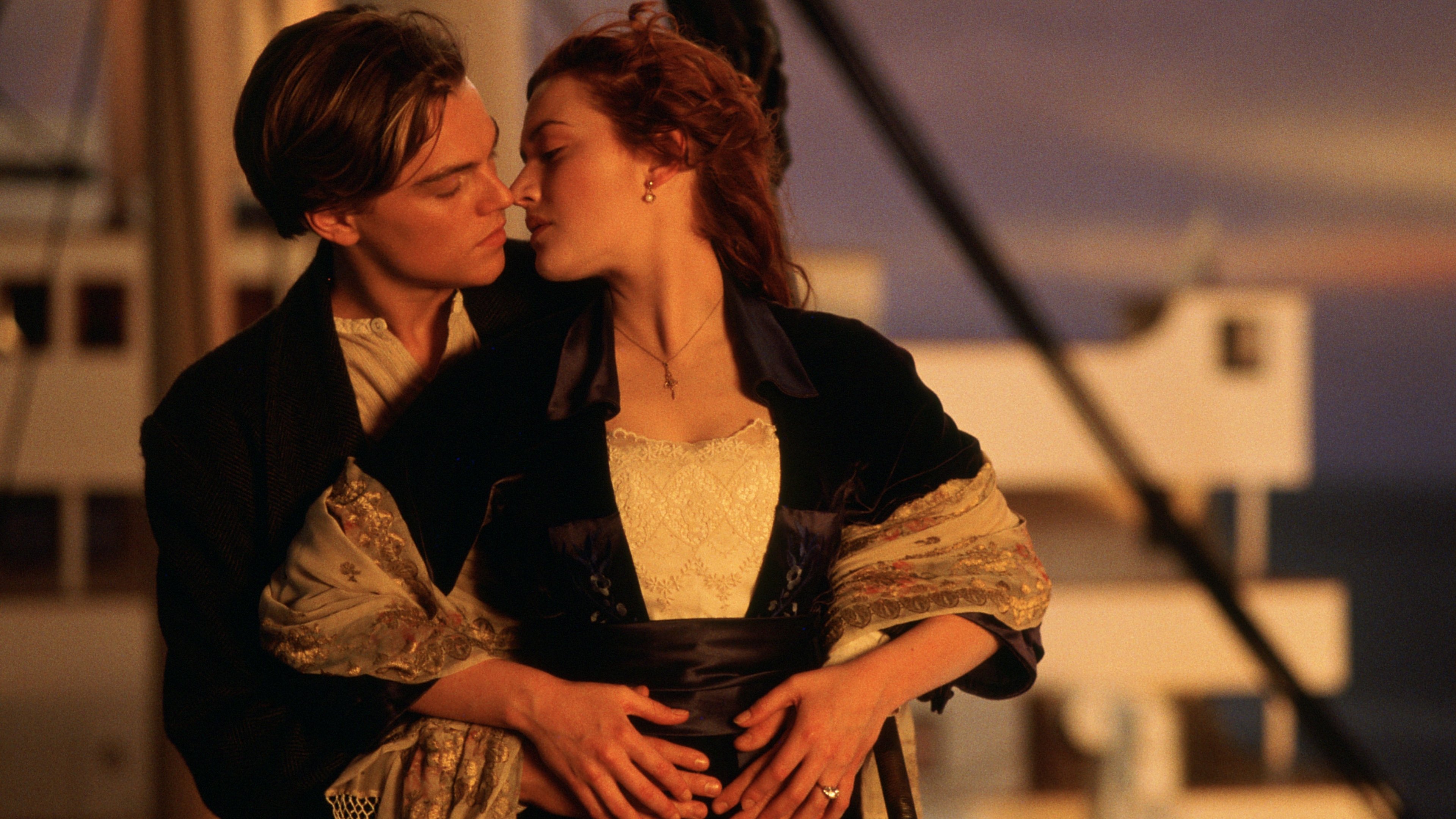
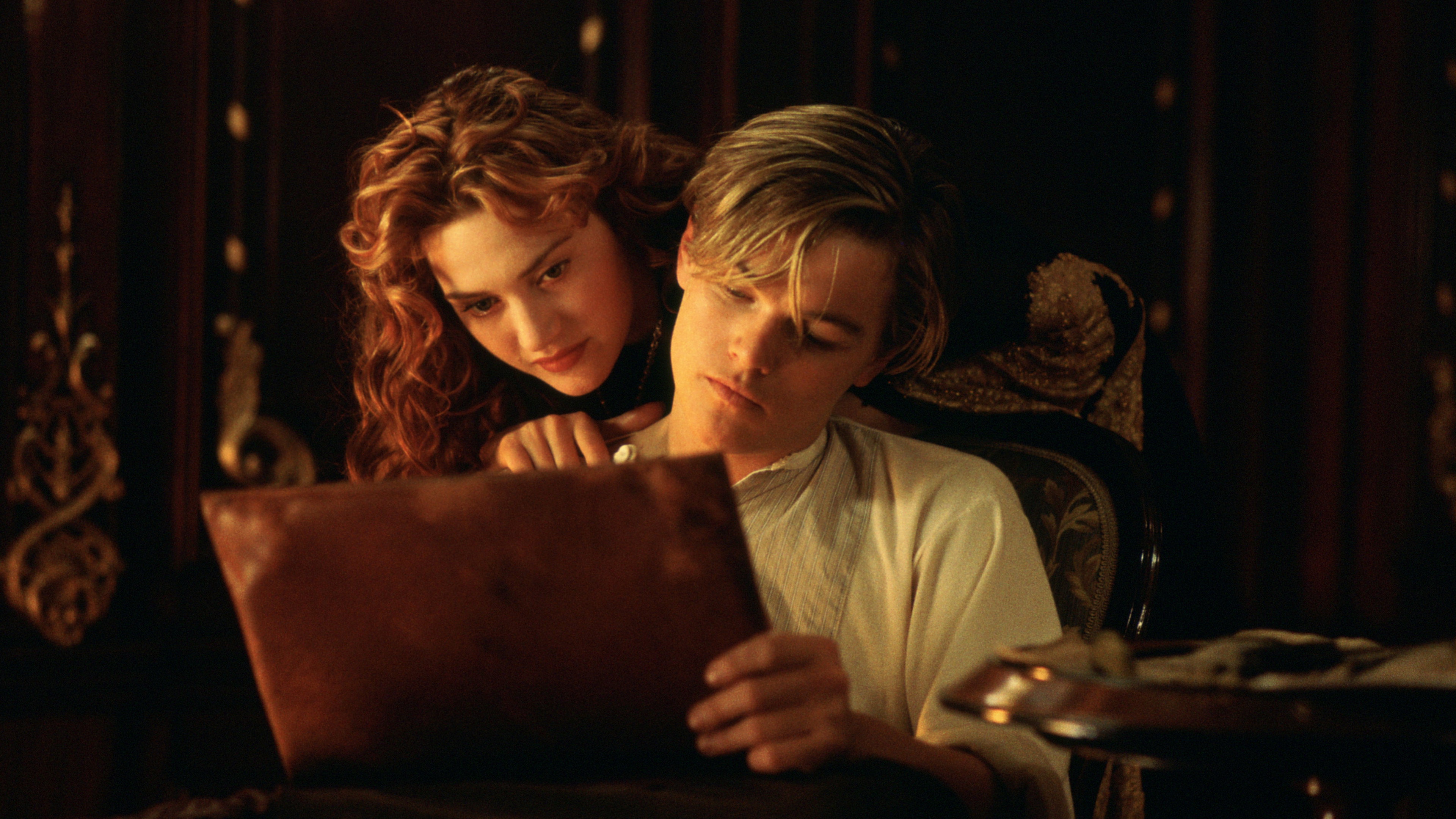
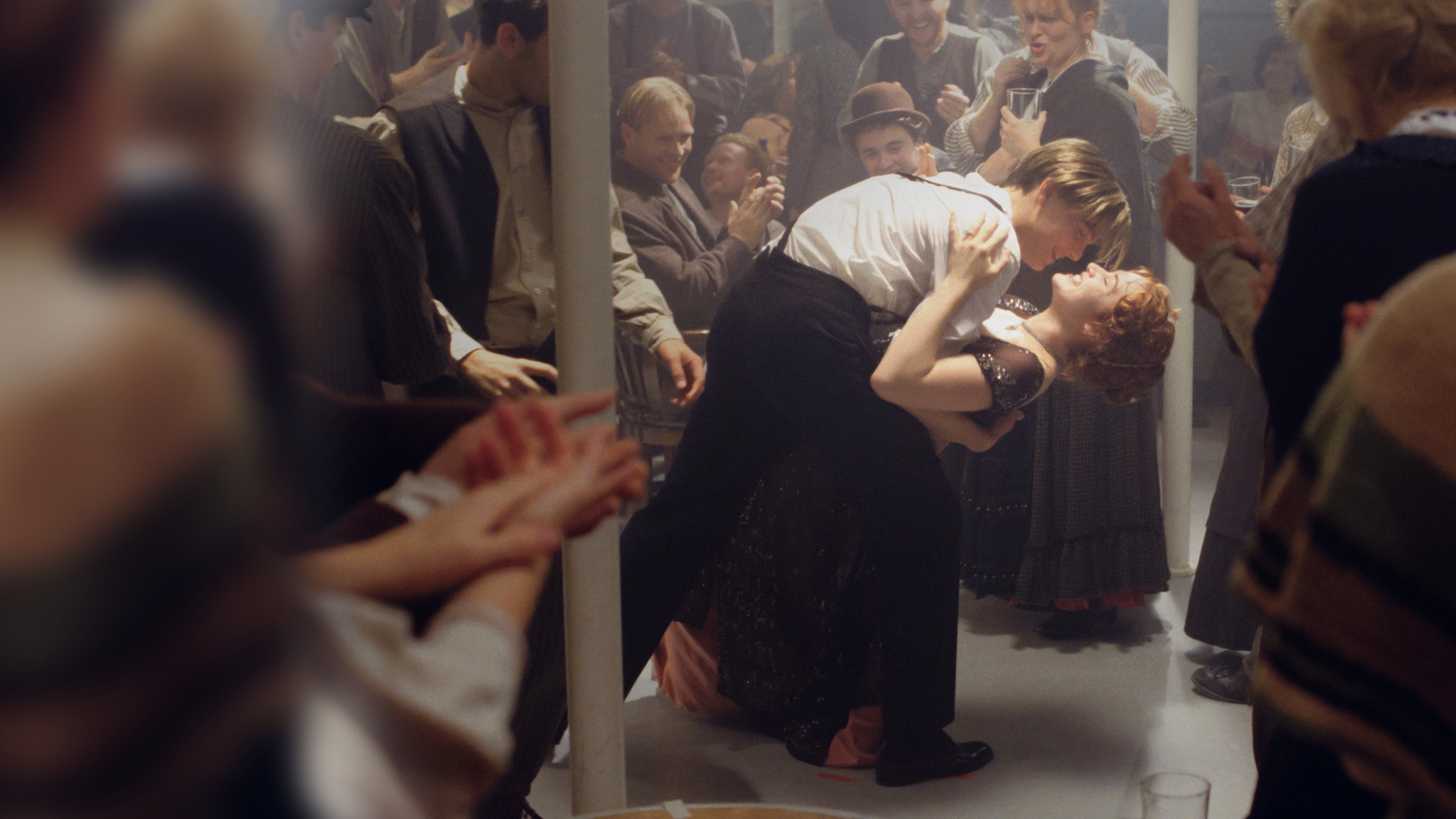
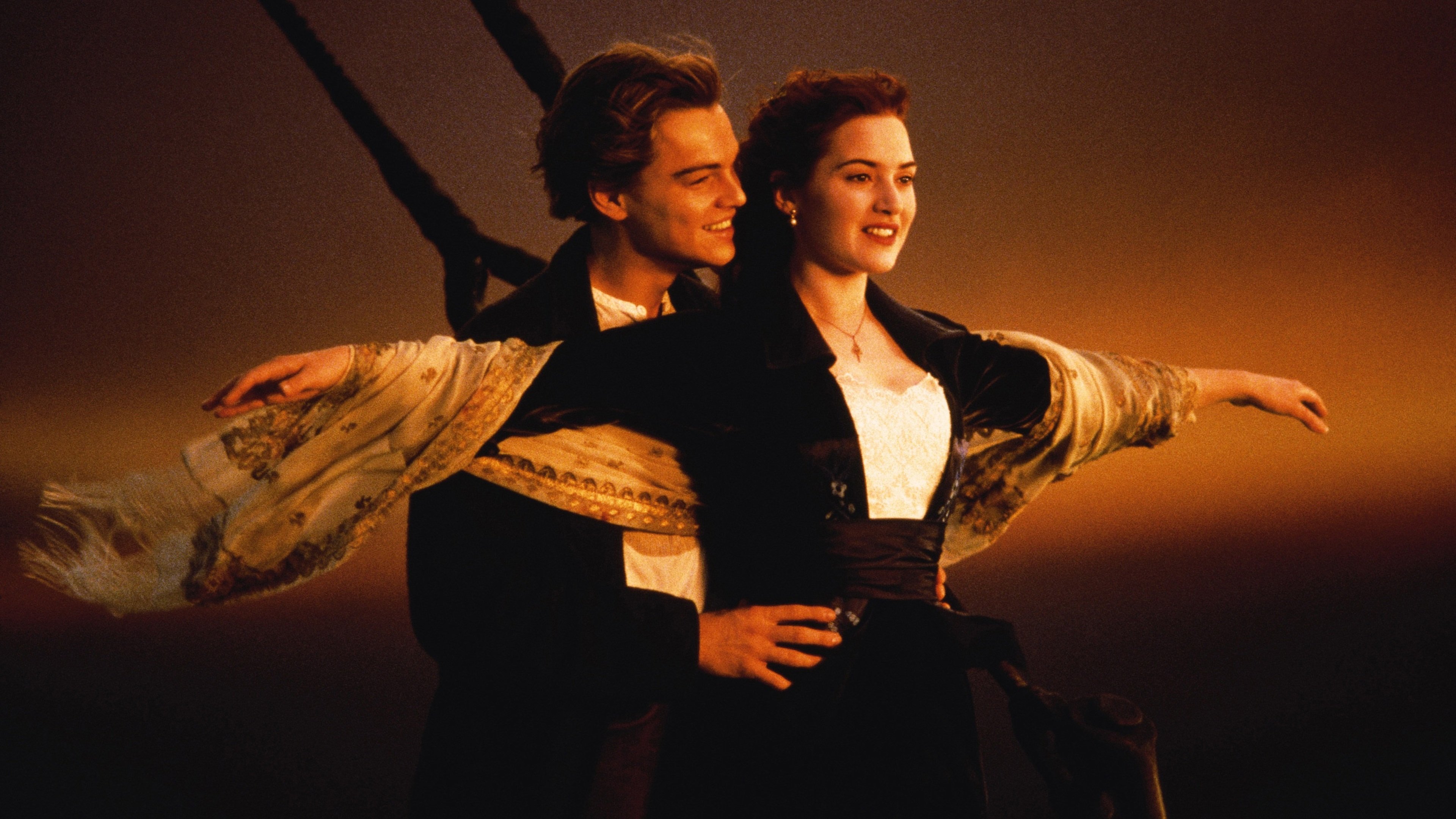
On the passenger liner Titanic, a society girl and a third-class passenger begin a romance across the ship’s class divide. Kate Winslet plays Rose DeWitt Bukater and Leonardo DiCaprio plays Jack Dawson, the young couple at the centre of James Cameron’s drama. Their story unfolds among passengers whose wealth and position separate them despite their shared voyage. Billy Zane plays Cal Hockley, with Kathy Bates as Molly Brown and Frances Fisher as Ruth DeWitt Bukater. Gloria Stuart appears as the older Rose, as the film sets its love story within the history of the Titanic disaster.

Plays from YouTube when you press play; nothing loads from them until then.

Fi1m review

James Cameron’s Titanic makes its romance matter as much as its spectacle. Kate Winslet supplies the conviction that the dialogue sometimes lacks, while the disaster sequences are frighteningly clear and forceful.

James Cameron’s Titanic earns its great rush of feeling, despite dialogue that repeatedly makes us wince. Its romance gives a human scale to the historical disaster, asking us to care about two people within a much larger catastrophe. Cameron wants the excitement of an adventure and the intimate pleasure of watching an attraction take hold. He has 194 minutes in which to persuade us, and the actors do enough to justify the commitment.

Kate Winslet gives Rose DeWitt Bukater the intelligence and impatience the romance needs. She makes attraction feel consequential, so that a familiar story about a society girl and a third-class passenger has something at stake beyond their being young and appealing. Leonardo DiCaprio’s Jack Dawson is more straightforward, but his openness gives Winslet something useful to respond to. The difference between them is easy to read, and the actors make us interested in what they find in one another.

The words are the persistent problem. Cameron’s screenplay states feelings that the performances have already made clear, then keeps pressing the point until the simplicity starts to feel condescending. The class divide needs little explanation, yet the writing repeatedly insists on how we should judge the people on either side. Billy Zane brings force to Cal Hockley, but the broad characterisation leaves him little room to suggest anything we have not already understood.

Russell Carpenter’s cinematography is more persuasive about the attraction of privilege: the luxury looks desirable, which gives Rose’s dissatisfaction some weight. Peter Lamont’s production design makes the ship convincing as a place divided by money and status. The ship’s luxury has a dramatic purpose because Rose belongs to it and Jack does not. This is useful visual storytelling, and it makes the scale of the production matter to the romance.

The disaster sequences frightened us. Editors Conrad Buff IV, Richard A. Harris and Cameron give the physical danger a clarity that allows fear to build, keeping the human predicament legible within the spectacle. Cameron’s direction is forceful here without making the action difficult to follow, and the effects hold our attention because the people still matter. By the standards of disaster films, this attention to the audience’s bearings is a considerable virtue.

James Horner’s score occasionally works too hard, swelling towards feelings that the actors have already earned. Its insistence suits Cameron’s appetite for large emotions, but a little less encouragement would let some moments feel more personal. Gloria Stuart’s older Rose provides a welcome measure of restraint, bringing an emotional weight that does not depend on the young couple’s attractiveness. Her performance gives the film room for tenderness without requiring another declaration.

There is something welcome about a large-scale romance that expects us to take its lovers seriously. Cameron gives their attraction the same attention he gives the physical spectacle, and Winslet makes that faith pay off. Set aside the evening, and choose company who can forgive a bad line without talking over the next scene.

Critical consensus AI synthesised

2 of 6
Positive
1
Mixed
0
Negative
1
Radio Times
★★★★★ · Adrian Turner
100

The critic praises the film's revival of old-style studio gloss in a three-hour epic love story between a society girl and a third-class passenger, noting its sumptuous emotional assault and the final hour's capture of horror and fear. Cameron's direction and specific shots are highlighted for their fun and spectacle.

Read the full review →
Los Angeles Times
19 December 1997 · Kenneth Turan
40*

The review deems the film a spectacular failure in its central love story and writing, which fail to engage despite strong performances, but acknowledges the compelling power of the sinking sequence as a virtuoso action set piece. It concludes that director James Cameron needs to find a new creative partner, preferably someone who can write.

Read the full review →
Evening Standard
16 November 2013

The re-release in 3D enhances the spectacle of the already masterful film, with added poignancy from seeing the young stars and the inevitability of the story heightening its emotional impact.

Read the full review →
The Hollywood Reporter
3 November 1997 · Duane Byrge

Cameron’s epic blends spectacular effects with a heartfelt central romance and philosophical depth, elevating it far above typical disaster spectacles. The critic singles out the luminous performance of Gloria Stuart as the elderly Rose and Cameron’s masterful direction and technical achievements for particular praise.

Read the full review →
The Independent
25 January 1998 · MS

The critic finds Titanic one of the most spectacular films ever made yet also one of the most badly written, with unspeakable dialogue that nonetheless does not sink the picture thanks to its apocalyptic direction and effects.

Read the full review →
The New York Times
19 December 1997 · NYT Critic’s Pick · Janet Maslin

The critic hails the film as a magnificent spectacle that invites comparison to Gone With the Wind, praising its ability to create a thrilling three-plus-hour experience that draws viewers into its lost world. The review singles out the graceful storytelling and the seamless integration of the young lovers with historical details of the Titanic disaster.

Read the full review →

Cast

Stills

Awards

César Award for Best Foreign Film, 1999

Nominated
César Award for Best Foreign Film

Academy Awards, 1998

Nominated
Best Actress
Nominated
Best Makeup and Hairstyling
Nominated
Best Supporting Actress
Won
Best Cinematography
Won
Best Costume Design
Won
Best Director
Won
Best Film Editing
Won
Best Original Dramatic Score
Won
Best Original Song
Won
Best Picture
Won
Best Production Design
Won
Best Sound
Won
Best Sound Editing
Won
Best Visual Effects

Amanda Award for Best Foreign Feature Film, 1998

Won
Amanda Award for Best Foreign Feature Film

European Film Academy Achievement in World Cinema Award, 1998

Nominated
European Film Academy Achievement in World Cinema Award

Golden Globes, 1998

Won
Best Original Song

Jameson People's Choice Award for Best Actress, 1998

Won
Jameson People's Choice Award for Best Actress

Japan Academy Prize for Outstanding Foreign Language Film, 1998

Won
Japan Academy Prize for Outstanding Foreign Language Film

Kids' Choice Award for Favorite Movie, 1998

Won
Kids' Choice Award for Favorite Movie

Las Vegas Film Critics Society Award for Best Song, 1998

Won
Las Vegas Film Critics Society Award for Best Song

MTV Movie Award for Best Villain, 1998

Nominated
MTV Movie Award for Best Villain

Producers Guild of America Award for Best Theatrical Motion Picture, 1998

Won
Producers Guild of America Award for Best Theatrical Motion Picture

SAG Awards, 1998

Won
Outstanding Performance by a Female Actor in a Supporting Role

Satellite Award for Best Film, 1998

Won
Satellite Award for Best Film

Saturn Awards, 1998

Won
Best Supporting Actress

Art Directors Guild Award for Excellence in Production Design for a Feature Film, 1997

Won
Art Directors Guild Award for Excellence in Production Design for a Feature Film

If you liked this, try…

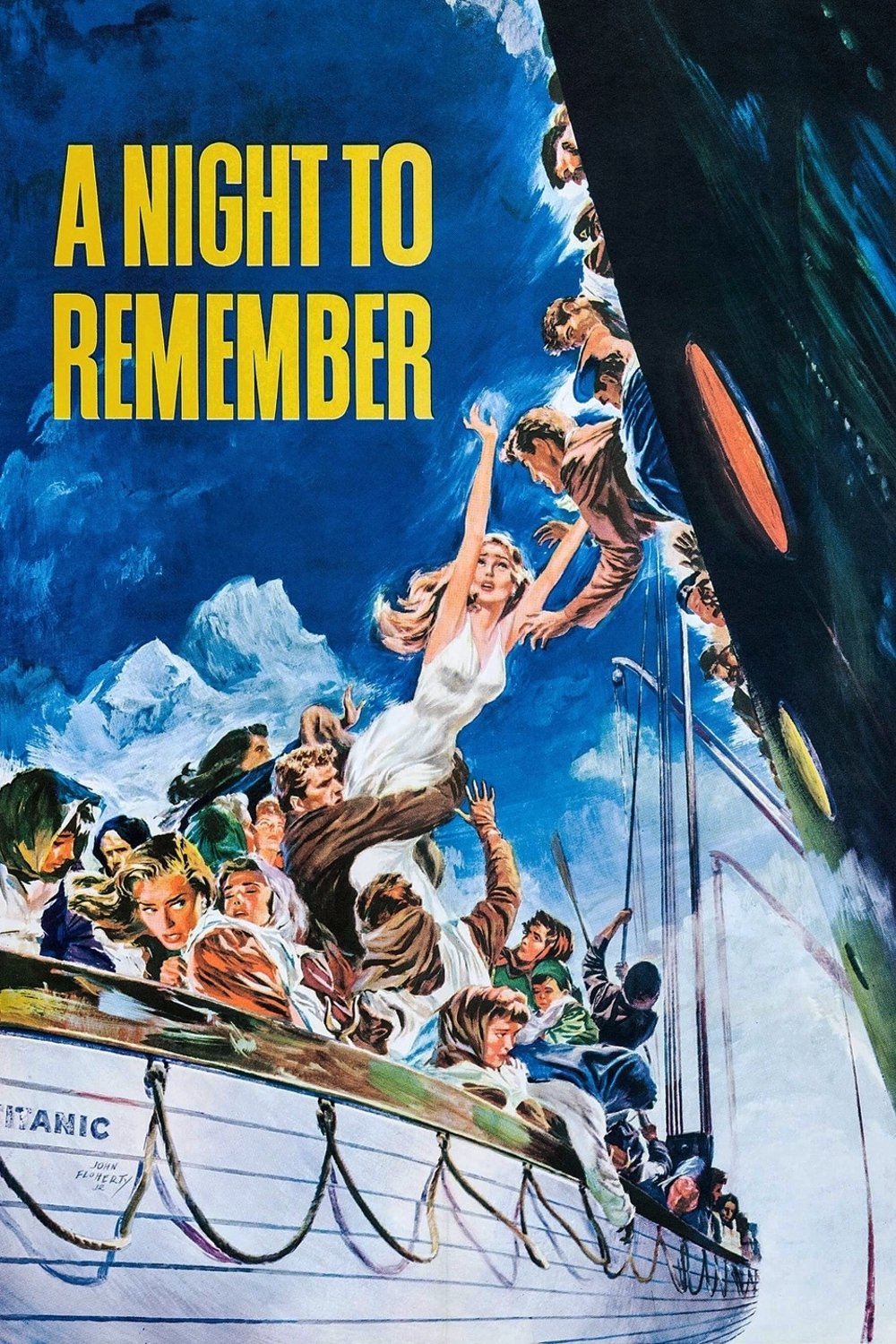
A Night to Remember poster

A Night to Remember

1958 · For the same disaster approached through collective experience rather than a central romance.

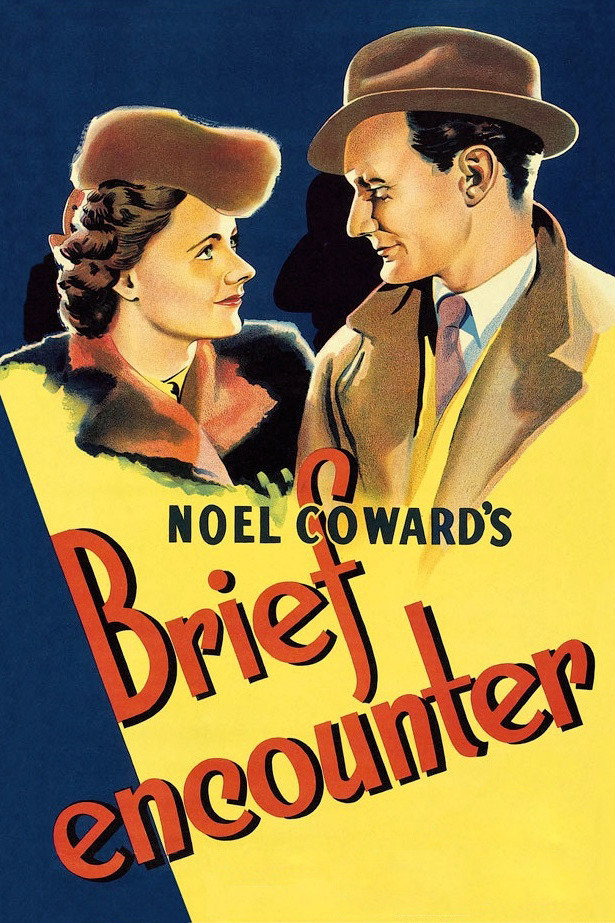
Brief Encounter poster90

Brief Encounter

1945 · For a smaller romance where restraint makes each difficult choice hurt.

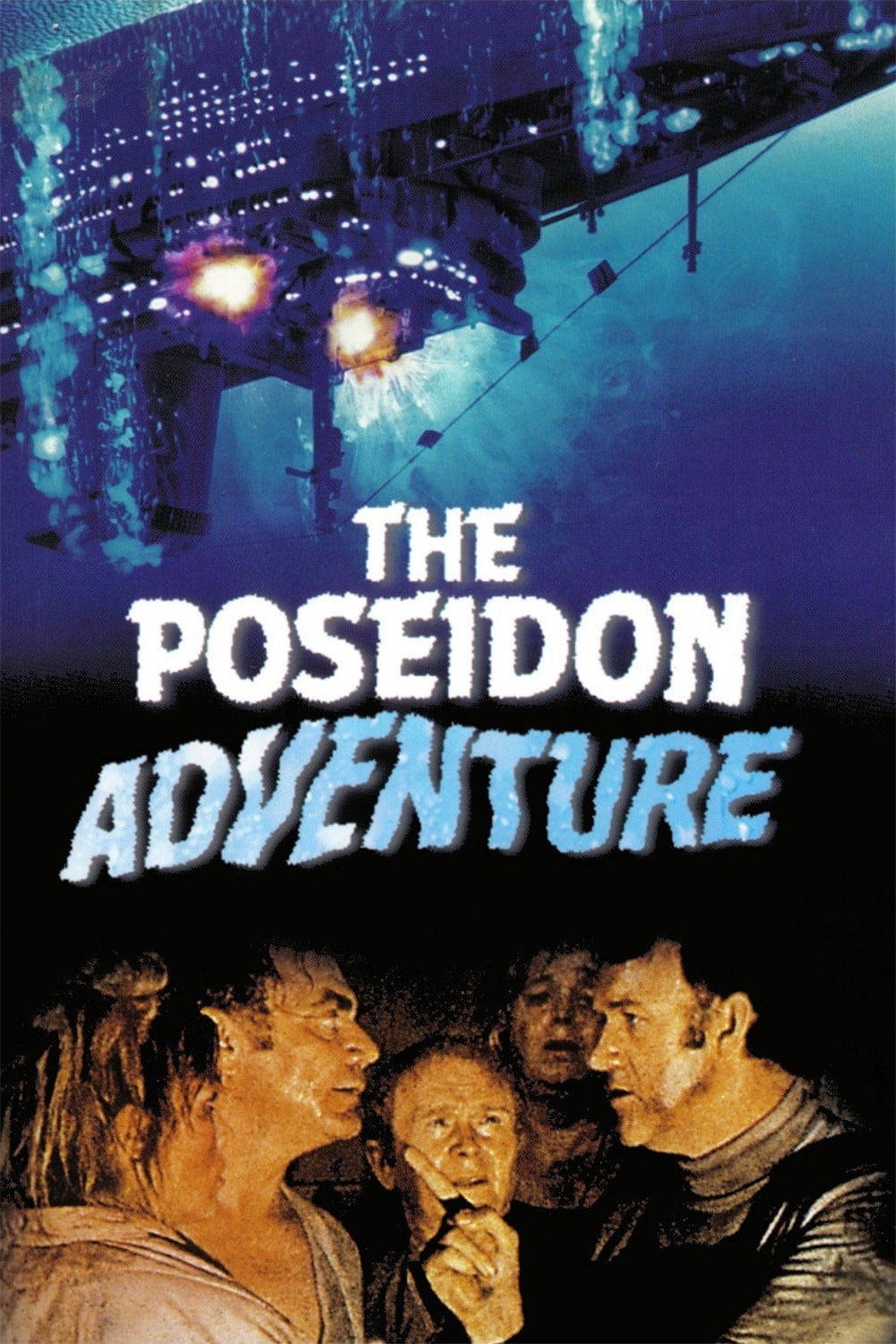
The Poseidon Adventure poster

The Poseidon Adventure

1972 · For another shipboard disaster that turns practical problems into sustained suspense.

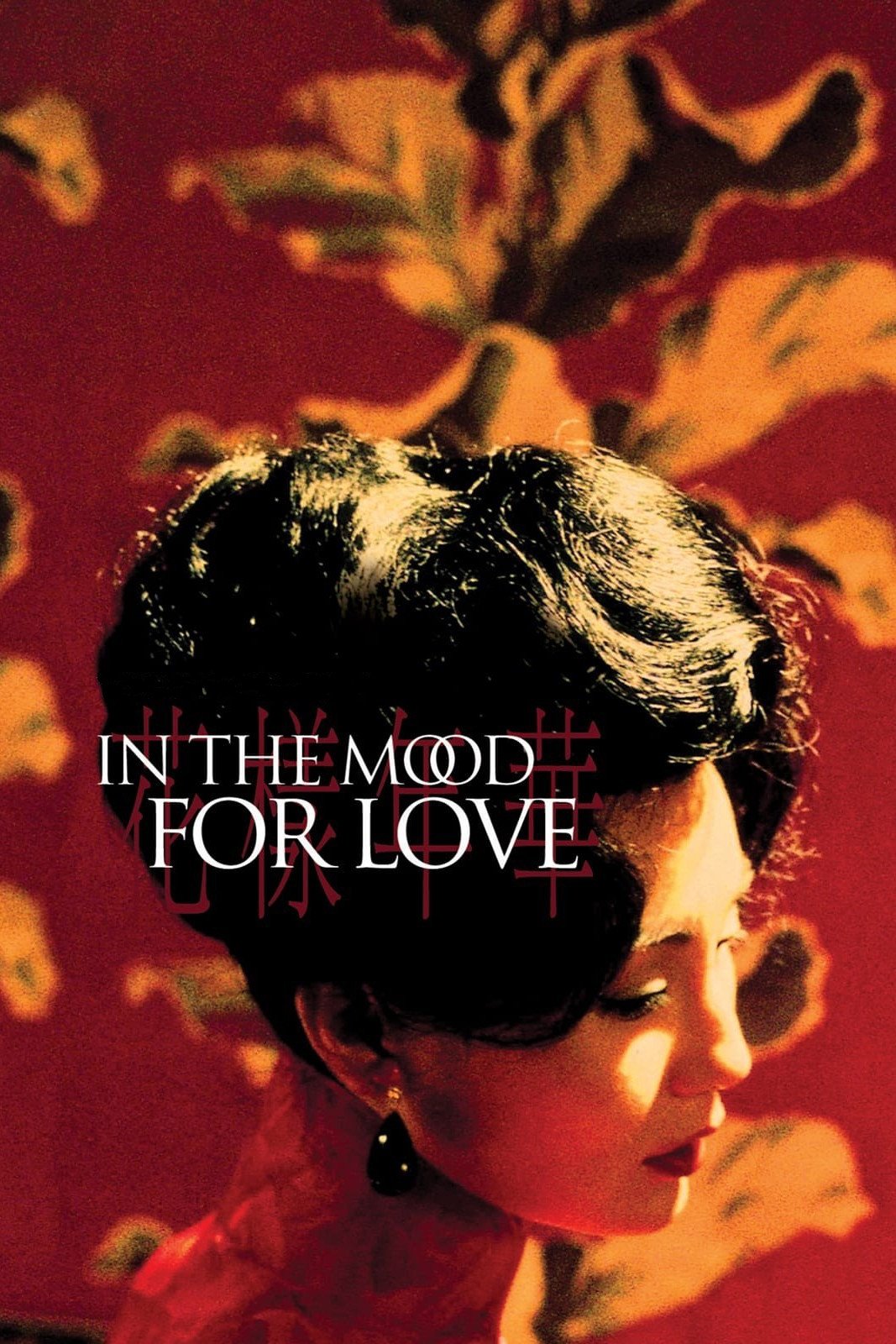
In the Mood for Love poster

In the Mood for Love

2000 · For forbidden attraction expressed through glances, with considerably fewer explanations.

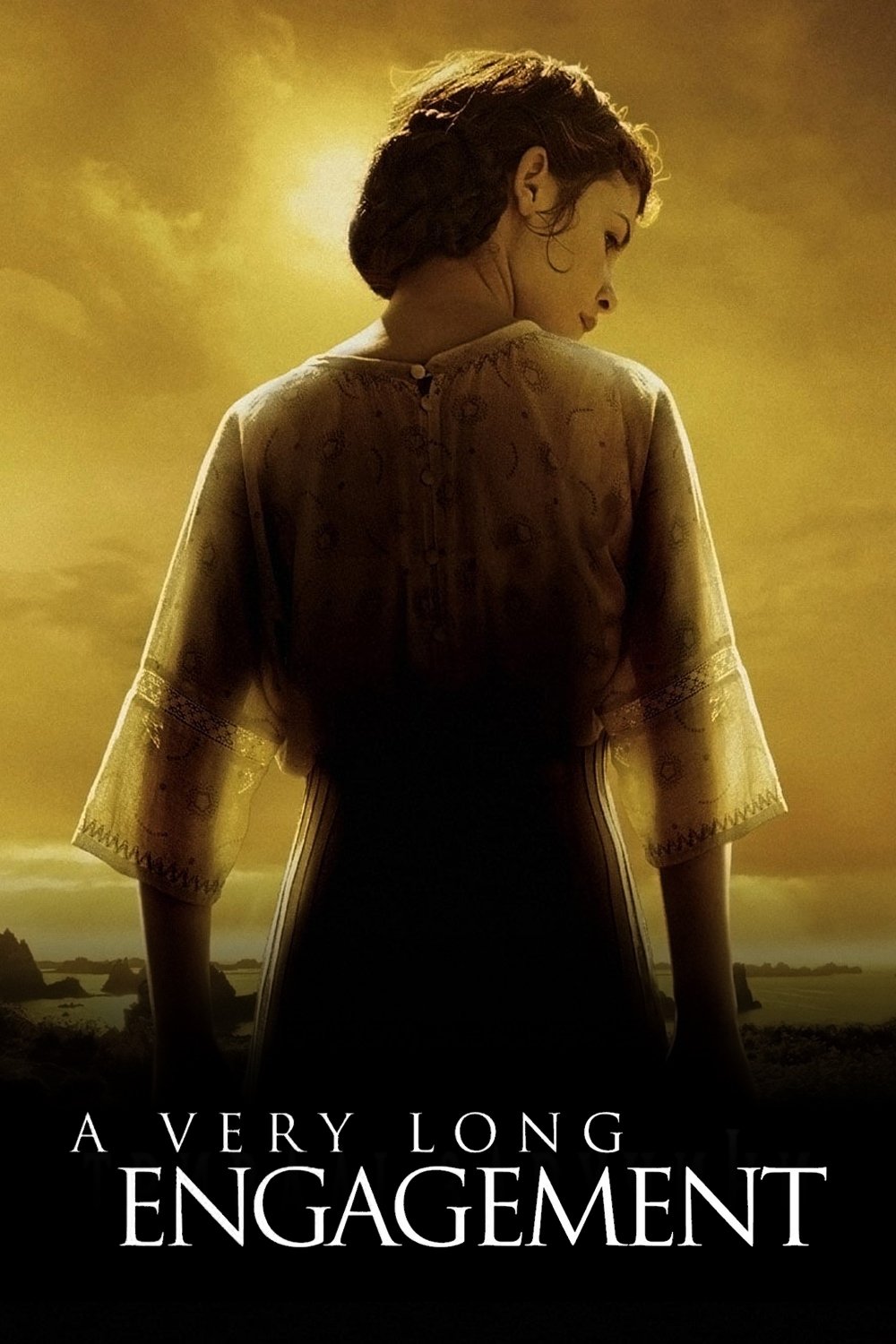
A Very Long Engagement poster

A Very Long Engagement

2004 · For an expansive period romance with danger, separation and stubborn hope.