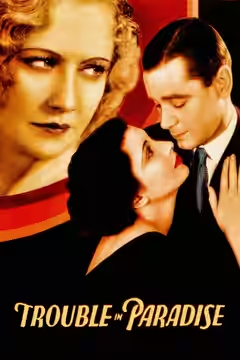
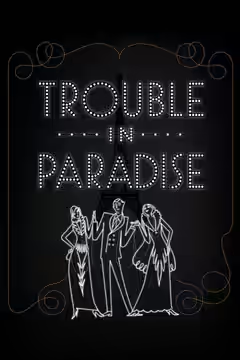
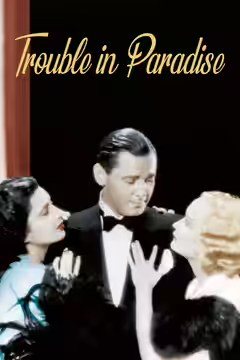
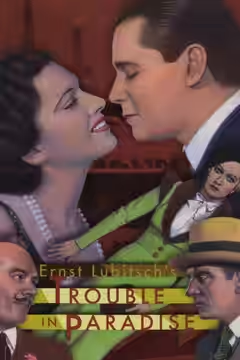
Ernst Lubitsch’s romantic comedy is funny, deft and warmly recommended. The dialogue gives its charming cast plenty to enjoy, although their polished manners occasionally make the prospect of anyone getting hurt seem rather remote.
Ernst Lubitsch’s Trouble in Paradise understands the pleasure of being in questionable company. It is funny, brisk and worth your evening, with one reservation: the characters occasionally seem too practised at being charming. Samson Raphaelson’s screenplay makes dishonesty part of the attraction, giving the actors dialogue that rewards close attention without demanding hard work. The film runs for 83 minutes, and its confidence in leaving explanations to the audience helps make that running time feel generous rather than hurried.
The opening puts a gondolier’s song beside a boatload of rubbish. We laughed at the contrast between the song and the cargo. Lubitsch gets the joke across without treating romance as something foolish, and that generosity matters when we are asked to take pleasure in people who deceive one another. The same confidence carries into the dialogue, where the speed of an exchange never seems to prevent the actors from enjoying what they are saying, or giving us time to enjoy it too.
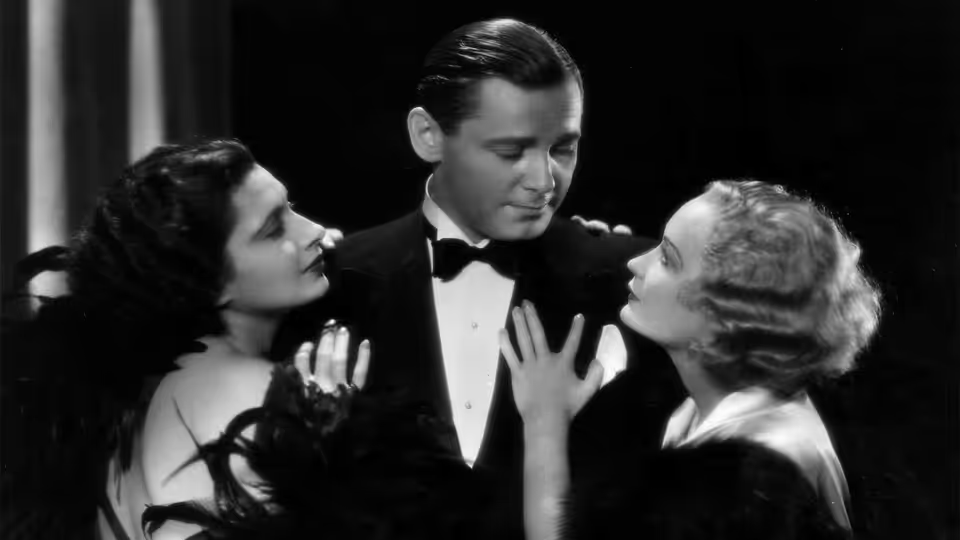
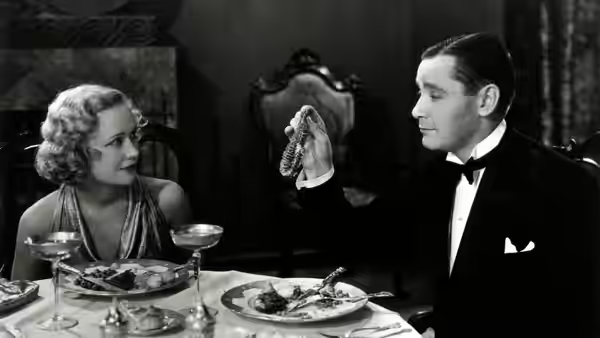
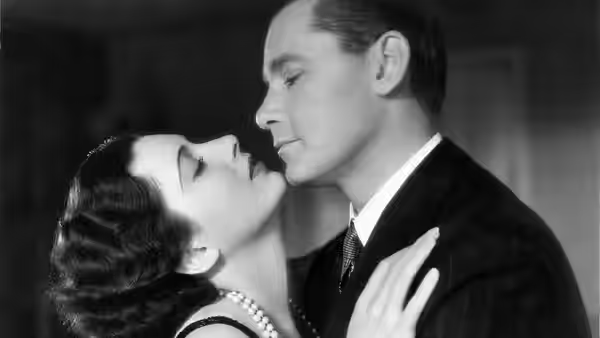
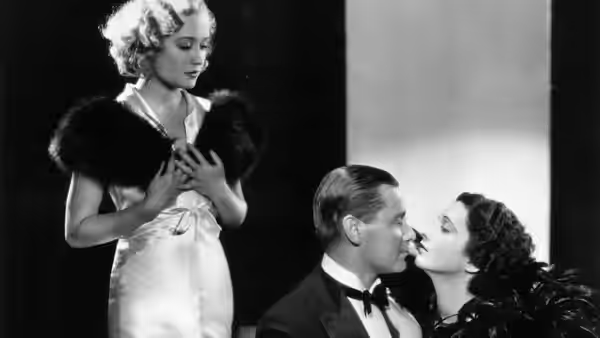
Herbert Marshall gives Gaston the calm that this kind of comedy needs; fussier playing would make the deception look like hard work. Miriam Hopkins’s Lily brings welcome impatience to that composure, and their exchanges are funniest when both performers seem certain they have got the measure of the other. Kay Francis gives Mariette enough warmth to make the possibility of someone’s feelings being hurt matter. None of the three needs to advertise a joke before delivering it, and their restraint leaves room for small differences in emphasis to register.
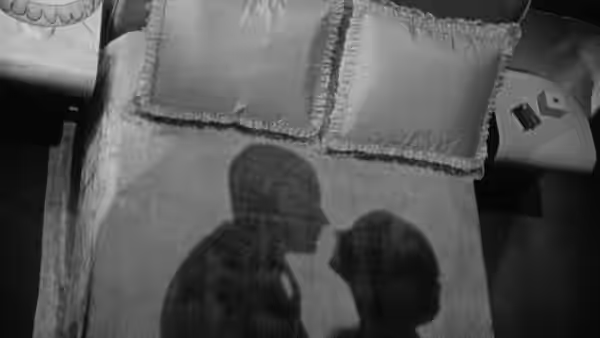
Victor Milner’s cinematography gives the performances room, while the Art Deco sets suit people who take appearances seriously. The rooms are pleasurable to look at, although their polish sometimes reinforces the feeling that everyone is a little too comfortable being observed. Travis Banton’s costumes help make the characters’ assurance convincing: looking so composed seems to be part of their preparation for dealing with other people. The visual care works because it does not distract from the faces or compete with the conversation.
The editing is particularly good at sustaining the exchanges without making the pace feel imposed on the actors. Lubitsch understands that a pause can be enjoyable when we are waiting to hear how someone will get out of a difficulty. W. Franke Harling’s music suits the lightness of the playing without making the romance feel too sweet. Within the romantic crime comedy, this is an exacting standard of timing: the talk remains clear, the attraction remains credible, and neither needs a lengthy explanation to keep us interested.
Our reservation is that such composure occasionally becomes airless. Marshall’s restraint is attractive, but Gaston can feel too well rehearsed, while the immaculate surroundings reinforce the sense that everyone has arrived ready to be admired. We wanted a little more awkwardness, particularly when the polished exchanges made the possibility of hurt seem distant. That is a modest complaint, but it matters in a romance, even one so agreeably unwilling to lecture its audience about good behaviour. We recommend it for an evening when respectable company would only spoil the fun.