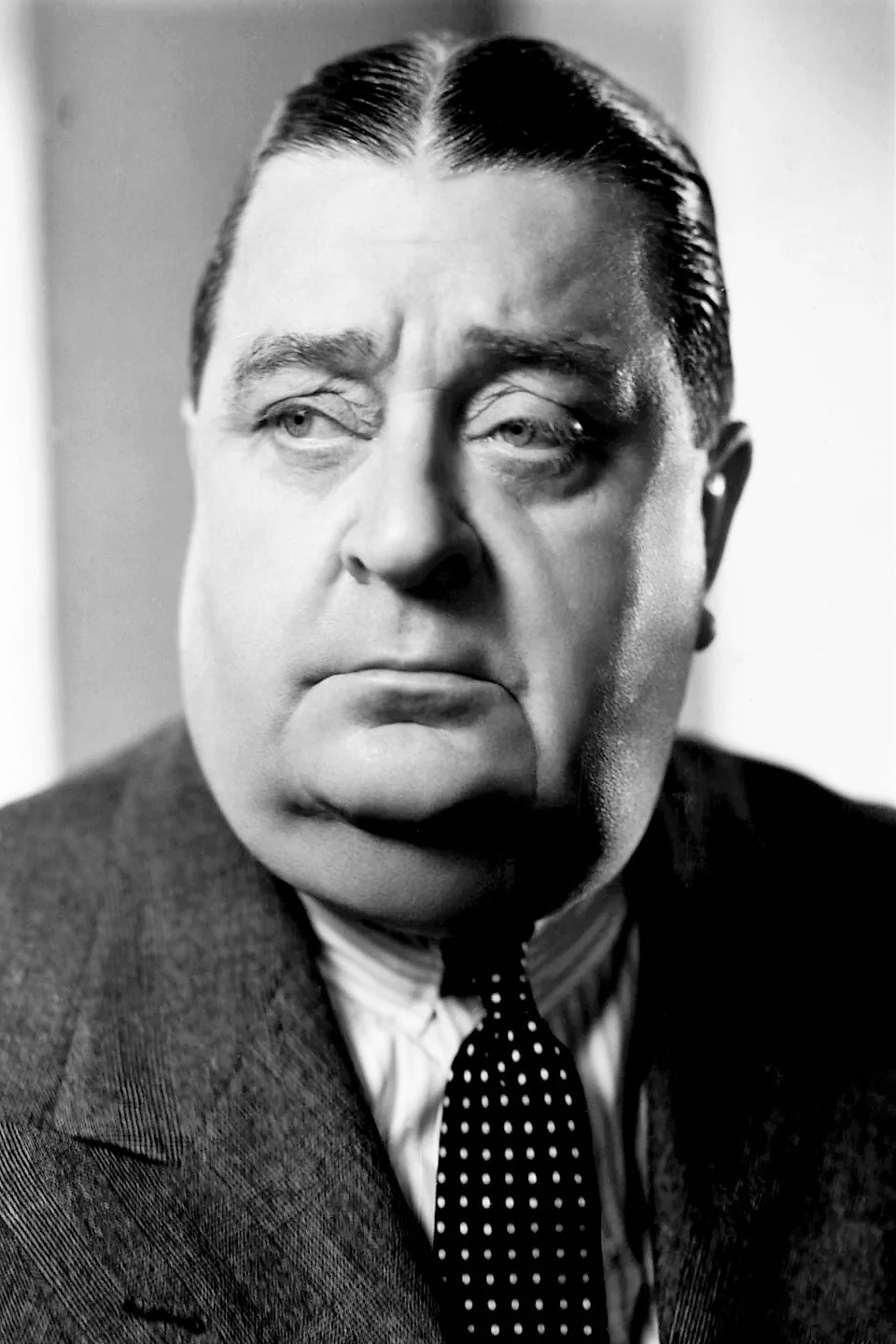
Robert Greig made dutiful servants worth watching without demanding attention. His dry humour was particularly useful to Preston Sturges, though the succession of butler parts leaves us wishing he had been asked to do more.
Fi1m perspective
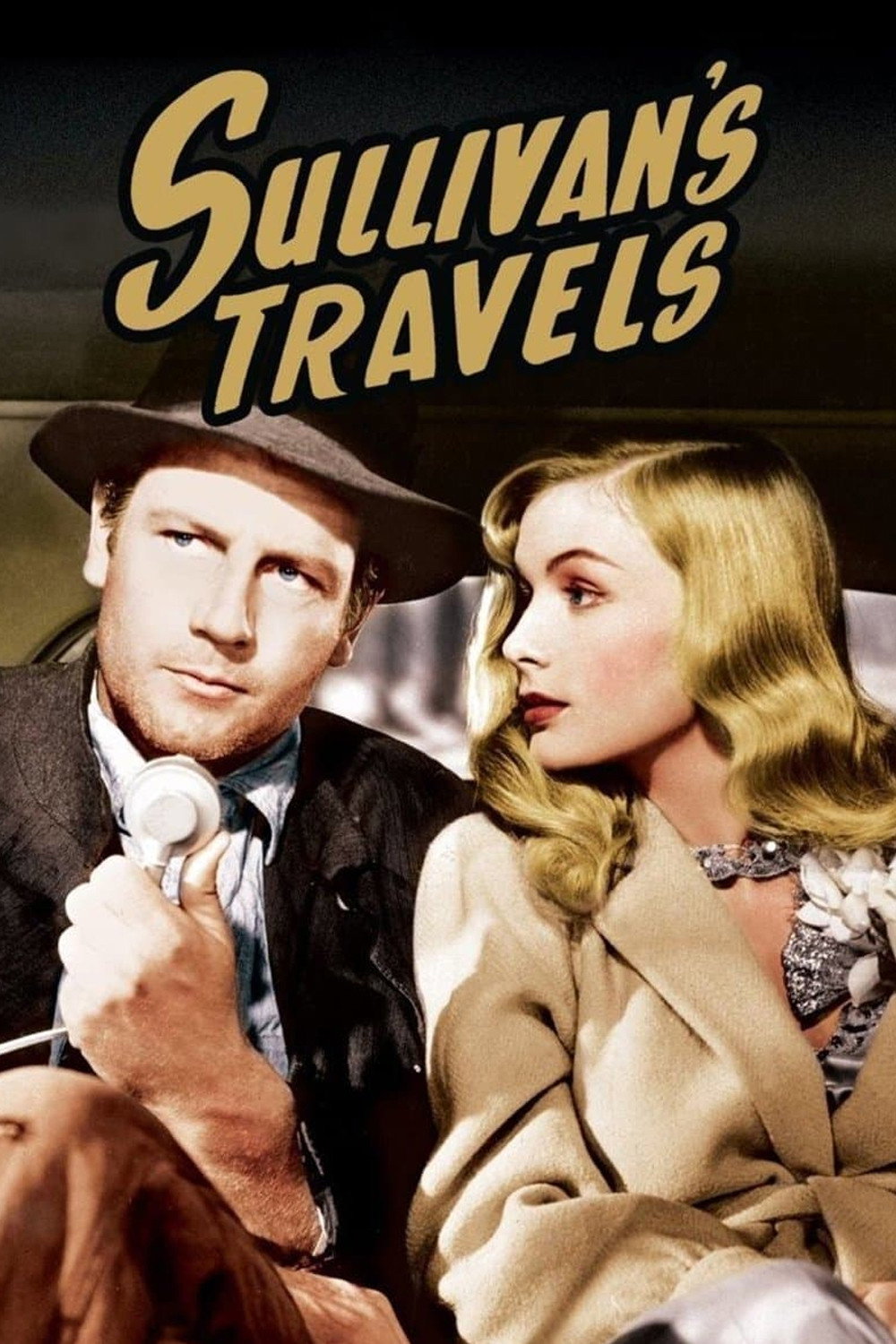
The butler in Sullivan's Travels (1941) gets an extended speech about class and poverty, and Robert Greig makes good use of it. His Burroughs has more to contribute than a dutiful manner in Preston Sturges's comedy about a filmmaker who thinks comedy is beneath him. We found the speech unexpectedly sobering, because Greig's restrained humour leaves room to take the subject seriously. We rate him highly in these comedies, especially when Sturges gives him time to do more than establish that the household has staff.
The familiar butler was established early. Greig's film debut was as Hives in the Marx Brothers' Animal Crackers (1930), a part he had already played on Broadway. He was Jacques, another butler, in Ernst Lubitsch's Trouble in Paradise (1932), and such parts became his regular employment. The precise timing mattered as much as the physical presence. He could accommodate comic indignity while preserving the dutiful manner that made it funny.
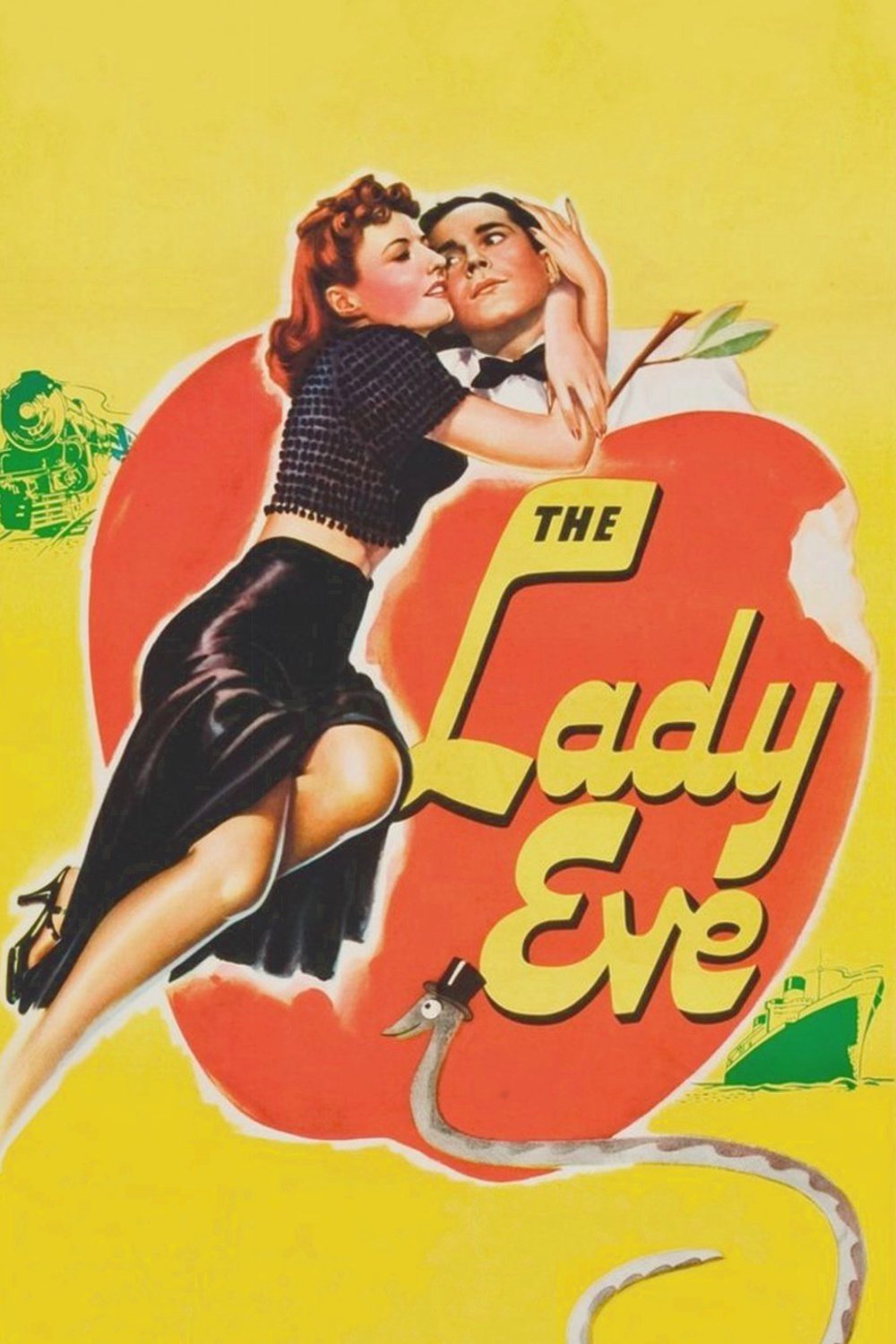
In The Lady Eve (1941), Greig is Burrows, butler to Henry Fonda's character, and the attraction is his willingness to remain a supporting presence. Sturges gives Barbara Stanwyck room to be calculating and vulnerable, with Fonda a fine partner; this is their romance, and Greig does not try to make it his. His dry humour is welcome alongside slapstick that grows a little insistent. It is a smaller contribution than the speech in Sullivan's Travels, but the same restraint serves both films.
Sturges cast Greig in six films and occasionally let him out of uniform: in The Palm Beach Story (1942), he is the third member of the Ale and Quail Club. The broader career is harder to separate from the job description, with butlers and servants dominating his screen work. That repetition limits what we can claim for him, however dependable the timing. We would have liked the casting to test him more often rather than keep finding another household for him to serve. Start with Sullivan's Travels for the occasion when the servant is given something substantial to say.
Biography
Robert Greig (27 December 1879 – 27 June 1958) was an Australian-American actor. Born Arthur Alfred Bede Greig in Melbourne, Victoria, he began his career on stage in Australia before moving to the United States. He made his Broadway debut in 1928 in the operetta Countess Maritza and appeared in the Marx Brothers production Animal Crackers, reprising his role as the butler Hives in the 1930 film version.
Greig appeared in more than 100 films between 1930 and 1949, most often as a butler or other servant. He was part of Preston Sturges's informal stock company of character actors, appearing in six of the director's films, including The Lady Eve (1941) as Burrows and Sullivan's Travels (1941) as Burroughs. Other notable credits include You Can't Take It with You (1938), Trouble in Paradise (1932), The Picture of Dorian Gray (1945) and The Palm Beach Story (1942). He was married to actress Beatrice Denver Holloway.